This is what progress usually looks like: redundancy.
Technological advancement has always rendered some jobs unnecessary. That is literally the progress! Freeing humans from a class of work that used to consume their time and talent so they can pursue new problems.
Individually, this isn't a picnic. I'm sure lots of the farm laborers displaced by the combine harvester didn't much care for "progress". They cared about having a job. Same too for the switchboard operators and typists.
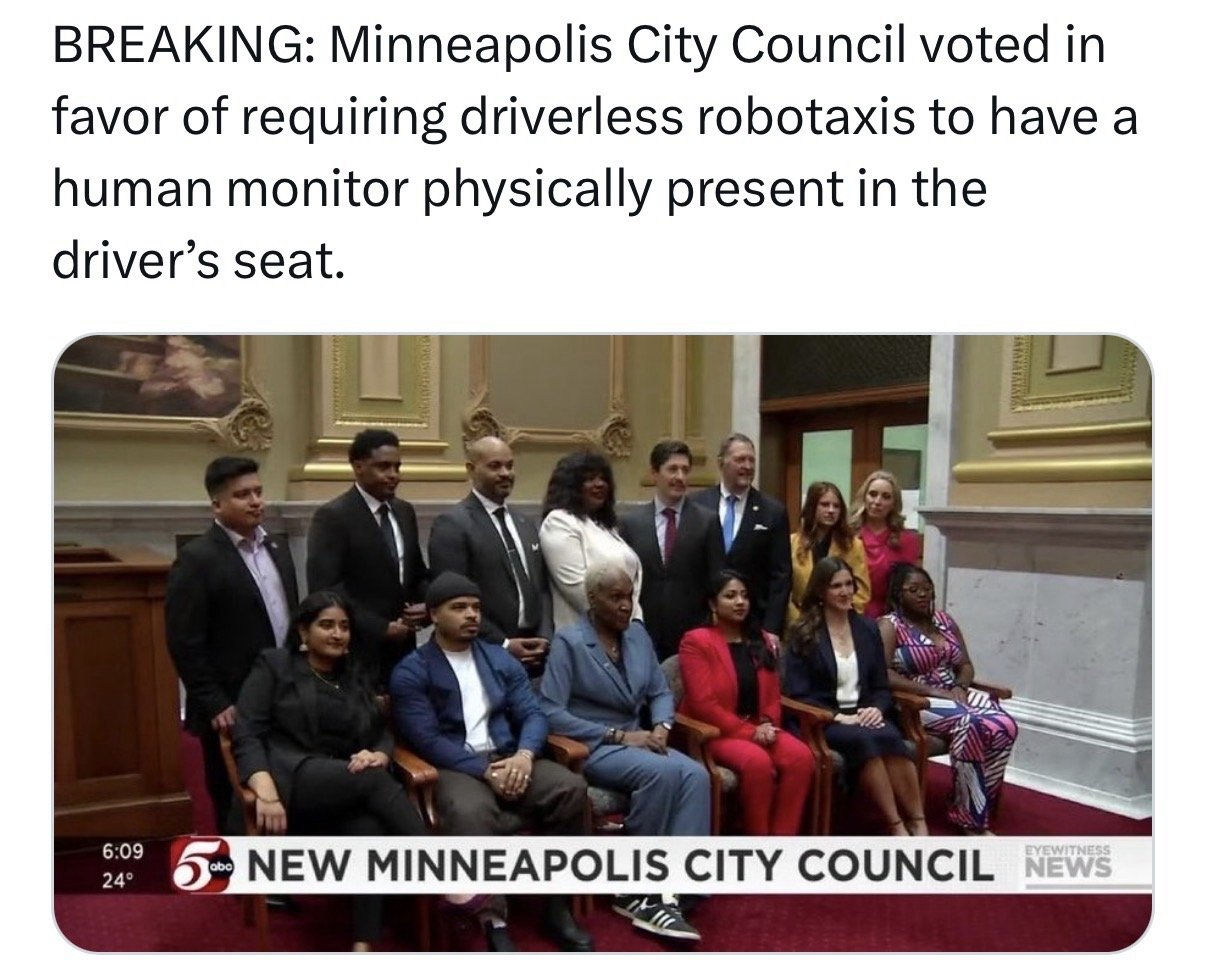
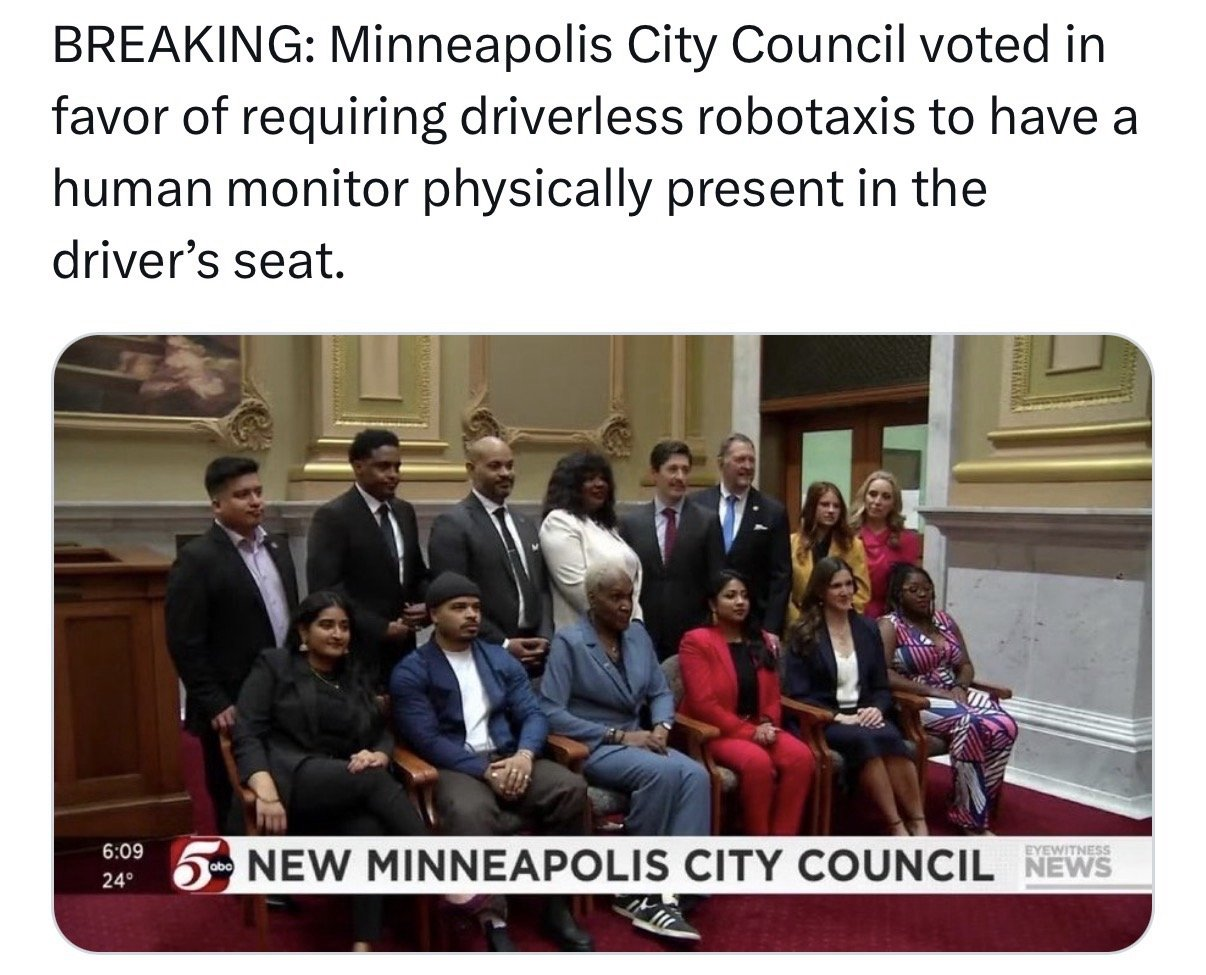
This isn't just a history lesson either. The Minneapolis City Council just voted to require self-driving cars to have a human "safety monitor". Lots of jobs are on the line if cabbies are no longer necessary! Thankfully, the mayor vetoed it. But note that New Jersey still requires a trained attendant to pump your gas. This kind of job-protection thinking is widespread.
So it's not hard to see why some programmers are on edge about agents, given the historical precedent of technological progress creating redundancy.
But I don't actually think the majority of them ought to worry. With the price of software creation cratering, we're likely to see an unprecedented bloom in apps and services. There's still so much paperwork and other white-collar toil we could automate, and we'll still need agent wranglers to do the work.
What is entirely possible, however, is that some companies won't need as many programmers as they did before, while others will hire their first programmers or staff up dramatically. It's very unlikely that the labor market for programming will remain static given the magnitude of this paradigm shift. But, again, that's the progress!
That isn't a license to be glib about it. We all need to live. We all need to eat. What's good for humanity at large in the long run may well be temporarily tragic for the individual in the short run. Sympathy and compassion are in order for anyone affected by the changes.
Just don't end up like the Minneapolis City Council and think you can legislate progress to a halt. That has never worked.