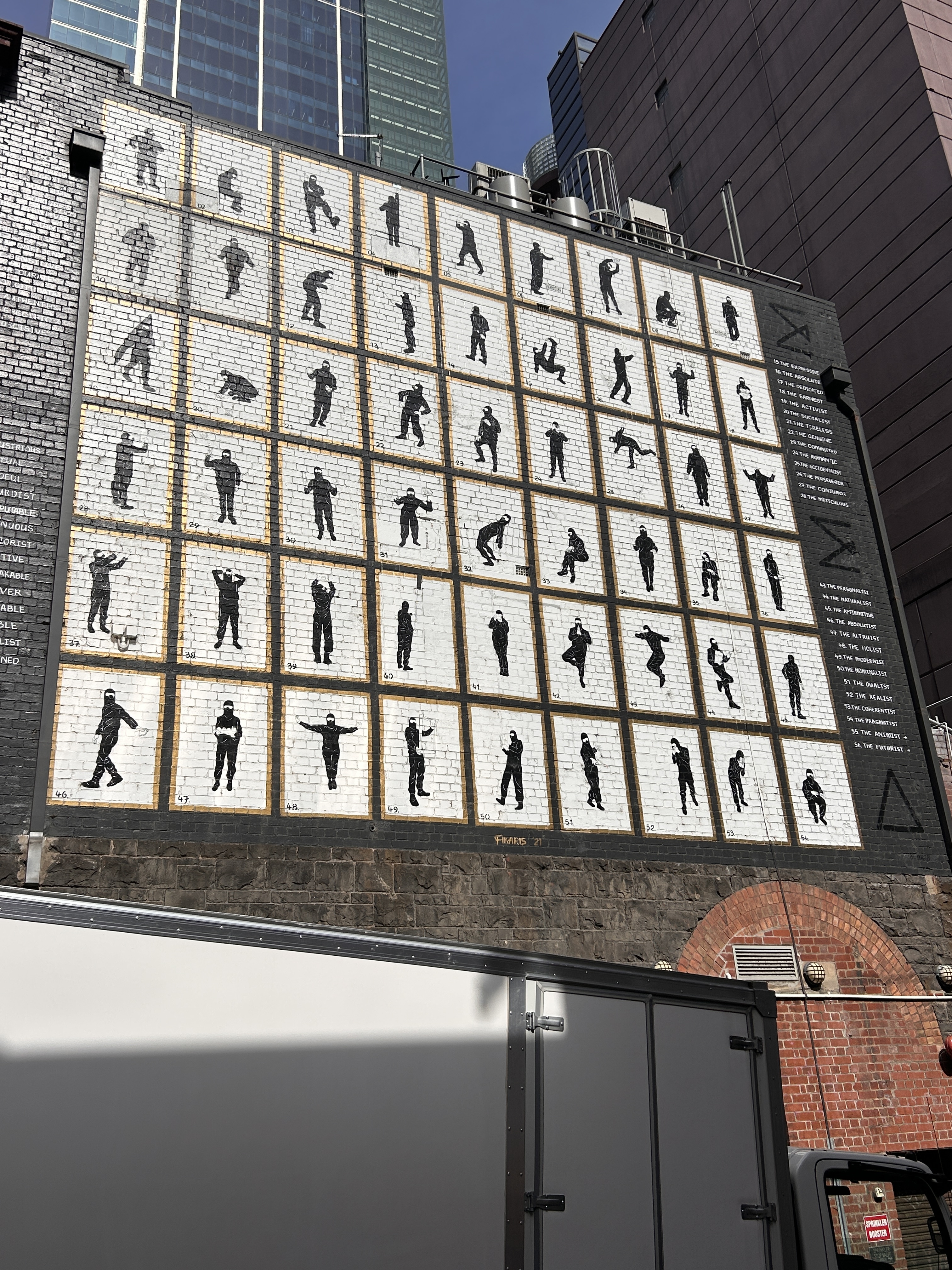
Melbourne reveals itself differently when you walk with an artist. David sees layers where others see surfaces – stories imprinted in bluestone, centuries buried beneath your feet, a city that shares its secrets with those who pause to listen.
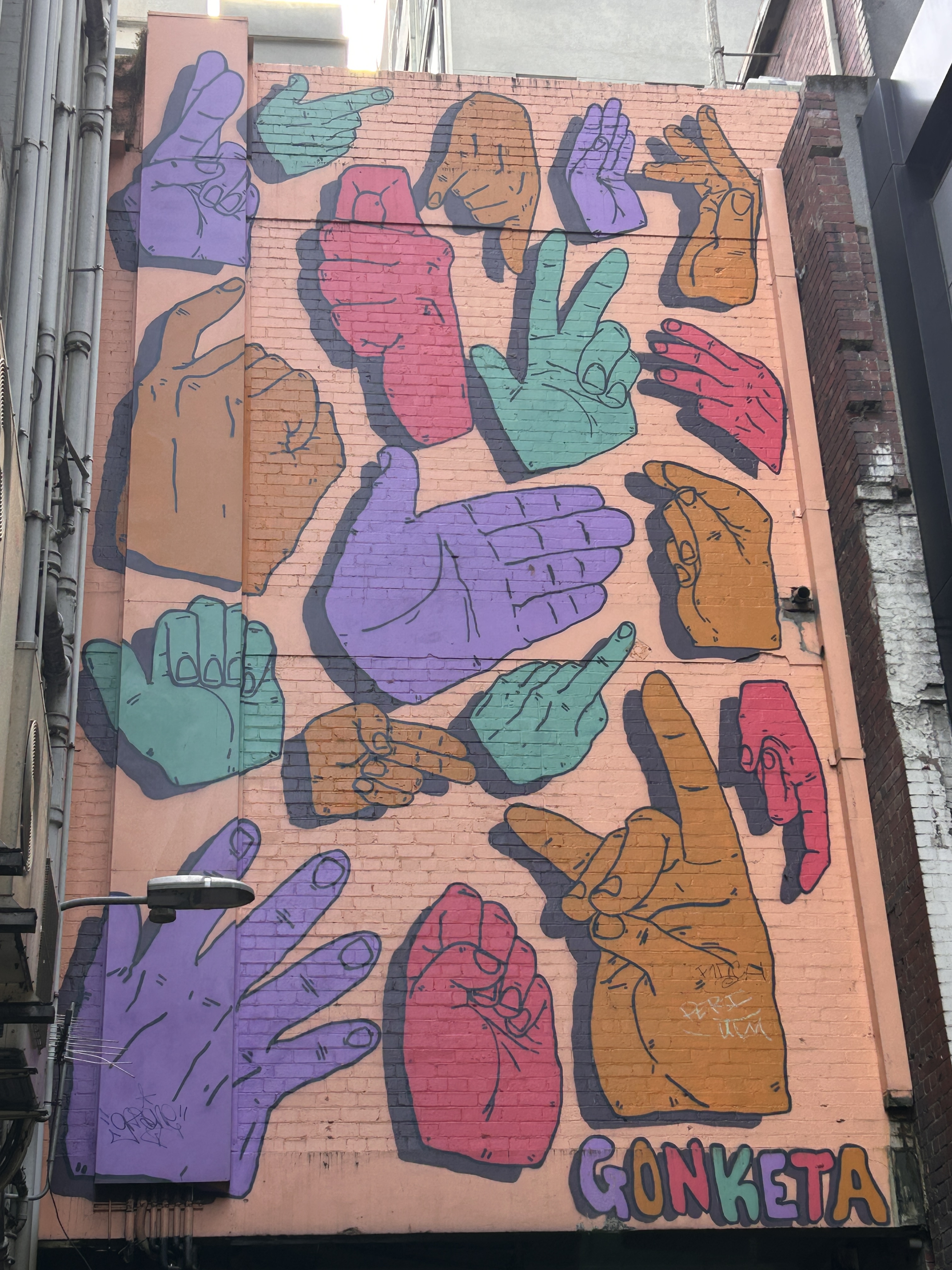
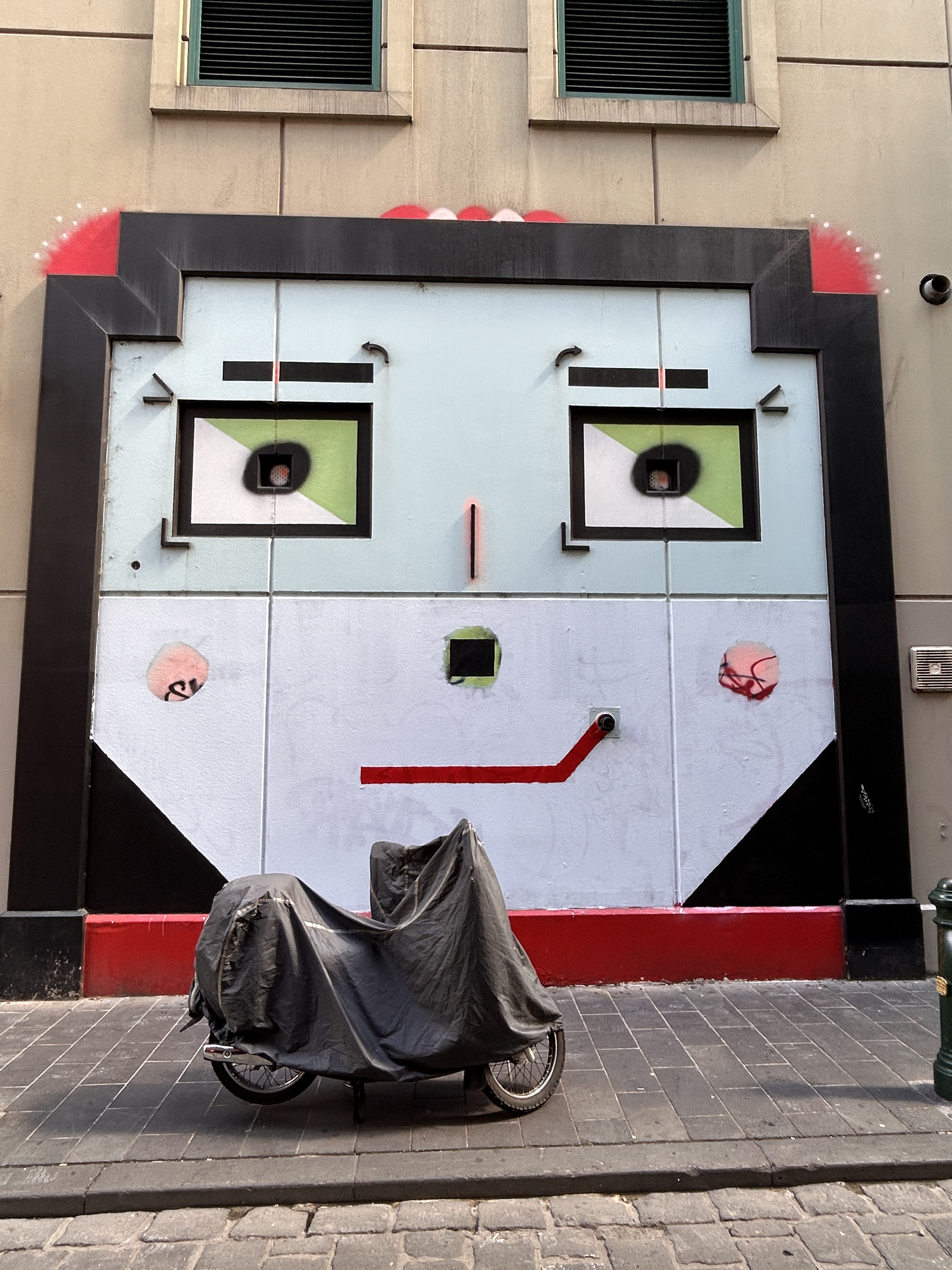
Encounter street art as visual poetry, uncovering stories about the artists and the meaning behind their works. Hear tales from the city's past that aren't found in guidebooks. View fragments from lives lived in these same streets over a century ago.
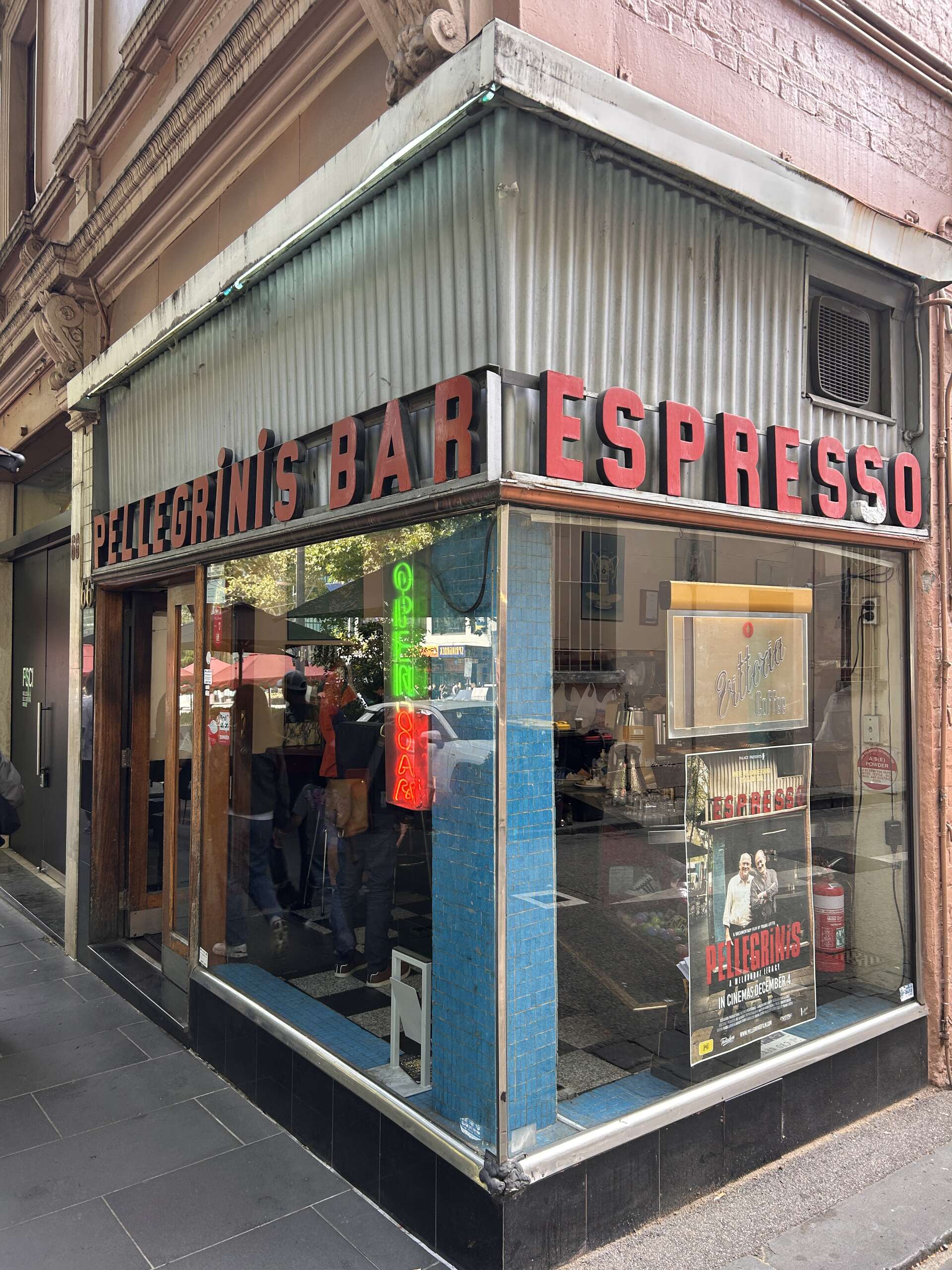
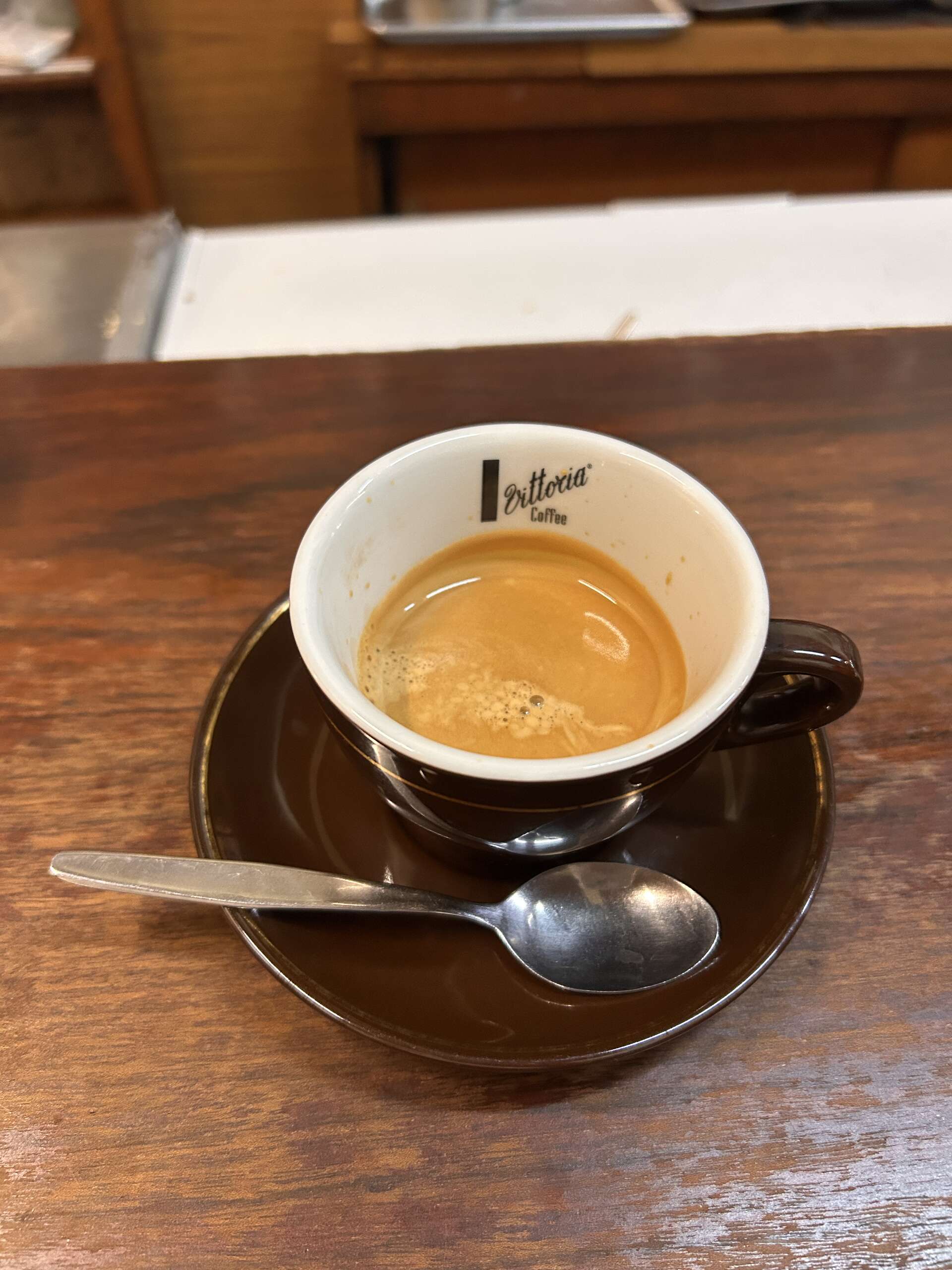
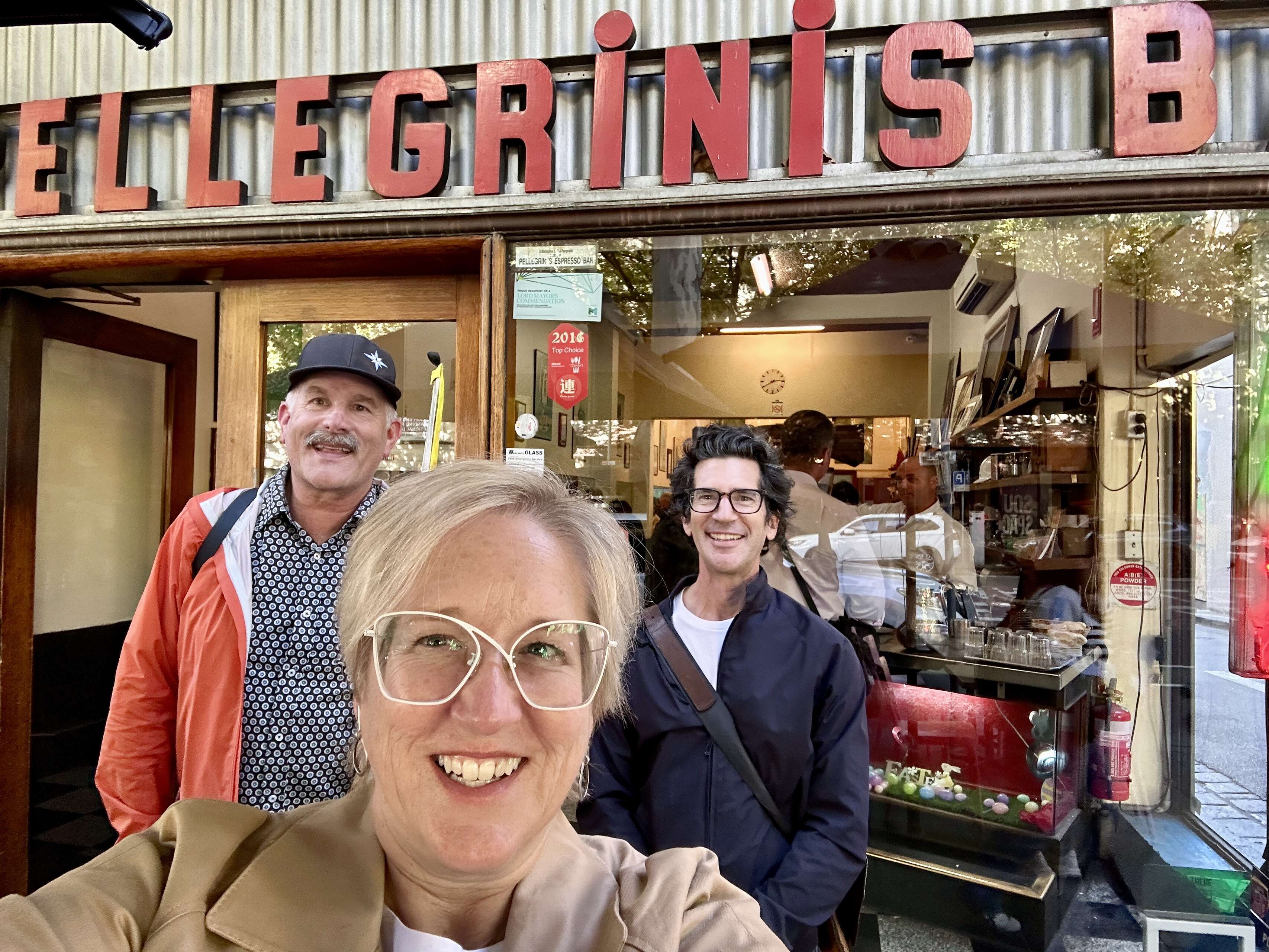
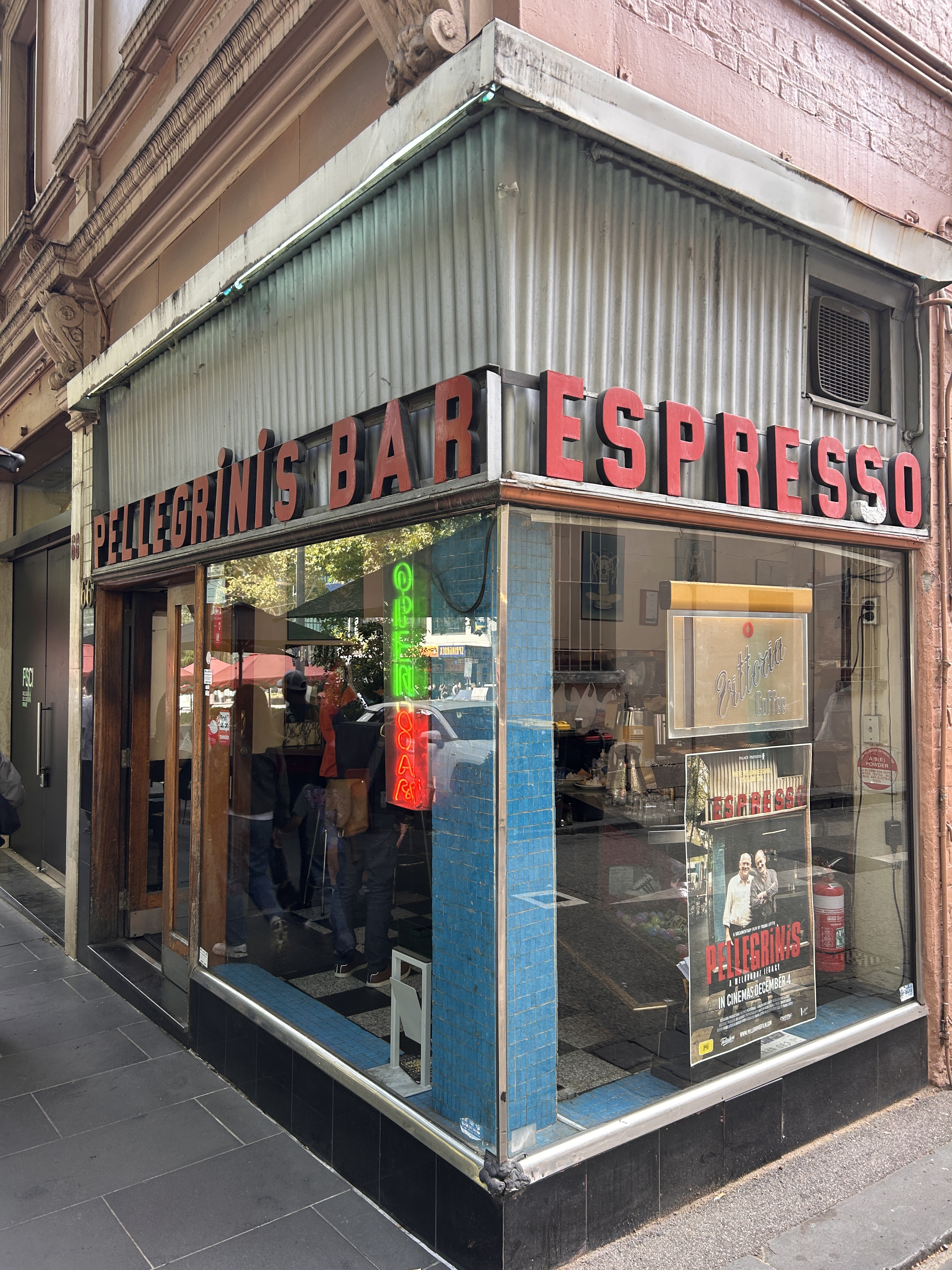
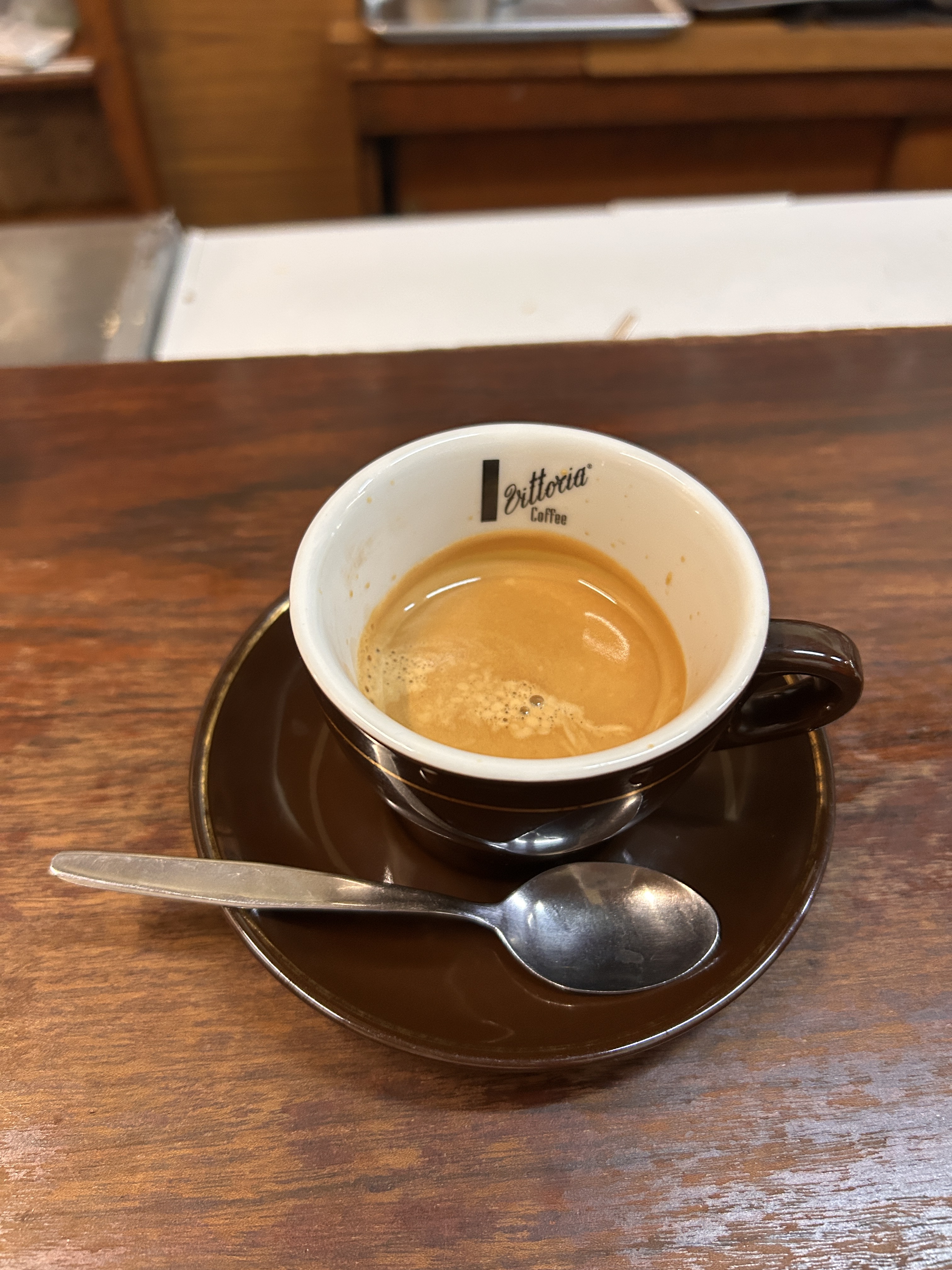
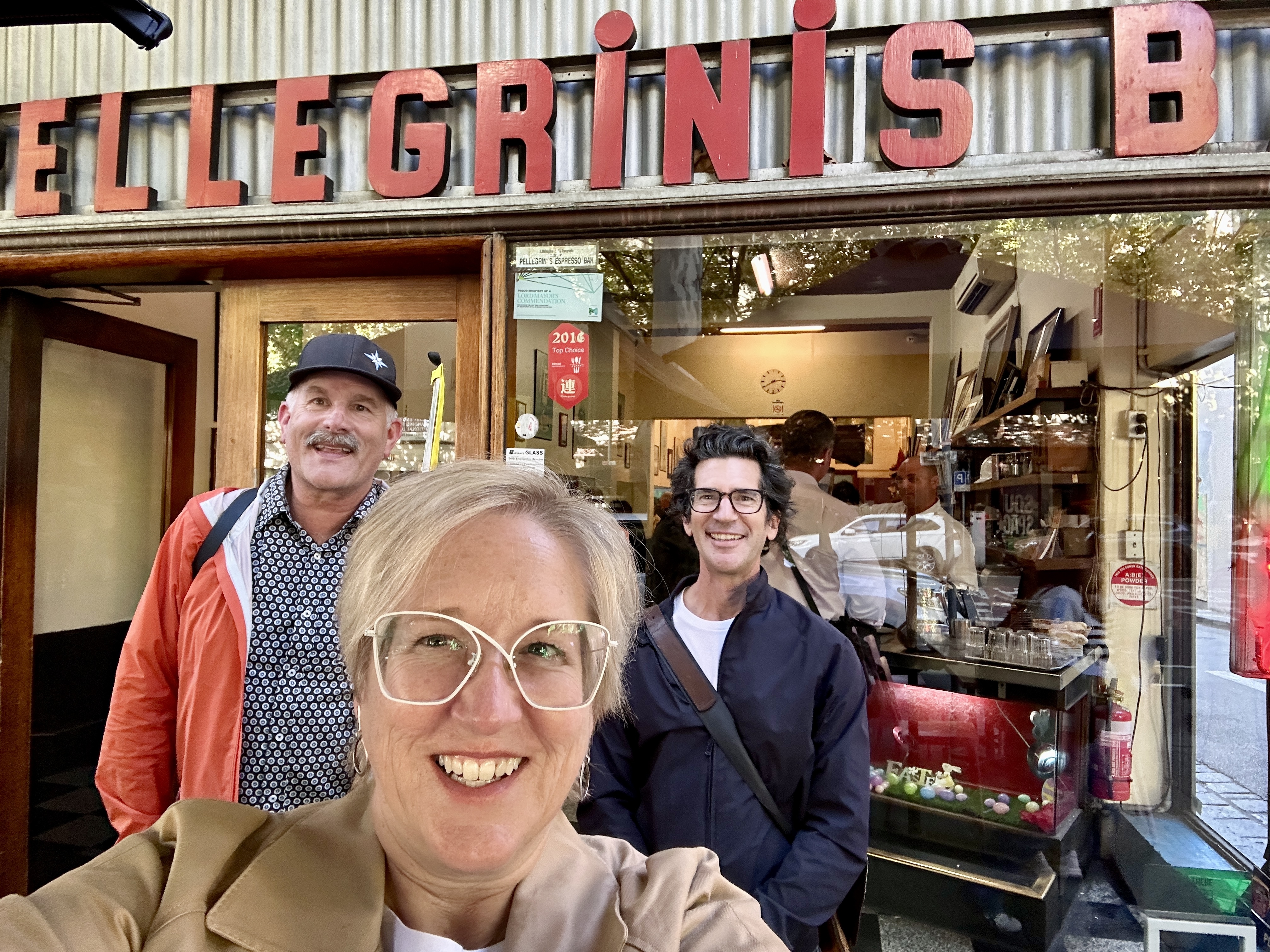
Stop for a coffee at Pellegrini's, virtually unchanged since 1954. This is where Melbourne's love affair with coffee began.
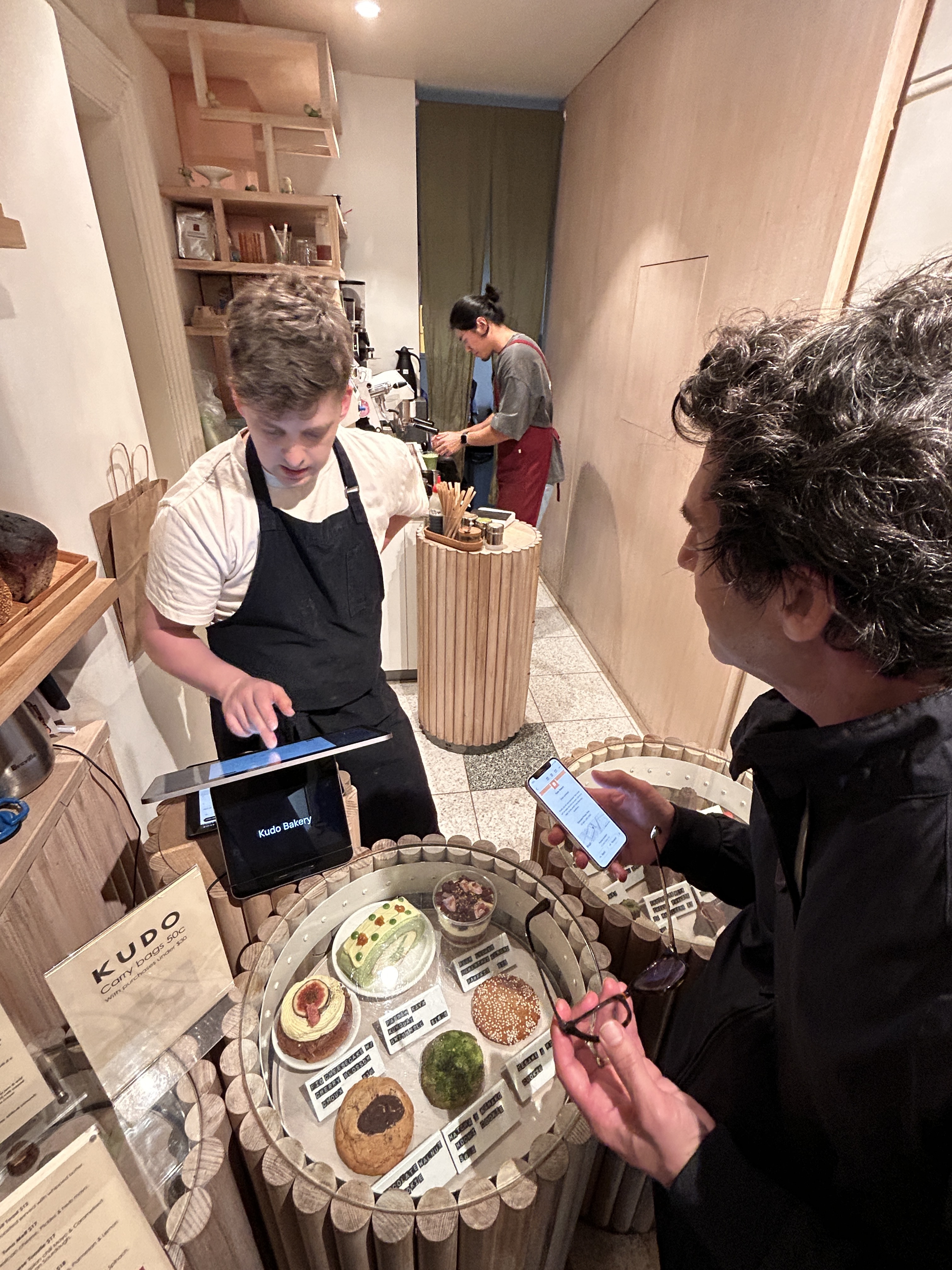
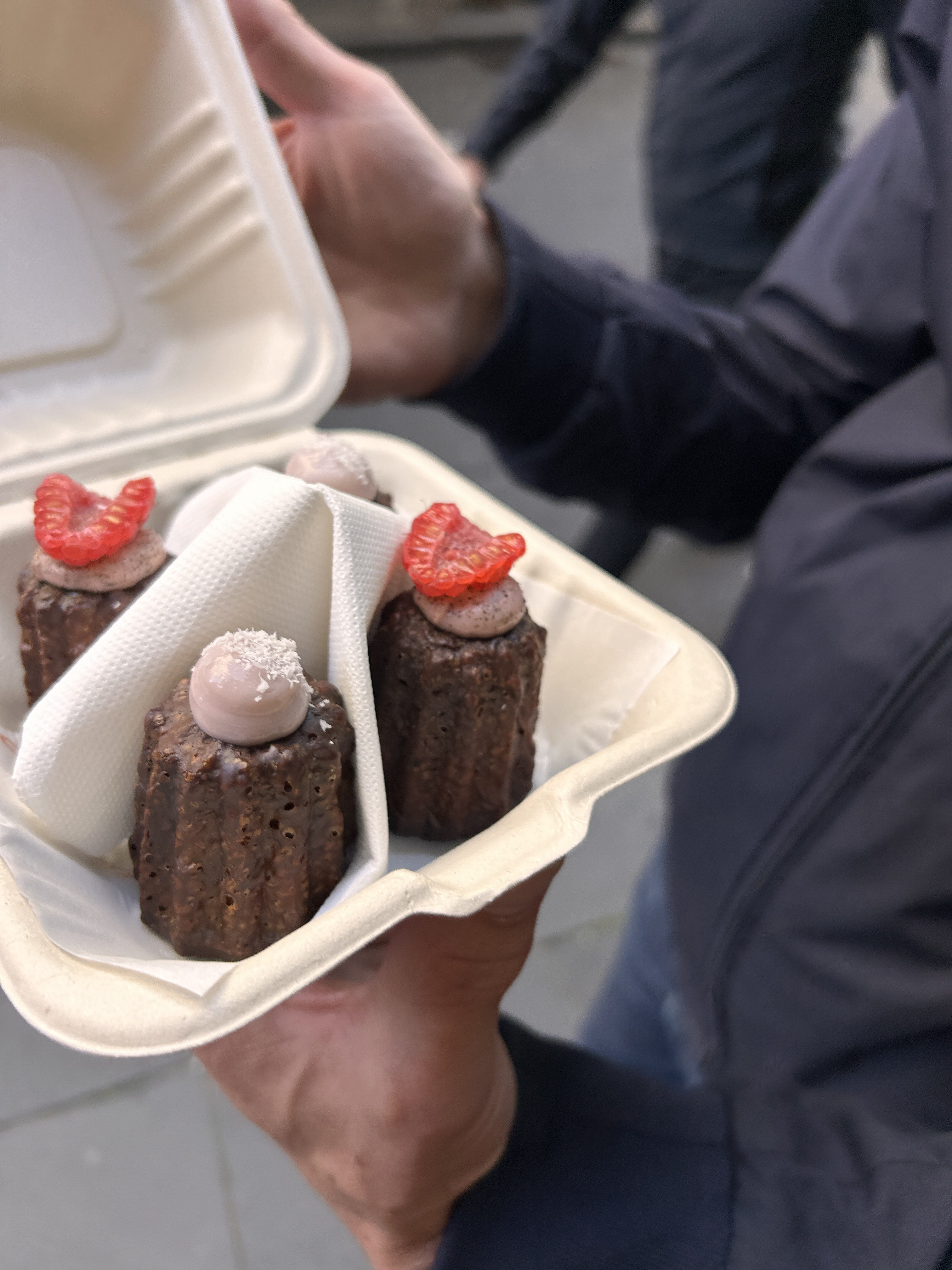
Then discover a pint-sized bakery tucked within heritage archways, where two artisans have poured their restaurant pedigree into the ancient craft of baking. Sample their signature canelé – a fusion of Asian heritage and French tradition
We were the only ones who booked that day so it was a very engaging experience and David was very knowledgeable. He covered a lot of the history of Melbourne beyond street art. I was fully immersed so didn't take many notes but here are many of the places we stopped along the way. 📸
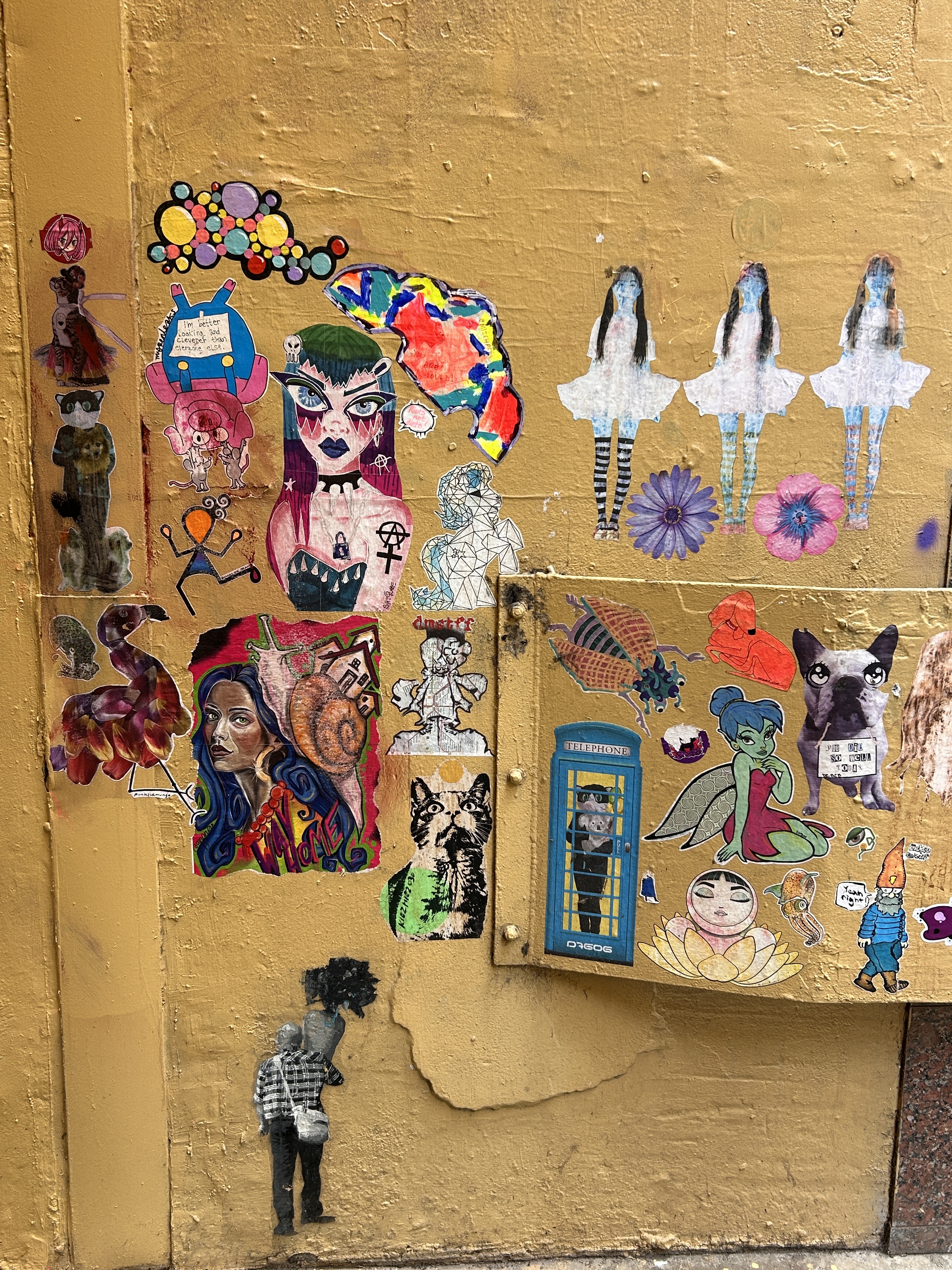
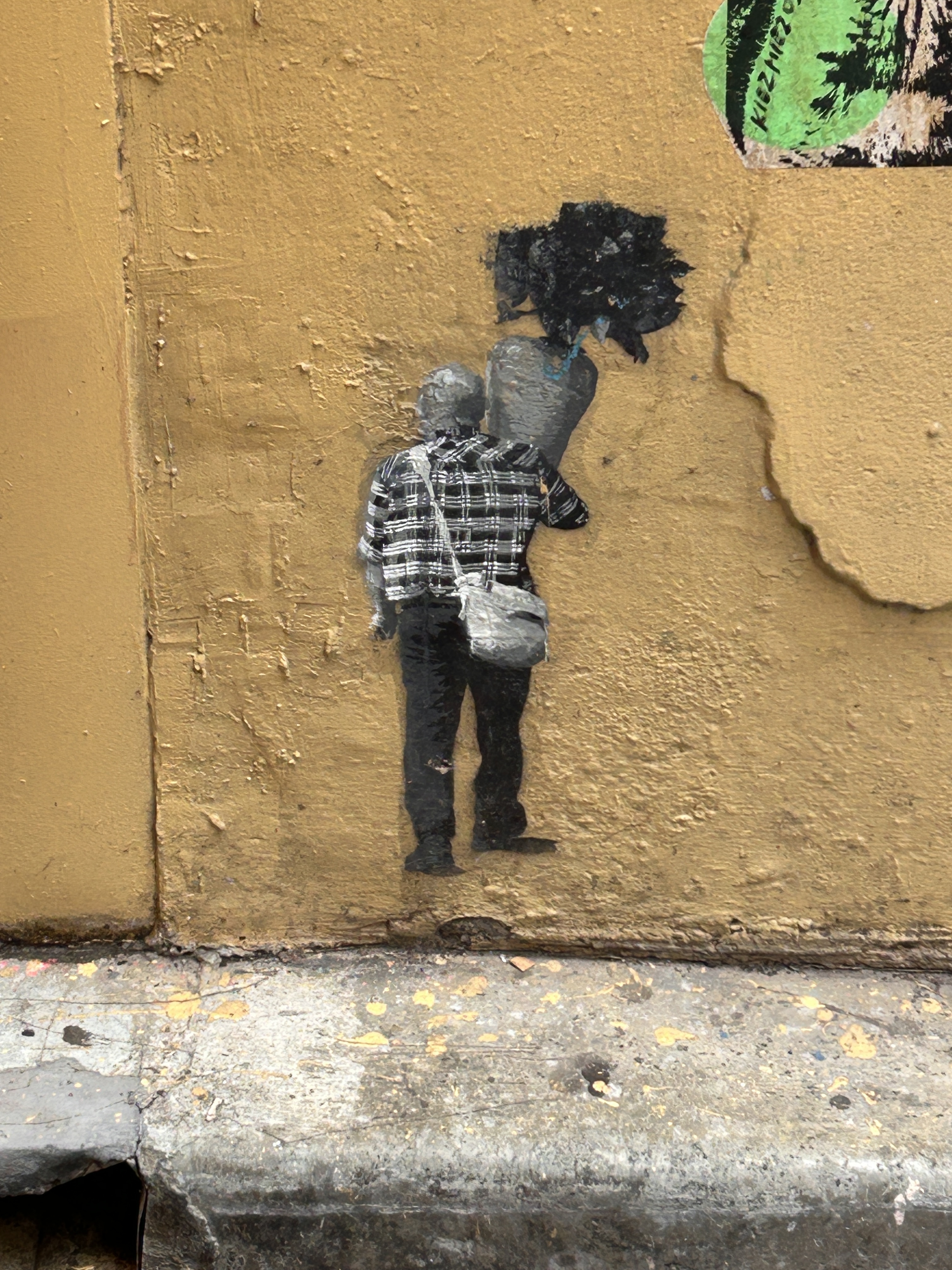
This was called 'paste up' meaning artists would add stickers to this laneway wall. The man with a carrot was a real person who walked around Melbourne / Naarm with a giant carrot. When asked why he said 'because it makes people smile.'. 🥕
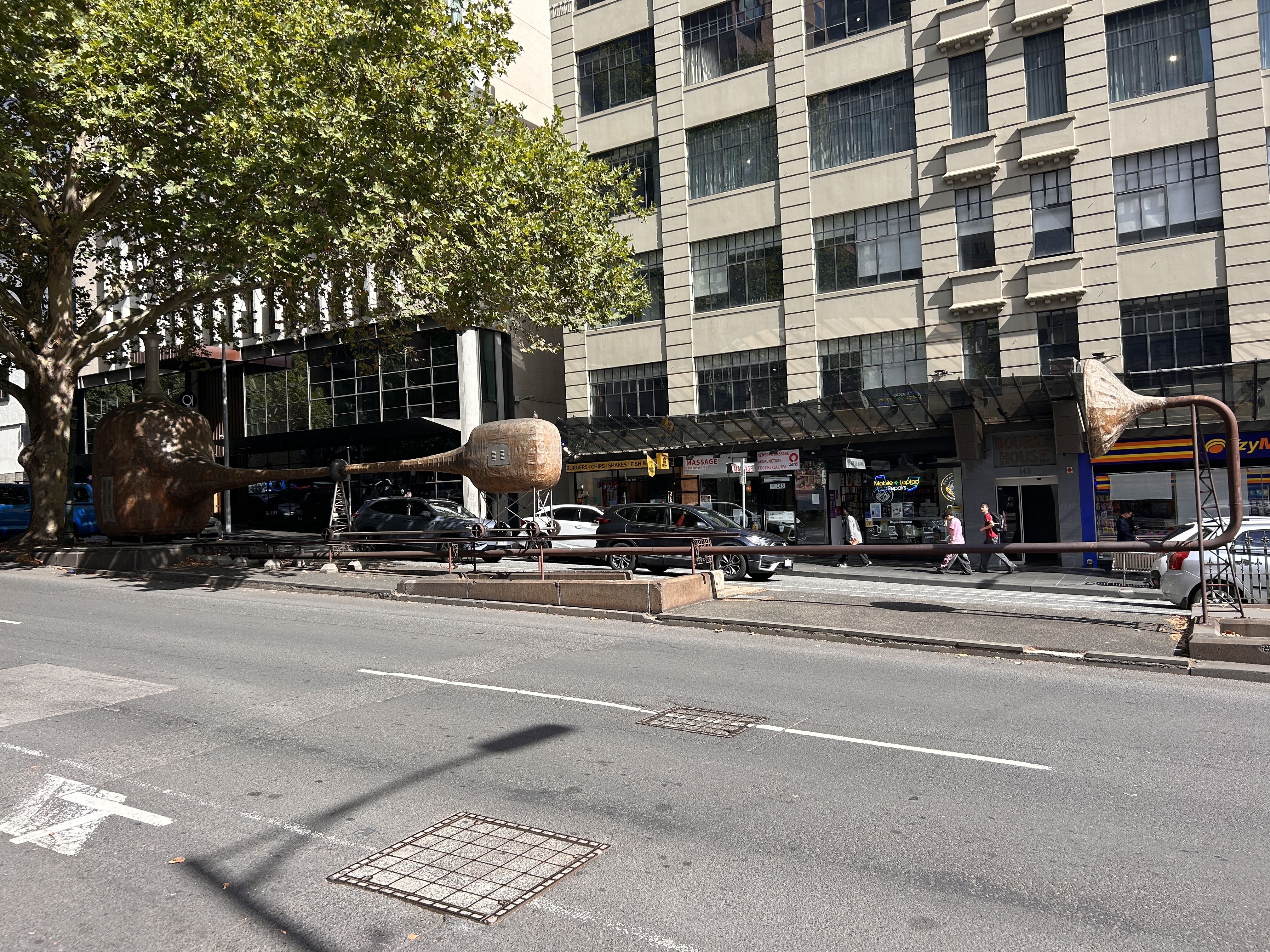
The artwork was conceived as part of the National Metal Industry Sculpture Project, an innovative sculpture-in-residency program that aimed to cultivate links between the artistic and technical endeavours and the greater community.
The work comprises three main elements - the vessel, craft and beacon - and three lesser elements - the chord, snip-ring and trestle. The main components of this sprawling sculpture, 24 metres in length, refer to the temporal concepts that anchor us in the world: the vessel represents the past, the craft represents the present and the beacon the future.
The sculpture sits on the site of Melbourne's first underground public toilet, opened in 1902, which is listed on the Victorian Heritage Register (and is now closed).
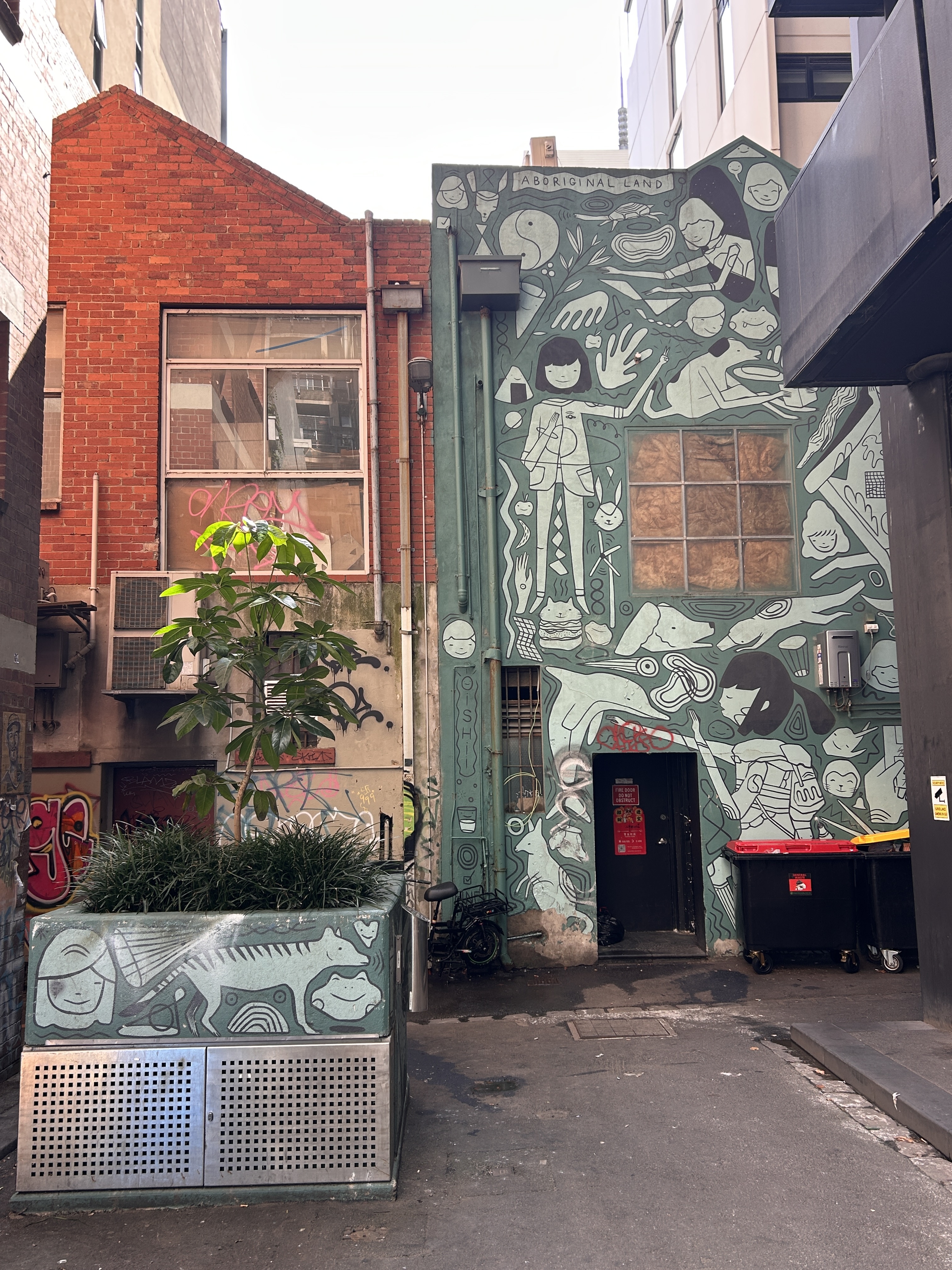
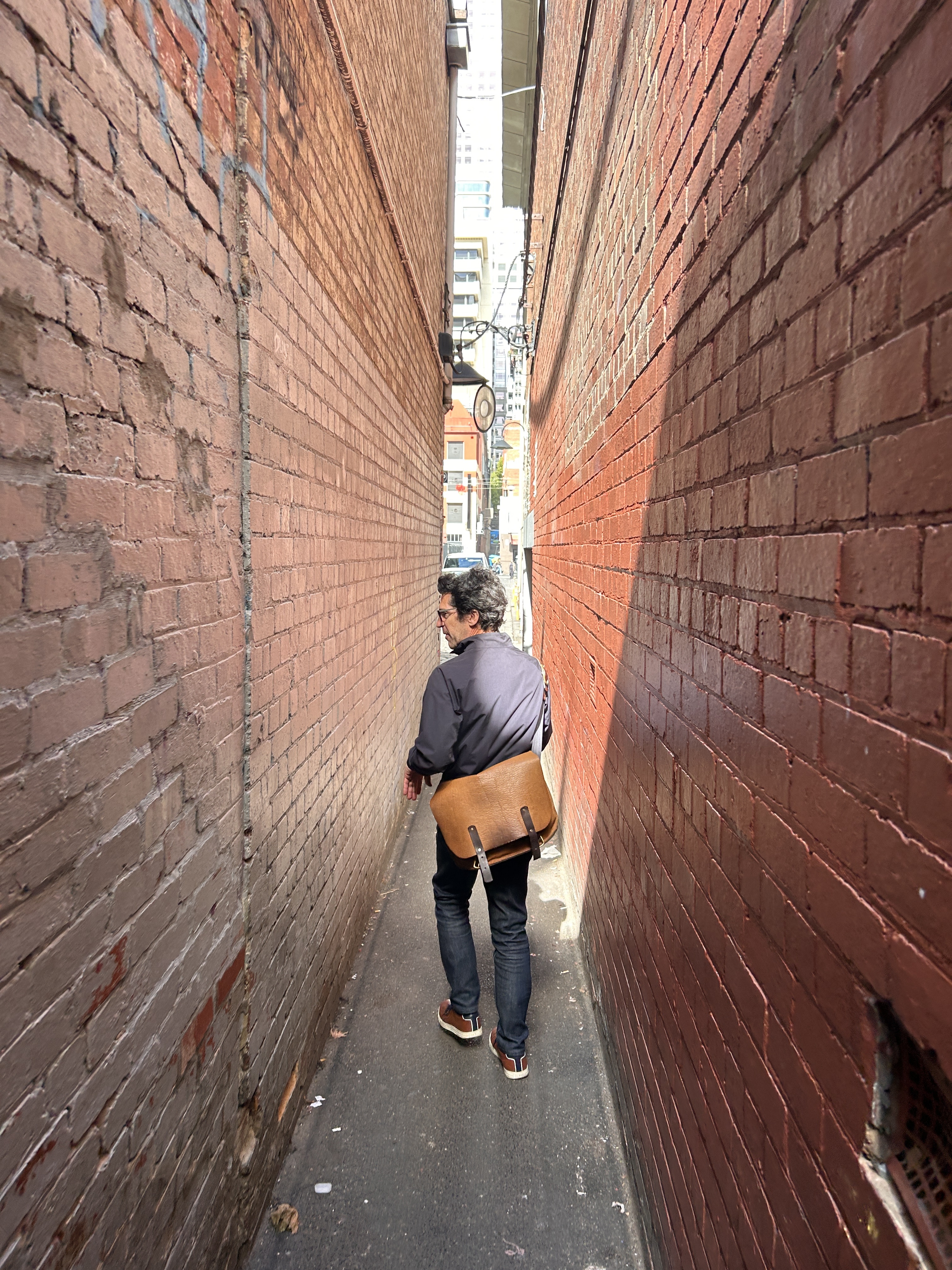
David in a teeny tiny laneway. 👀
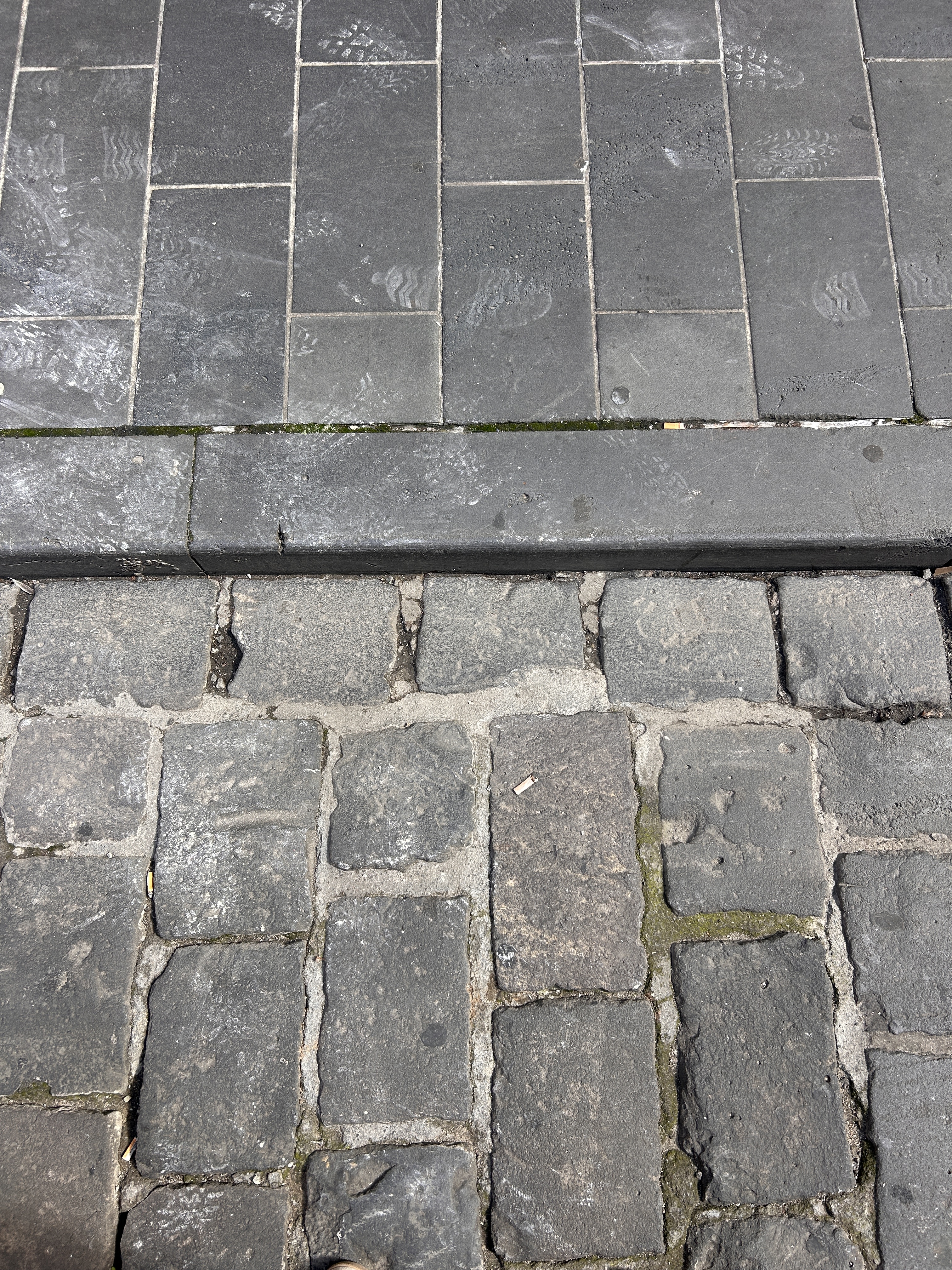
Bluestone was sourced locally and used for many of the early streets and sidewalks. Cobble in the street and cut stone for the sidewalk shown here. 💙
The canales were delicious (one had pandan and the other Earl Grey tea). 😋