This is a focus post about our visit to the Henry Moore Studios on August 5th. If that doesn't sound interesting, I would skip it. 👋
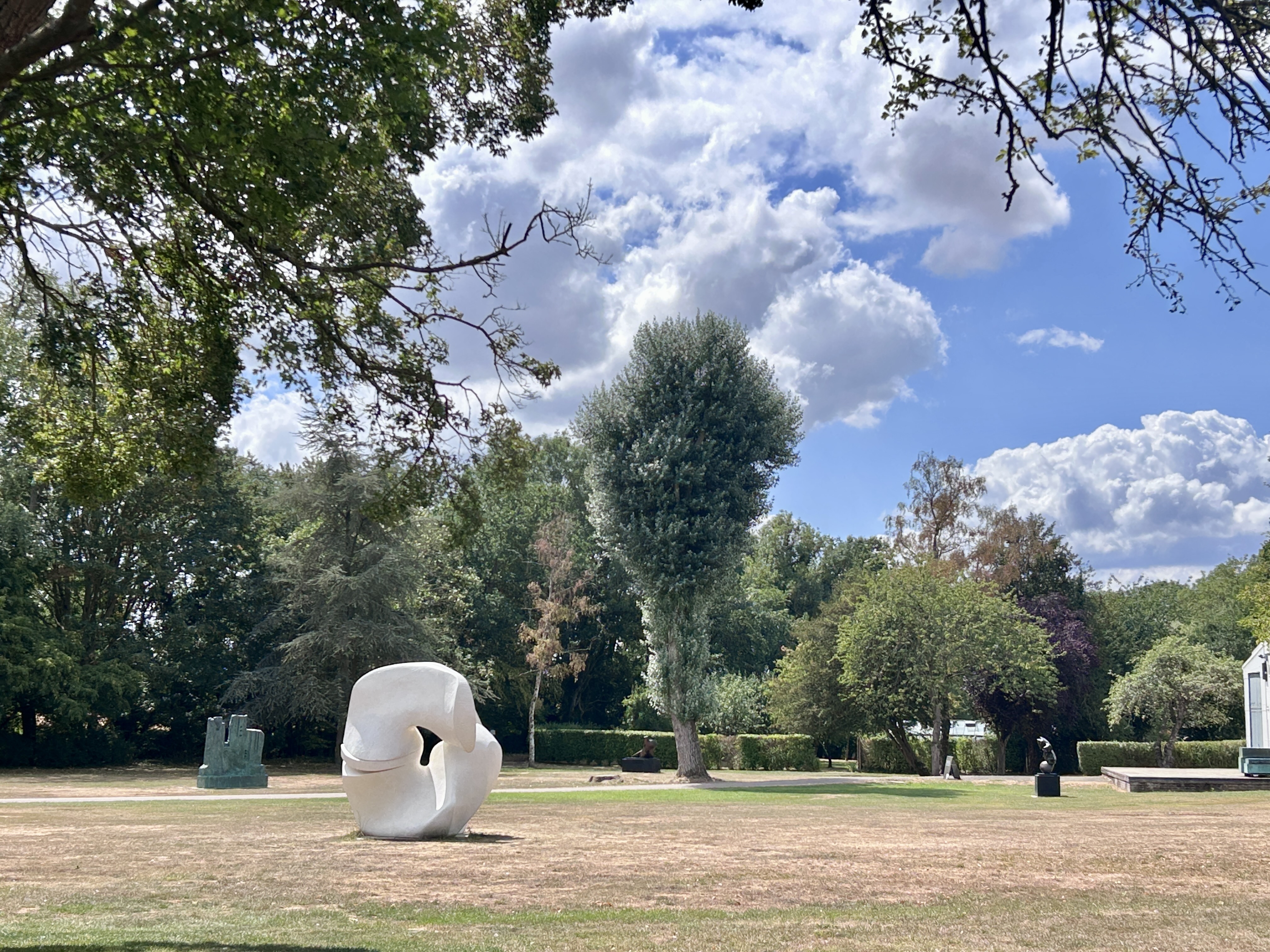
The Henry Moore Studios were about an hour north of London in East Hertfordshire and included his home, gardens, and studios. We spent a few hours there on August 5th and while many of the sculptures were at Kew Gardens, we enjoyed learning more about his life and journey.
The Moores’ house, Hoglands ... was acquired by the Henry Moore Foundation in 2004 ... and opened to visitors in 2007. A late mediaeval hall-house at its core, it was rebuilt in the seventeenth century. Henry and Irina Moore had been living in Hampstead, but wartime bombing prompted them to move out of London. They were already familiar with Perry Green, and, in 1940, rented part of the house. Sales of Henry Moore’s work soon enabled them to buy the whole property, which came to serve as both home and studio, with additional land being acquired, and studios being added and created from existing buildings.
The house tour was very interesting and I would recommend it if you visit. However, no photos were allowed. This website shows a few taken during a restoration project.
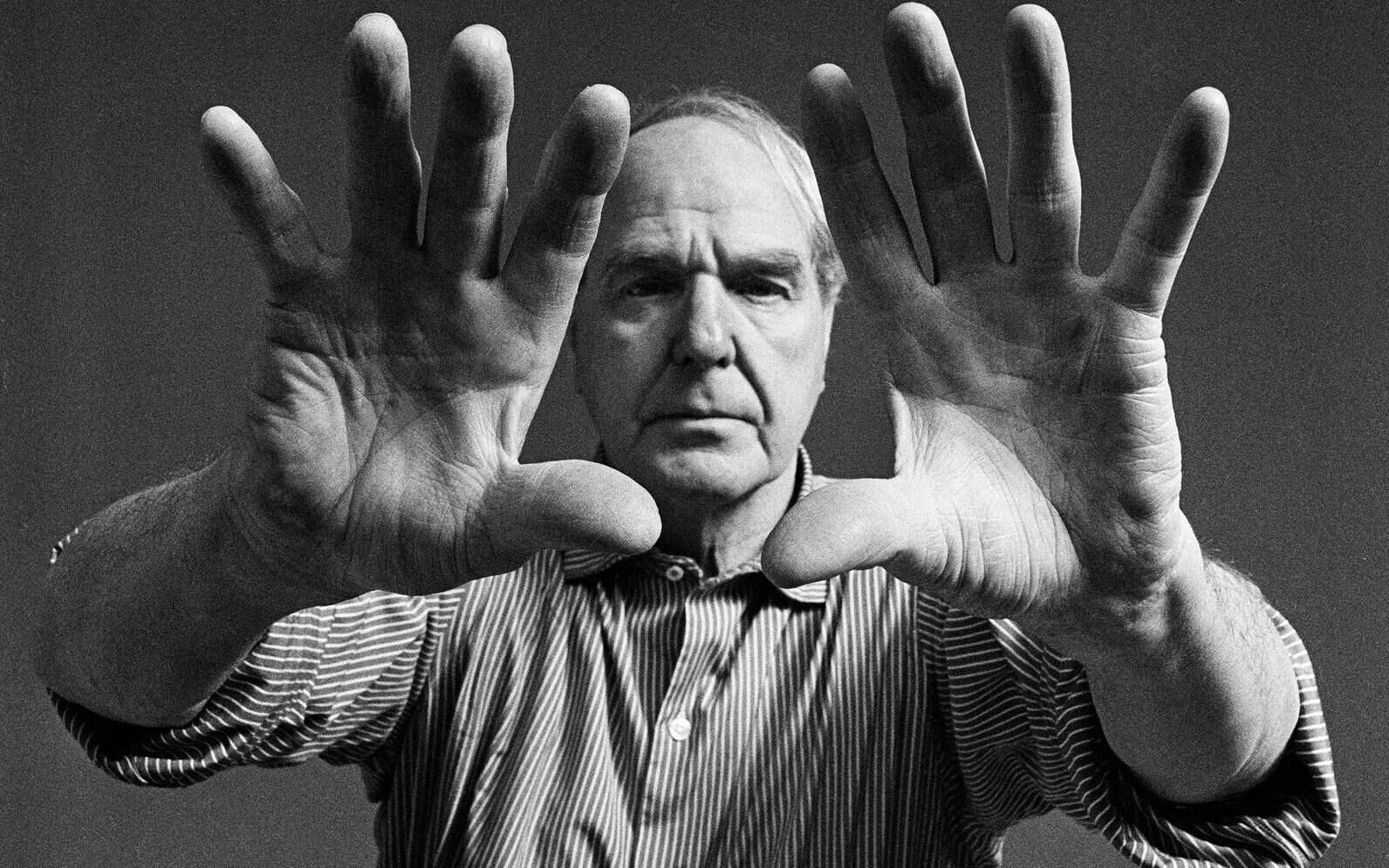
Loved this photograph by John Hedgecoe in Henry's home office. ✋
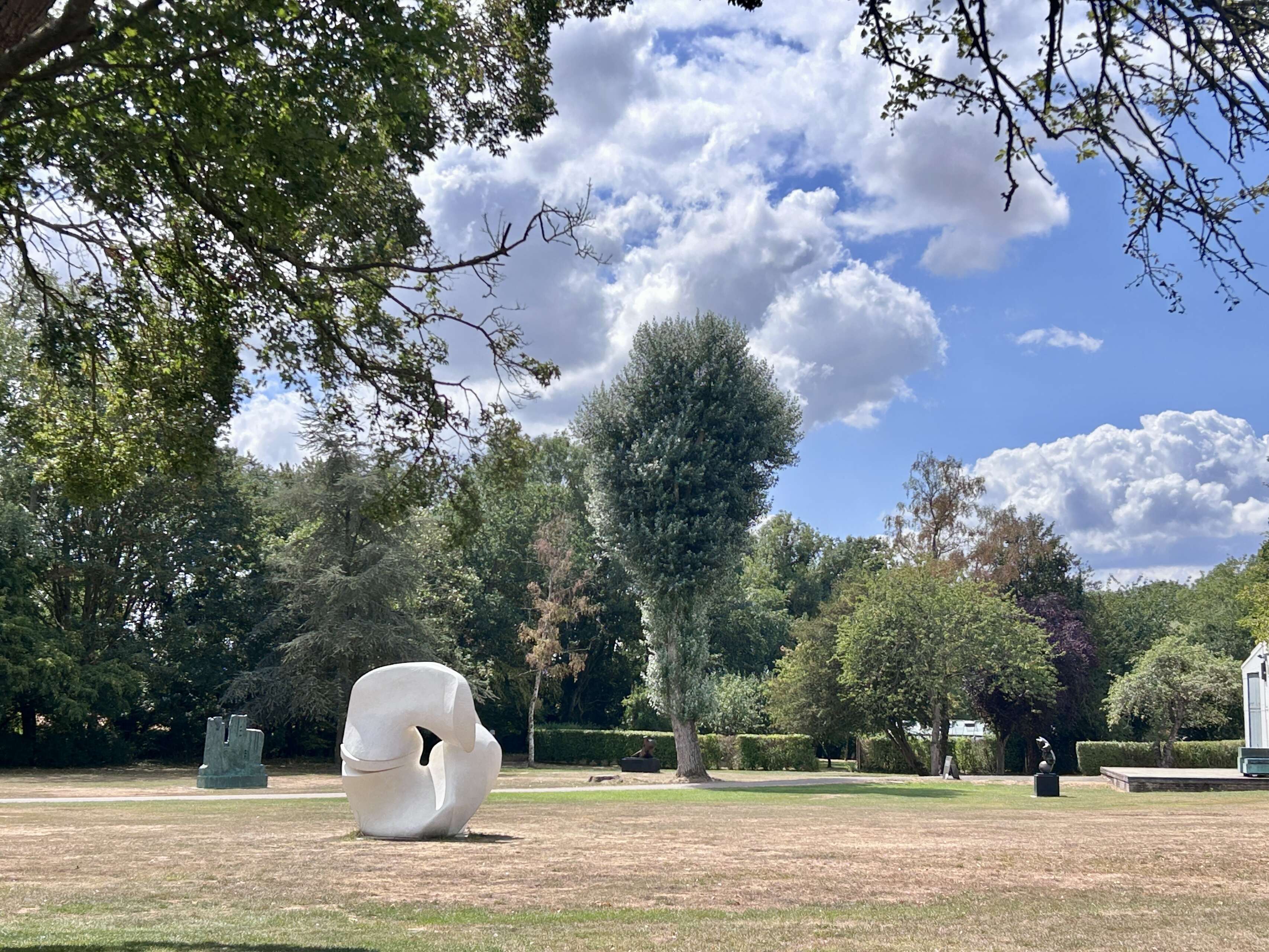
We started the visit with a picnic lunch on a bench on the main lawn. 🧺
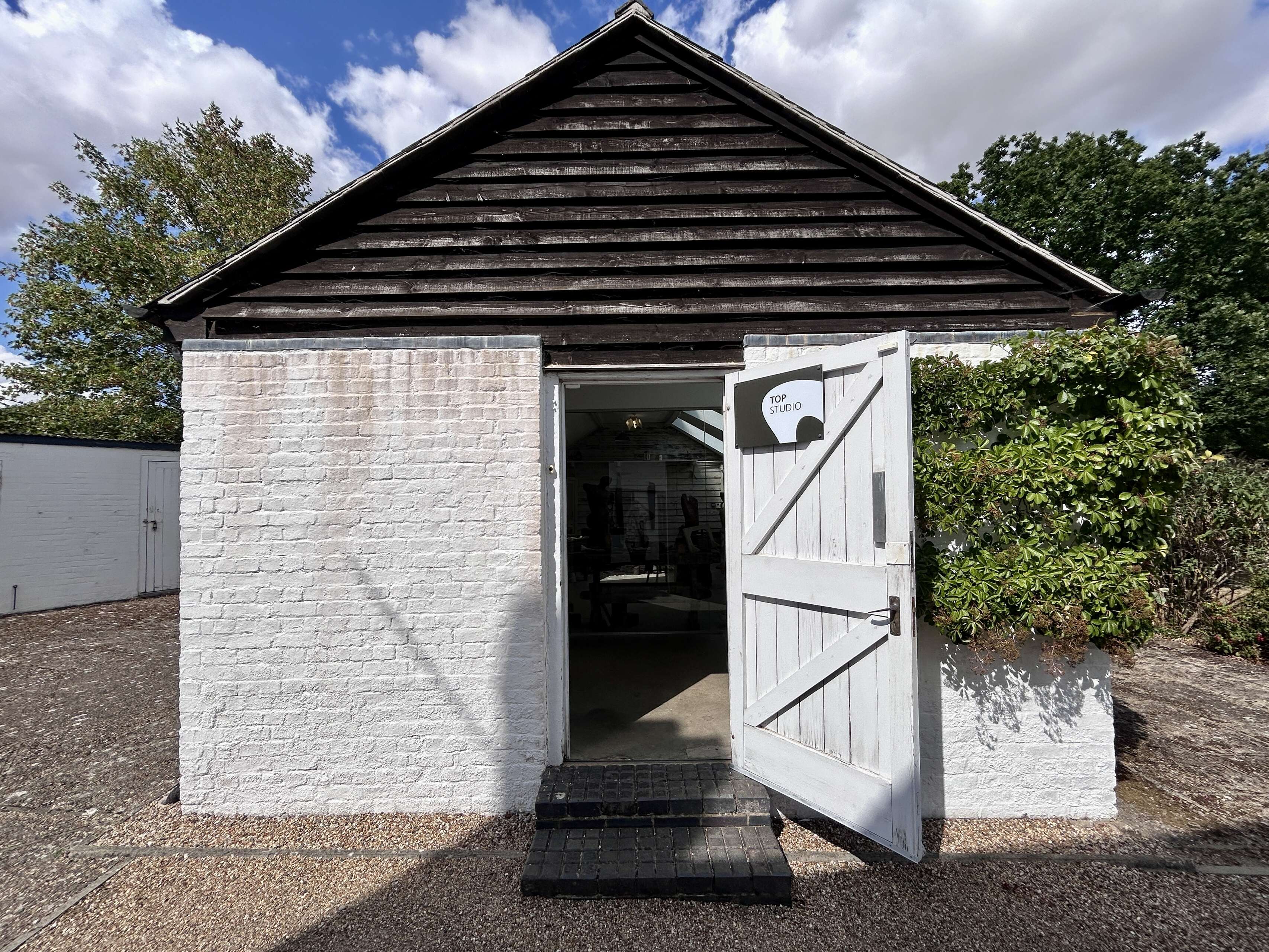
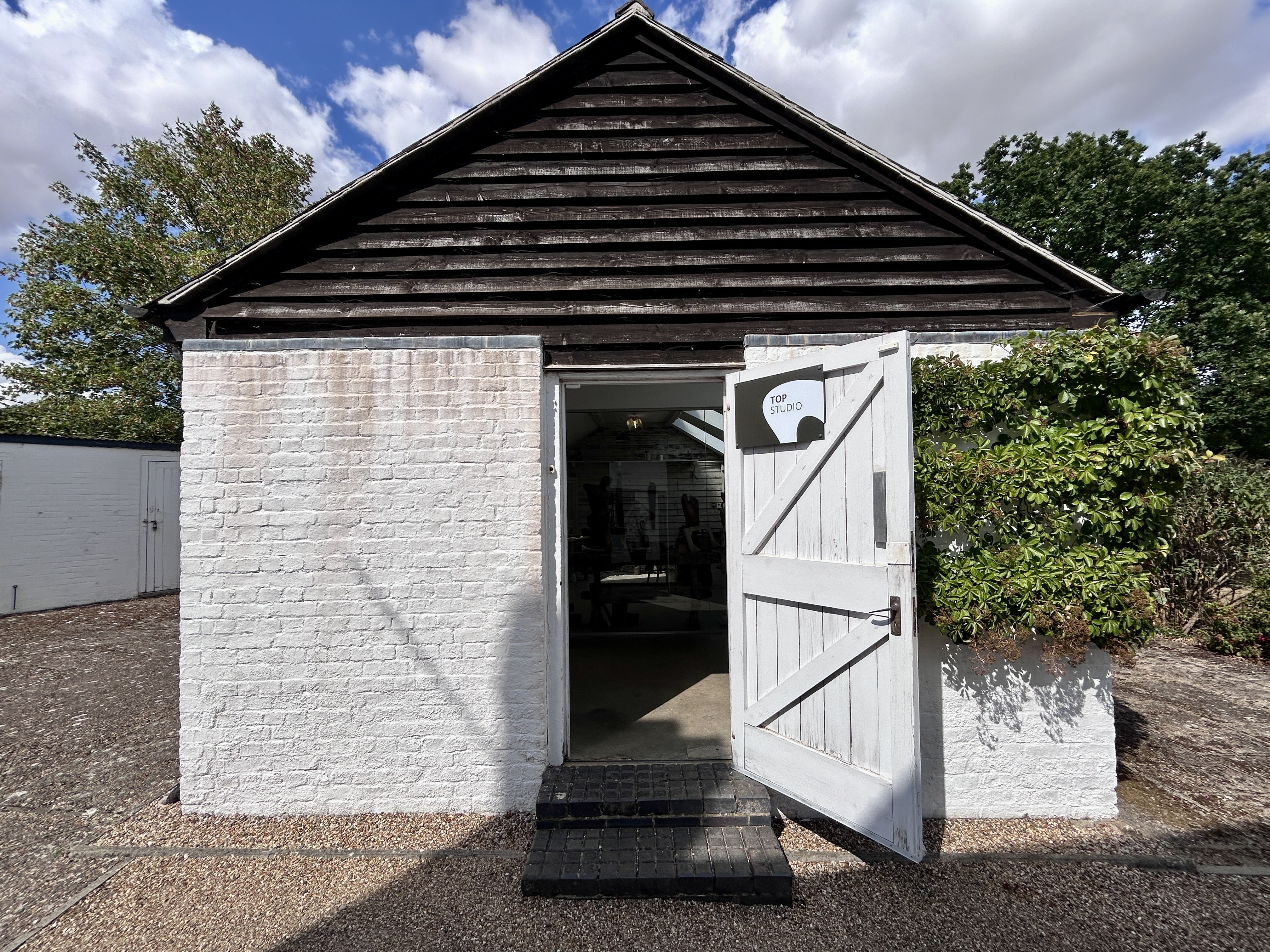
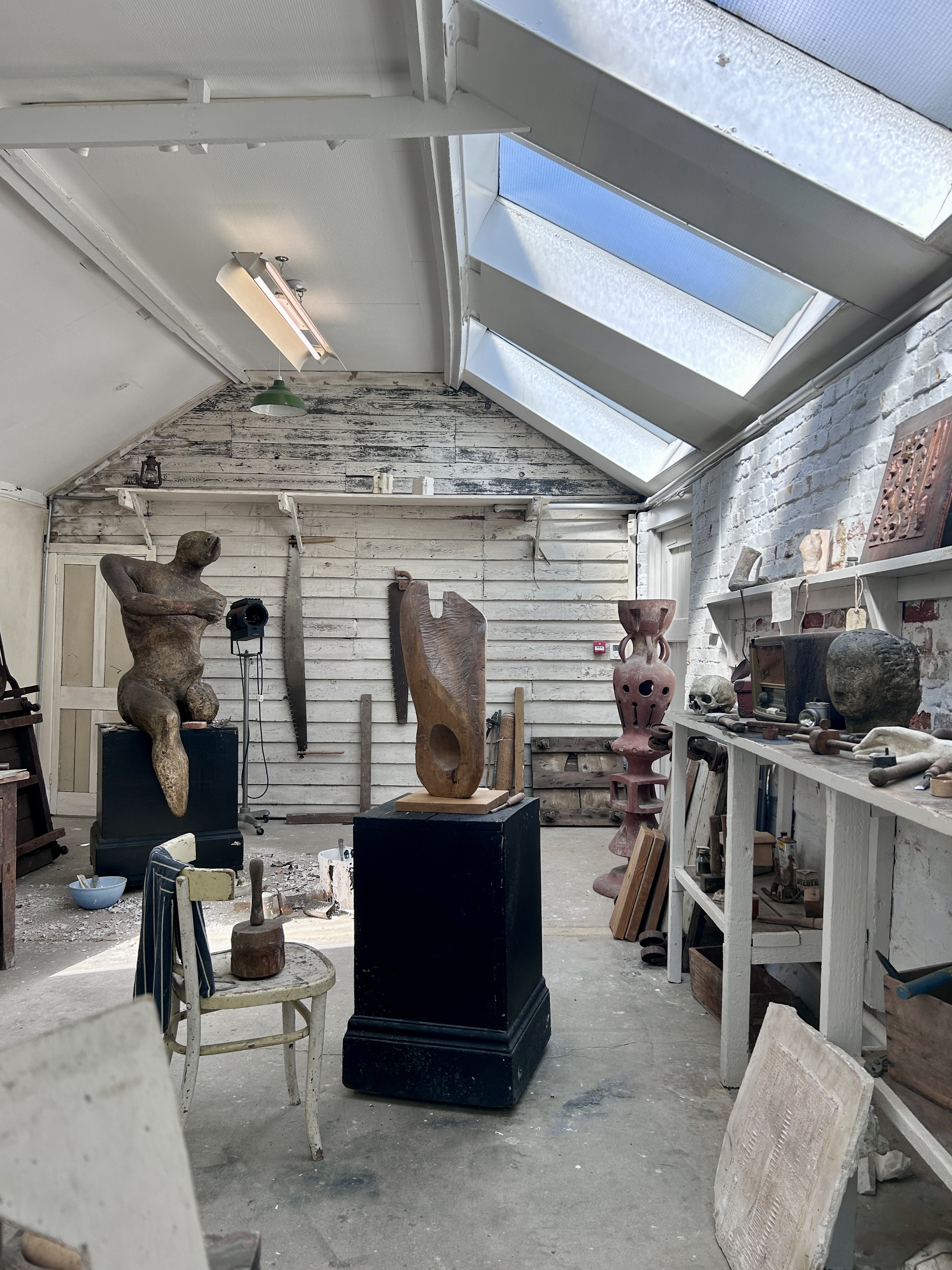
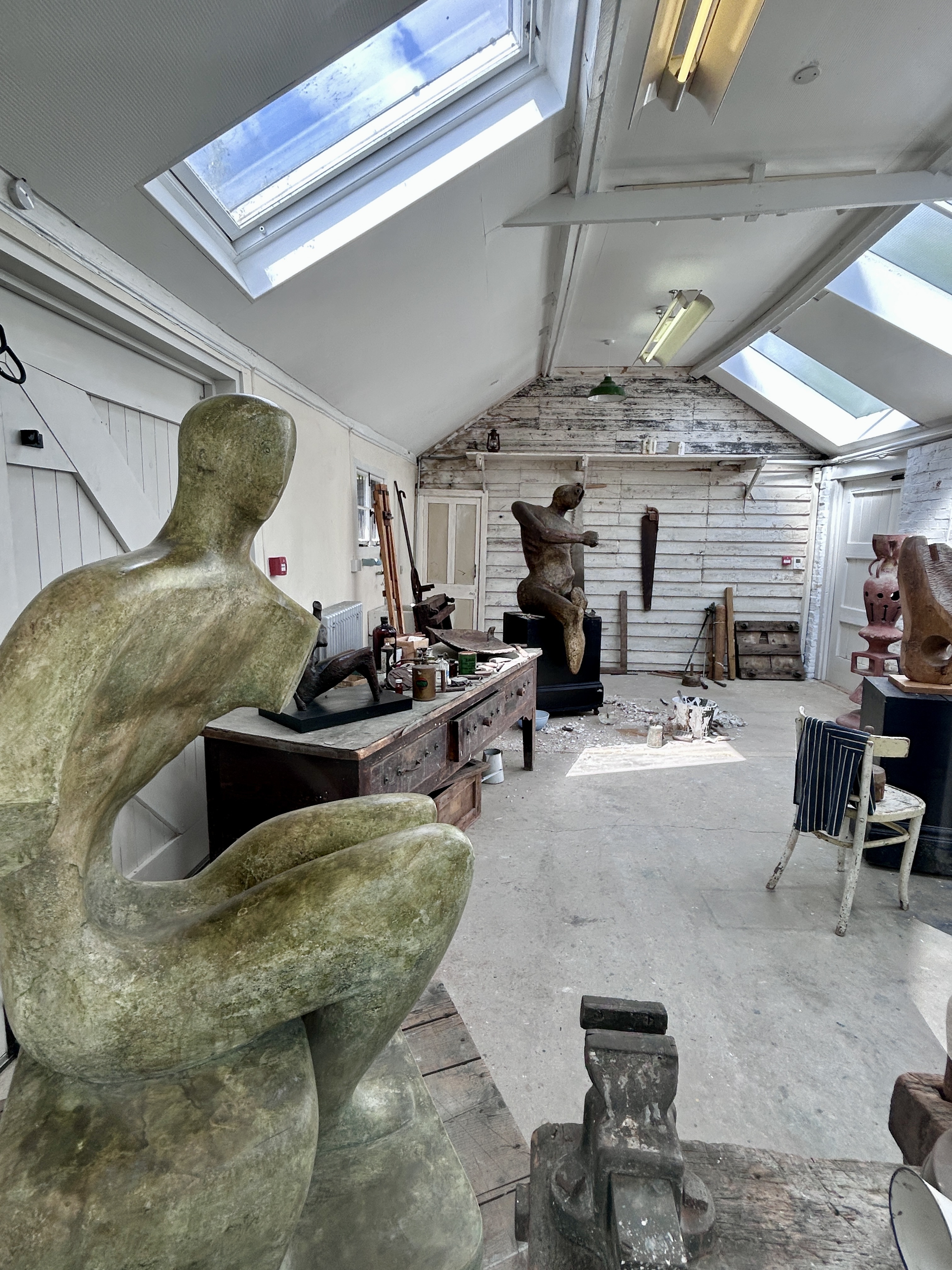
The ‘Top Studio’, in front of the house, was an early conversion. A former stable, it is described in an onsite panel as ‘typical of the converted old sheds that [Moore] favoured: unprepossessing and draughty but easily adaptable and with good light’. Within, he ‘made some of his most significant mid-career sculptures’.
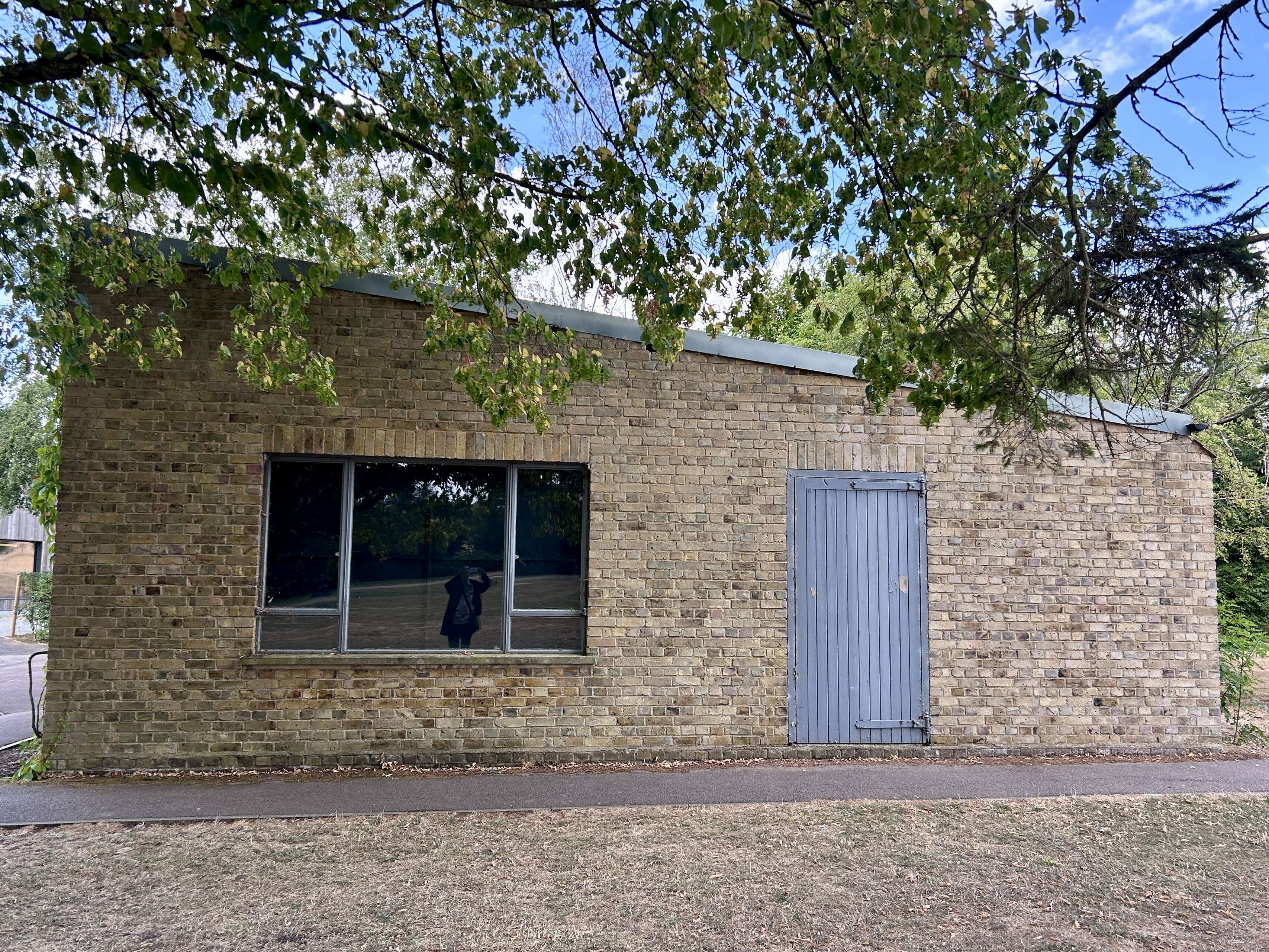
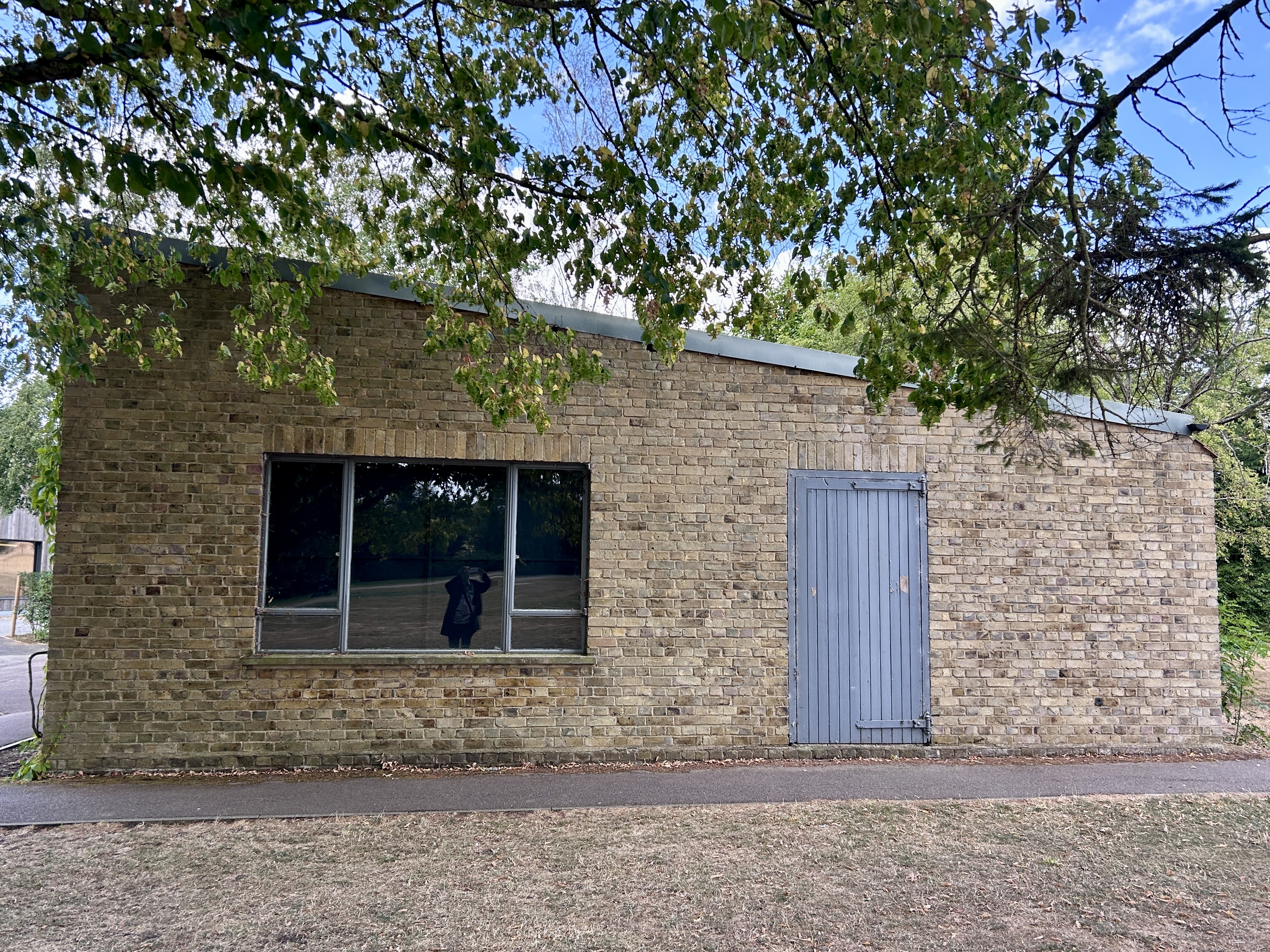
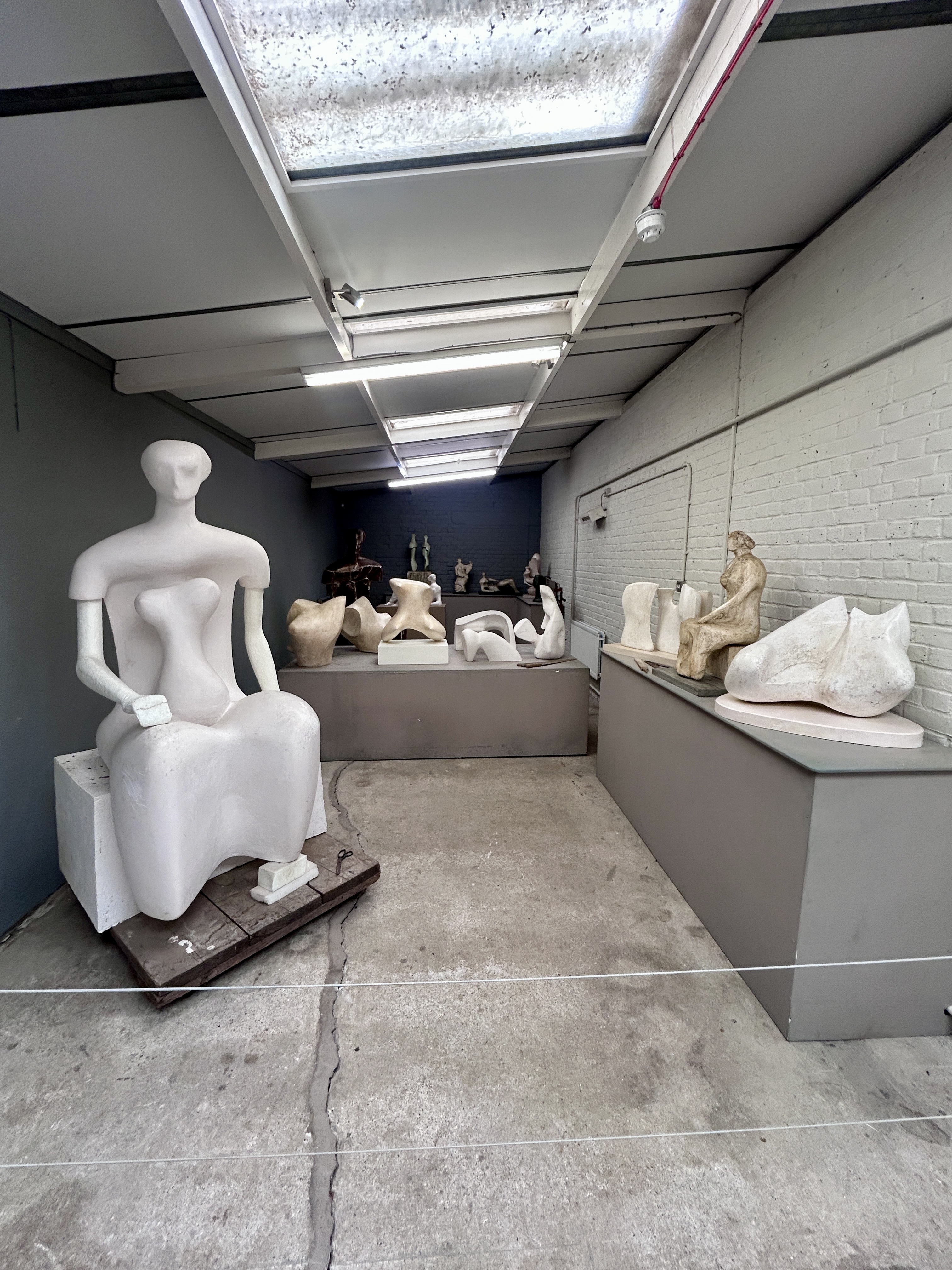
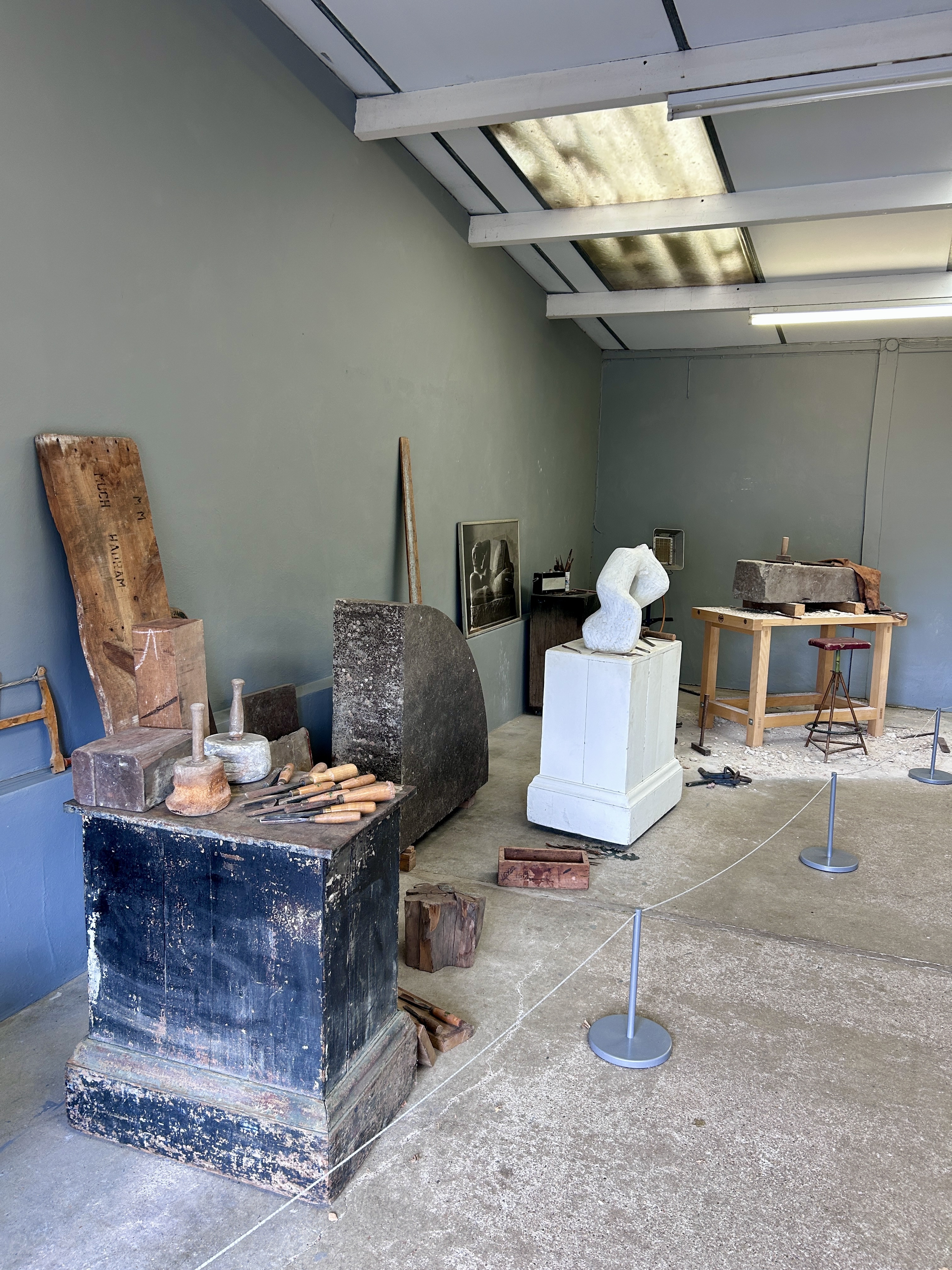
The ‘Yellow Brick Studio’ was the second purpose-built studio, erected in 1958, and was larger than the Top Studio in support of the production of more monumental works ... it provided a workspace for carving in wood and stone, and for finishing bronzes, as well as a showroom and storage area.
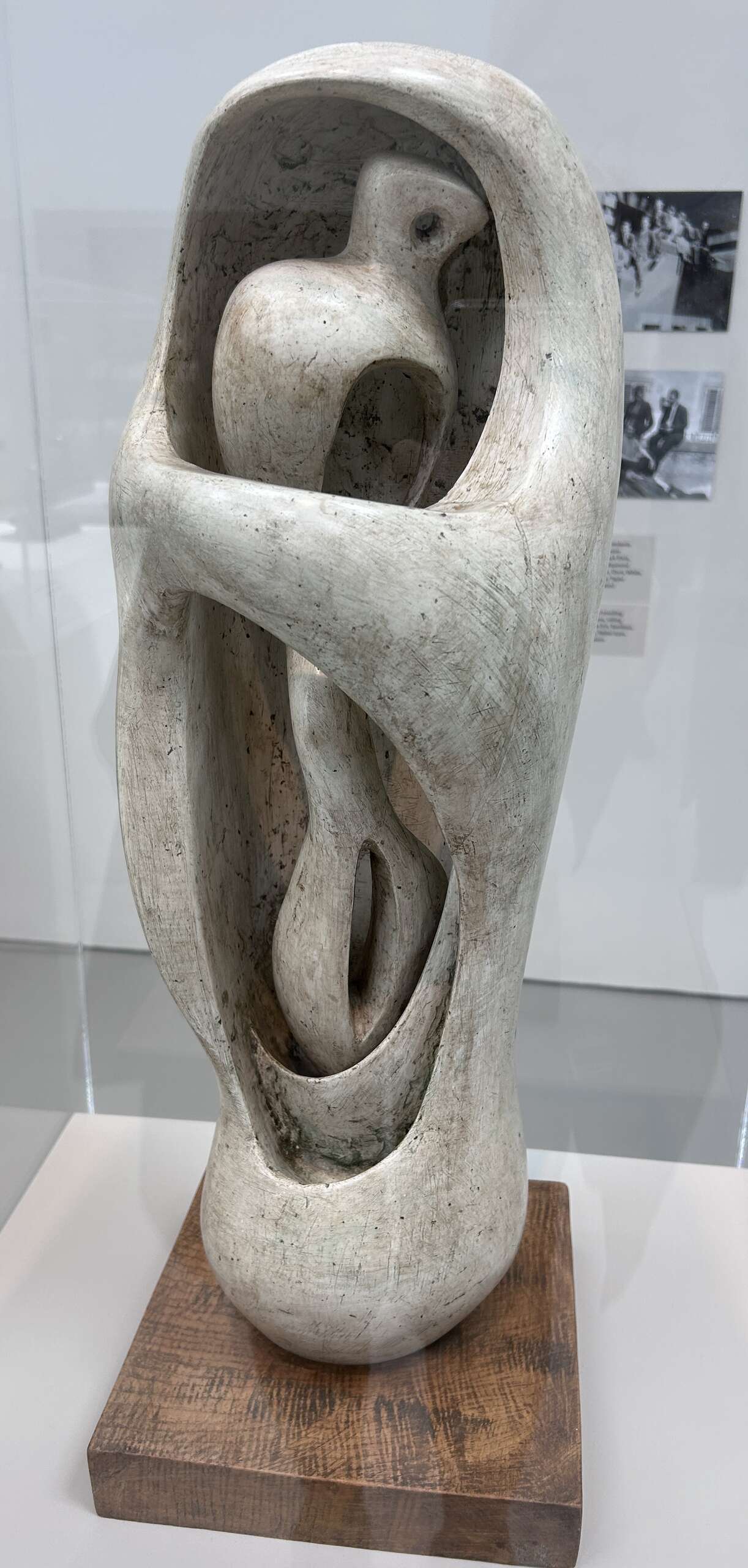
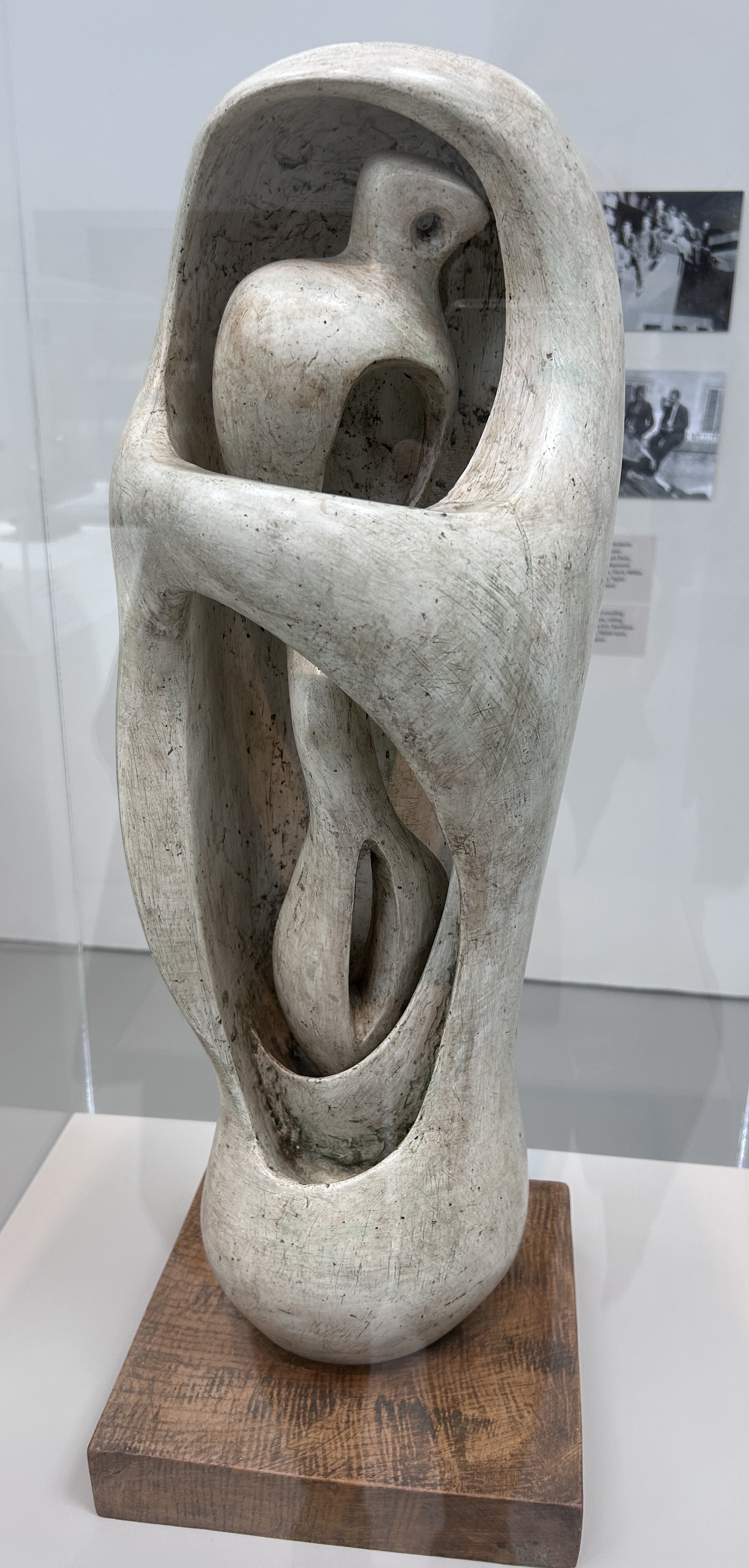
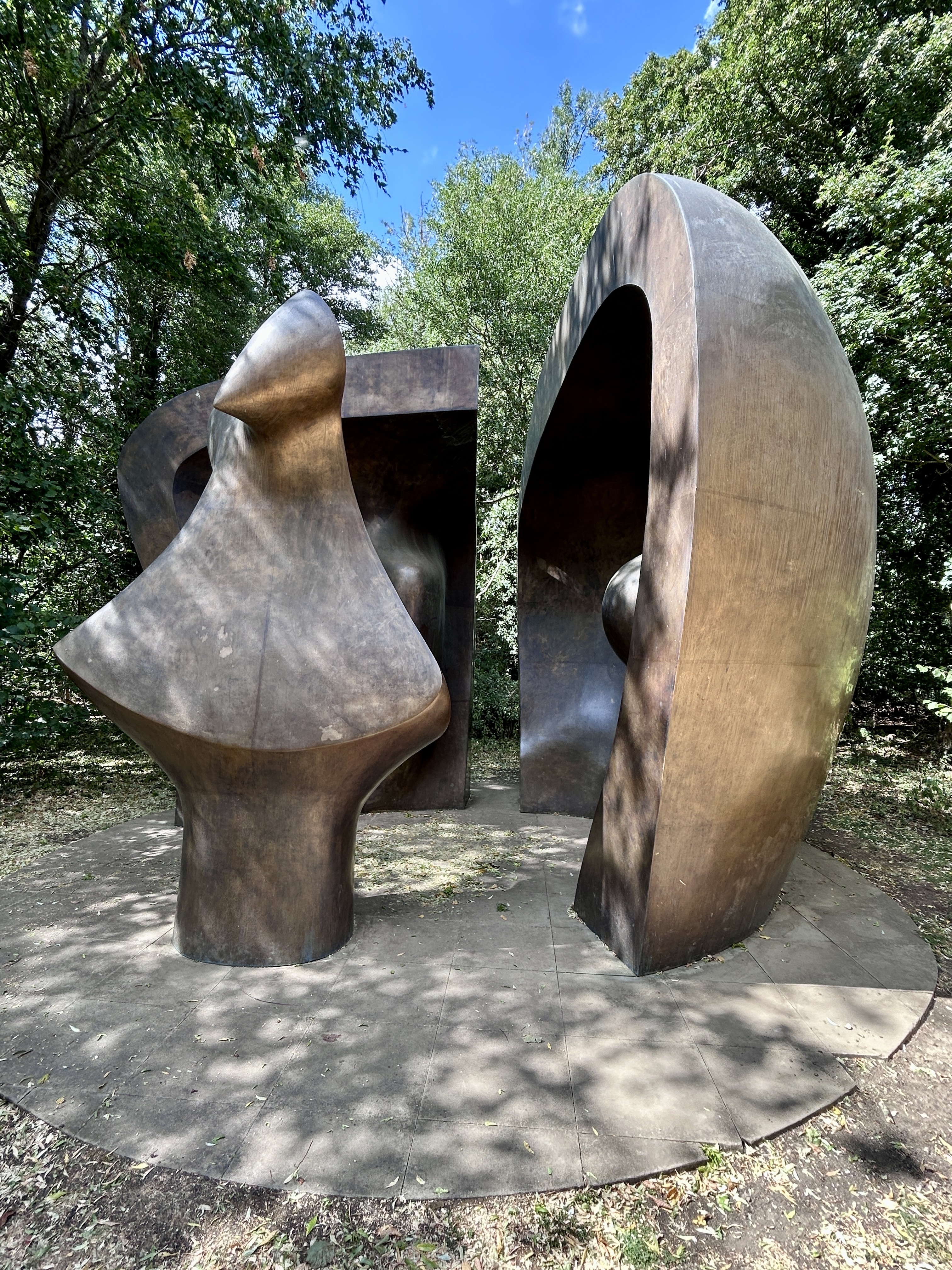
Plaster for Large Upright Internal/External Form
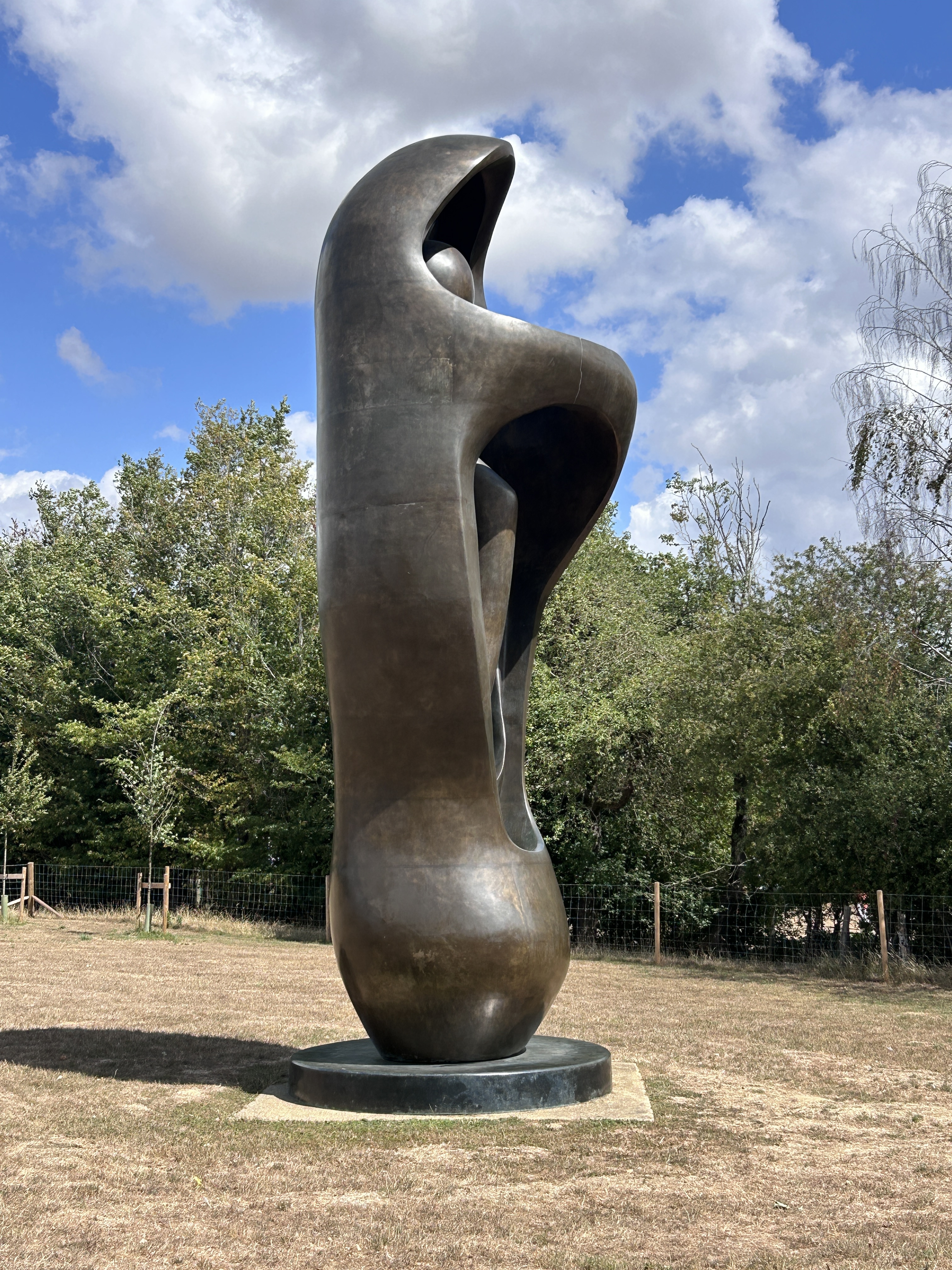
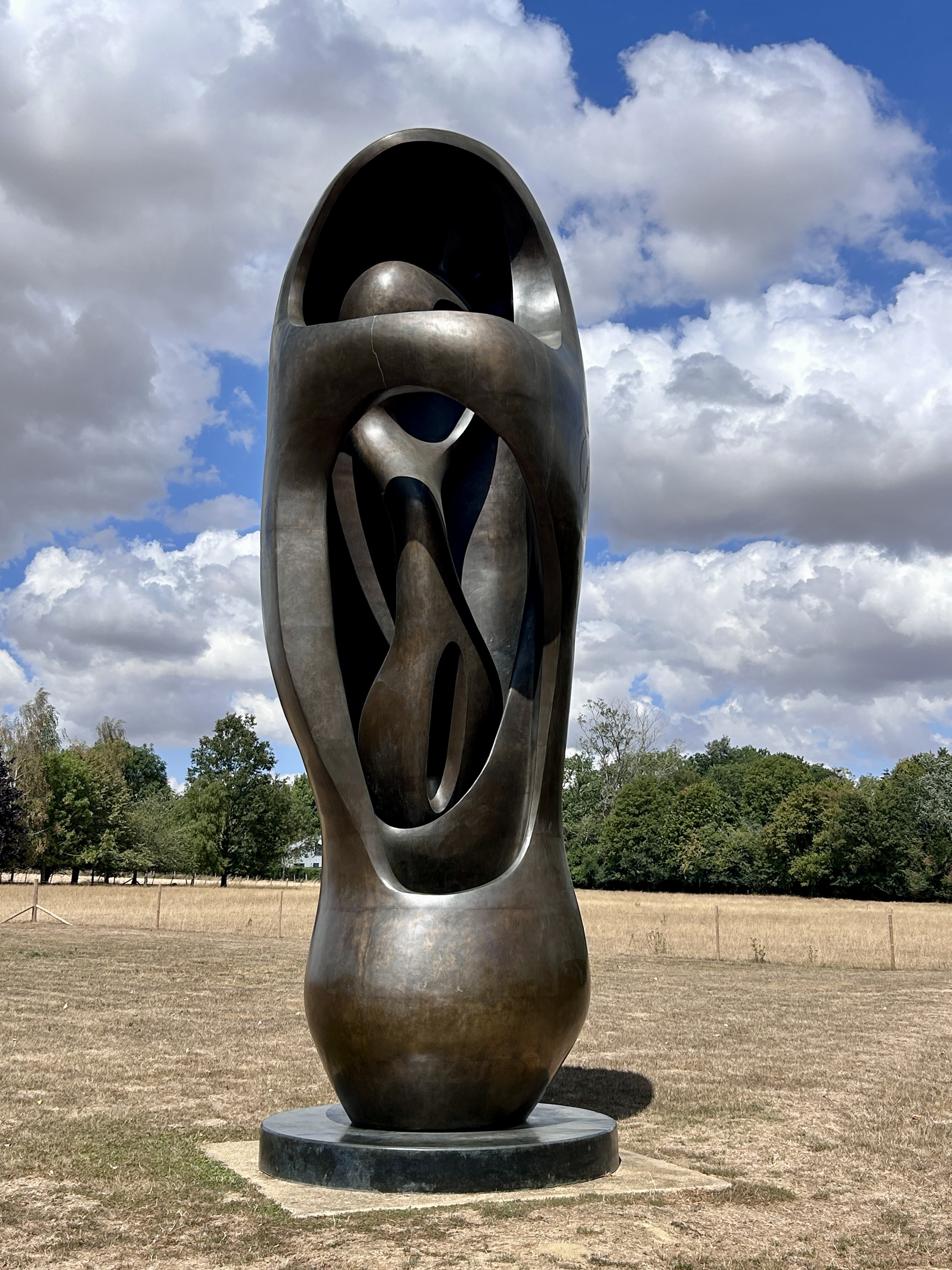
Large Upright Internal/External Form 1953-54
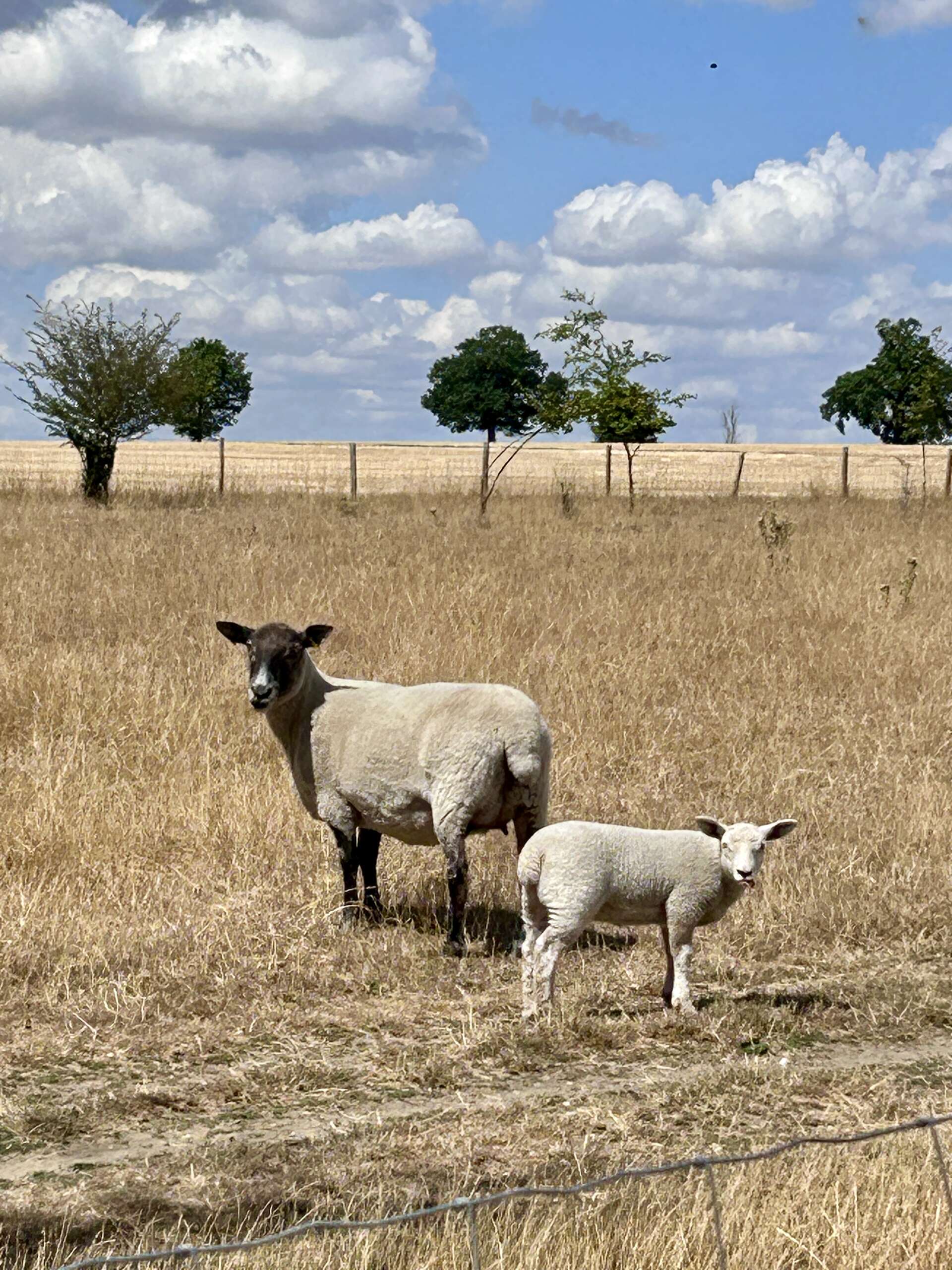
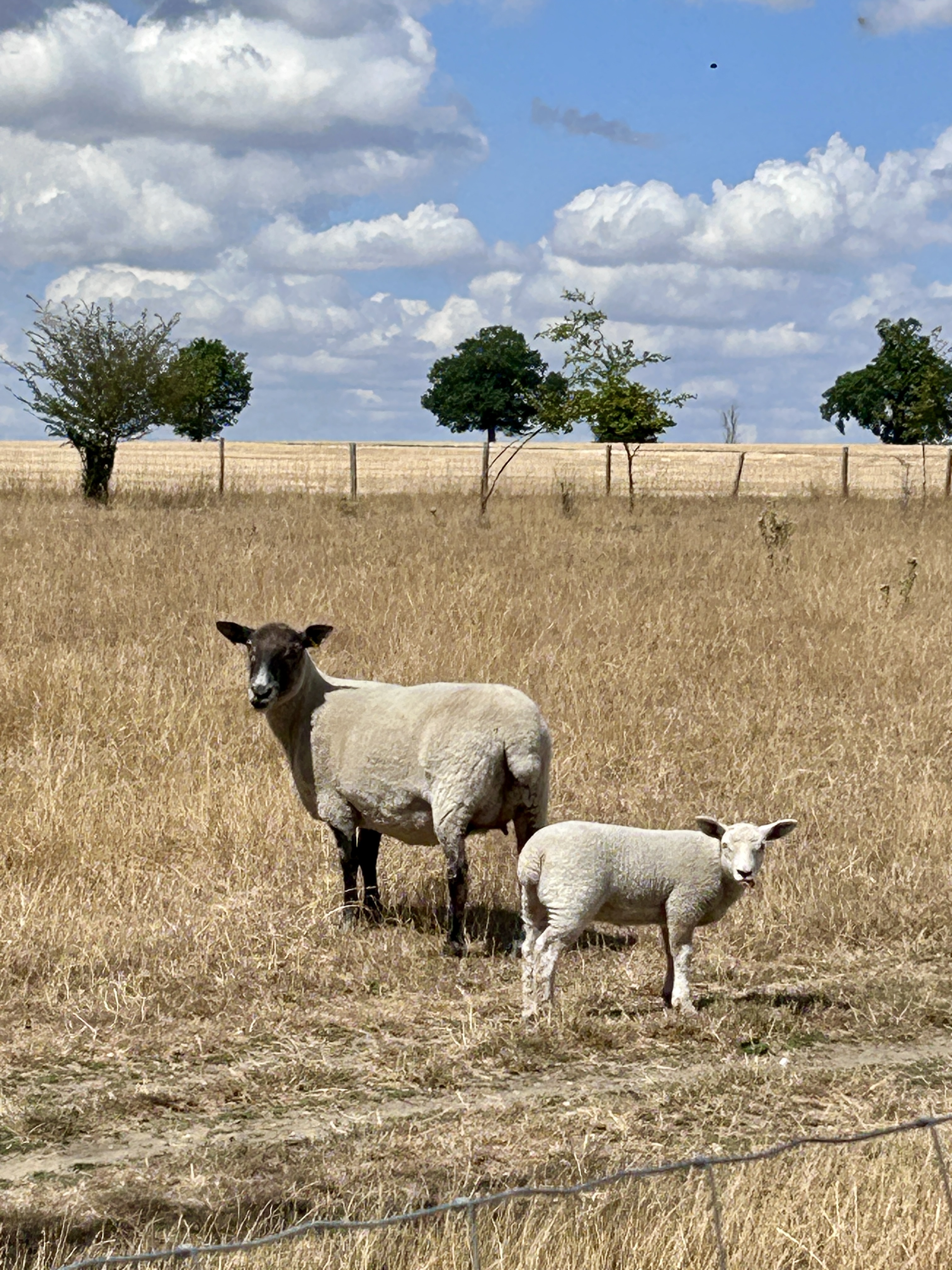
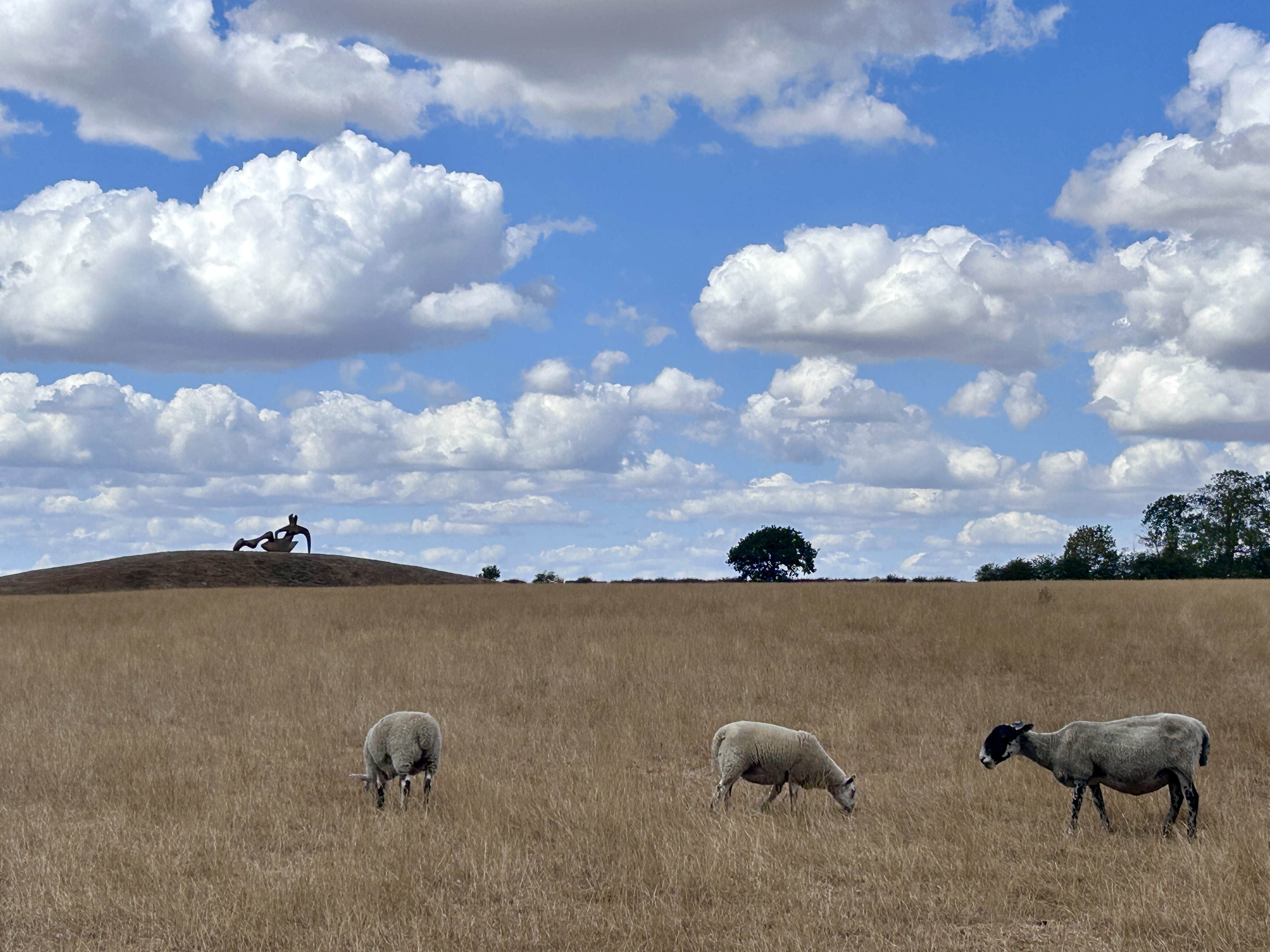
The sheep enjoyed the view. 👀
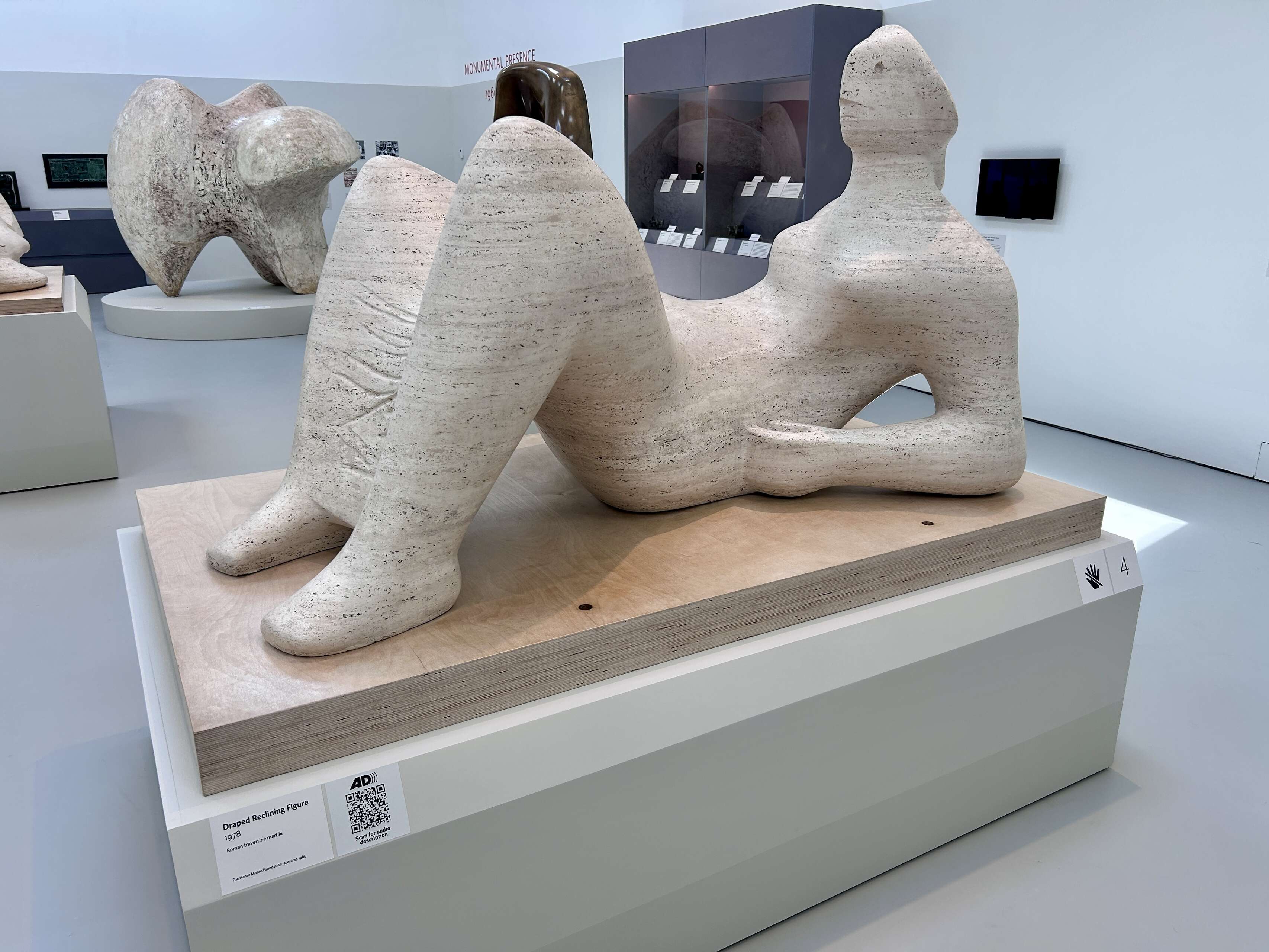
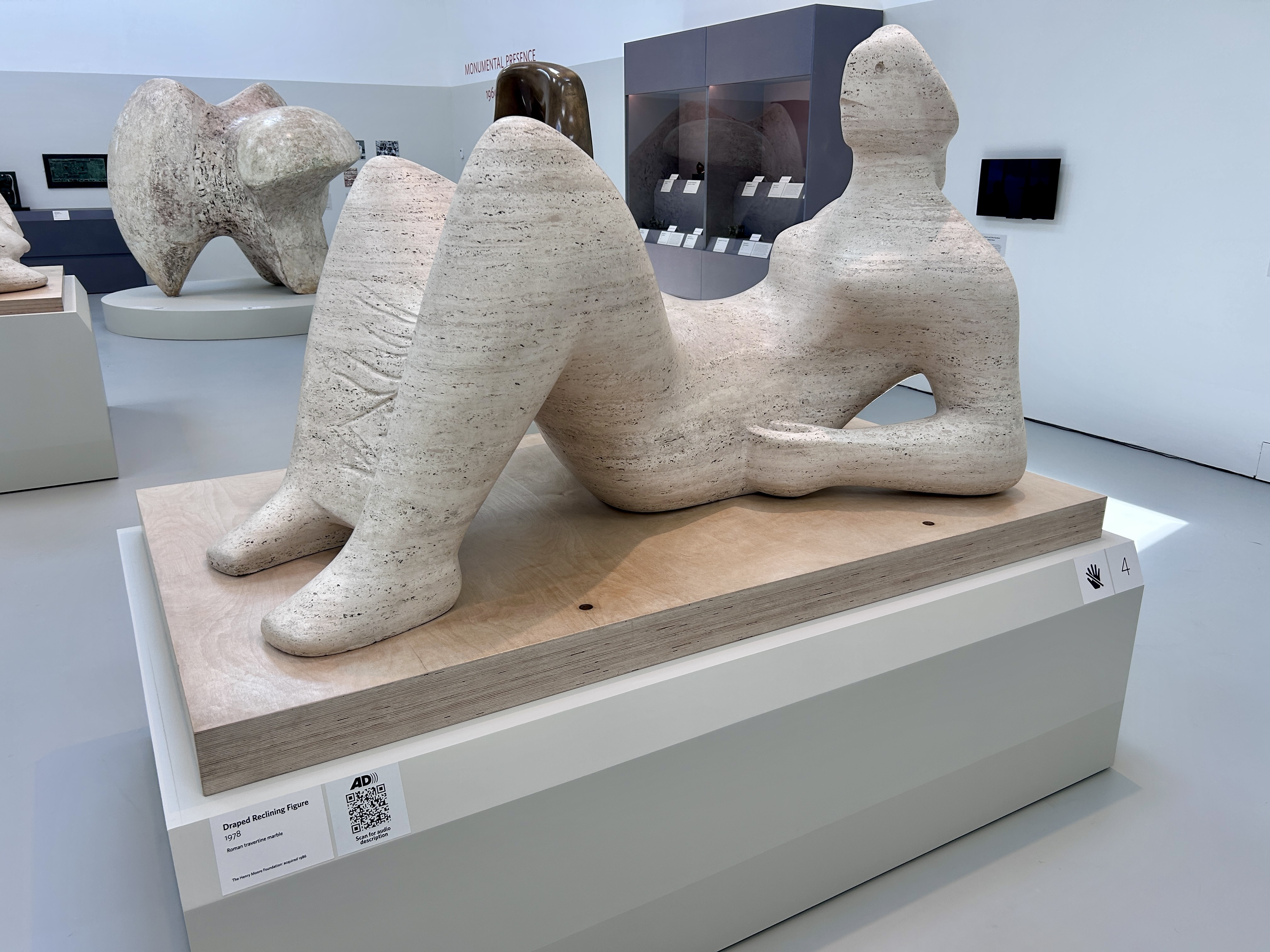
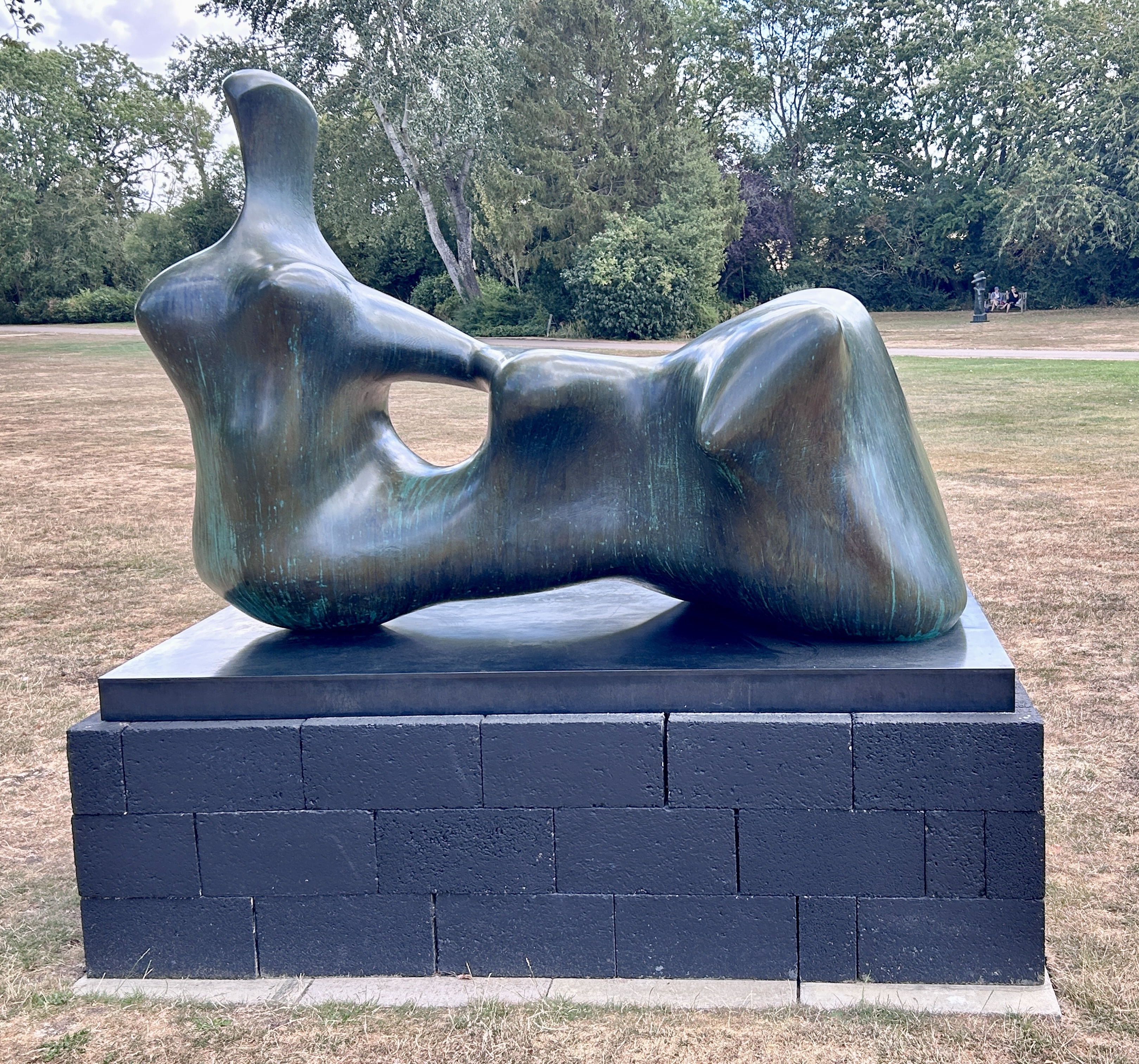
Draped Reclining Figure 1978, Roman travertine marble
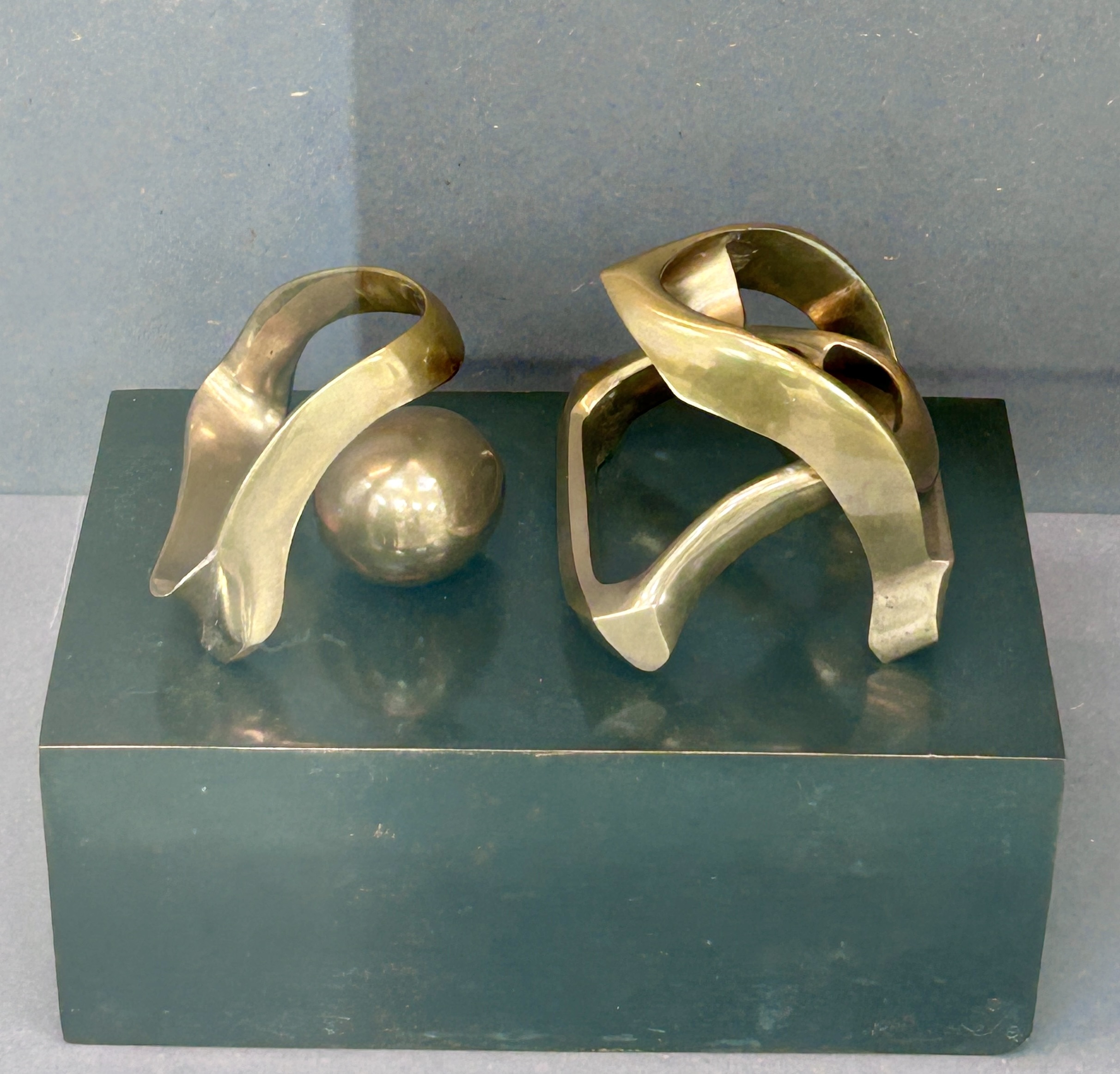
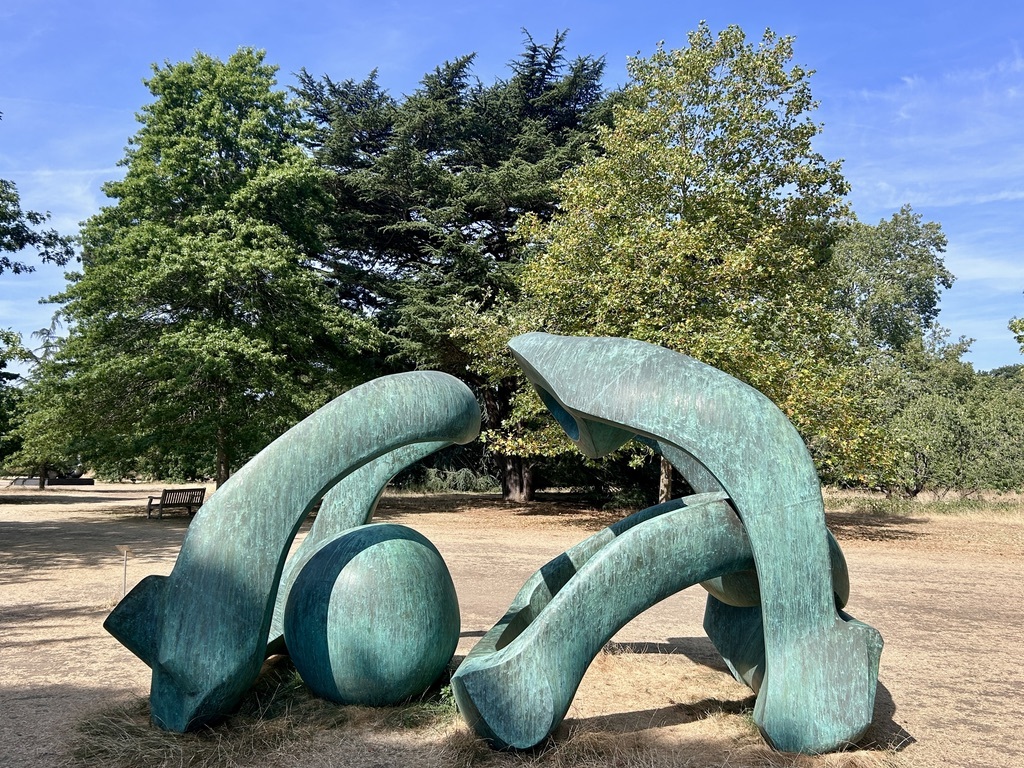
Maquette for Hill Arches 1972
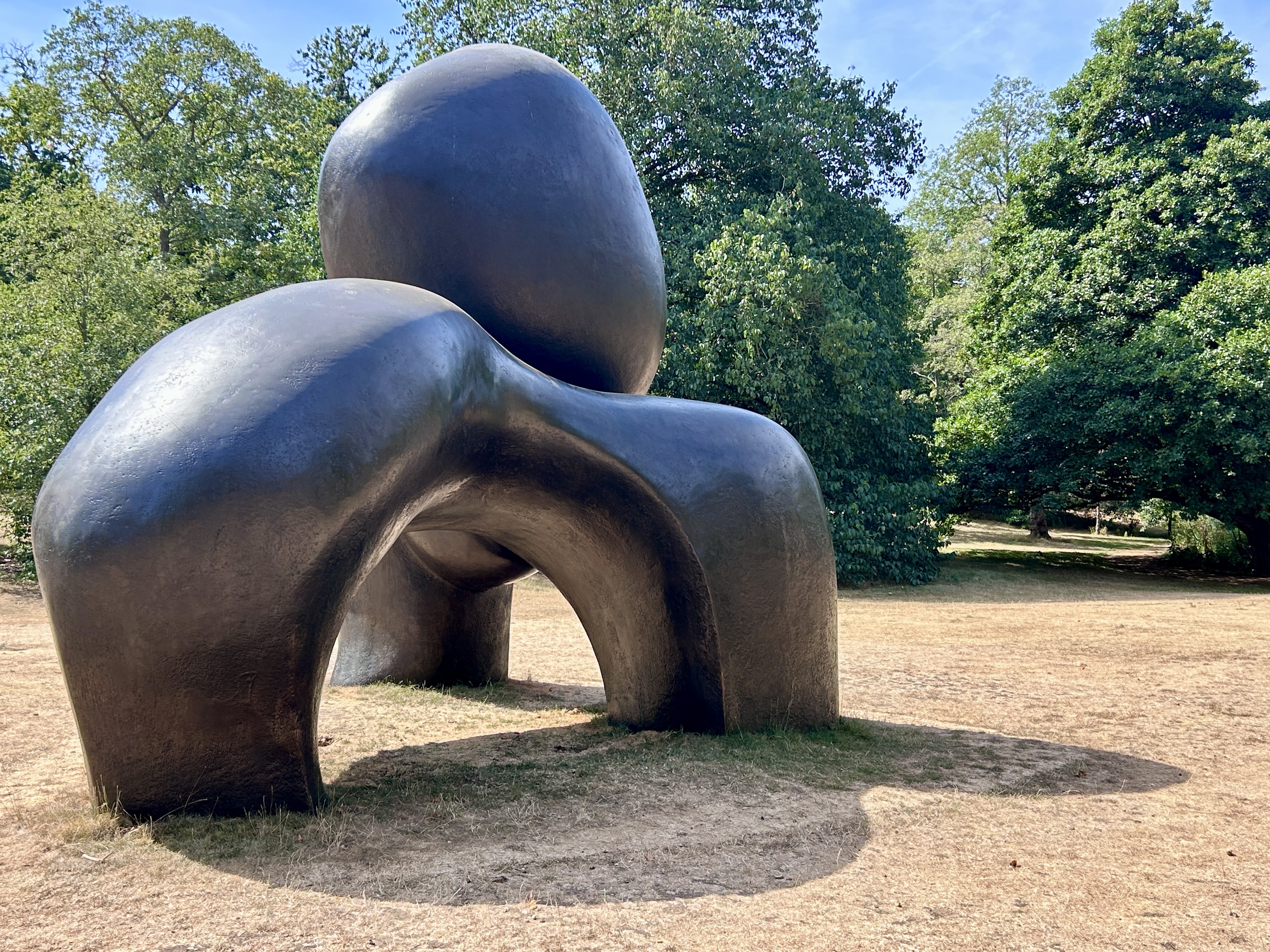
Hill Arches seen at Kew Gardens visit
Reclining Figure: Hand 1979
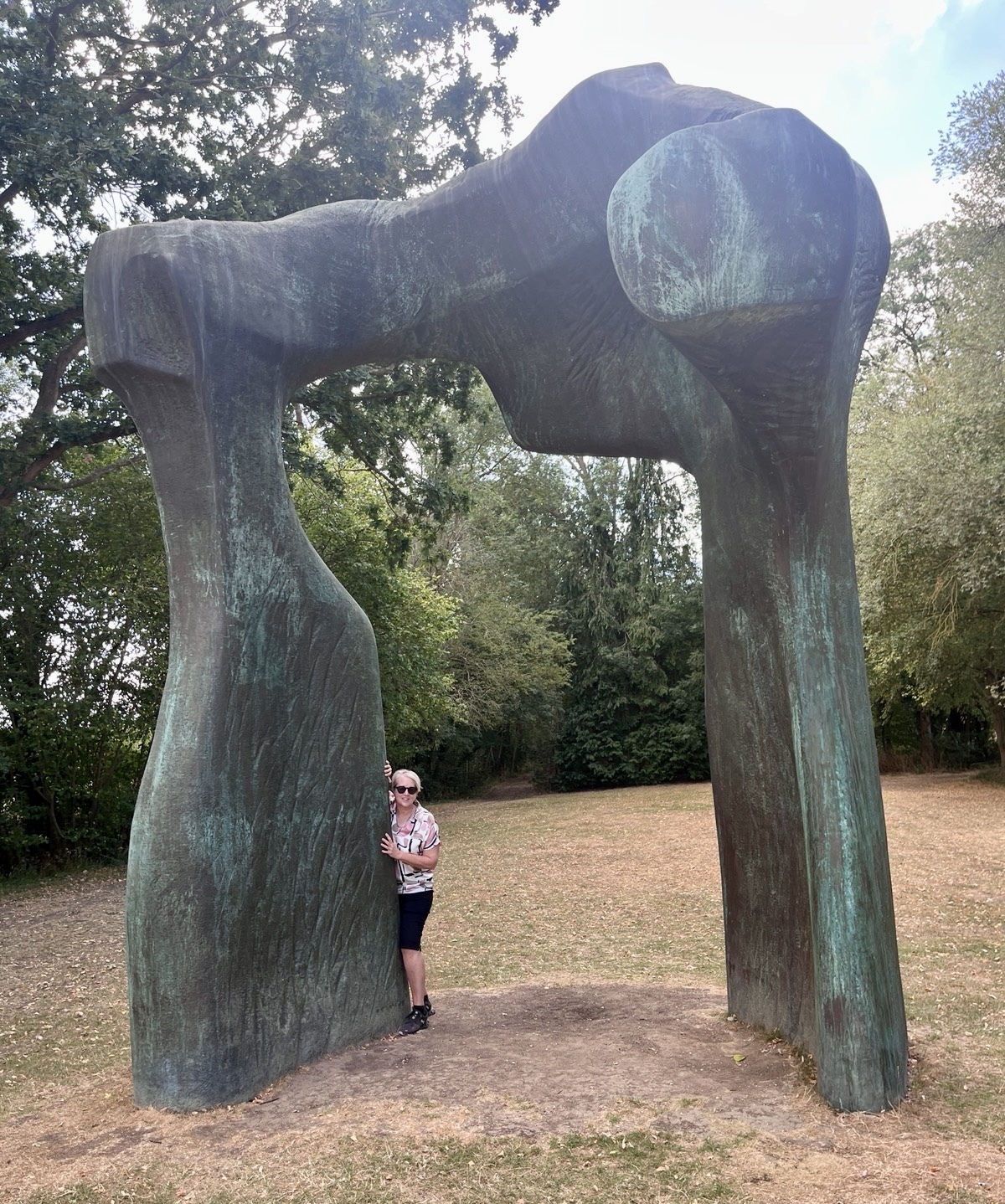
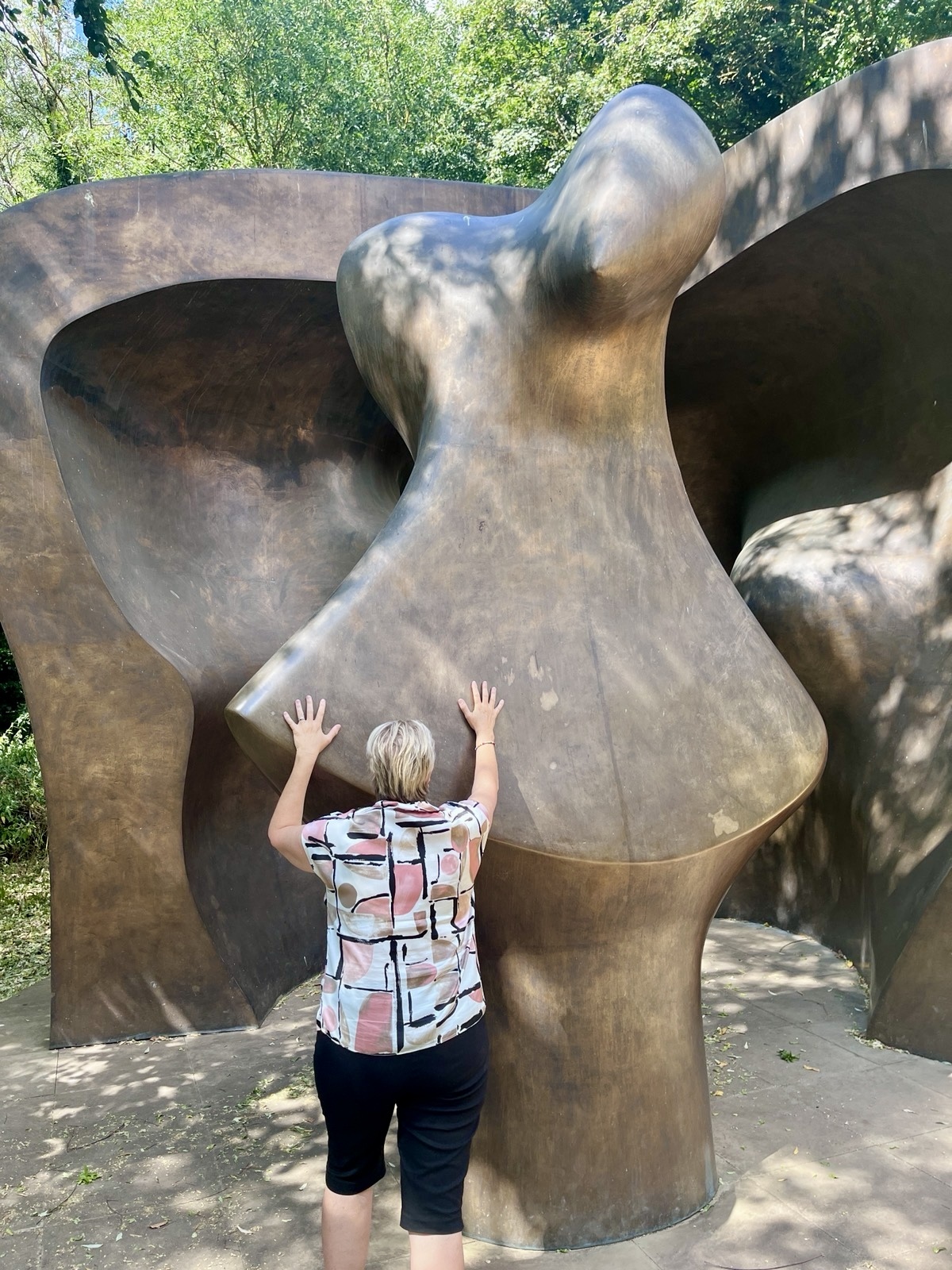
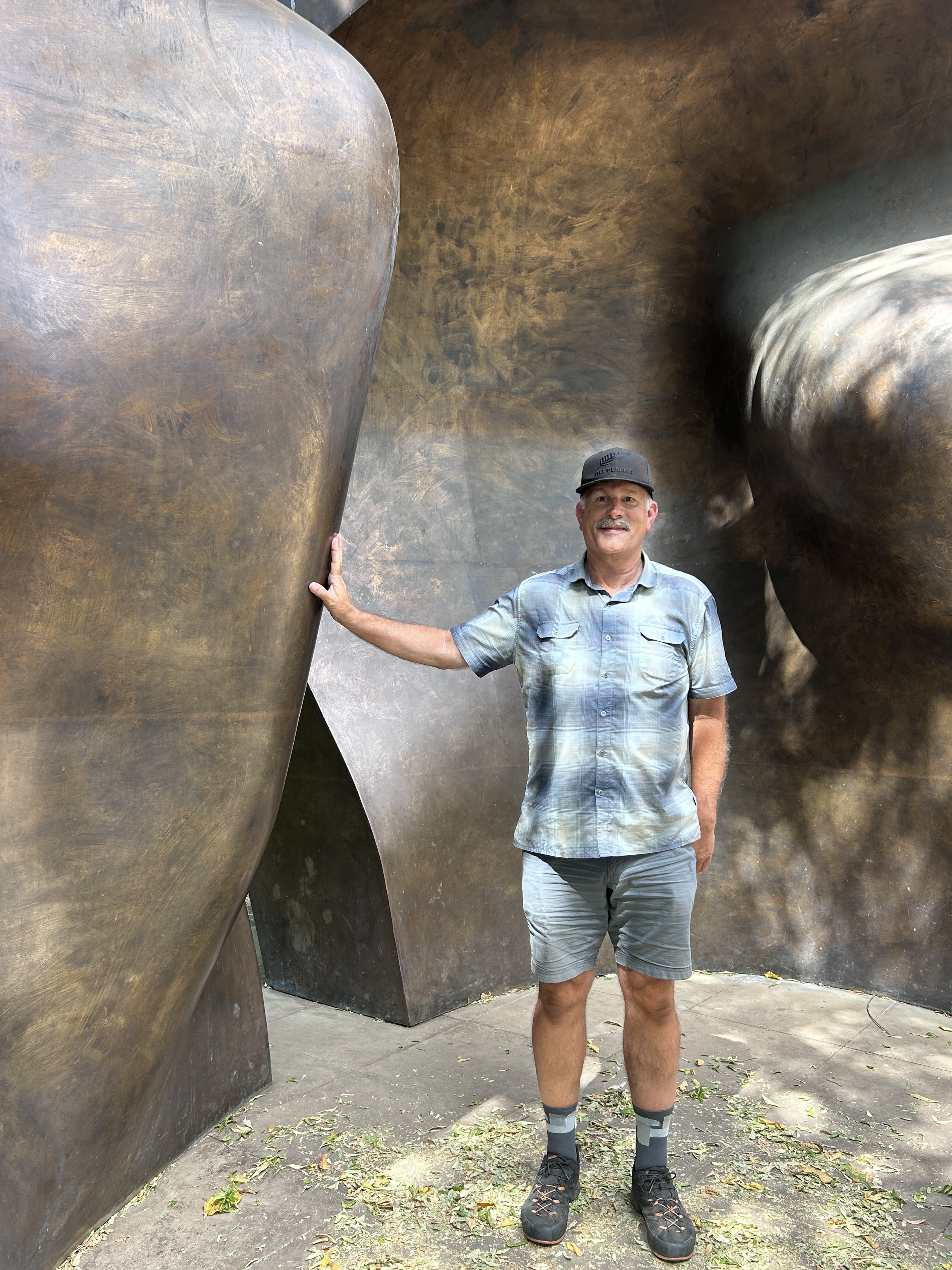
One of the best things about visiting was the ability (and encouragement) to touch the pieces.
The Arch 1969
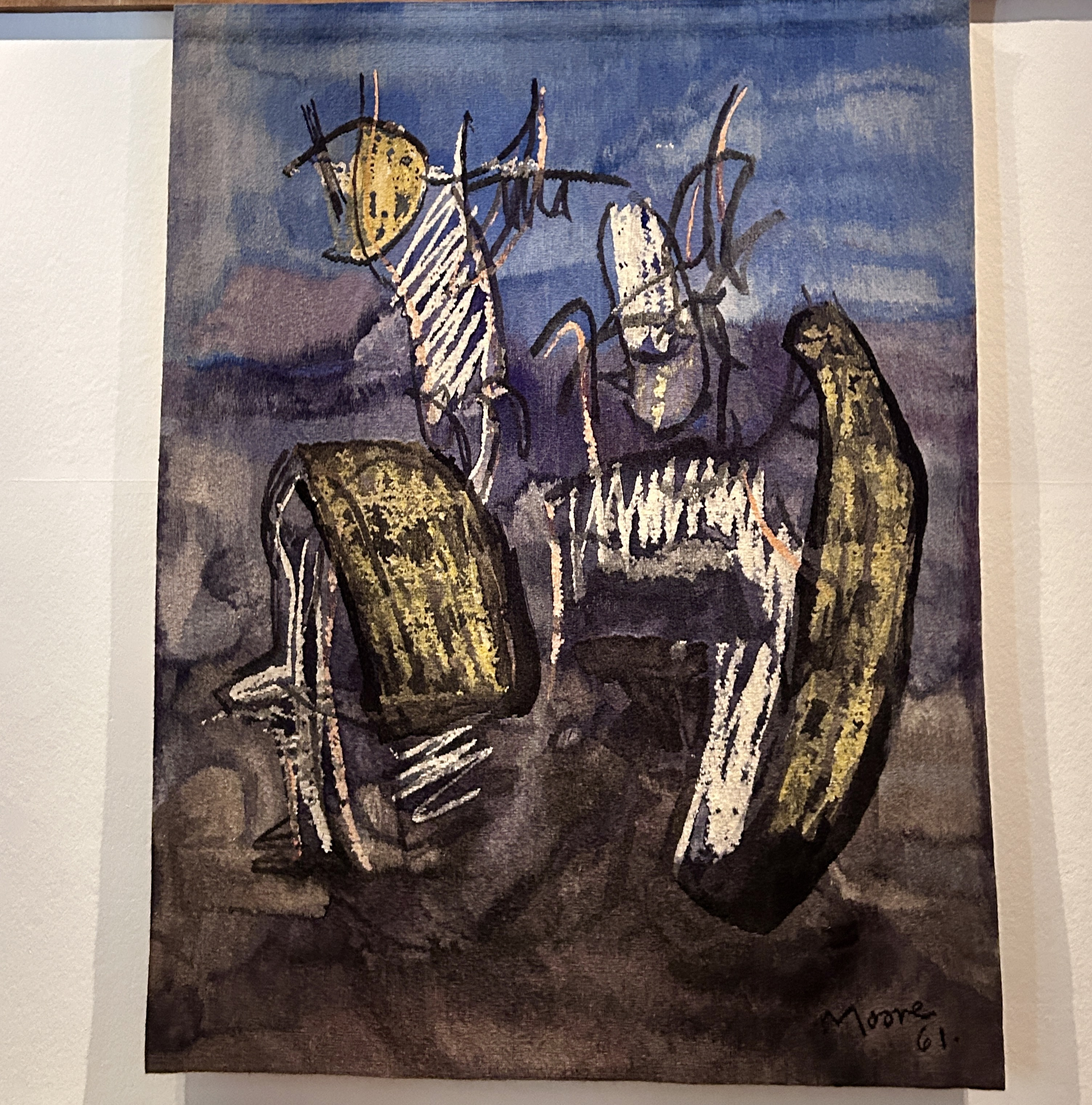
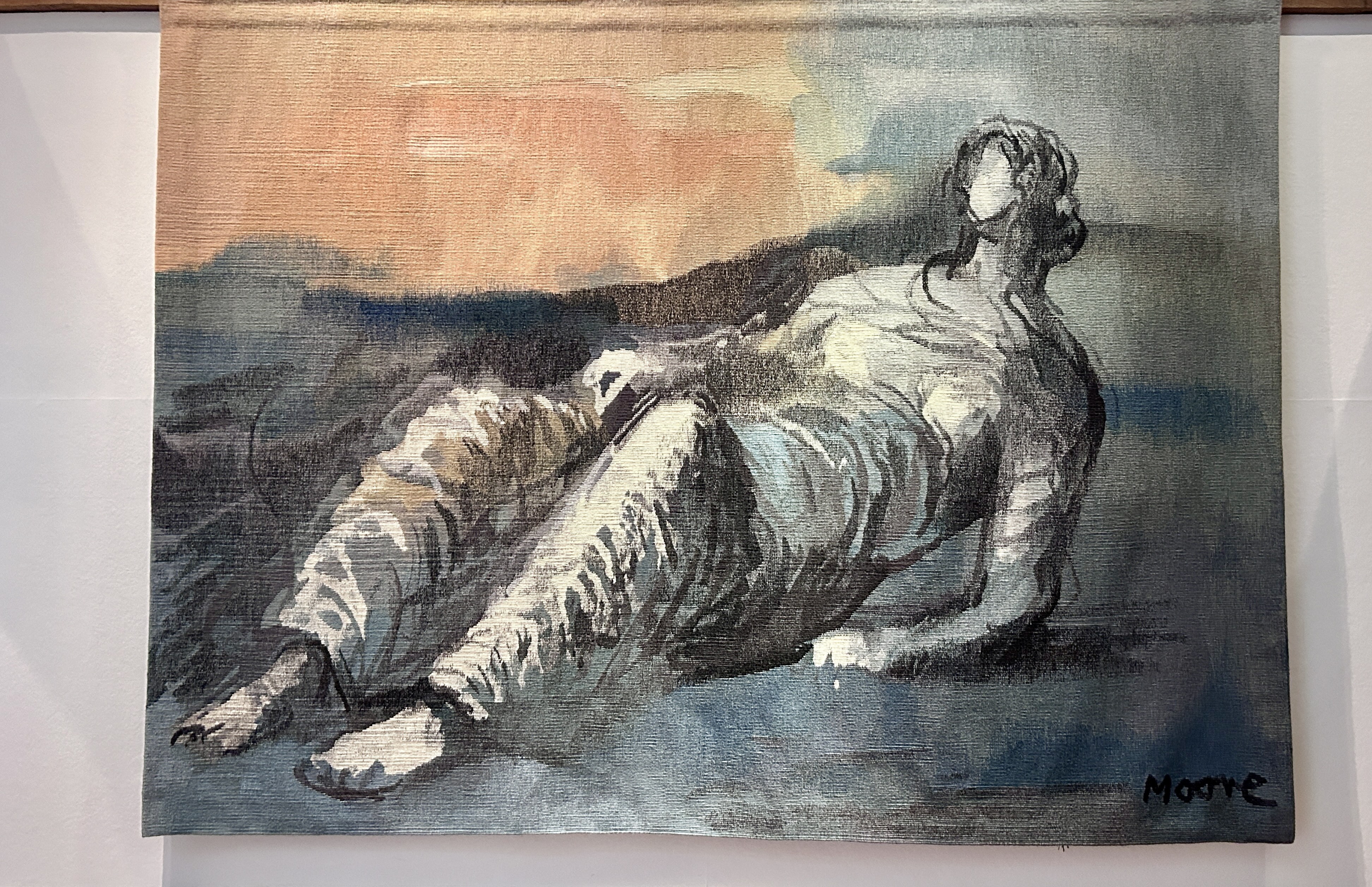
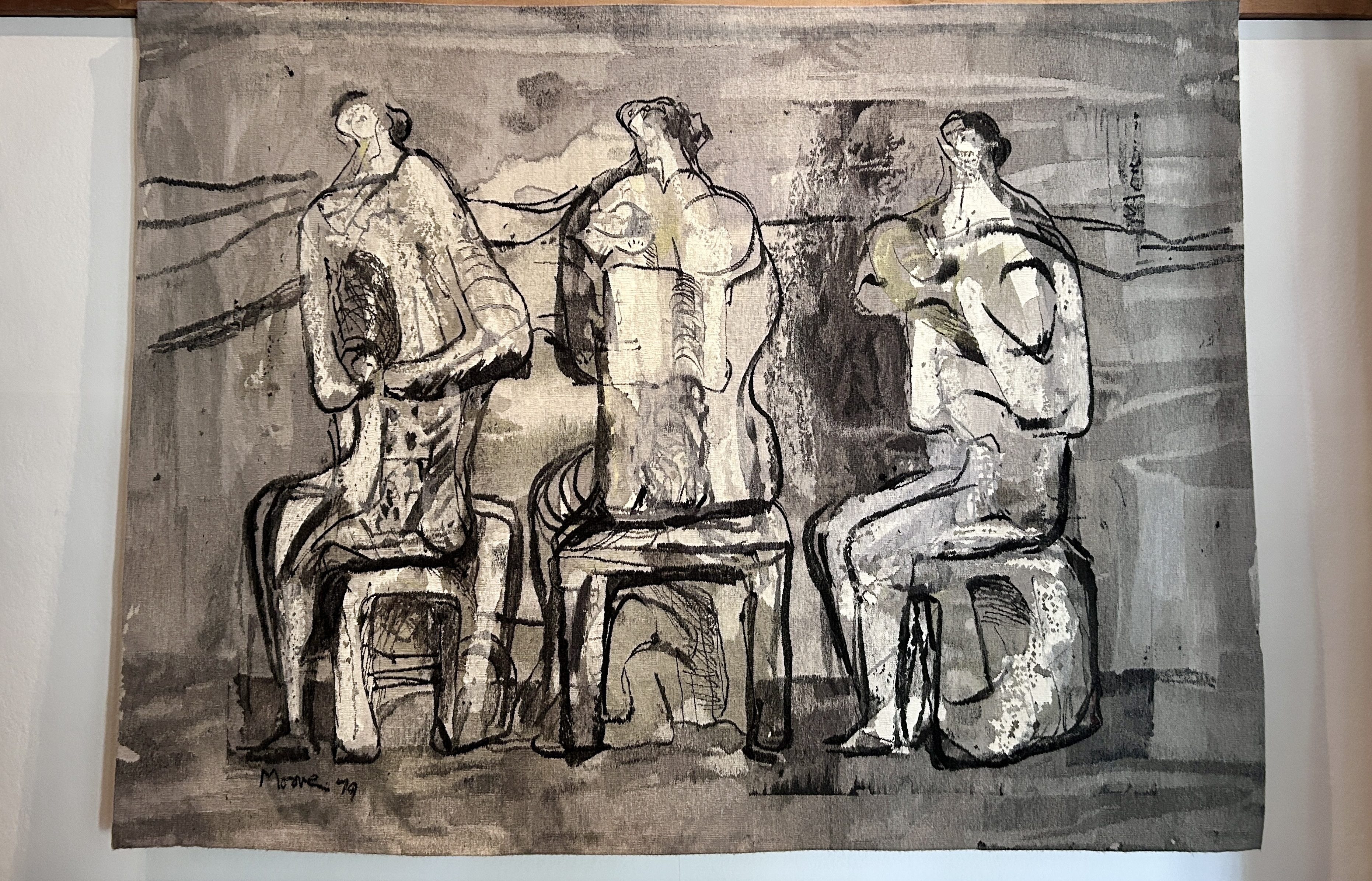
In 1980, he selected drawings from throughout his career which he felt would be suitable for enlargement into tapestry. He worked closely with highly skilled weavers from the West Dean Studio to translate the original drawings into wool, tasking them to capture the colour and tonality of his works. Each tapestry took several months to complete as they dyed wool to accurately achieve the different effects of Moore’s drawing media.
Working Model for Sheep Piece 1971
Sheep Piece seen at Kew Gardens
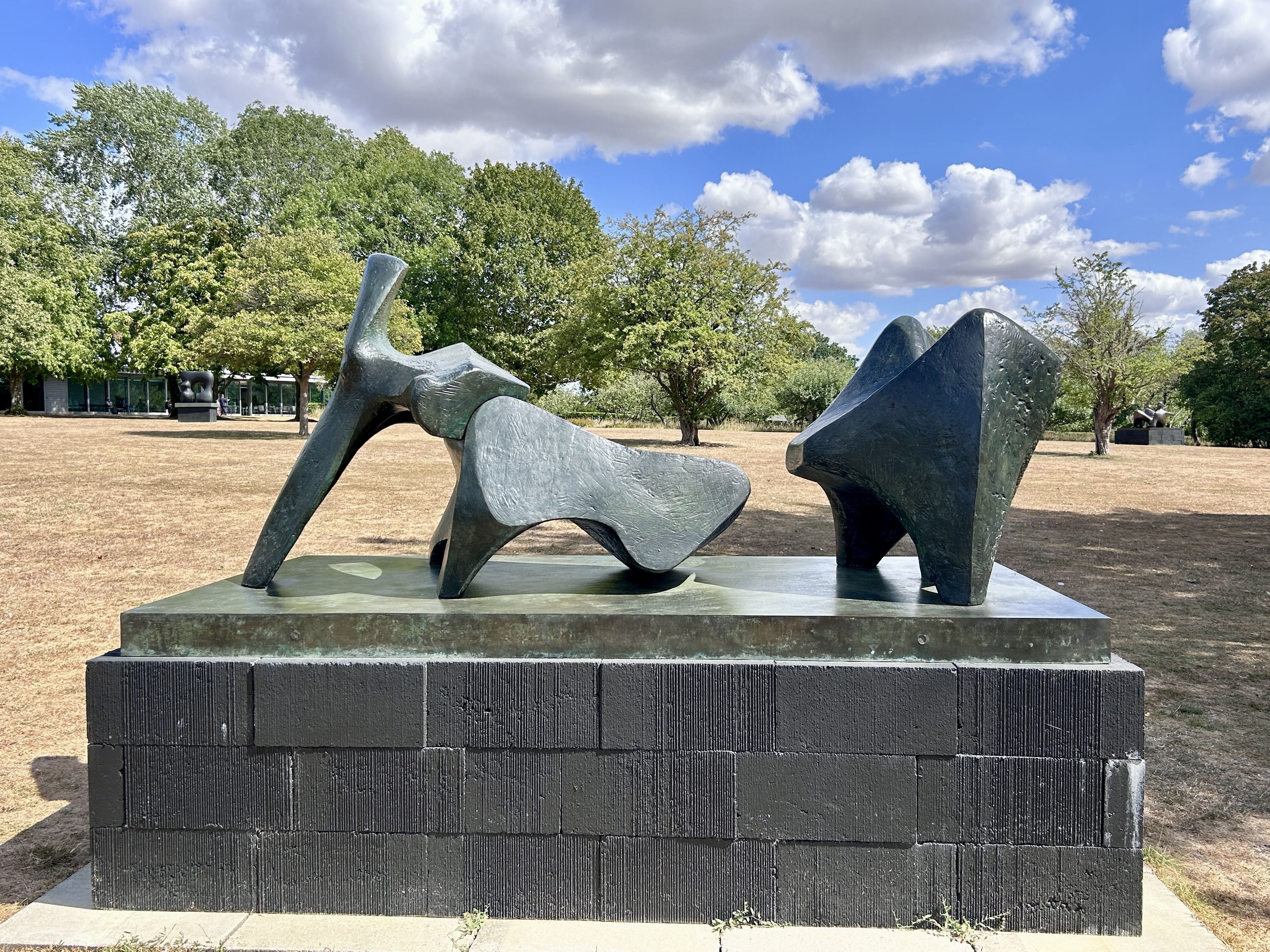
Three Piece Reclining Figure No. 2: Bridge Prop 1963
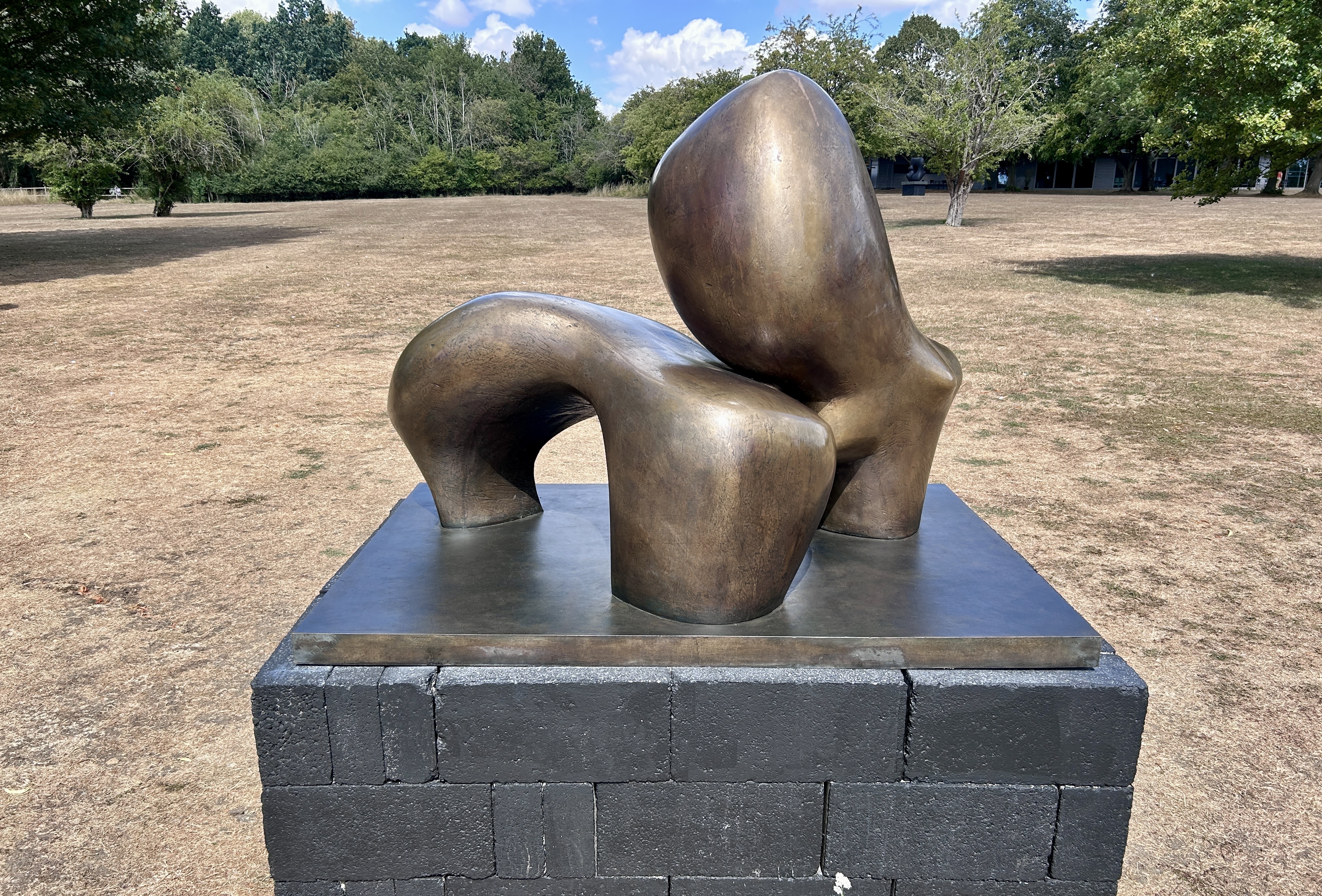
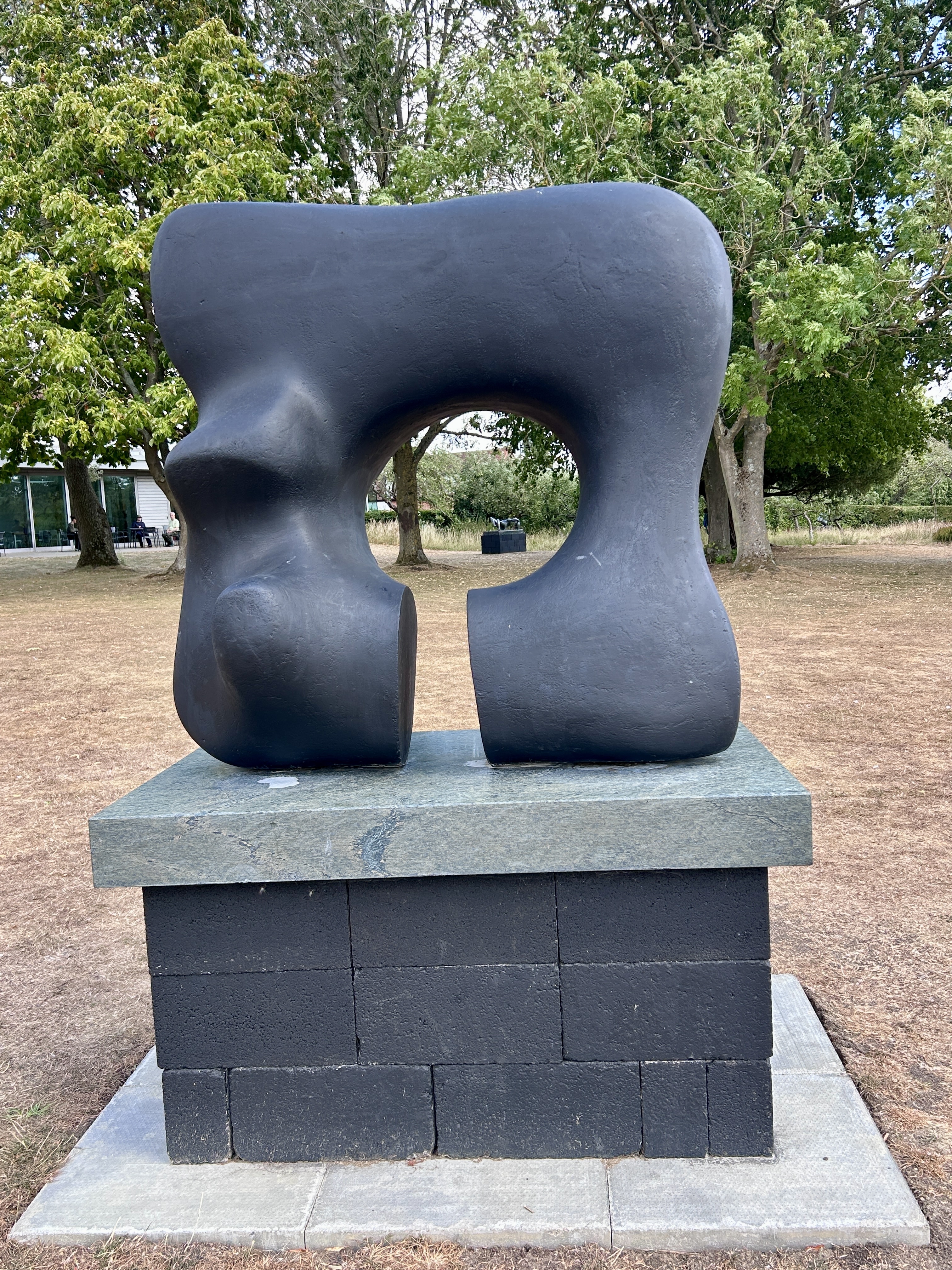
Square Form with Cut 1969
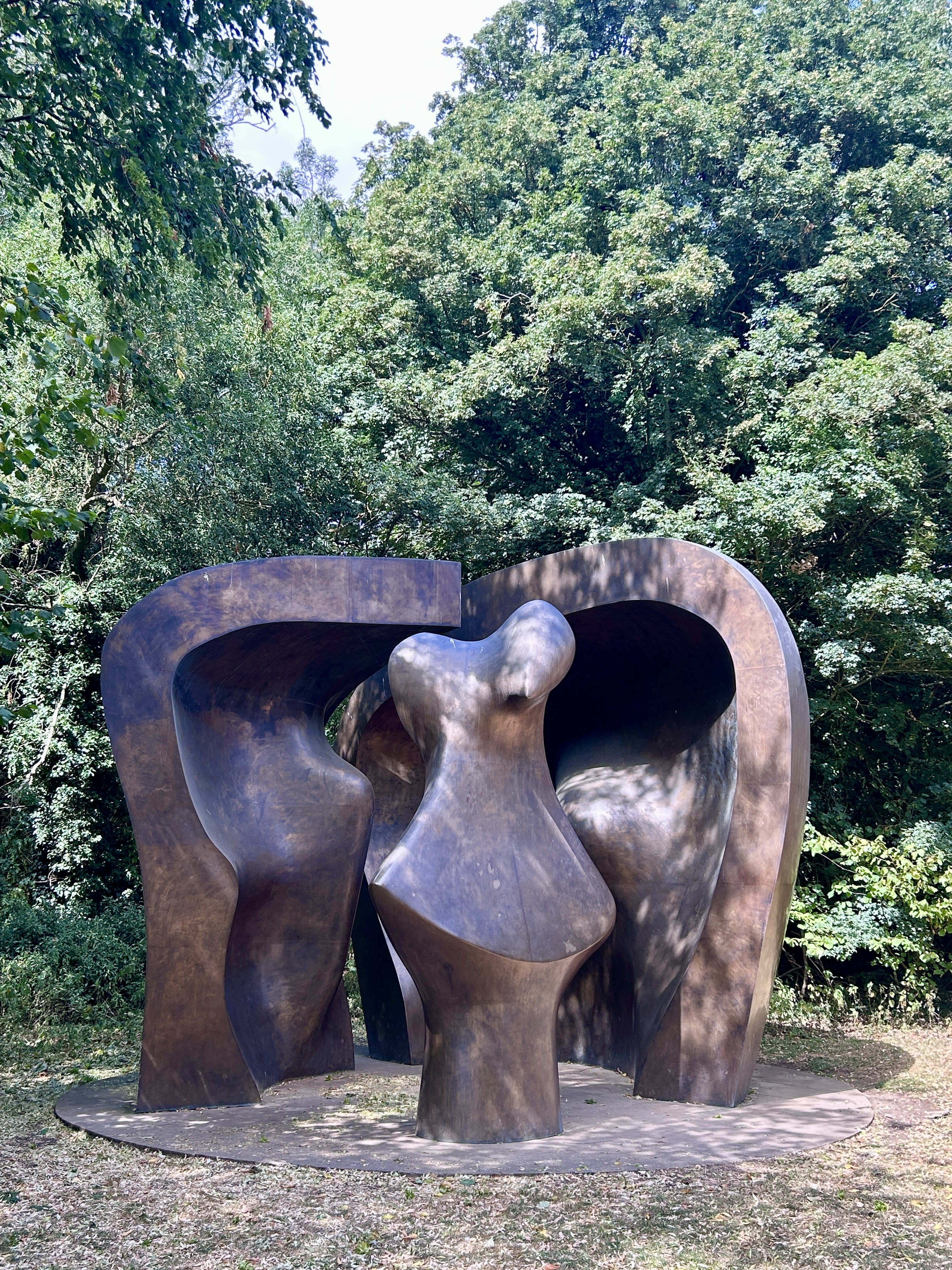
Large Figure in a Shelter 1985-86
This was a very large piece and impossible not to touch. ✋✋✋✋✋✋✋
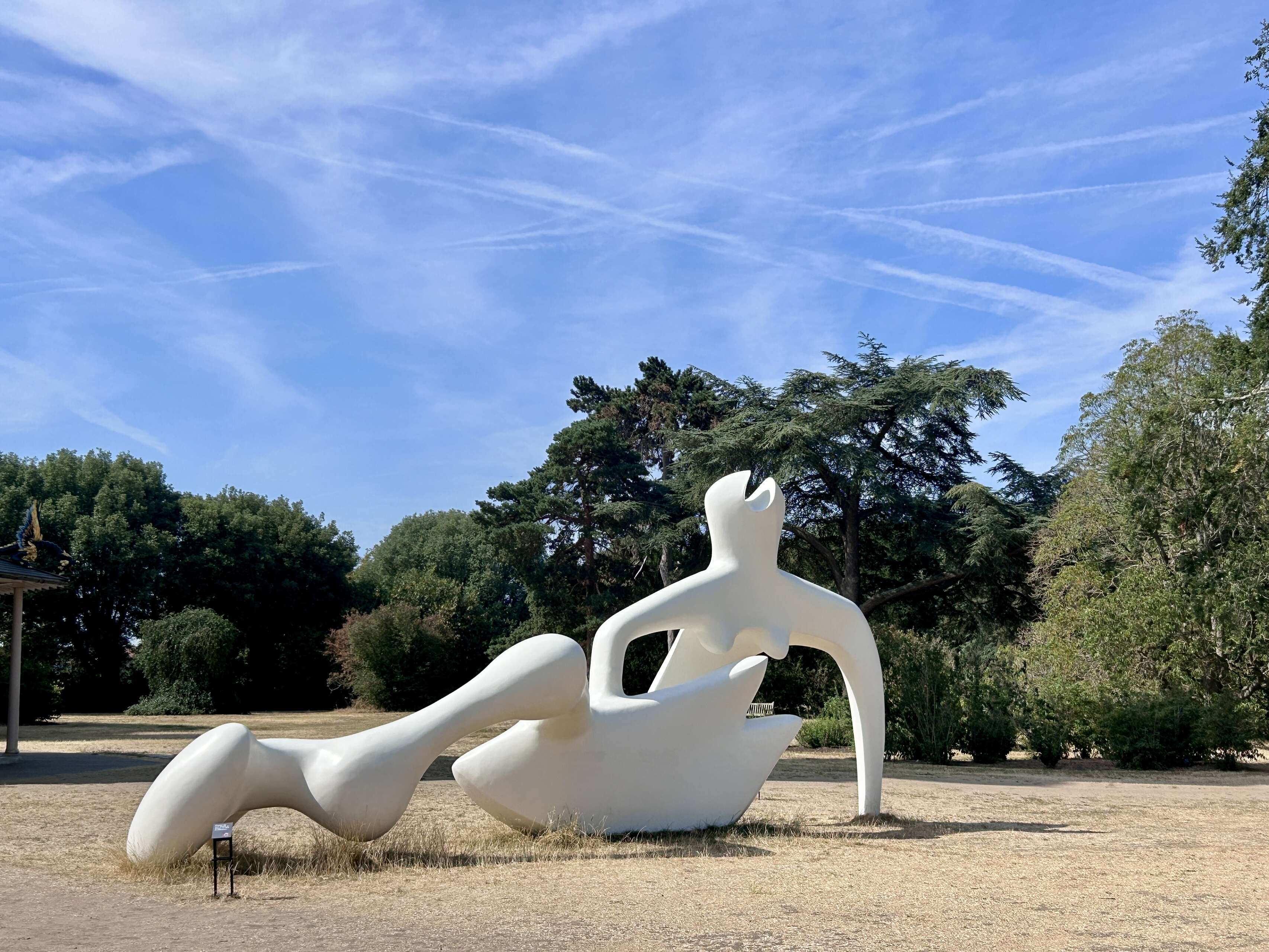
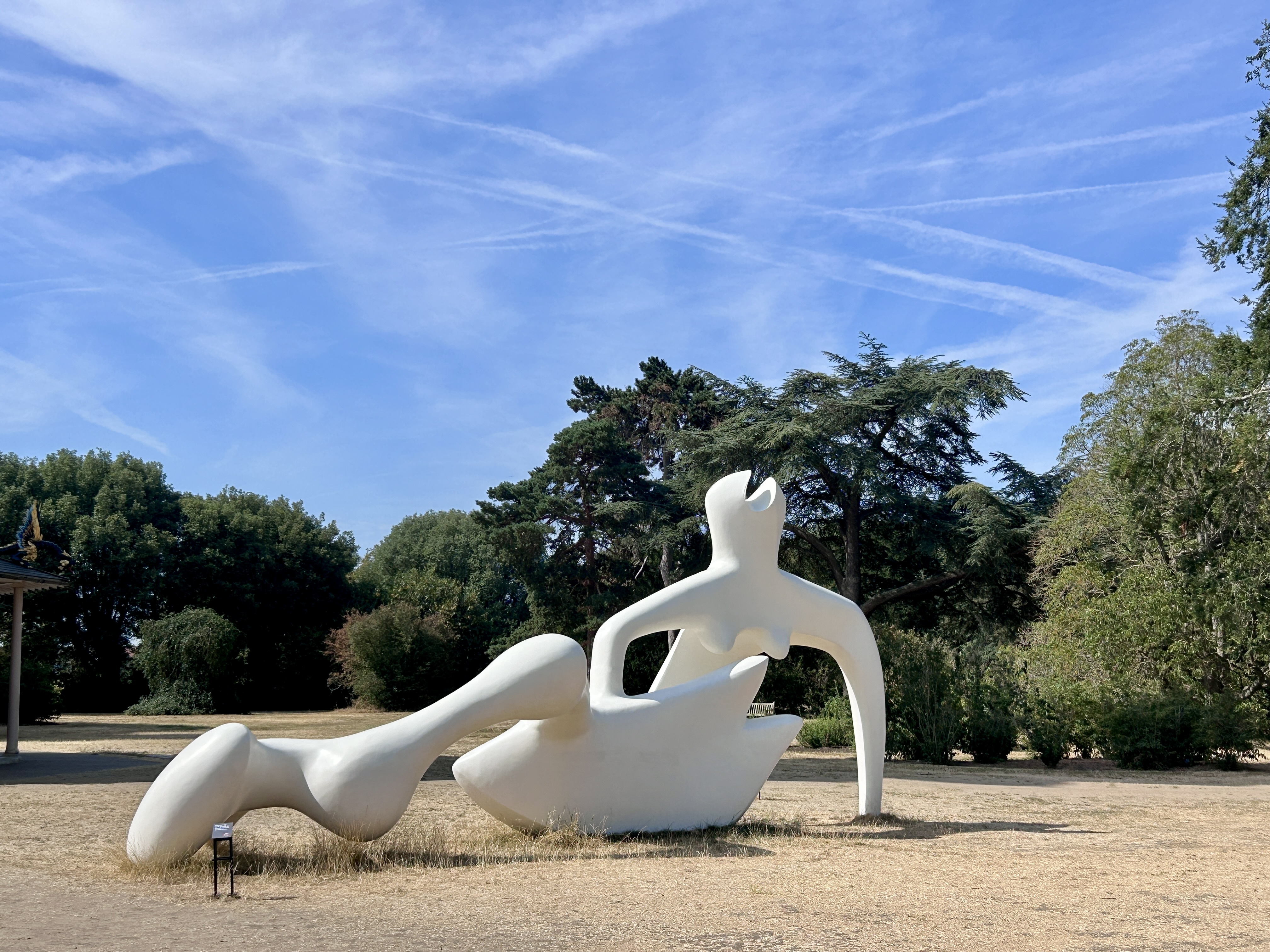
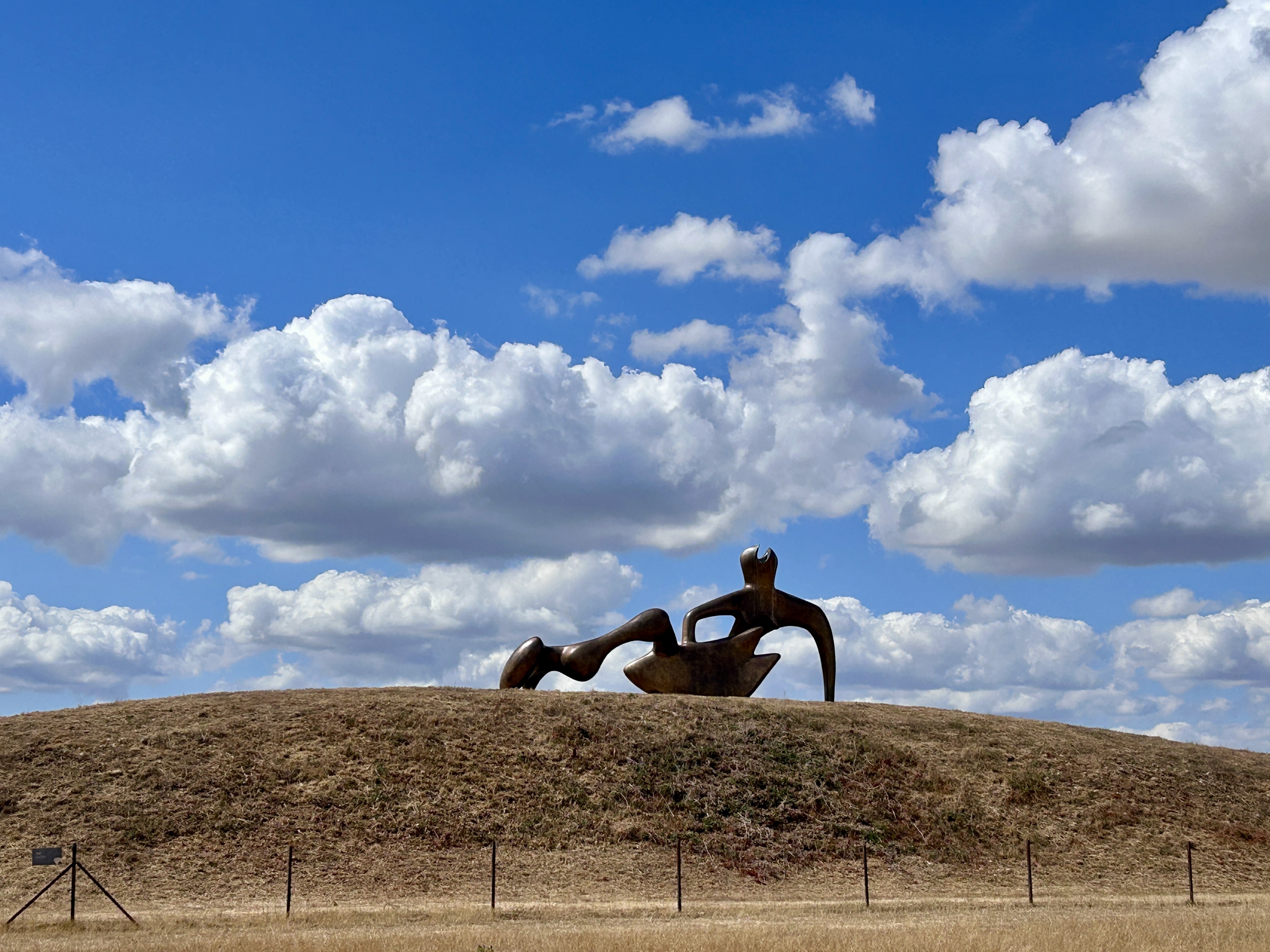
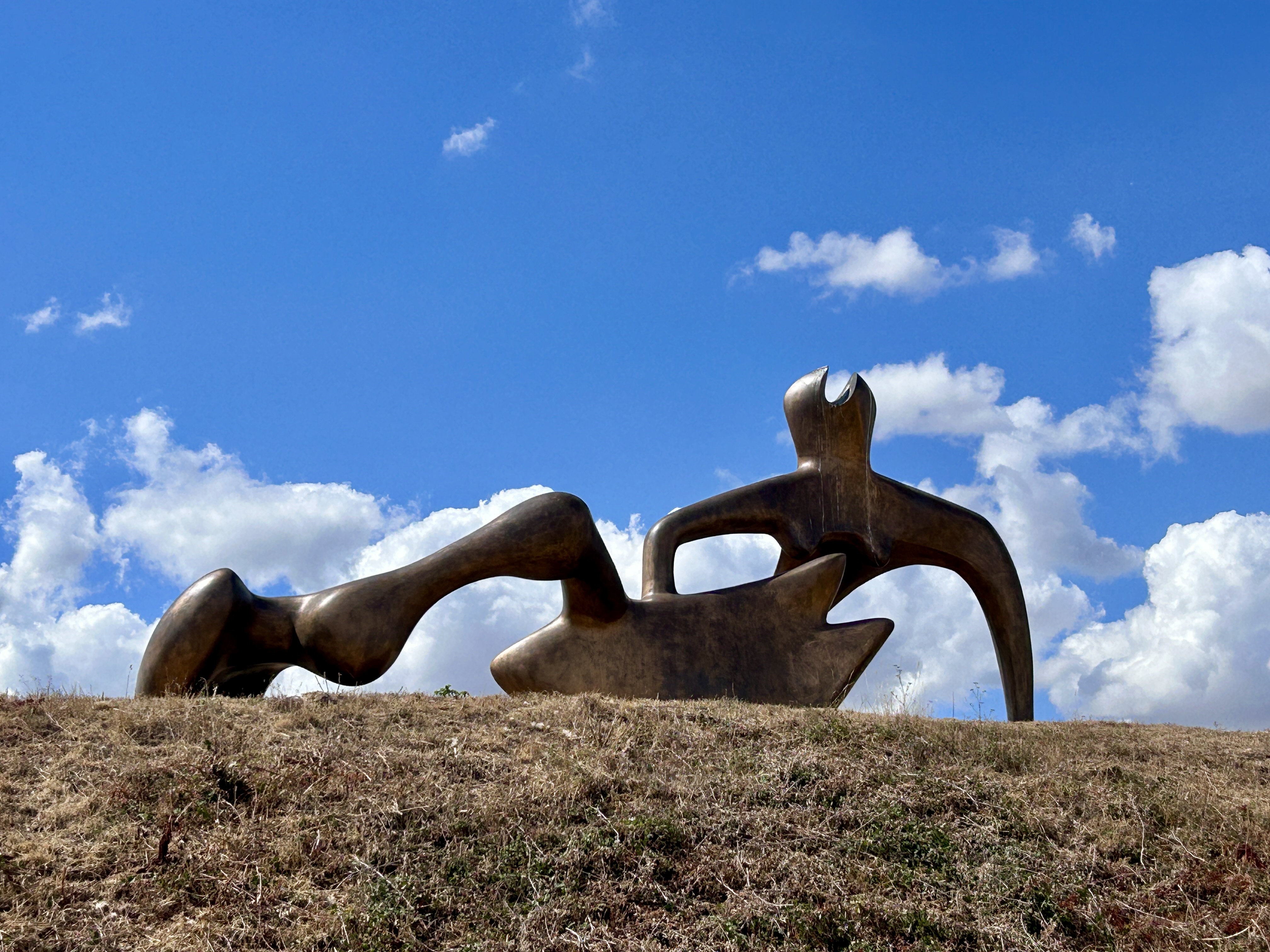
The Large Reclining Figure 1984 in the sheep field behind the home and studios was the highlight but first, here was the fiberglass version we saw at Kew Gardens.
Much larger bronze version
What a thrill to visit, we hope to go back again! 👋