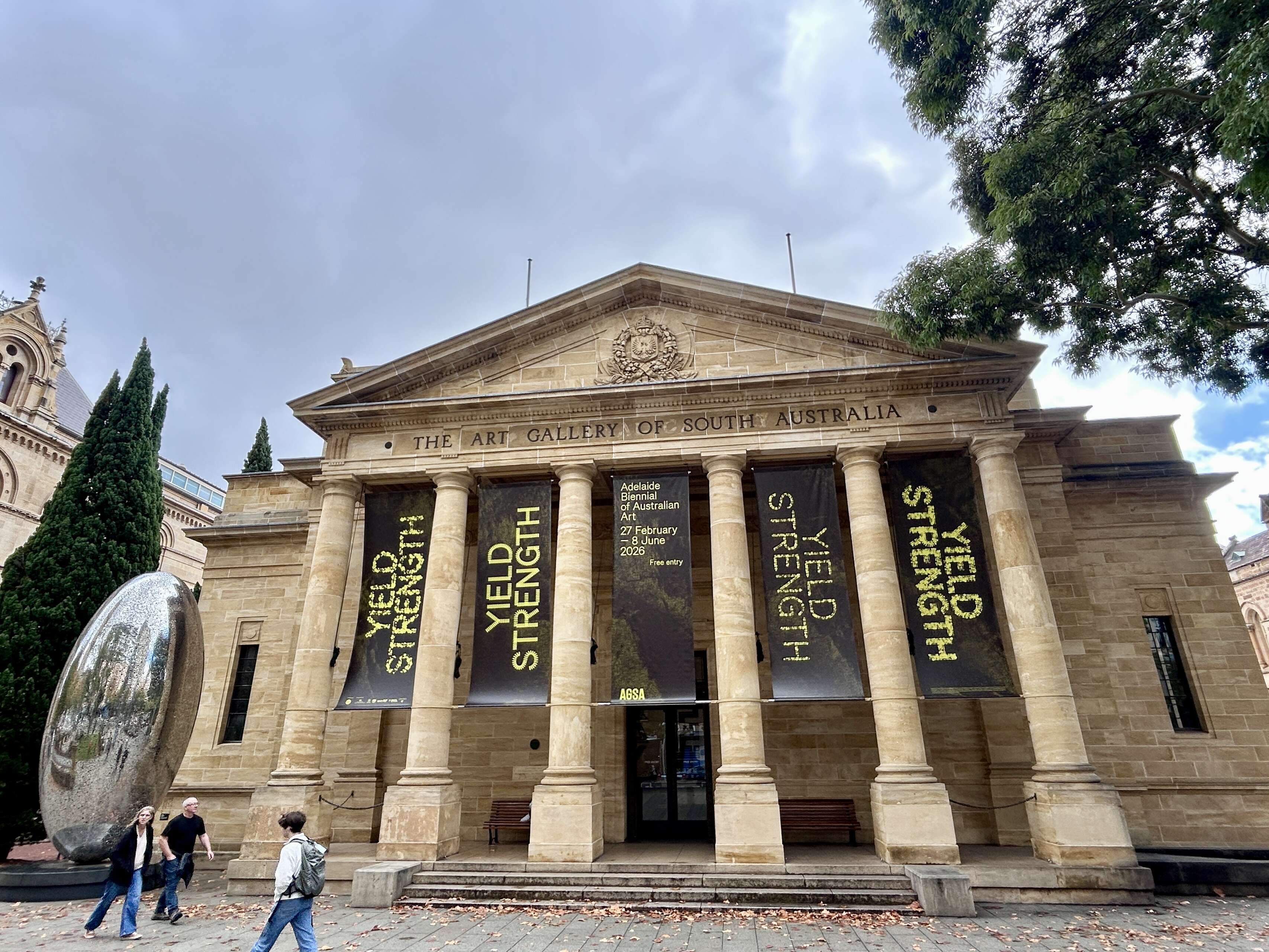
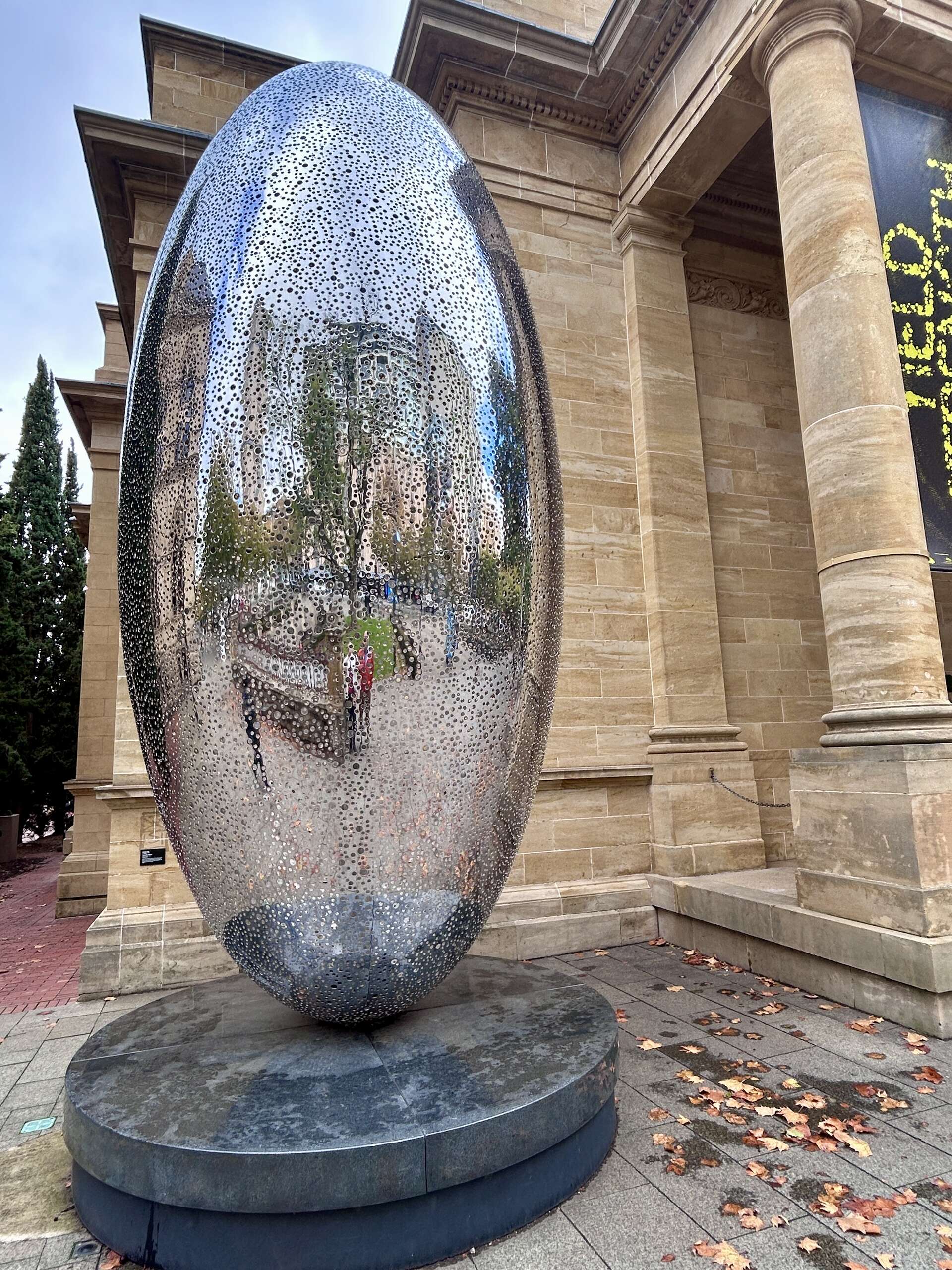
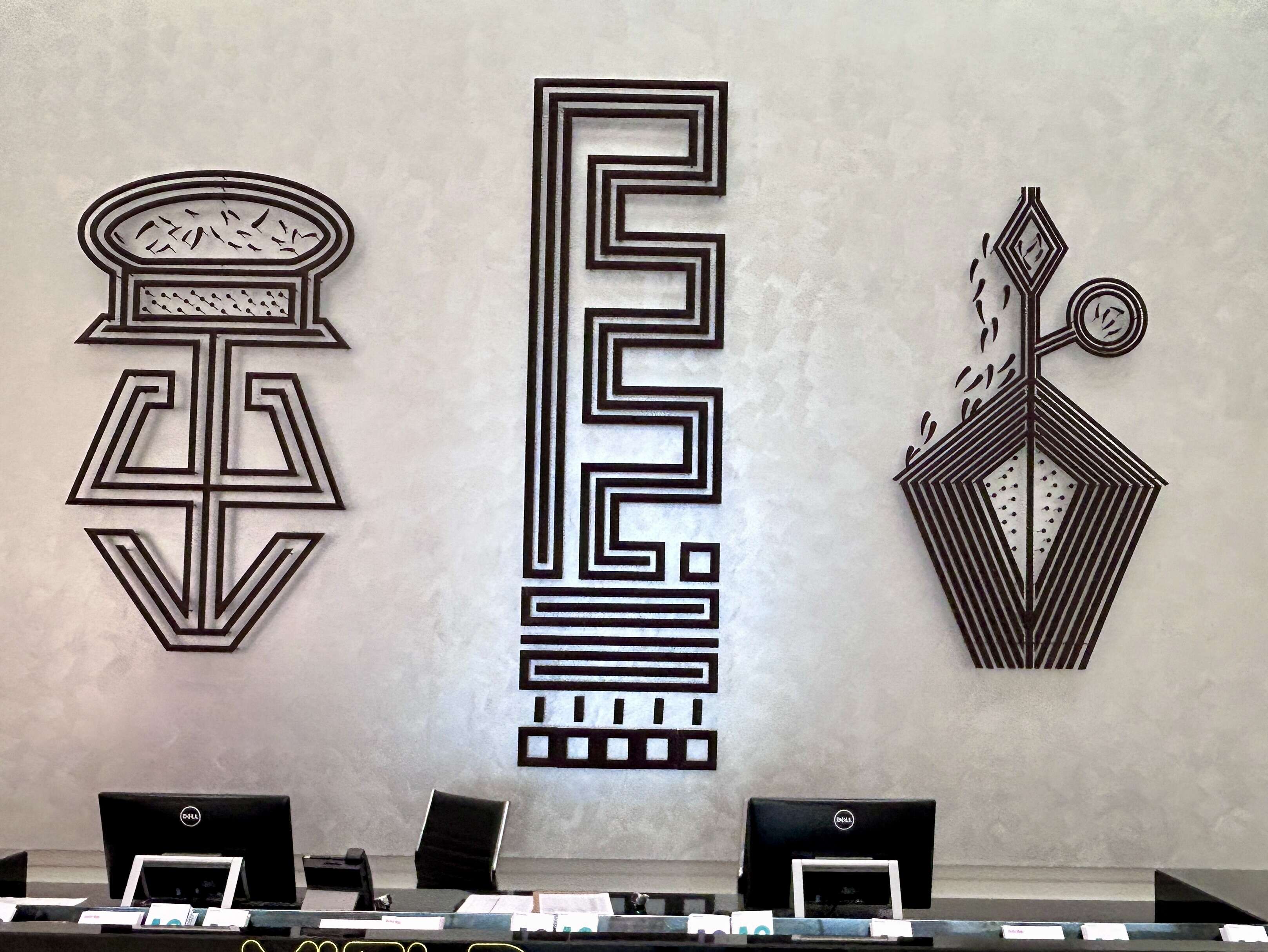
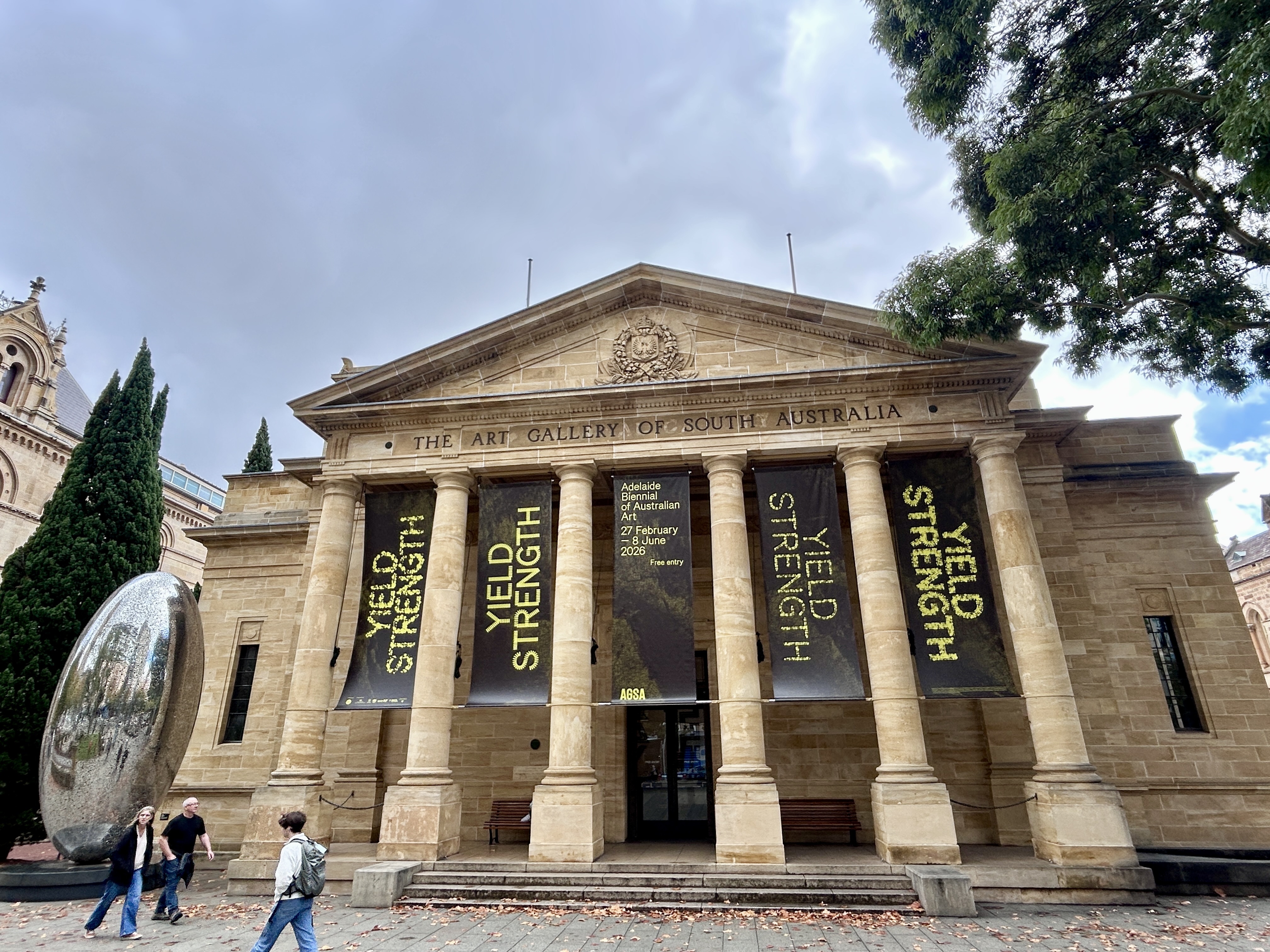
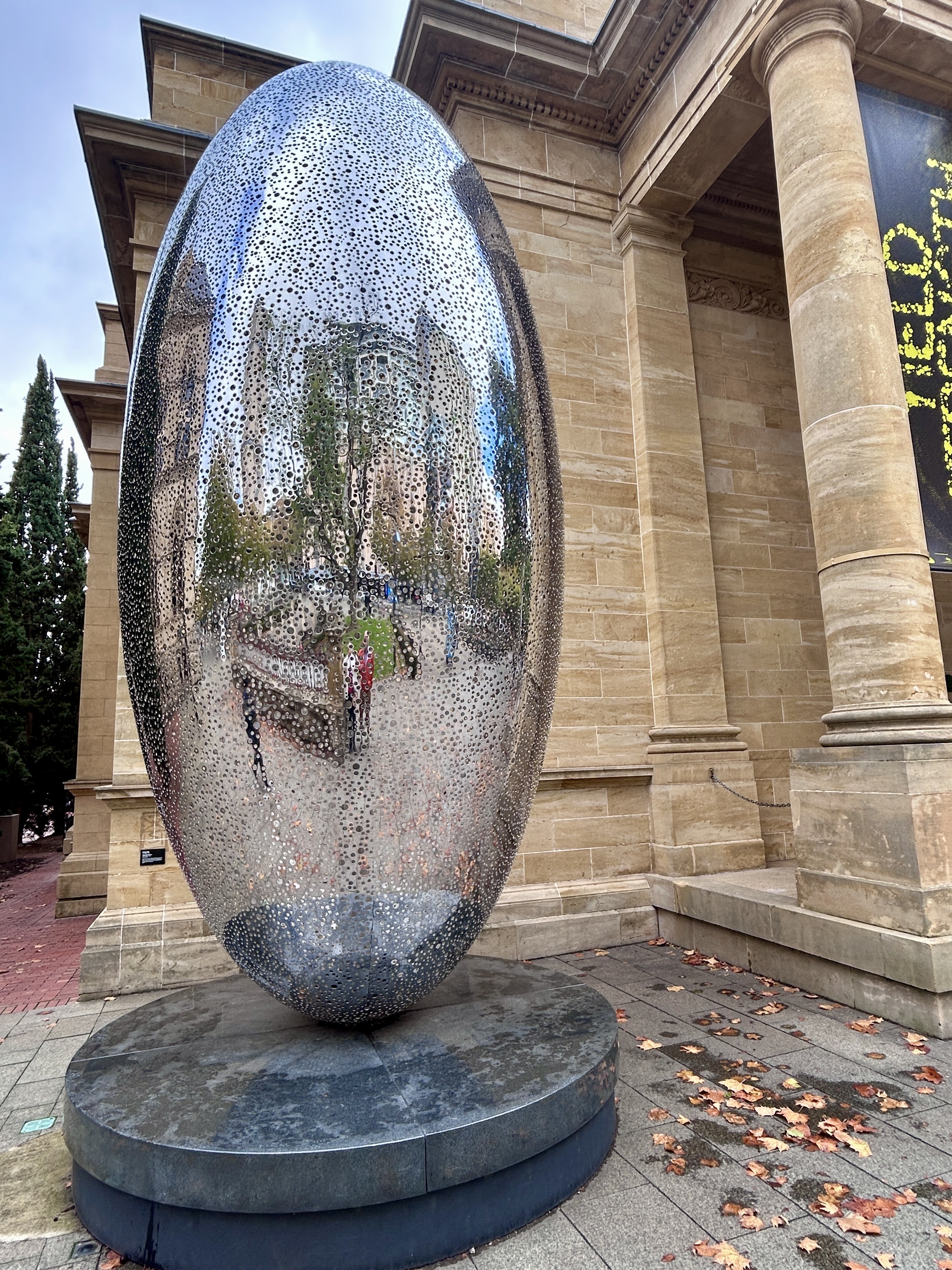
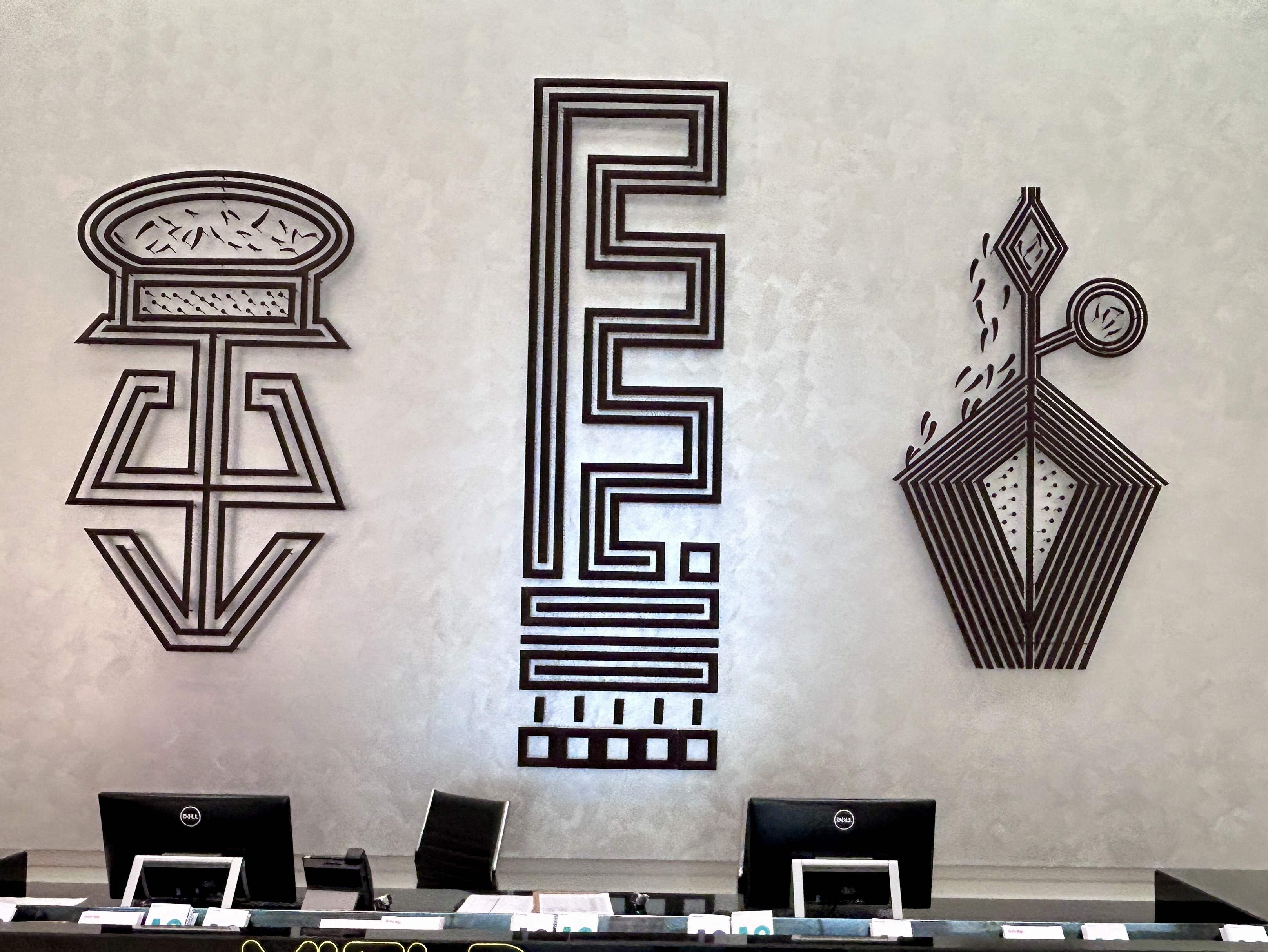
Hey everybody, I am waaaaay behind on blog posts. Today is June 18th and we are back in the US (Muskegon, MI right now) but this is from a visit while we were in Adelaide in late May. It is a focus post about our visit to the Art Gallery of South Australia (AGSA). If that doesn't sound interesting, I would skip it. 👋
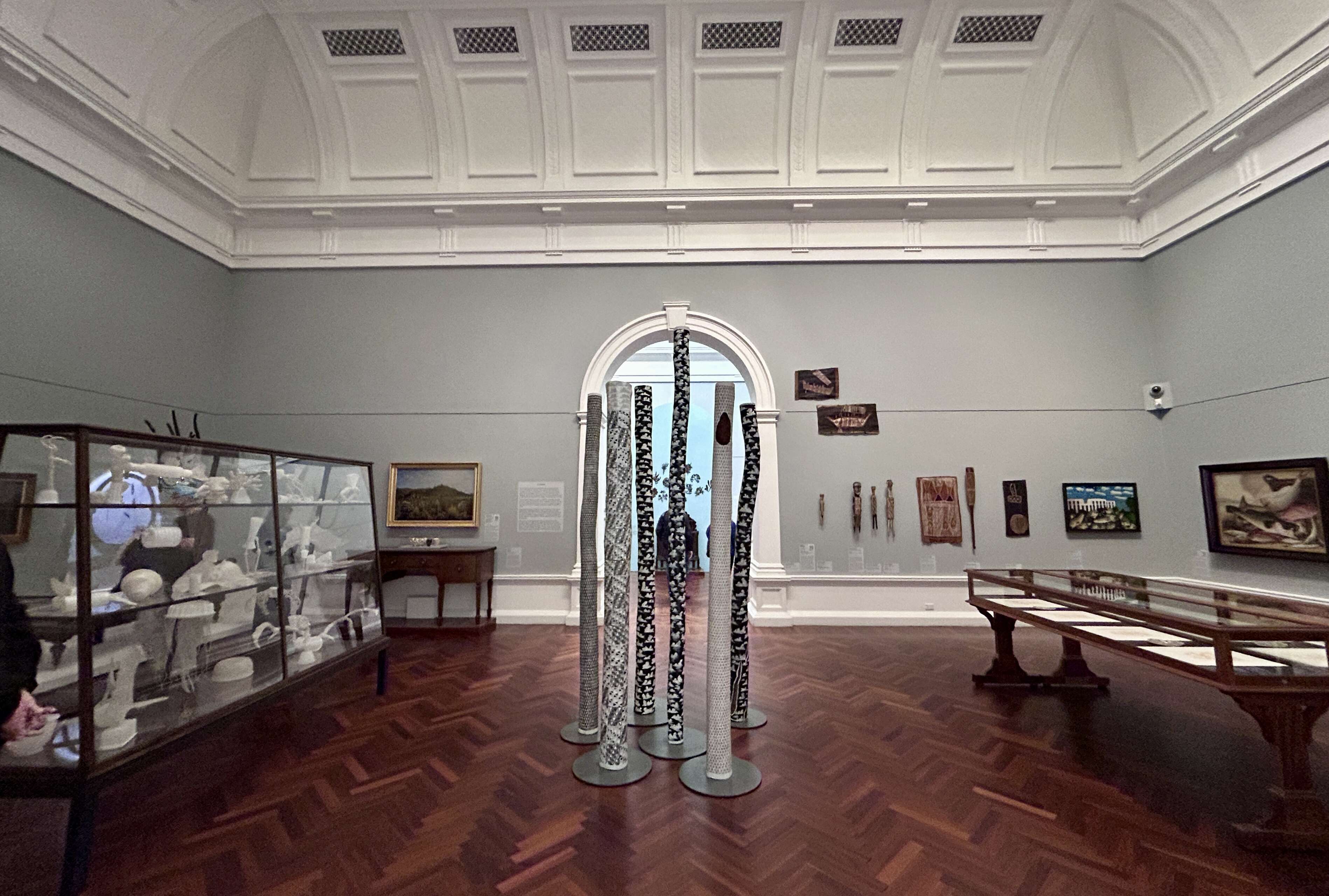
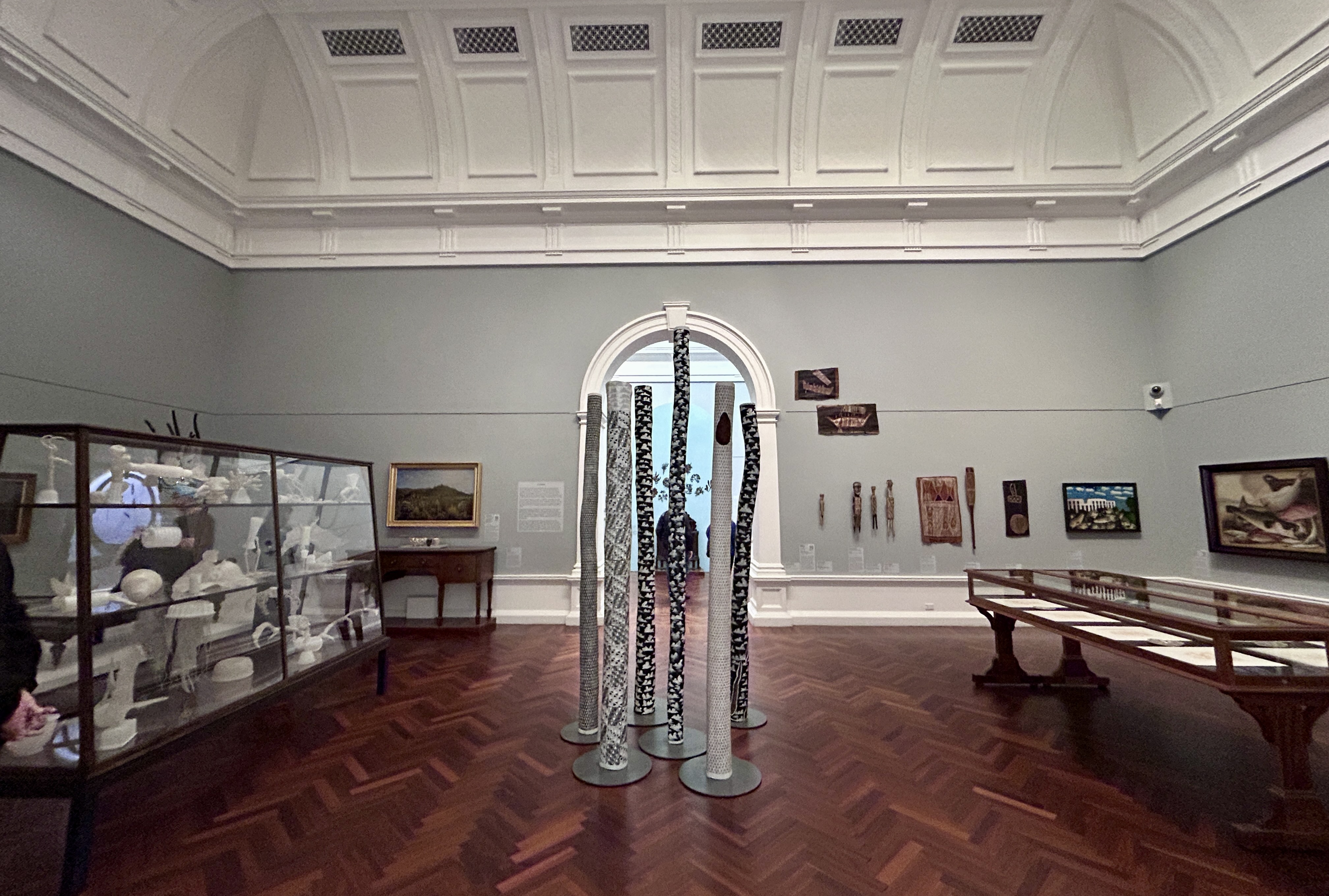
We spent most of our time in the Australian art galleries.
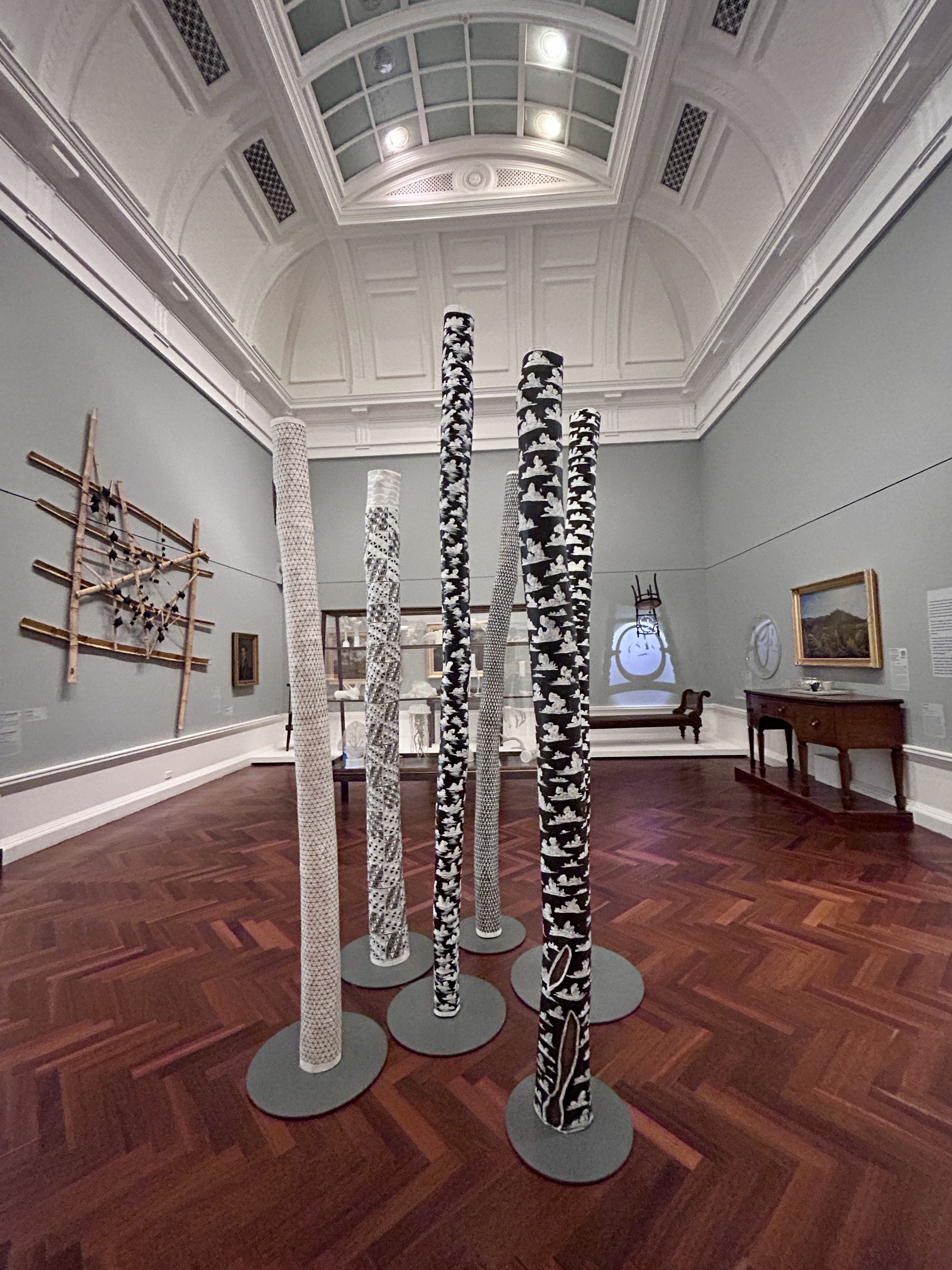
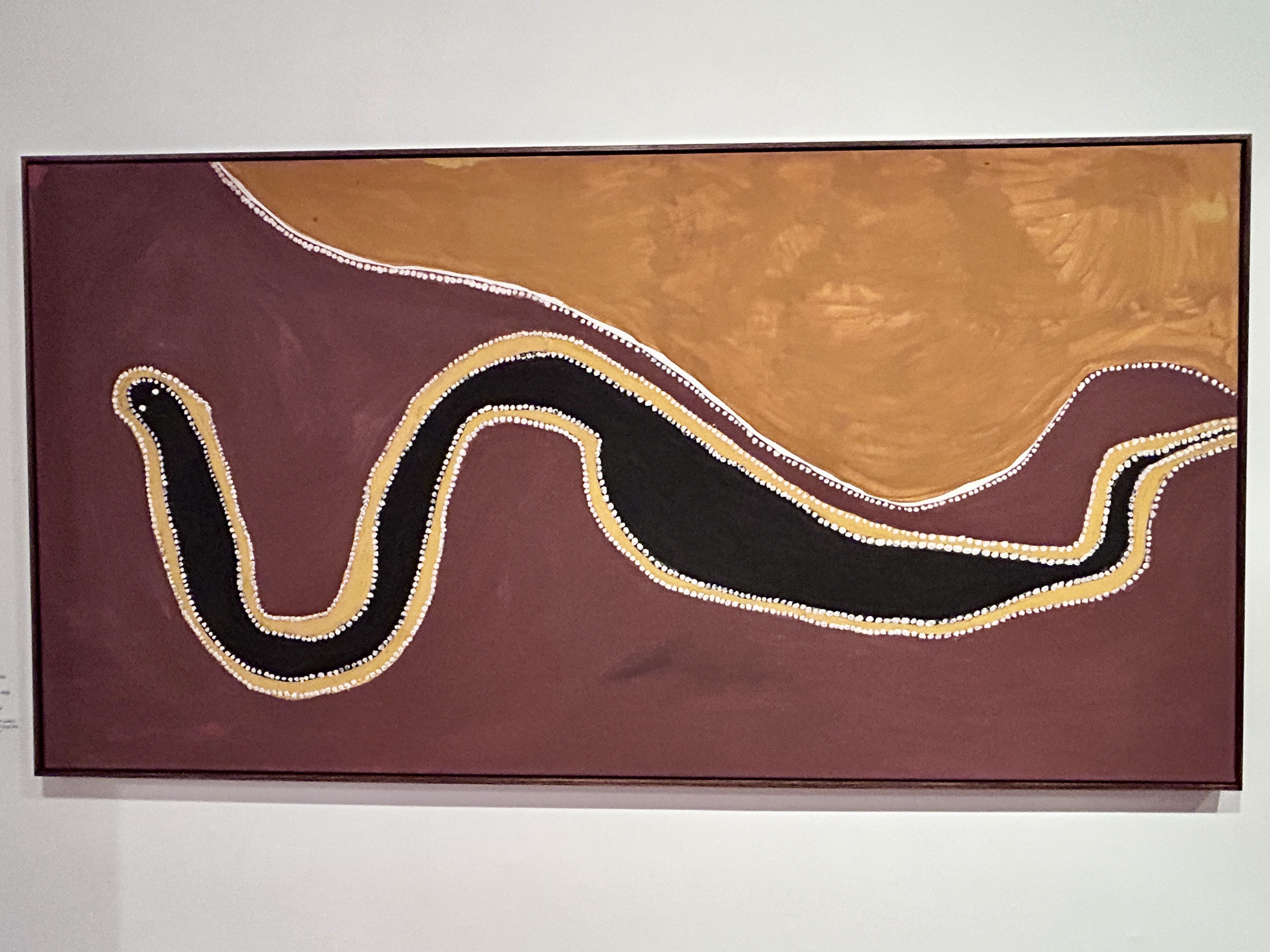
Waŋupini larrakitj 2016-17, earth pigments on stringybark (Eucalyptus tetrodonta)
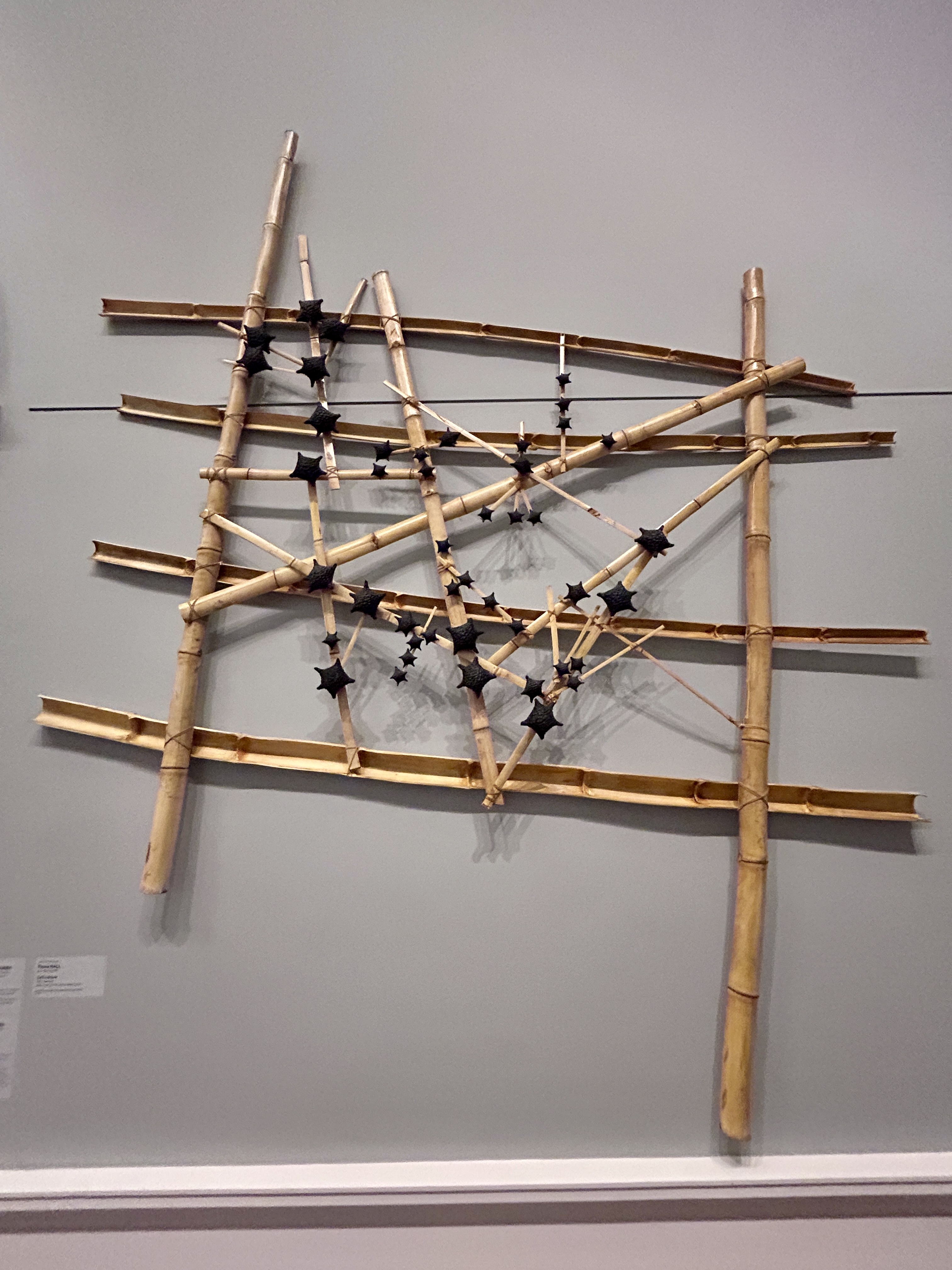
Tagai, Gail Mabo 2021
Story from the artist:
The story of Tagai, which is still told to the young people today, is considered an important aspect of daily life. Tagai is important for navigation, as the Southern Cross (Tagai’s left hand) points to the south. We use Tagai to navigate through the Torres Strait from island to island. Tagai also tells the islanders when to plant their gardens, when to hunt turtles and dugong, when the monsoon season arrives, when the winds change and many other important aspects of daily life.
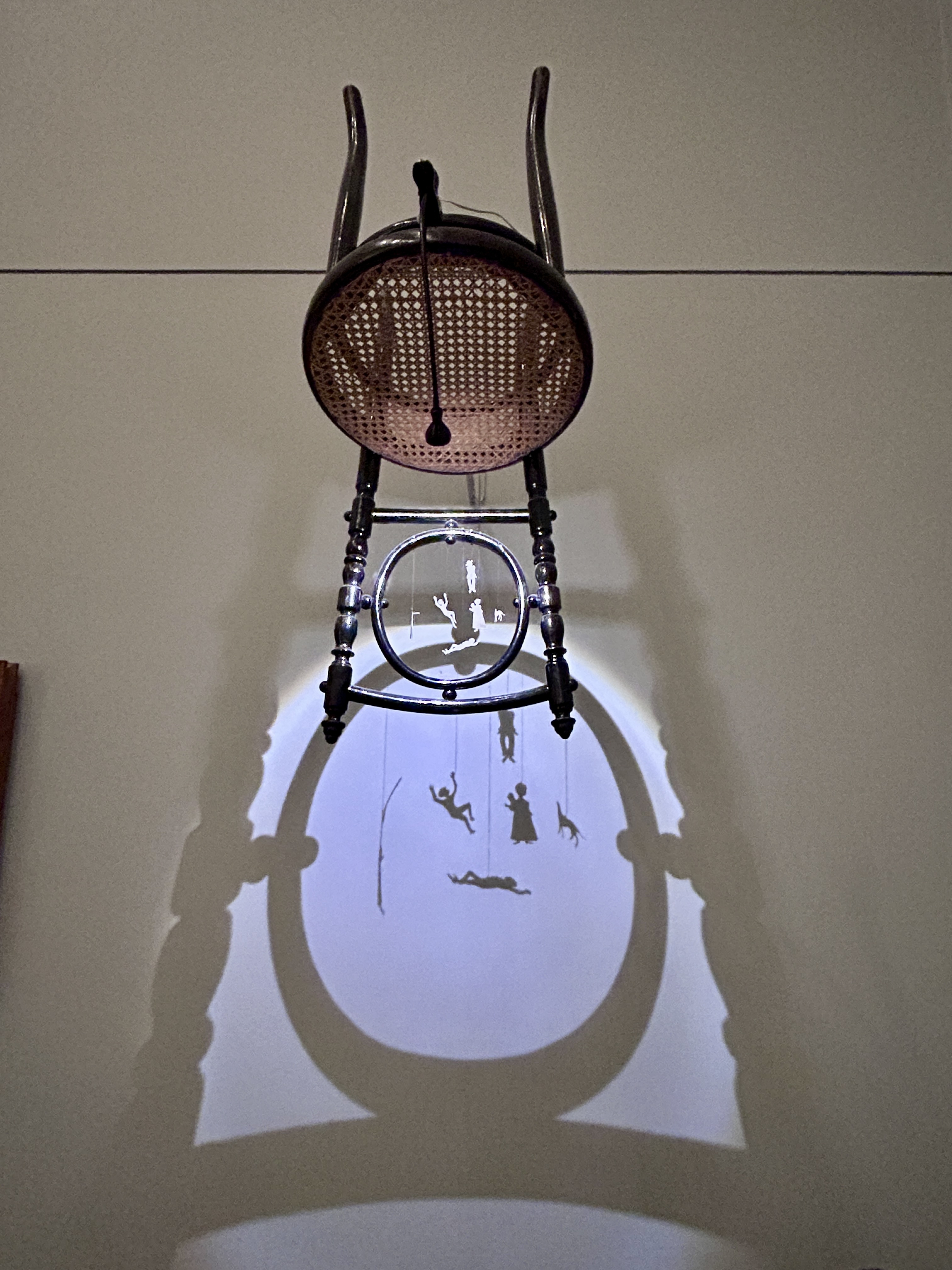
The Promise II, Julie Gough 2018-2021
This was an uncomfortable work - like so many related to colonialism.
The Promise II comprises a found chair with cut-out images made from kangaroo vellum suspended from the chair’s back. The work is brought to life by light, with the illuminated cut-outs casting discomforting silhouettes on a wall. The cut-outs replicate images found in Governor Arthur’s Proclamation to the Aborigines (1830), a visual document painted onto wooden boards, whose pictograms were intended to show that Aboriginal people and settlers faced equal punishments under Vandemonian law for crimes of violence. This is the same work included on Gough’s “wheel of fortune”. The boards were fixed to trees in order to communicate to Aboriginal people the consequences of breaking the law. However, as The Promise II and Gough’s wider practice remind us, the concept of equal justice was only in principle, and Aboriginal people were murdered with impunity by colonists.
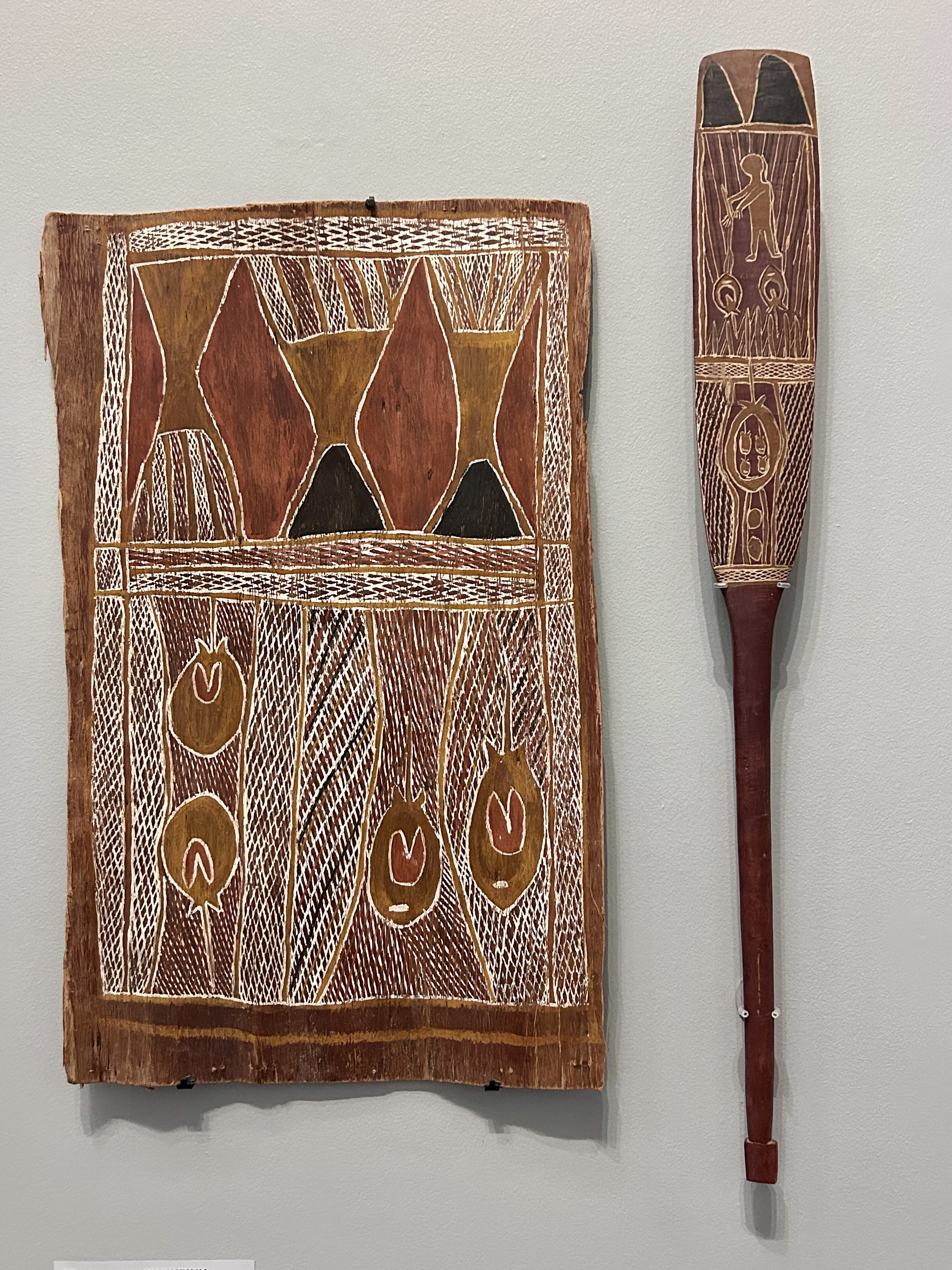
The Sea and Sky, Mungurrawuy Yumupinu 1948
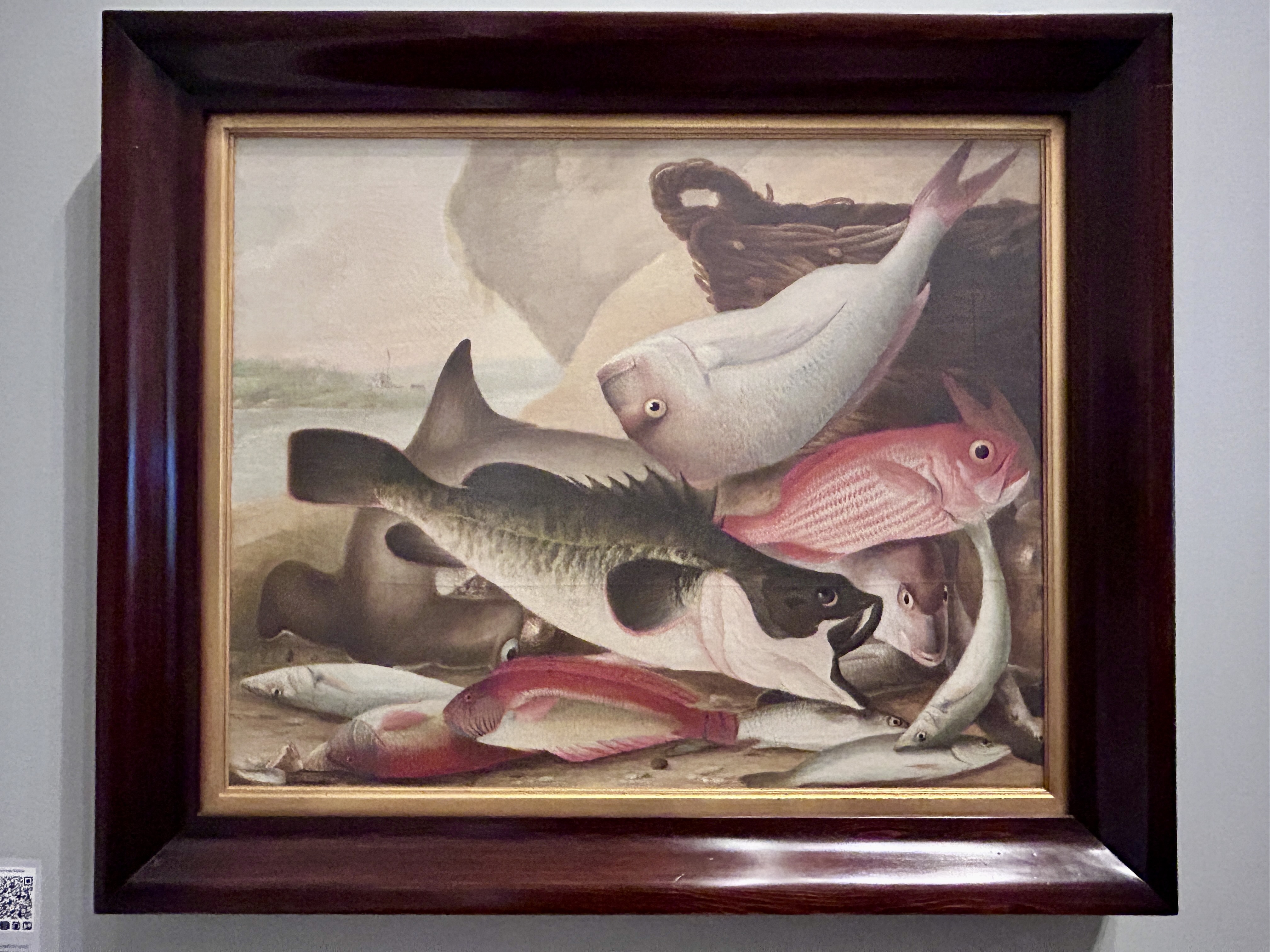
Fish Catch and Dawes Point, Sydney Harbour John William Levin 1813
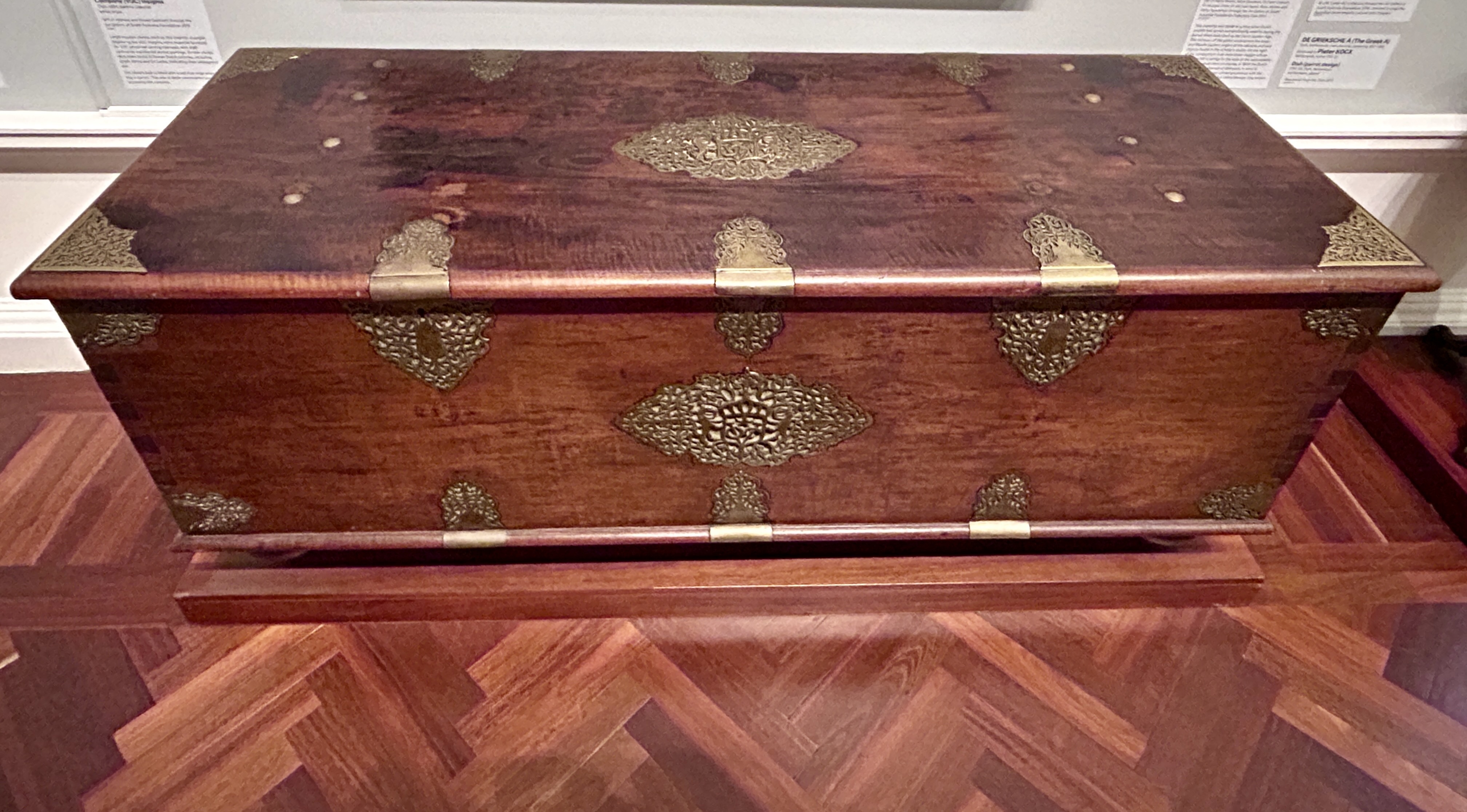
This was a stunning piece - chest with Dutch East Indies Company (VOC) insignia, 1700-1800
The chest's lock is fitted with a bell that rings when the key is turned. This was to deter unwarranted persons accessing the contents.
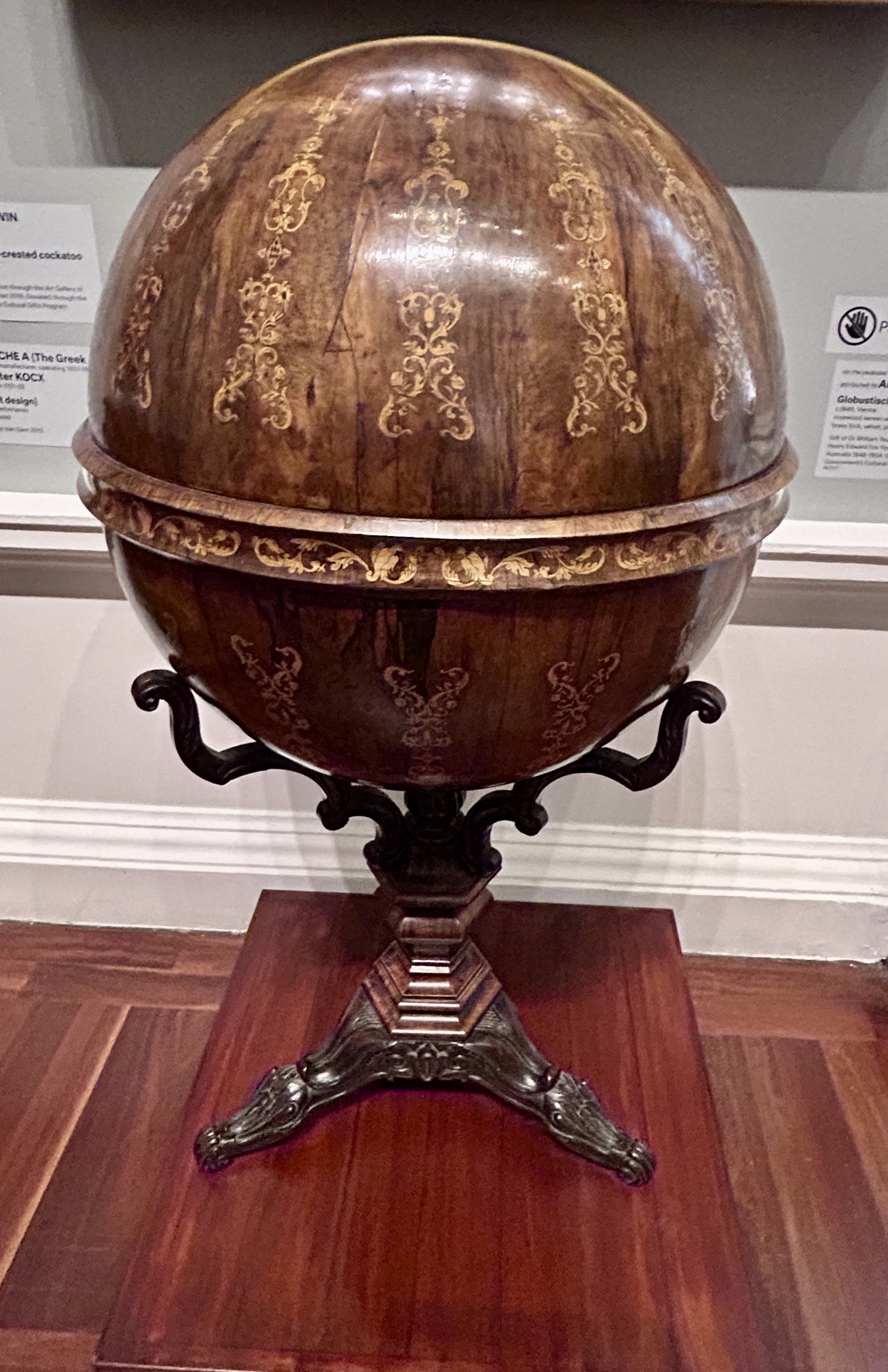
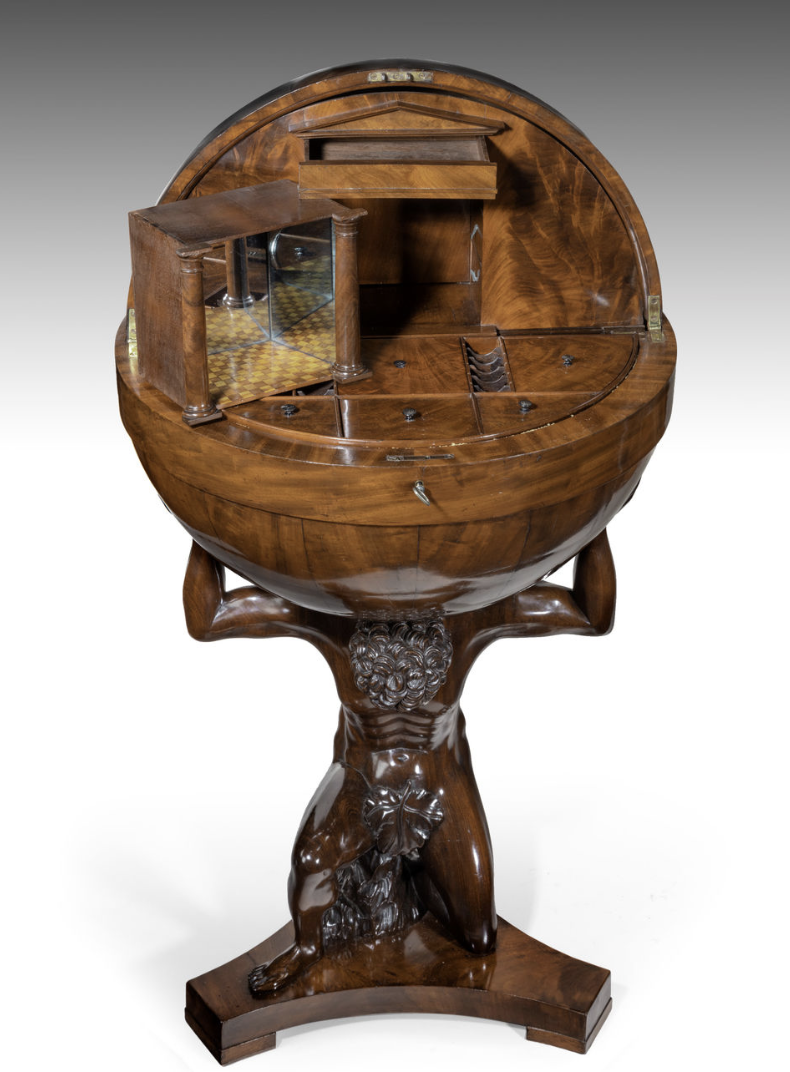
Another beautiful piece of furniture. Globustisch Work Table, Austria Vienna 1840
I found this image of the open table and I was still not sure how it worked. More research needed. 🔎
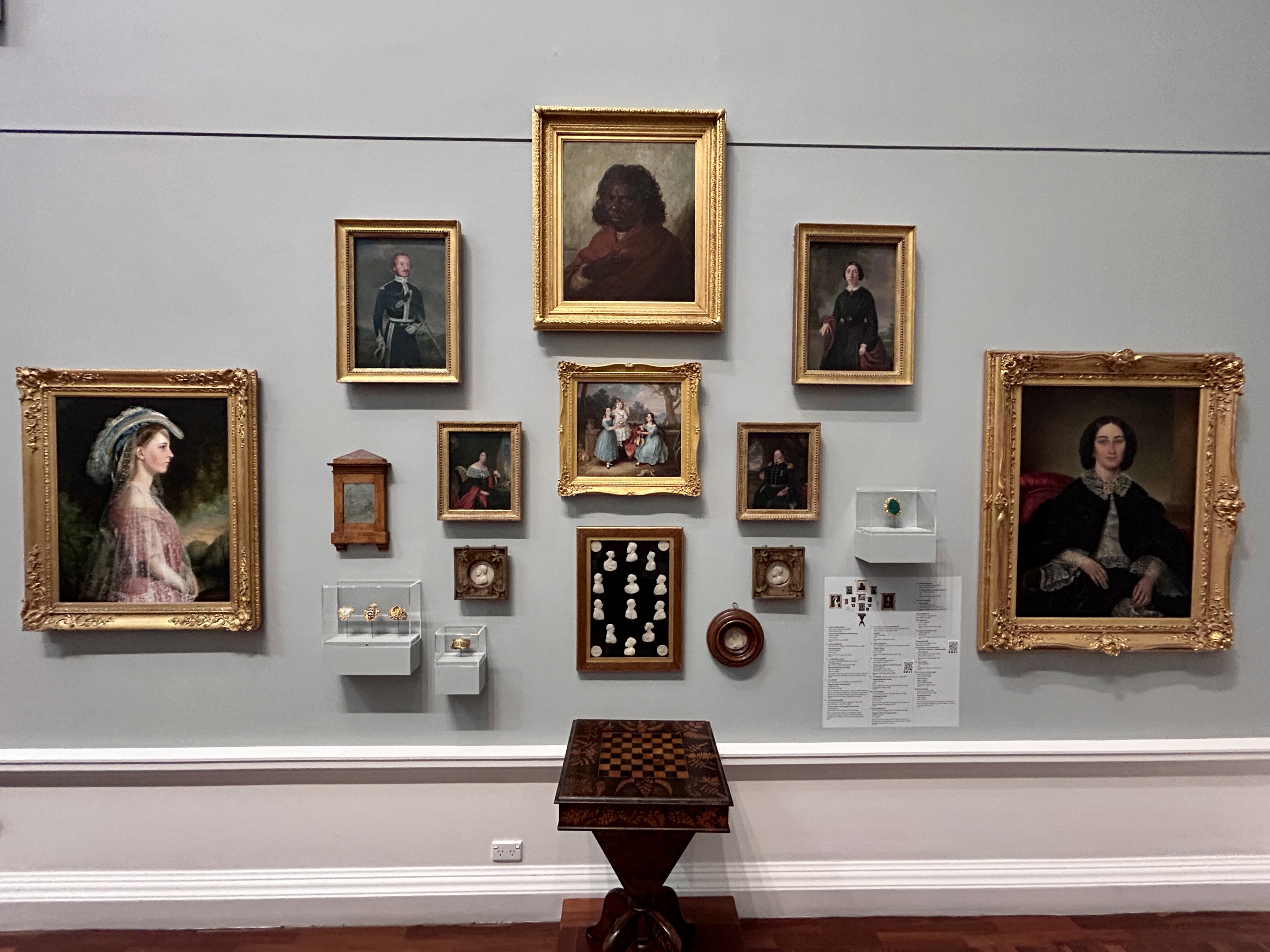
This was an interesting display of many works across artists.
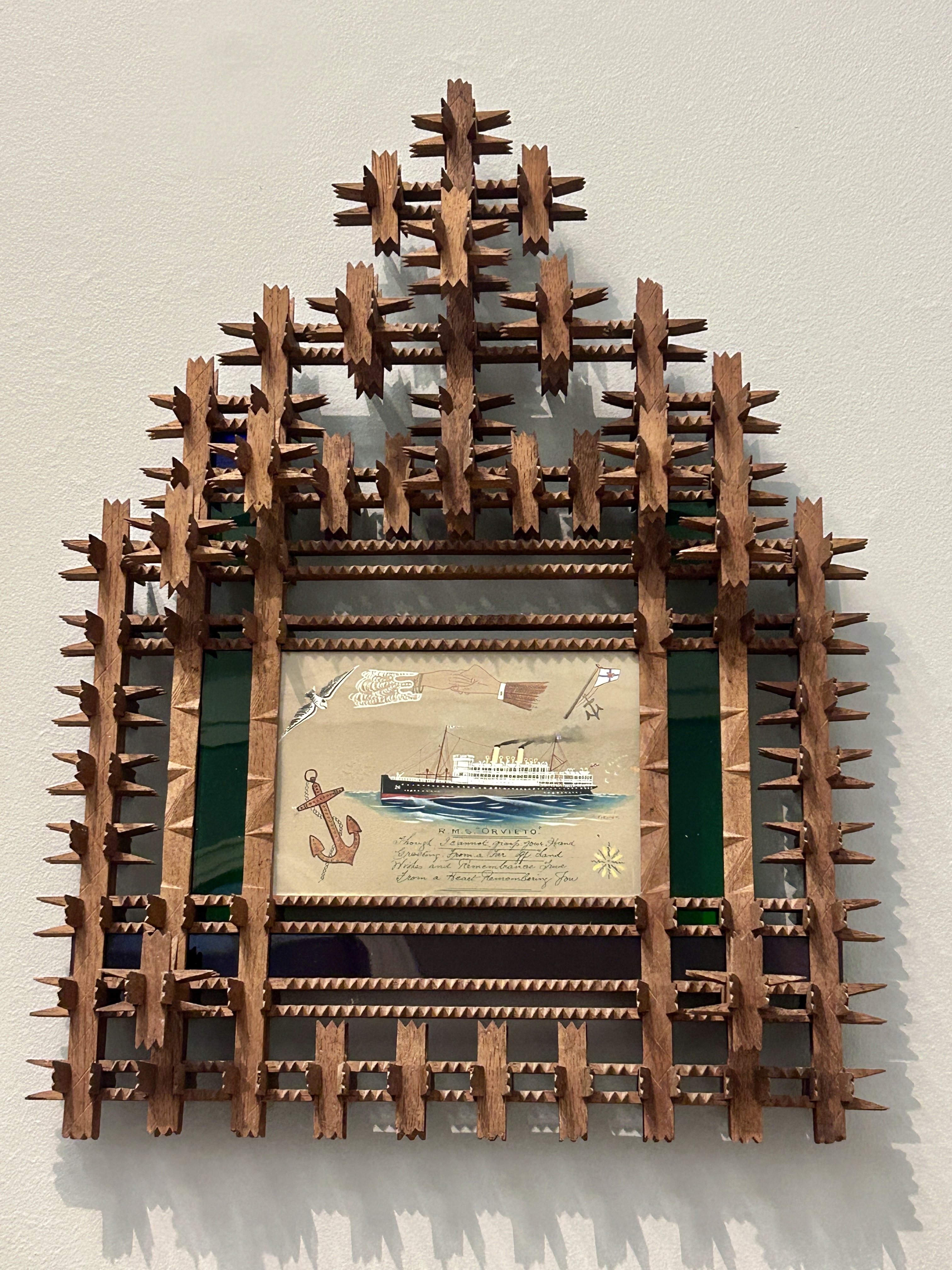
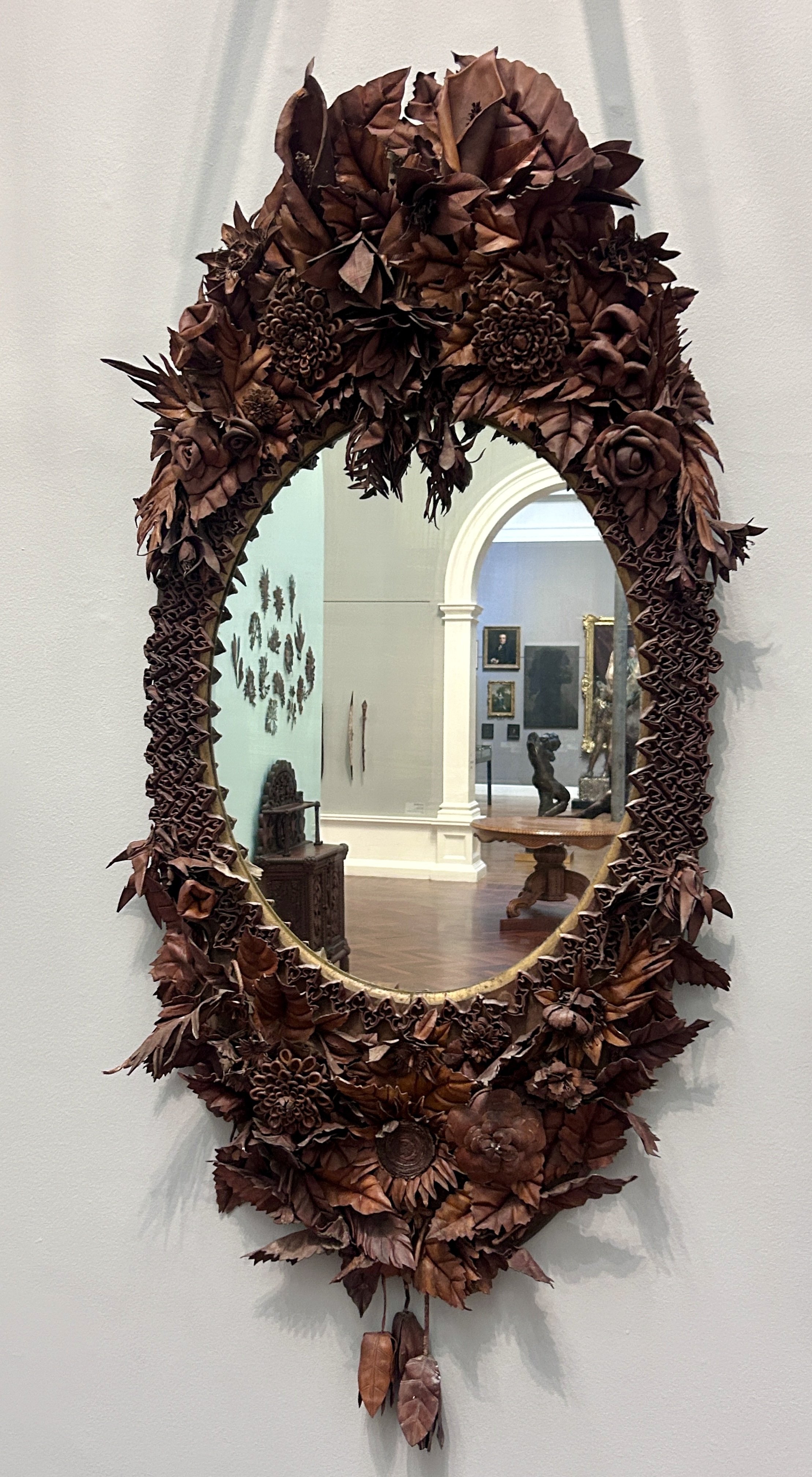
I was entranced by these two pieces - a cigar box frame (who knew?!) and leatherwork frame mirror.
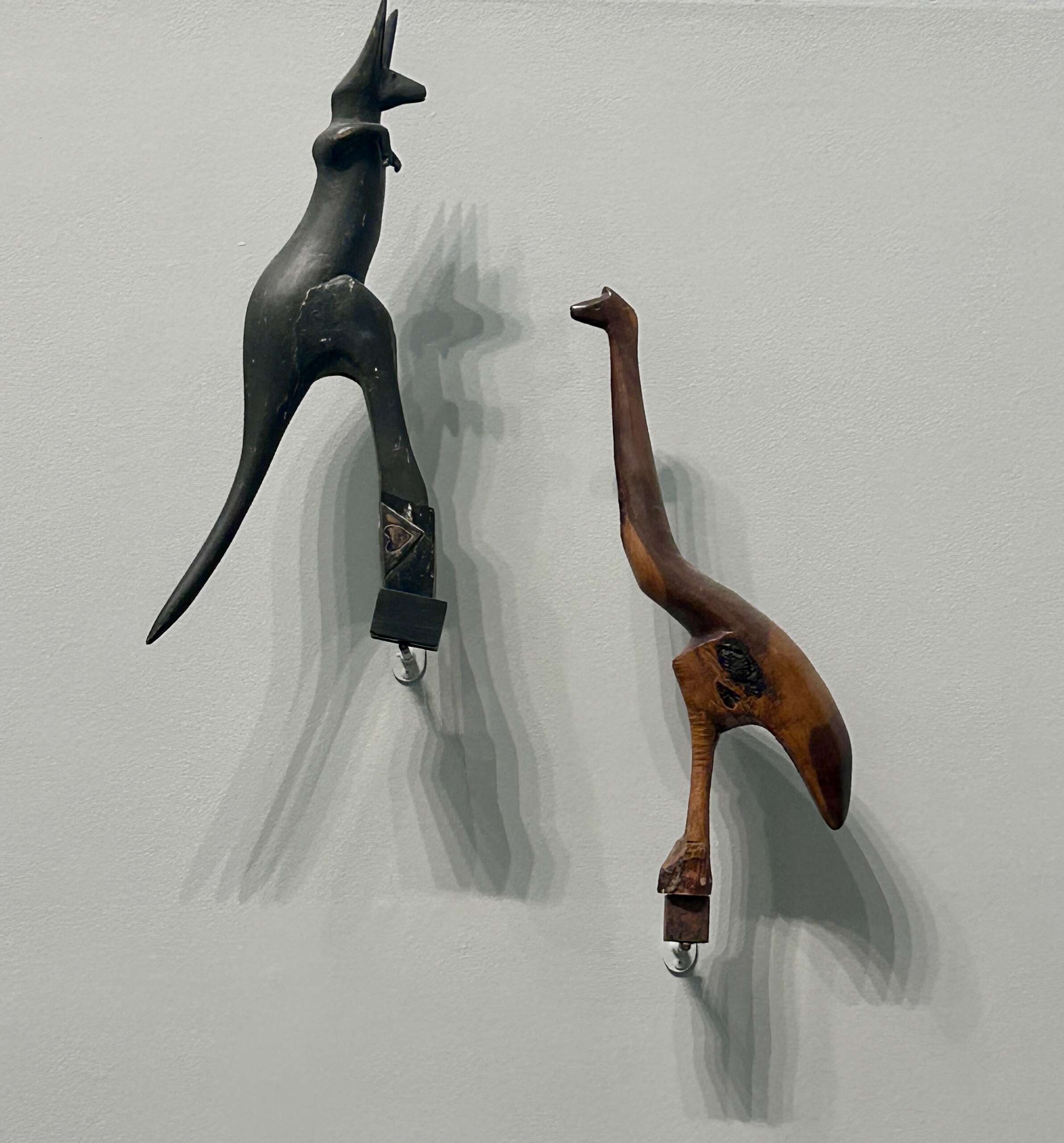
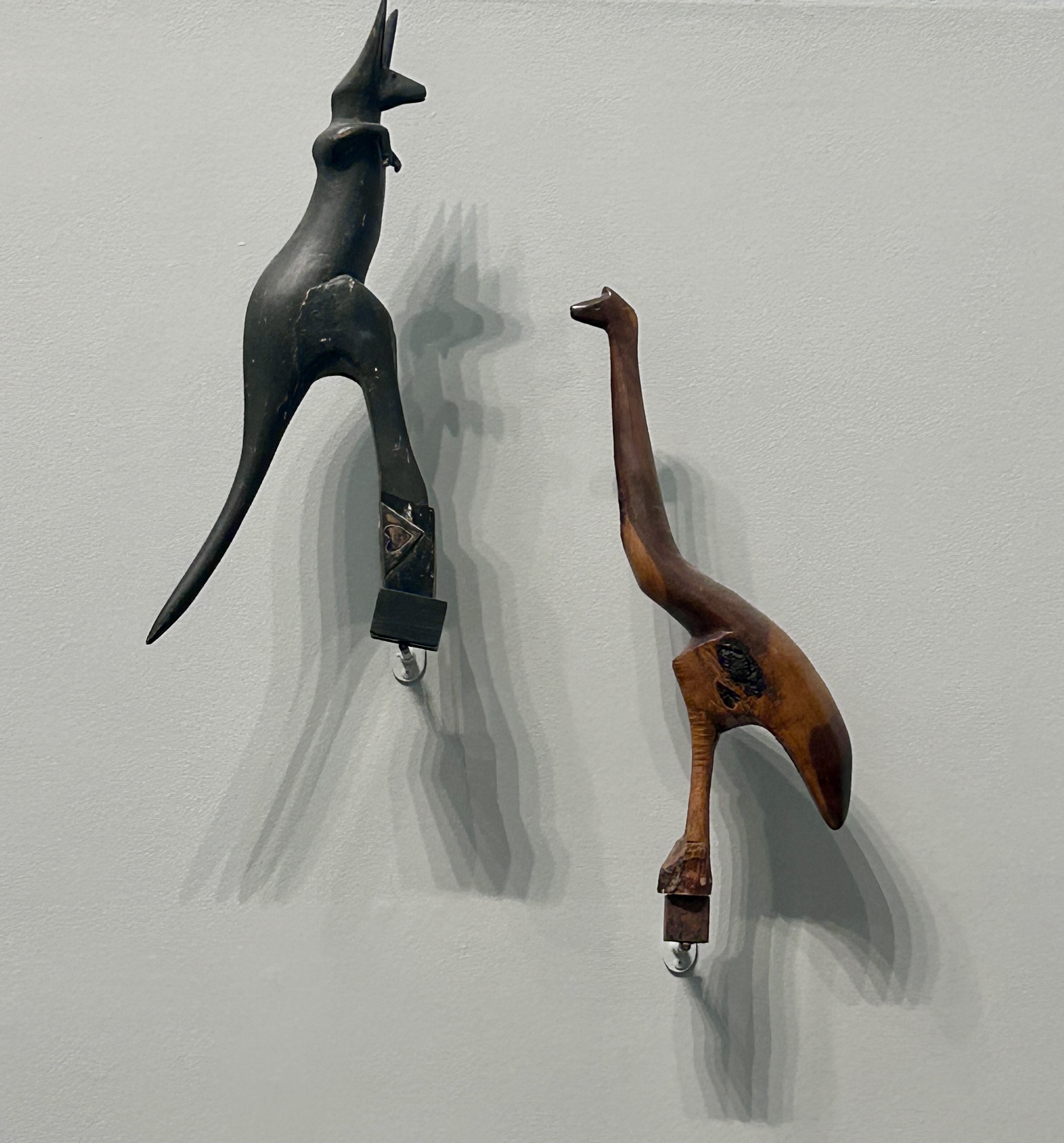
The two iconic figures:
Kangaroo South Australia 1845 Emu South Australia 1830
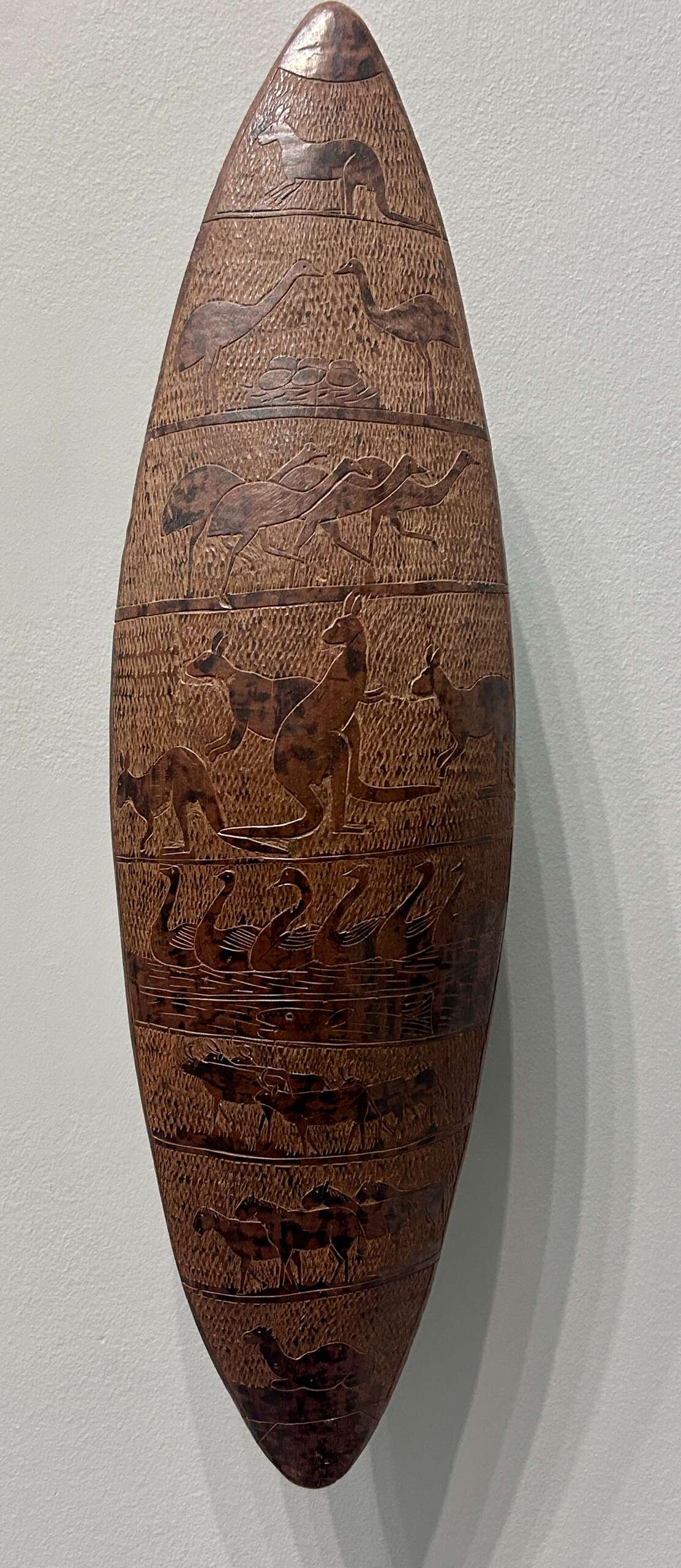
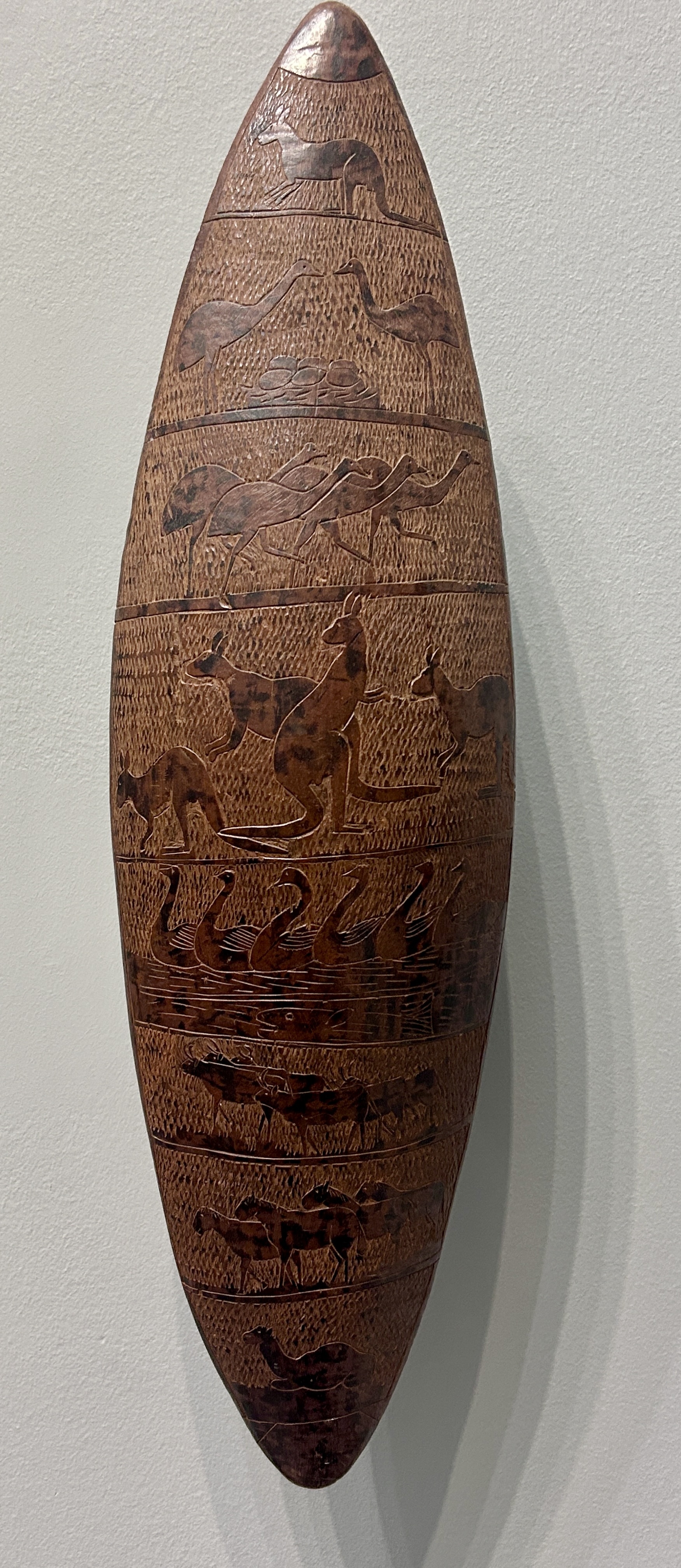
Shield Adnyamathanha People, 1930
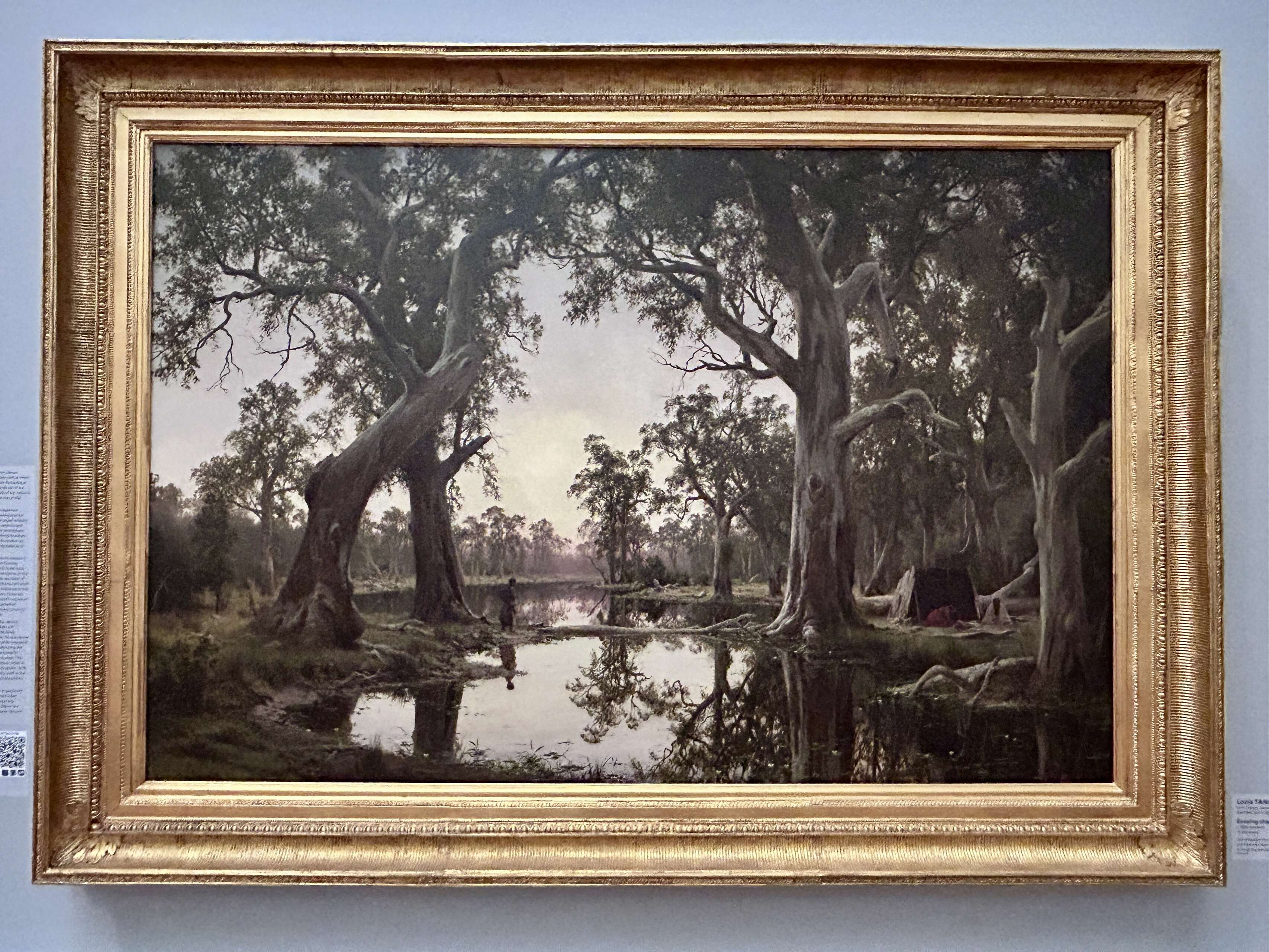
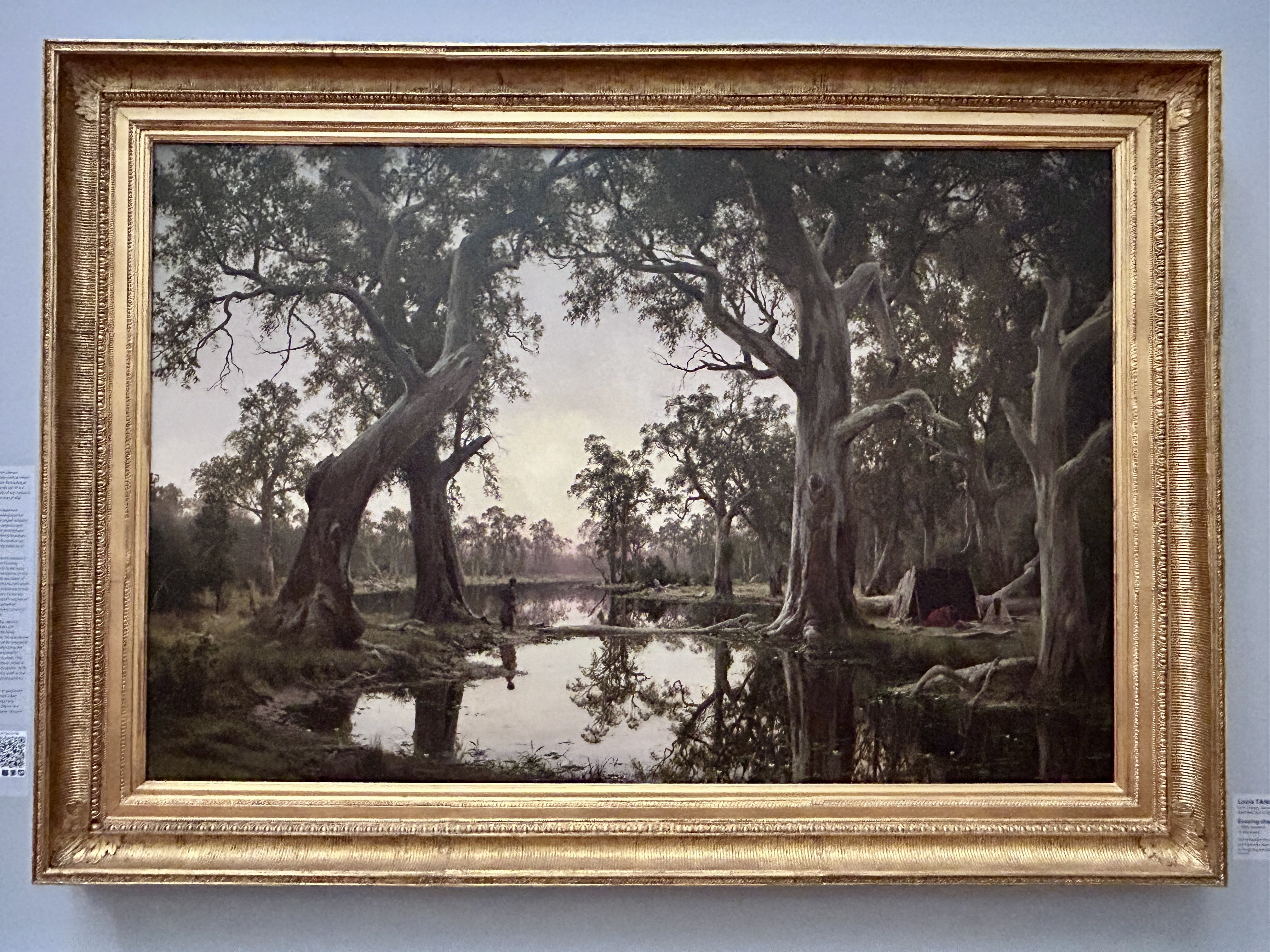
Evening Shadows by H.J. Johnstone 1878 (he painted it from a photo while in California!?)
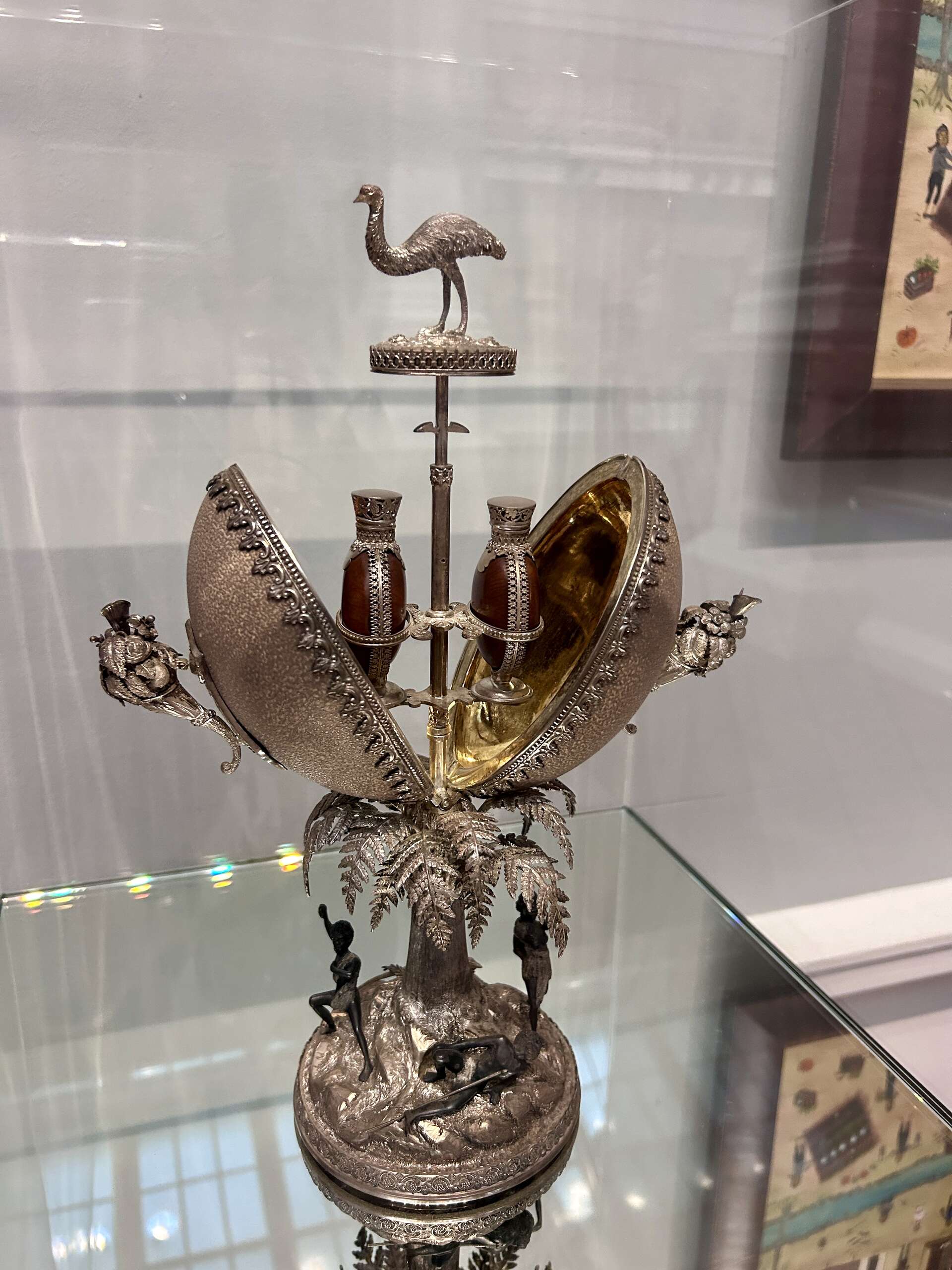
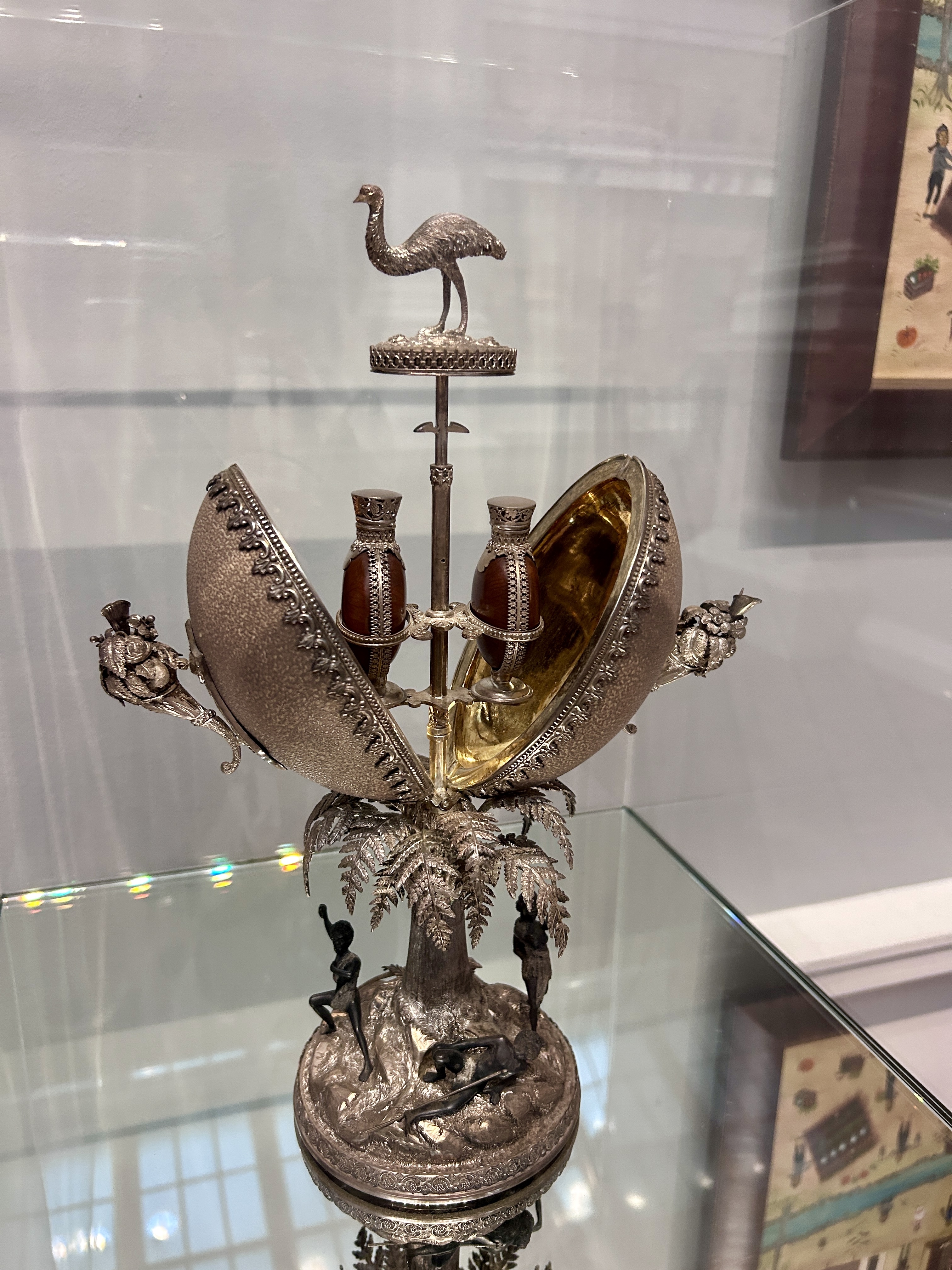
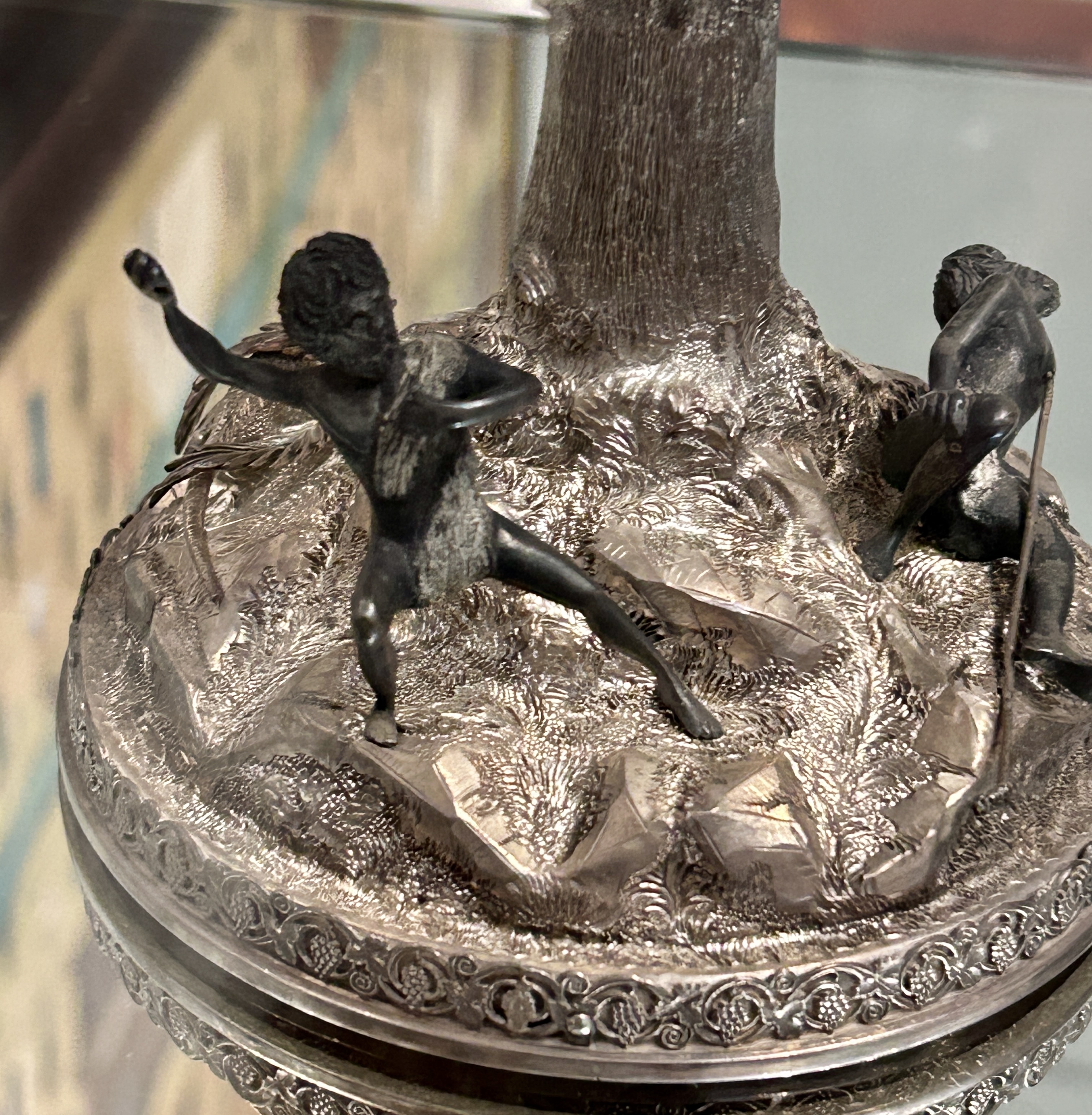
Ornate perfume bottle holder by H. Steiner 1875
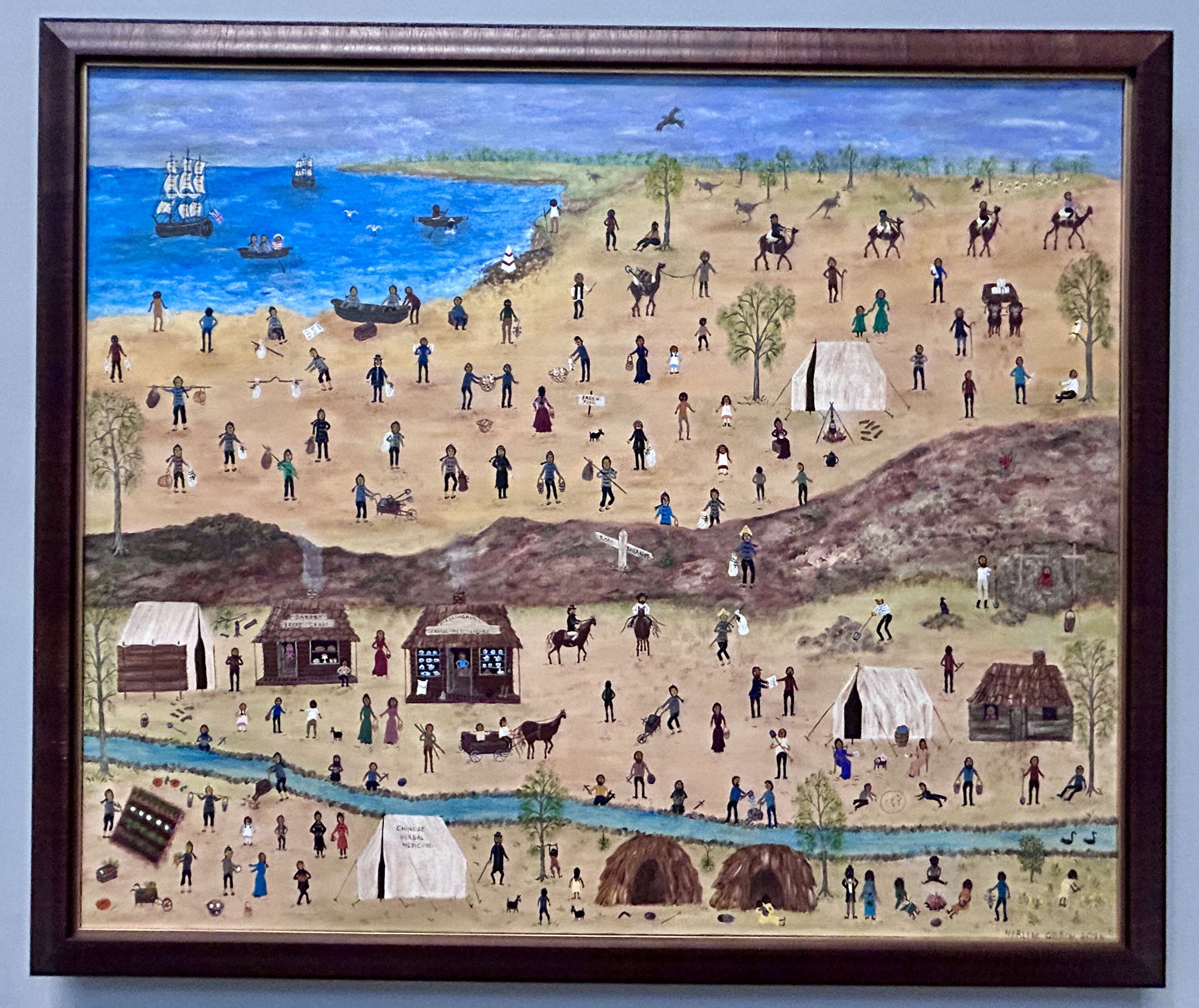
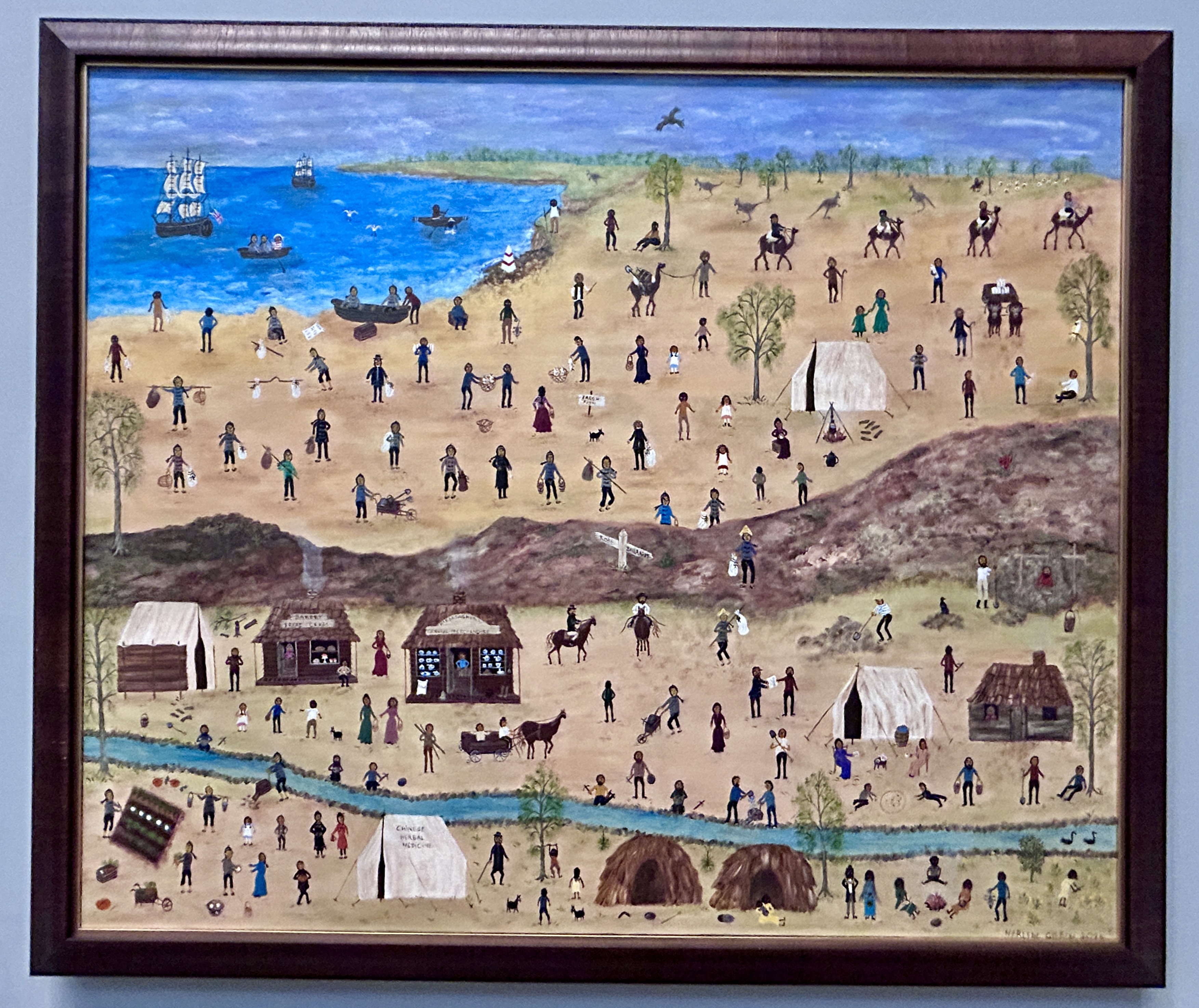
The Long Walk by Marlene Gilson 1944
This portrays Chinese immigrants landed in South Australia (Robe) during the gold rush of 1850s and what they encountered on their journey.
Robe was a small and isolated community of about 200 people when it became the starting point for one of the most remarkable treks in Australian history. More than 16,000 Chinese left their homes in mainland China and landed in Guichen Bay during the late 1850s and early 1860s, after a long and difficult sea journey. They then walked overland through the bush for some 400 kilometres to reach the Victorian goldfields.
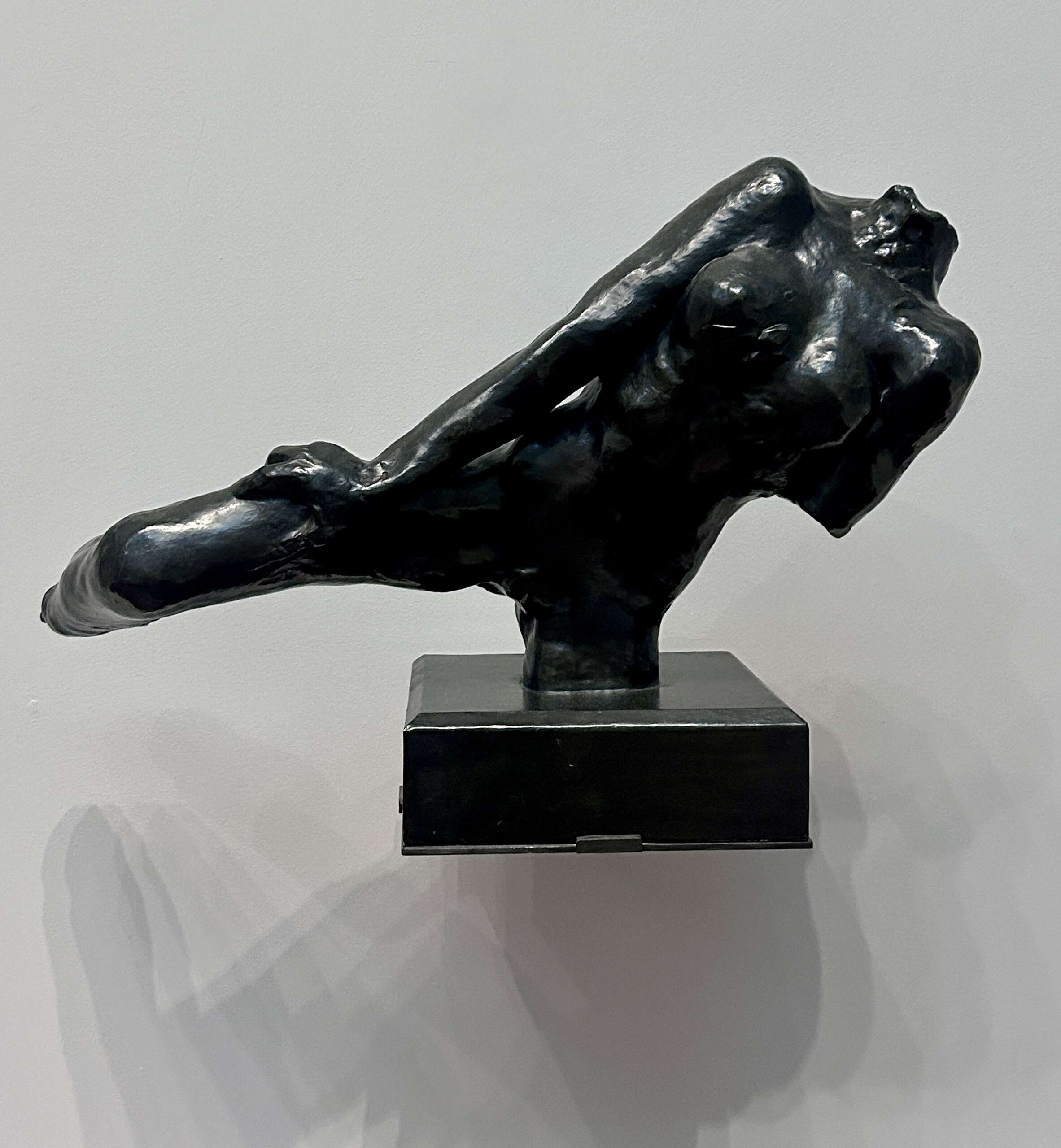
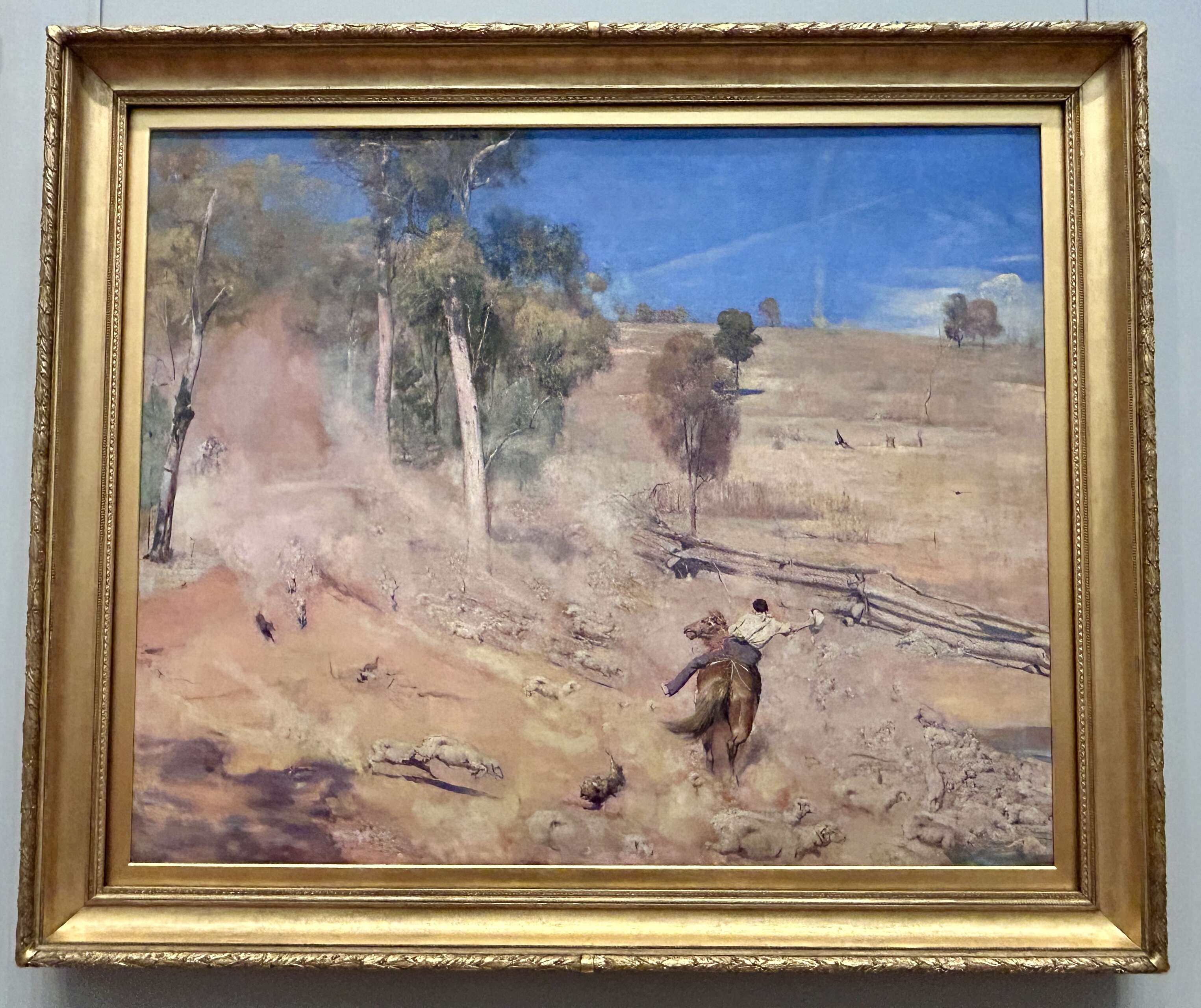
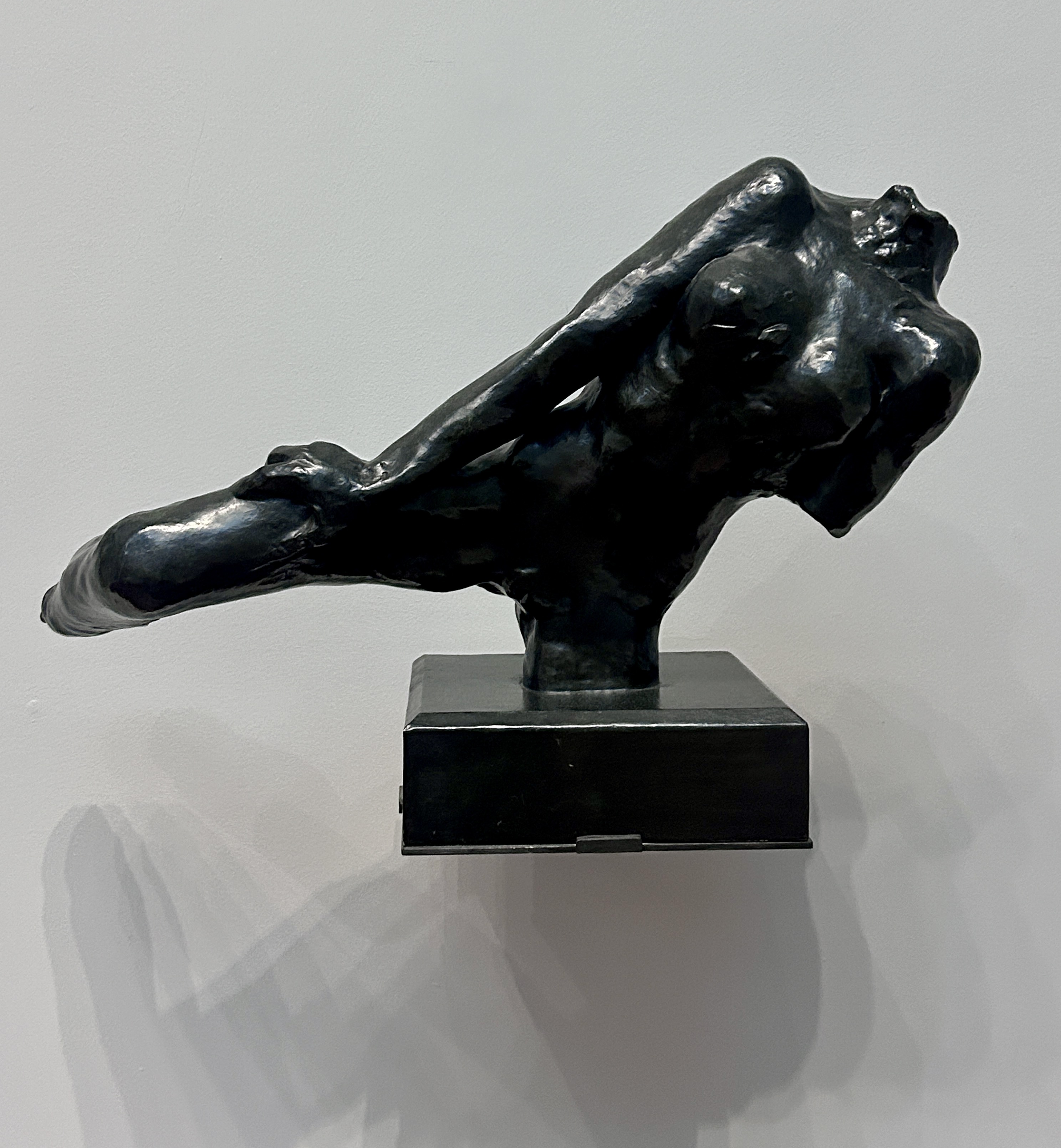
This Rodin figure (Flying Figure, 1890) was unusual next to the painting below. However, it was included since the painting captures the motion of the sculpture.
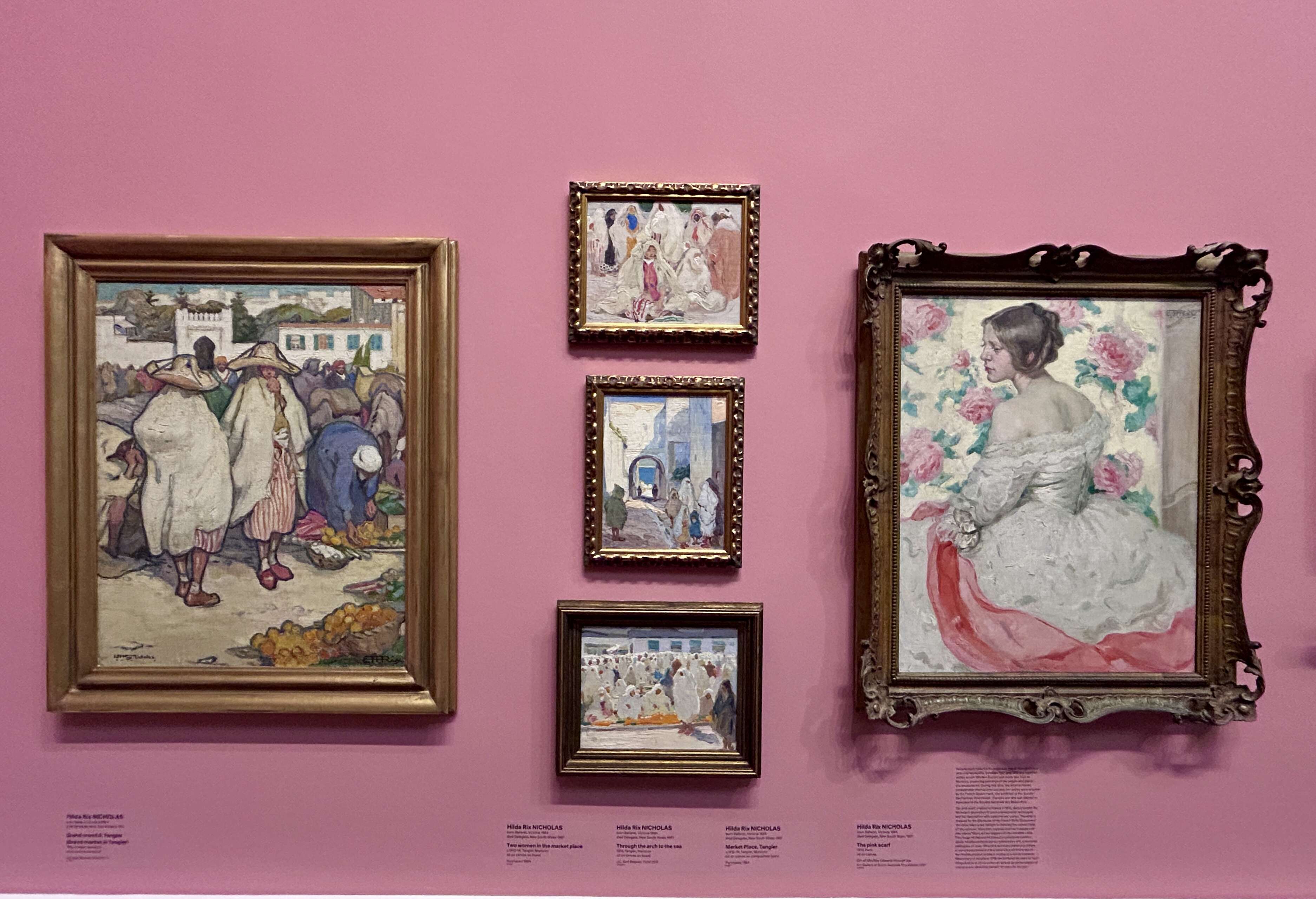
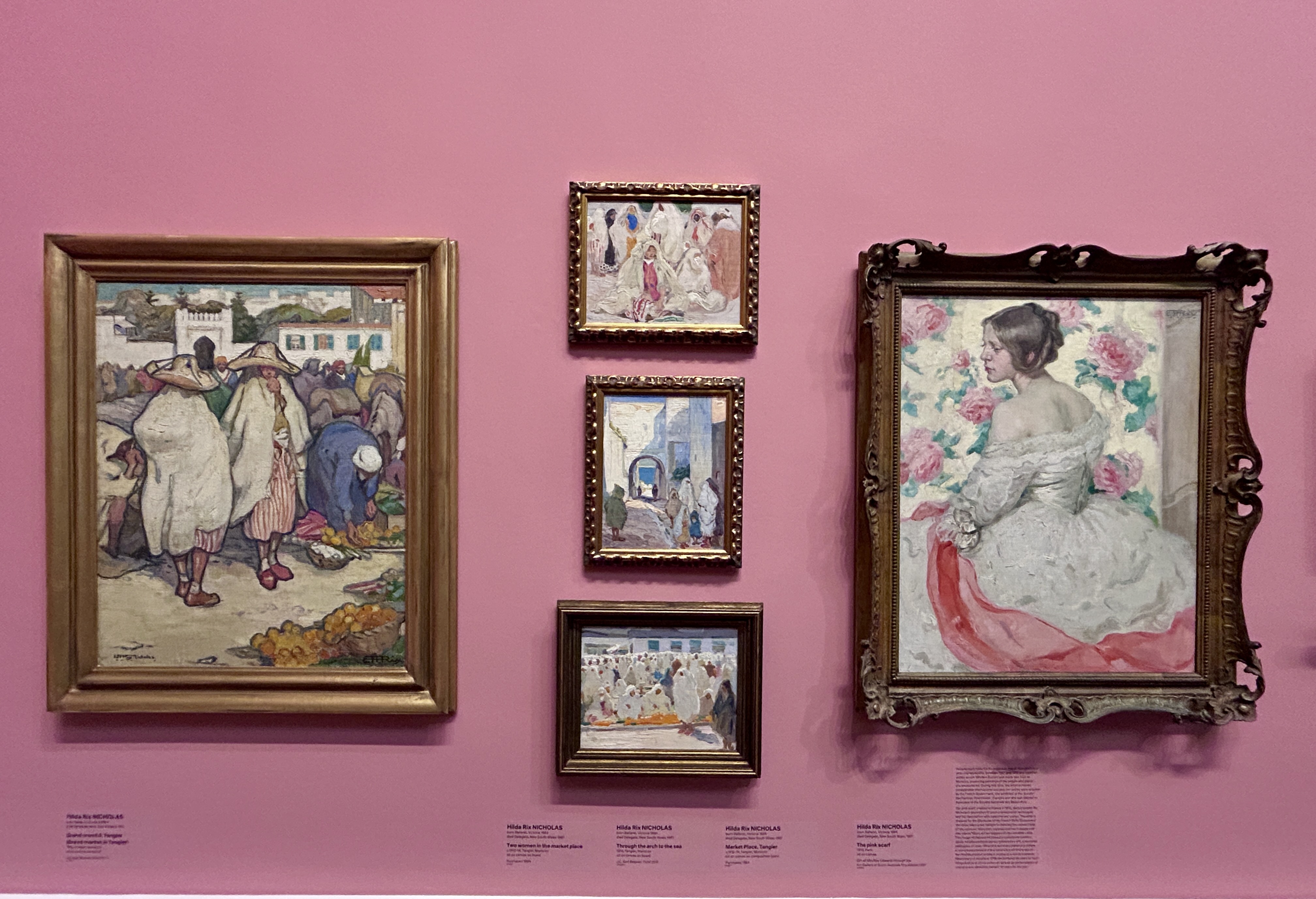
Hilda Rix Nicholas was an Australian artist. Born in the Victorian city of Ballarat, she studied at the National Gallery of Victoria Art School and was an early member of the Melbourne Society of Women Painters and Sculptors. She was one of the first Australians to paint post-impressionist landscapes.
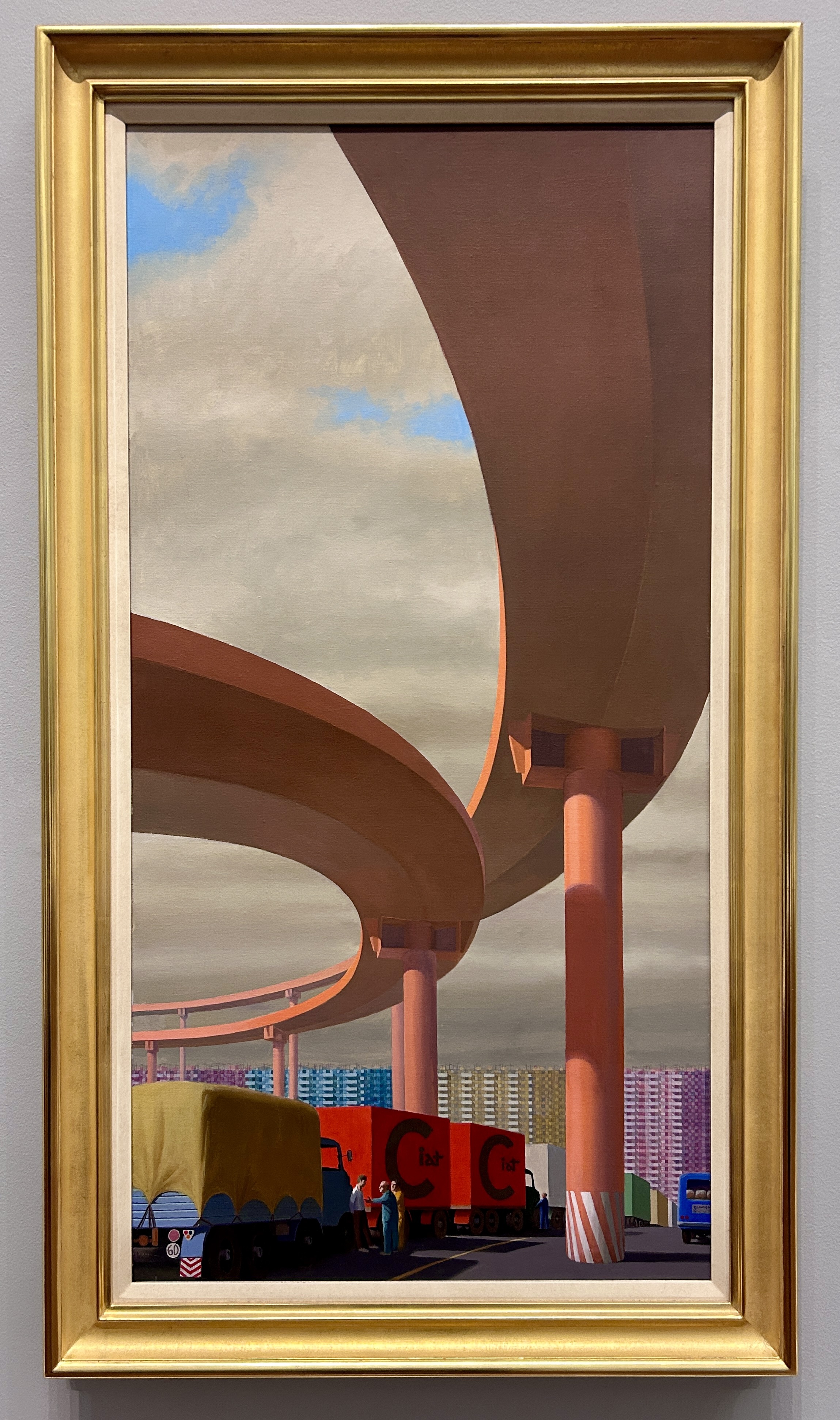
Jeffrey Smart, The Argument, Prenestina 1982 (Italy)
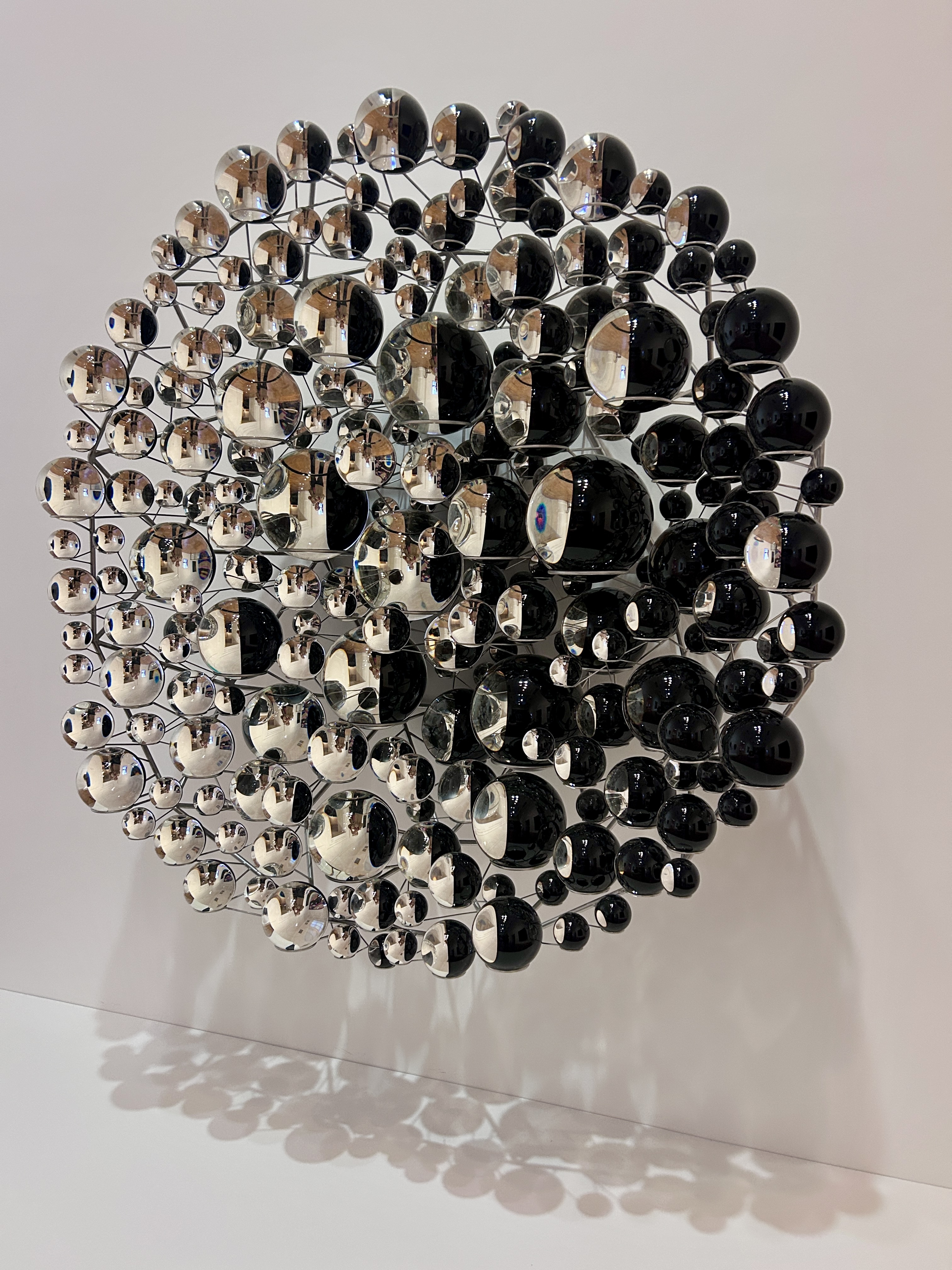
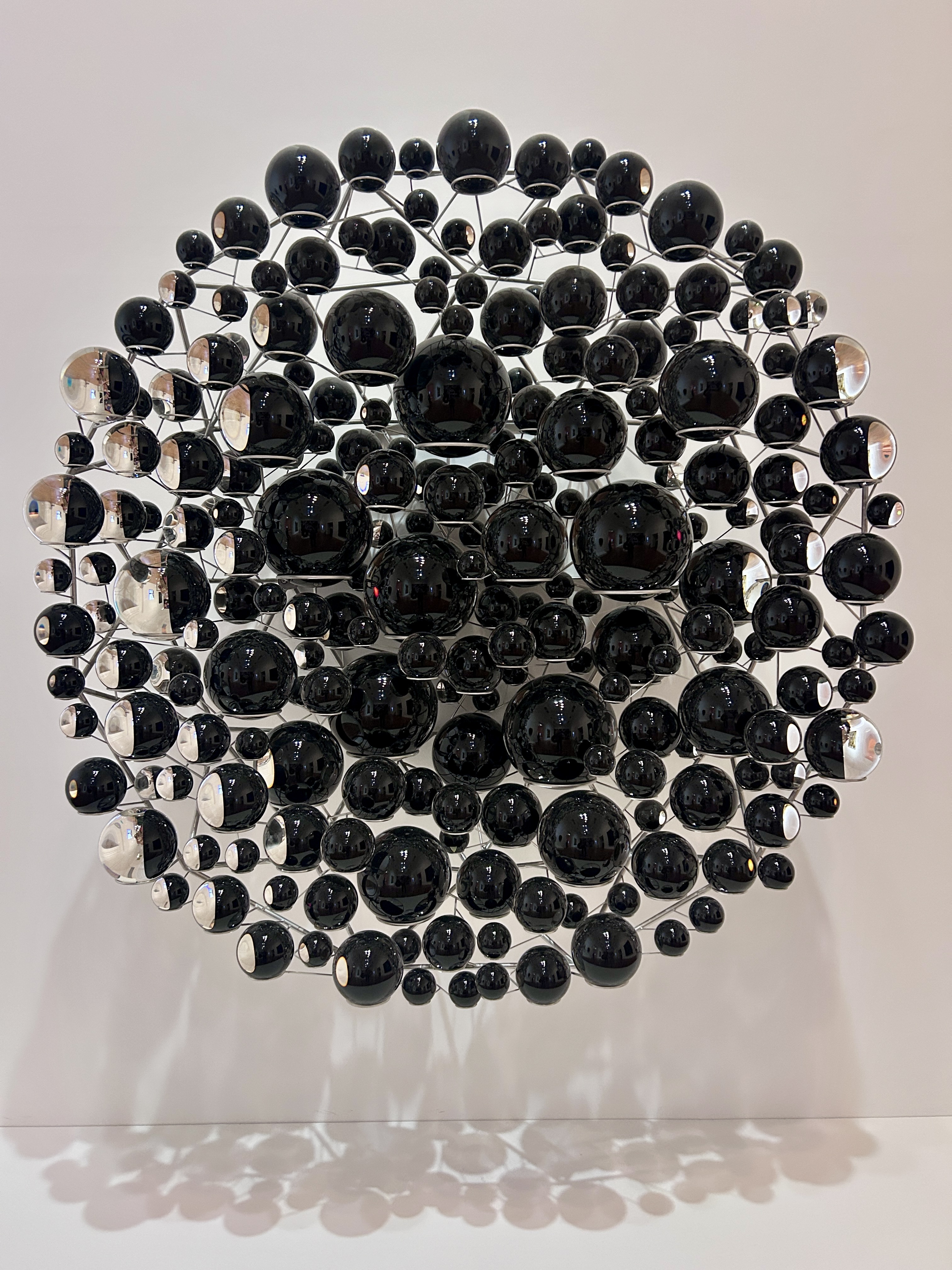
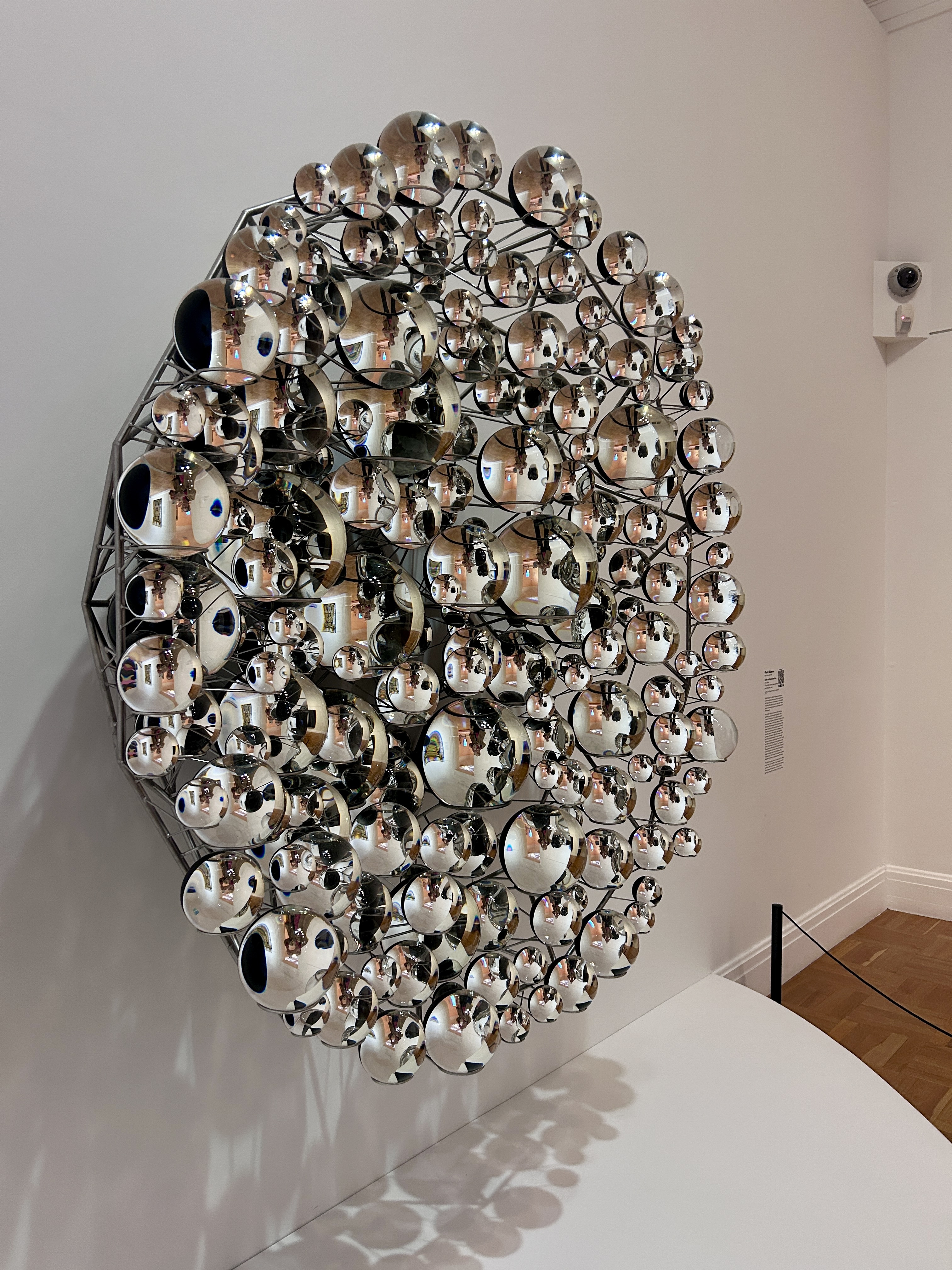
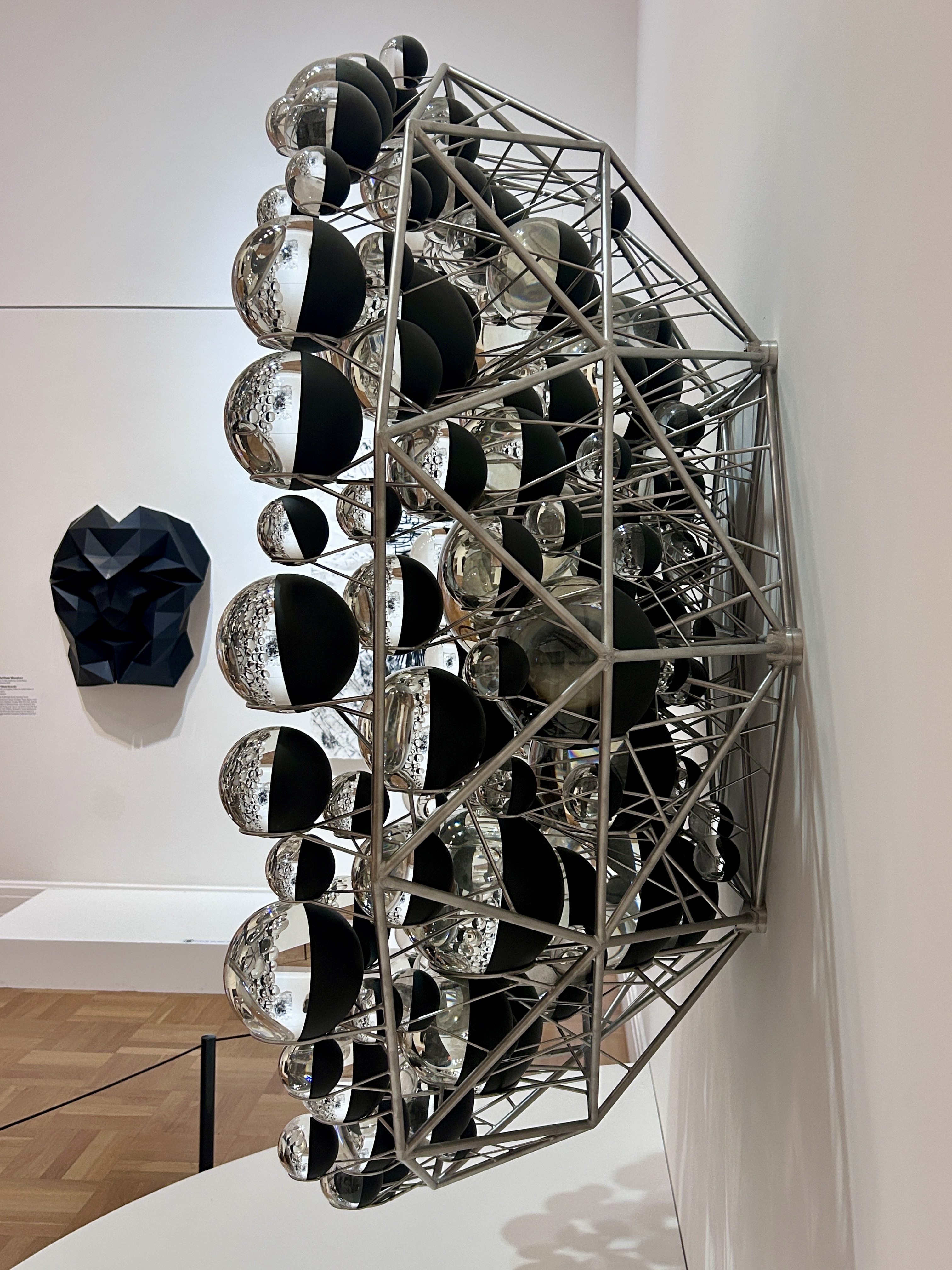
We visited some of the non-Australian galleries too. This was an interesting piece which looked different depending on the angle. It must have been so heavy (silvered glass spheres and stainless steel)!
Olafur Eliasson (Dutch-Icelandic artist), Dark Matter Collective 2018
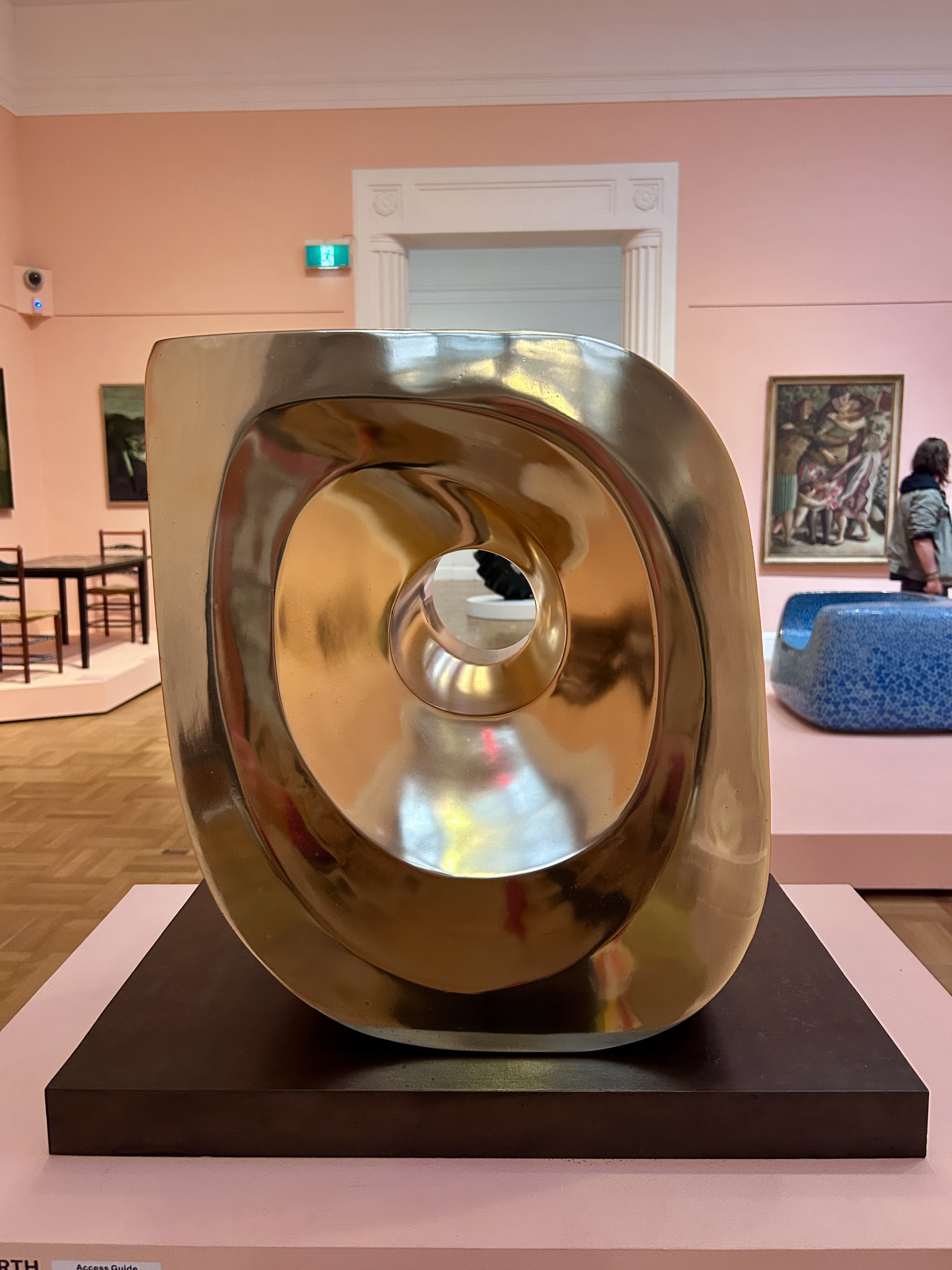
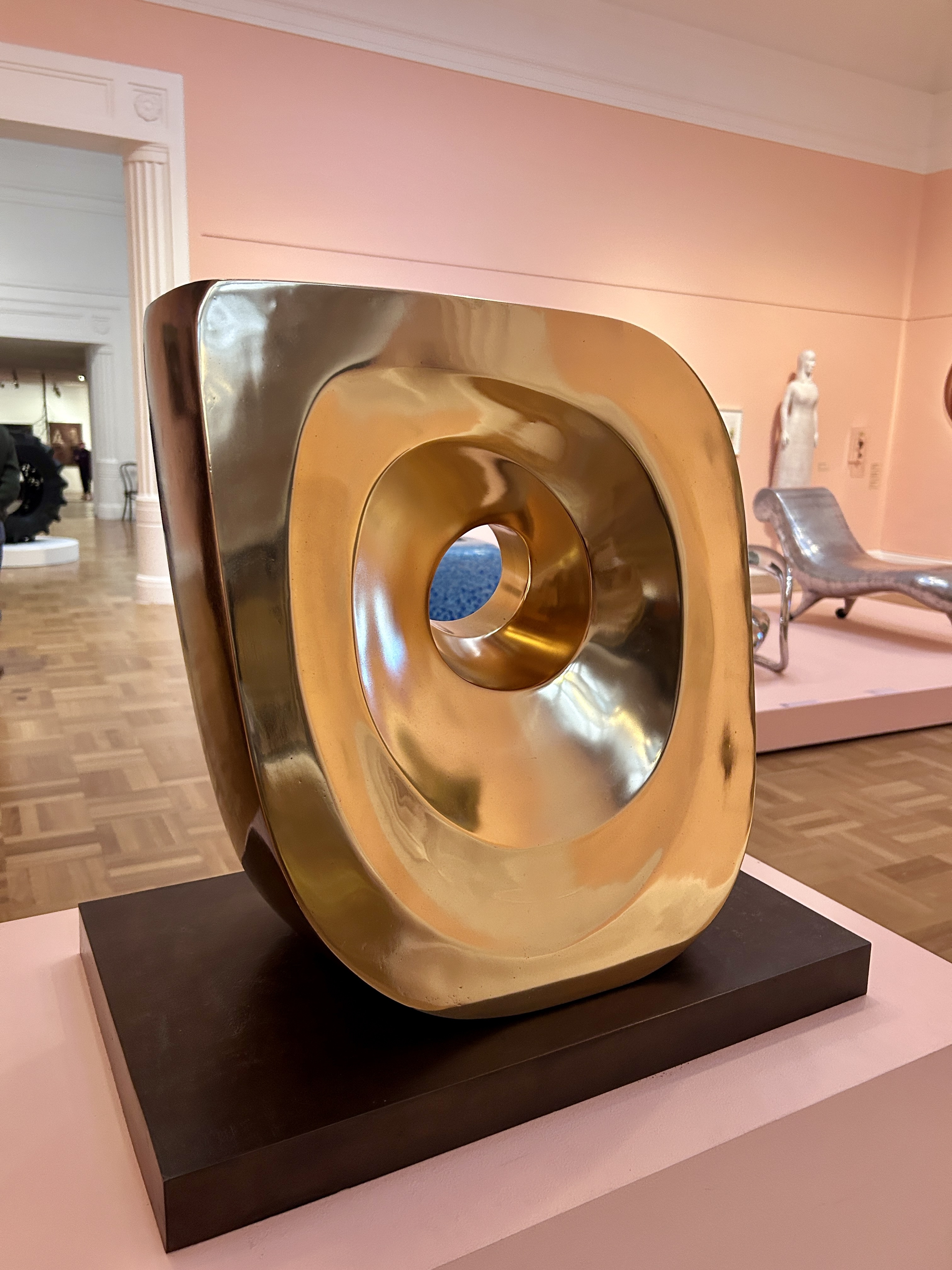
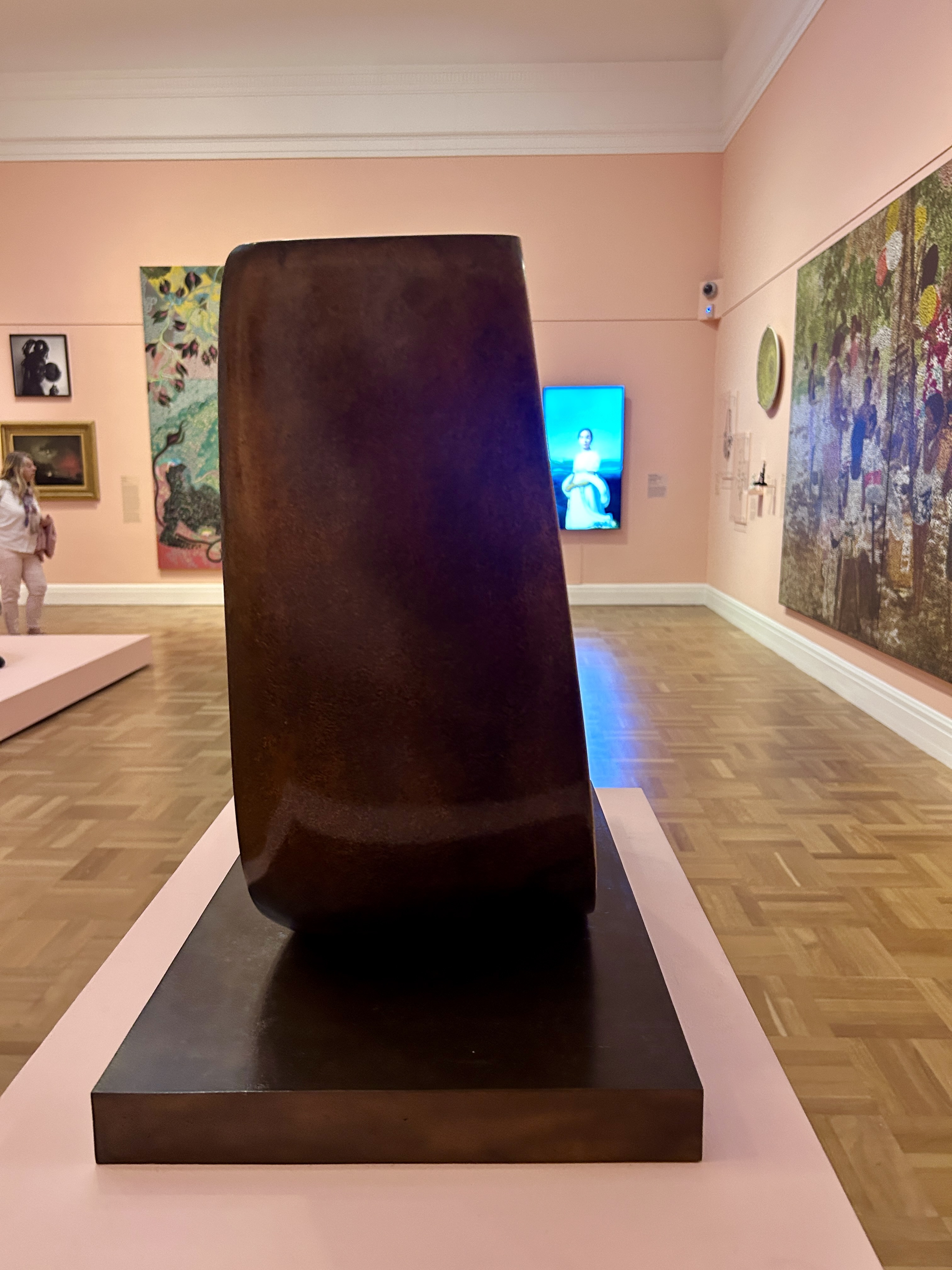
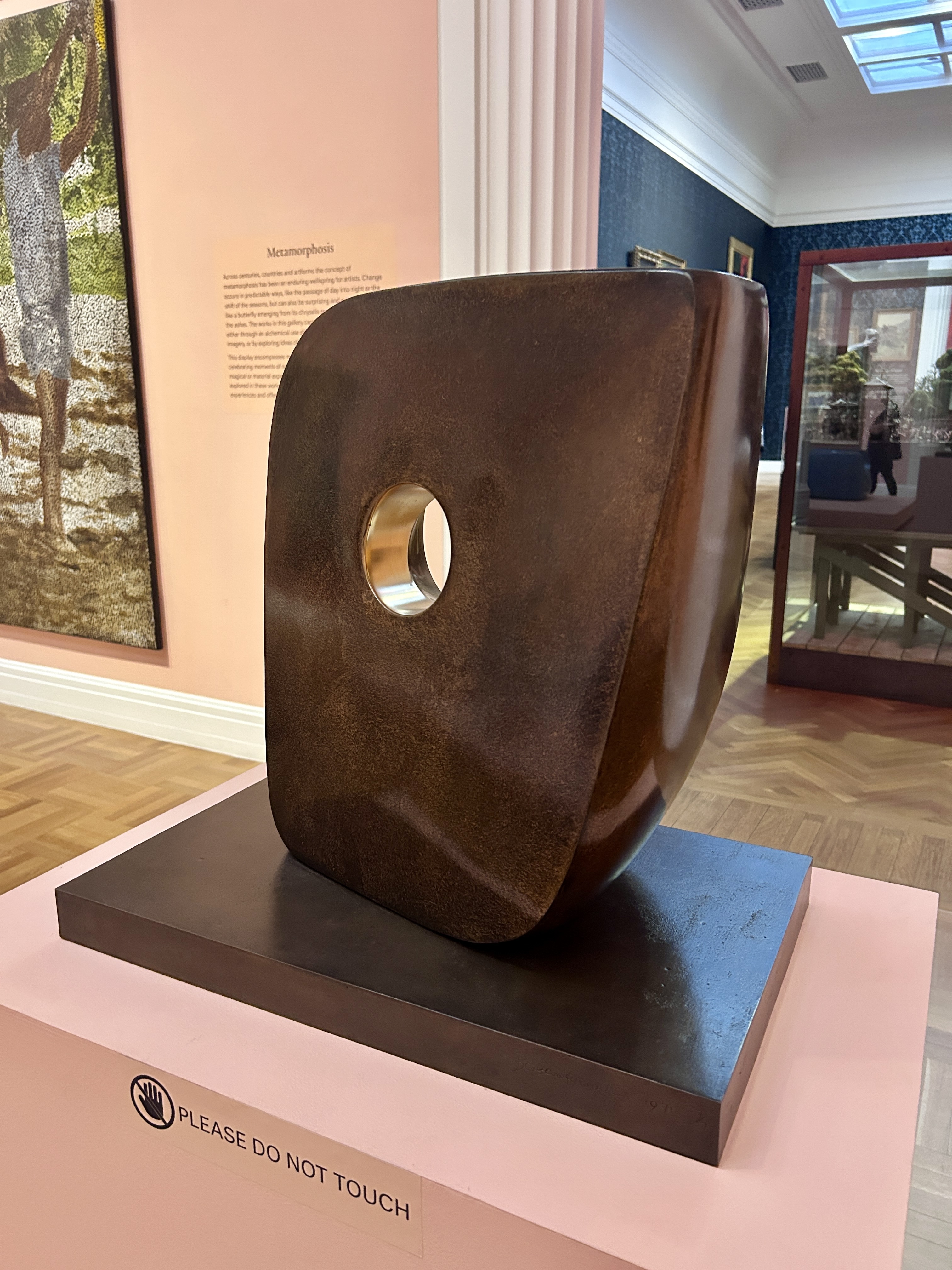
It was hard not to touch this sculpture by the very talented Barbara Hepworth (Britain) called Head (Ra) from 1979.
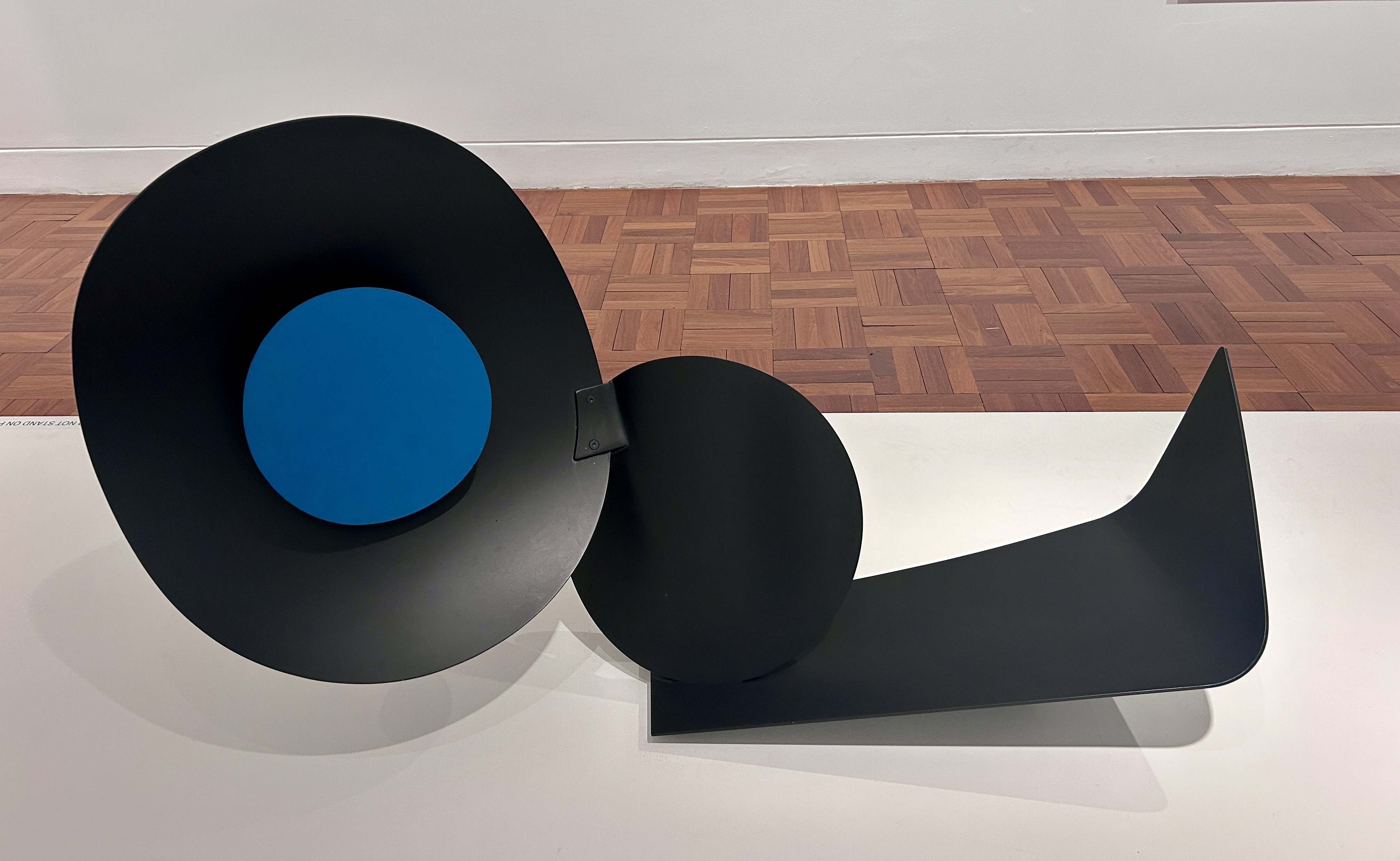
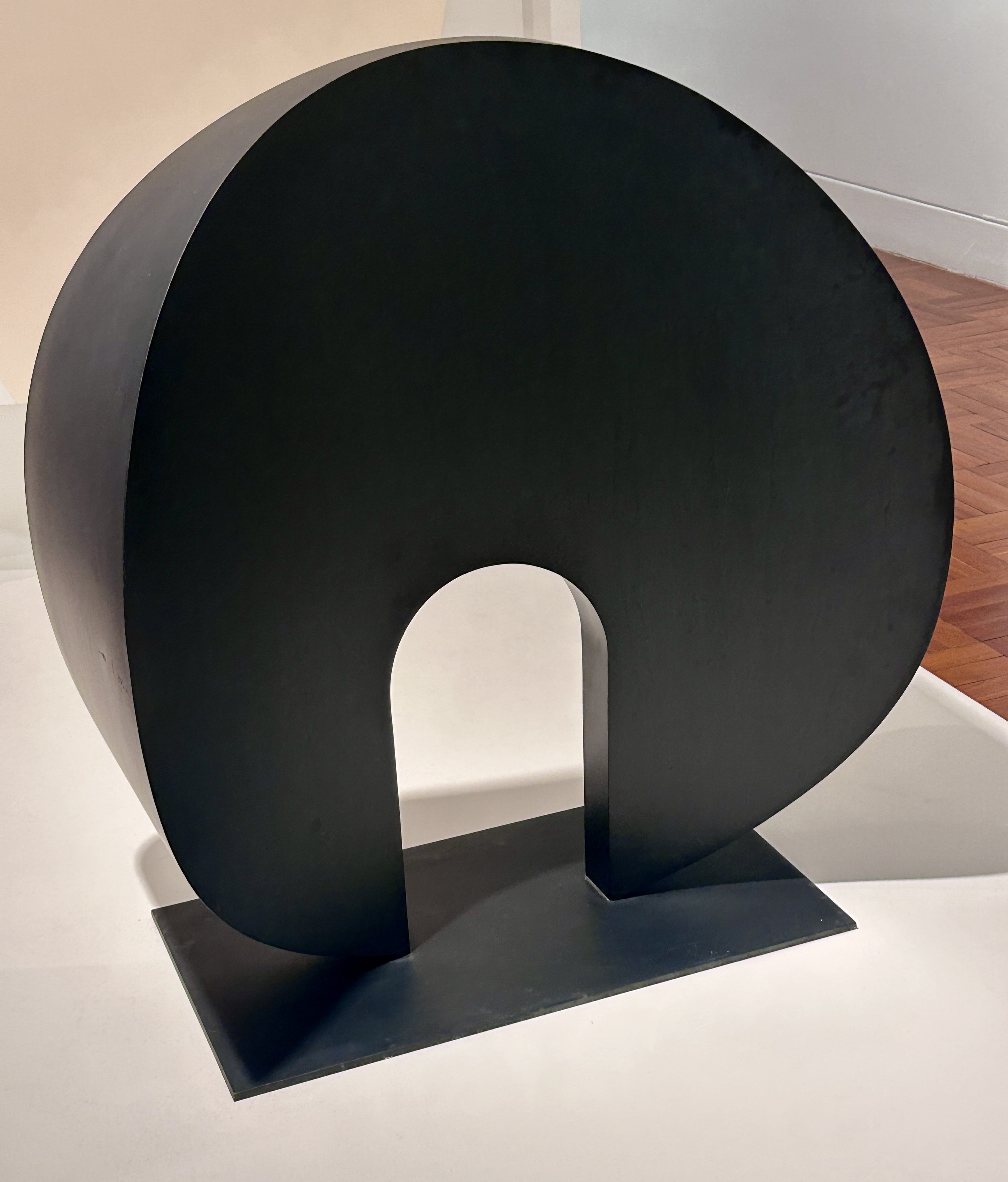
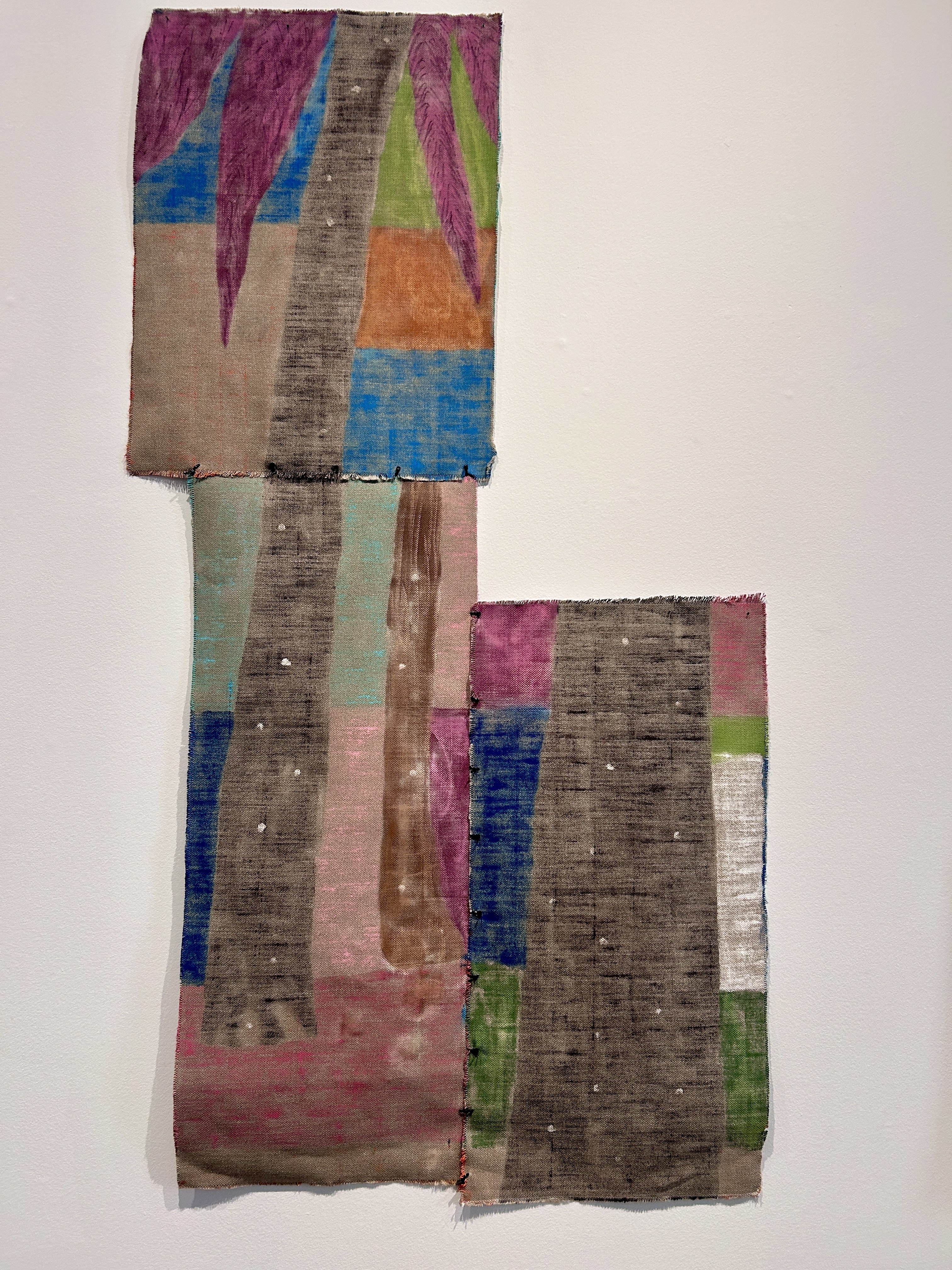
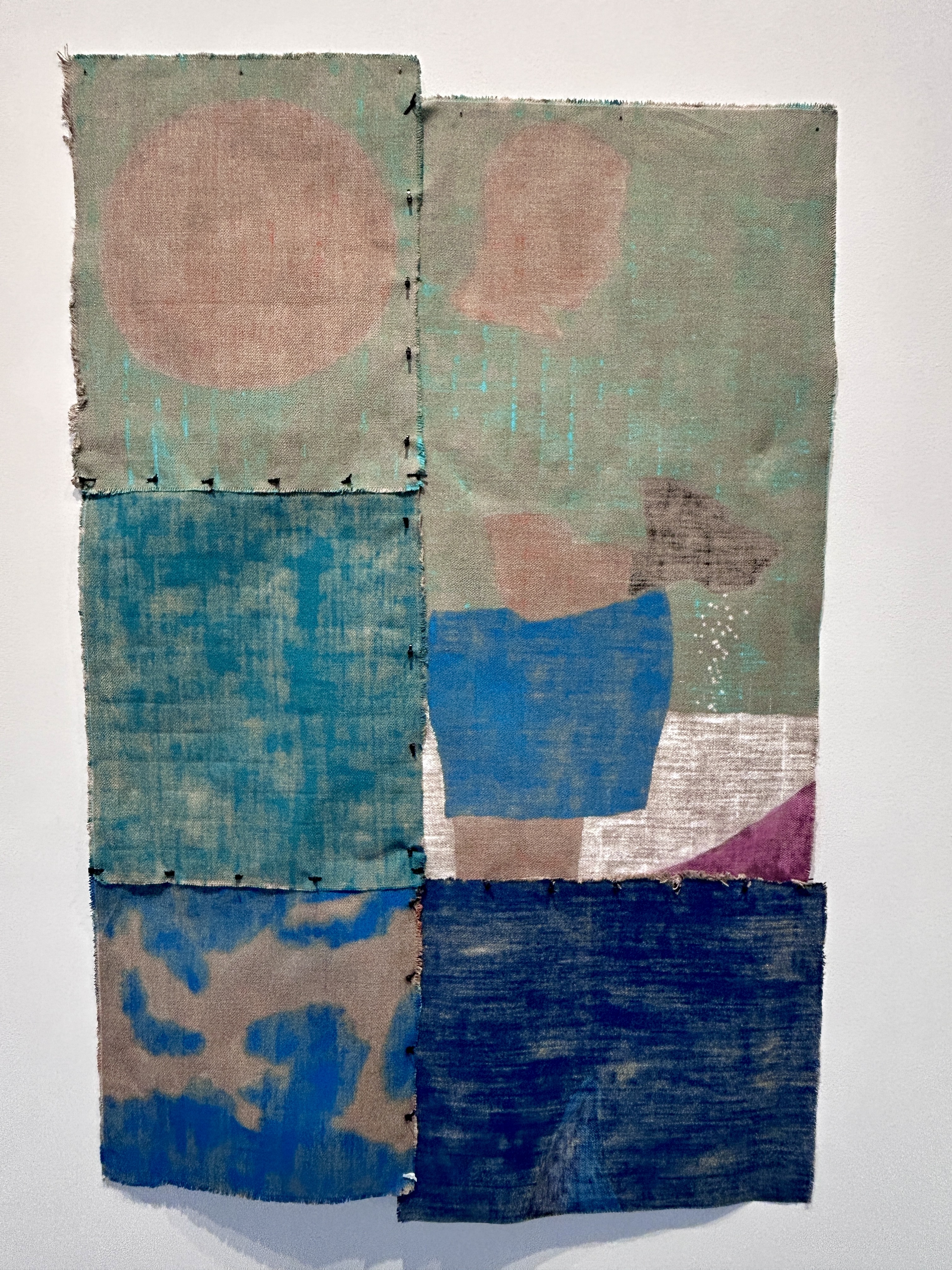
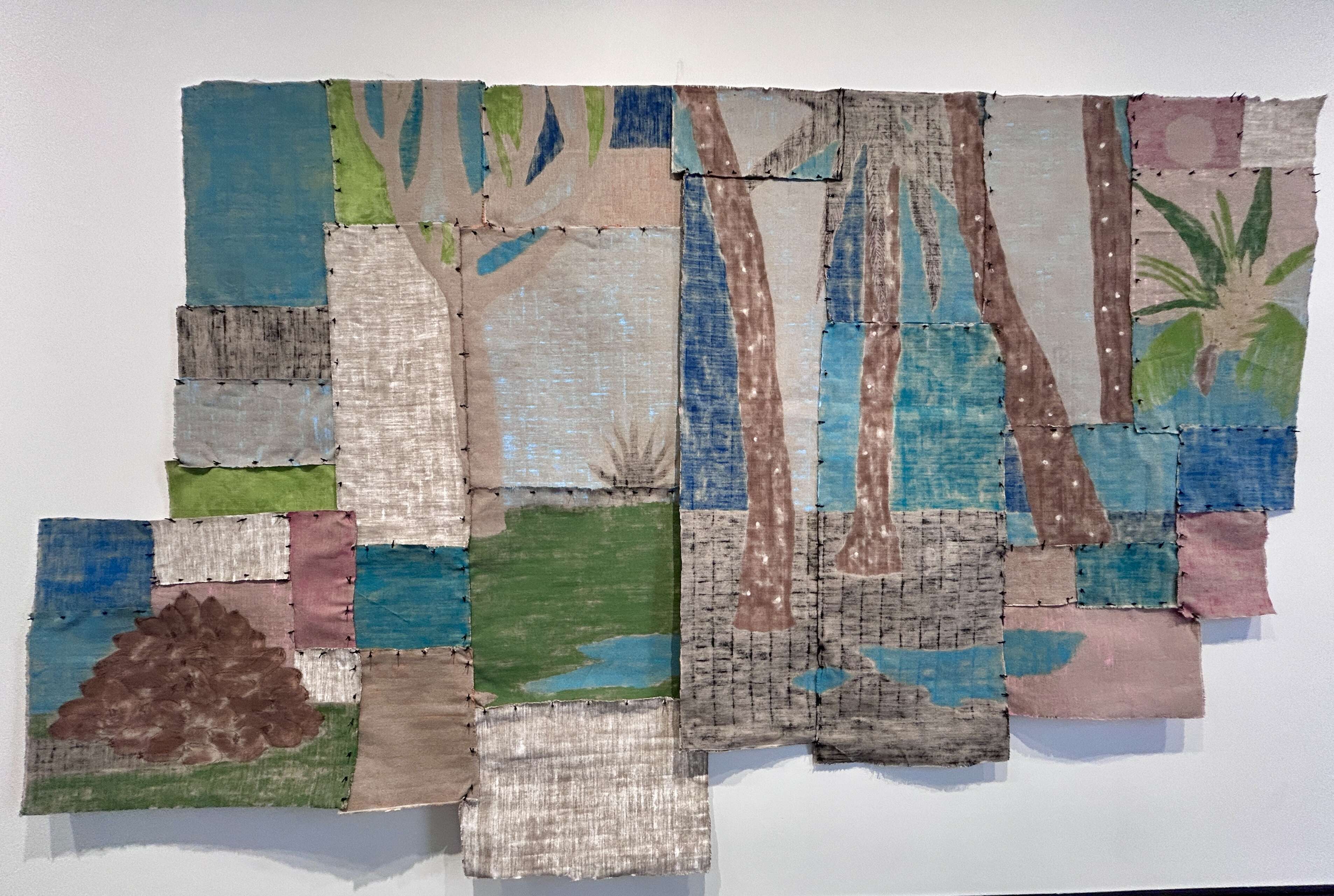
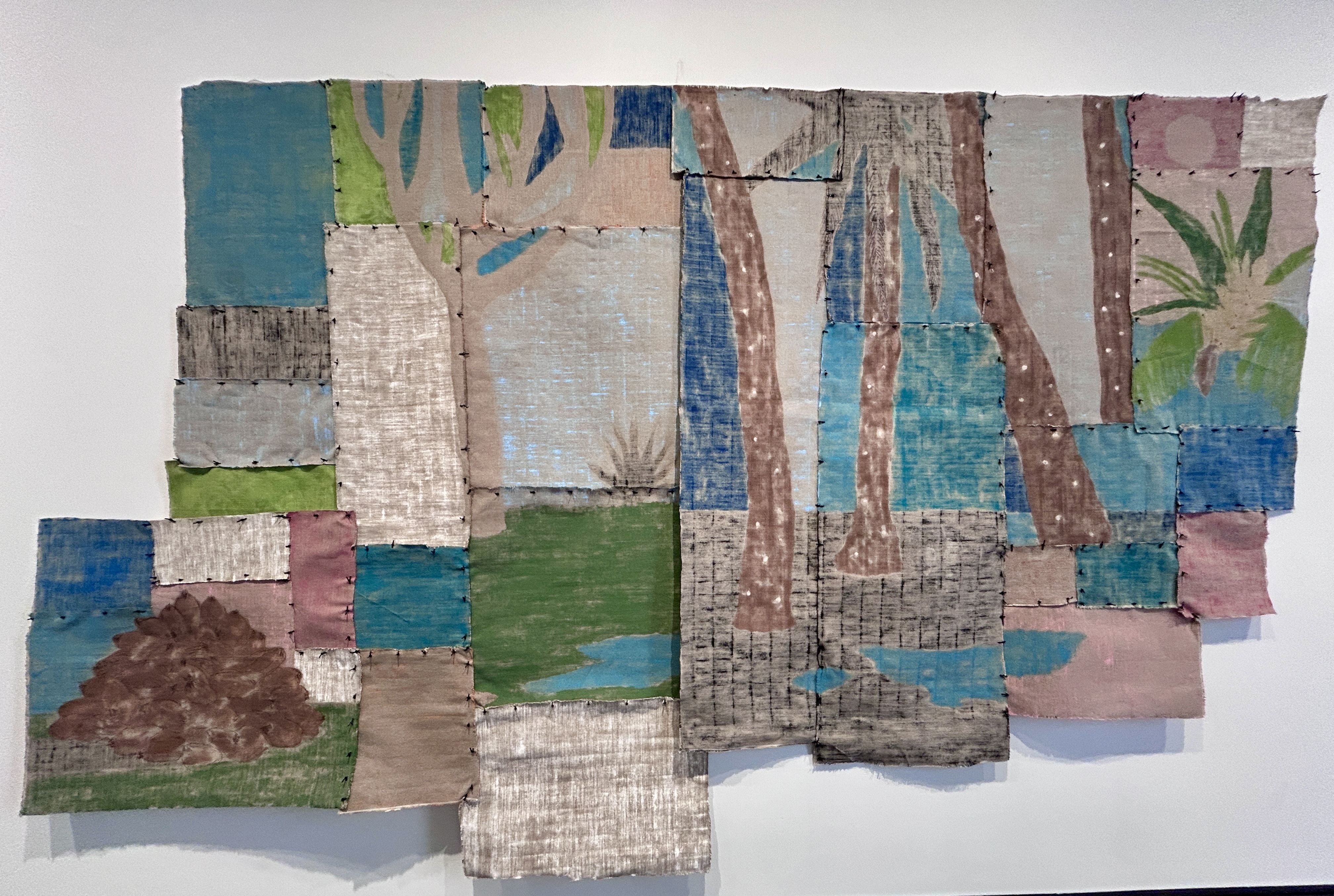
Mark Maurangi Carrol (Cook Islands), Titikaveka 2025
Mark Maurangi Carrol (Cook Islands), Tuoro 2025
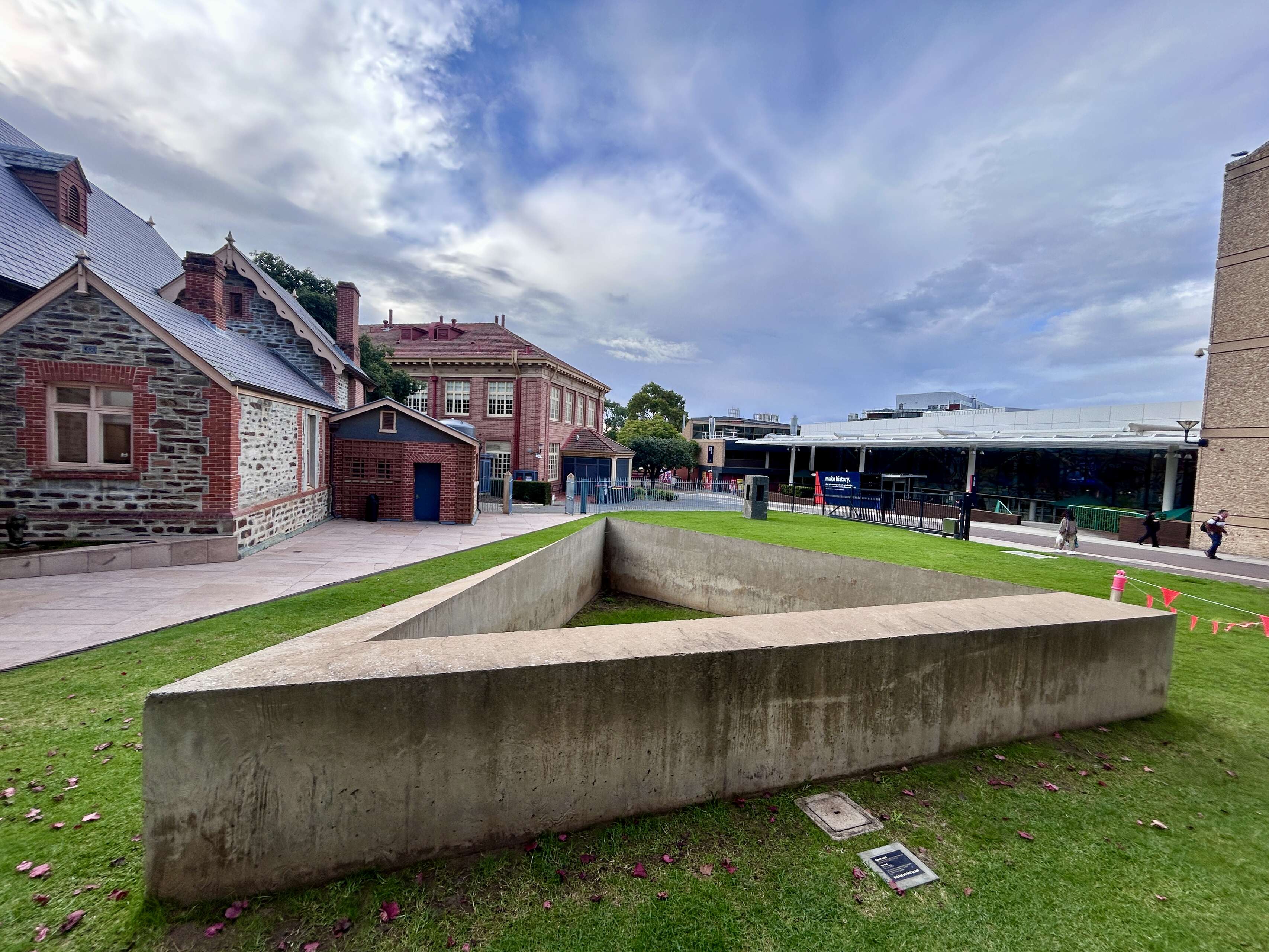
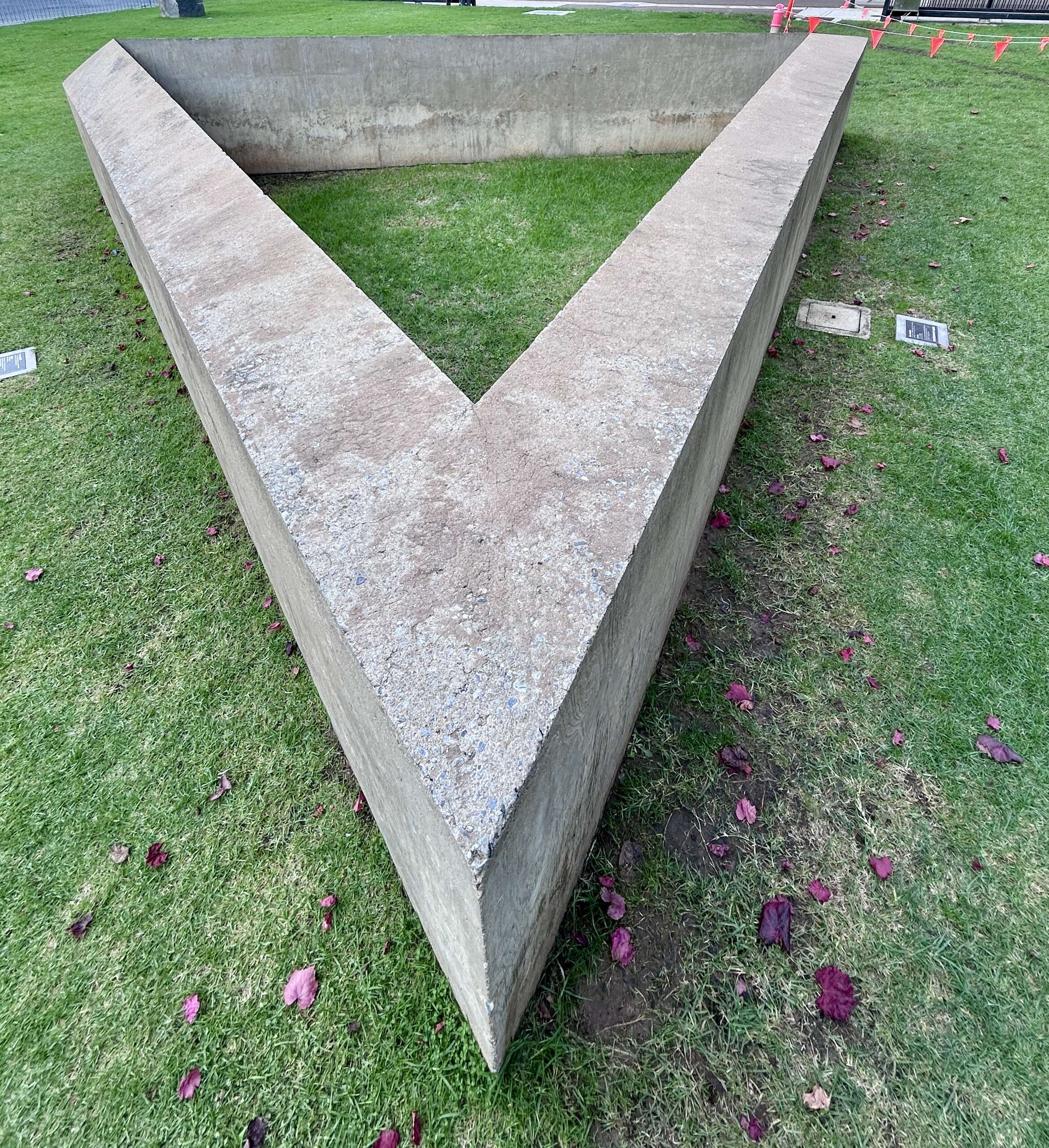
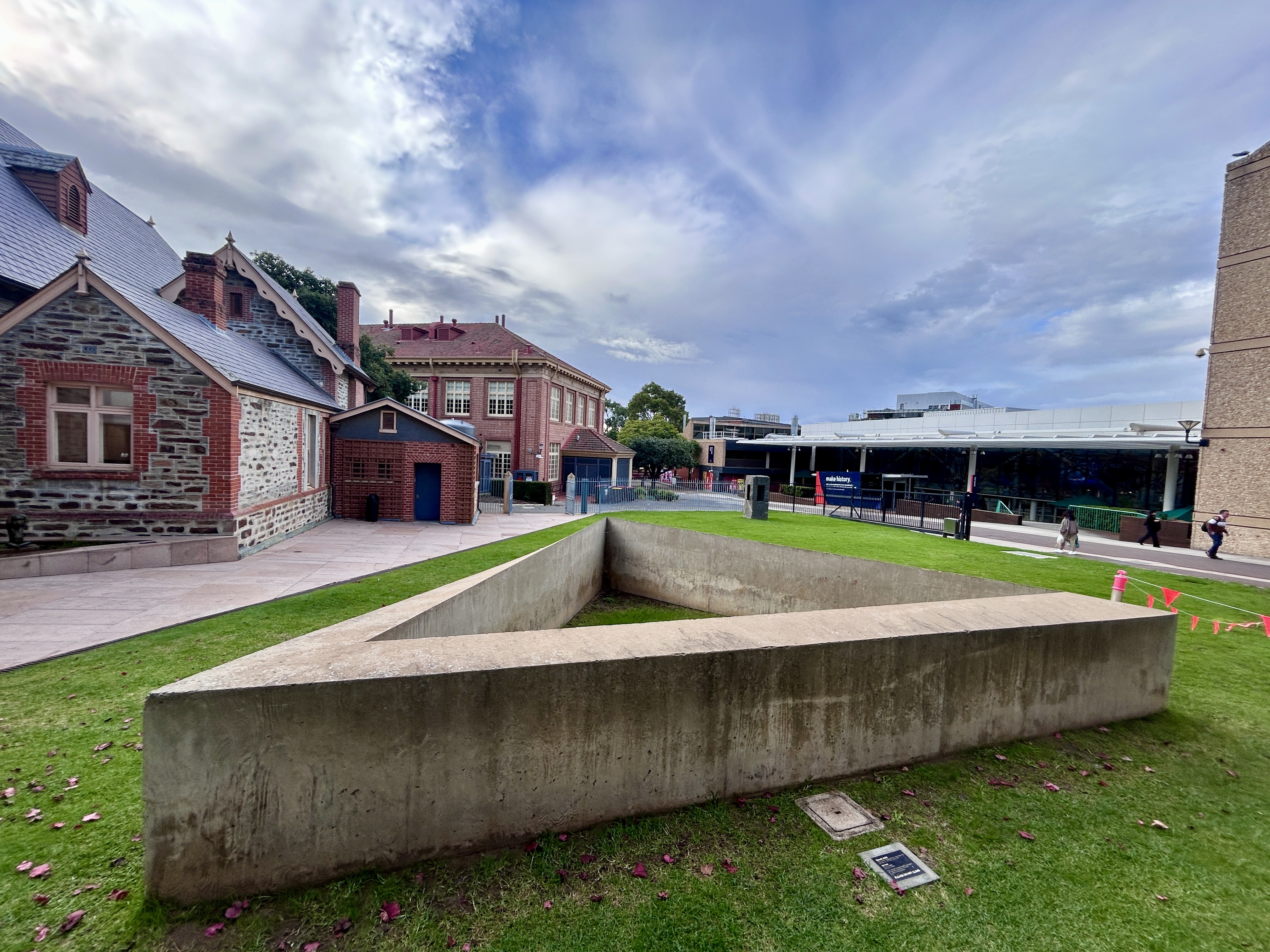
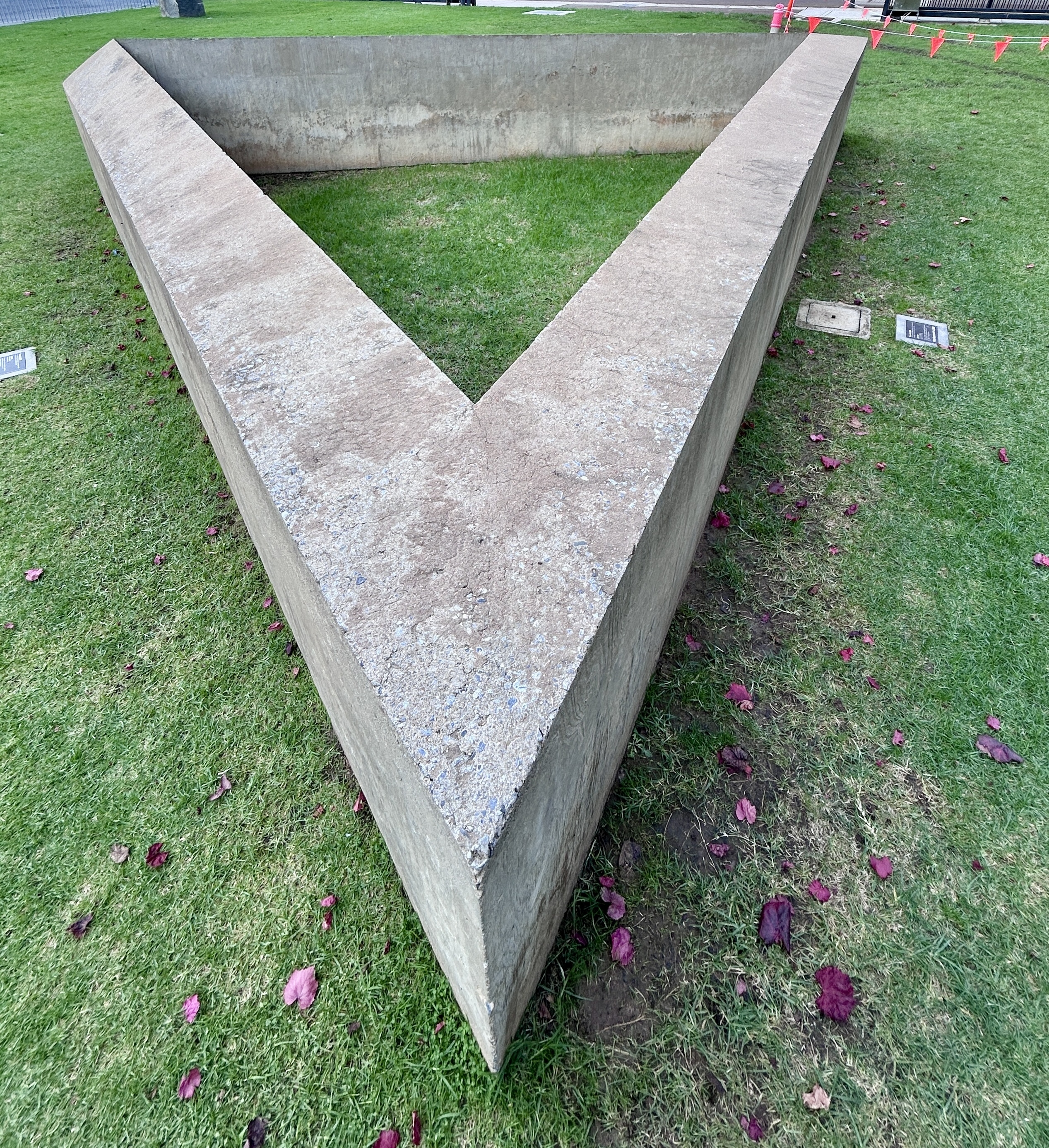
This seemed like it needed more space around it.
Donald Judd (US), Untitled 1974-75
Back to Melbourne along The Great Ocean Road was next. 🚙