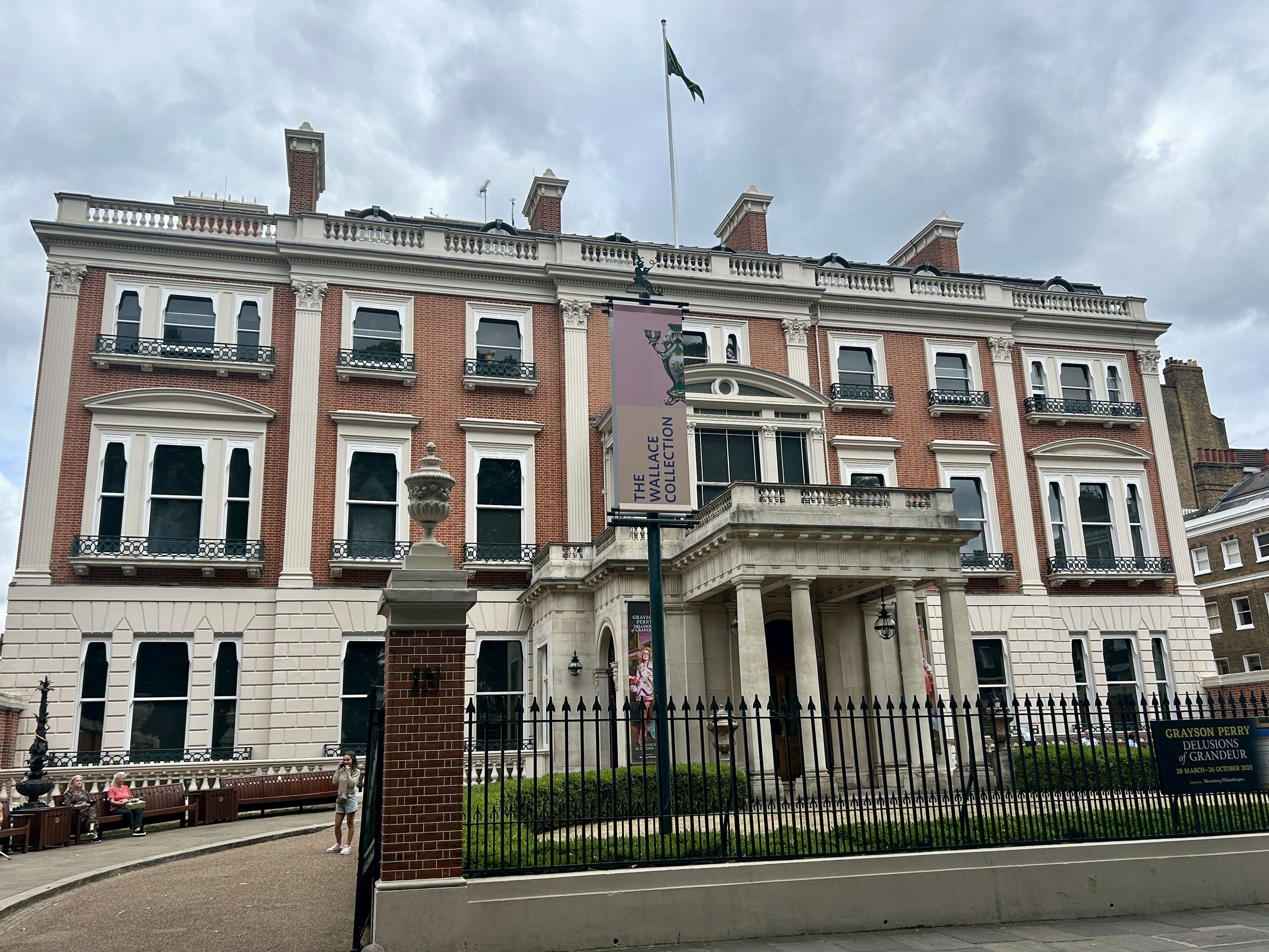
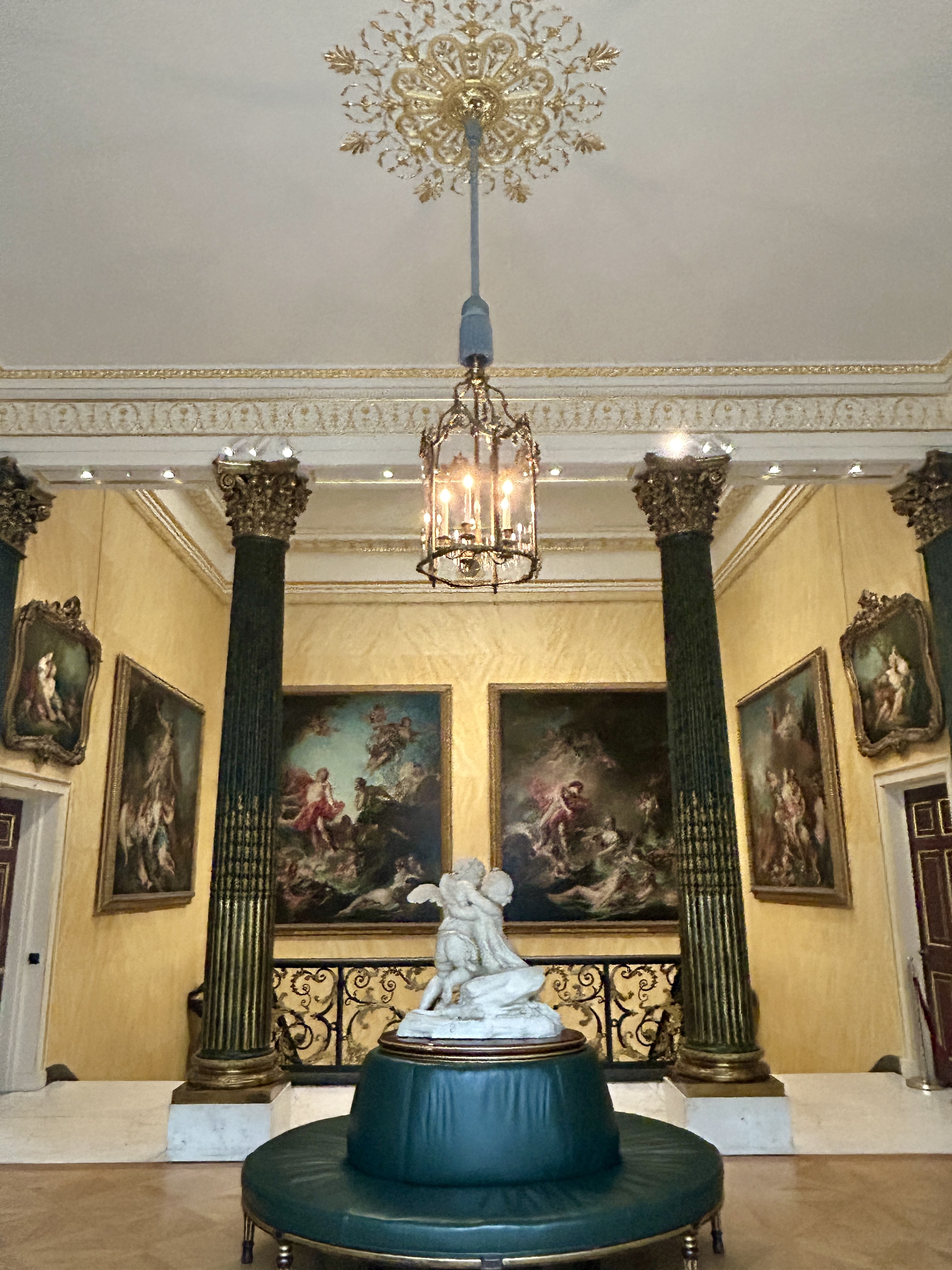
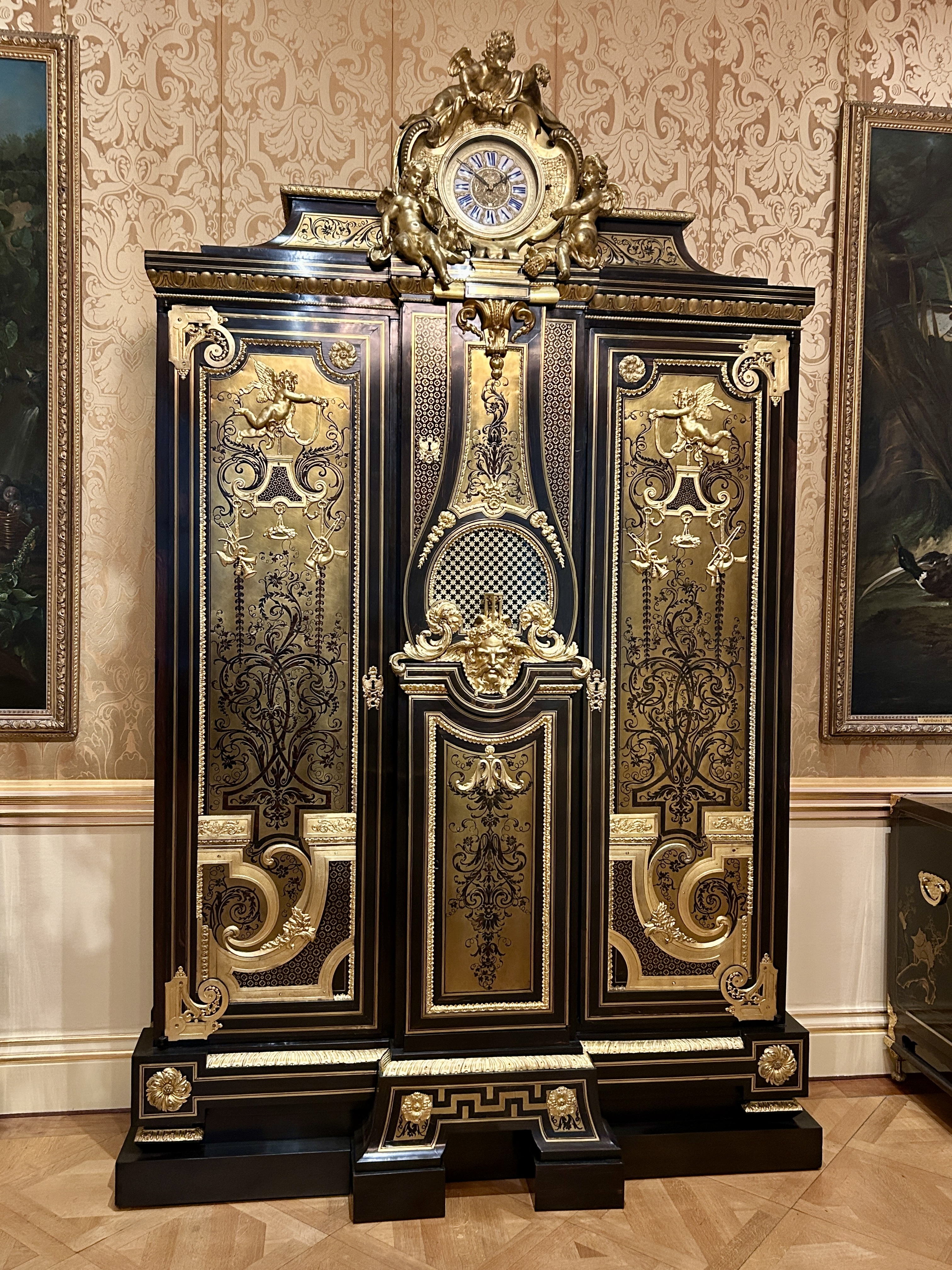
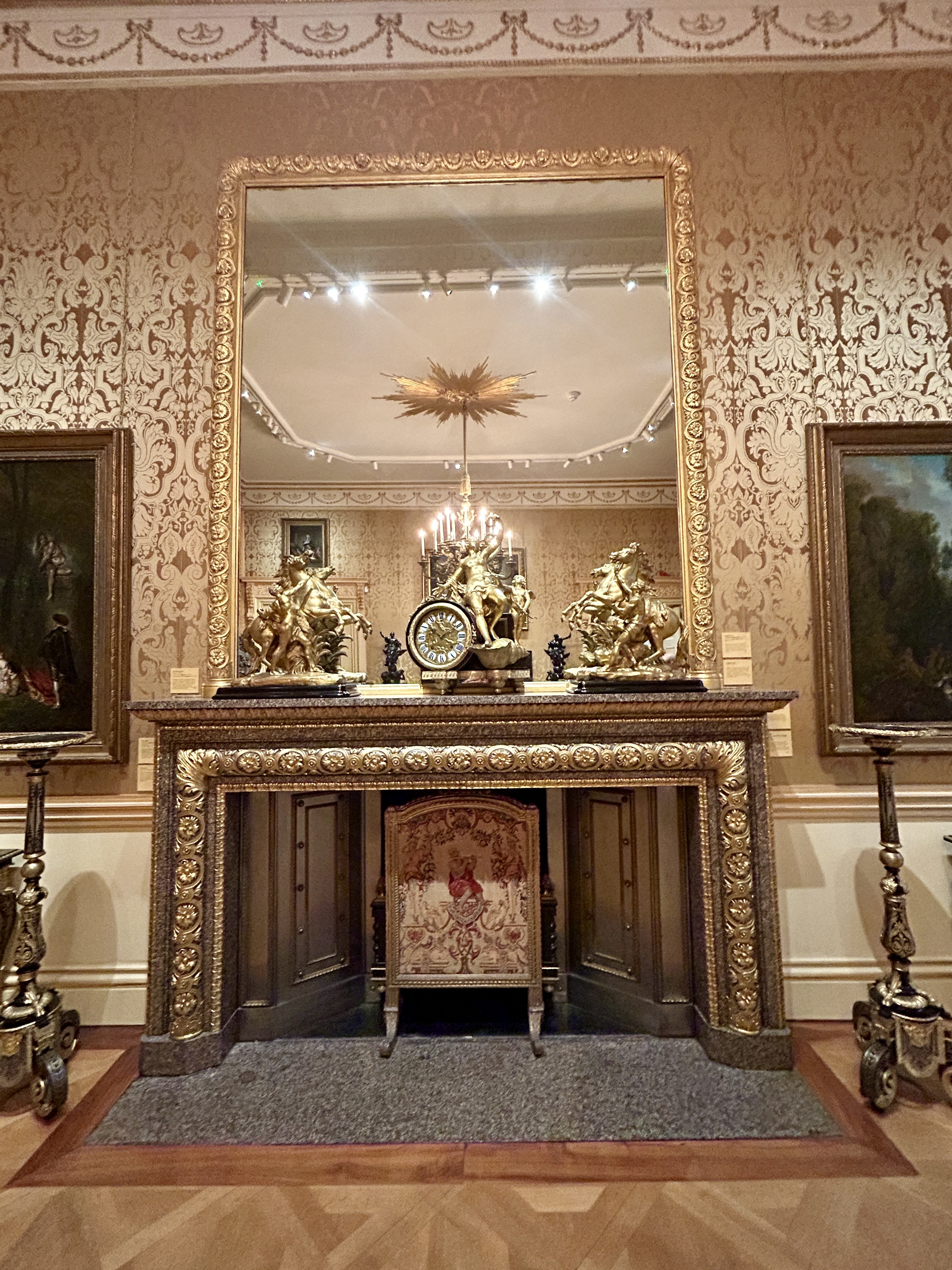
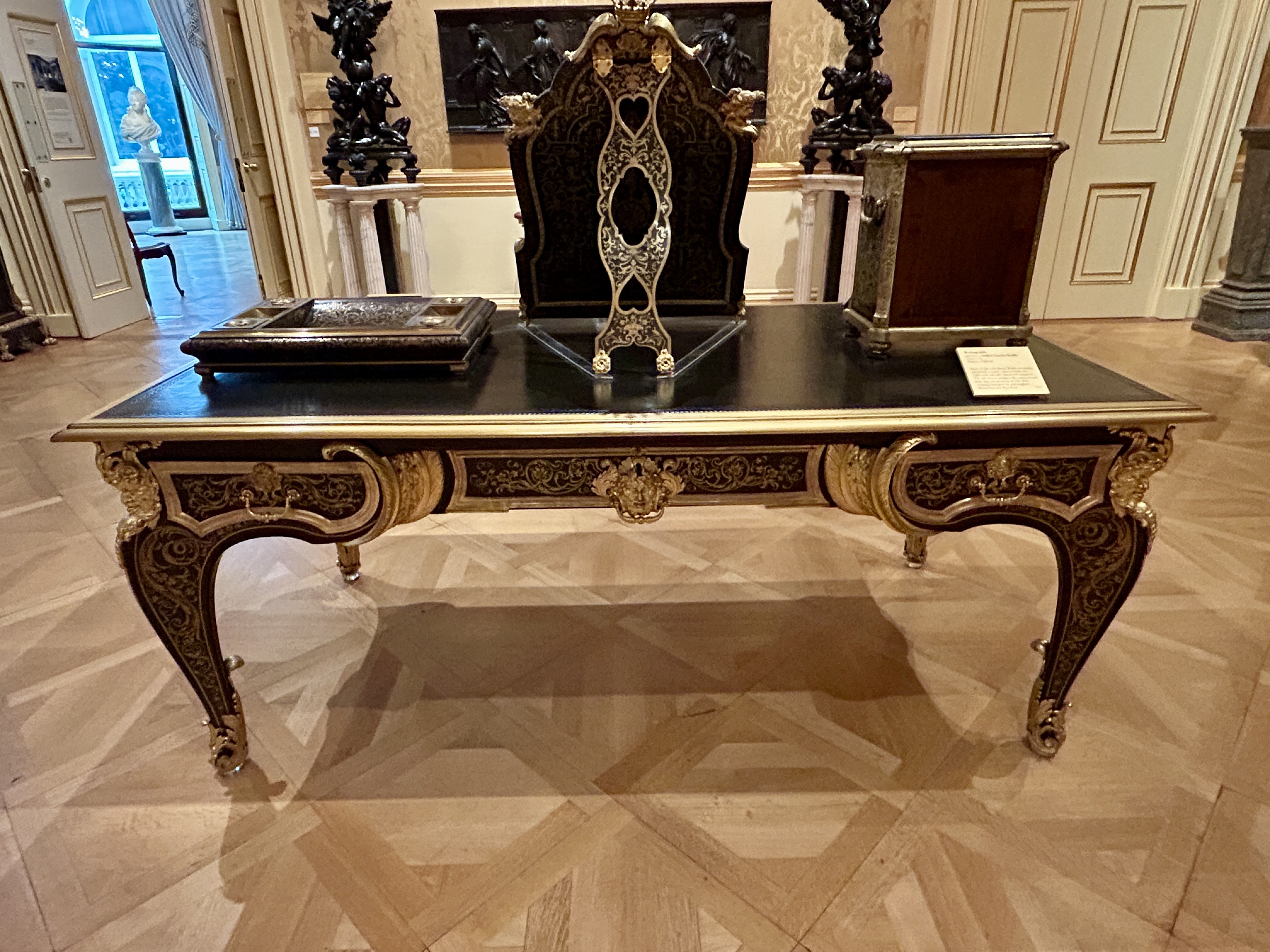
This is a focus post about the Wallace Collection in Manchester Square London. If that doesn't sound interesting, I would skip it. 👋
The Wallace Collection is a national museum housing unsurpassed masterpieces of painting, sculpture, furniture, arms and armour, and porcelain.
The Collection was given to the British Nation in 1897 by Lady Wallace, so that it could be kept together and enjoyed by generations of visitors. It was an astonishing bequest and one of the greatest gifts of artworks ever to be transferred into public ownership.
One stipulation of the gift was that the collection be preserved “unmixed with other works of art.” This has resulted in one of the most intact private collections in the country, where the pieces remain as originally arranged, reflecting the tastes of the collectors rather than the curatorial trends of today.
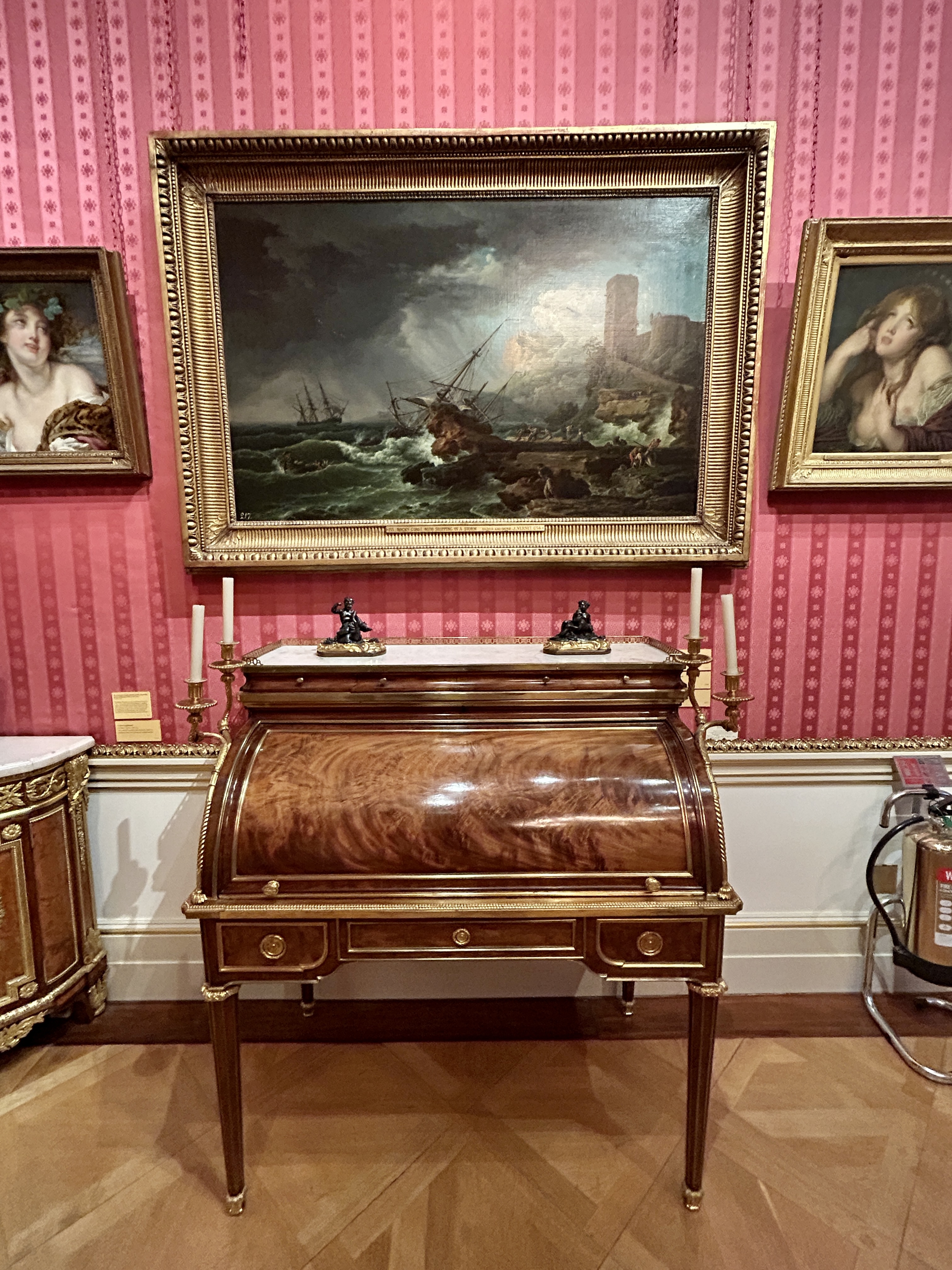
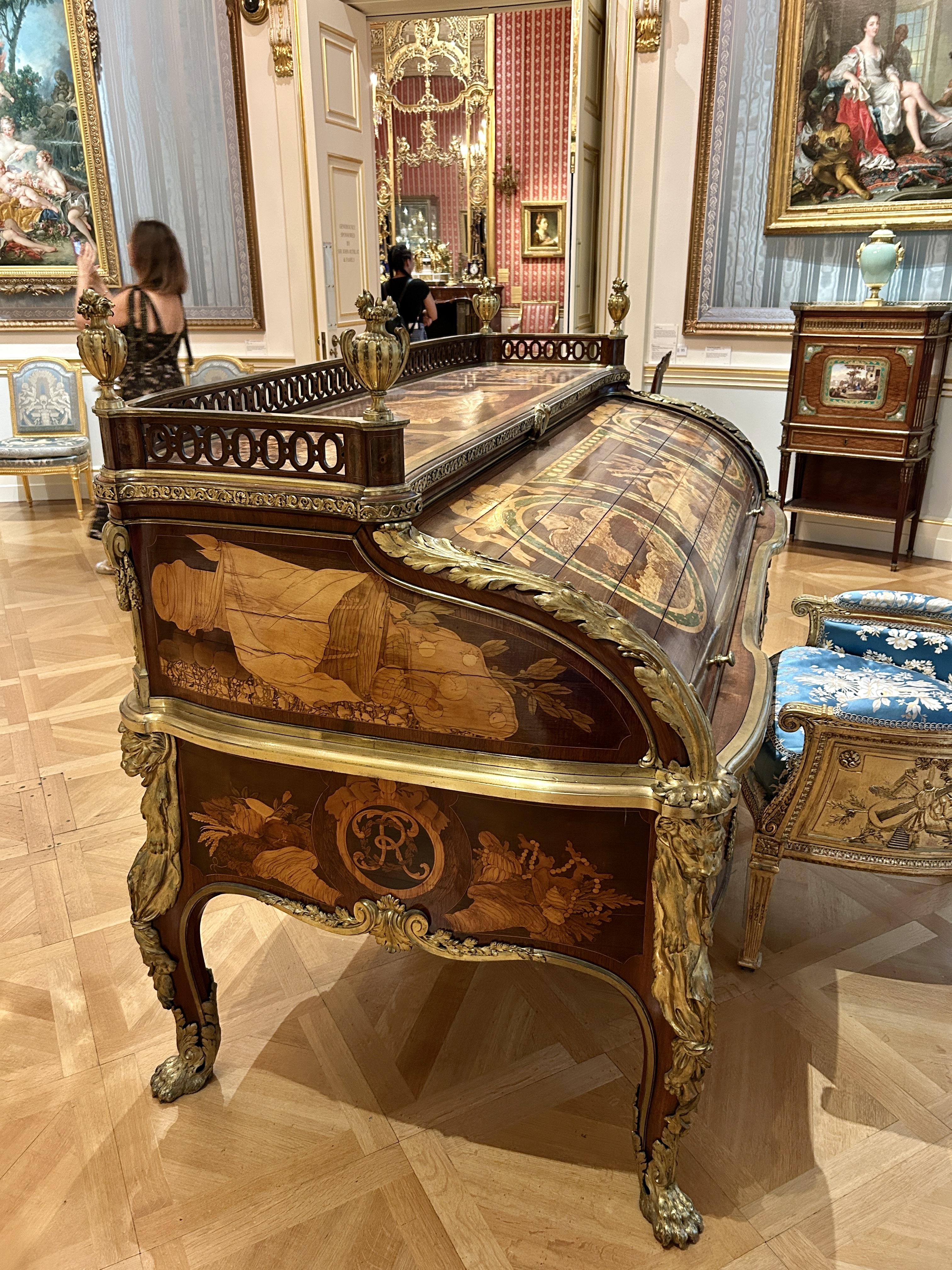
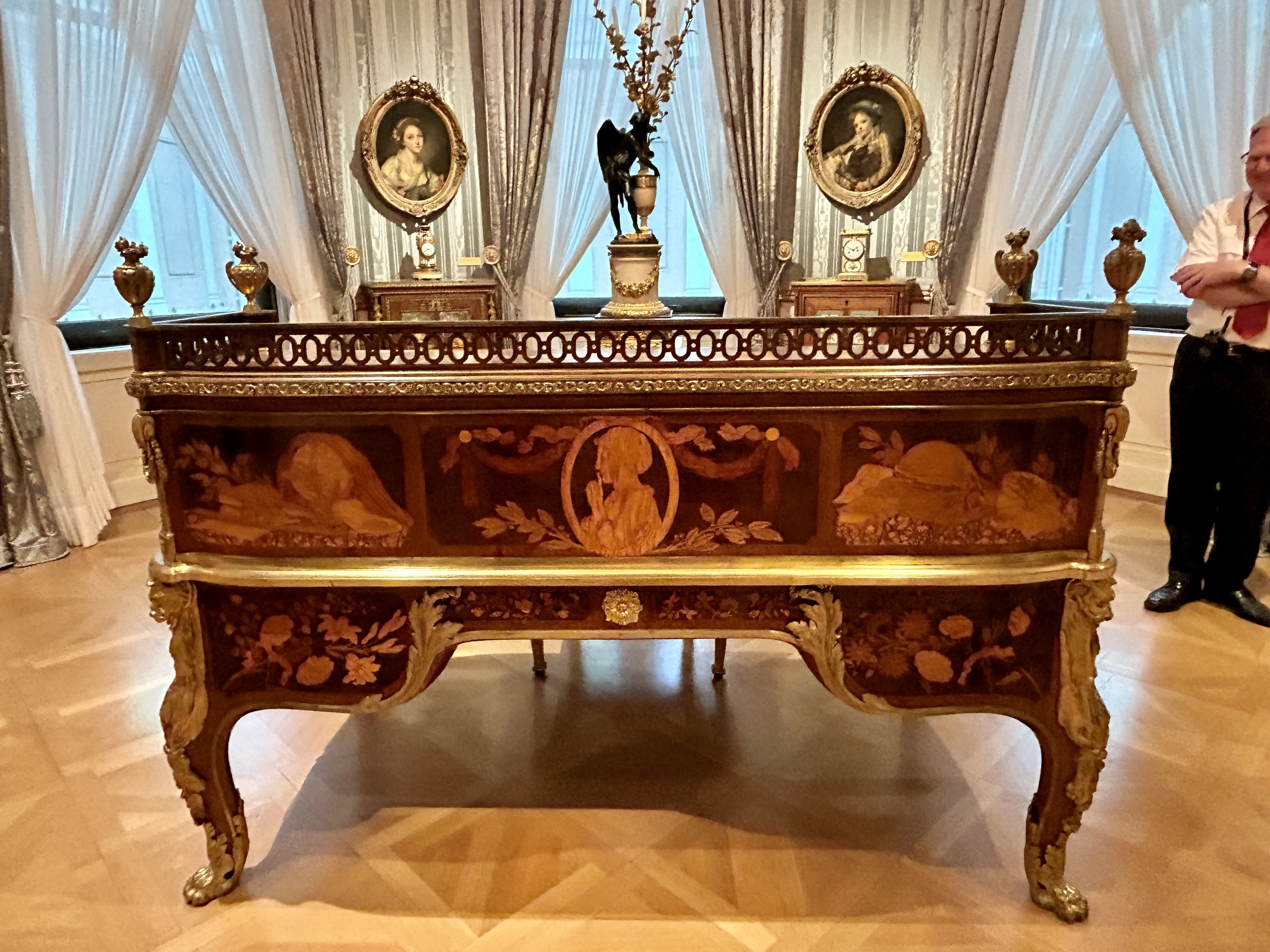
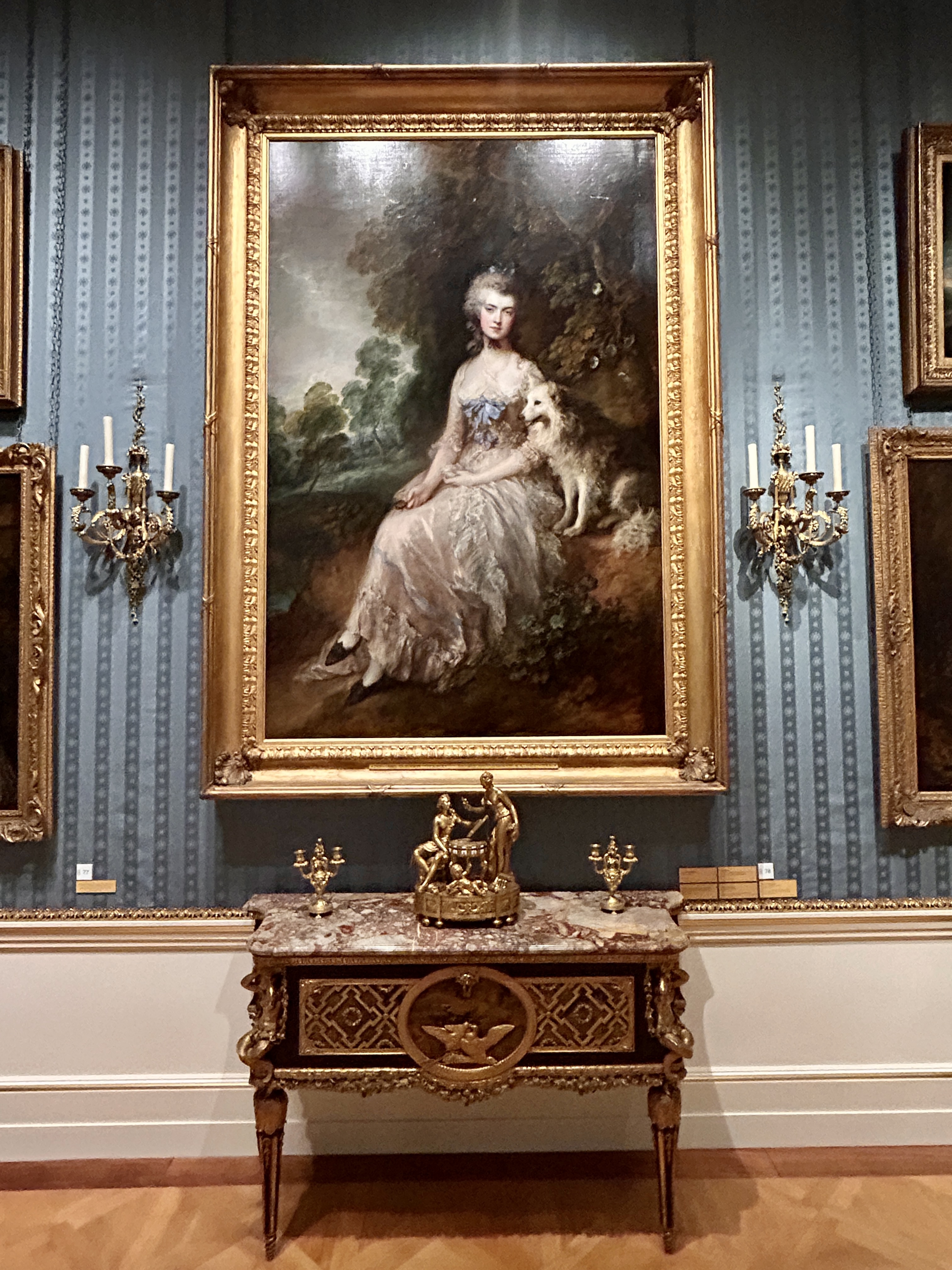
I overheard another factoid - it had the largest collection of furniture made for Marie-Antoinette outside France. Many of them were purchased from the Palace of Versailles after the French Revolution. 🇫🇷
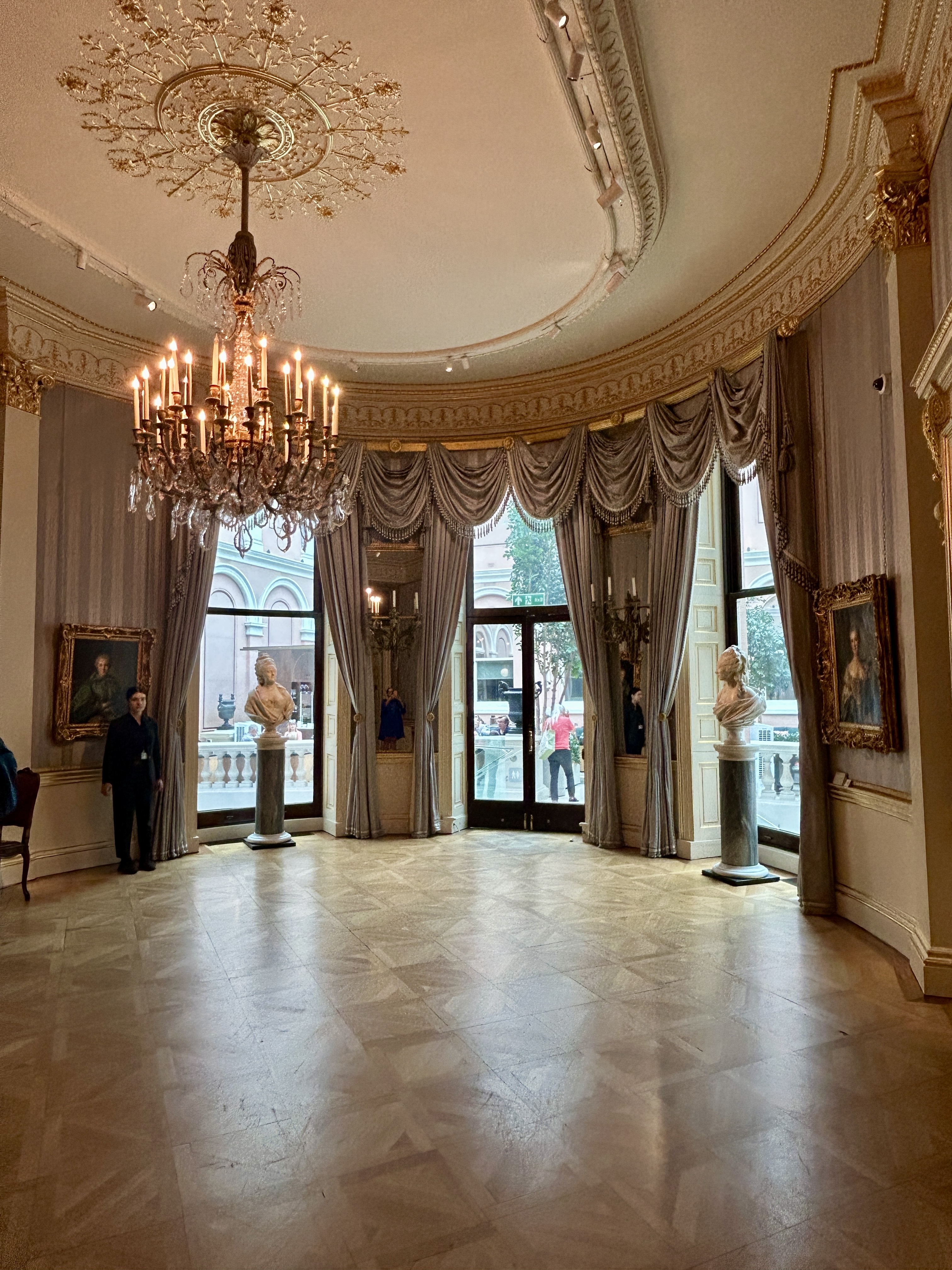
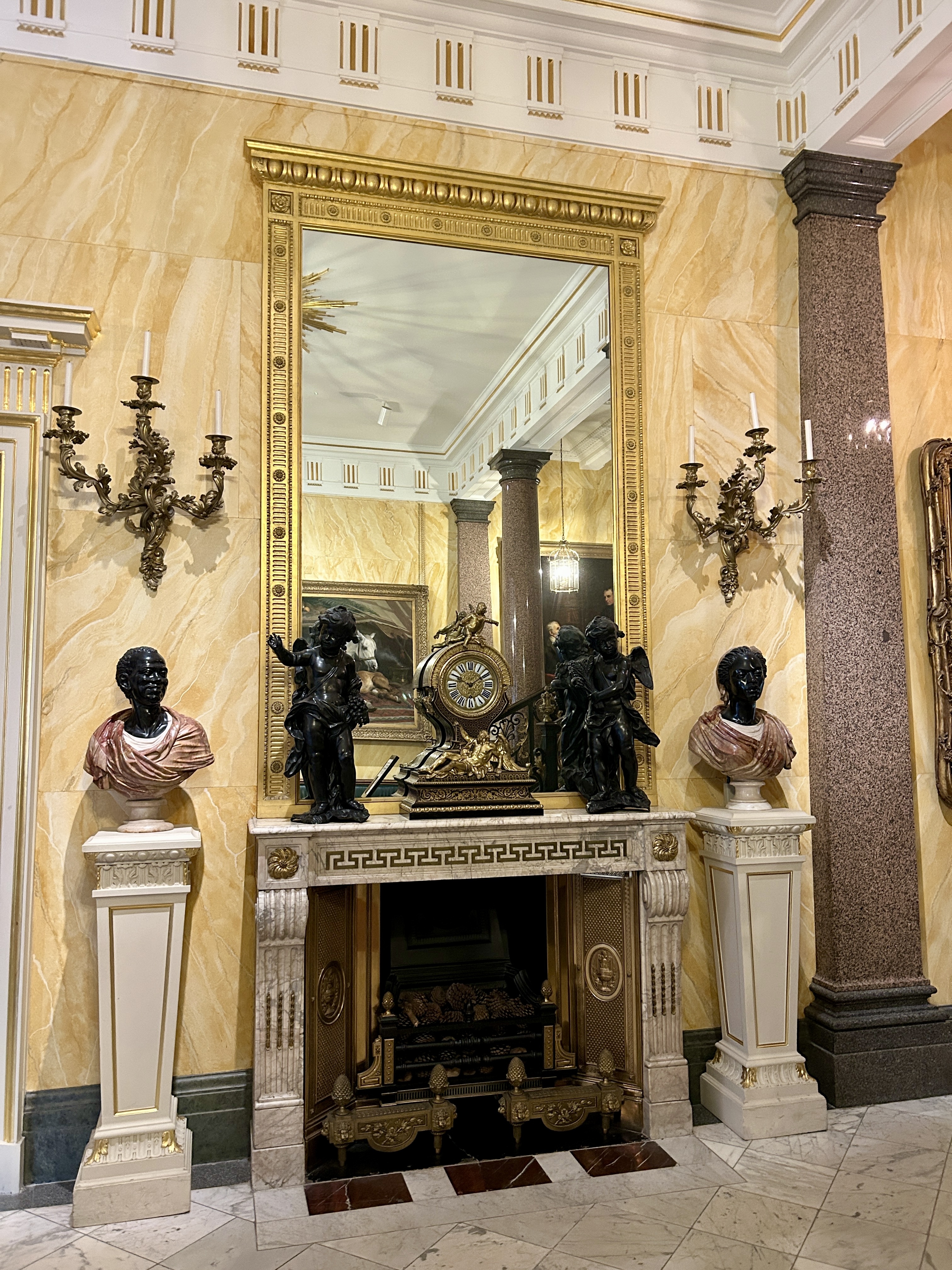
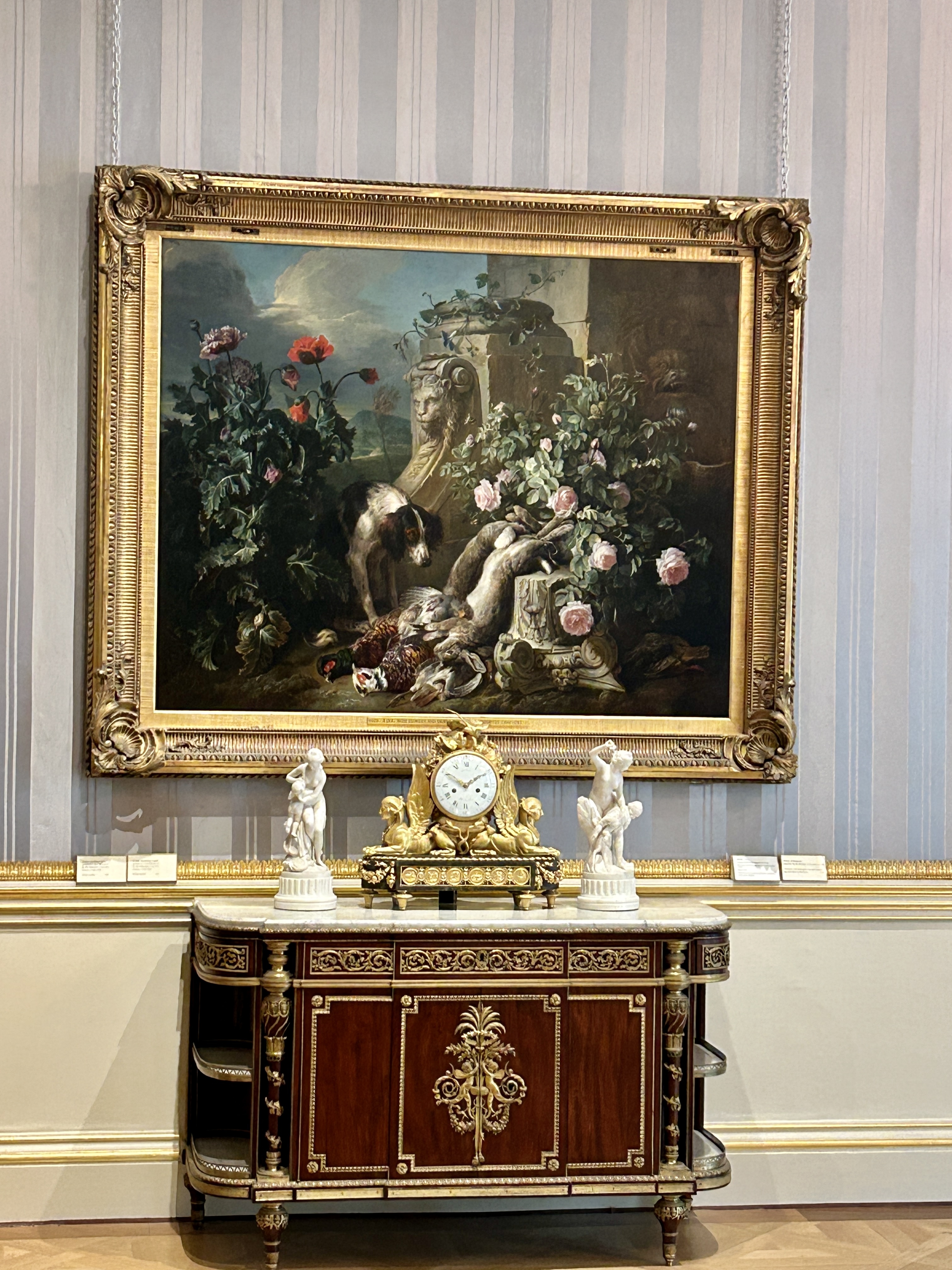
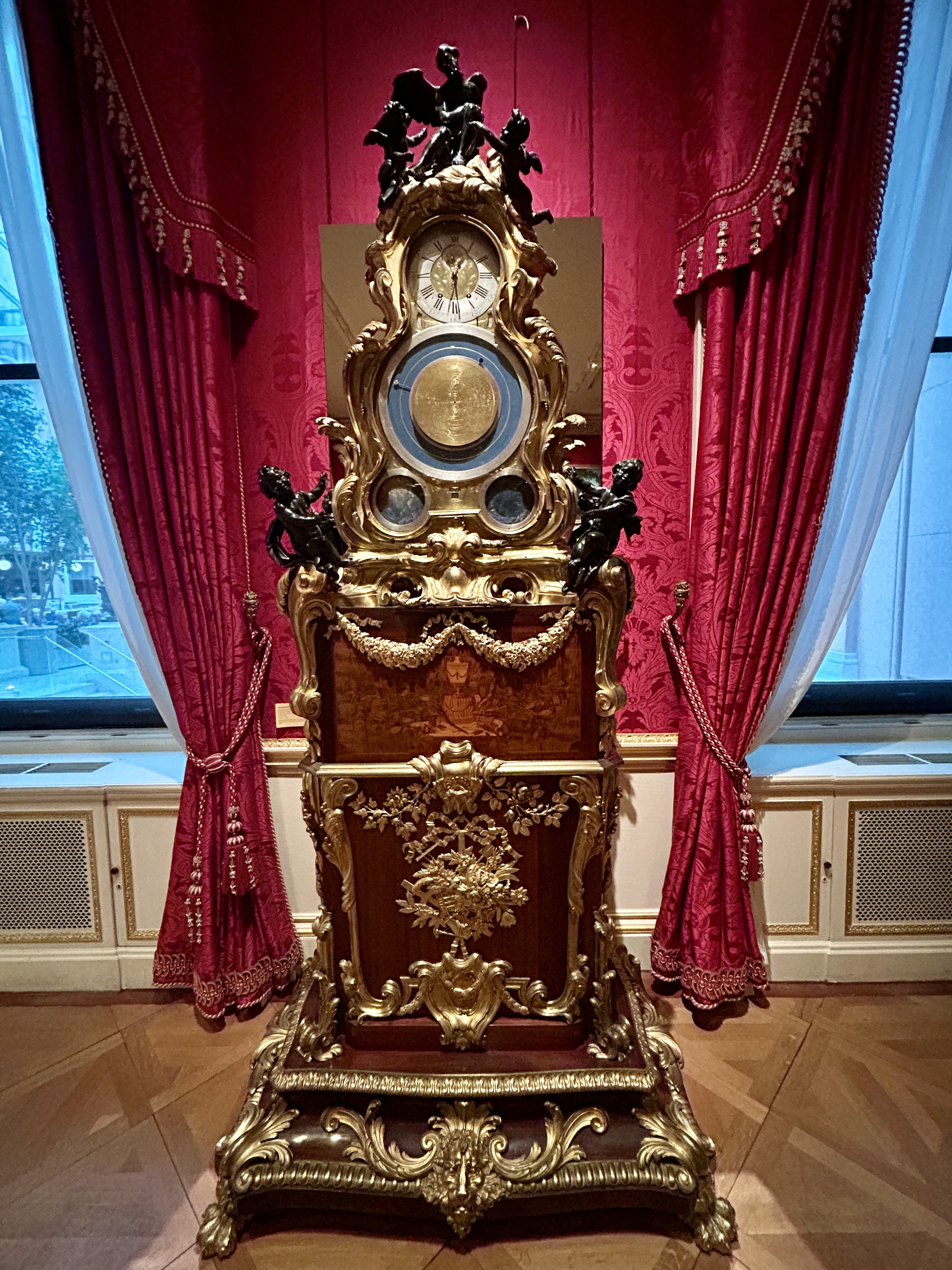
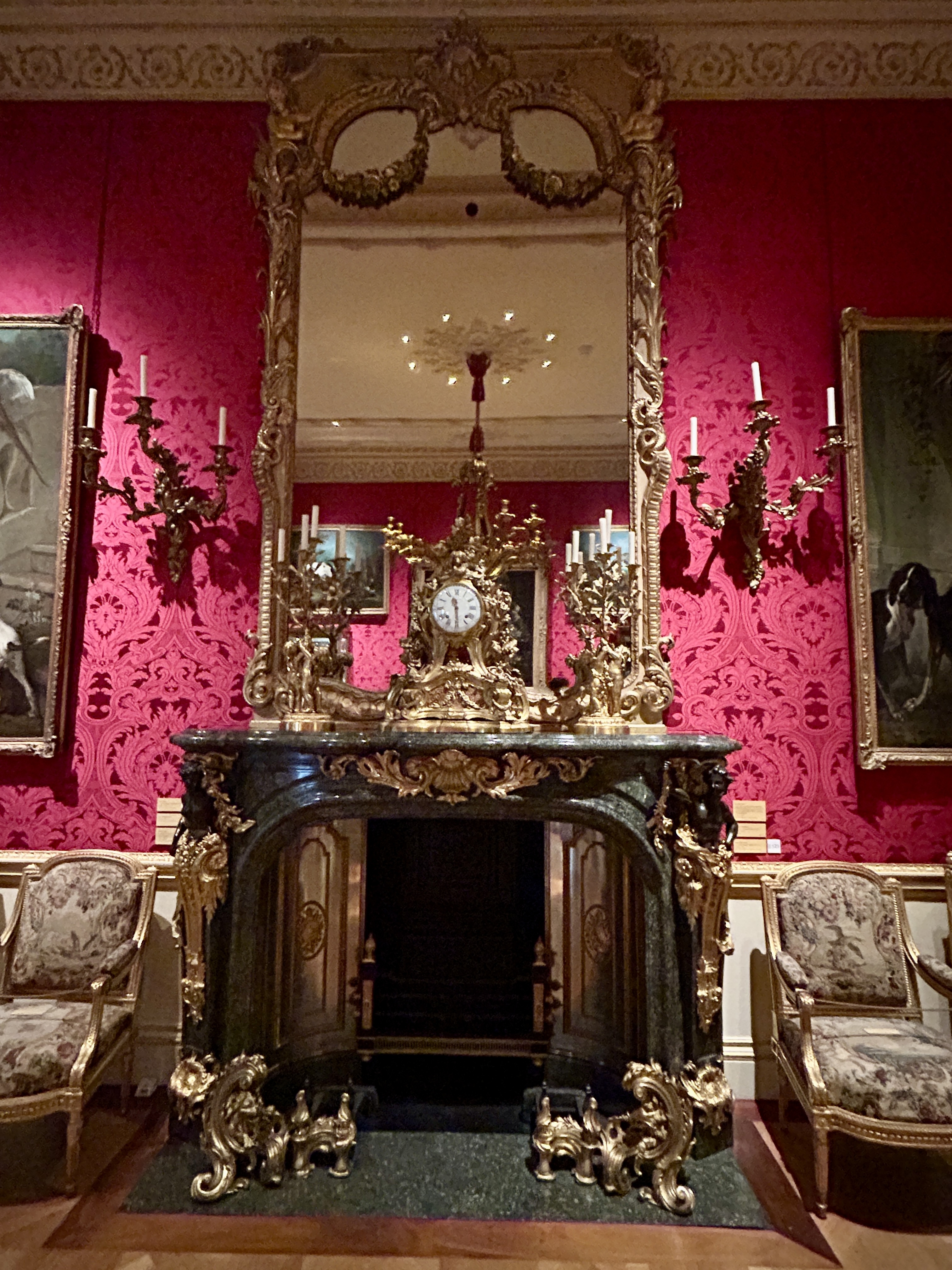
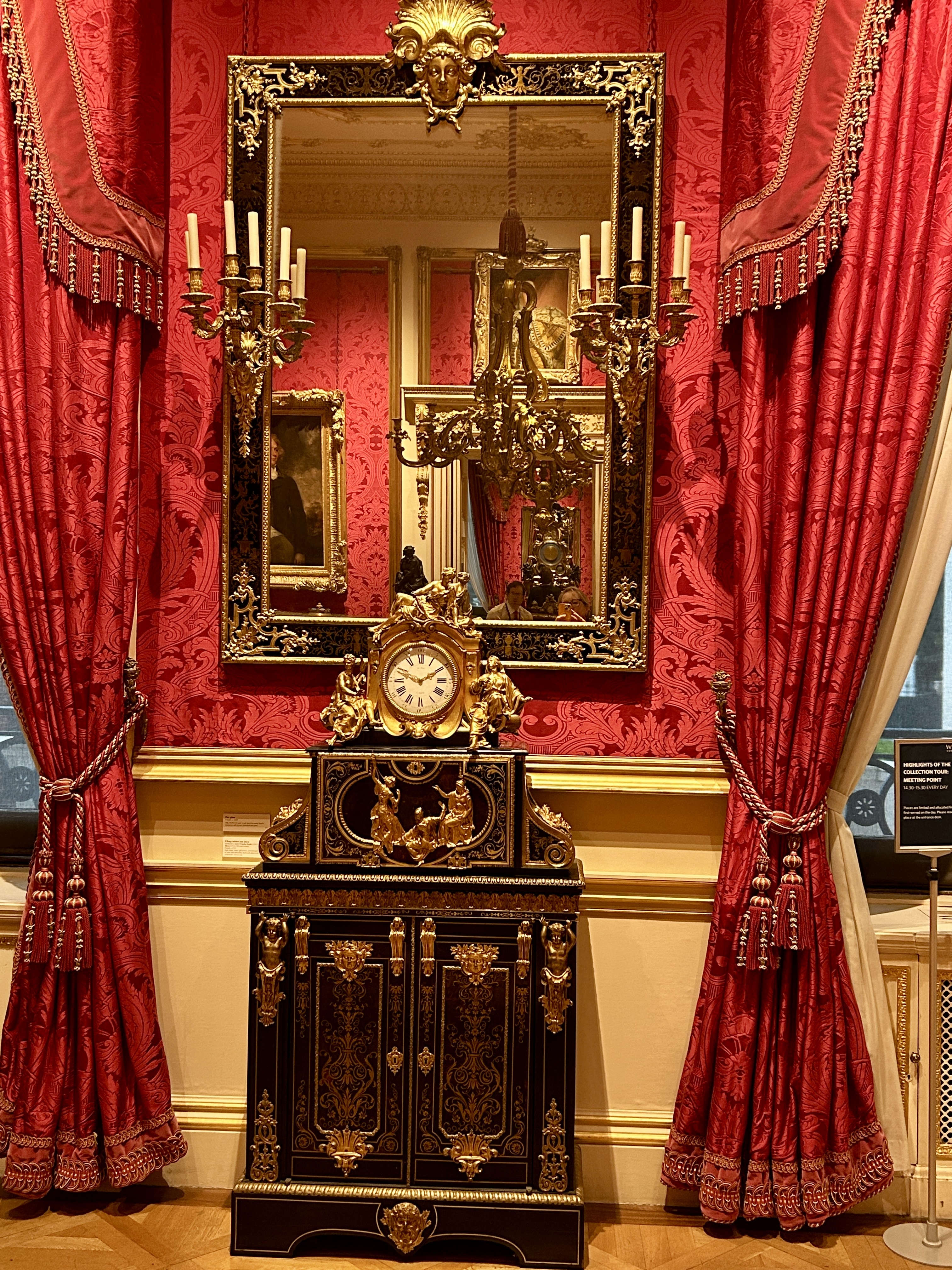
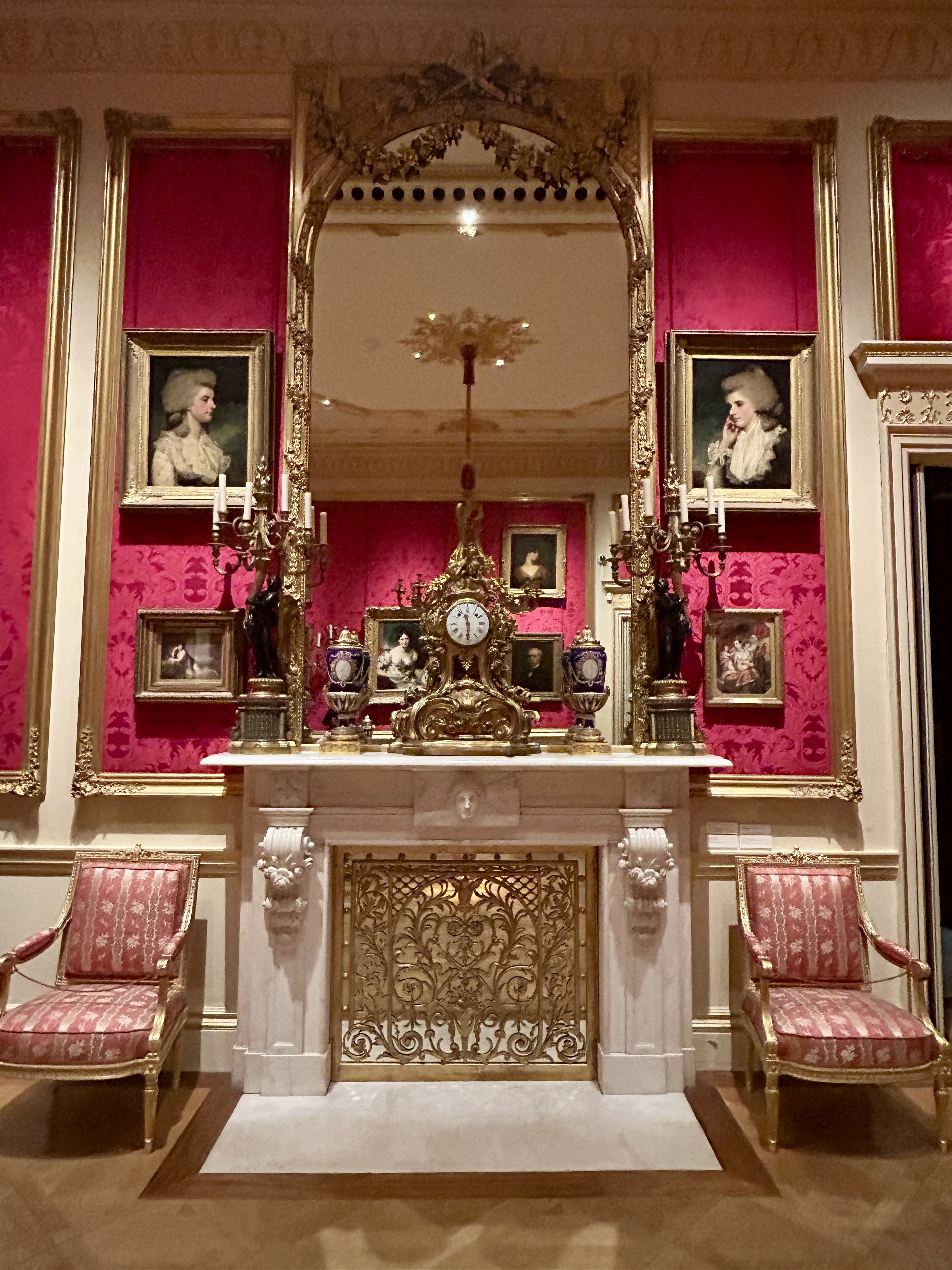
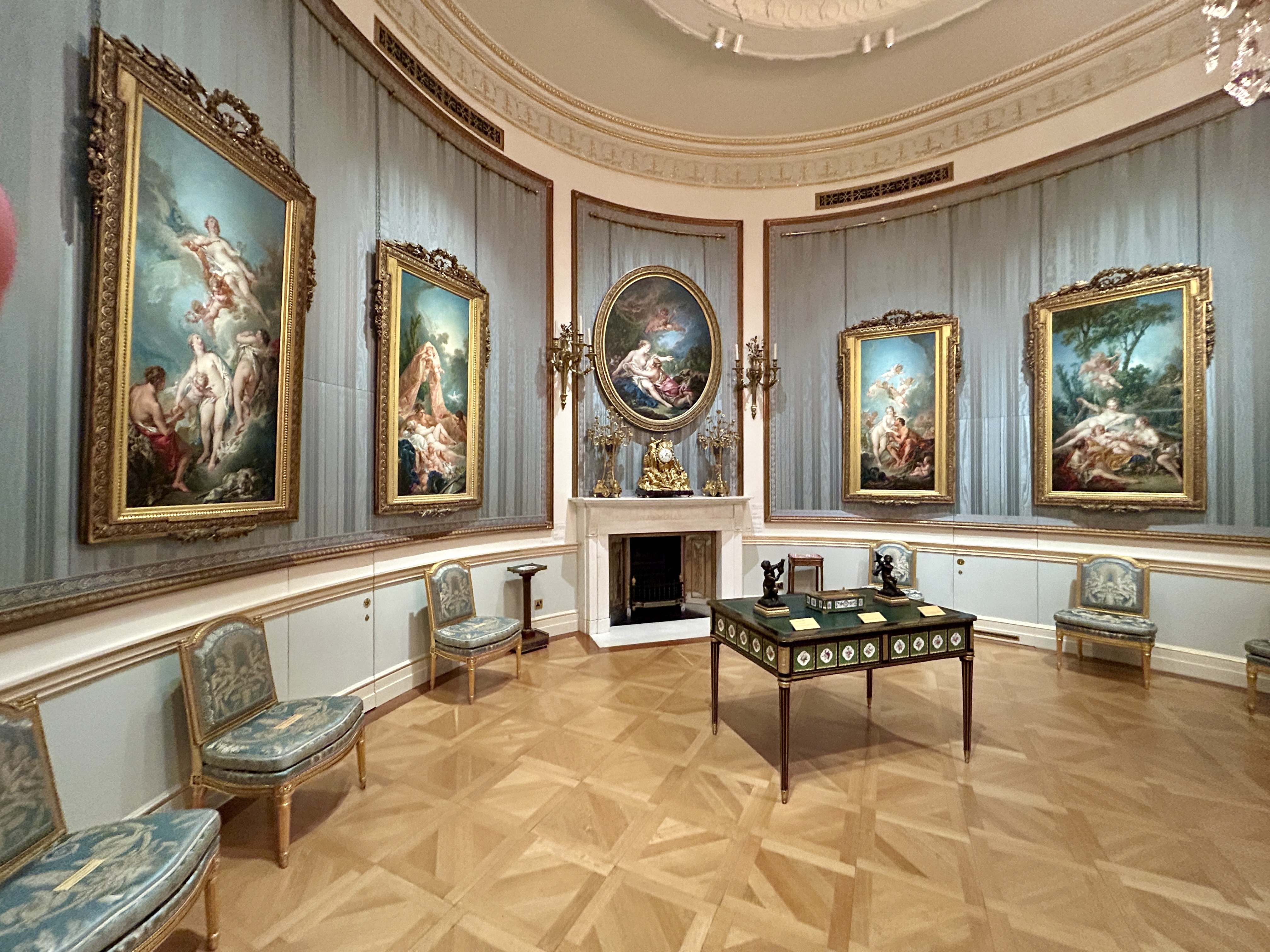
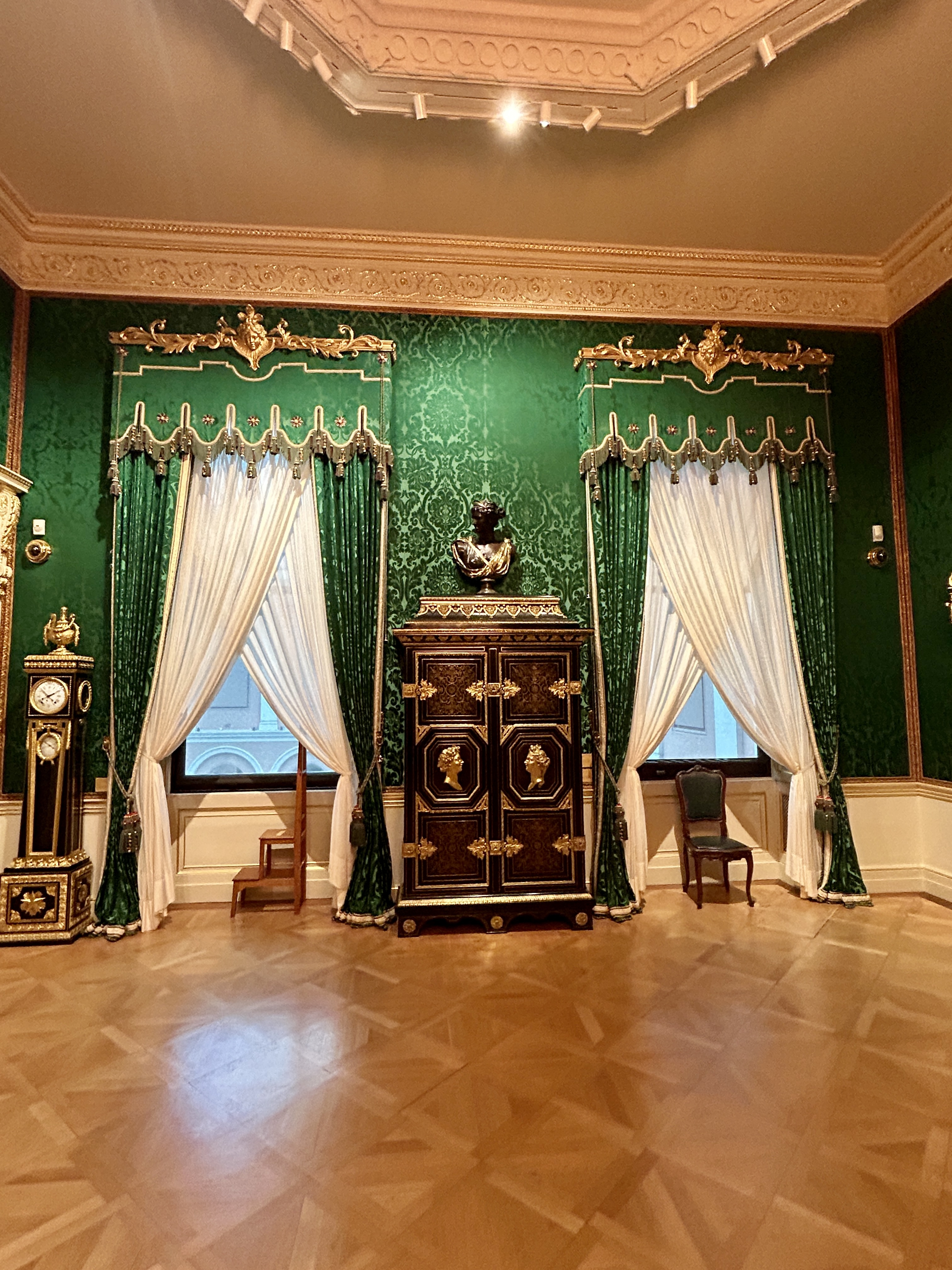
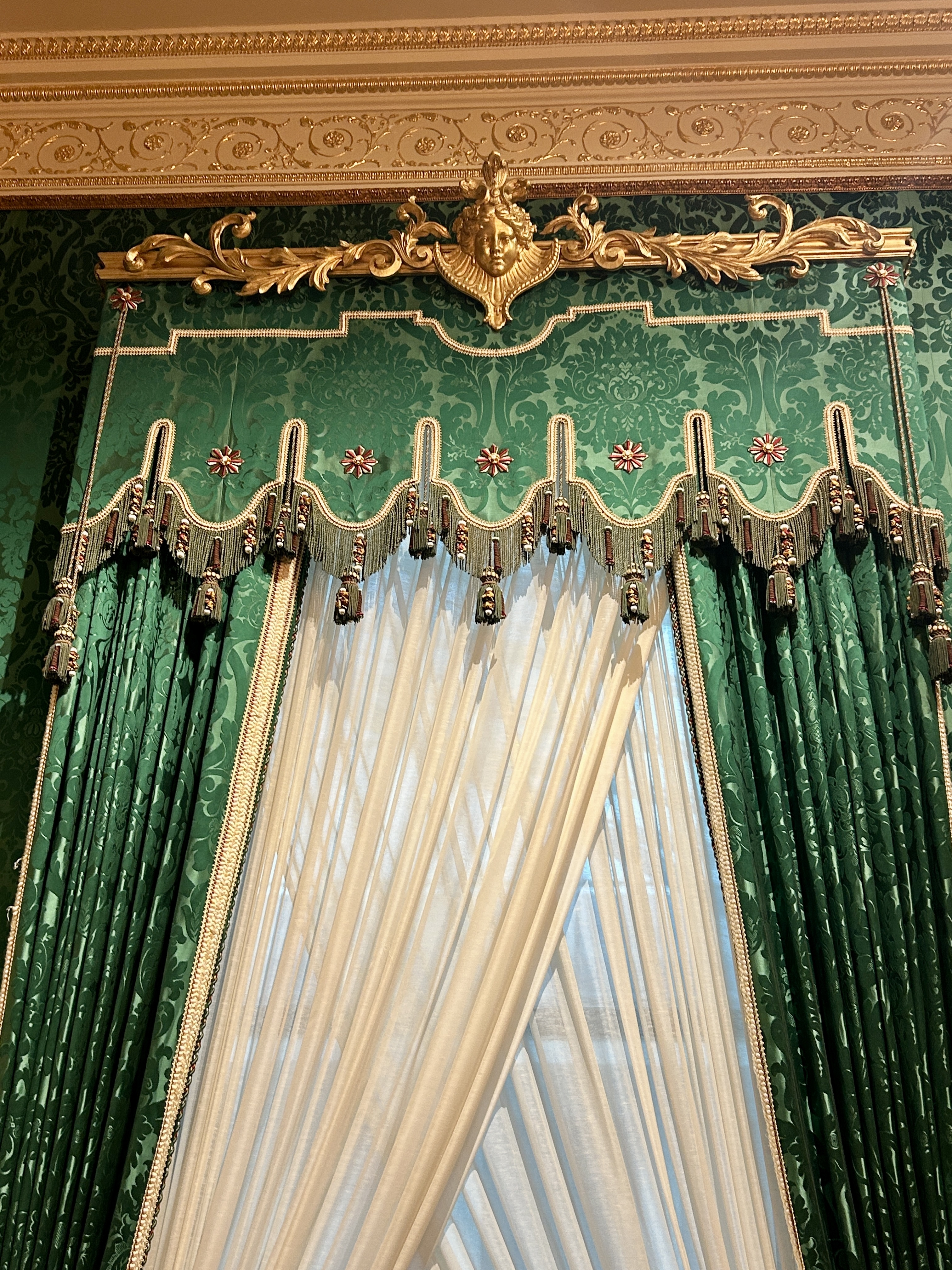
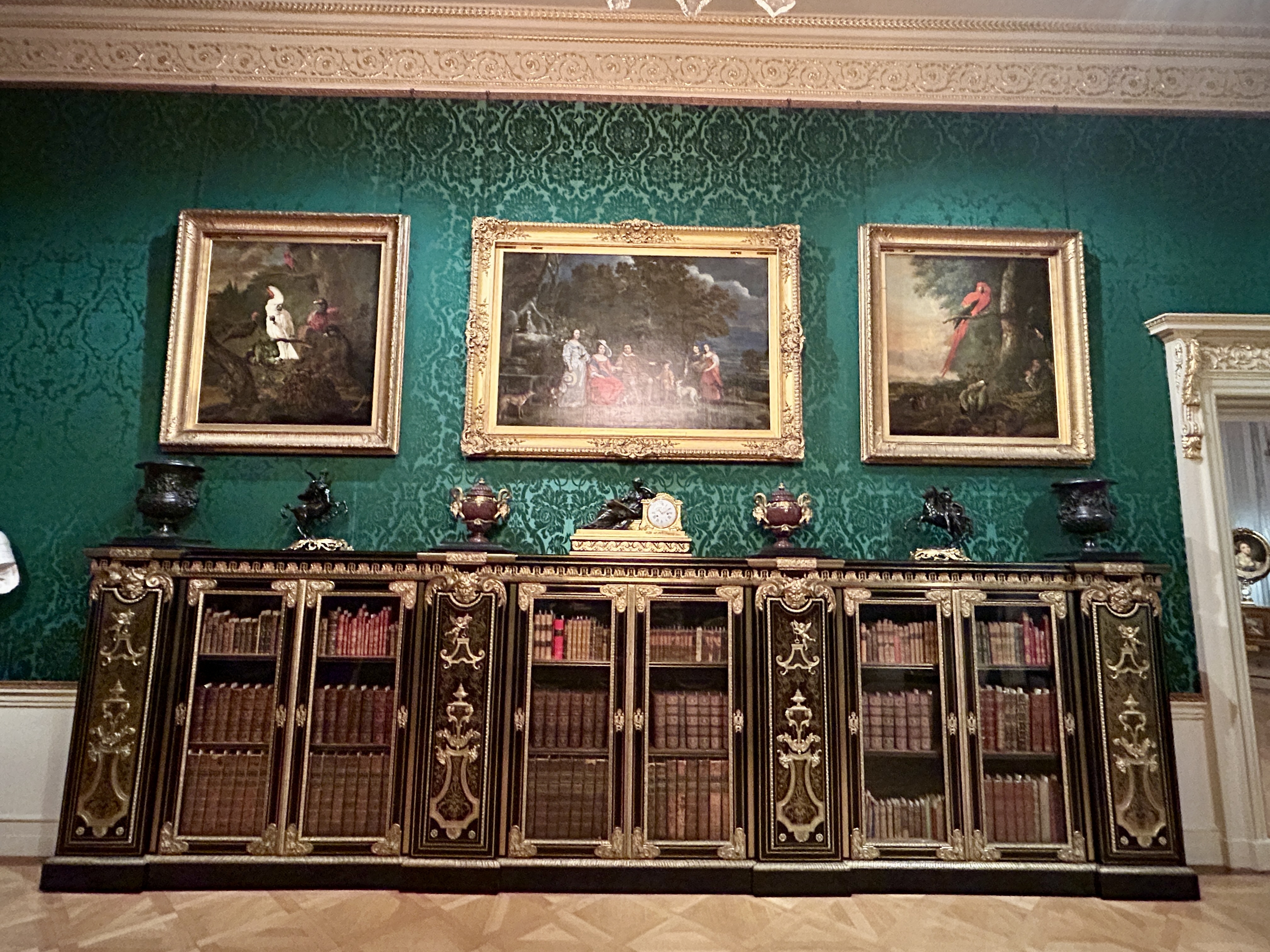
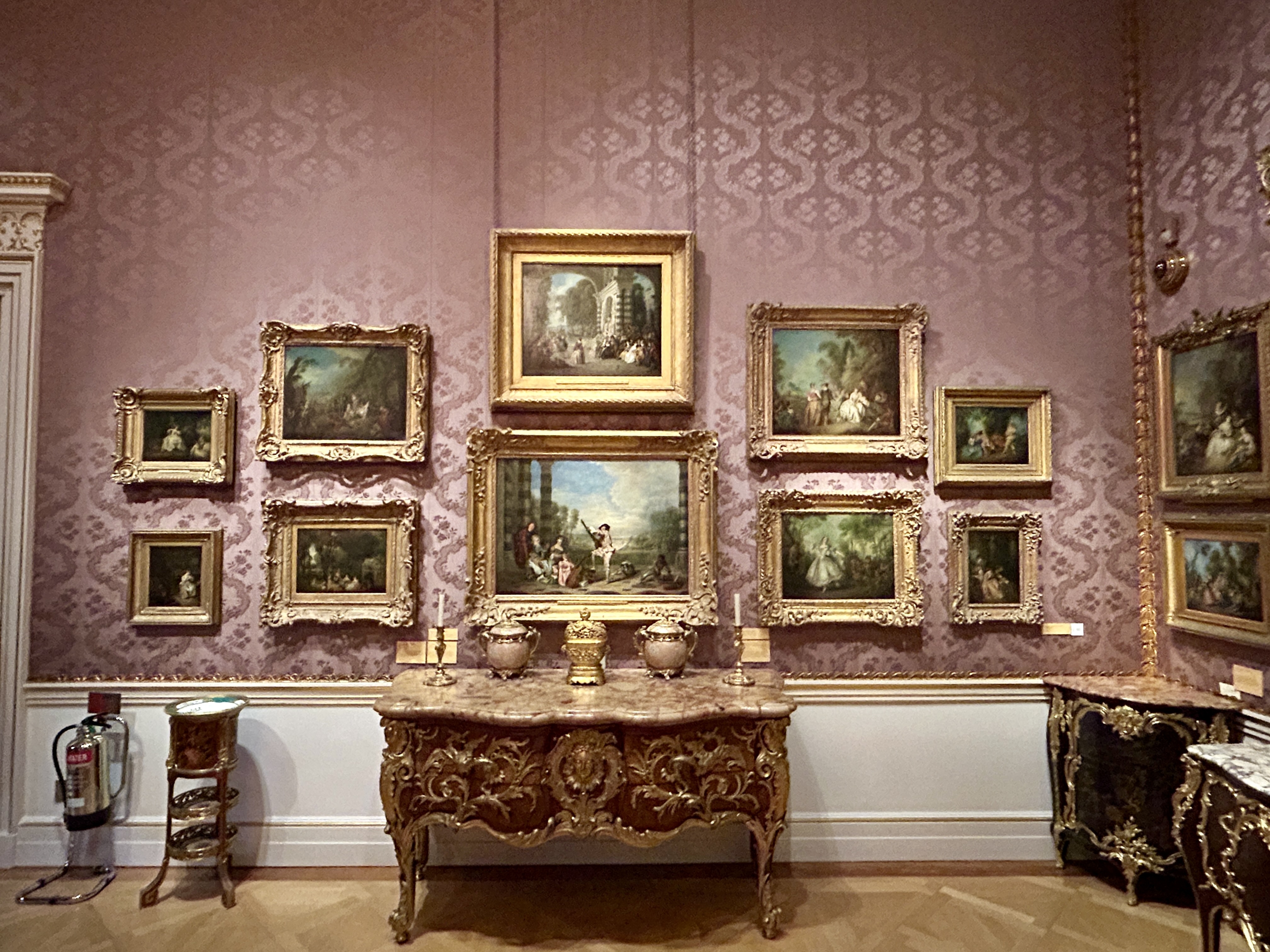
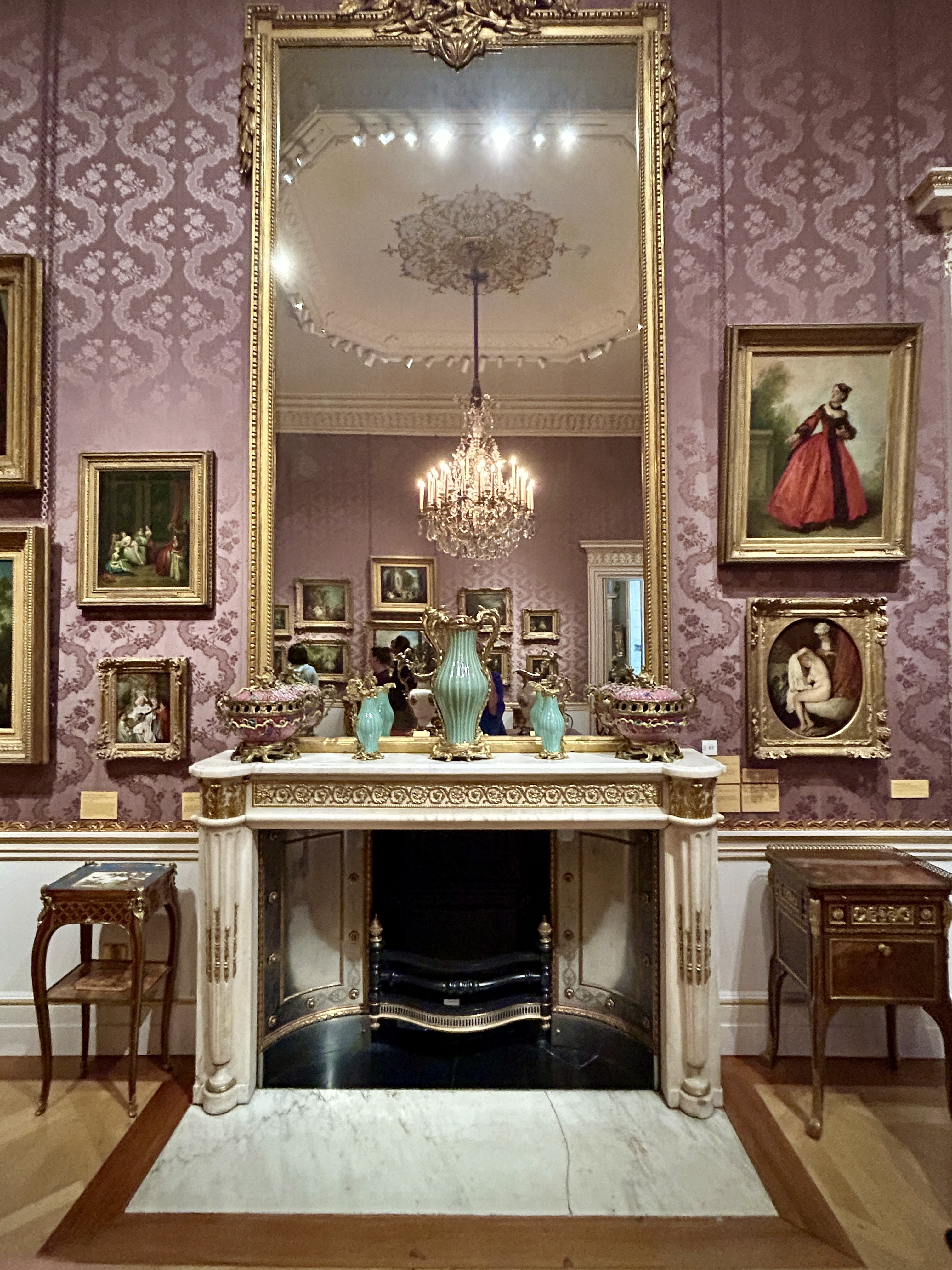
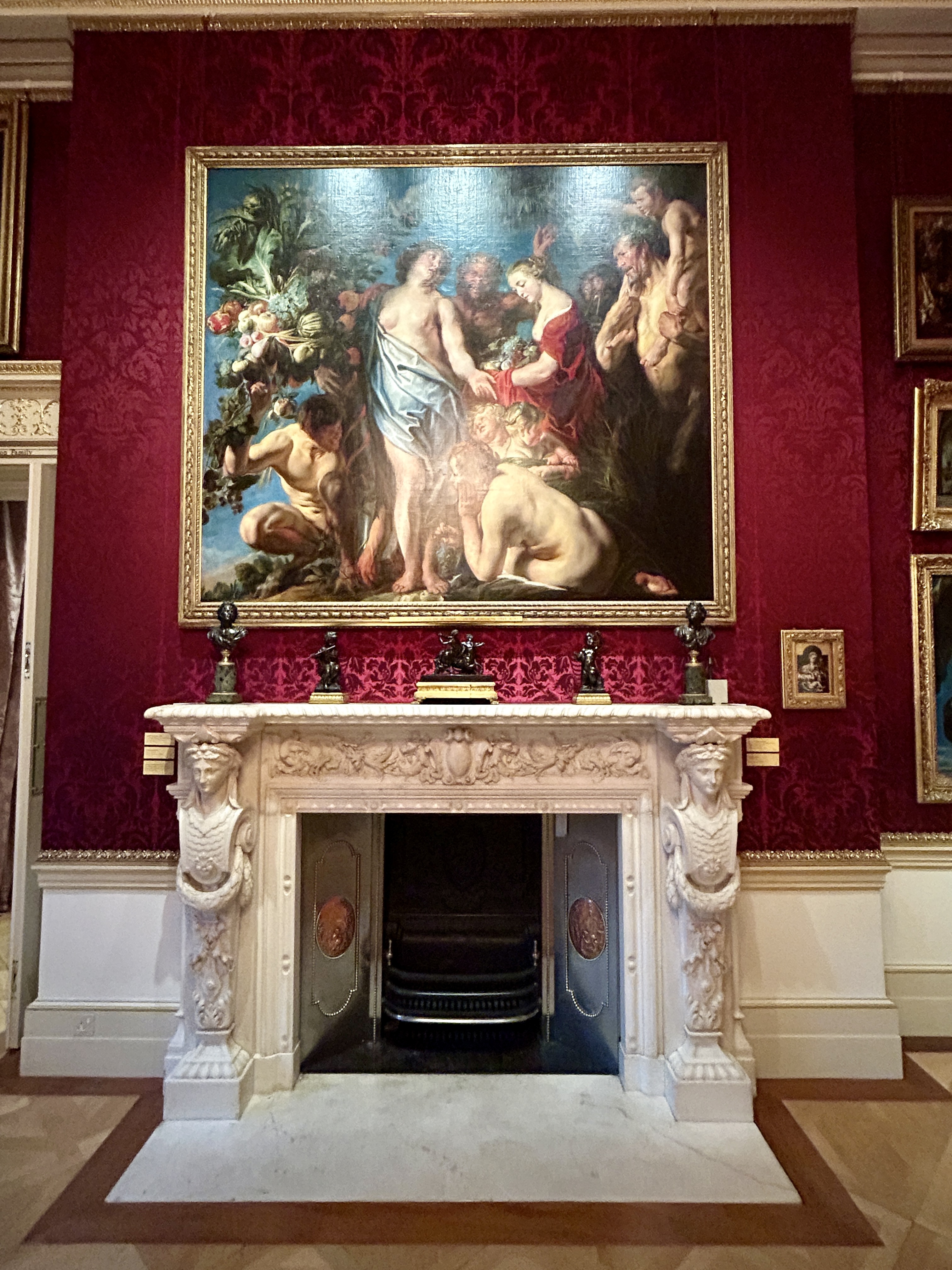
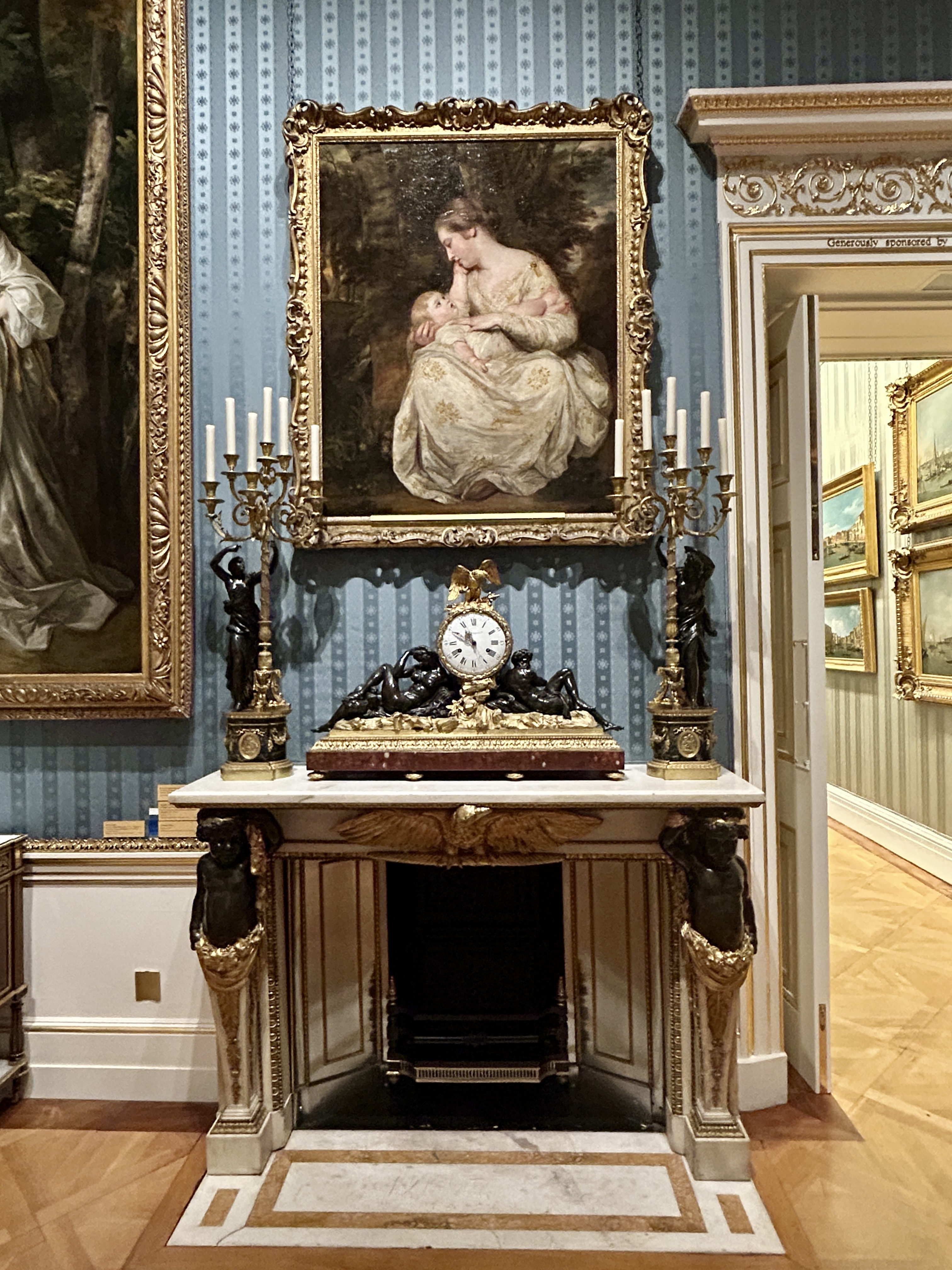
I can't explain the grandeur of this home and collection but would highly recommend a visit. Just about every room had a fireplace and a clock. When I asked museum staff about the clocks (why did they need to know the time in EVERY room?), the response was that clocks were works of art. I could not disagree. Oh, and all of them were operational. 🤩
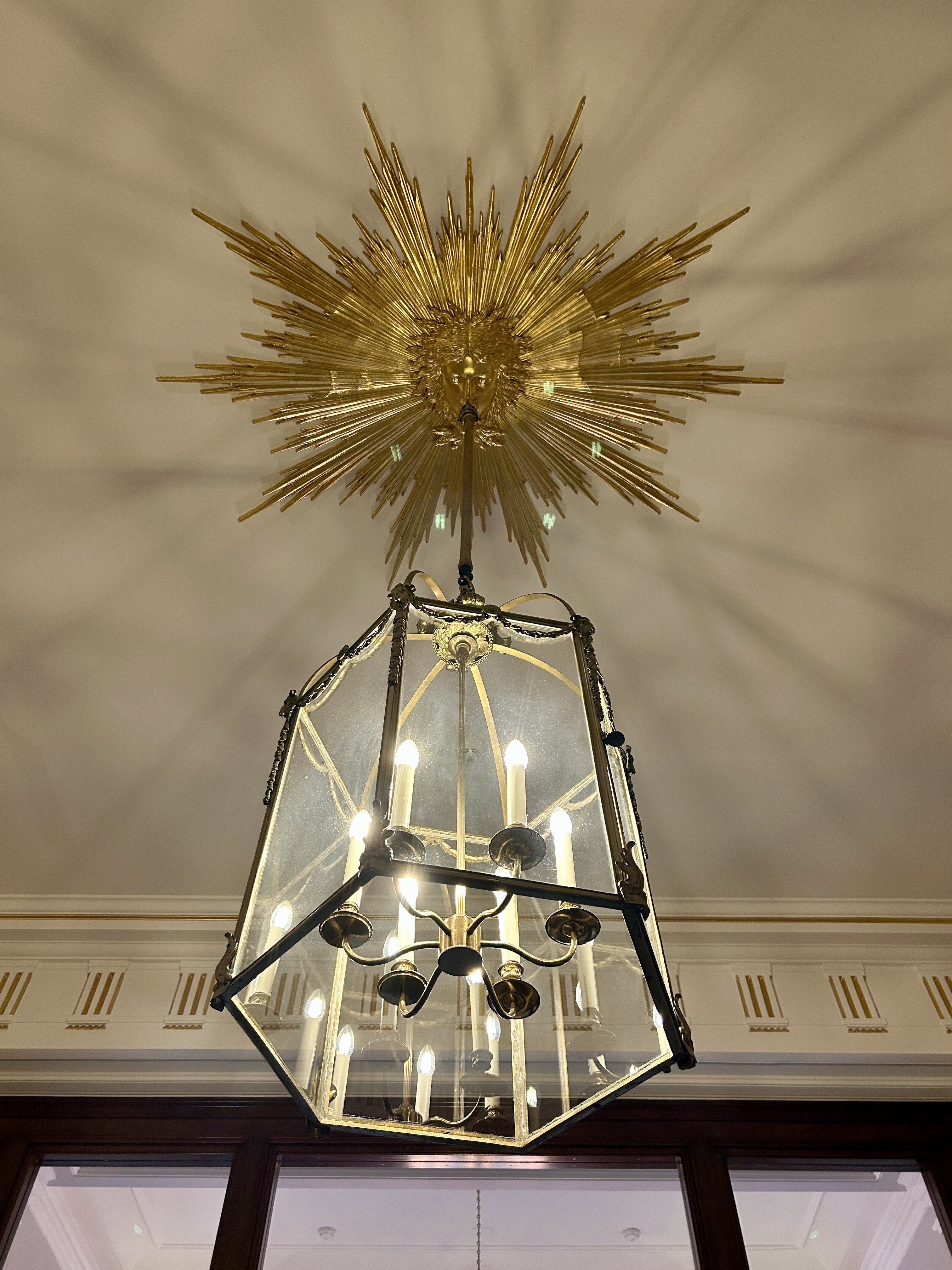
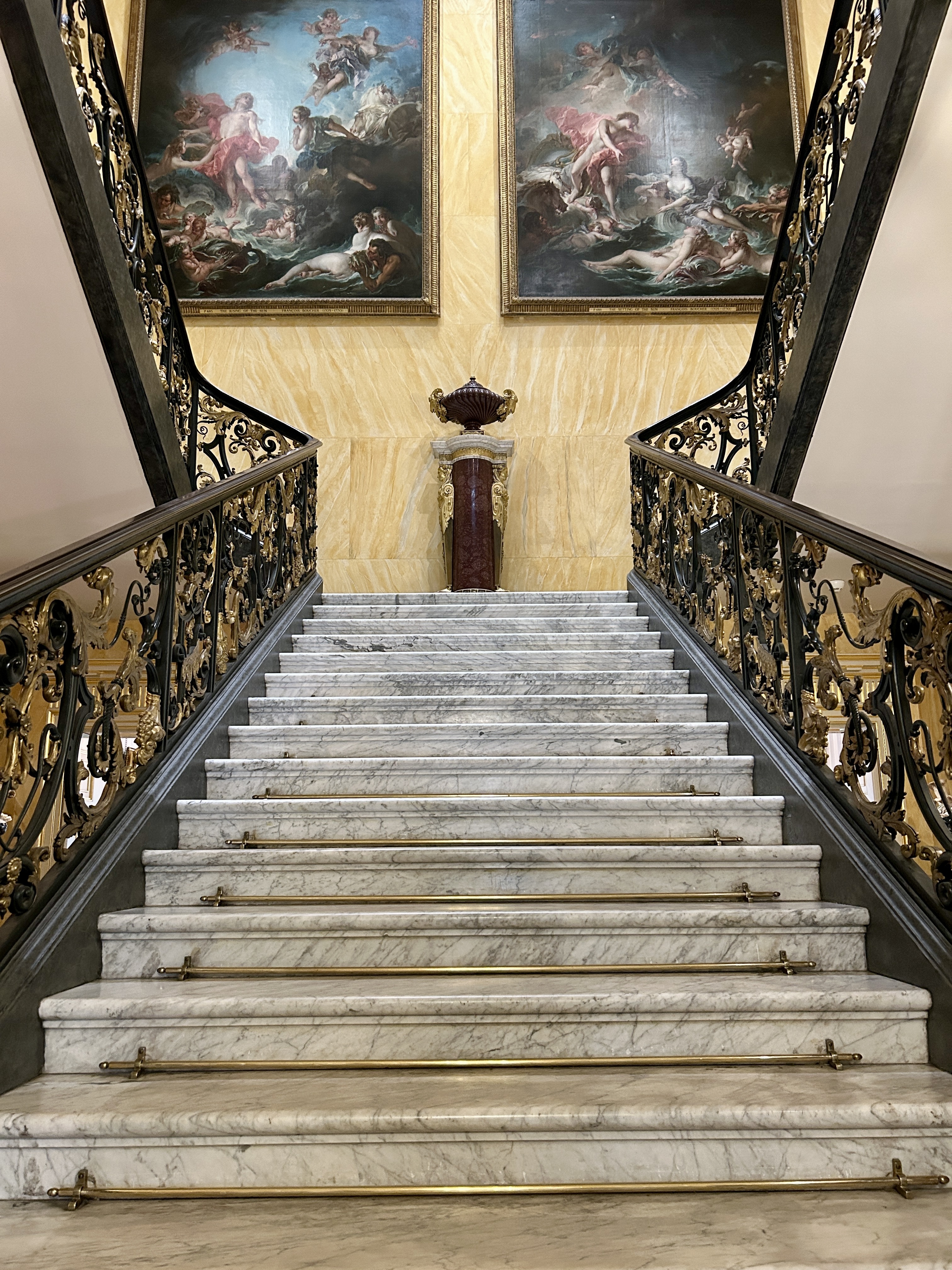
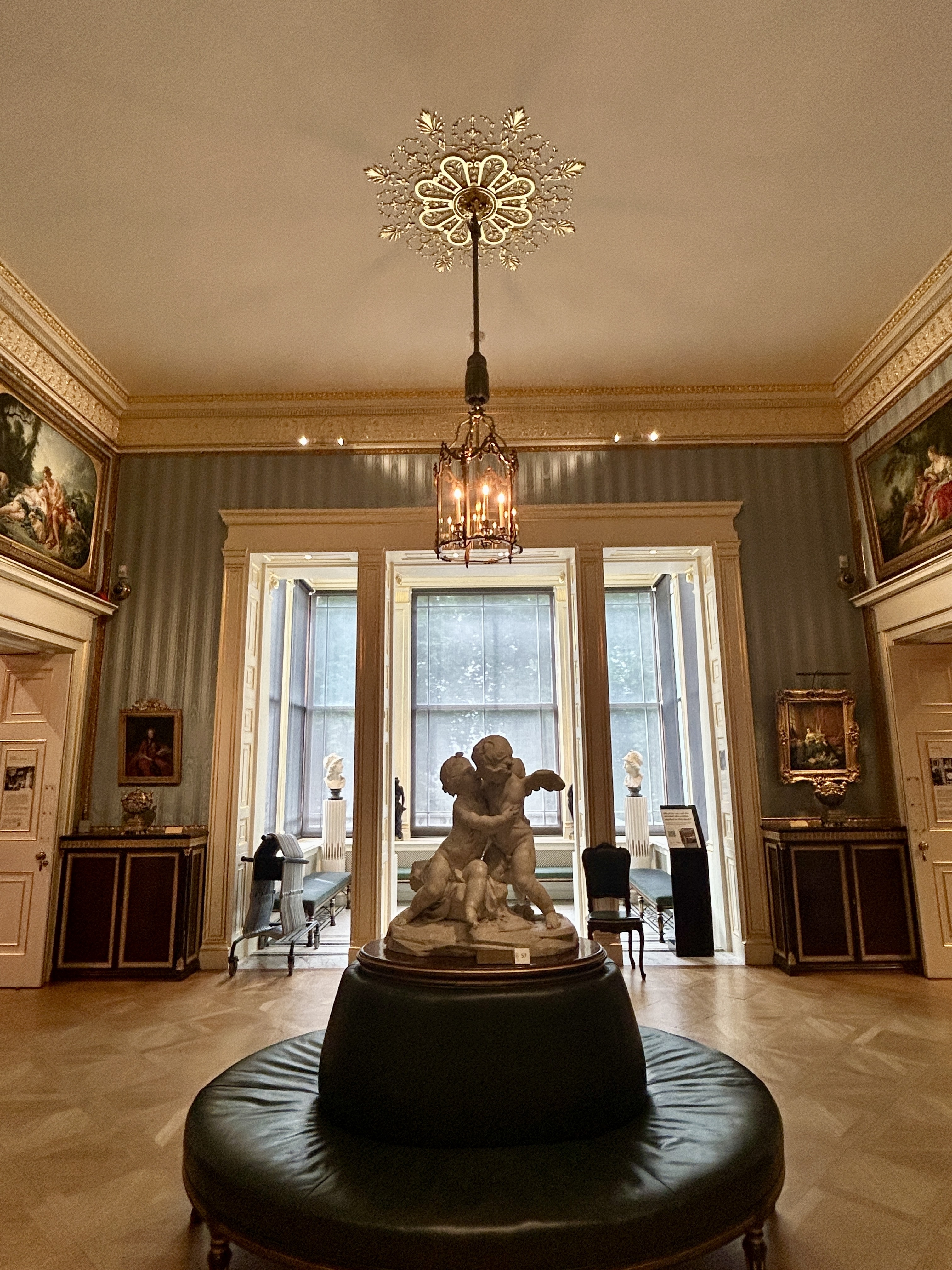
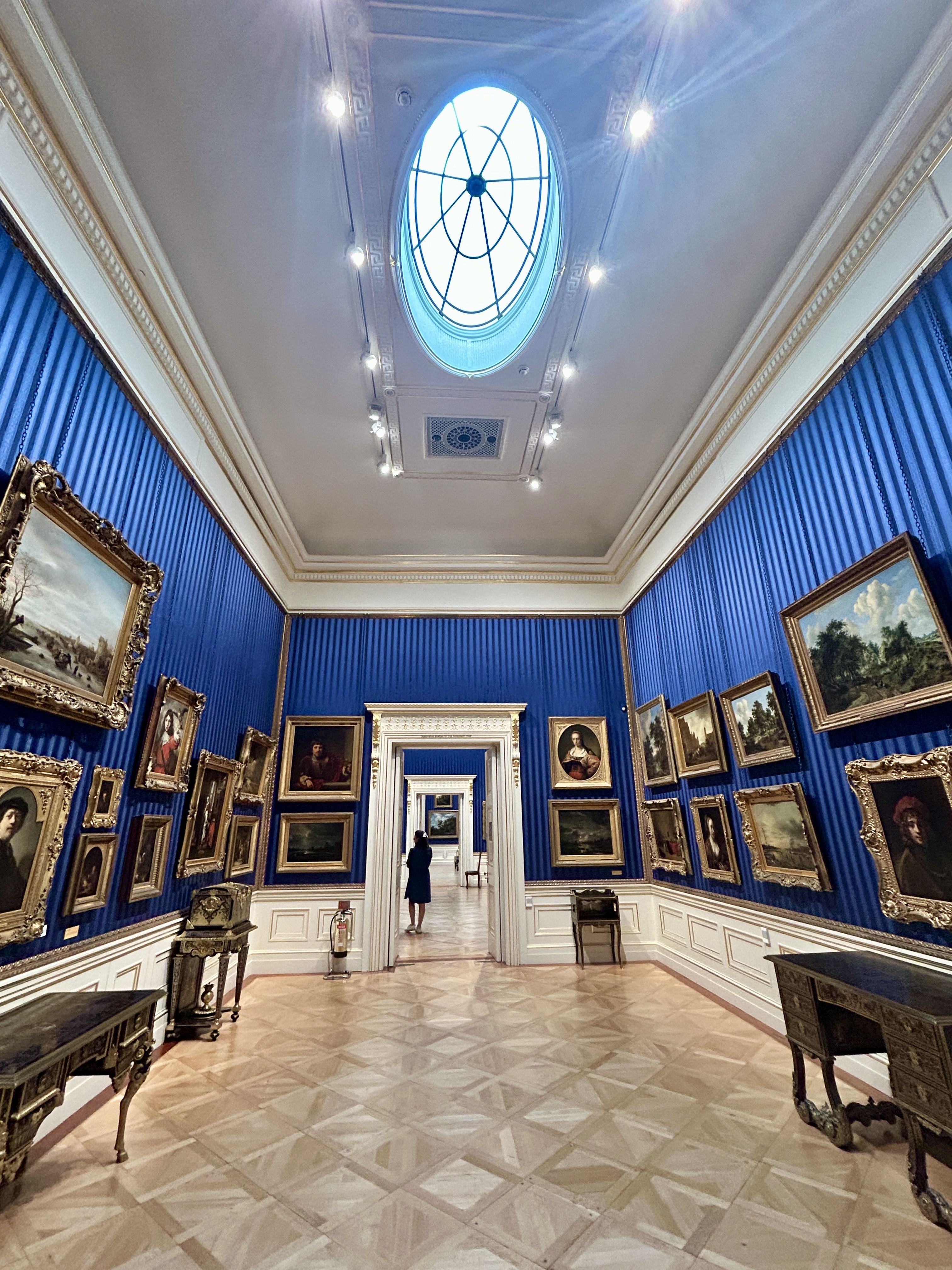
Please enjoy a virtual visit through these photos. 🤗
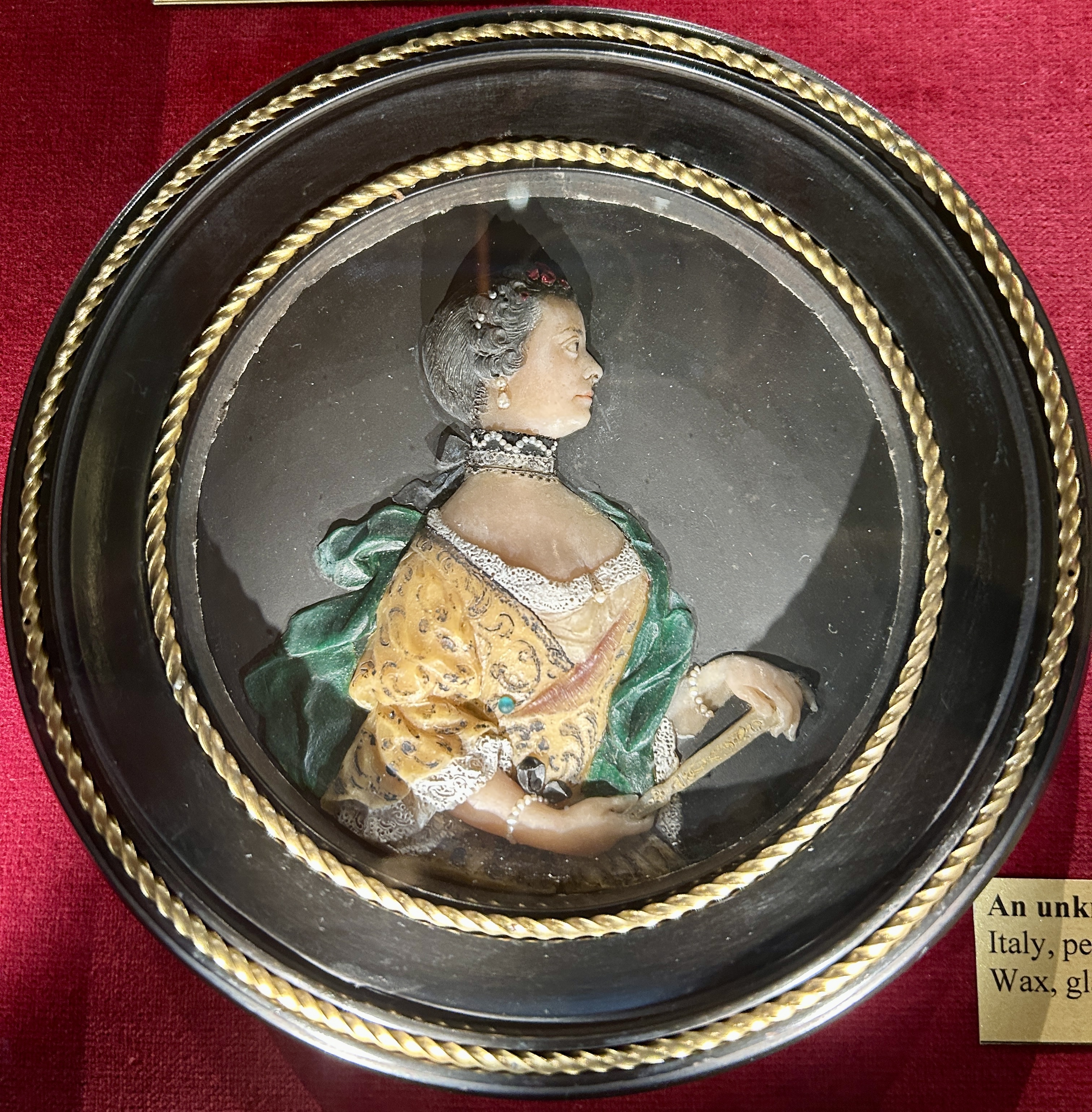
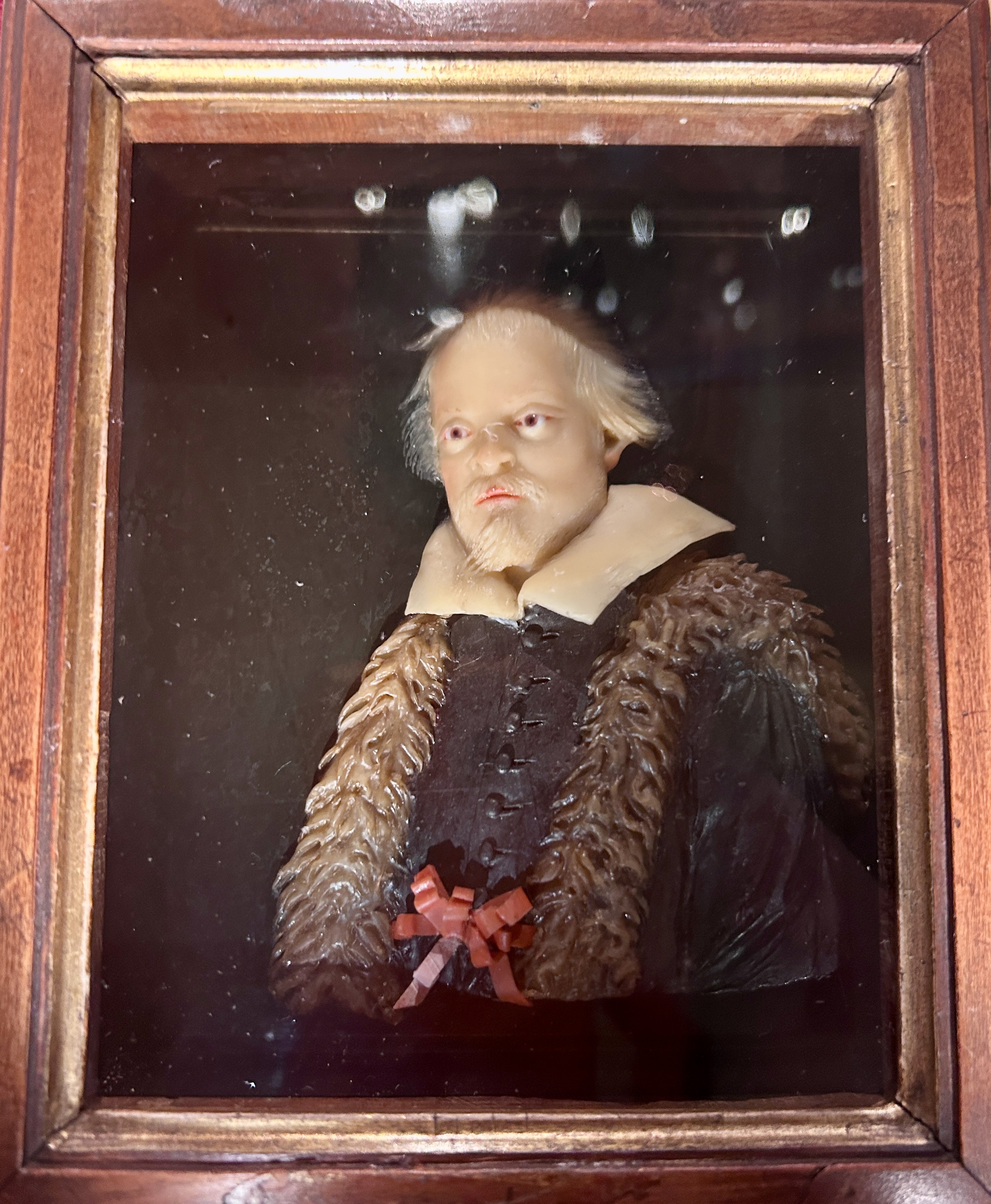
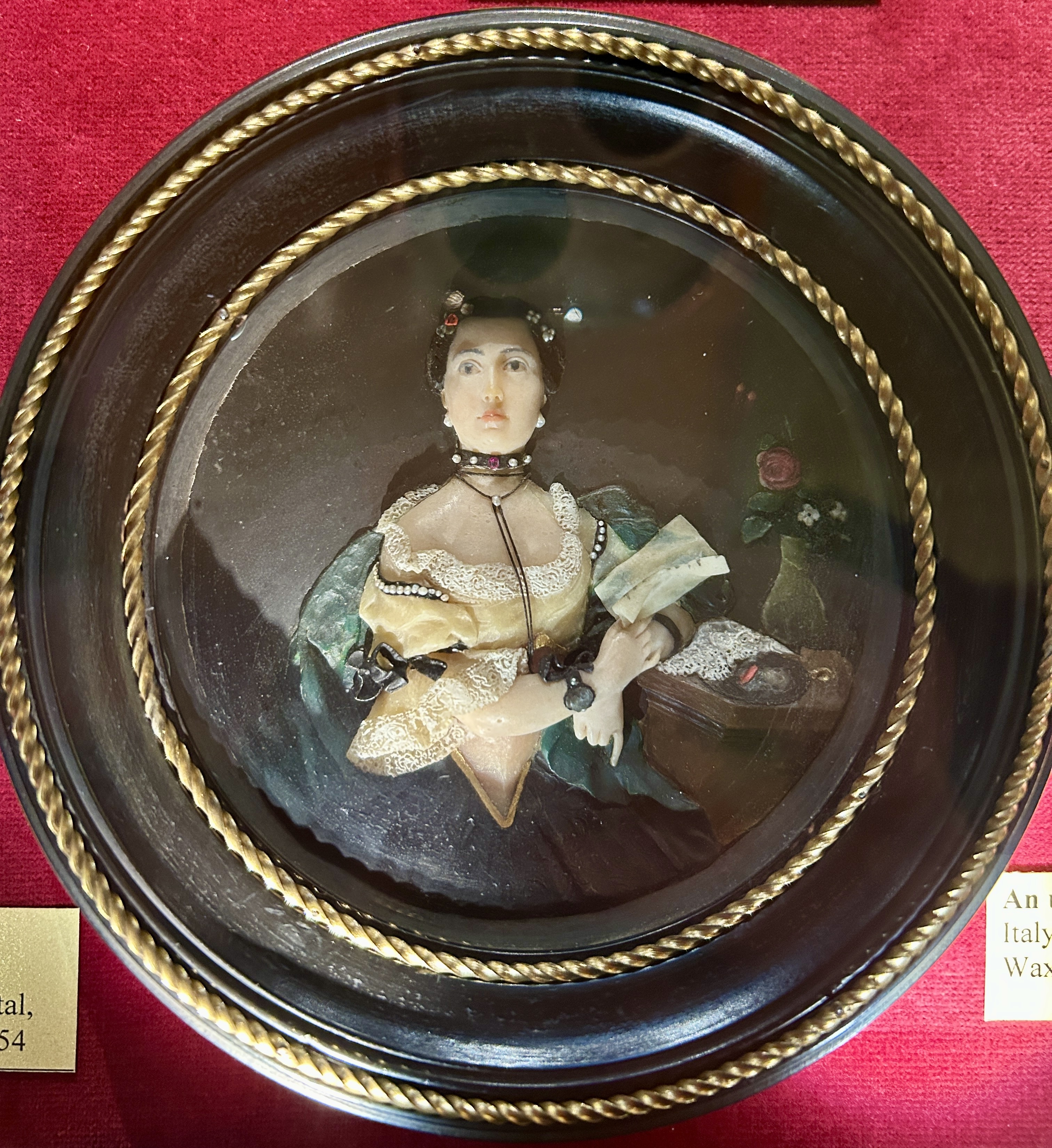
These were small pieces from Germany made of wax which I had not seen before. 🌟
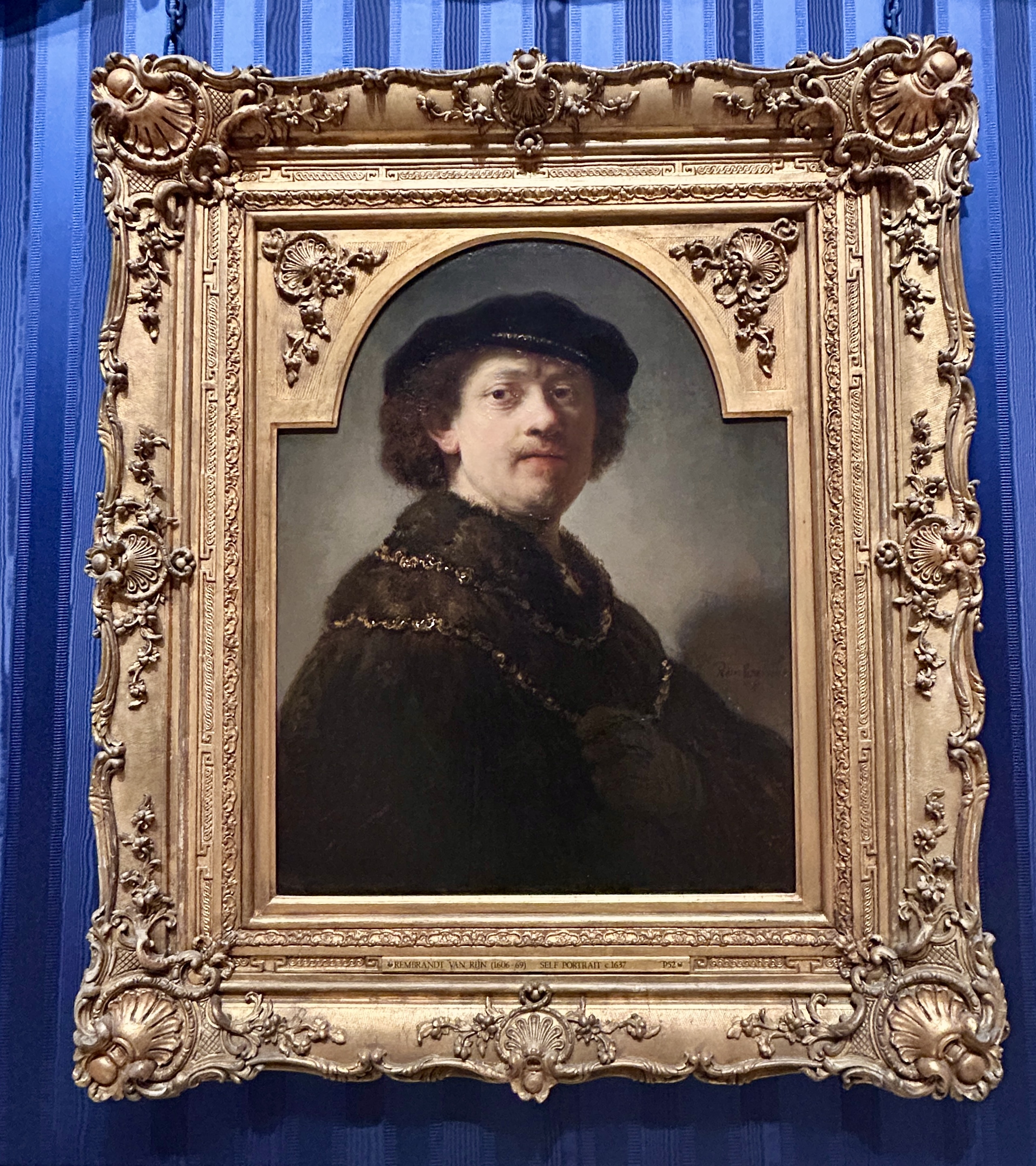
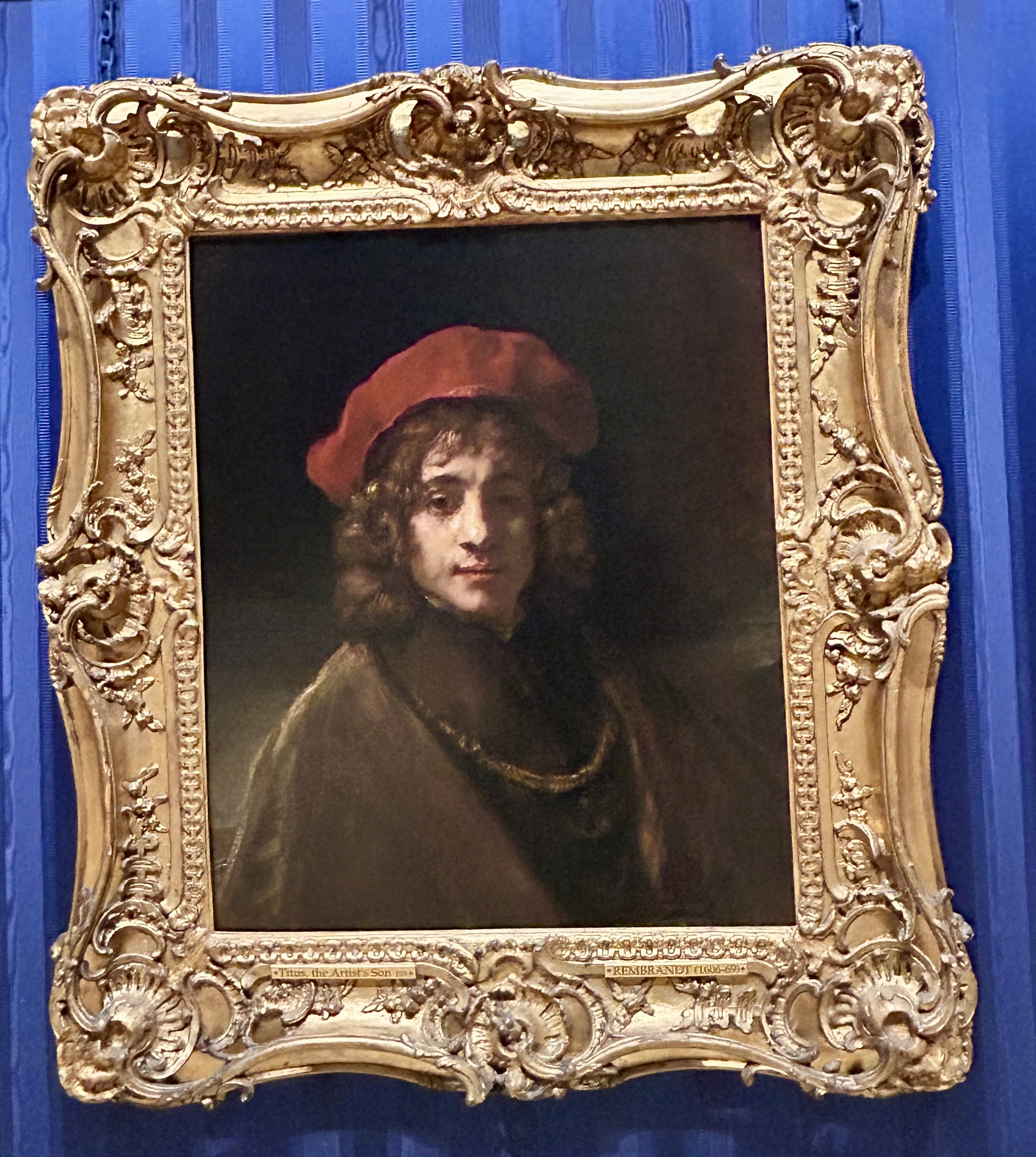
Rembrandt self-portrait and one of his son. 👨🏼🎨
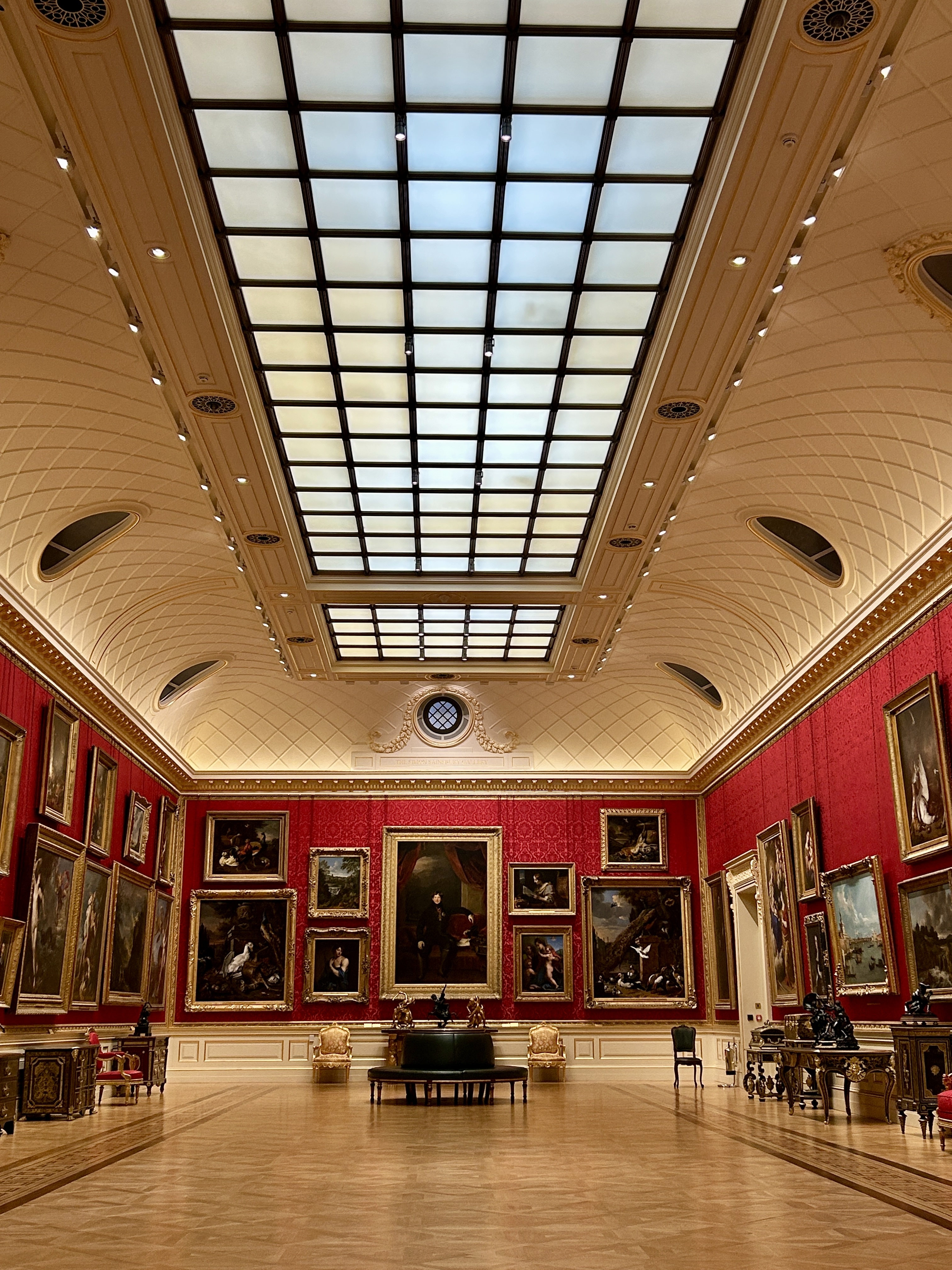
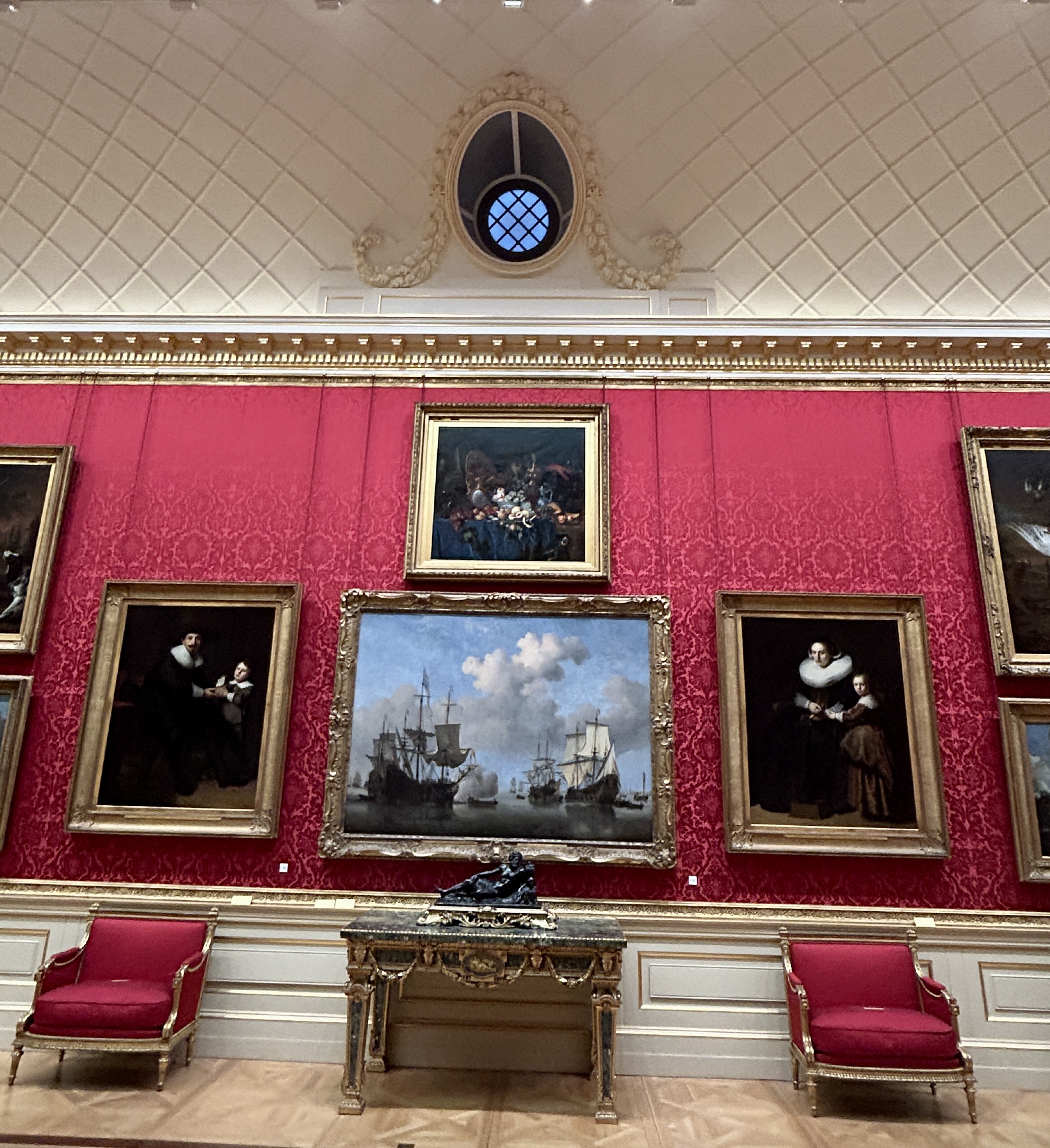
The great Great Gallery. 😄
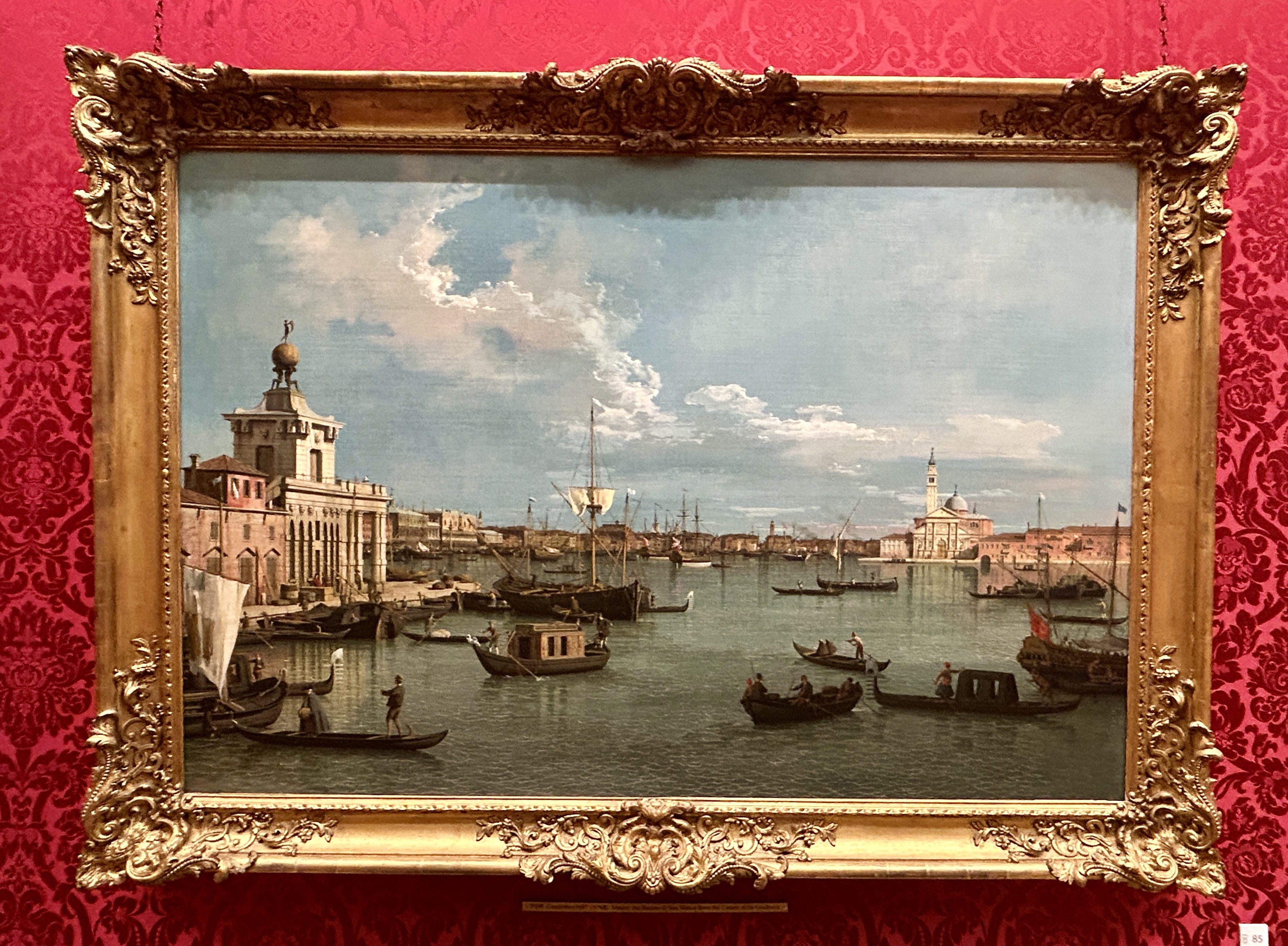
Venice: the Bacino di San Marco from the Canale della Giudecca by Canaletto
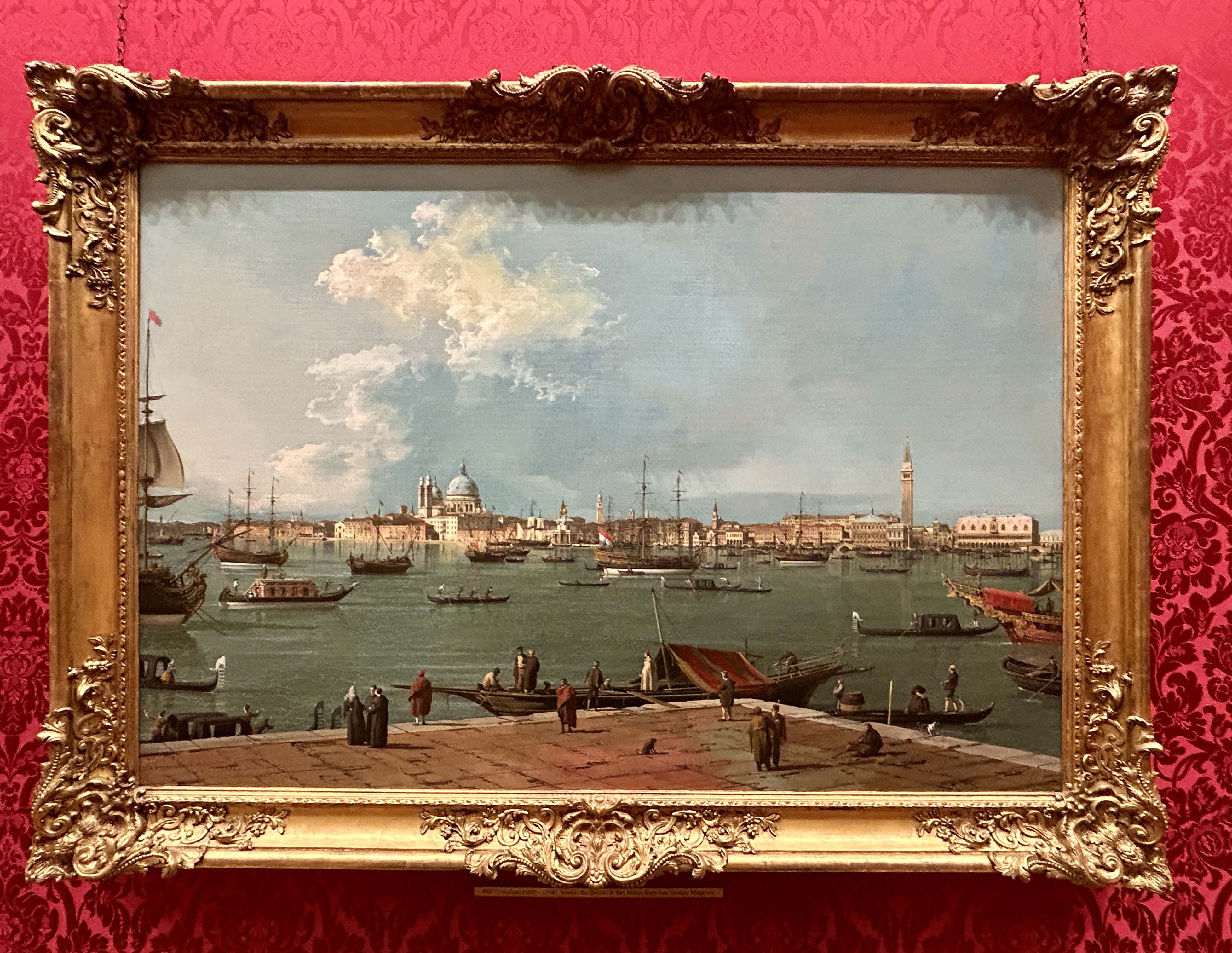
Venice: the Bacino di San Marco from the San Giorgio Maggiore by Canaletto
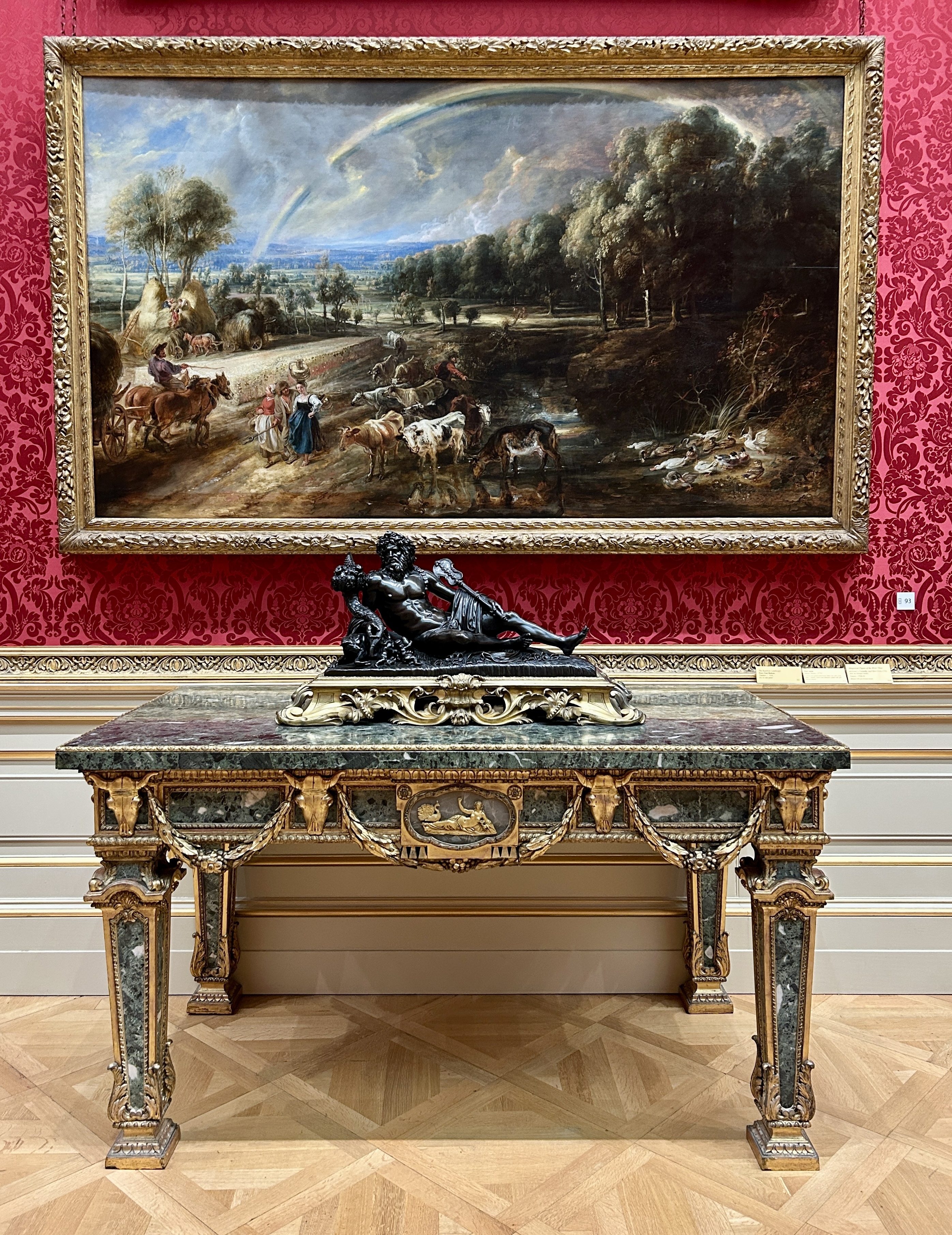
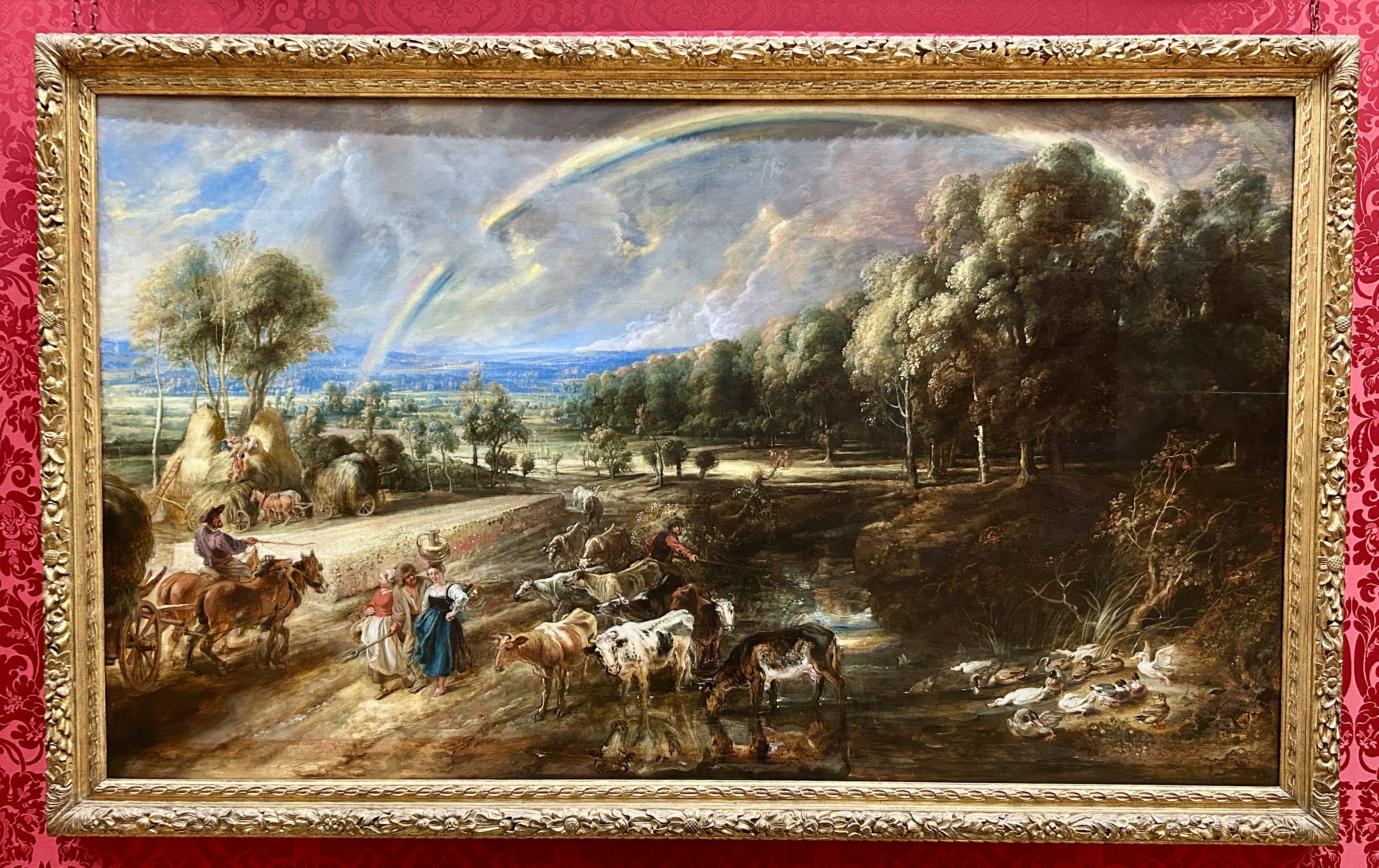
The Rainbow Landscape by Peter Paul Rubens
I had to look this one up since I don't recall every seeing an historic painting with a rainbow. Apparently, Rubens almost never painted landscapes but when he did, he kept them in his personal collection. 🌈
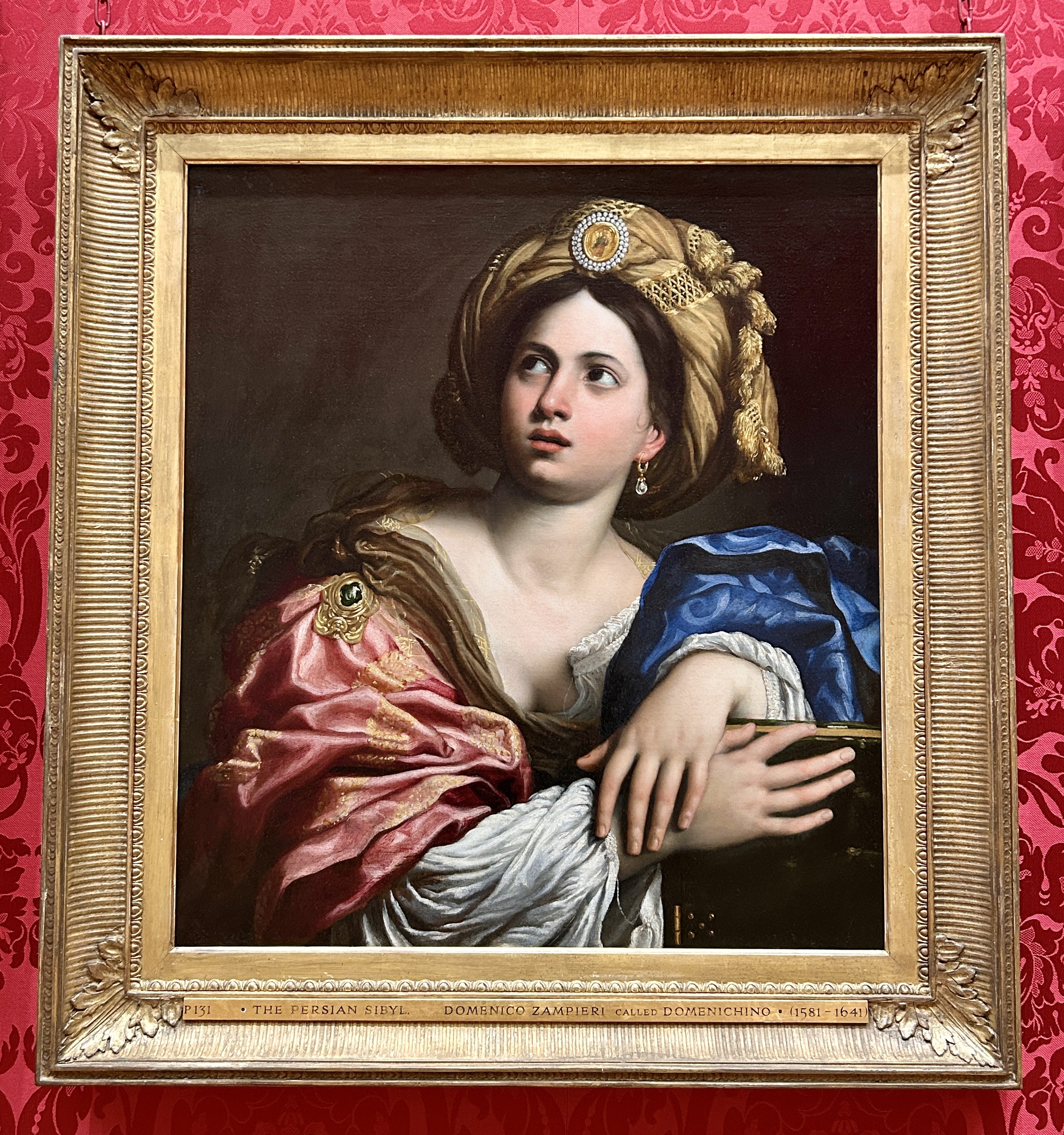
The Persian Sibyl by Domenichino
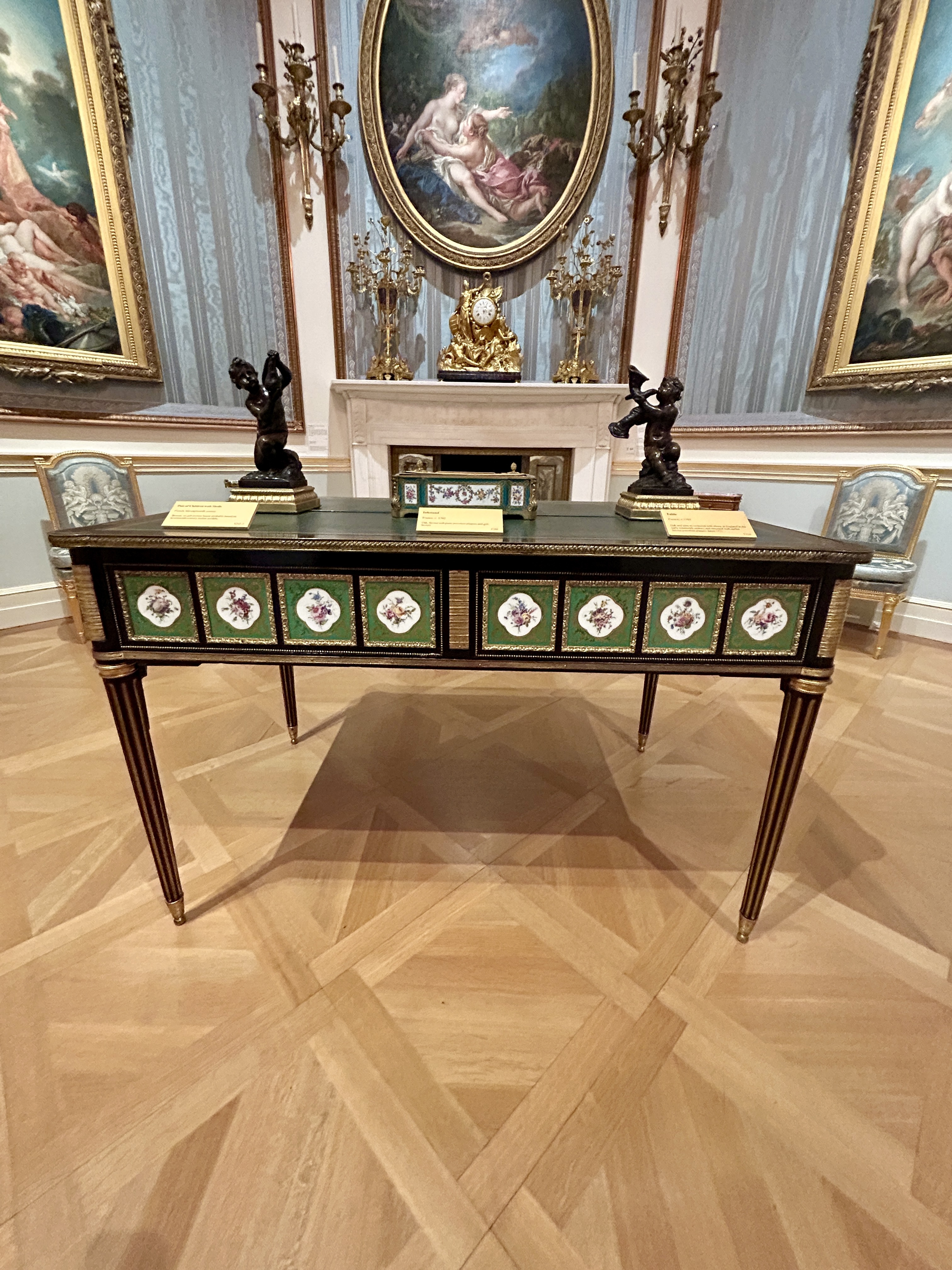
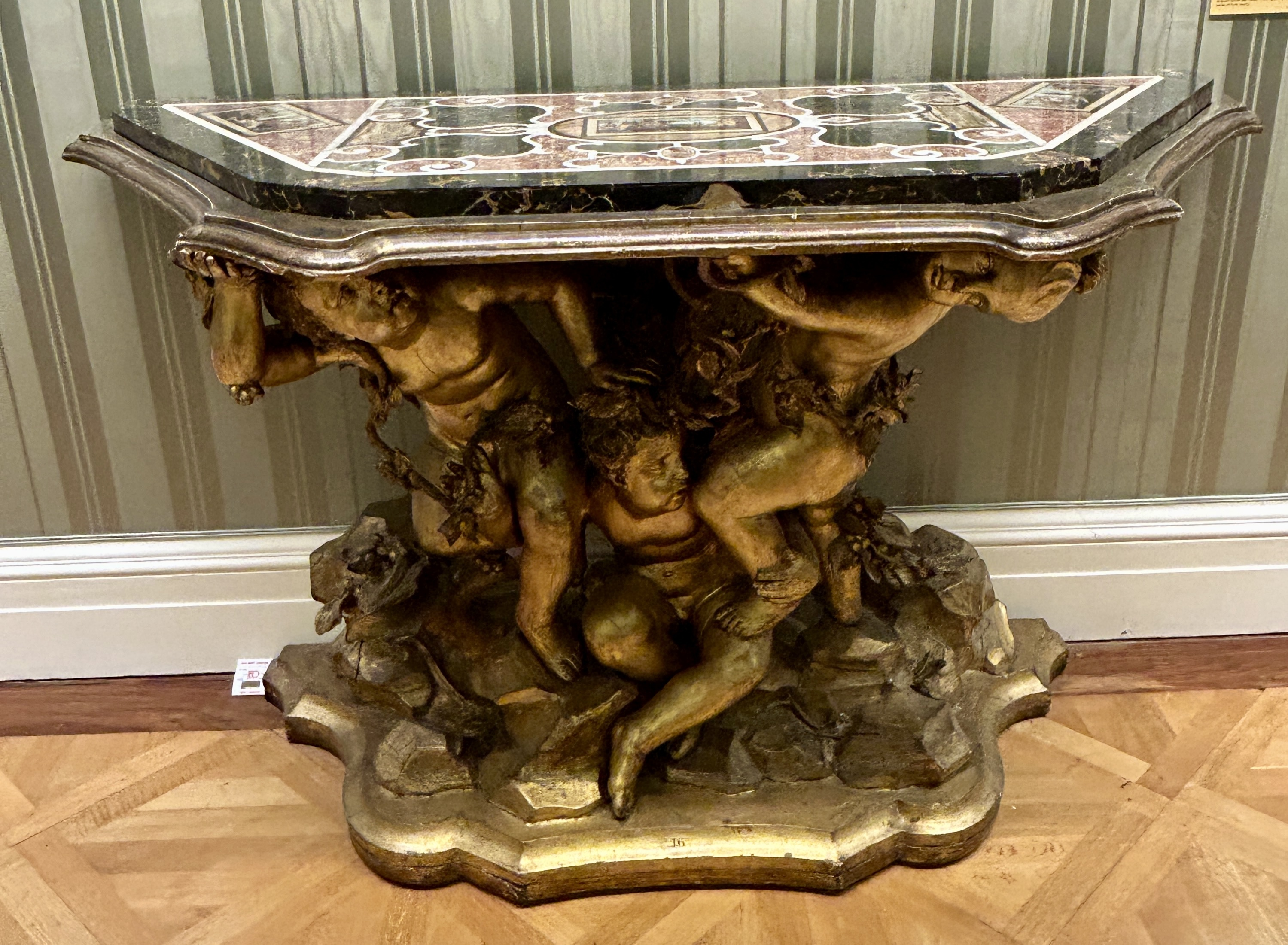
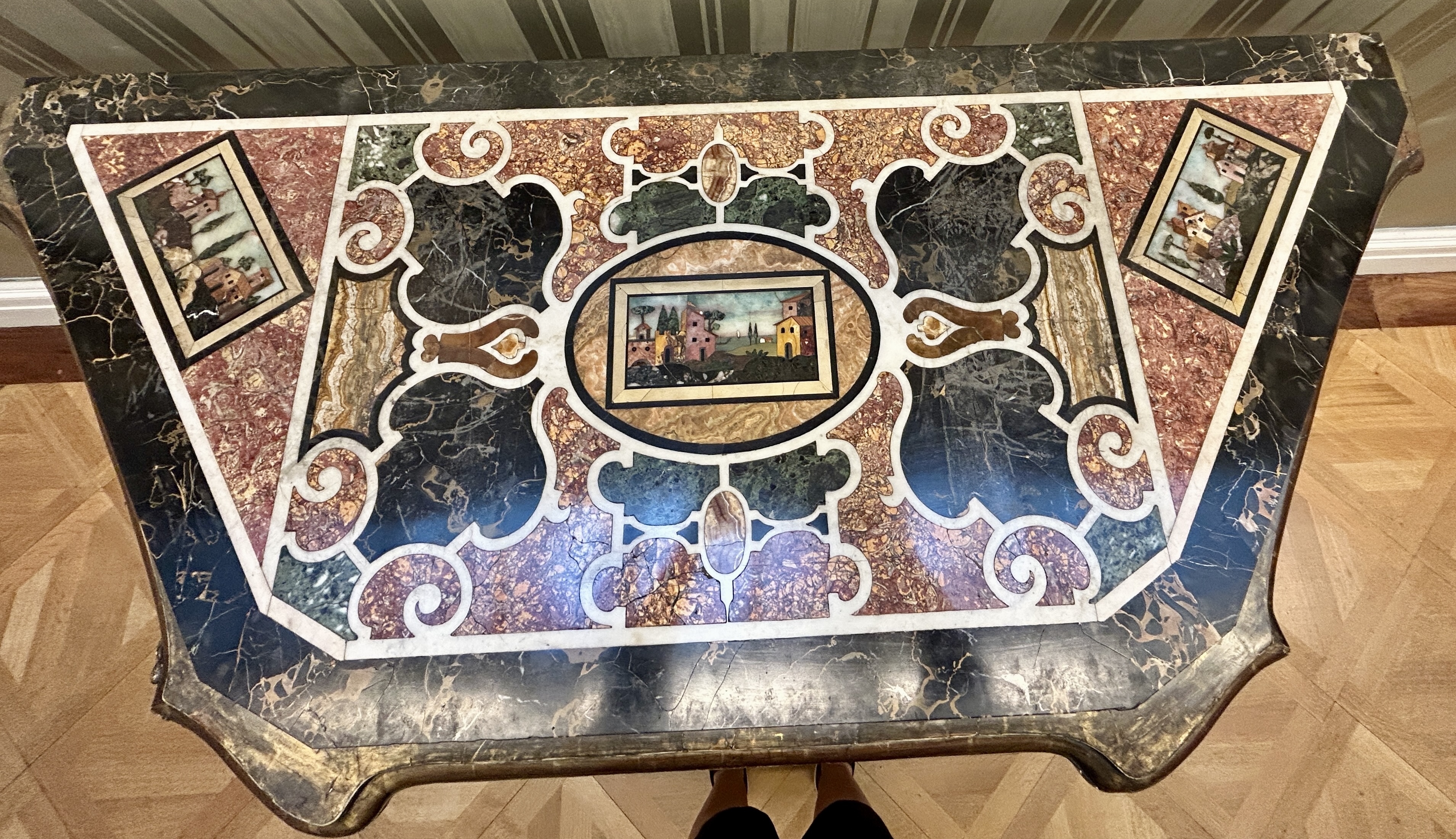
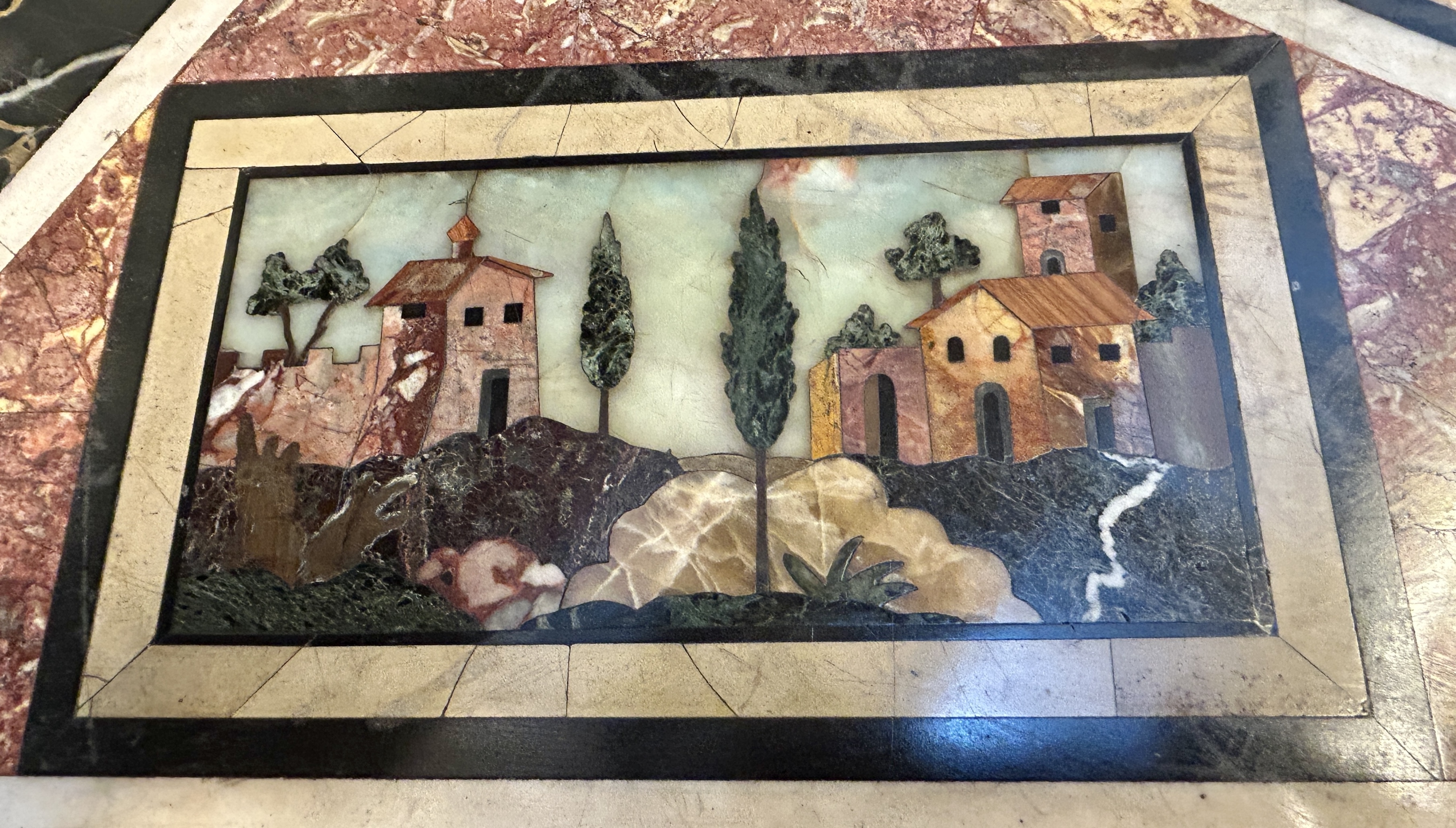
I had to stop and think about this several times - how much effort and time did it take to create this?!?! True artisans who were supported in their craft. 💪
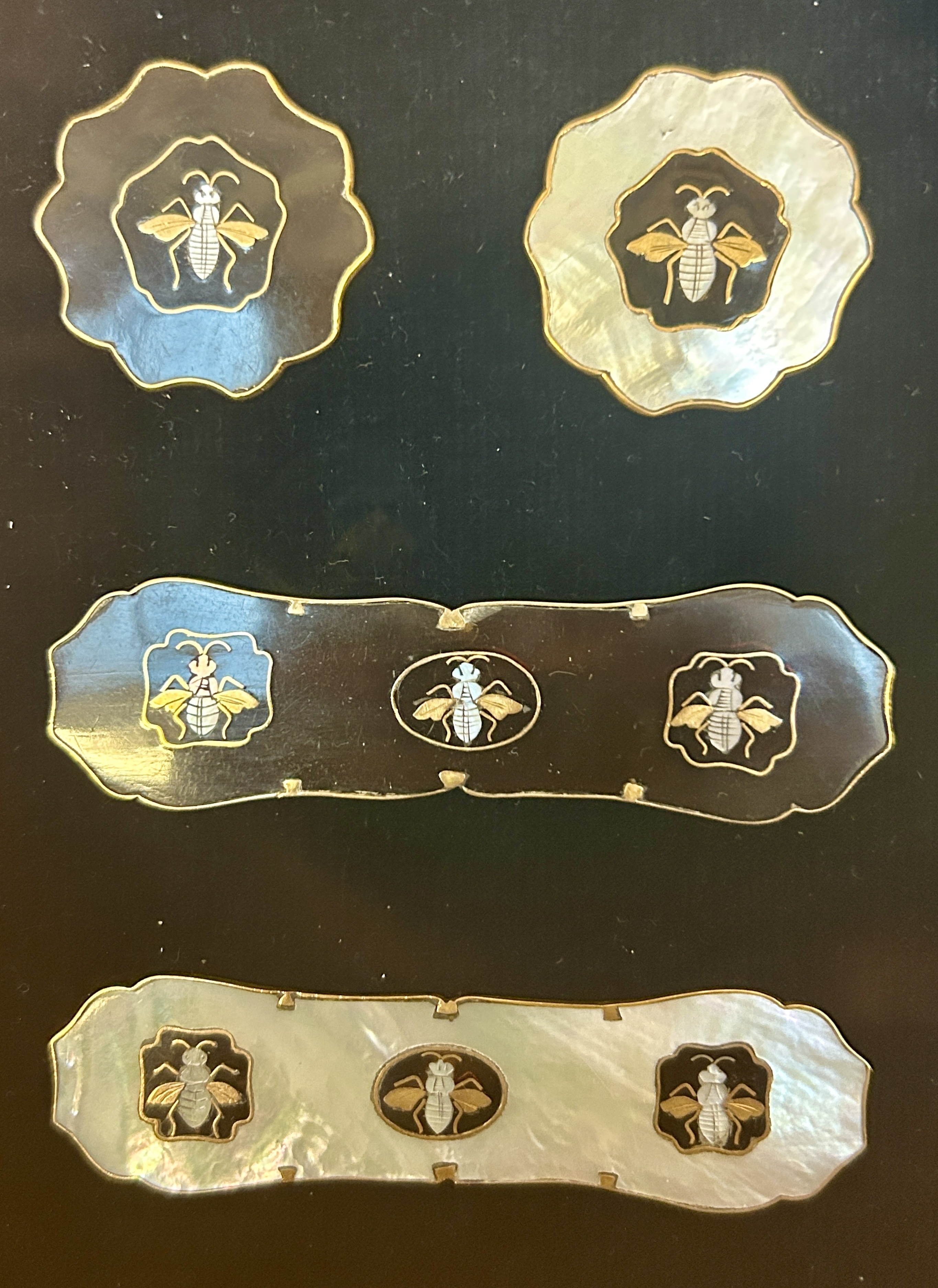
These game pieces from 1804 - 1815 were thought to be associated with Napoleon due to his imperial sign of the bee. There were quite special. 🐝
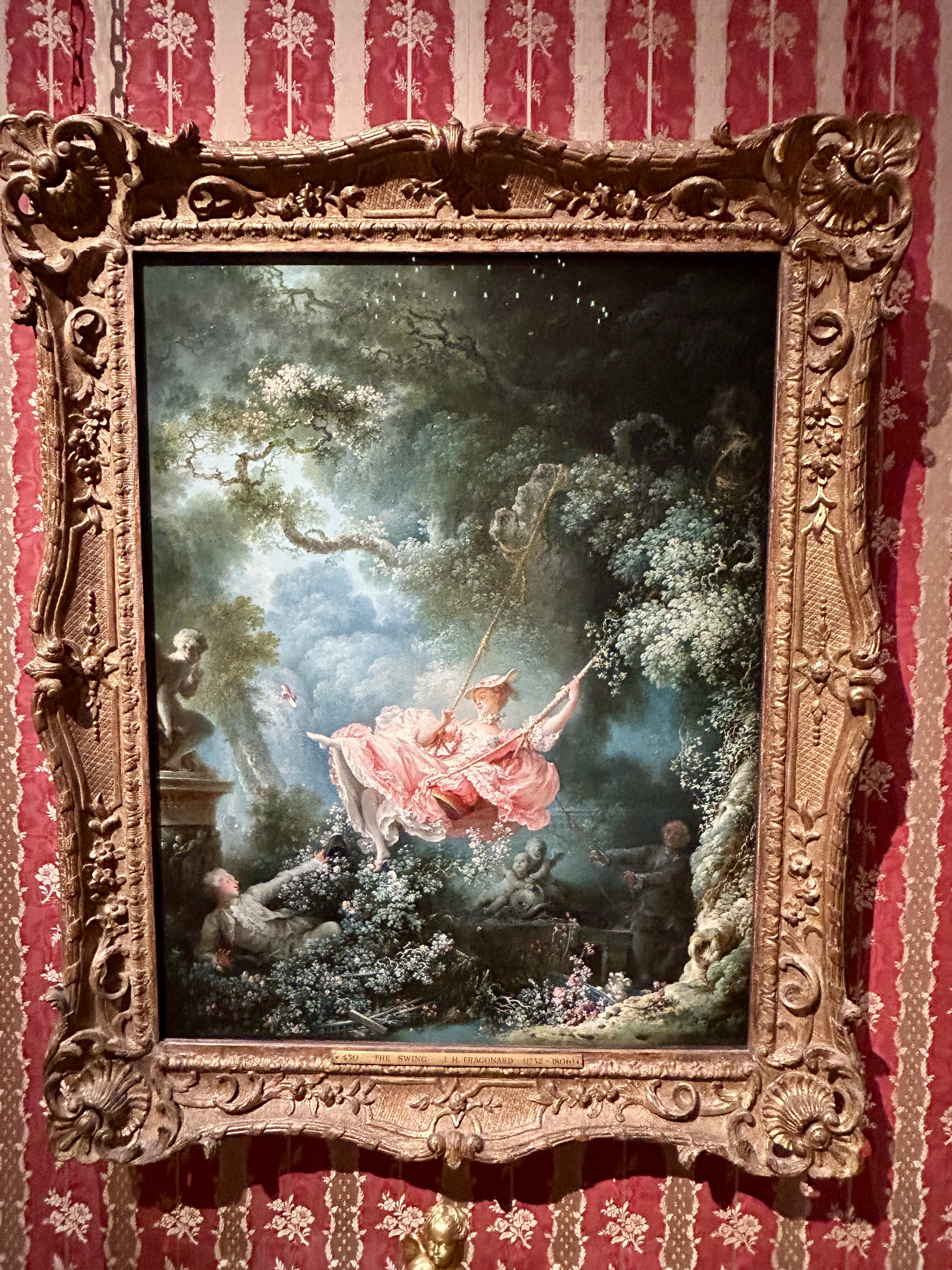
The Swing by Jean-Honoré Fragonard (a saucy story). 👗
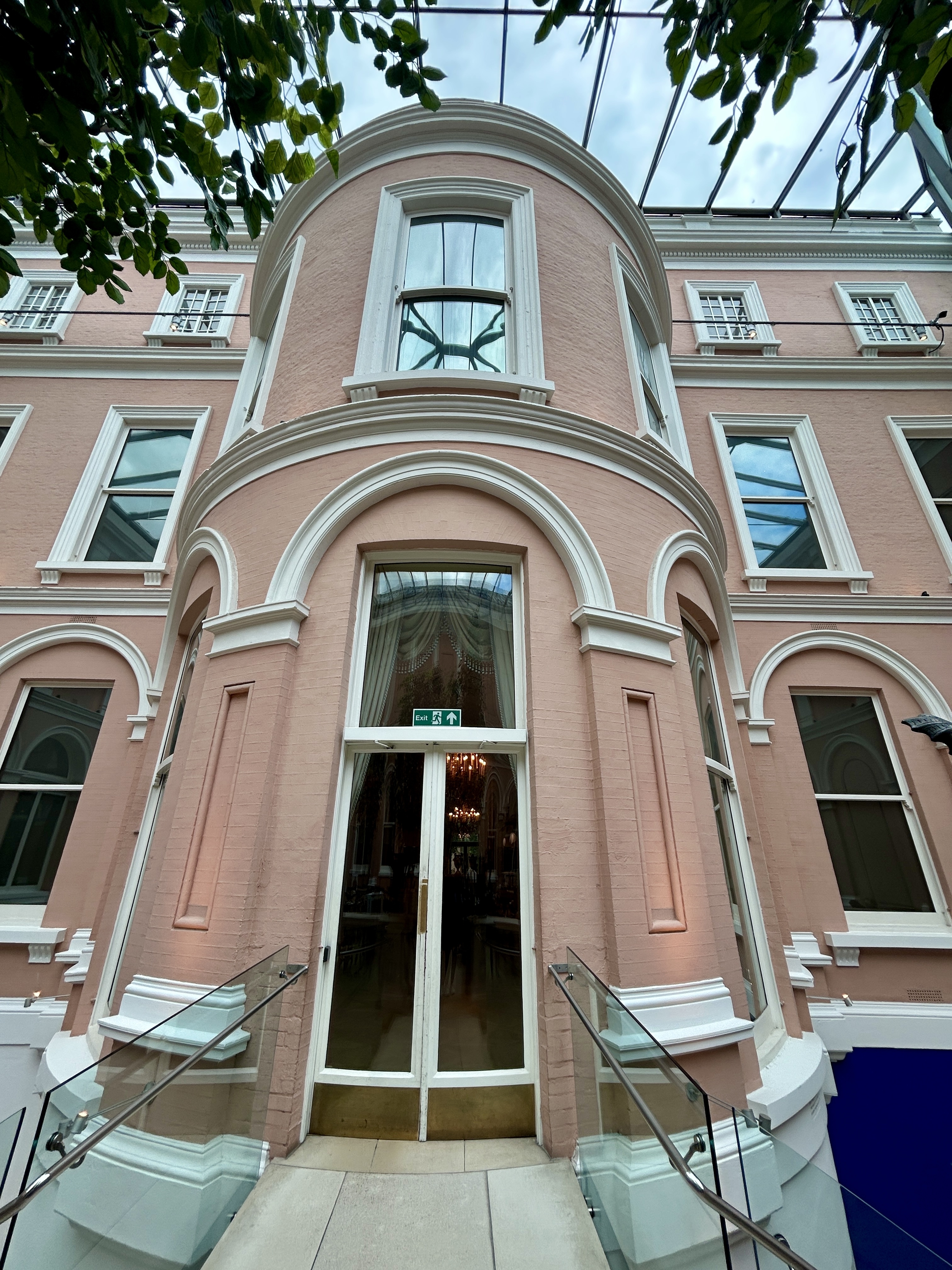
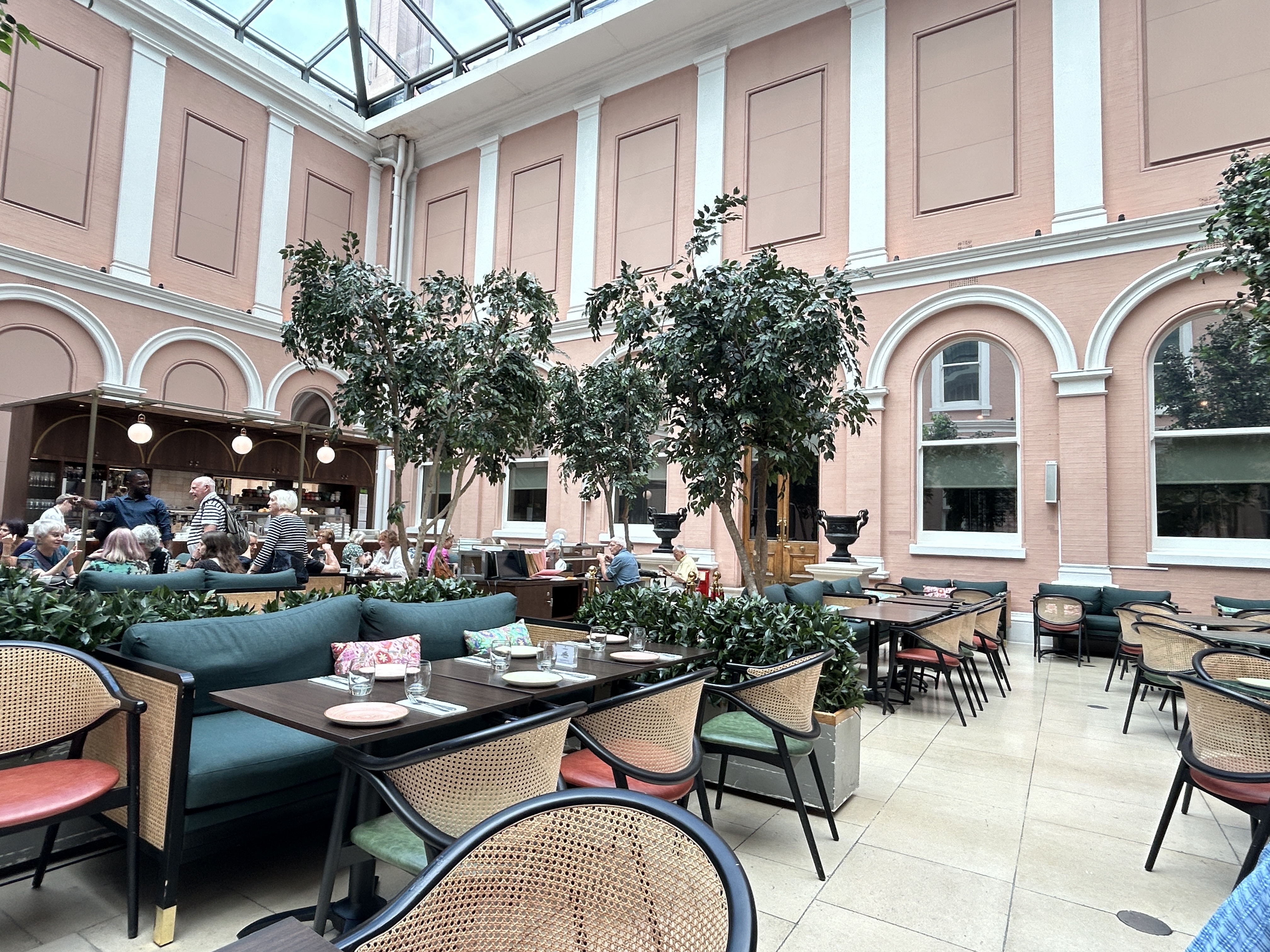
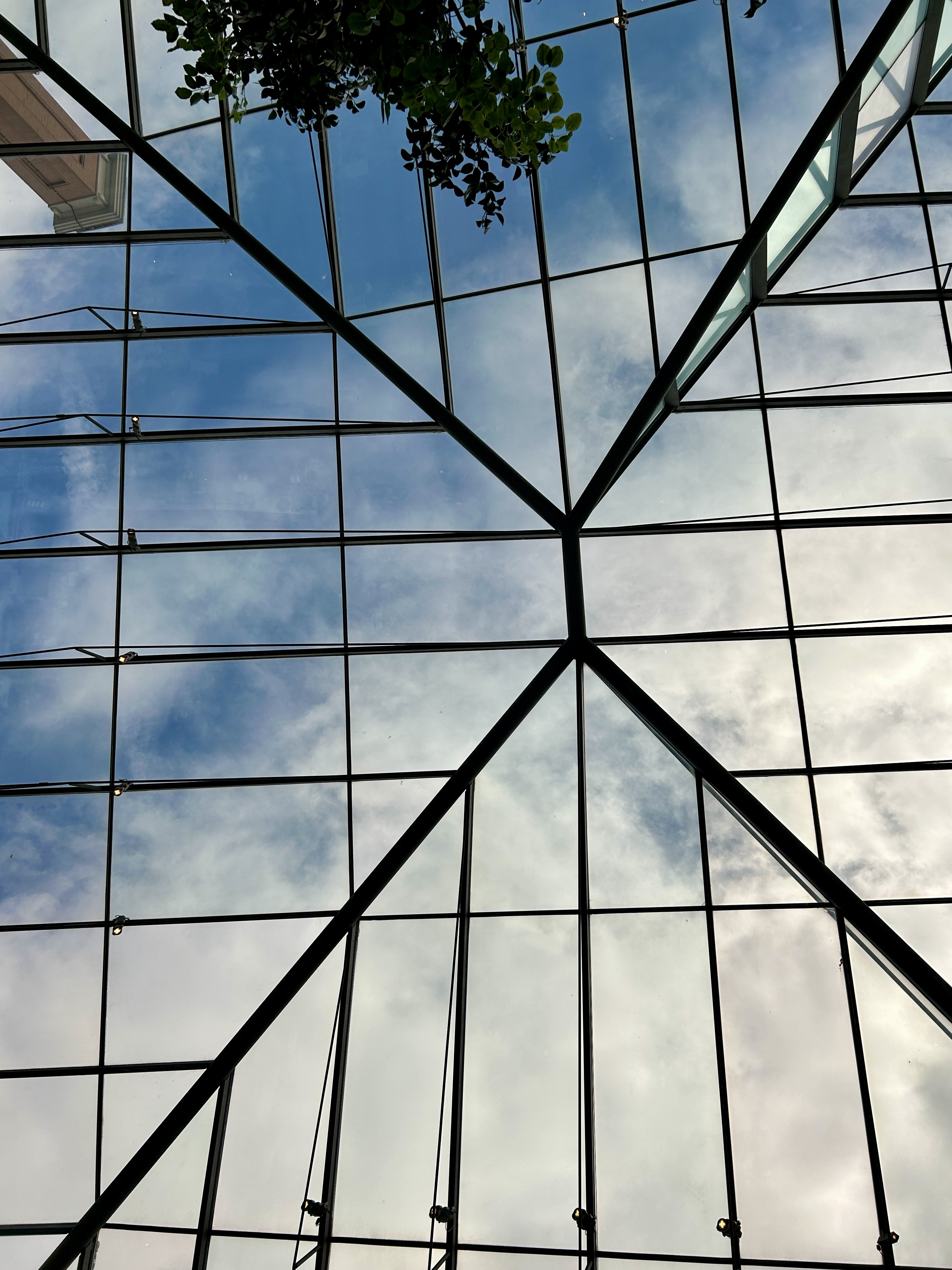
The courtyard in the middle of the home was converted to a restaurant with a glass ceiling. We enjoyed a lovely lunch there before starting our tour. I think that I would end there next time. A great place to review all the treasures seen during the visit. 👀
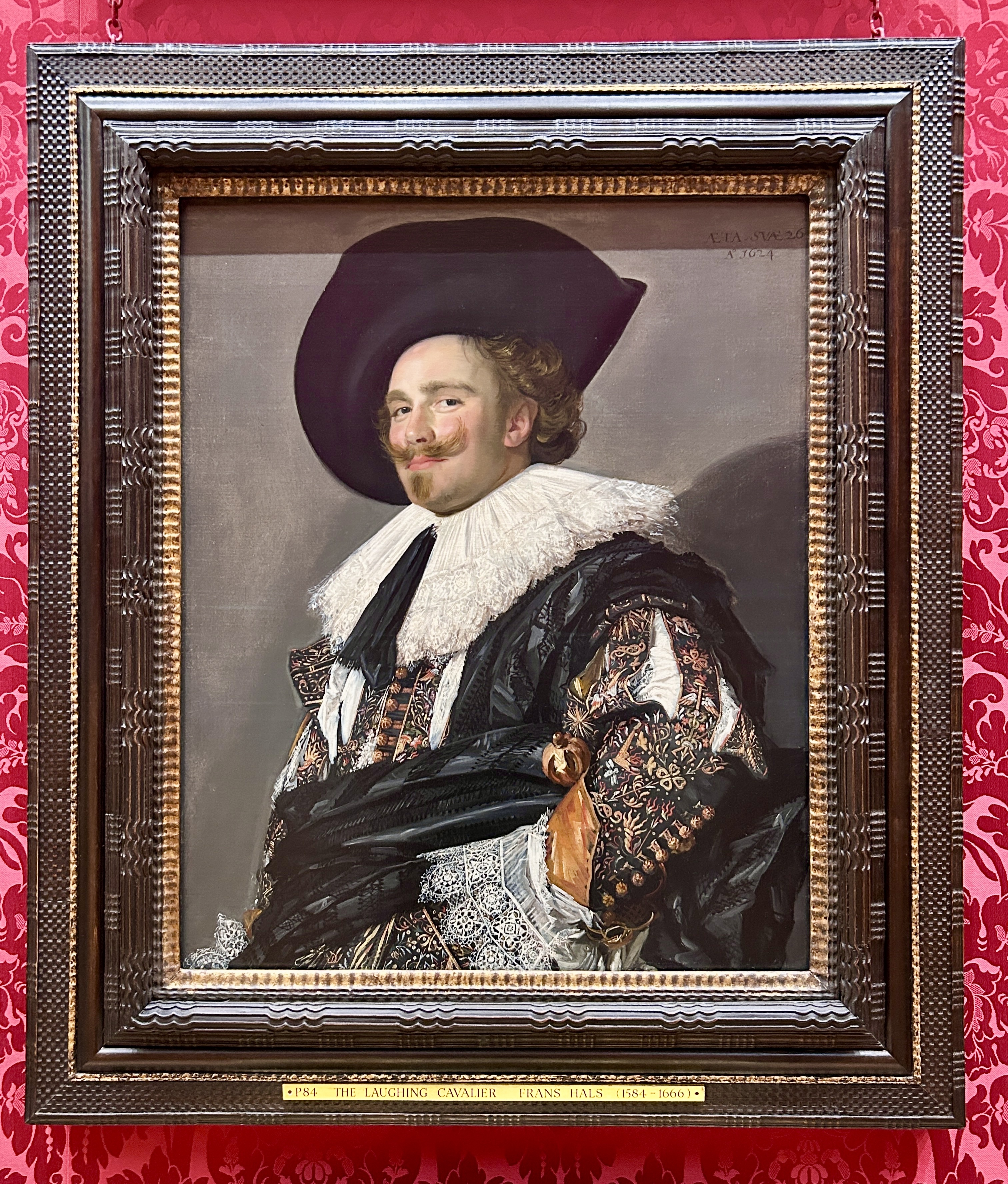
The Laughing Cavalier by Frans Hals 1624
I saved the best for last ... I spent more time looking and learning about this painting than any other. I don't know why but it really drew me in. The expression was unusual and the painting itself seemed as if it was completed much more recently than 401 years ago.
A highly gifted portraitist, Frans Hals had a supreme ability to characterise his sitters and make them appear lifelike. This exuberant portrait of a young man, aged 26, wearing a flamboyant costume is his most famous painting. The man’s confident pose with his left hand on his hip, upturned hat and moustache, and coy expression, imbue the portrait with a unique vitality. The black sash is particularly noteworthy as it showcases Hals’s dazzling capacity to paint using a limited colour palette, leading Vincent van Gogh to exclaim that "Frans Hals must have had 27 blacks"!
Here is a 7+ minute video by one of the museum curators if you, too, would like to learn more about this charming painting. 📽️