My grandfather on my father's side, John Leonard Kenna, emigrated from the Isle of Man (IOM) in 1928 and as far as I know, never went back. I used to visit his farmette when I was growing up in New Jersey and he lived with us when I was in high school in Austin but did I ever talk to him about his journey? Nahhhhh ... what a mistake that was. 😞
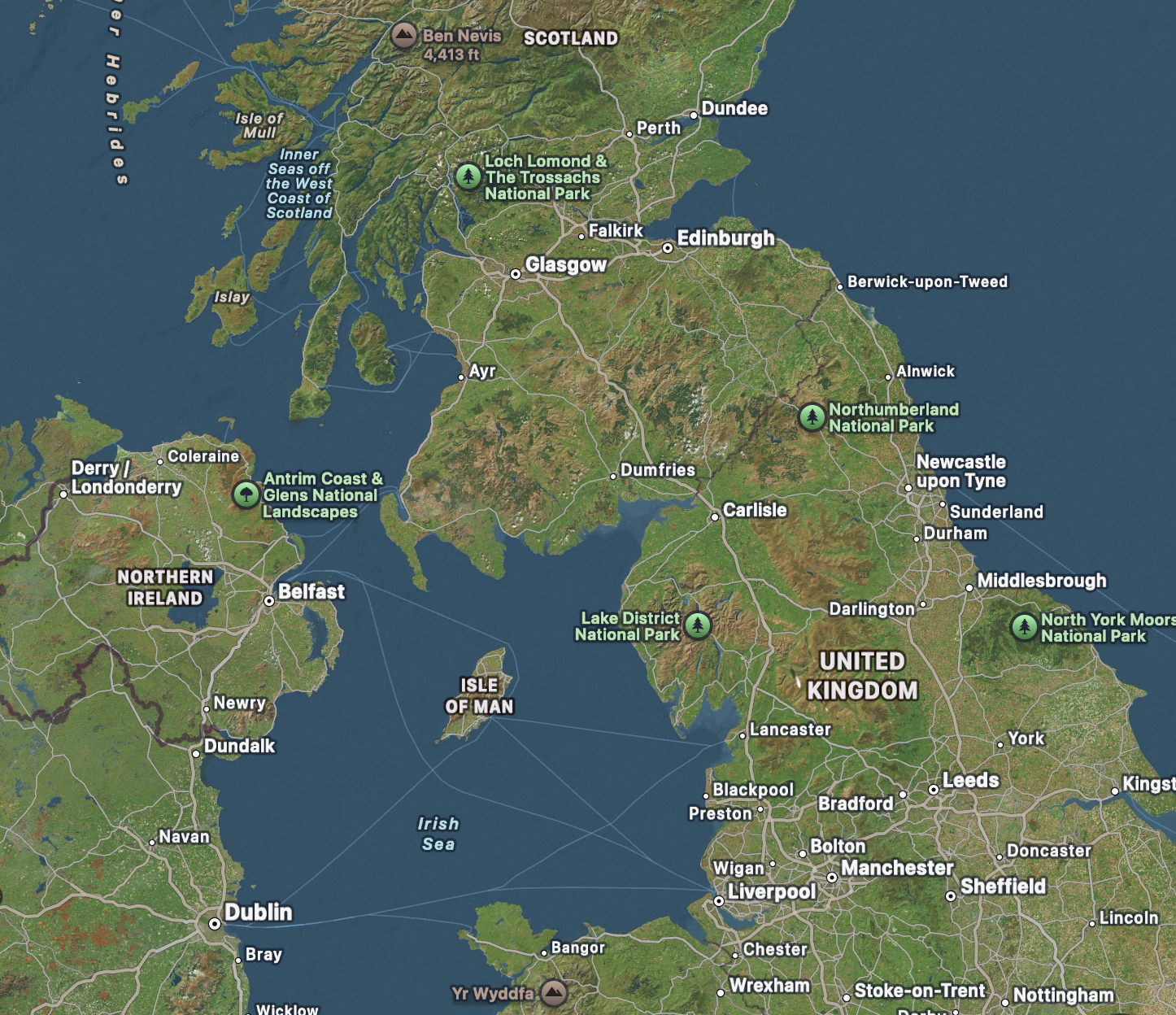
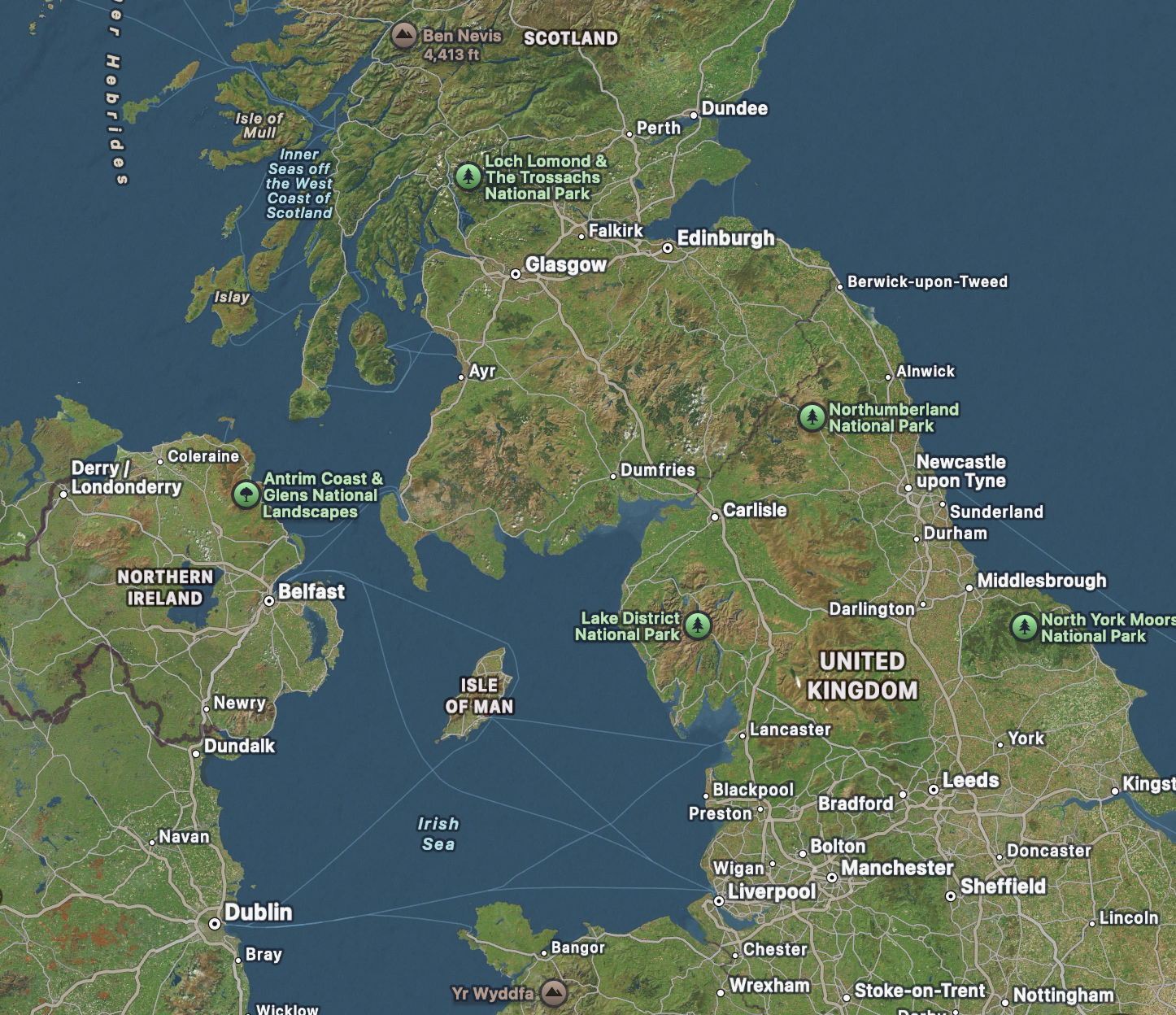
I had always wanted to visit to see if I could learn more about that part of my family so we made a plan to go while we were in the UK. Where (and what) is the Isle of Man? It is the center of the British Isles. 🗺️
The Isle of Man had become physically separated from Great Britain and Ireland and it appears that colonisation took place by sea sometime during the Mesolithic era (about 6500 BC).The island has been visited by various raiders and trading peoples over the years. After being settled by people from Ireland in the first millennium AD, the Isle of Man was converted to Christianity and then suffered raids by Vikings from Norway. After becoming subject to Norway as part of the Kingdom of Mann and the Isles, the Isle of Man later became a possession of the Scottish and then the English crowns.
Since 1866, the Isle of Man has been a Crown Dependency and democratic self-government.
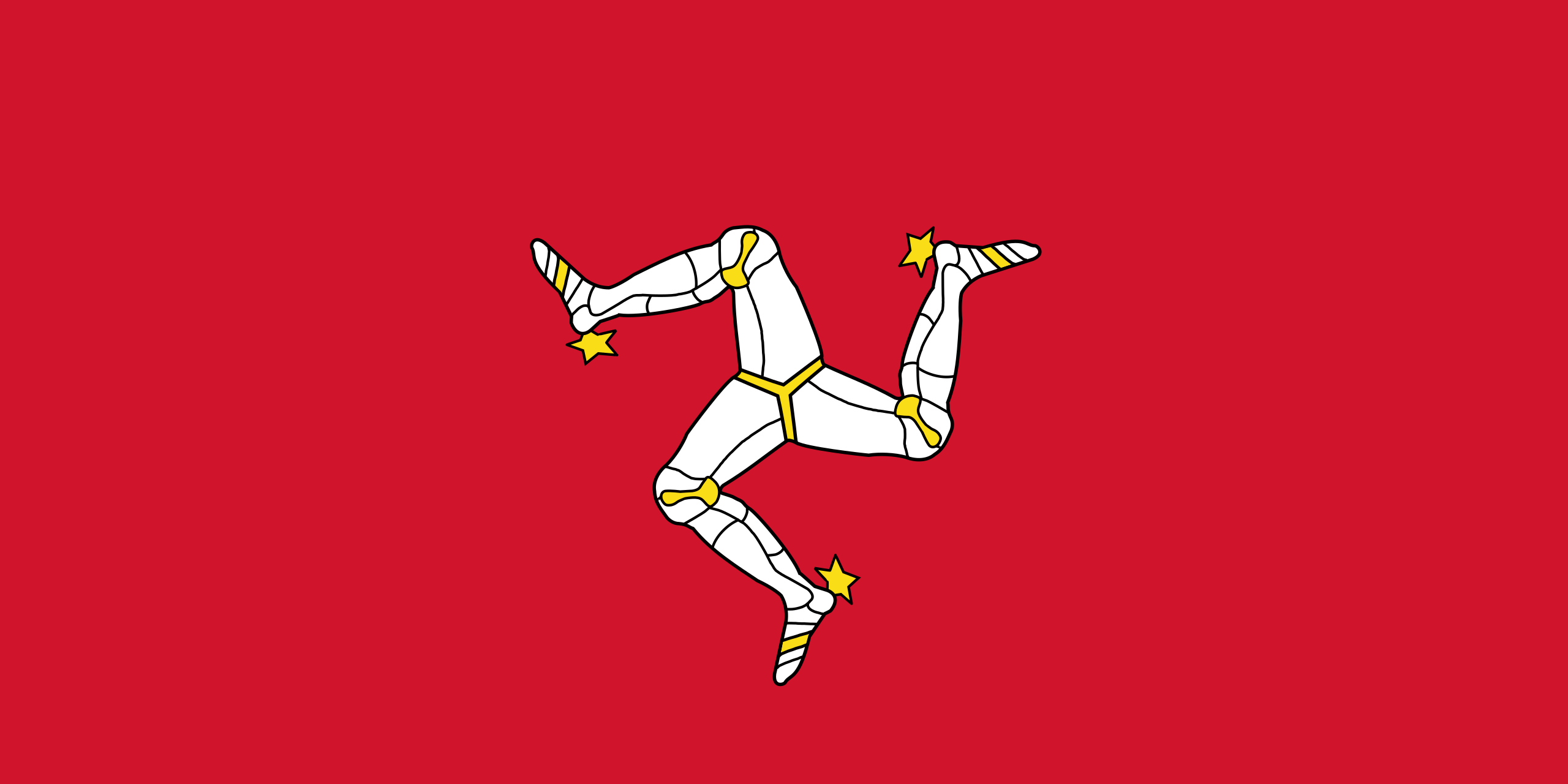
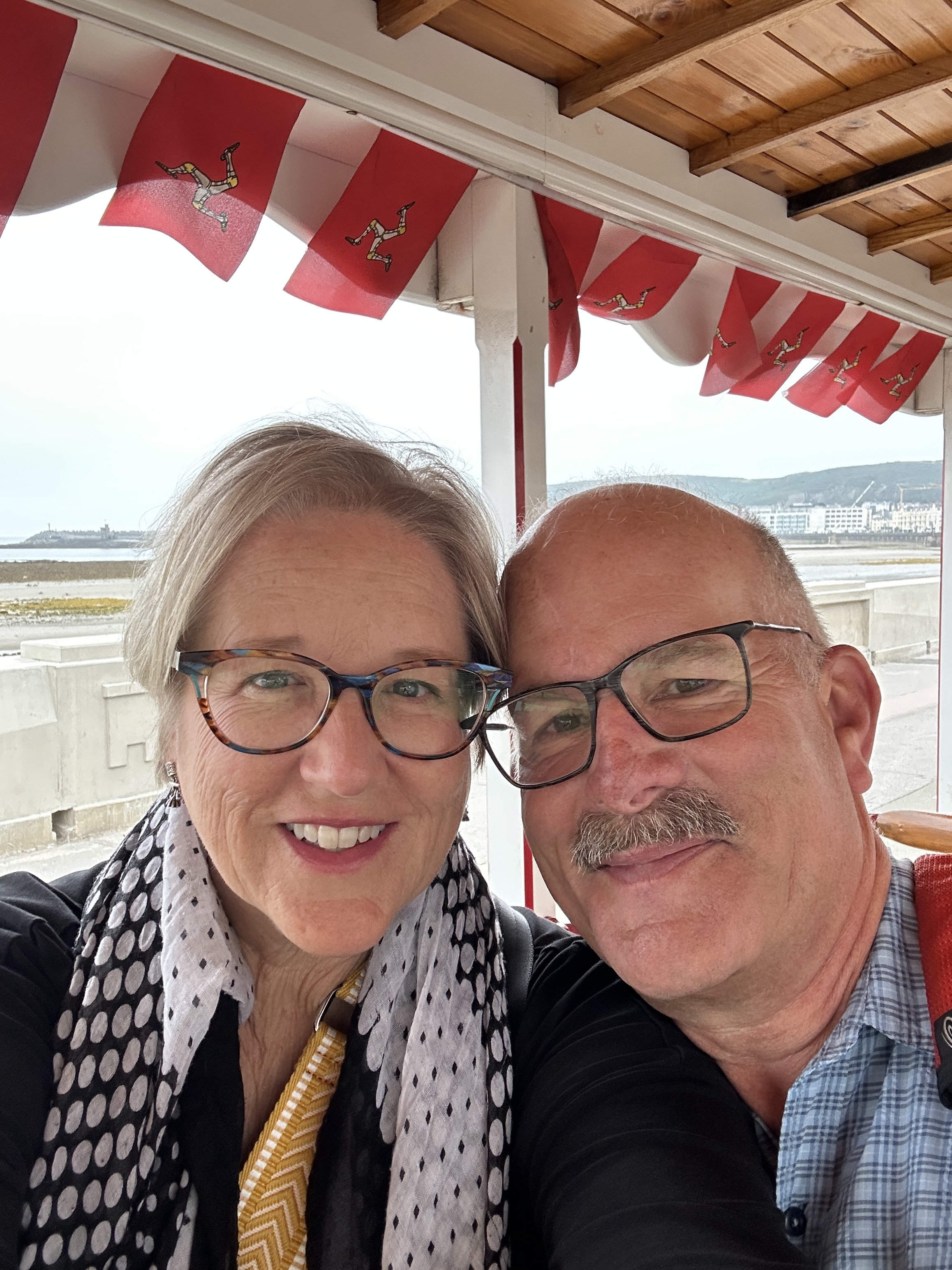
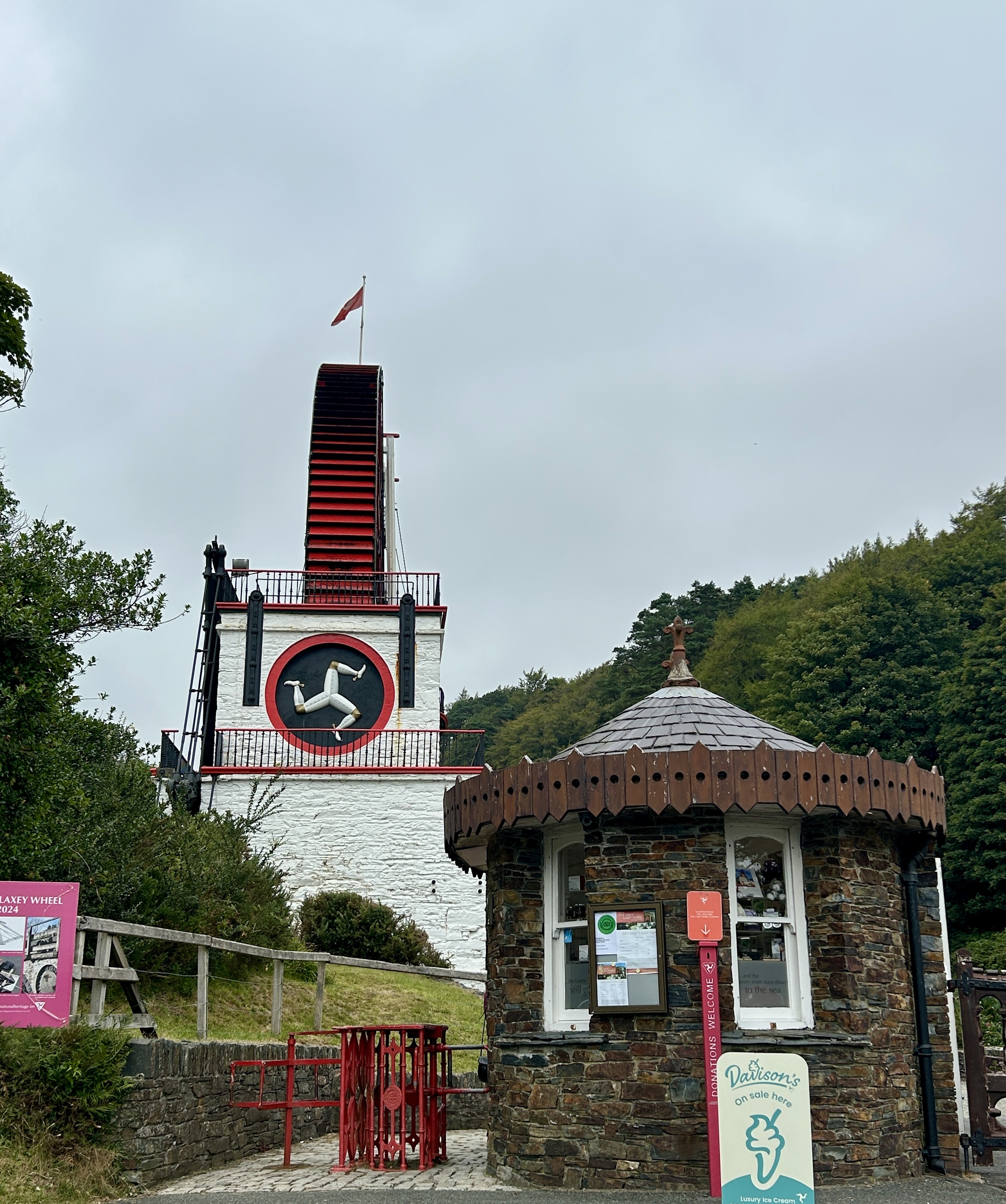
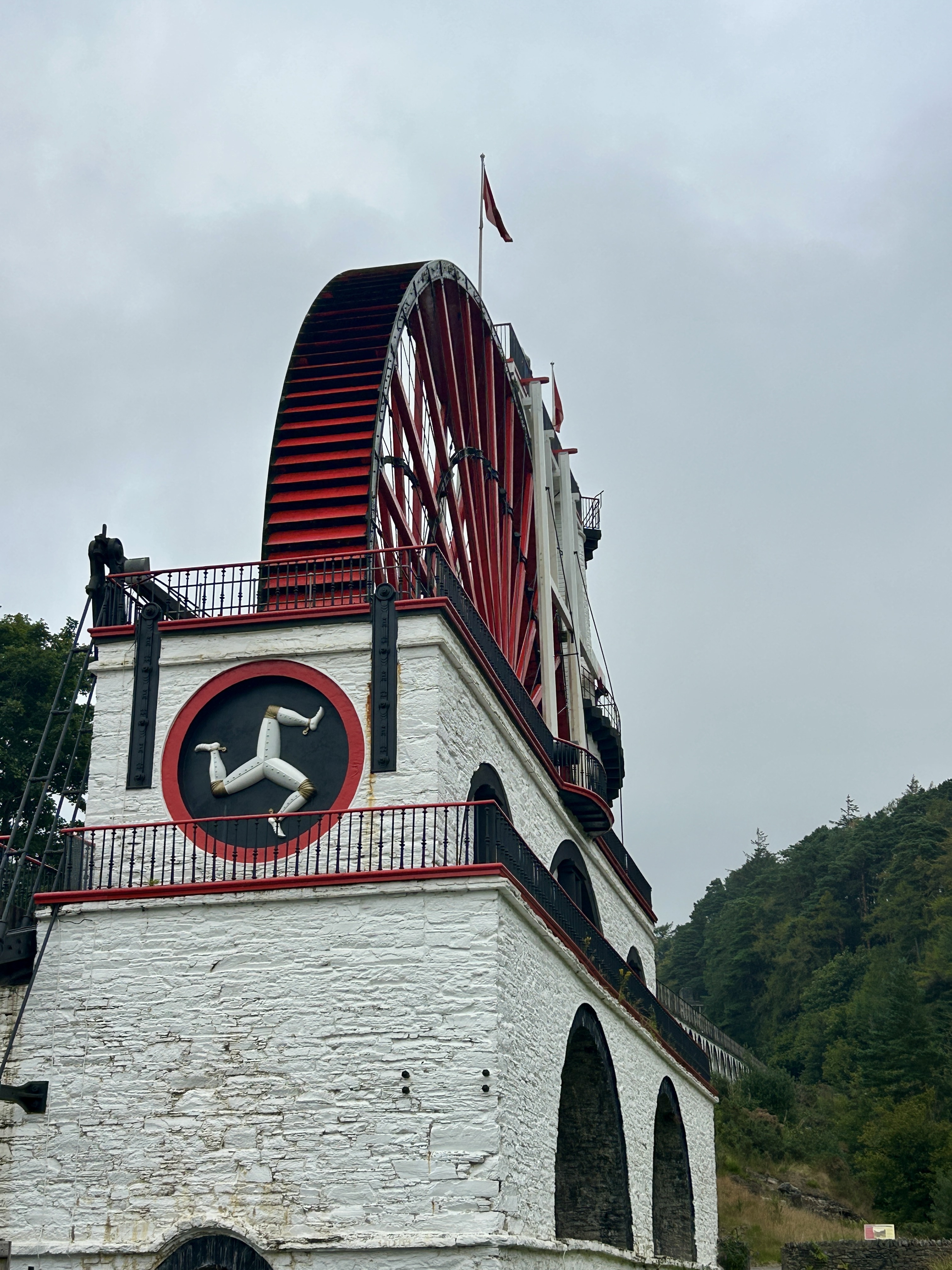
The flag of the Isle of Man is a triskelion, composed of three armoured legs with golden spurs, upon a red background. It has been the official flag of the Isle of Man since 1 December 1932 and is based on the Manx coat of arms, which dates back to the 13th century.
The three legs are known in Manx as ny tree cassyn 'the three legs'.
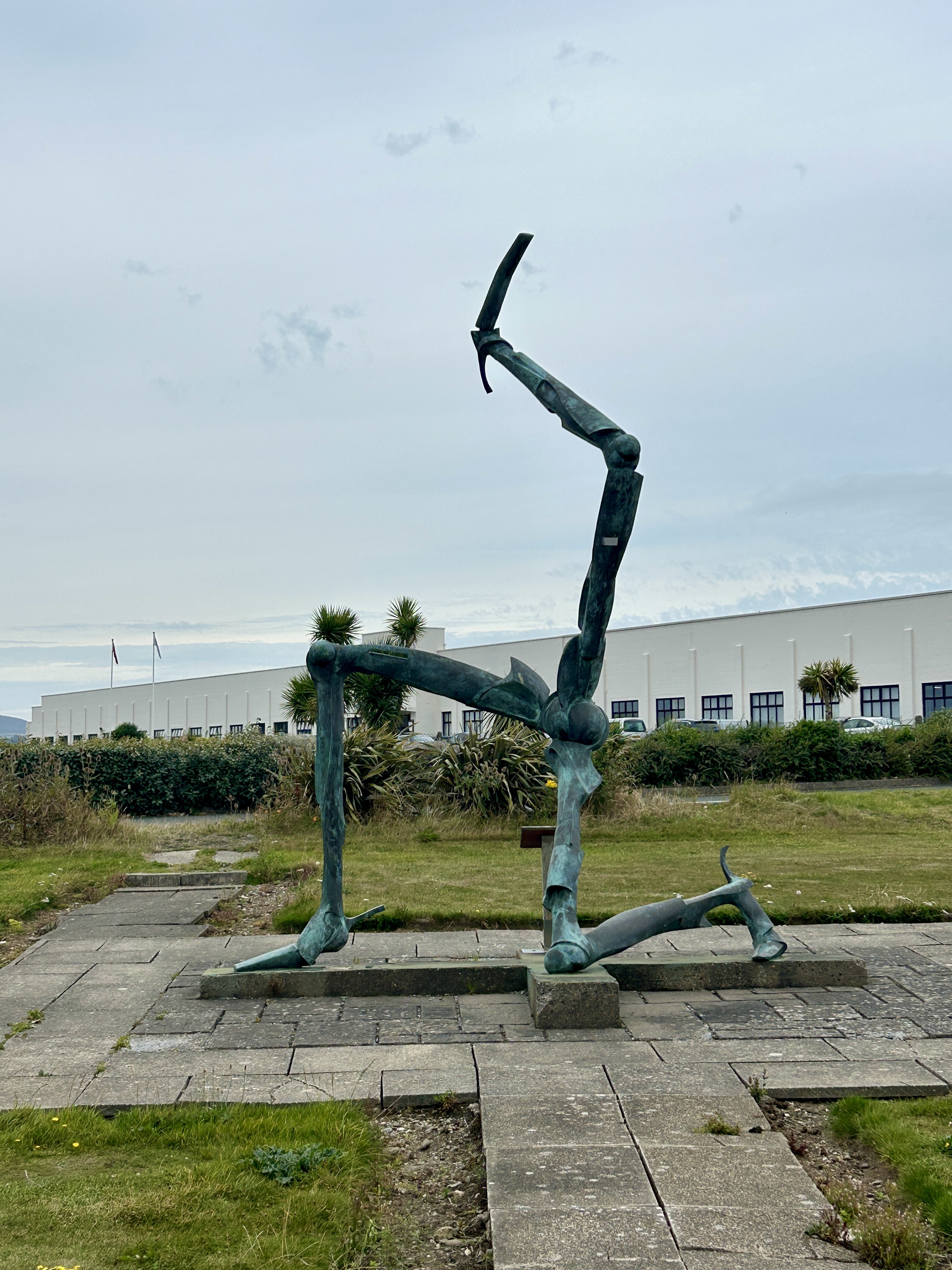
We landed at the island's only airport on August 11th where there was a triskelion sculpture.
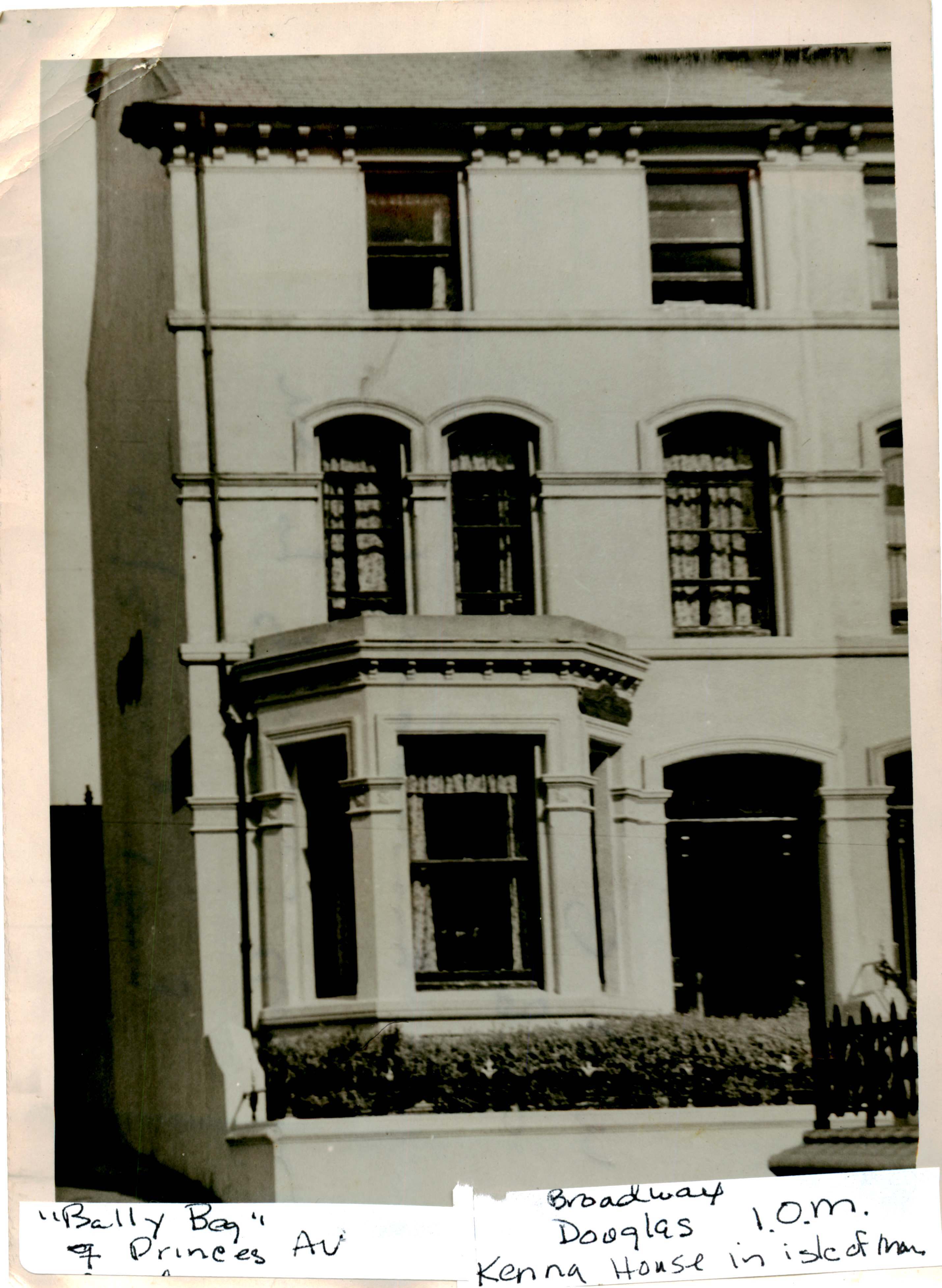
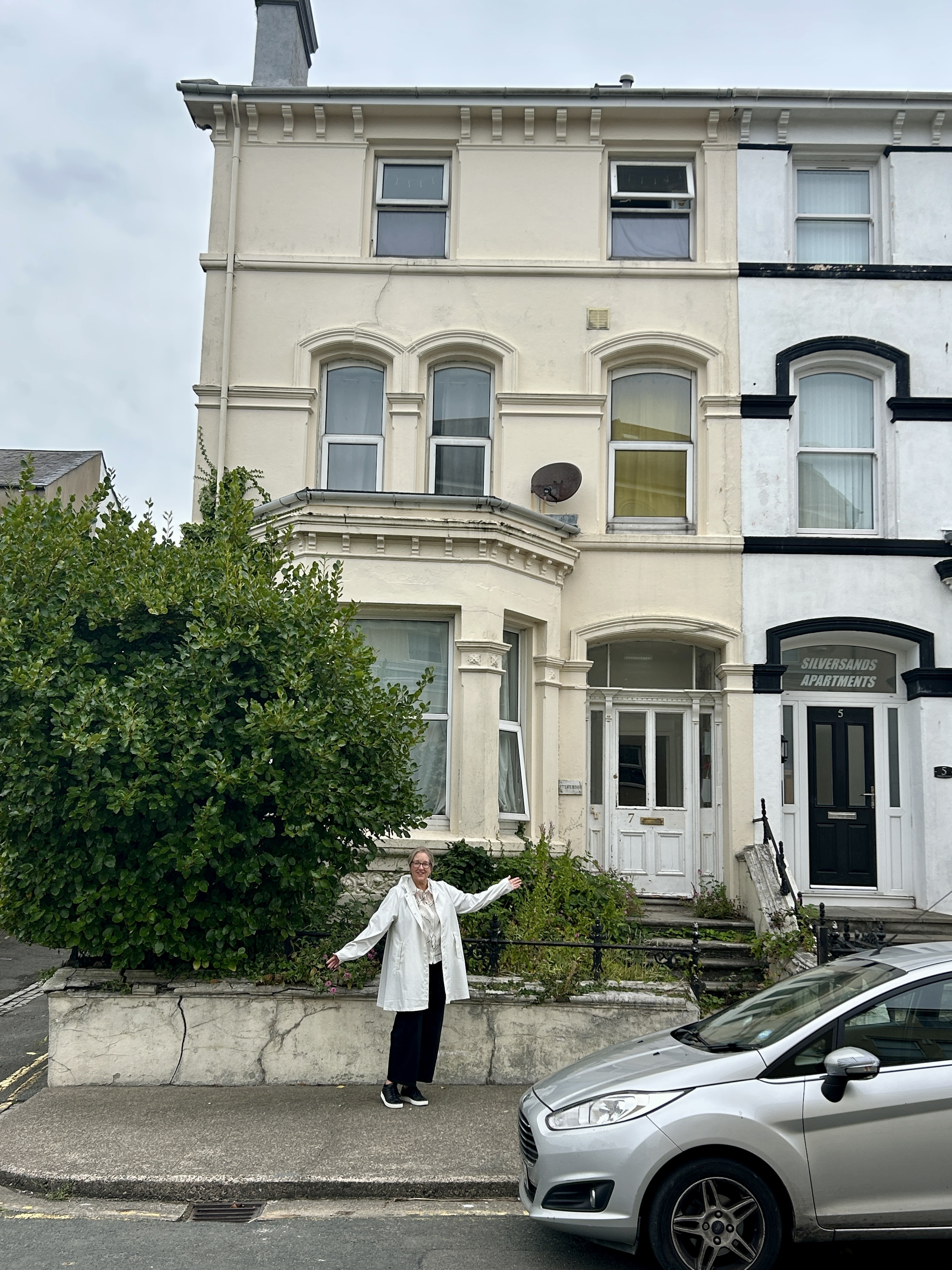
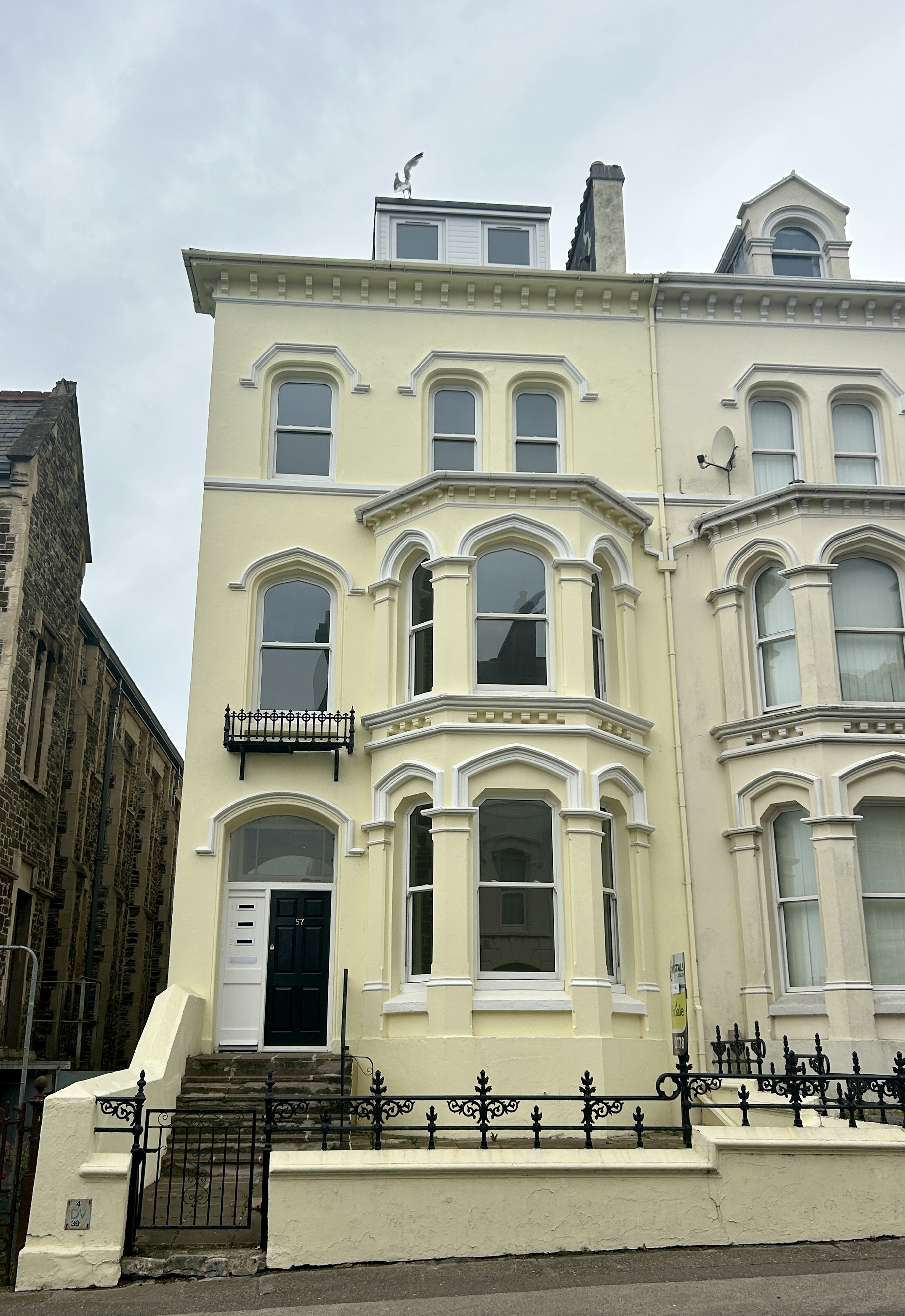
We visited one of my grandfather's former homes on Princes Avenue in Douglas (family photo on the left). After some research, I found out that it was sold in 1998 and turned into flats. Unfortunately, it was in decline. ☹️
During the 19th century, the Isle of Man underwent significant economic and social transformation. The rise of tourism became a defining feature of the island’s economy. With the introduction of steamship services in the early 1800s, thousands of visitors from industrial cities like Liverpool and Manchester flocked to the island for seaside holidays. Resorts in Douglas, Ramsey, and Port Erin flourished, offering entertainment, promenades, and grand hotels. The Isle of Man became known as the "Holiday Isle," attracting Victorian and Edwardian tourists seeking a retreat from urban life.
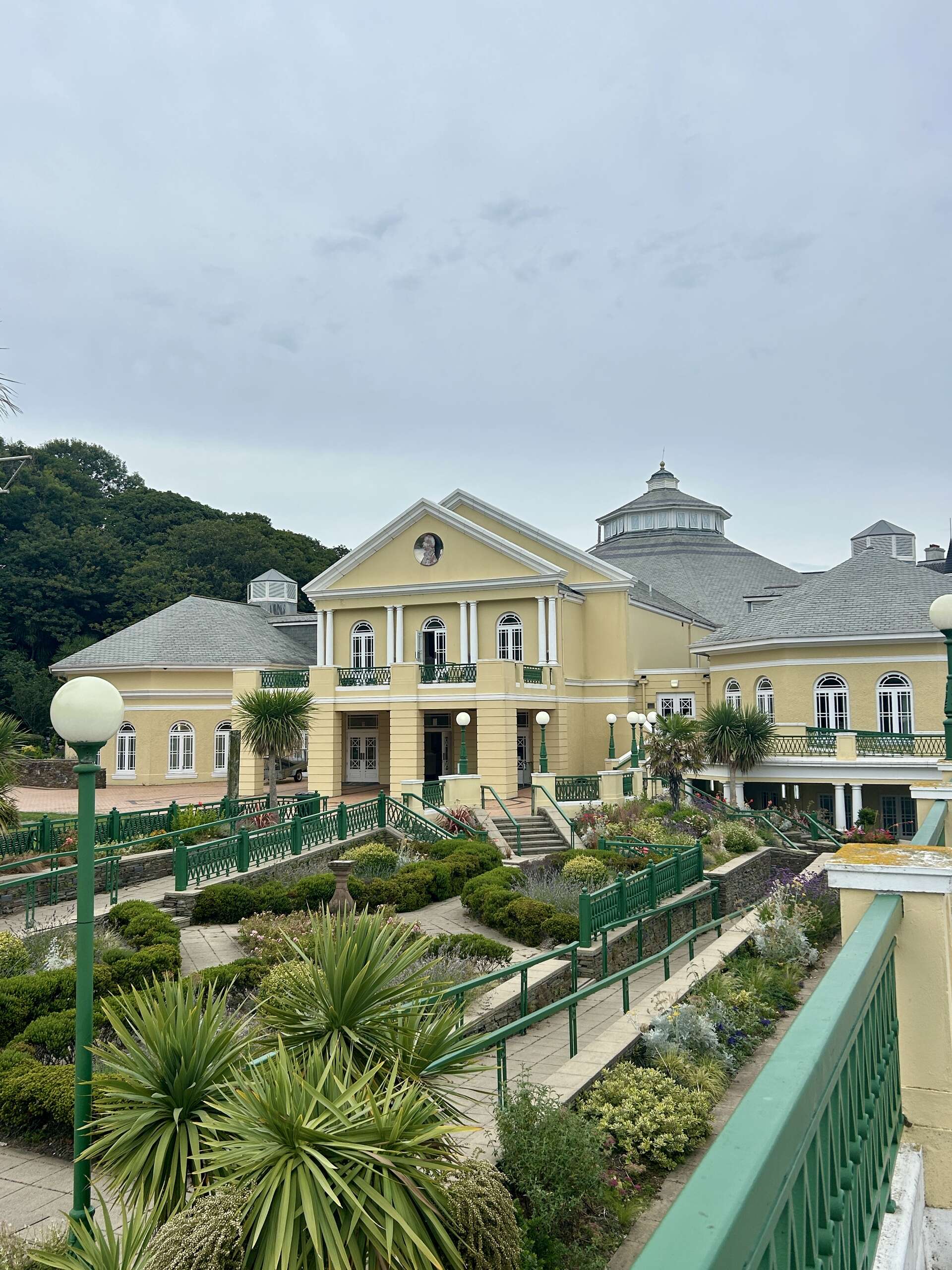
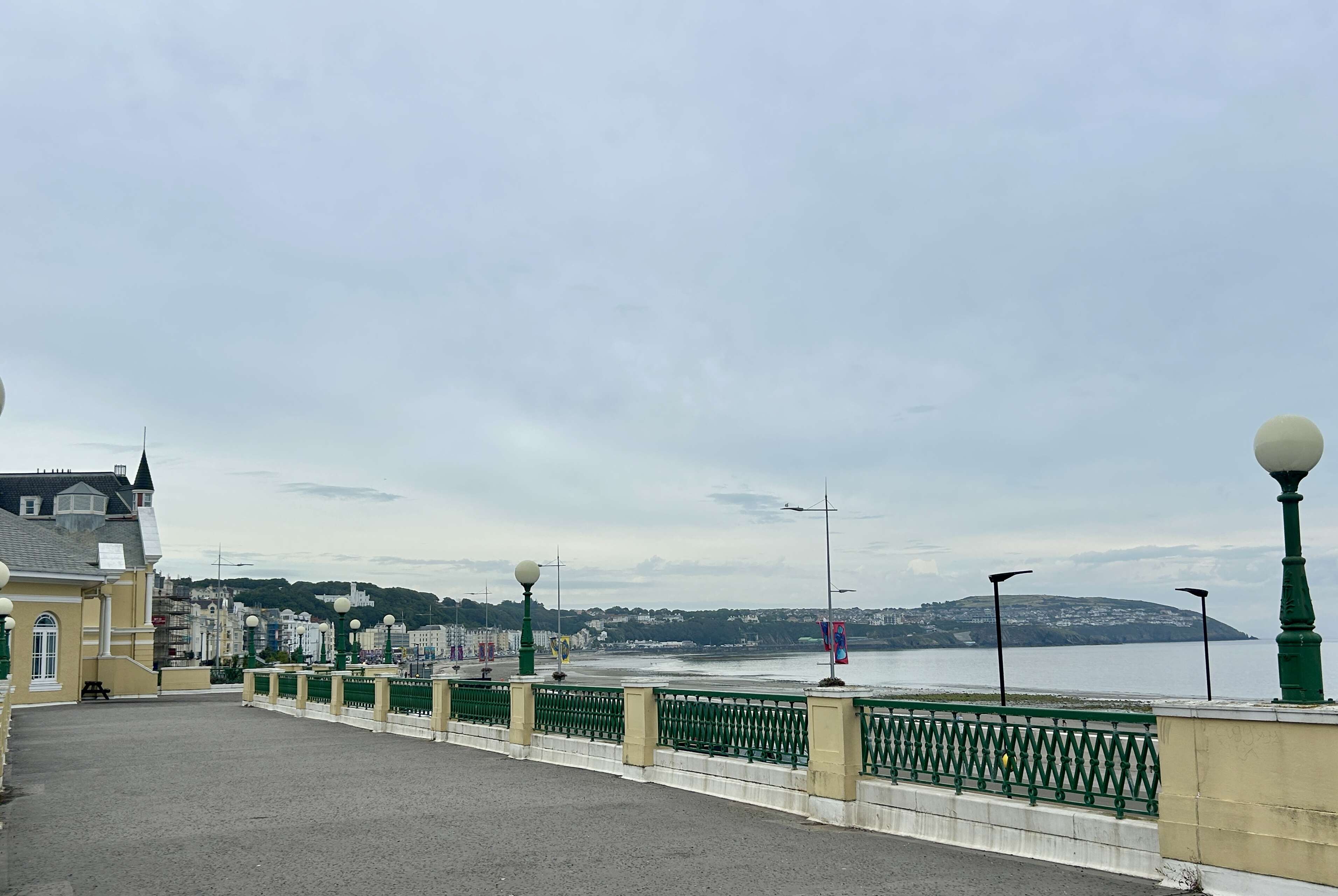
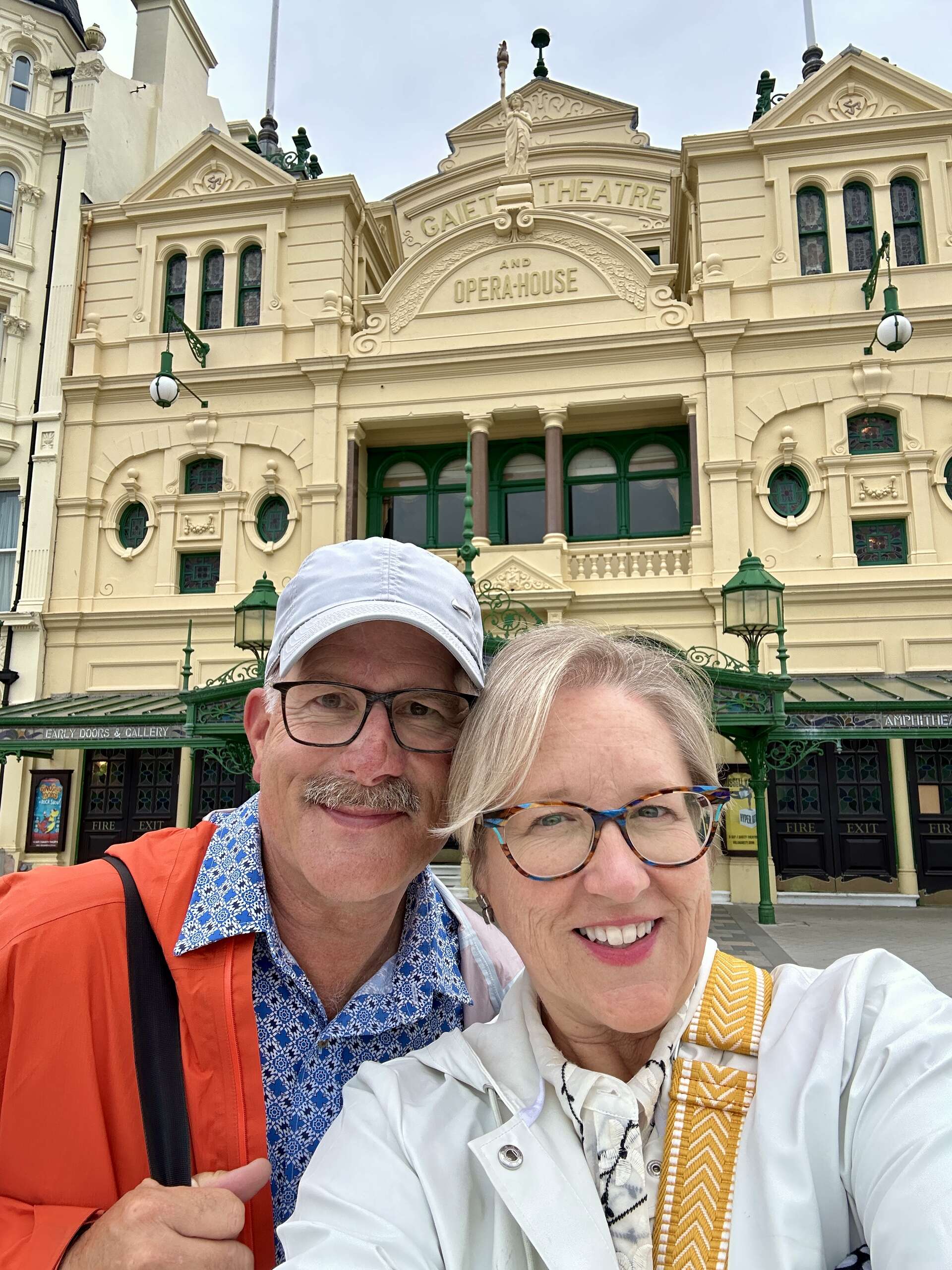
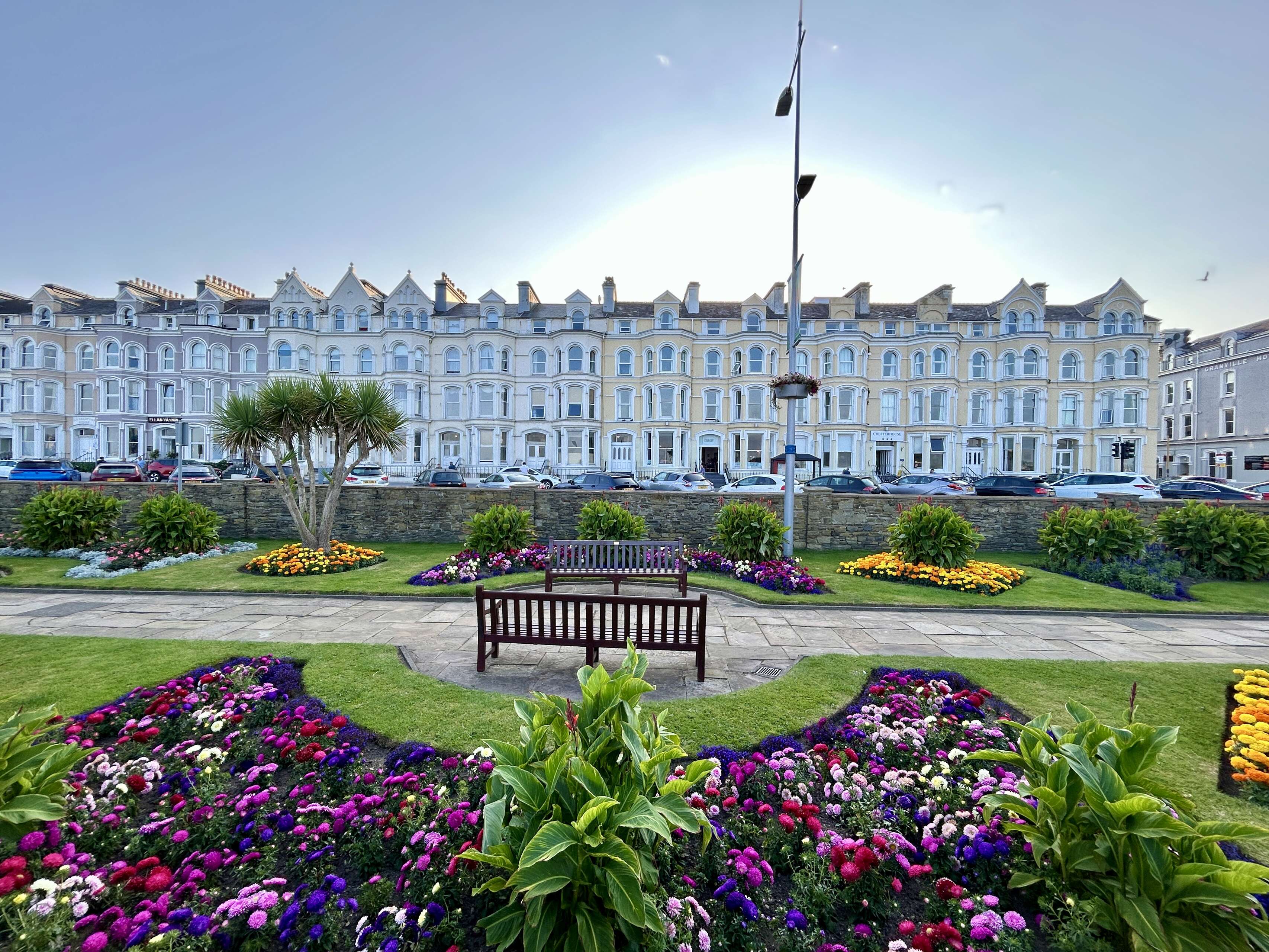
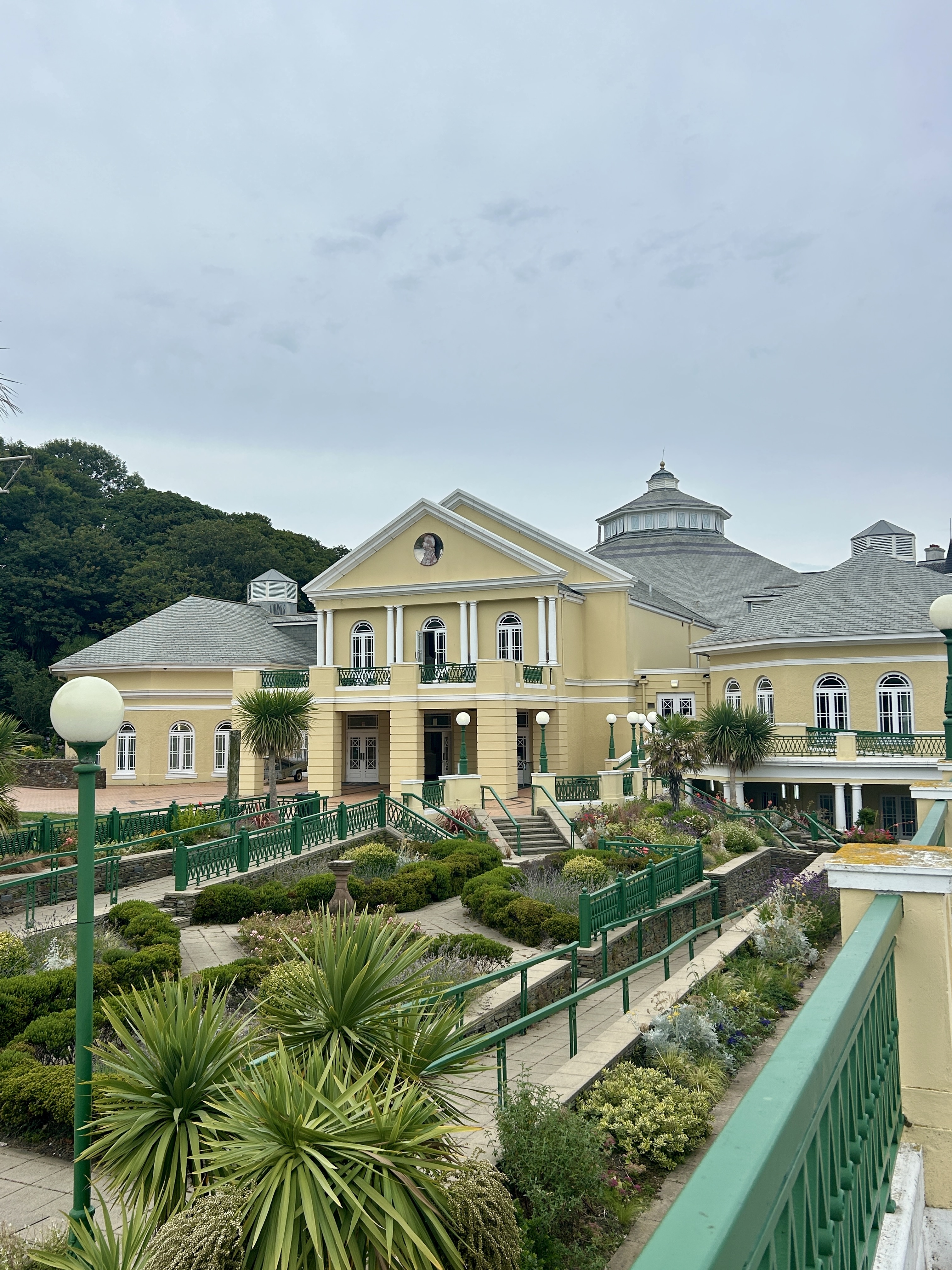
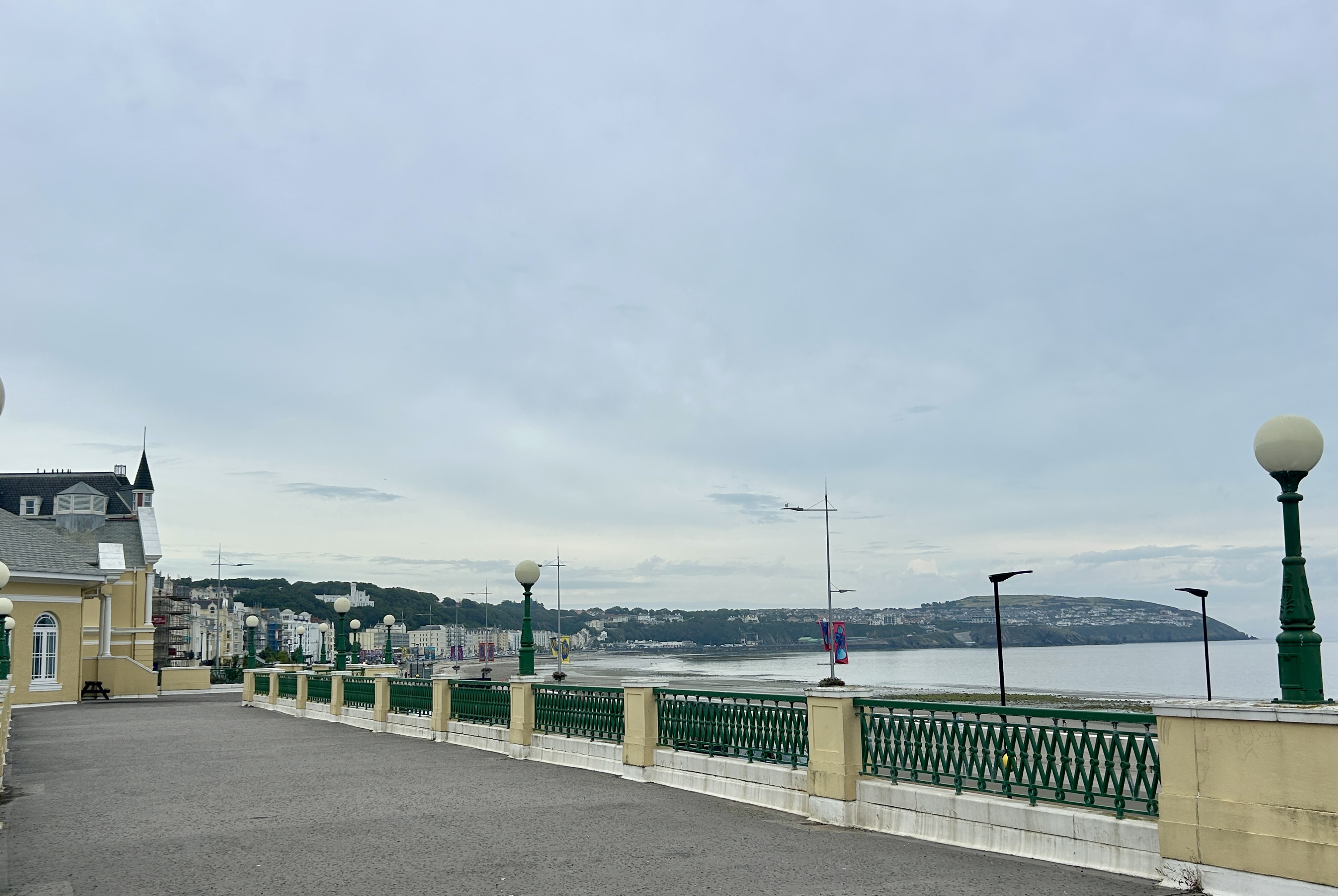
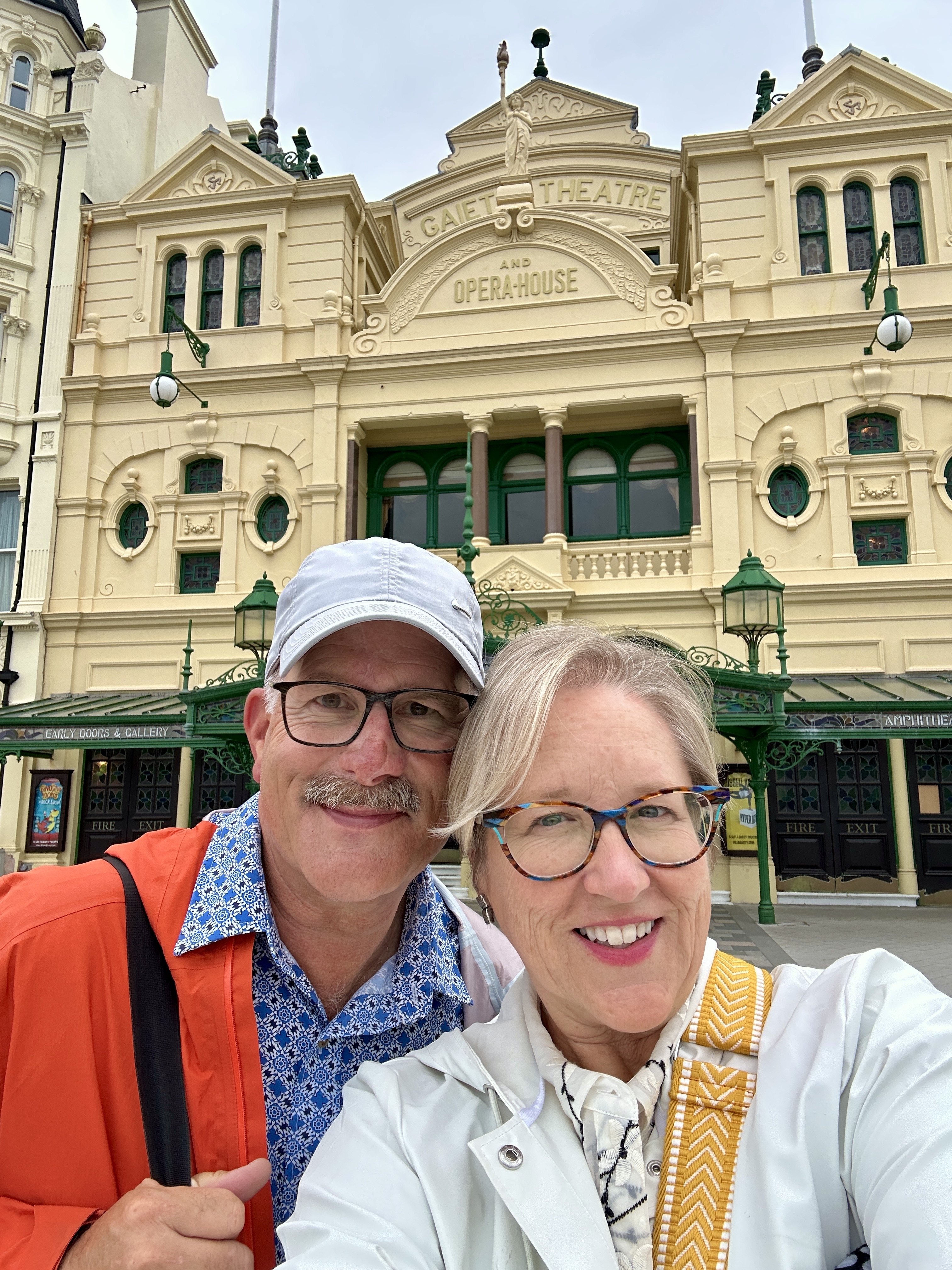
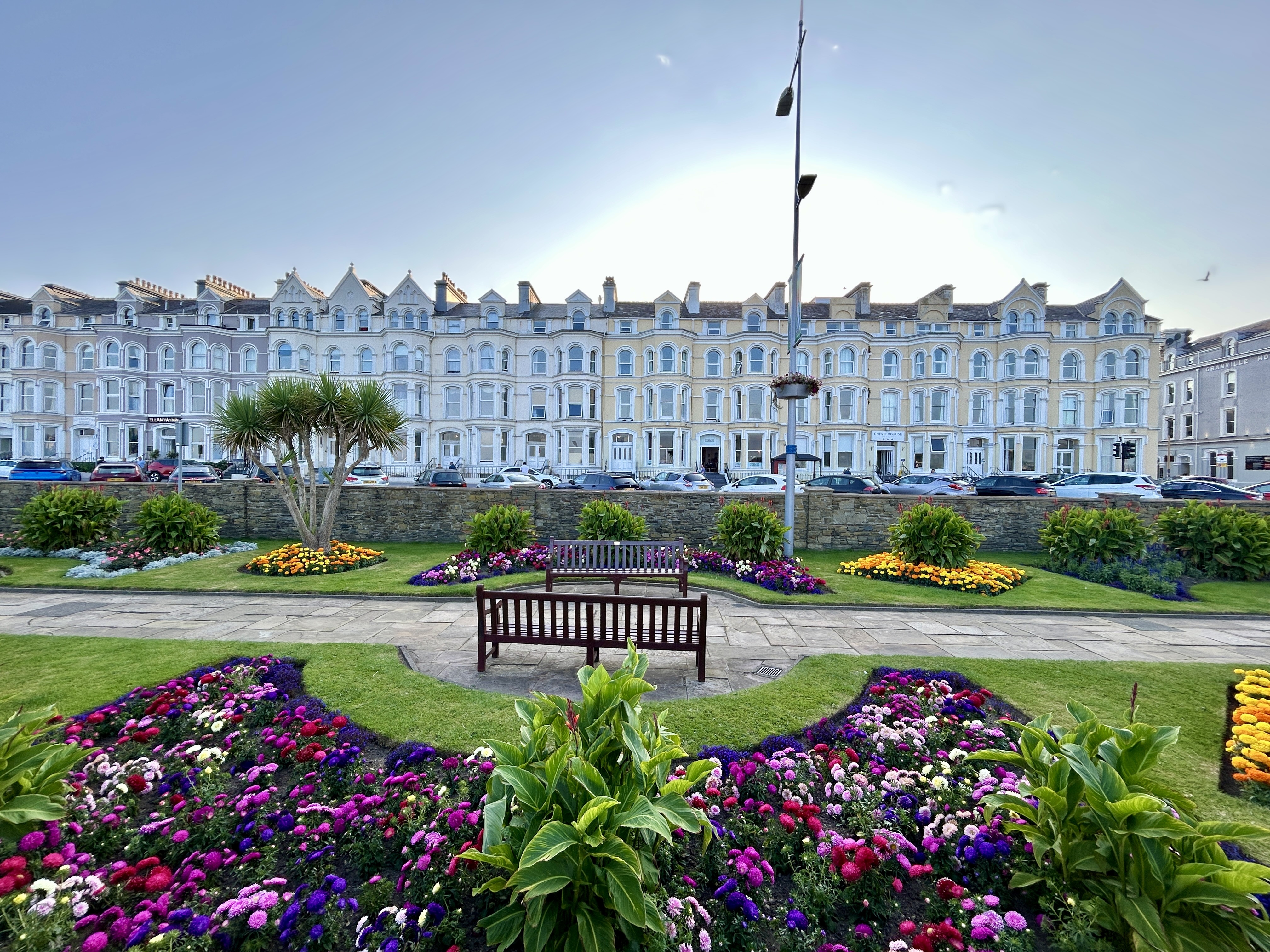
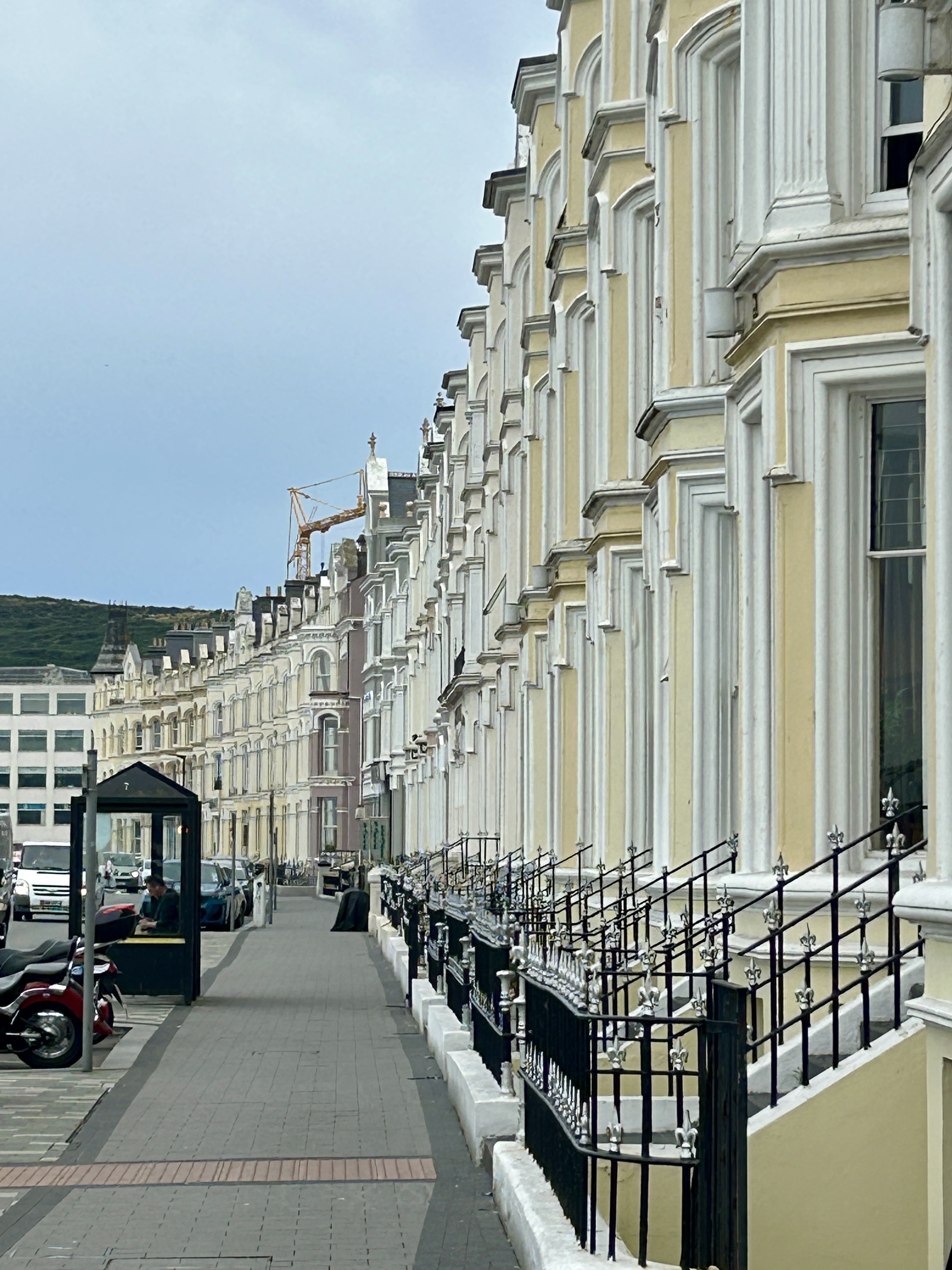
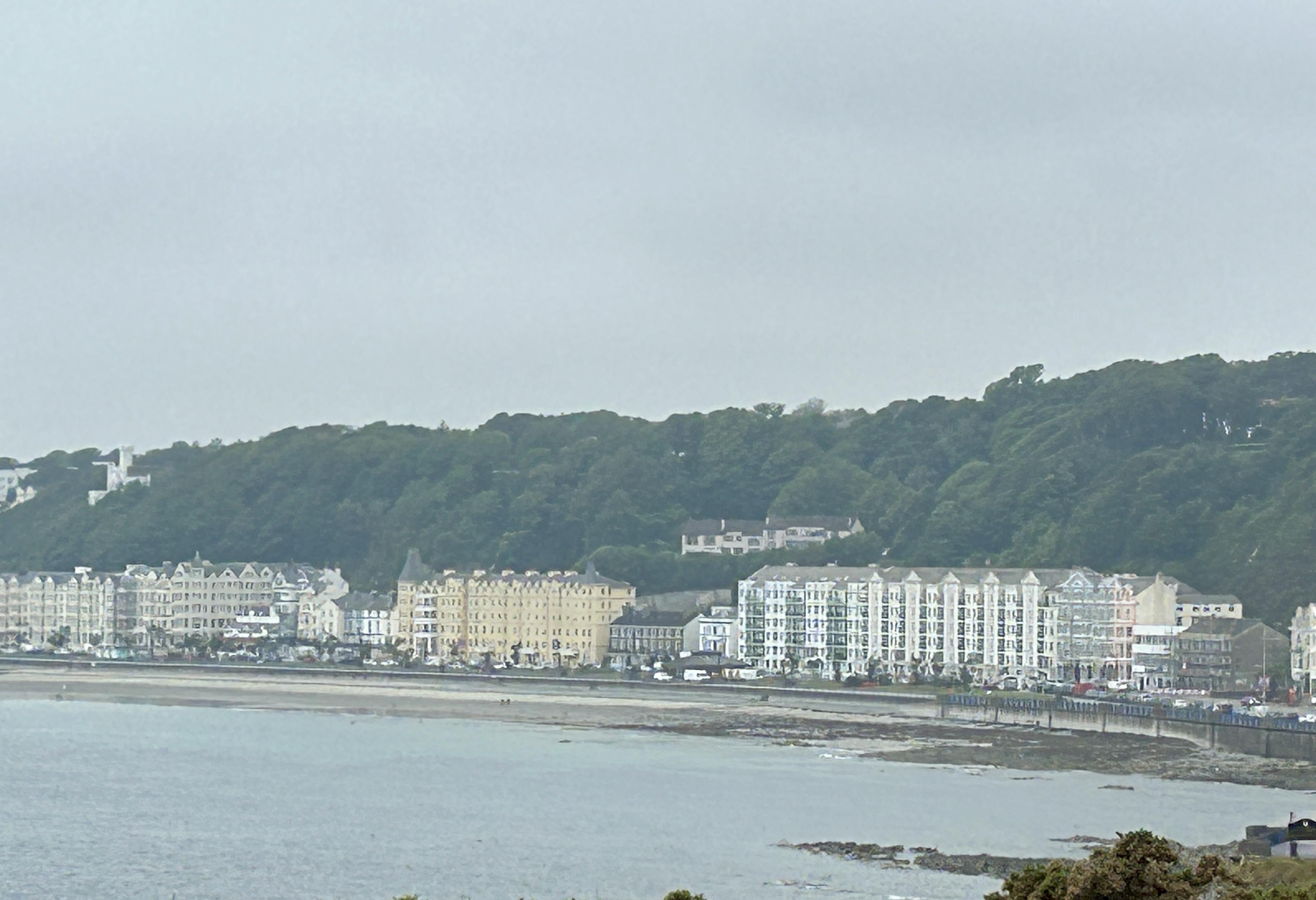
We walked down to the promenade along Douglas Bay to see the historic architecture and enjoy the sea breezes. 💨
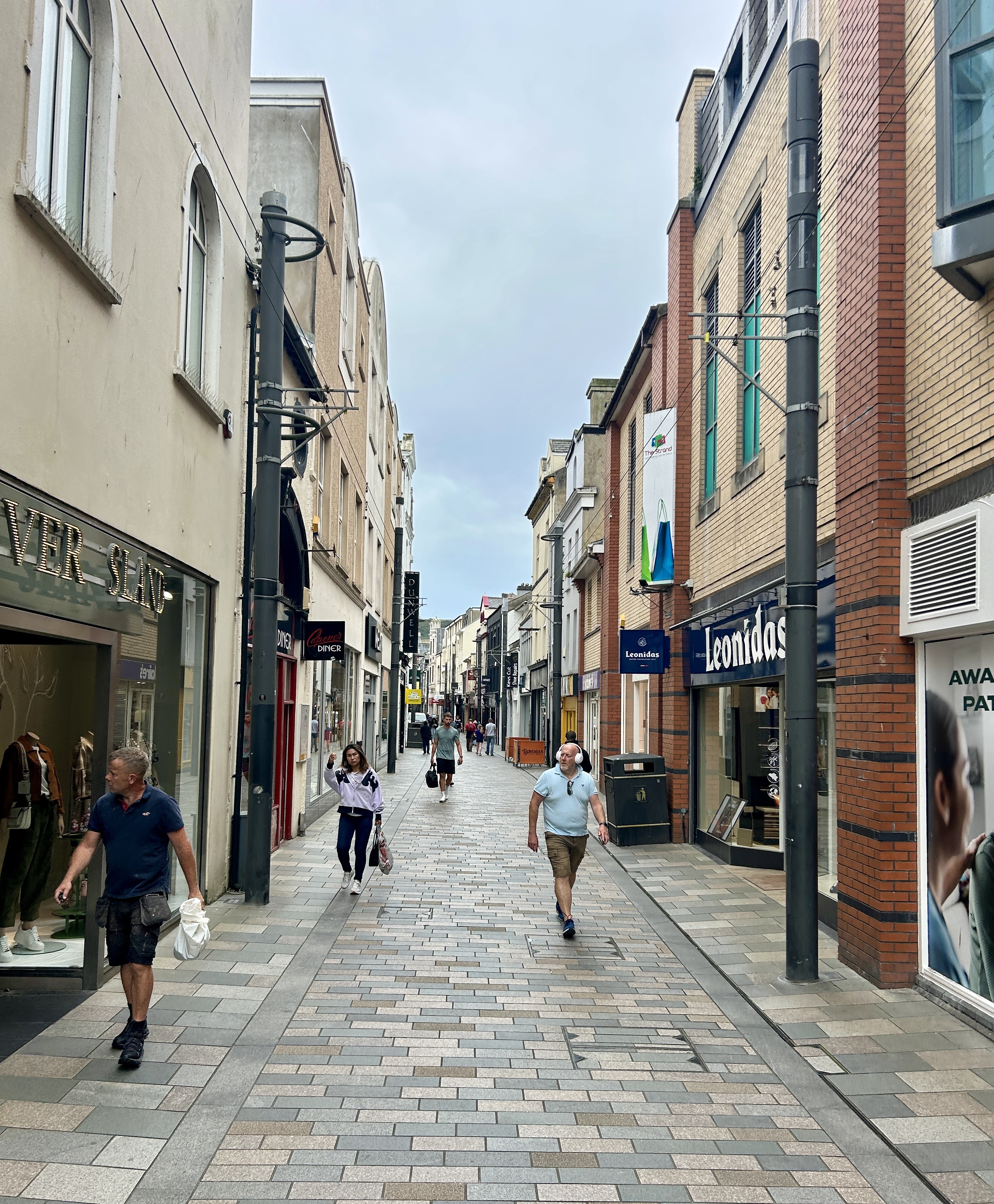
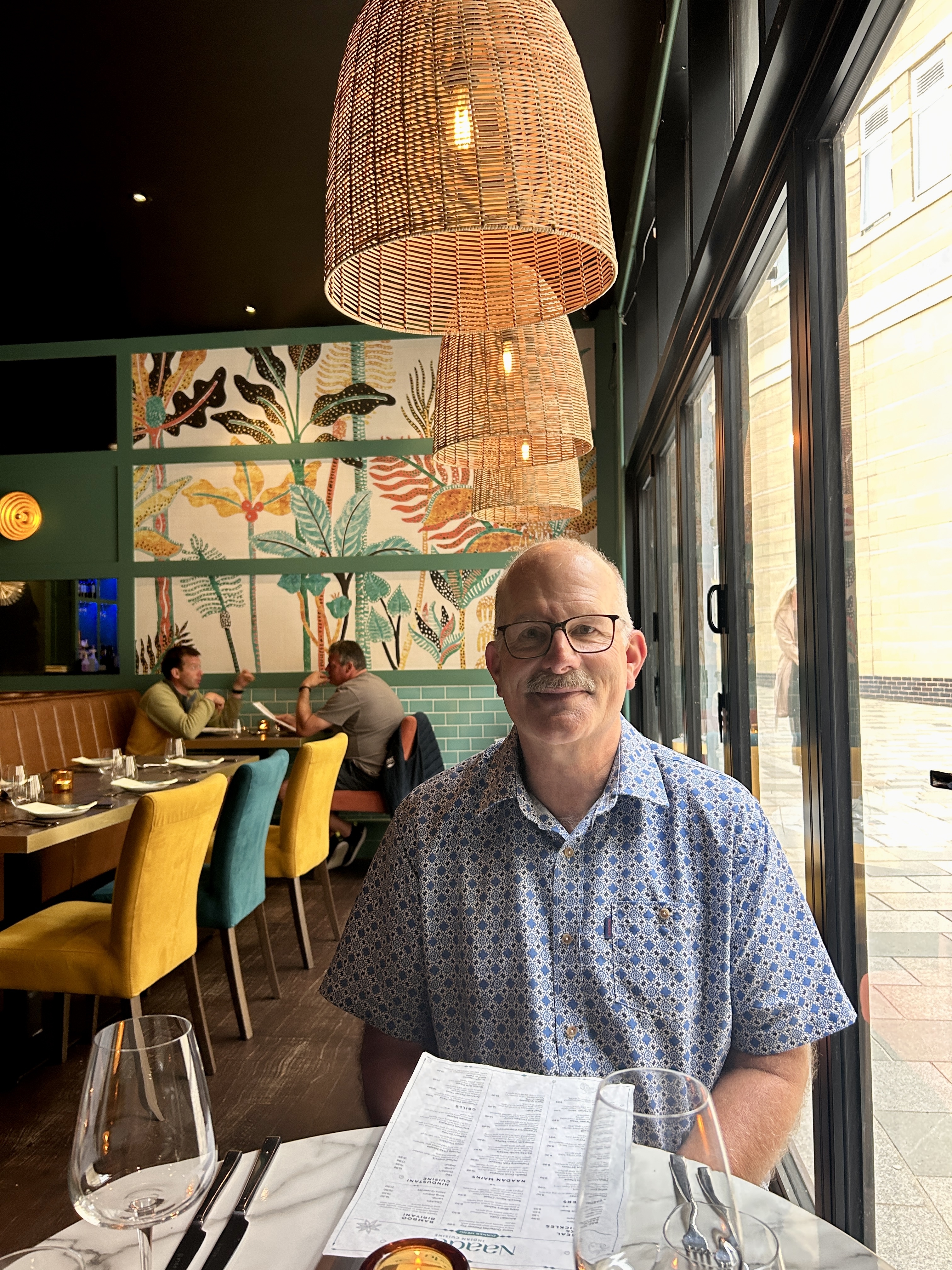
We also checked out the shopping district and found a terrific Indian restaurant called Naadu. We liked it so much that we had dinner there two nights in a row. 🍽️
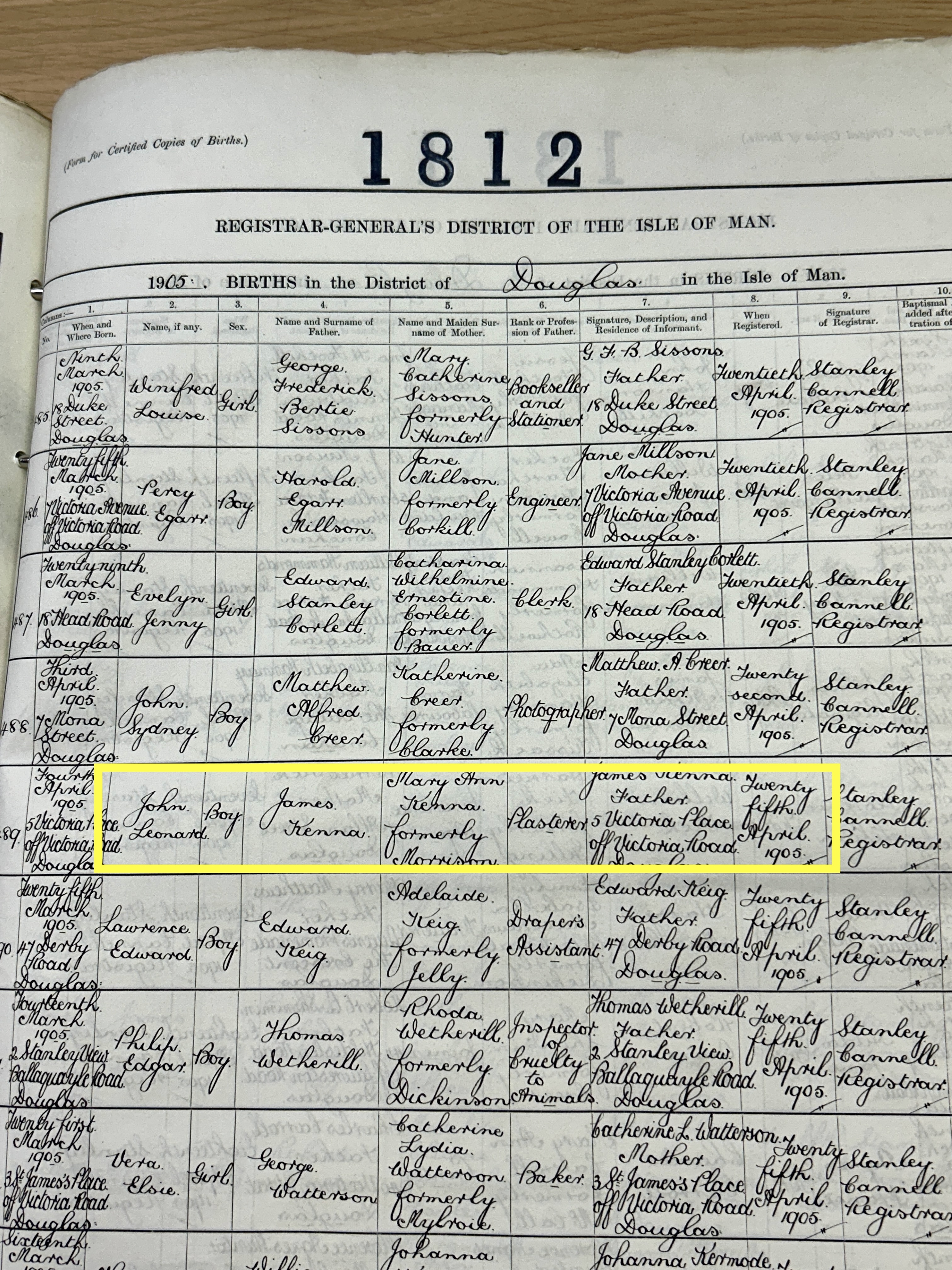
We went to the Civil Registry office to get a copy of my grandfather's birth certificate. They brought out the historic birth record book and there he was! BTW, 1812 was not the date, he was born in 1905. 😀
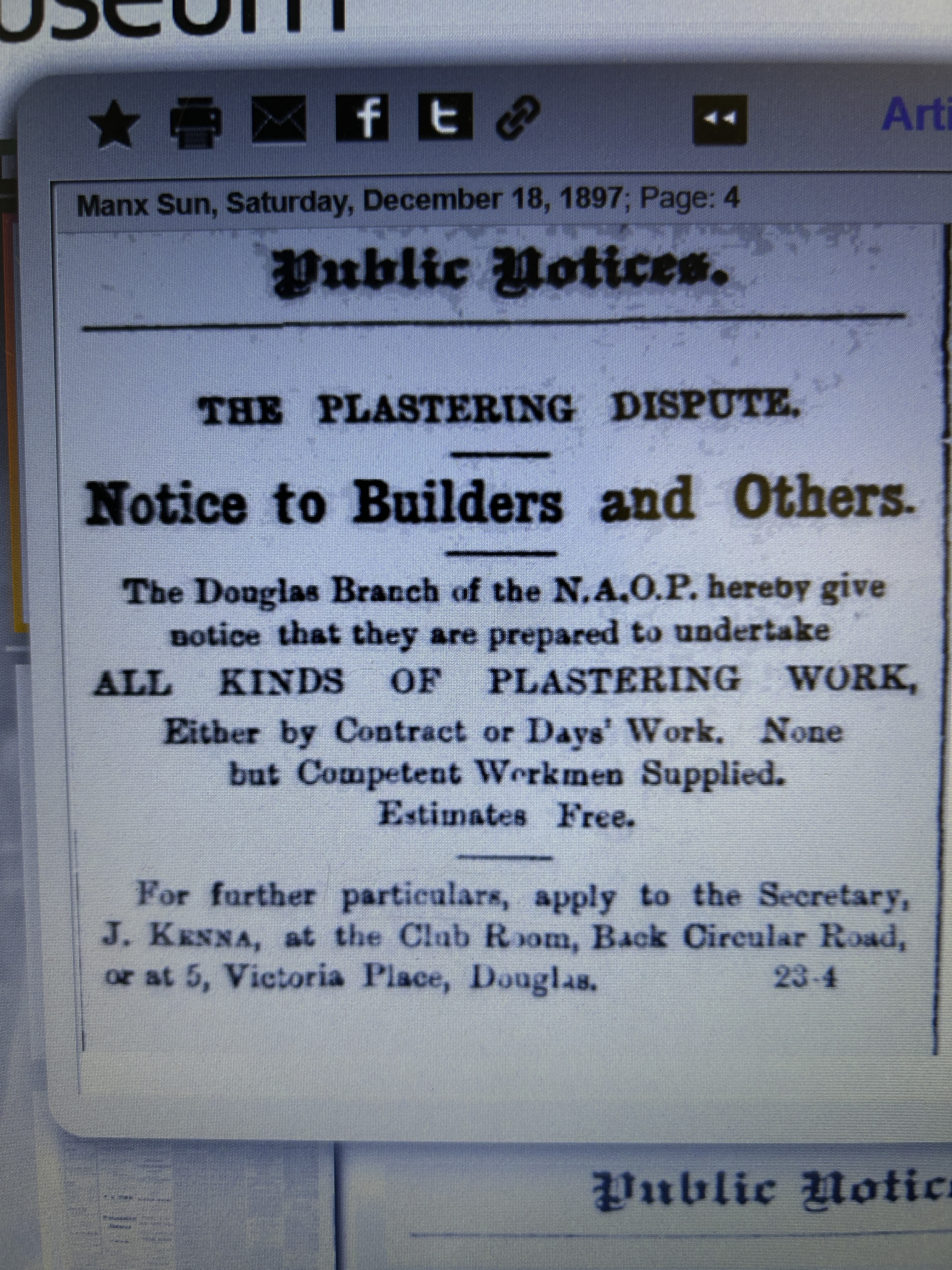
I also found a posting from an 1897 newspaper about my great grandfather's plaster business. 🗞️
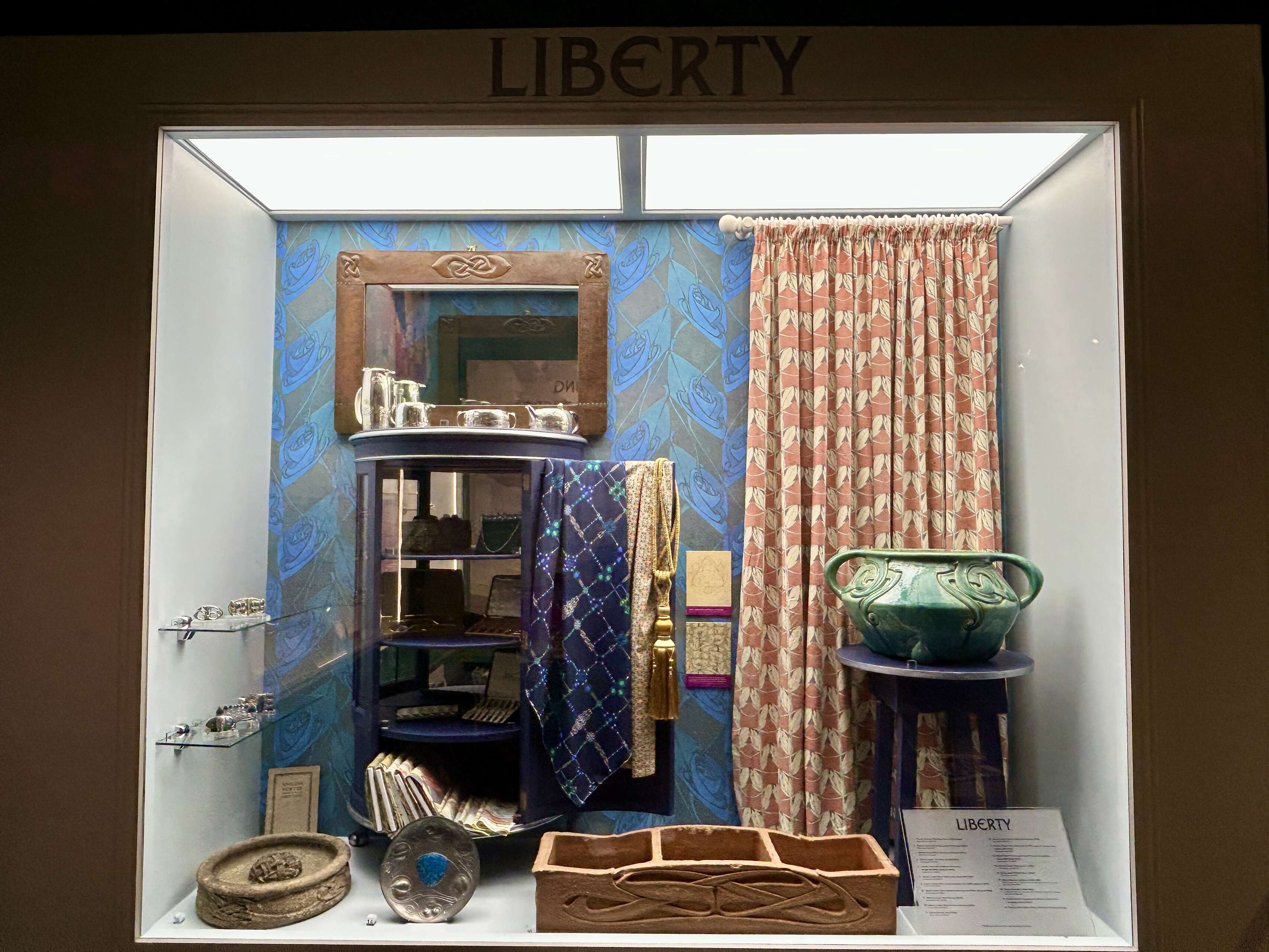
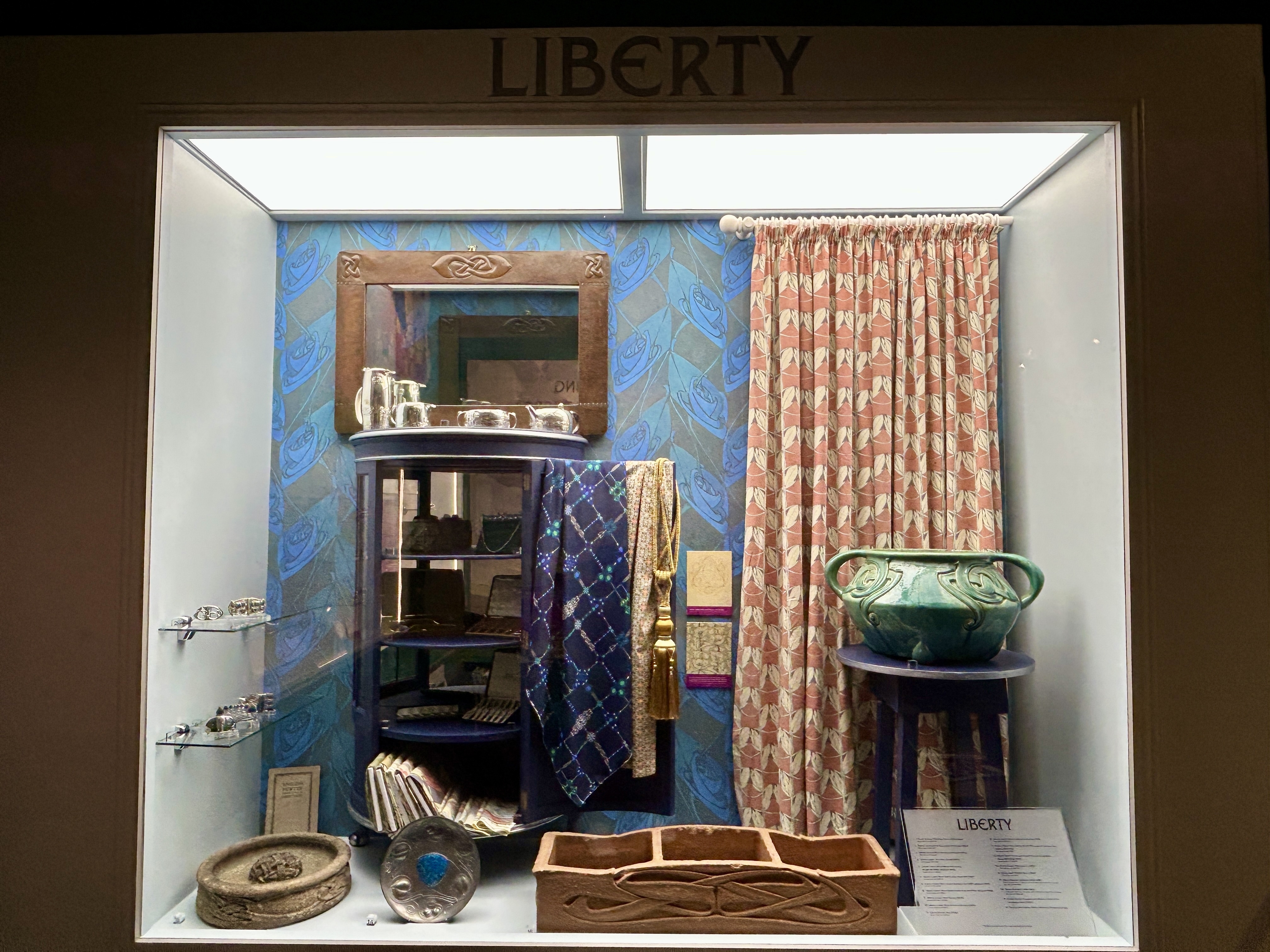
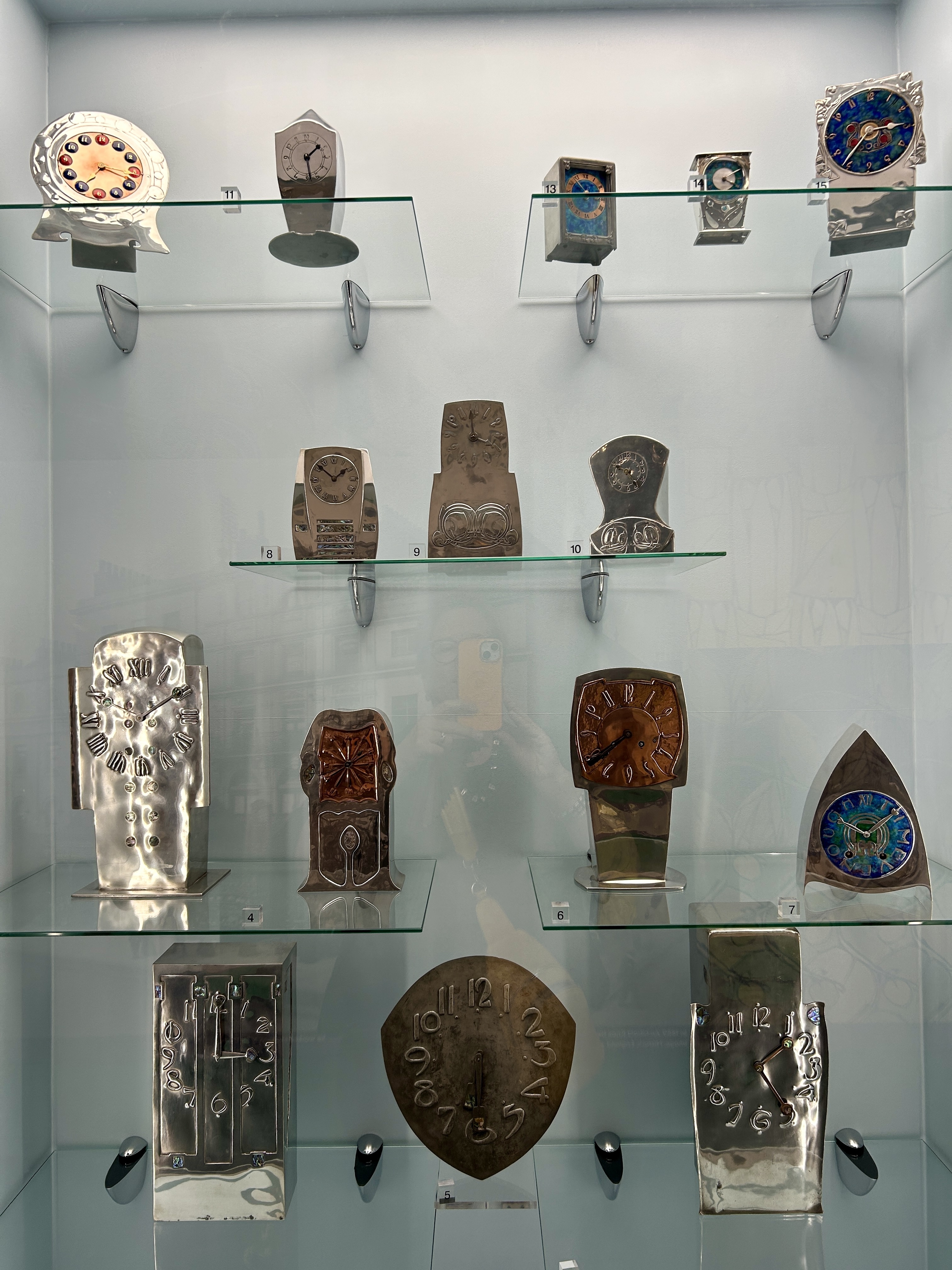
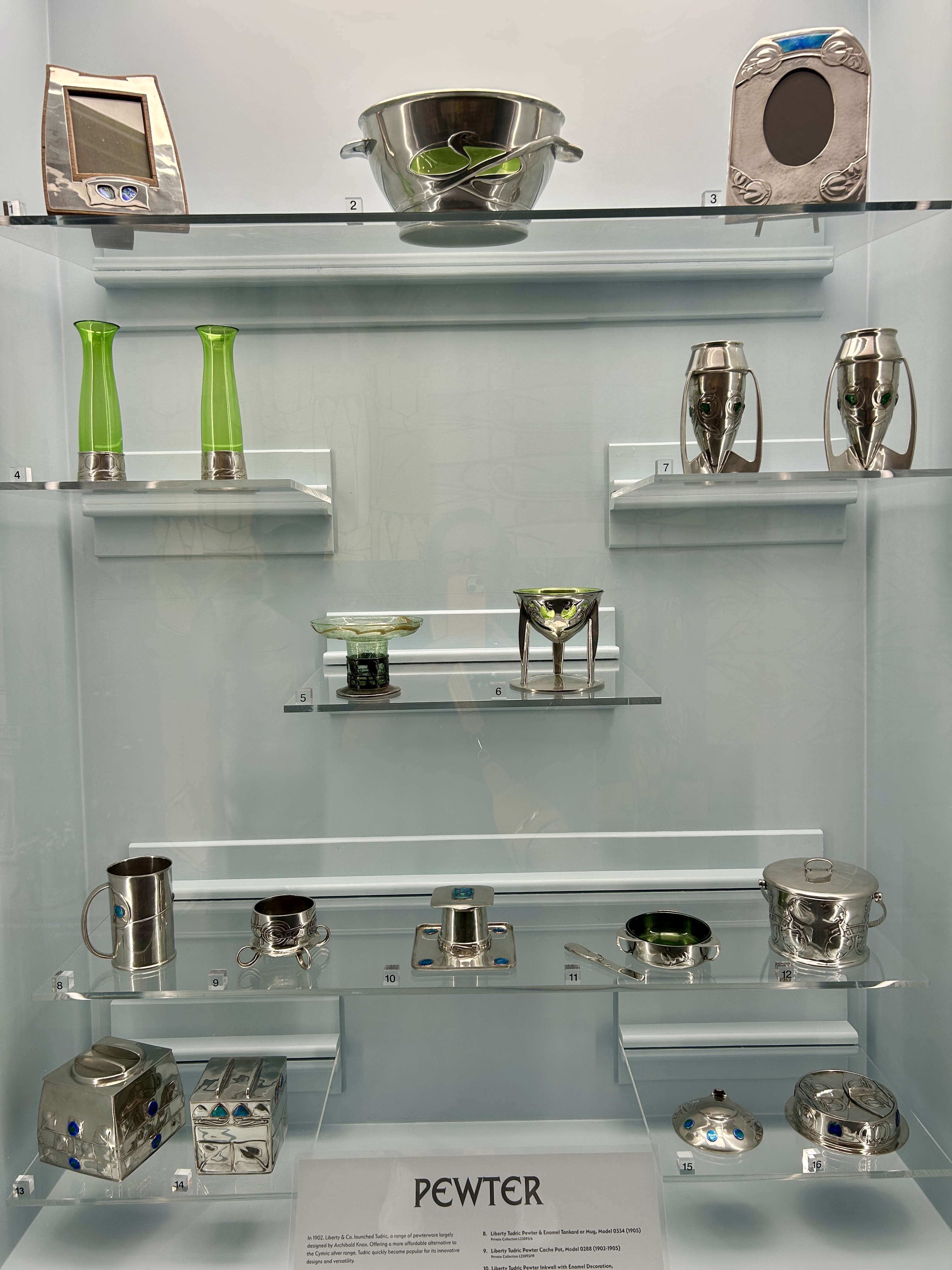
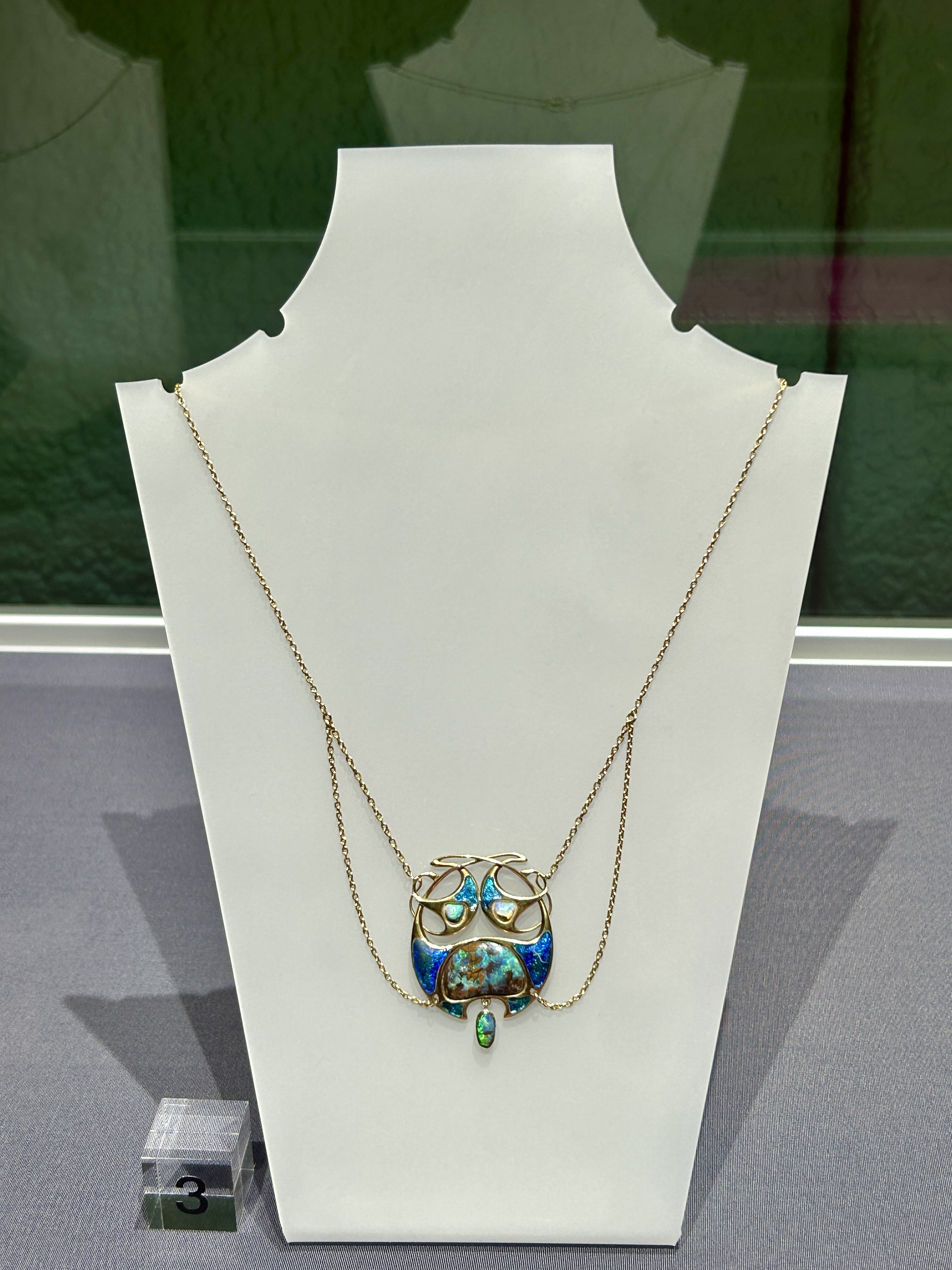
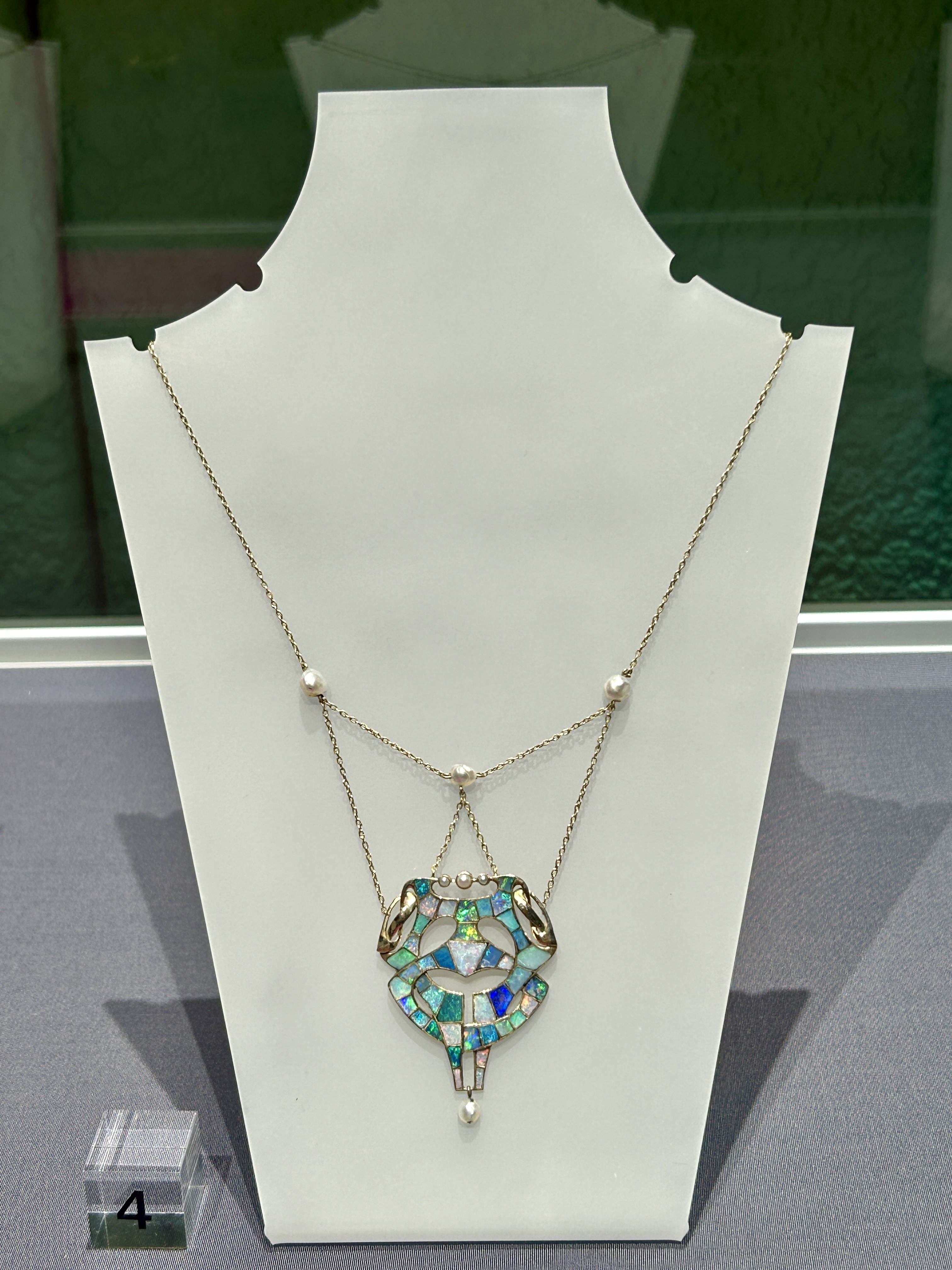
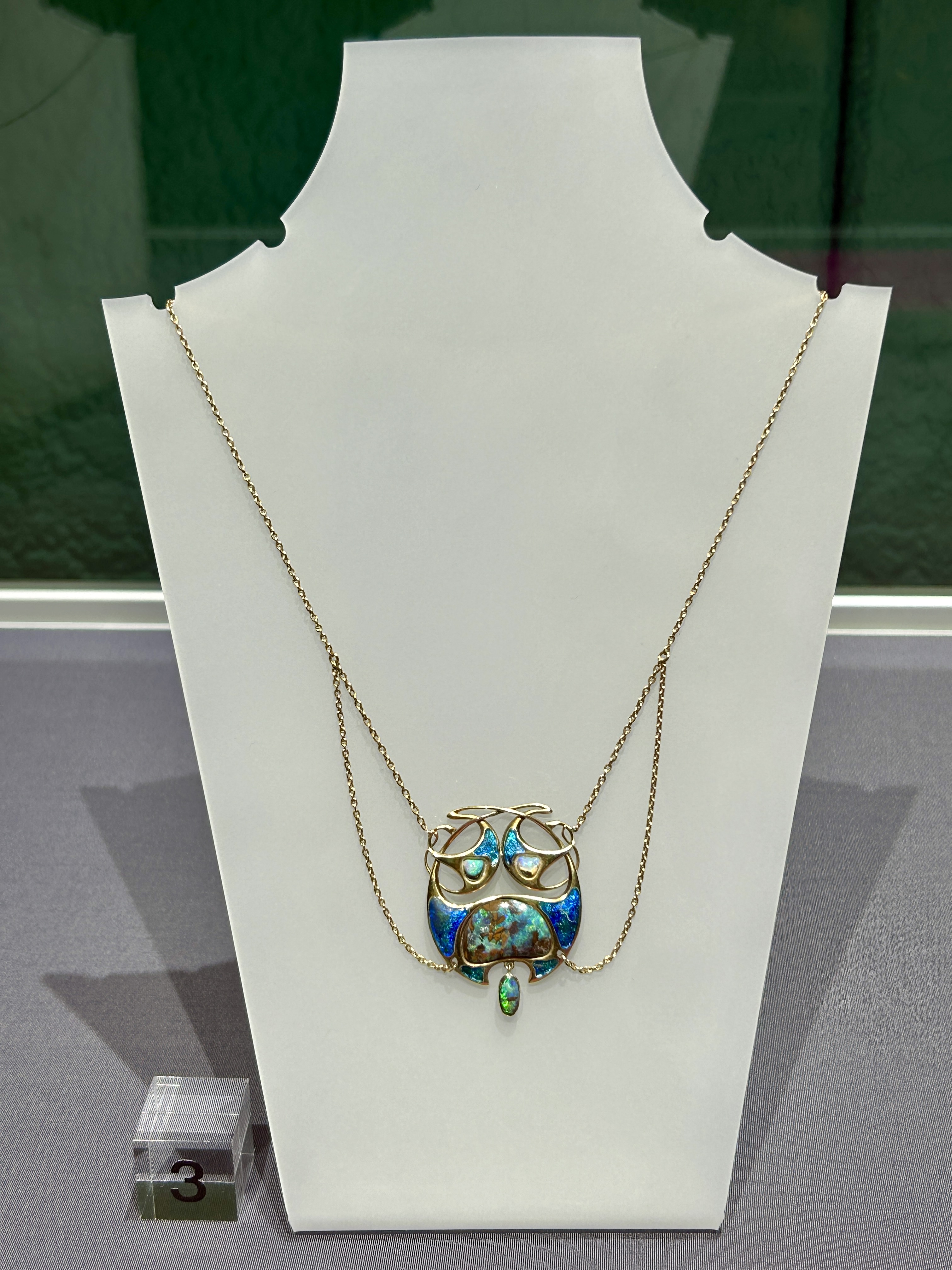
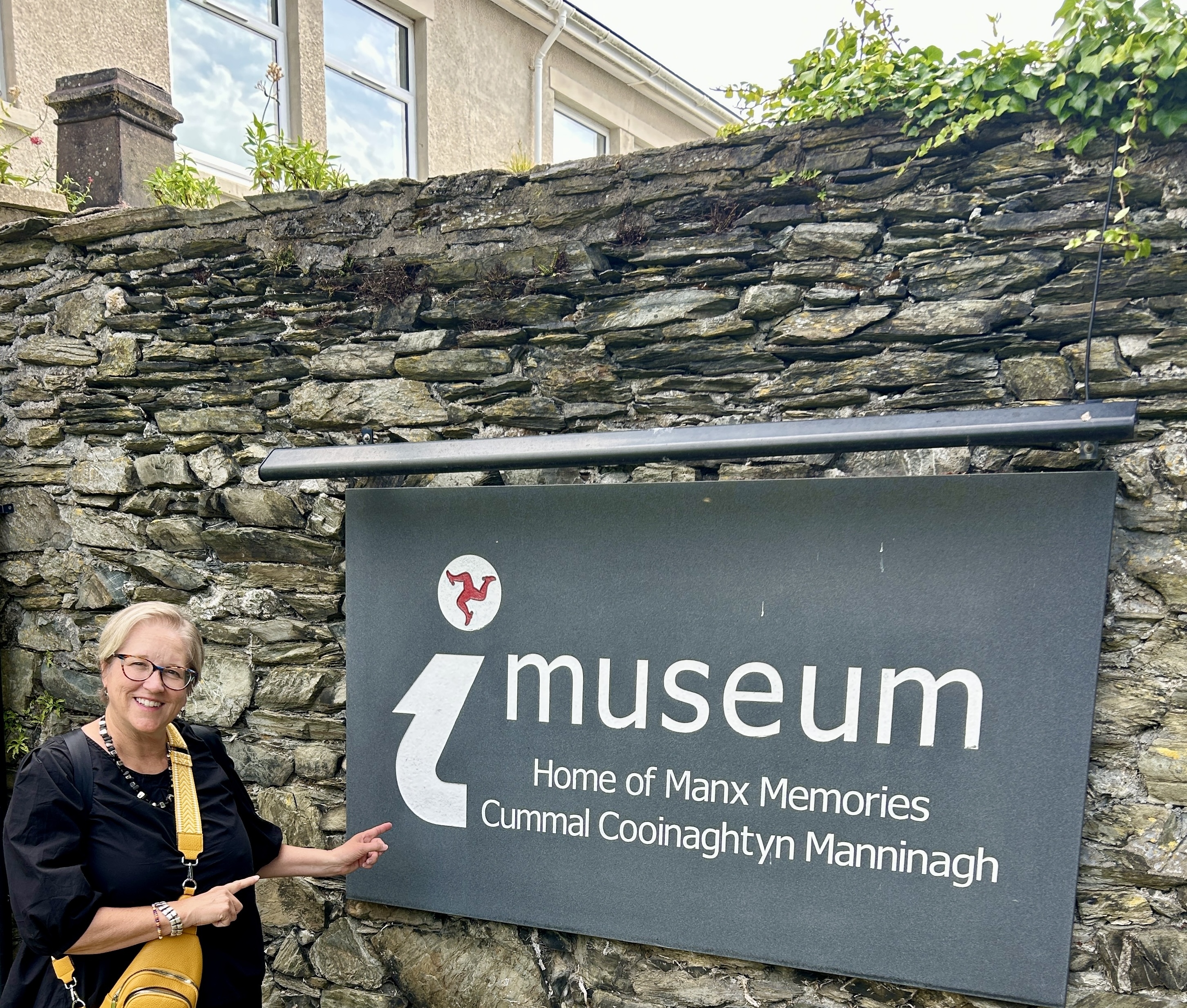
After much genealogical research, we headed over to the current exhibit at the Manx Museum featuring the works of Archibald Knox. It was an impressive collection of paintings, furniture, jewelry, and decorative arts. It was a happy coincidence to learn that he worked for Liberty in London for a bit. 🇬🇧
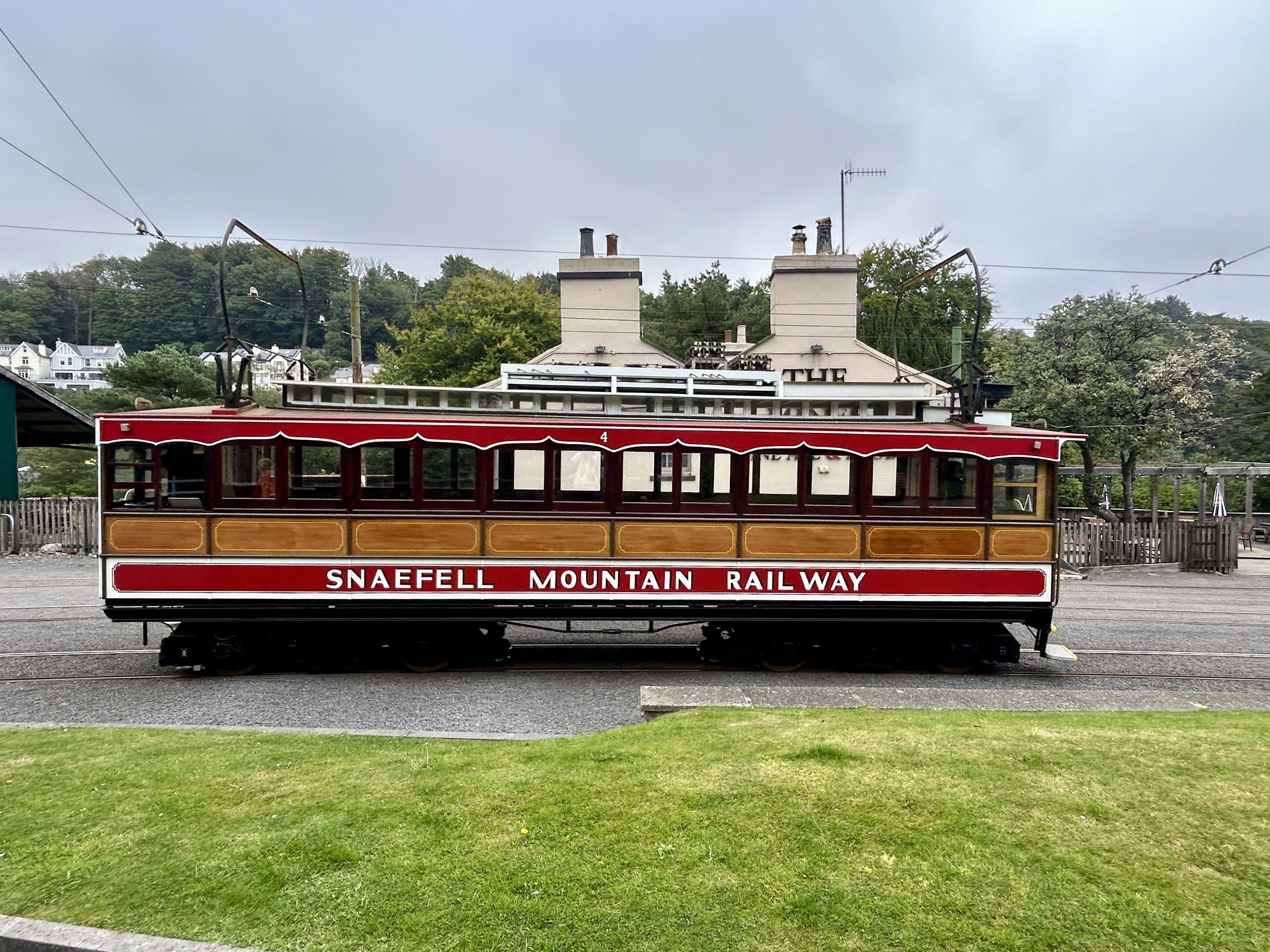
We were eager to see more than Douglas so we planned to take the three conveyances needed to get to Snaefell Mountain which at 2,036 feet (621 m), was the highest point on the island. It was said that, on a clear day, you could see seven kingdoms: Mann, Scotland, Ireland, Wales, England, Neptune and Heaven. 👀
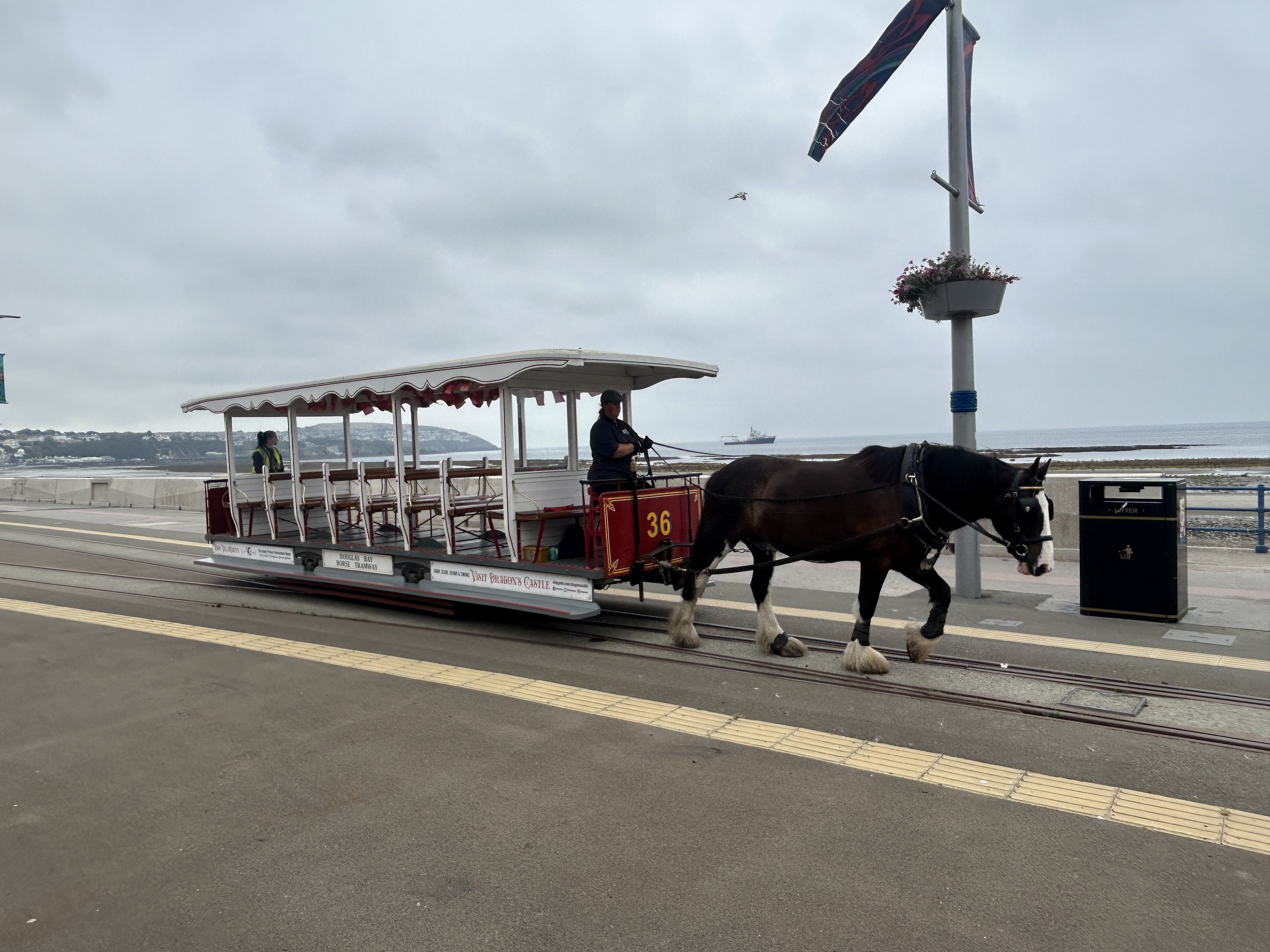
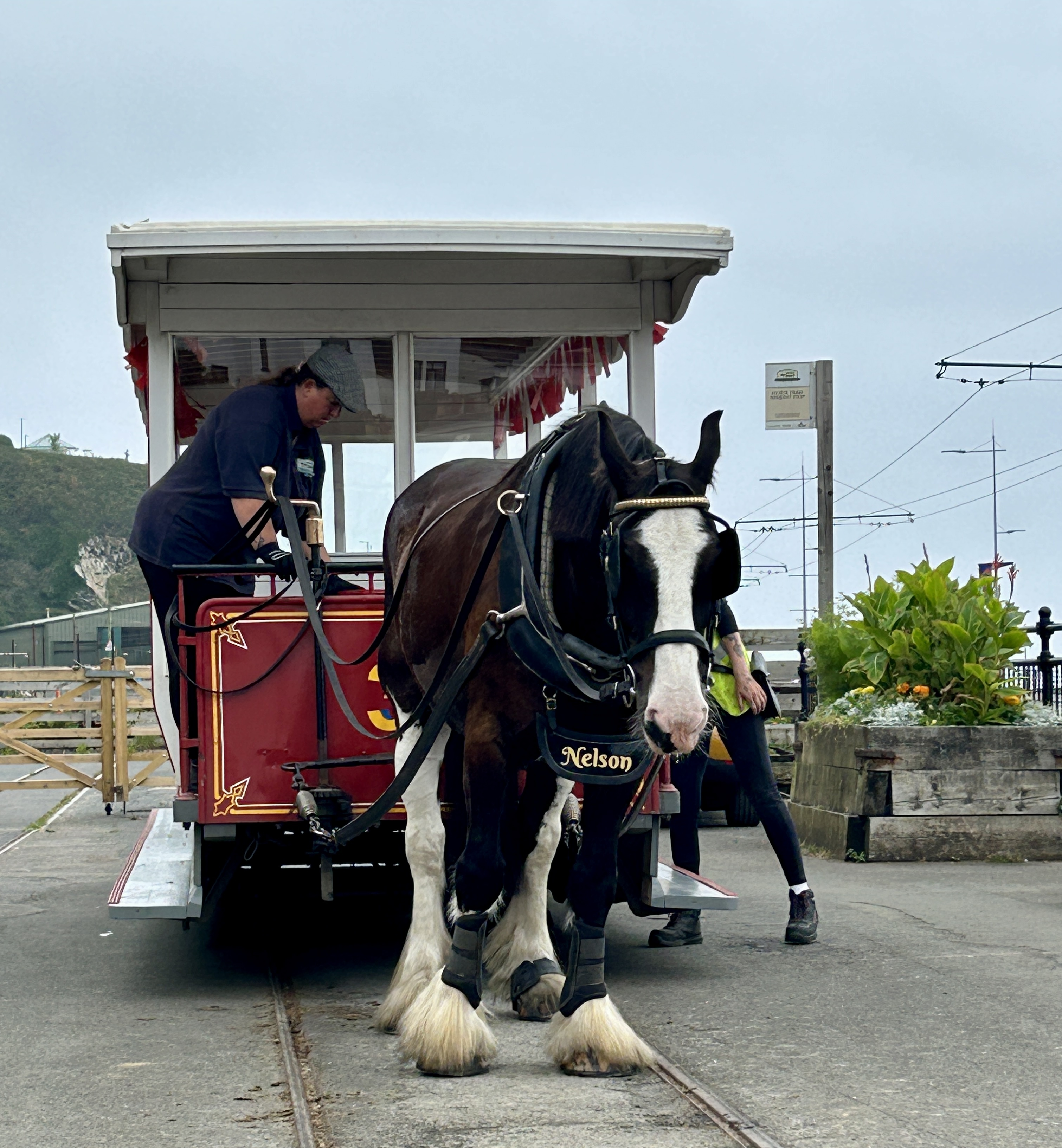
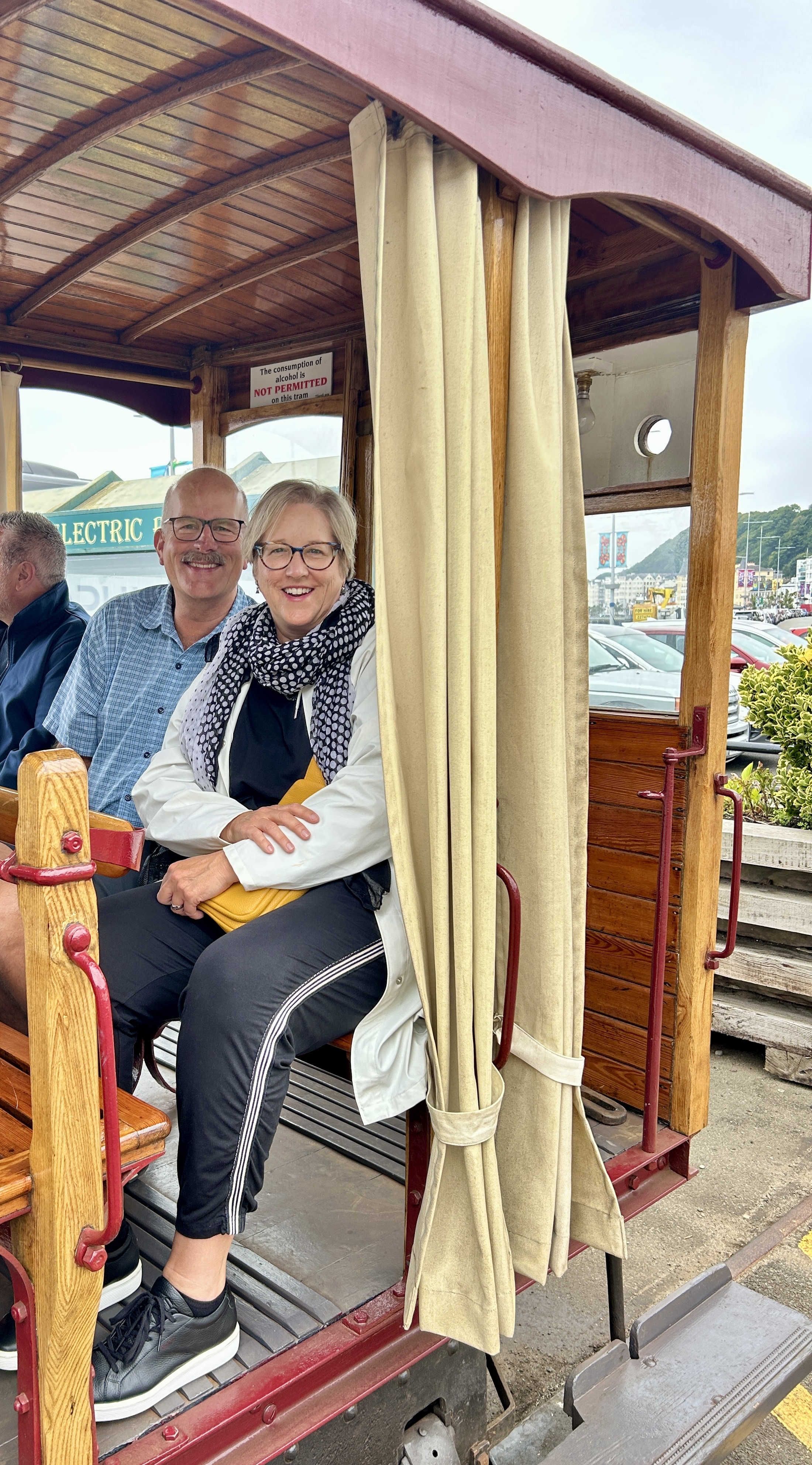
1. The first step was to take the horse tram from the Douglas promenade to the electric tram station. Nelson got us there. 🐴
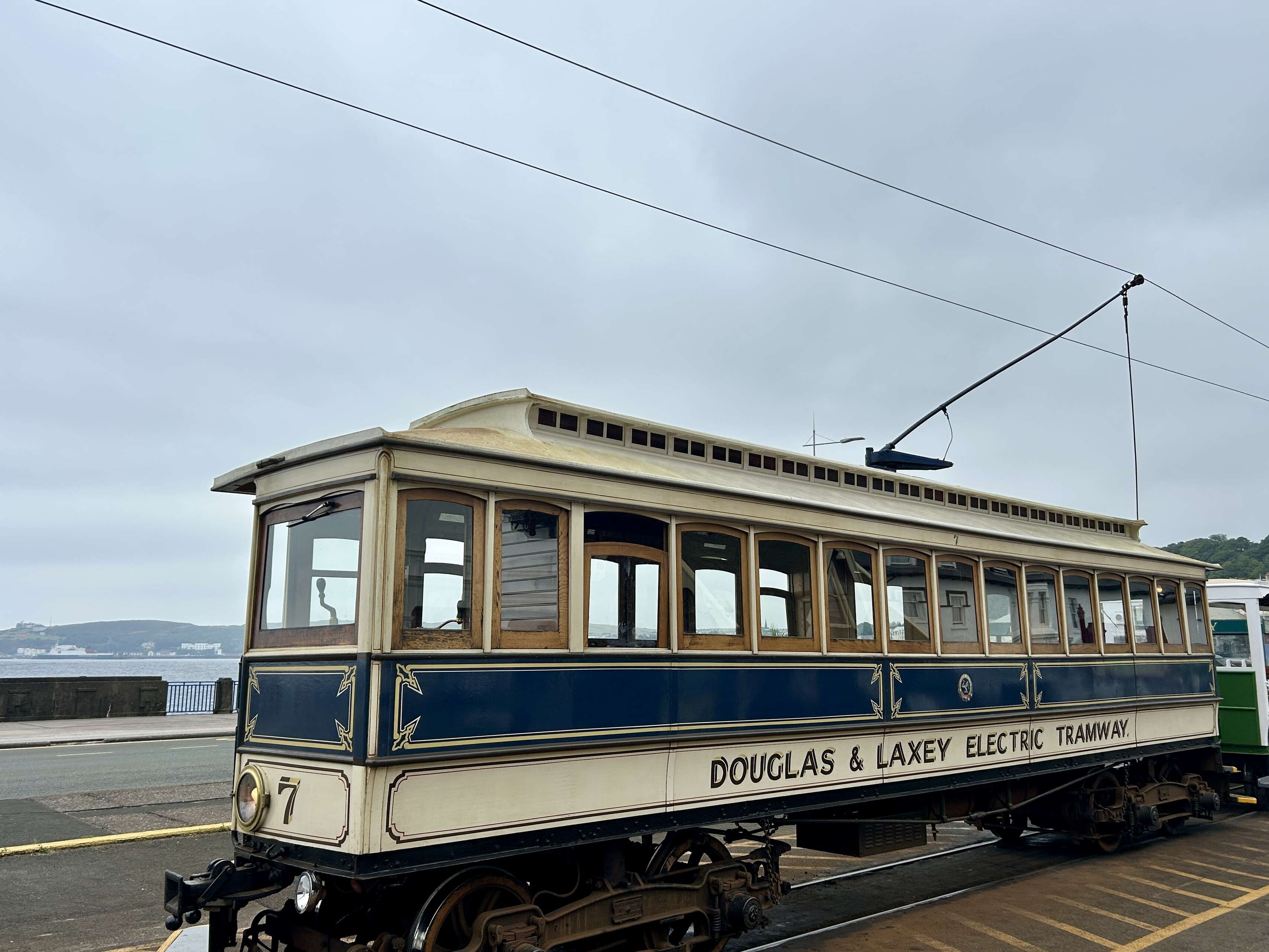
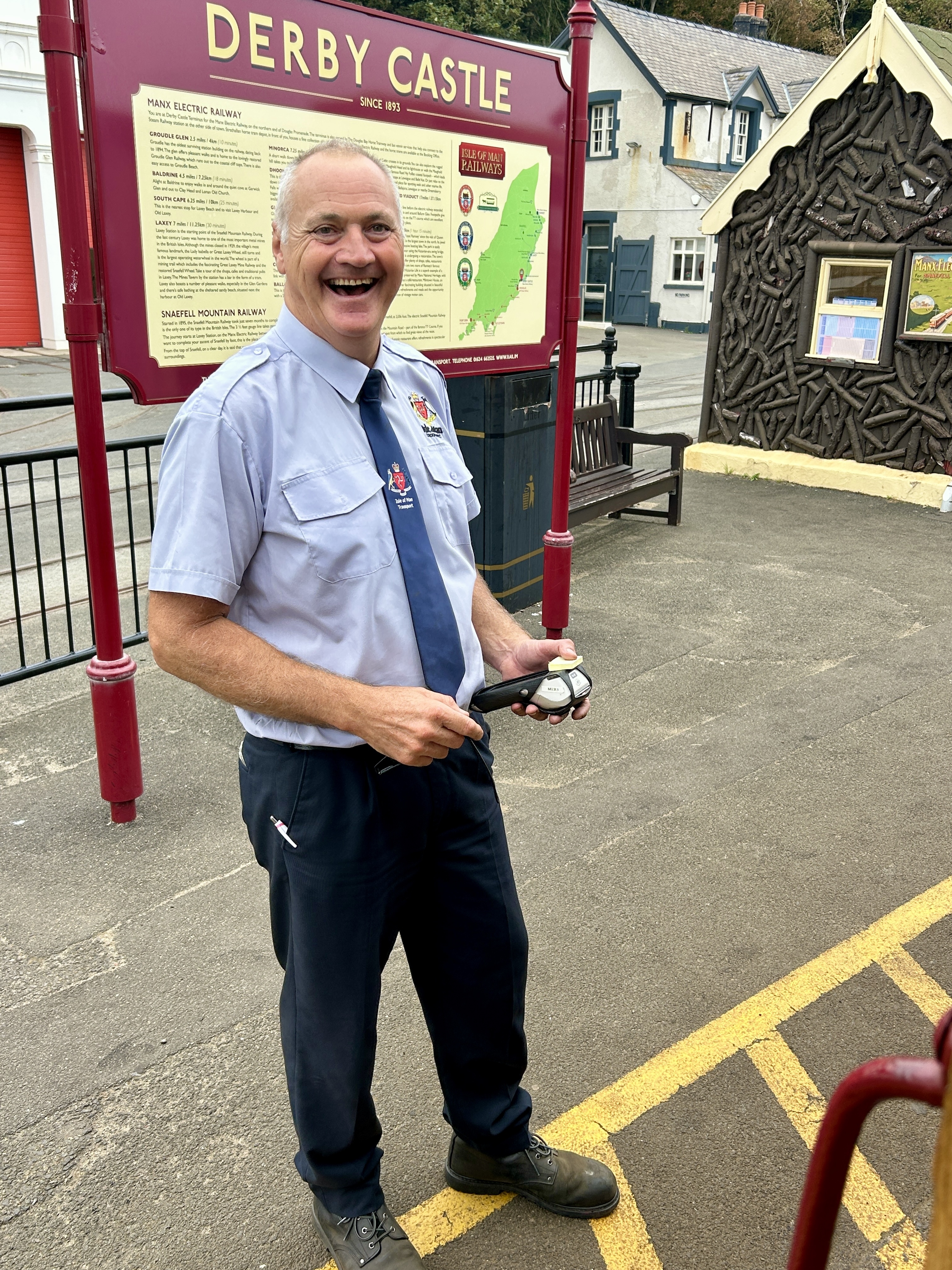
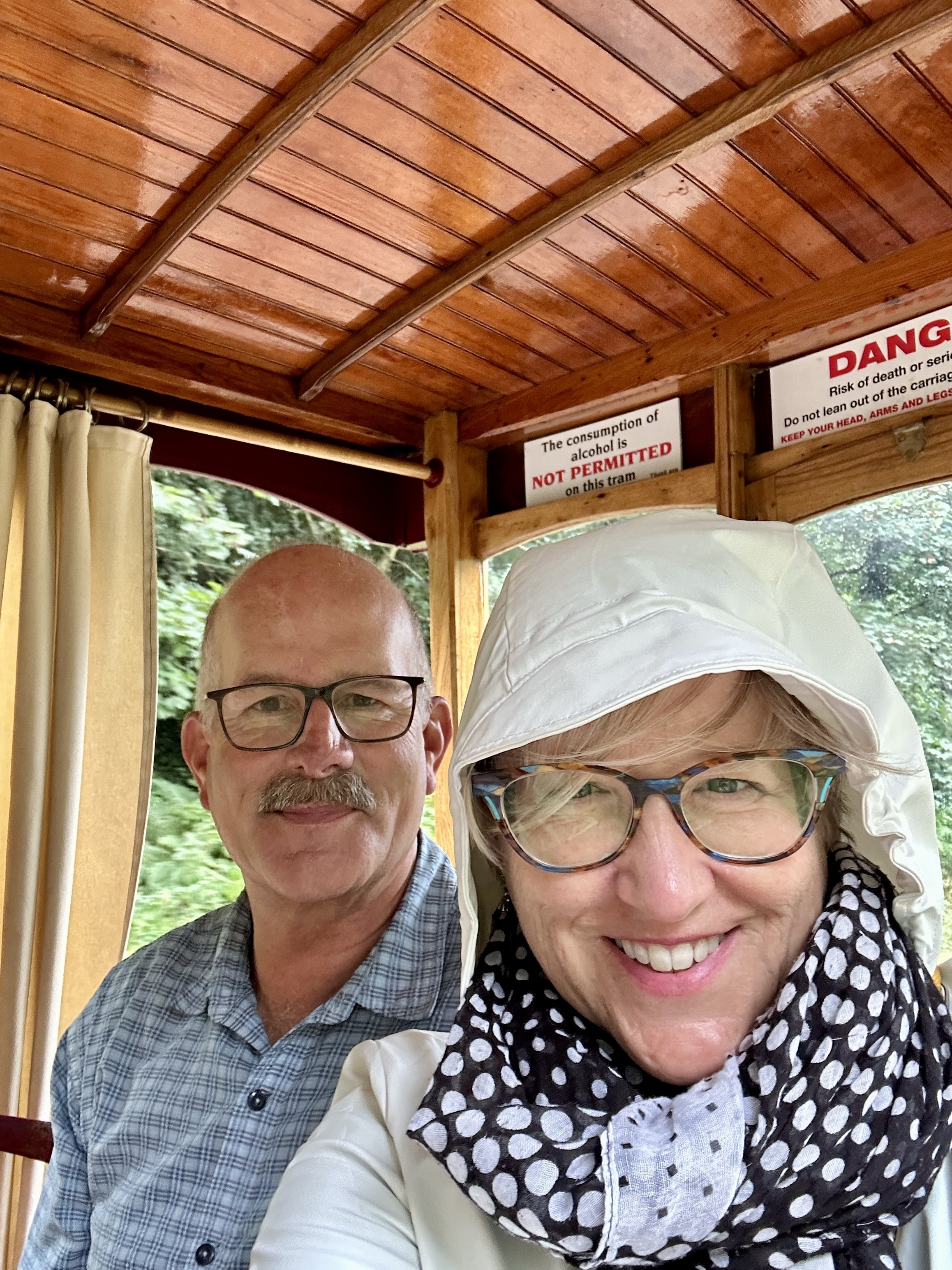
2. The second step was to take the 30 minutes electric tram up to Laxey. 🚋
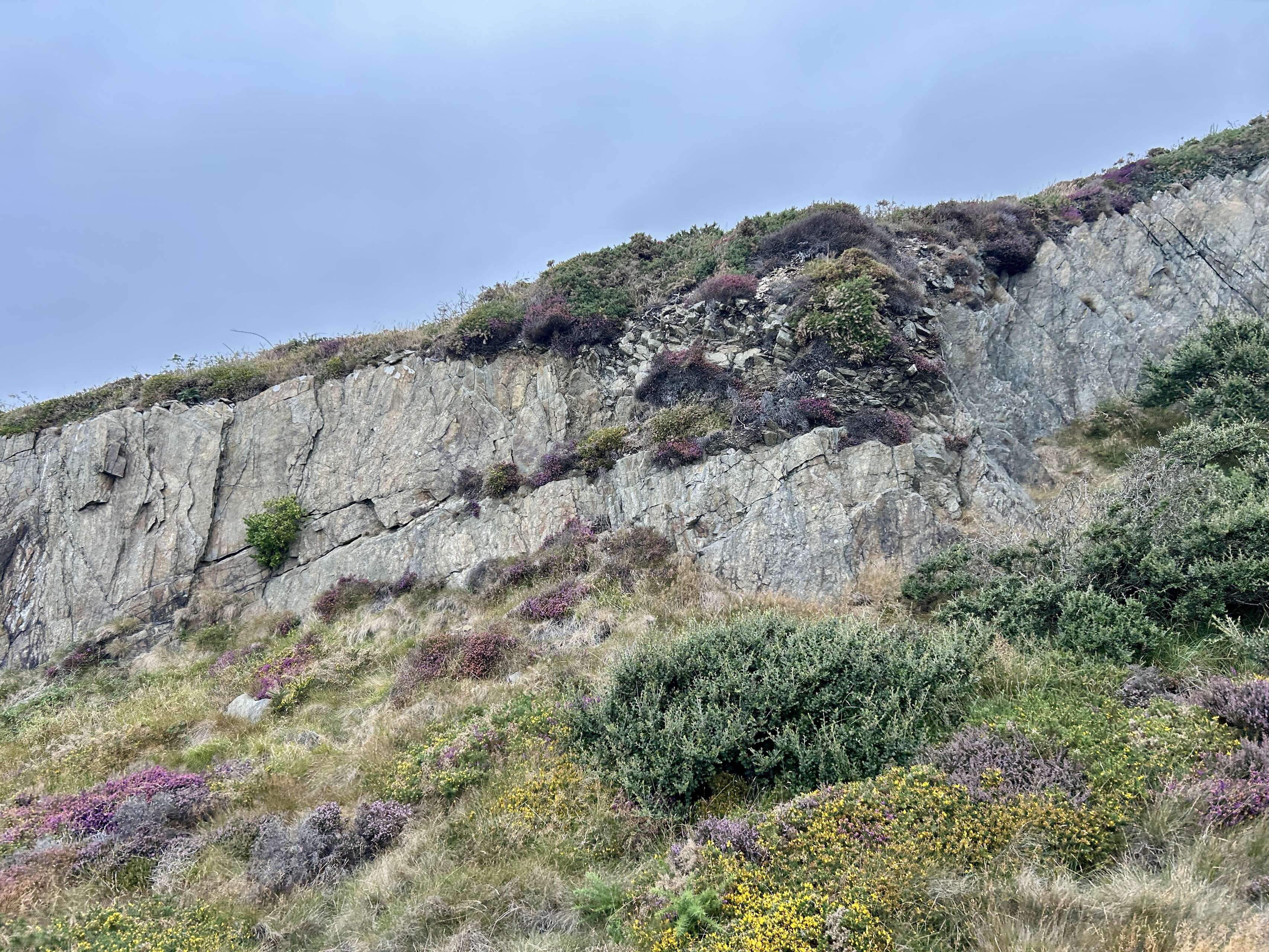
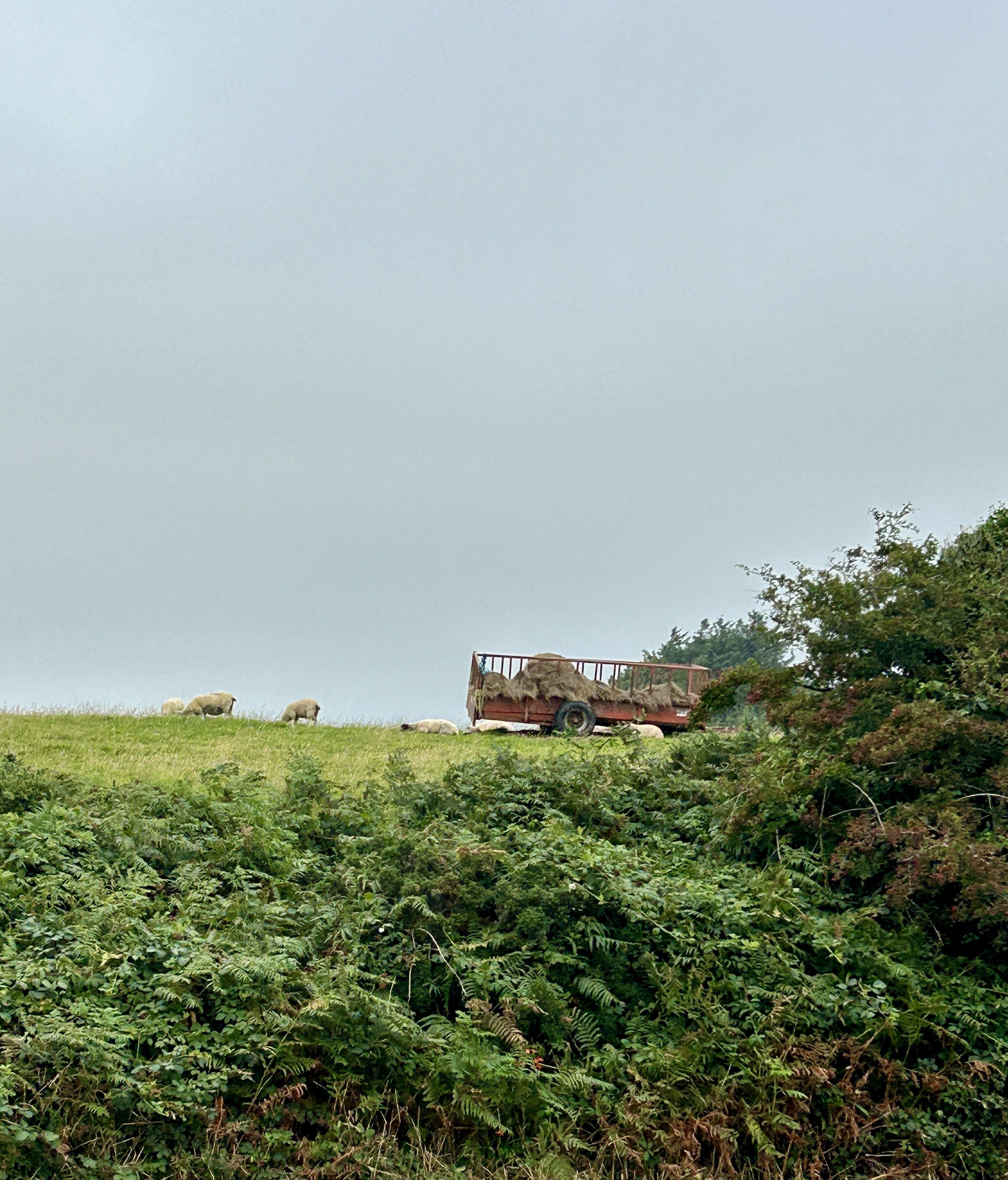
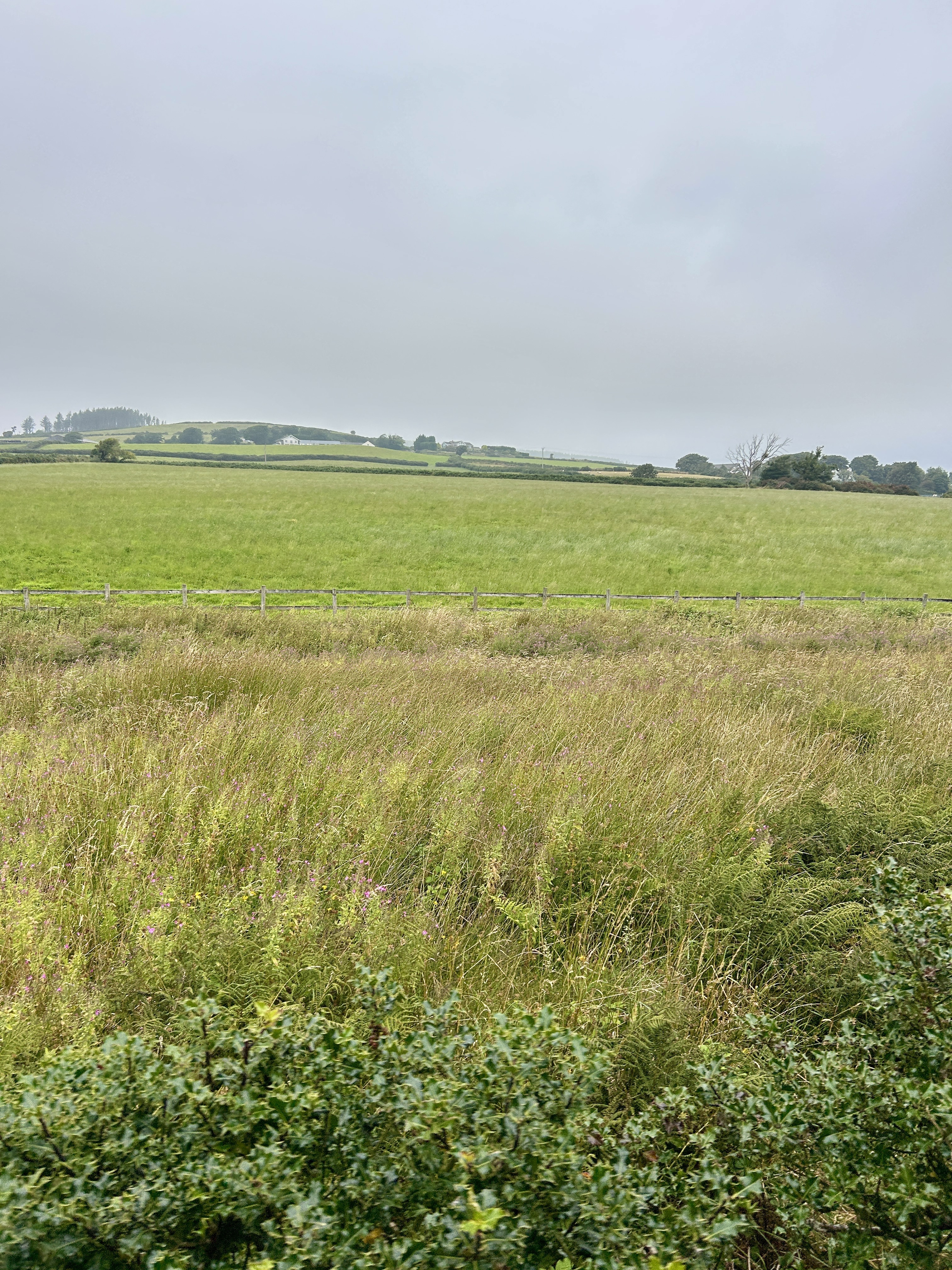
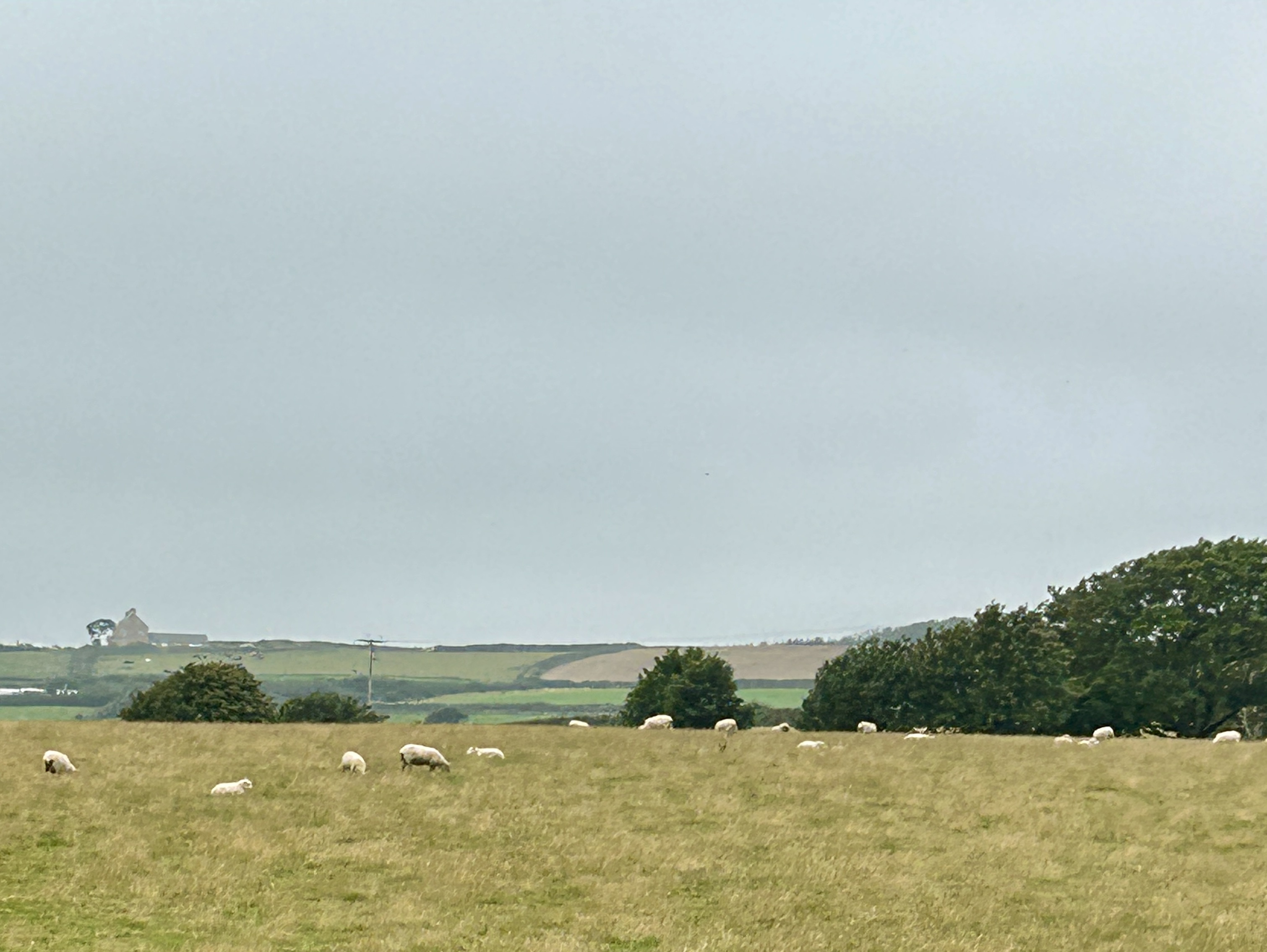
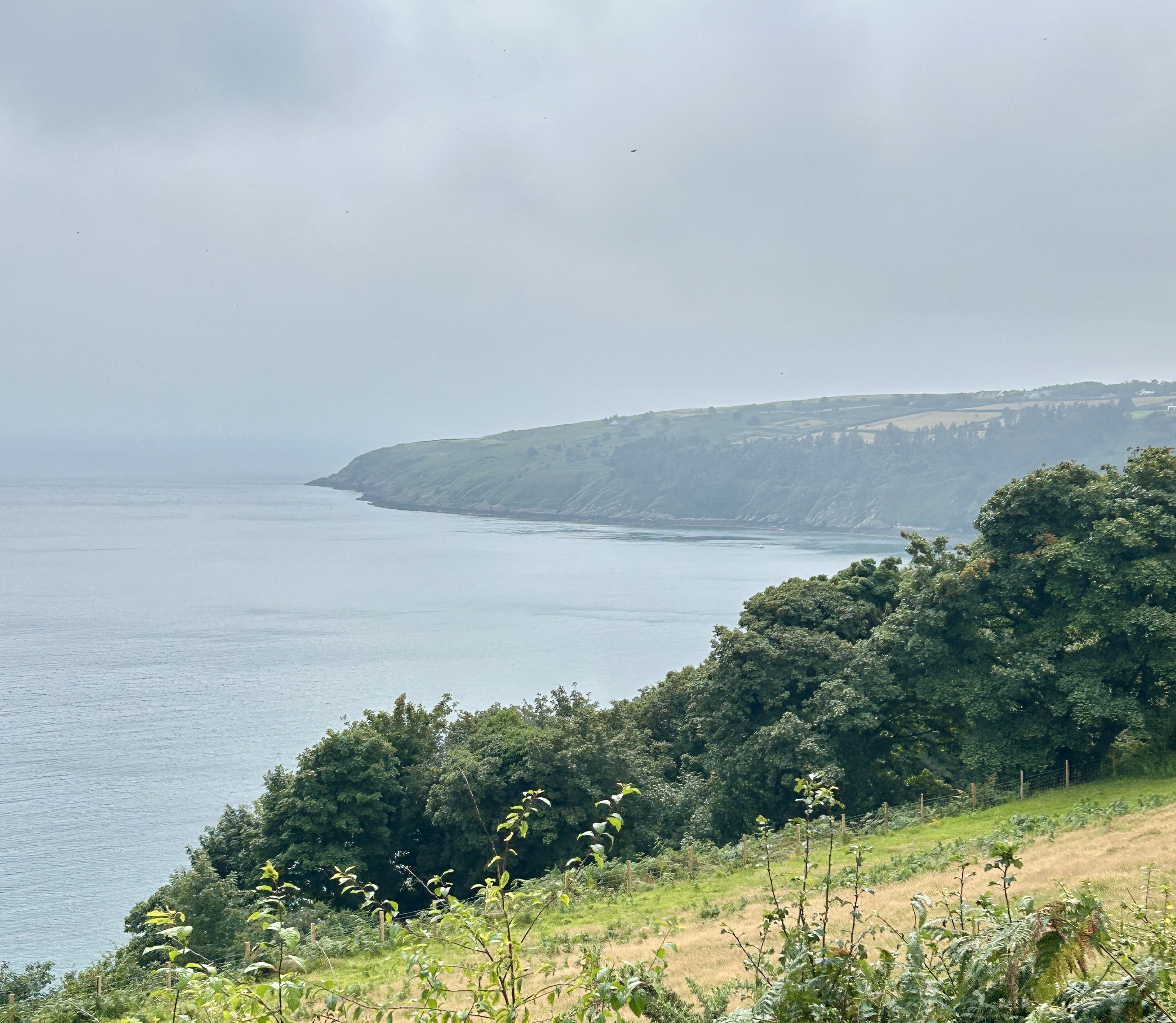
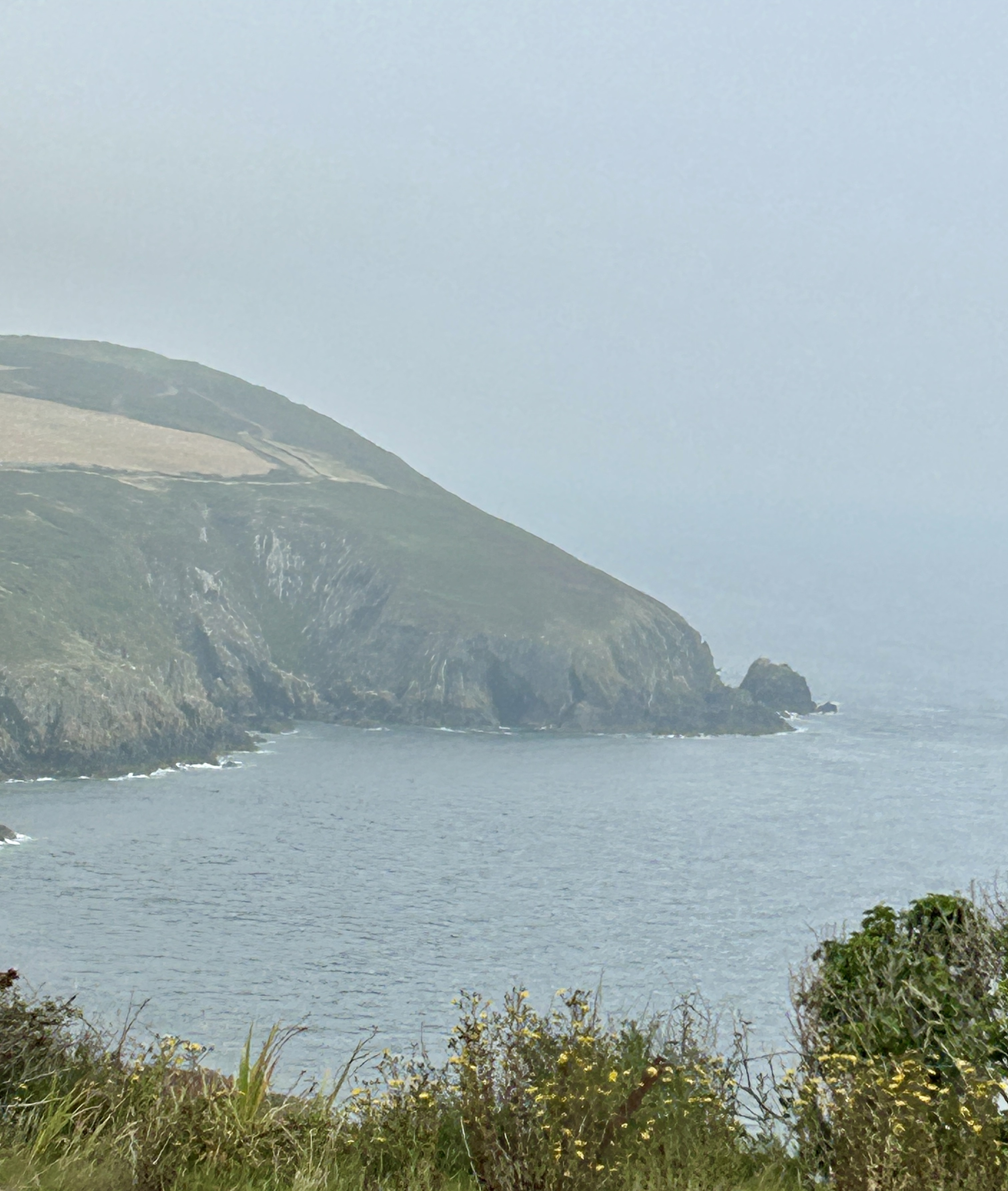
It was an overcast day but the scenery was beautiful. 📸
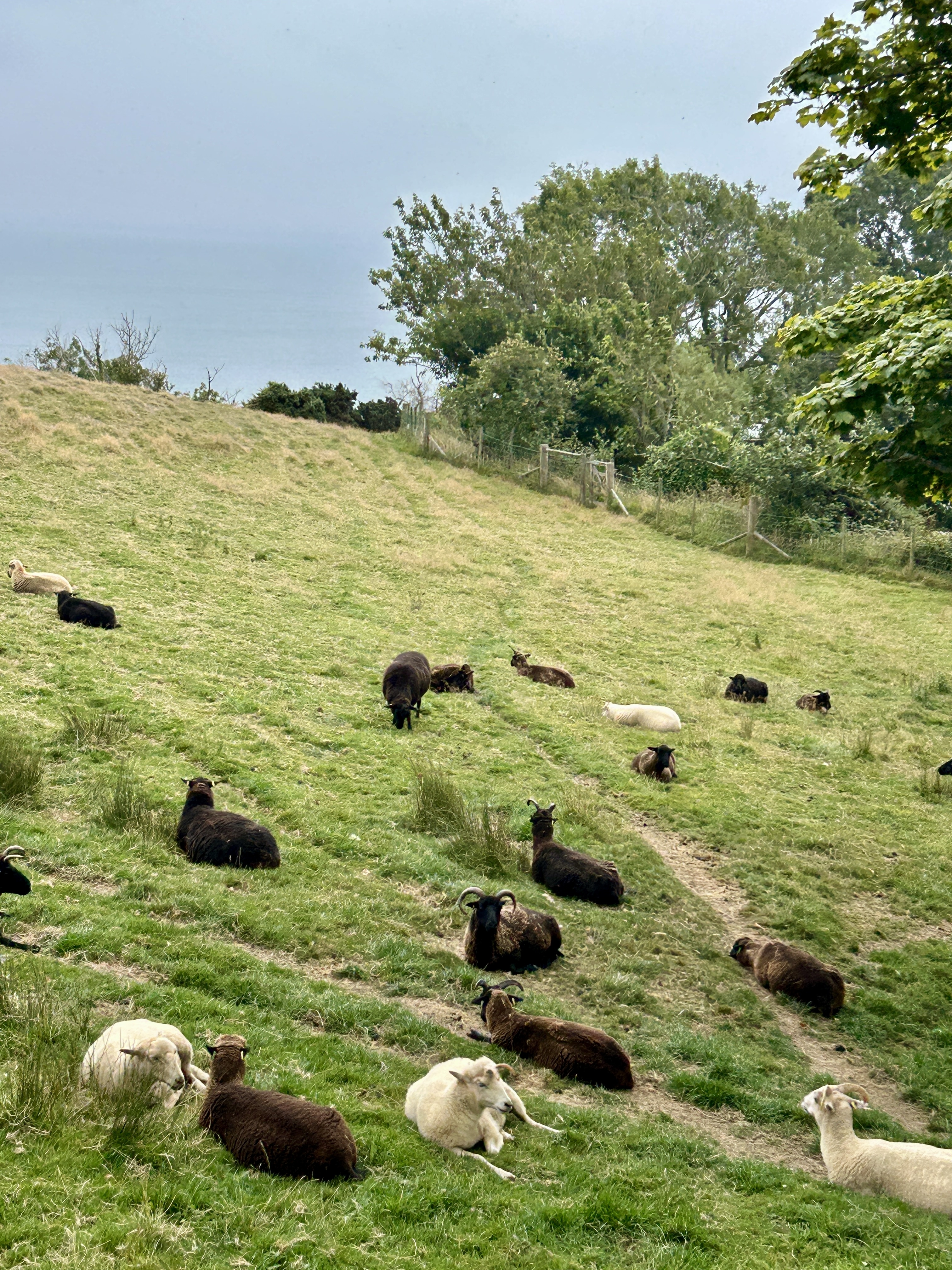
We said hi to some old friends but I don't think they were from New Zealand. 🐑
3. The final step was another electric tram up the Snaefell Mountain but based on the visibility, we decided to skip it. 👋
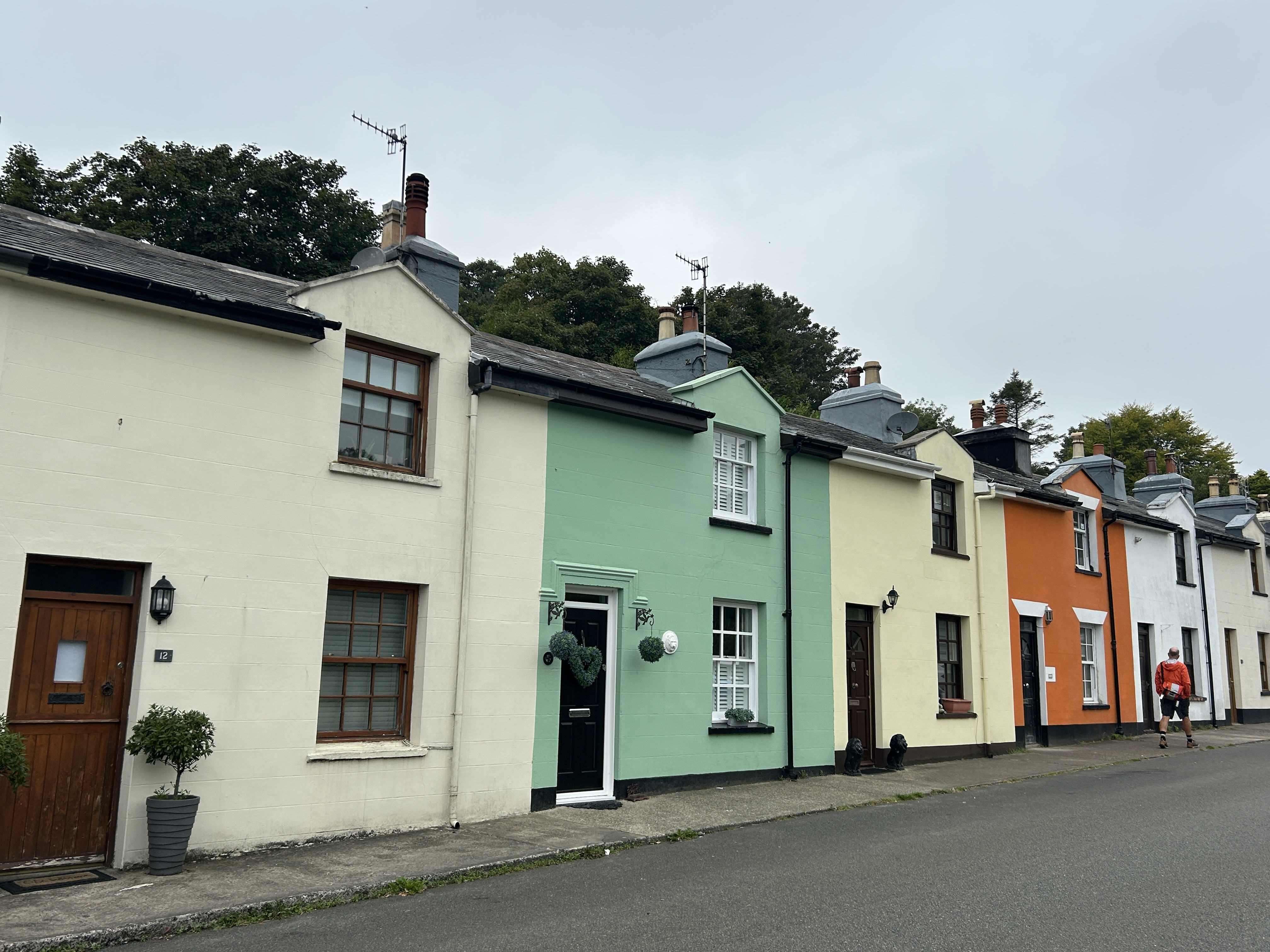
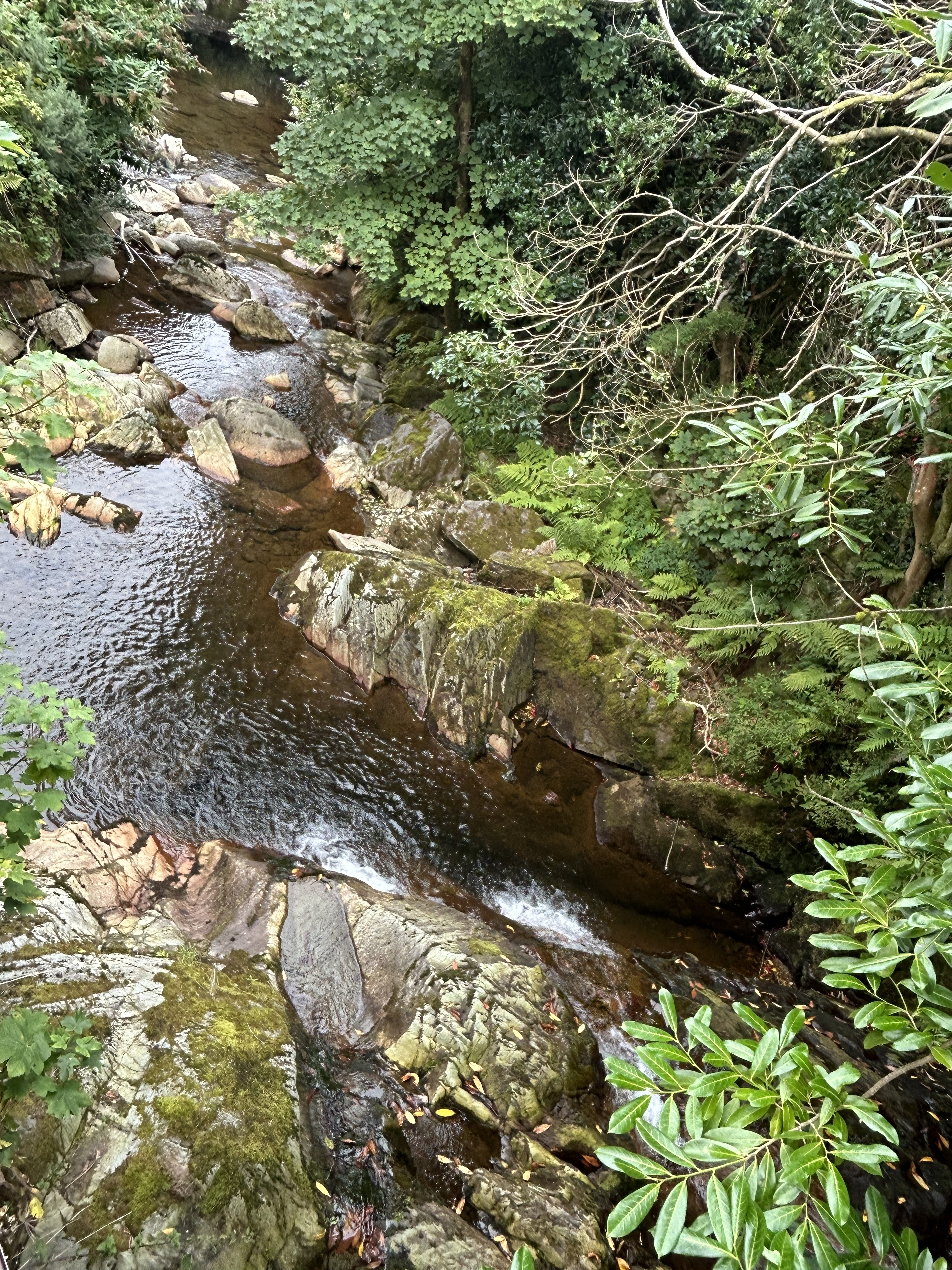
We strolled around Laxey instead.🚶♀️
The Laxey Wheel (also known as Lady Isabella) is built into the hillside above the village of Laxey. It is the largest surviving original working waterwheel in the world. Designed by Robert Casement, the wheel has a 72-foot-6-inch (22.1 m) diameter, is 6 feet (1.8 m) wide and revolves approximately three times per minute. The wheel was built in 1854 to pump water from the Glen Mooar part of the Great Laxey Mines industrial complex. 🛞
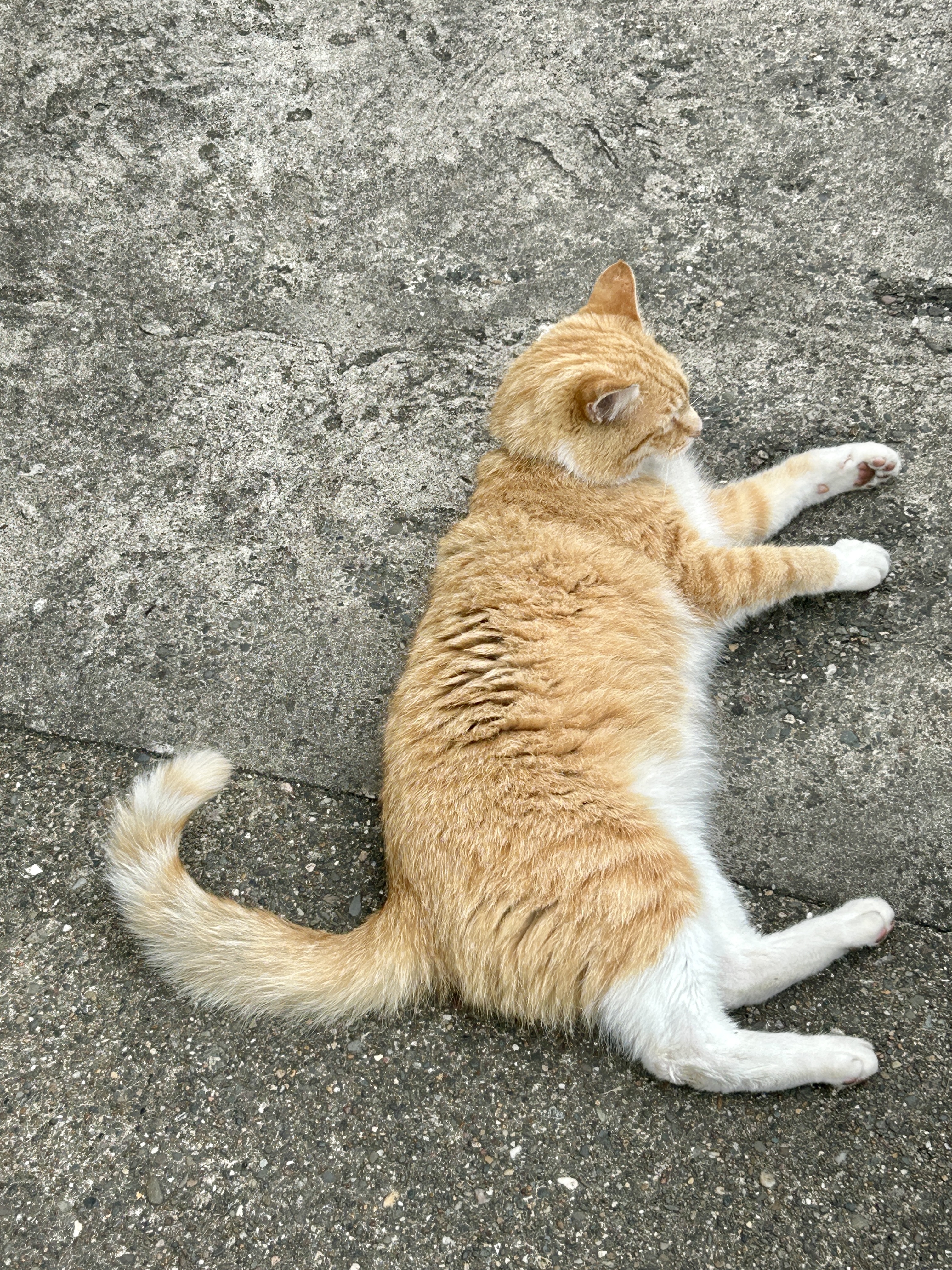
I had a Manx cat growing up (named Sammie) so I thought that all the cats would be similar. Nope, some cats still had their tails. 🐈
It was a chilly train ride back down to Douglas - more friends! 🐑
The cloudy view of the promenade along Douglas Bay from the tram. 📸
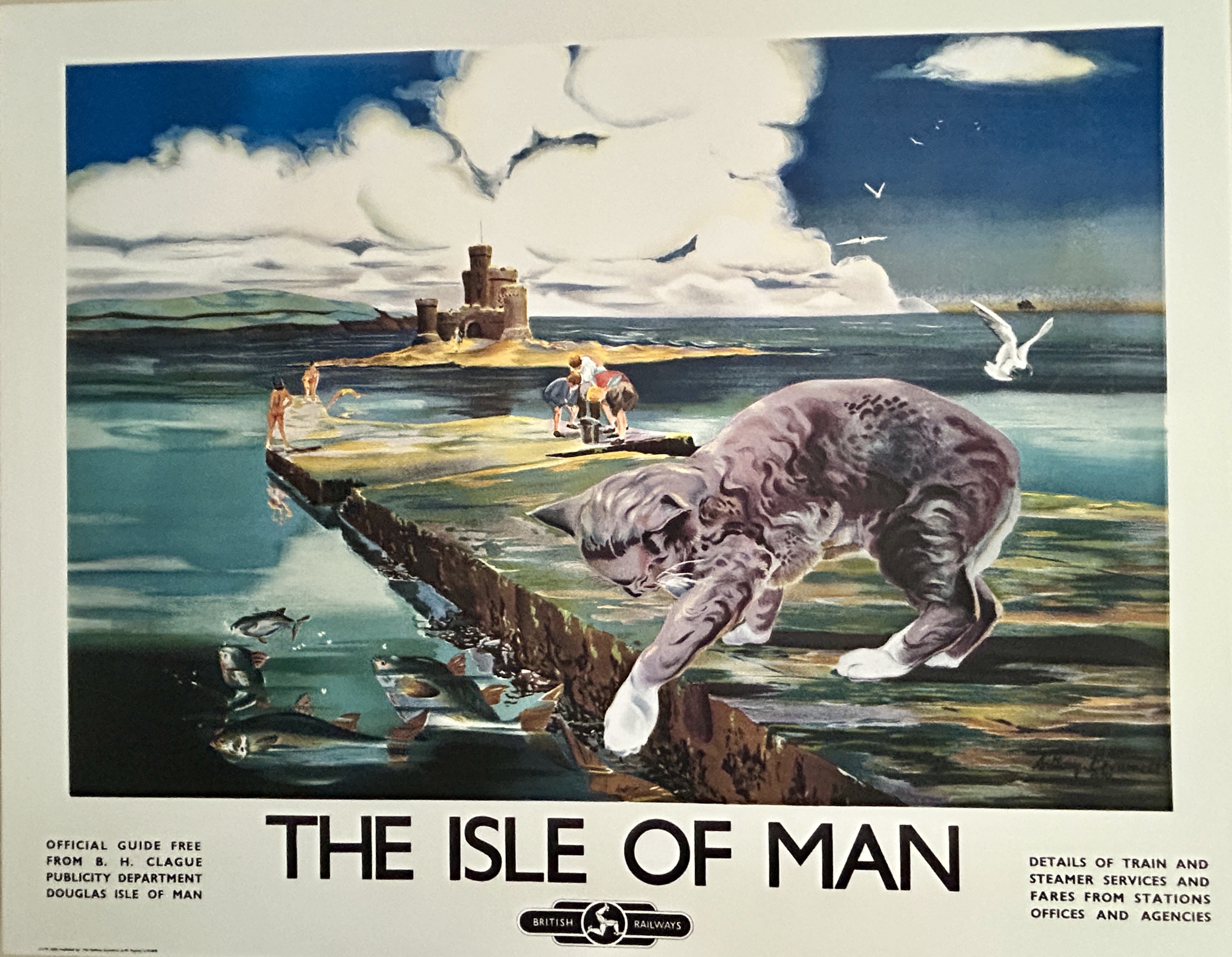
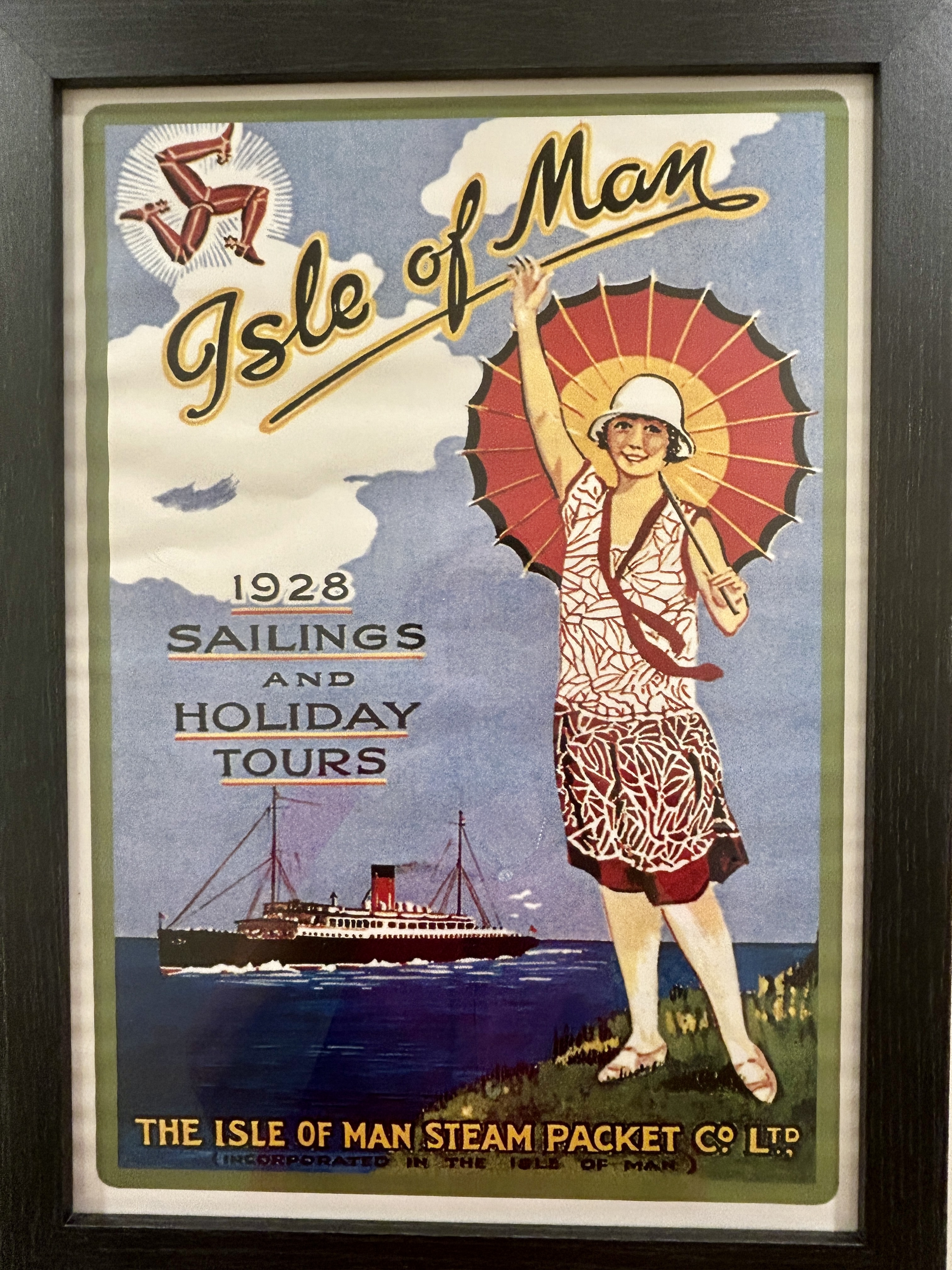
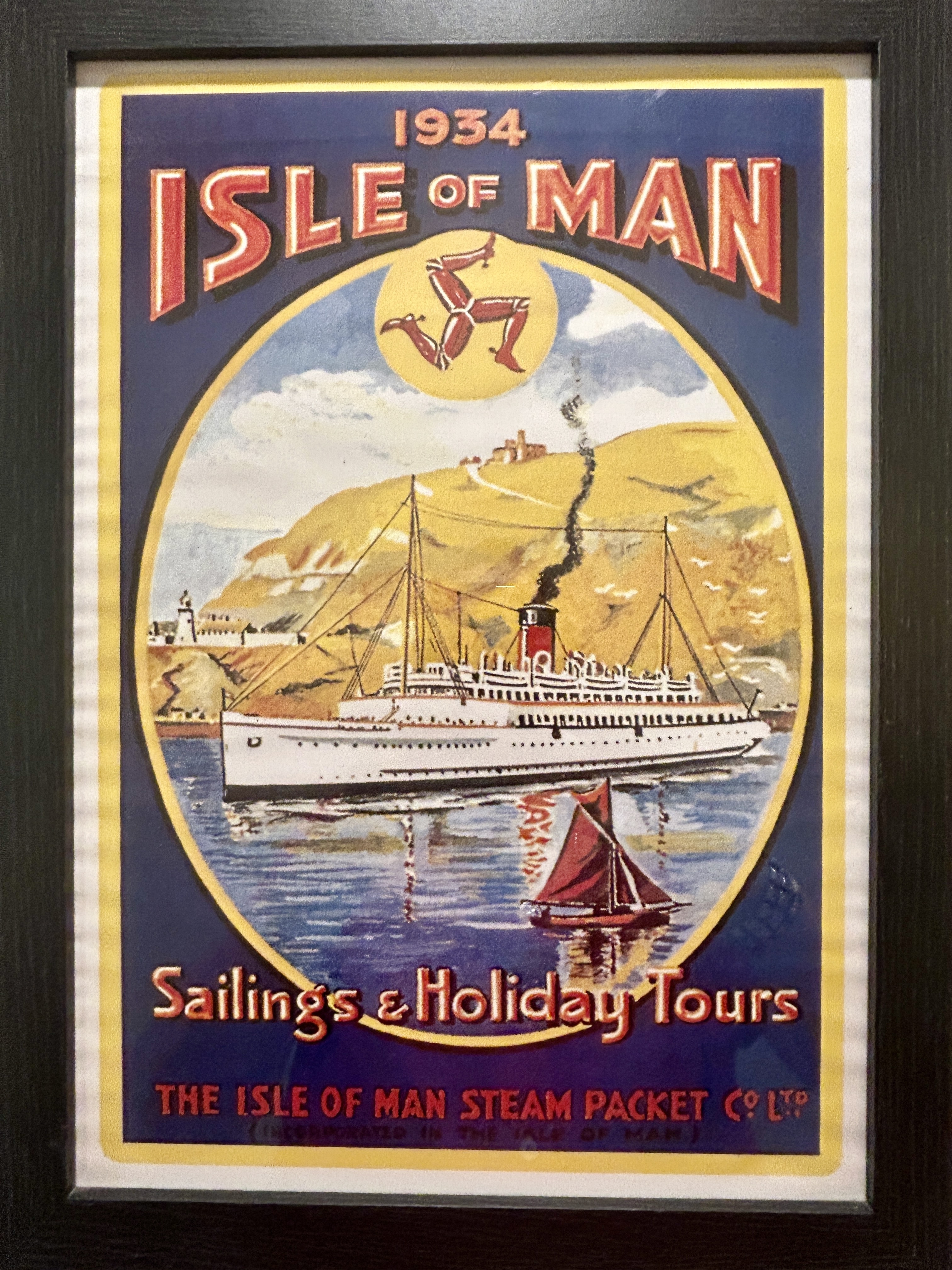
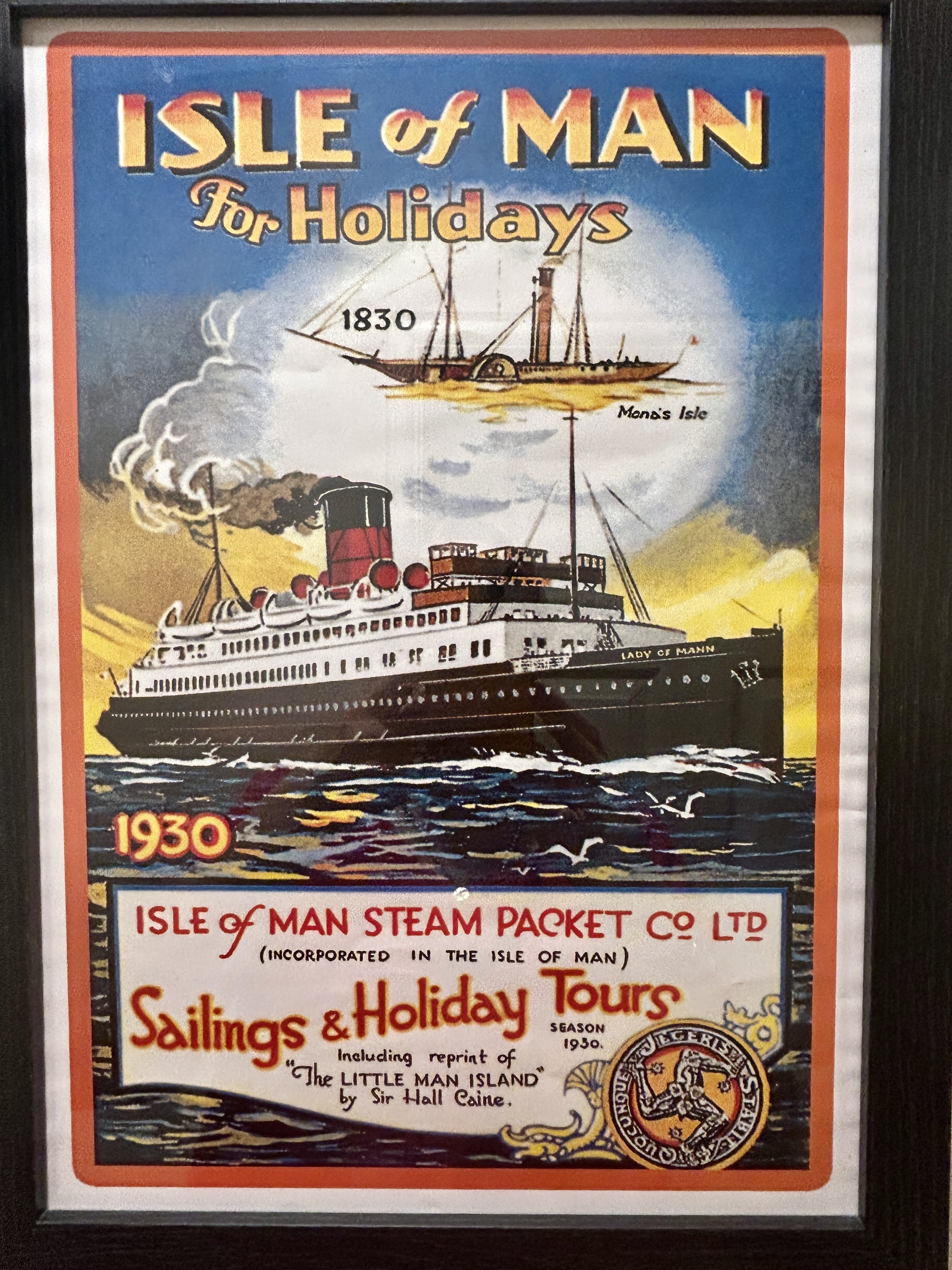
We enjoyed the historic travel posters seen around town. 🚢
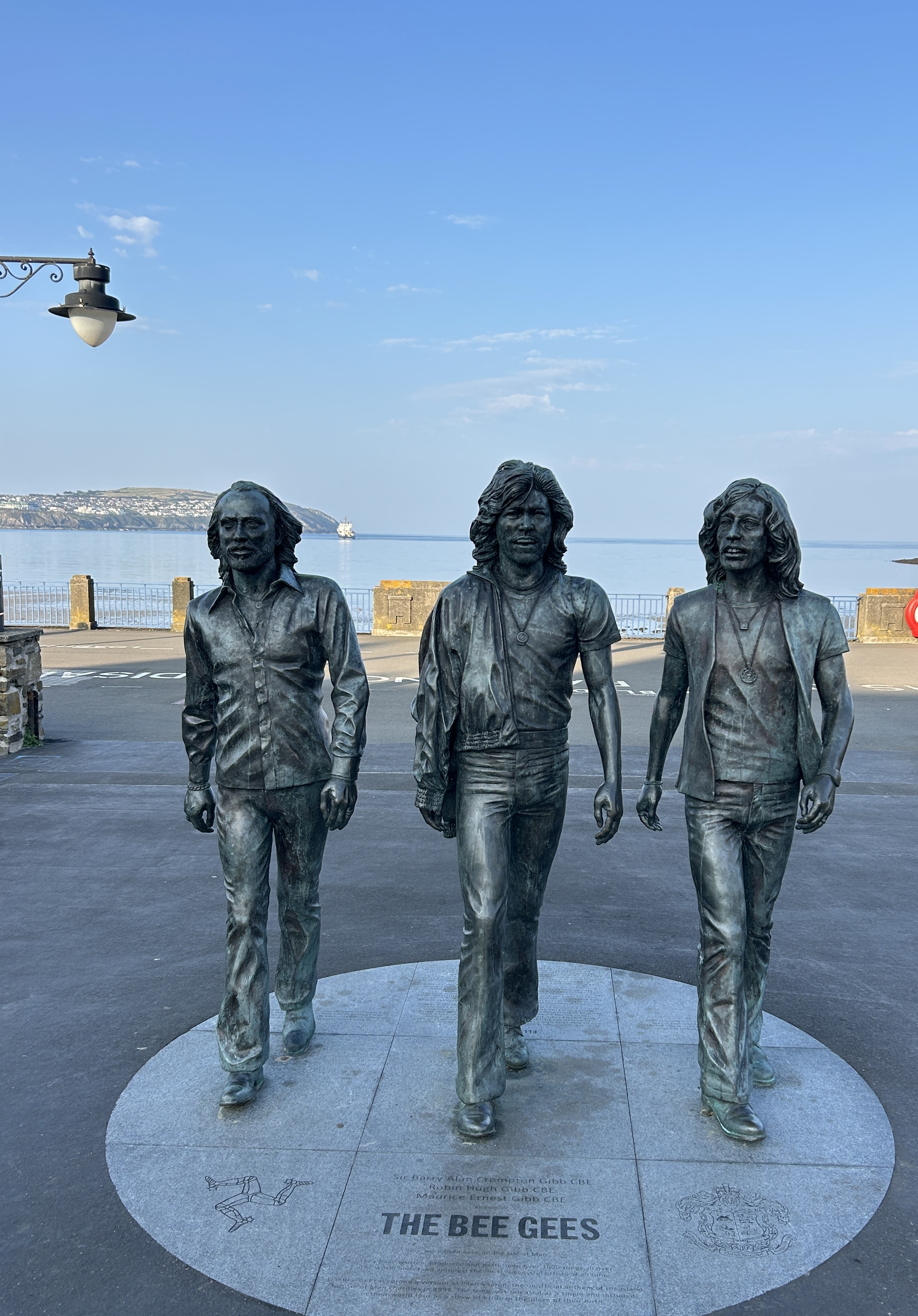
Fun fact - all the members of the Bee Gees were born on the IOM - who new?!?! 🕺🏻
It was a great trip and I learned a lot to enable more research into that part of my family history. 🌳