A homily for the Feast of the Epiphany based on Matthew 2:1-12.
In the time of King Herod, after Jesus was born in Bethlehem of Judea, wise men from the East came to Jerusalem, asking, “Where is the child who has been born king of the Jews? For we observed his star at its rising, and have come to pay him homage.”
When King Herod heard this, he was frightened, and all Jerusalem with him; and calling together all the chief priests and scribes of the people, he inquired of them where the Messiah was to be born. They told him, “In Bethlehem of Judea; for so it has been written by the Prophet: ‘And you, Bethlehem, in the land of Judah, are by no means least among the rulers of Judah; for from you shall come a ruler who is to shepherd my people Israel.’”
Then Herod secretly called for the wise men and learned from them the exact time when the star had appeared. Then he sent them to Bethlehem, saying, “Go and search diligently for the child; and when you have found him, bring me word so that I may also go and pay him homage.”
When they had heard the king, they set out; and there, ahead of them, went the star that they had seen at its rising, until it stopped over the place where the child was. When they saw that the star had stopped, they were overwhelmed with joy.
On entering the house, they saw the child with Mary his mother; and they knelt down and paid him homage. Then, opening their treasure chests, they offered him gifts of gold, frankincense, and myrrh. And having been warned in a dream not to return to Herod, they left for their own country by another road. ― Matthew 2.1-12
There is grit and dust on this story. You can feel it between your fingers. The road from the East is long and dry, the kind of road that gets into your sandals and your throat, the kind that slows you down and makes you wonder why you ever started. Epiphany begins there — not in light, not in certainty, but in movement. In dust rising from the road. In breath and sweat and hope that refuses to stay home.
“In the time of King Herod.” Matthew wants us to smell the air of power right away. The stone of the palace is cool, the corridors echo, guards stand alert. Herod’s world is built on control — on knowing who belongs where, on keeping threats at a distance. Into that world wander strangers, foreigners, astrologers with accents and questions. They ask a question that lands like a church bell crashing down from the bell tower”
Where is the child who has been born king of the Jews?
You can feel Herod’s body tighten. Power always feels it first — in the gut, in the jaw, in the quickened pulse. Matthew says Herod was frightened, and all Jerusalem with him. Fear spreads. It always does. Fear is contagious. Fear needs company.
This is how the Incarnation enters the world: not as an idea, but as a disturbance. God takes flesh and suddenly the systems that depend on distance and hierarchy start to wobble. Because a body can be touched. A child can be held — or killed. Epiphany reveals not only who God is, but how fragile our arrangements really are.
And it is impossible to hear this story in our days and pretend it is only ancient history. We know this fear. We hear it when leaders tell us we must be afraid — afraid of migrants at the border, afraid of children who speak another language, afraid of the poor who might need more than we think they deserve. We hear it when power wraps itself in flags and Scripture and says, Trust us, this is for your safety. Herod is not a villain because he is cruel; he is a villain because he is terrified of losing control. And that terror still shapes our politics. We build bigger palaces — stronger borders, harsher laws, louder rhetoric — while God keeps choosing houses. God keeps choosing children. God keeps showing up in bodies that policies debate but love recognizes.
The Magi are guided by a star — light that cannot be owned, mapped, or taxed. It moves. It disappears. It refuses to cooperate. When they reach Jerusalem, the star goes dark. The city of answers offers none. Scripture is quoted, prophecies are cited, experts are consulted. Bethlehem is named. But no one goes. Knowledge remains clean. Safe. Untouched by risk.
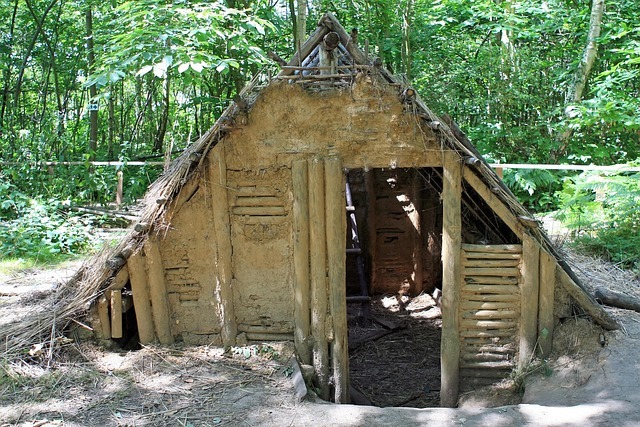
And then the star appears again. Light returns, not over a throne room or a sanctuary, but over a house. Ordinary wood. A low doorway. The smell of cooked food lingering in the air. A mother’s breath. A child’s warmth. God chooses this. God chooses small, specific, fragile space.
When the Magi enter, they do not find a symbol. They find a body. A child with his mother. Skin and bone and soft hair. They kneel not because they understand everything, but because their bodies recognize truth before their minds can explain it. This is what worship looks like when God is incarnate: bending low enough to see what is actually there.
And the gifts — gold heavy in the hand, frankincense sharp in the nose, myrrh bitter and unsettling. These are not sentimental offerings. They tell the truth. Gold says, This child matters more than empire. Frankincense says, God is closer than you think. Myrrh says, This closeness will cost something. Epiphany does not obfuscate the future. Love like this will be resisted. Bodies like this will be broken.
Herod, meanwhile, is plotting. He speaks softly. He uses the language of devotion. “Bring me word,” he says, “so that I may also go and pay him homage.” Power often sounds reasonable. Polite. Faithful. But underneath is the old hunger — to secure itself, to eliminate what it cannot control. The Incarnation exposes that hunger by refusing to satisfy it.
The Magi listen to their dreams instead. Their bodies know danger. Their sleep tells the truth. And they go home by another way. That sentence carries the weight of the whole gospel. To encounter the incarnate God is to lose the ability to return unchanged. Another way is not just a different route on a map; it is a different way of being in the world. Epiphany is not a glow around the manger. It is a reorientation of desire, allegiance, and fear.
This story is political because bodies are political. Children are political. Borders are political. Fear is political. Herod’s terror is not ancient history; it is present tense. We know this fear. We hear it when children are treated as threats instead of gifts. When strangers are reduced to numbers. When security is prized over mercy. When power builds higher walls while God keeps choosing houses, ordinary houses.
Epiphany asks us to notice where the light rests now. Not in abstractions, but in flesh. In children whose lives are shaped by decisions they did not make. In families pushed to the edges. In communities told, again and again, that there is no room. The question is not whether God is present there. The question is whether we will kneel — or retreat to the palace where fear feels justified.
The Magi return home carrying more than gifts; they carry responsibility. Revelation is never private. Once you have seen God in the flesh, you are implicated. Your politics, your economics, your silence — all of it is touched by that light. You cannot claim neutrality after kneeling at the manger. You cannot un-see what God has chosen to reveal.
Epiphany is the feast of exposure. Light shows us the tenderness of God — and the violence of the world. It shows us how far power will go to protect itself, and how far love will go to be with us. God does not defeat Herod by force. God outlives him. God out-loves him. God refuses to play by his rules.
So today, let the dust of this story cling to you. Let the smell of incense linger. Let the weight of gold and myrrh remind you that love is costly and real. And listen for the dream that asks you to go home by another way.
Because the light has appeared. And once you have followed it, there is no safe return to the dark.