A homily for the Feast of Mary, the Mother of God and the 59th WorldDayofPeace2026, based on Luke 2:16-21.
The shepherds went with haste to Bethlehem and found Mary and Joseph, and the child lying in the manger. When they saw this, they made known what had been told them about this child; and all who heard it were amazed at what the shepherds told them.
But Mary treasured all these words and pondered them in her heart.
The shepherds returned, glorifying and praising God for all they had heard and seen, as it had been told them.
After eight days had passed, it was time to circumcise the child; and he was called Jesus, the name given by the Angel before he was conceived in the womb. ― Luke 2.16-21
The shepherds still come quickly. They come into the middle of things. Into whatever is already happening. Into whatever is already heavy.
They arrive carrying news that interrupts the night — news they barely understand themselves. "Angels", they say. "Light". A promise of peace. They speak urgently, words tripping off their tongues, as though the world cannot wait for them to get the words just right.
And they arrive in a world not unlike our own. Our nights are loud. They are filled with the glow of screens and the weight of headlines. We know the names of places that carry sorrow now — Sudan, Ukraine, Palestine. We know the images: families displaced, cities broken open, children learning fear far too early. We know the arguments, the blame, the exhaustion that comes from watching suffering stretch on without resolution. Peace is spoken of often. Peace is lived rarely.
And into this world — into this world — Luke places Mary. She is not removed from history. She is not protected from danger. She is a young woman holding a child in a land shaped by occupation, suspicion, and violence. Soldiers are not far away. Power is not on her side.
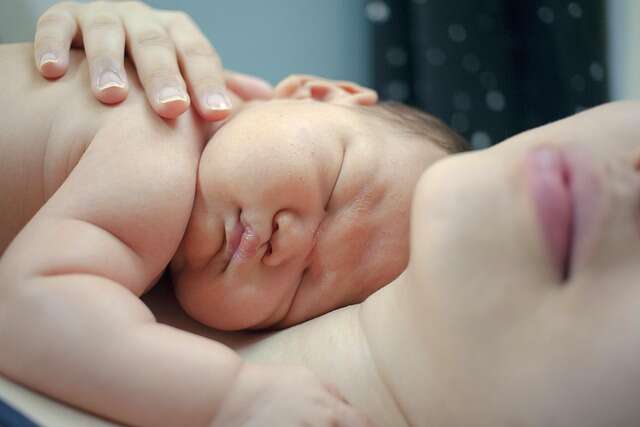
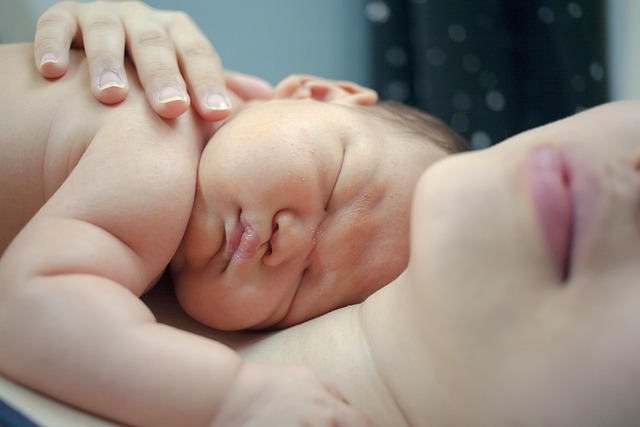
She sits, tired to her bones, her body still bearing the marks of bringing life into the world. Her arms ache. Her heart is stretched open wider than she knew was possible. The smells around her are ordinary and real — straw, animals, sweat, milk, blood. This is where God has chosen to arrive. Not into safety. Not into certainty. But into flesh.
The shepherds speak. They tell her what they have seen and heard. Glory. Angels. Peace on earth. And Mary listens.
“She treasured all these words and pondered them in her heart.”
She does not rush to make sense of them. She does not demand that peace appear immediately. She holds the words alongside what she already knows: that the world is dangerous, that power crushes the vulnerable, that children grow up too quickly in places like this.
Mary knows what it means to live under threat. So do the mothers of Sudan, holding children amid displacement and hunger. So do the parents of Ukraine, listening for sounds they never wanted to learn to recognize. So do the families of Palestine, carrying grief layered upon grief, generation after generation.
Mary holds a child while knowing how easily children are lost.
Eight days later, her son’s cry cuts the air. His body is marked. His blood is shed. He is given a name. Jesus —God saves. It is a name spoken into a world that resists being saved. A name spoken into long histories of fear and resentment, into cycles of violence that feel impossible to break. Mary hears the name and does not yet know where it will lead. She only knows that God has come close enough to suffer. Close enough to be wounded. Close enough to depend on human care.
This is not a distant God. This is not a God who observes from above. This is a God who enters the places we would rather God avoid. God enters Sudan, where peace feels forgotten. God enters Ukraine, where land and lives are contested. God enters Palestine, where grief and hope exist side by side, each refusing to disappear.
Not to take sides from a distance. But to stand among the broken. To be born where peace is needed most. And this is where Luke gently reframes peace for us.
Peace is not the absence of conflict. Peace is not the erasure of pain. Peace is the refusal of God to abandon the world to violence. Peace begins small. Small enough to hold. Small enough to lose. Small enough to require courage.
On this World Day of Prayer for Peace, we may feel overwhelmed. We may wonder what difference prayer can make when wars continue, when leaders harden, when suffering seems endless.
But Luke does not give us a strategy. He gives us Mary. Mary, who teaches us that peace begins with attention. With listening. With refusing to turn away.
She shows us that peace must be carried before it can be shared. That it must be protected before it can grow. That it often lives quietly in the hearts of those who refuse to let despair have the final word.
Peace looks like a mother staying awake with her child. Peace looks like people choosing not to become numb. Peace looks like hearts willing to hold sorrow without surrendering love. Mary treasures these things not because they are comforting, but because they are true.
She knows that peace does not arrive fully formed. It will grow slowly, painfully. It will be resisted. It will be misunderstood. It will cost her more than she can imagine. And still—she holds the child. The child she holds will one day walk into places like these. He will stand where people are divided and refuse to mirror their violence. He will speak of love where hatred has learned to speak fluently. He will offer his own body again — broken, marked, given — for the life of the world.
But today—right now—peace still looks like this: God choosing nearness. God trusting fragile human hands. God believing that love can take root even in scorched ground. So perhaps our prayer today is not that all wars would end overnight — though we long for that.
Perhaps our prayer is that we would not lose the capacity to ponder. That we would not stop holding the humanity of those who suffer. That we would not let fear or anger harden our hearts beyond God’s reach.
May we, like Mary, treasure what God is doing even when it feels unbearably unfinished. May we carry peace into a world that wounds it. And may the peace born into the world that night — quiet, vulnerable, persistent — be born again in us, for the sake of Sudan, Ukraine, Palestine, and all places still waiting for dawn.
About Fr. Graham Hill C.Ss.R.
Redemptorist priest living and working in Toronto, Ontario. Who proudly practices eccentric activities with strings under tension — from musical instruments to recurve bows.