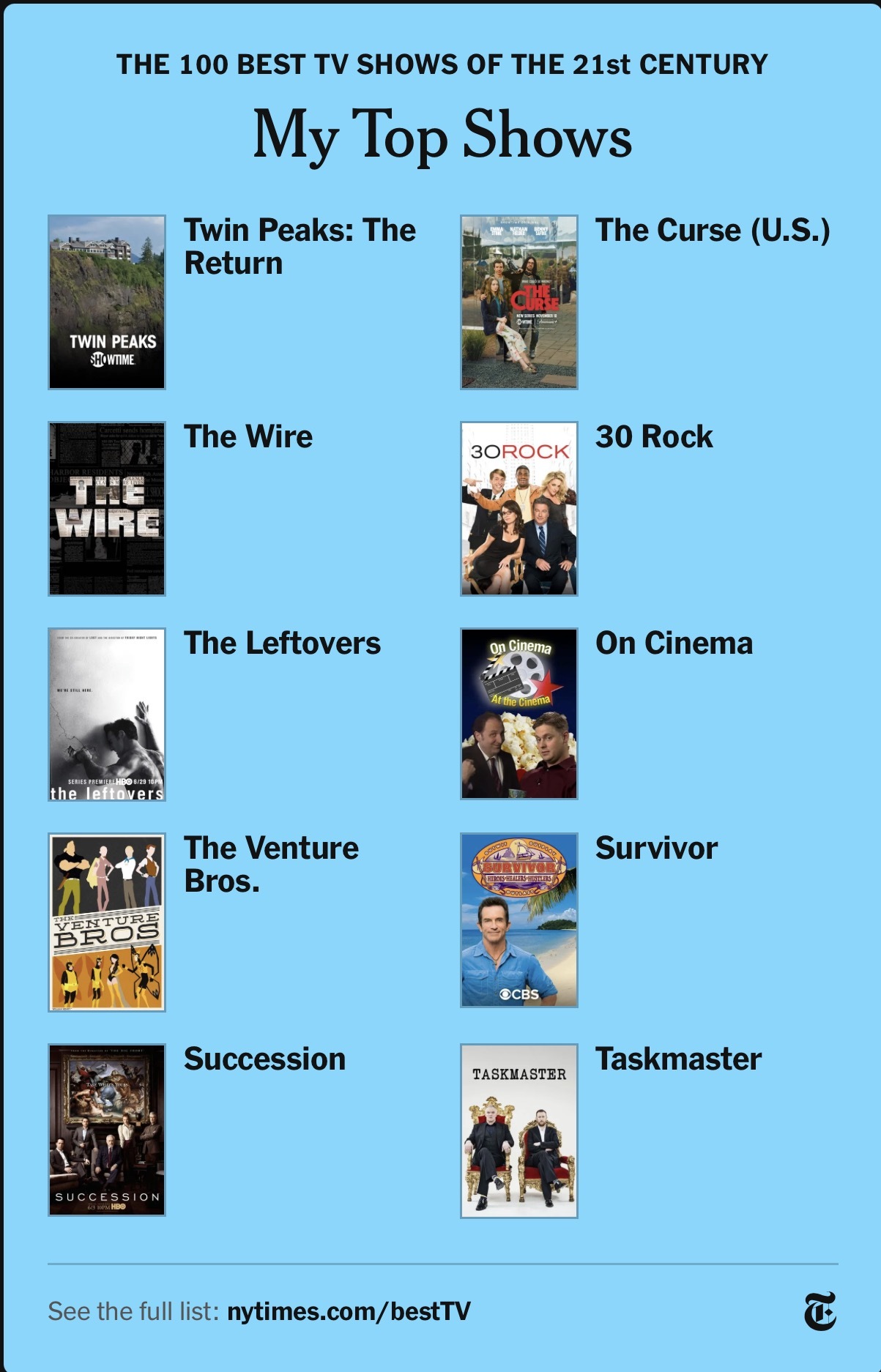
Fuck it, why not: here are my top 10 TV series of the 21st century.
Television is a weird medium. The manner of its production, the way it airs, and the sheer logistical and financial challenges of making it result in TV being one of the least wieldy, most capricious art forms on the planet. It's a frustrating, heartbreaking blend of commerce, entertainment, and artistry. Not even the horrors of Hollywood or the naked greed of the AAA gaming industry quite compare.
It's a miracle, frankly, when TV manages to be good. And when television is outright great, it raises a strange question that feels less strange for any other kind of media: what does Great Television look like? What does achievement in television actually mean?
The fascinating thing about The Sopranos—widely and correctly considered the most important series in TV history; ineligible for this list due to its 1999 debut—is what a chimera it is. It harkens back to the era of junkier, more episodic TV, even as it creates the model for TV's longform storytelling; it's broad and obvious and clumsy at times, and unfathomably subtle at others. It contradicts itself, and thwarts itself; some of its plot developments came about purely out of logistical concerns, and others seemed to stem from a stubborn refusal to deliver payoffs in ways that its audience was expecting. In some ways it reacts to its own existence. It's kind of a hot mess, and it's also an unparalleled work of genius, and the fact that it has some genuinely shitty episodes and terrible performances somehow feels inextricable from how sublime its pinnacles are, or how incomparable James Gandolfini is as Tony Soprano. (You can debate whether Walter White or Don Draper is the superior antihero lead, but that debate ends the moment Tony Soprano comes into the conversation.)
So picking a list of Top Ten TV Series feels interesting, to me, in a way that picking ten albums or books or films does not. It's an interrogation of the medium, more than anything—and the medium can be interrogated more directly than other kinds of media can be, at least for now. Thirty years from now, that might not be the case.
As painful as it felt to leave my also-rans behind—Atlanta, Crazy Ex Girlfriend, The Thick of It, Lodge 49, Key and Peele, and I Think You Should Leave, among others—what surprised me most about putting this list together was how undeniable the bulk of my selections felt. With one exception, these felt like inviolable picks. And I'm willing to believe that, once I finally watch Deadwood, that final pick will feel inviolable as well.
For now, though, here's how things stand.
#10/wild card: Succession
In all honesty, this slot could have belonged just as easily to Mad Men or to Better Call Saul. It feels weird not to include one Vince Gilligan-adjacent production, since Gilligan is the most accomplished hit TV maker working today; it also feels weird not to include Mad Men, which is perhaps the most perfectly-crafted longform series in television history, start-to-finish. But there's a reason those two series were vying neck-and-neck with one another and with Succession, and there's a reason why it didn't feel right to include all three, and both feel as interesting as the reason why I wound up going with Succession, in the end.
Longform serial drama defined Peak Television, during the decade-and-a-half that that was a thing. The Sopranos and Deadwood and The Wire and Mad Men and Breaking Bad formed the backbone of most critical discussion of television, and still forms the lens through which most TV gets discussed. LOST provided the blockbuster megahit version of this; Game of Thrones provided the culturally-unavoidable high-budget equivalent. Boiled down to their essence, the conversations about these series amounted to: What does it mean for a TV series to turn a longform saga into a work of art? When a show pulled this off (and especially when it stuck the landing), it felt like a breathtaking accomplishment.
Over time, though, it feels like a certain fatigue set in. It didn't help that studios have become stingier with their budgets, less willing to take risks, and more focused on spectacle over time... but that wasn't the whole of it. The TV landscape grew fractured and plentiful. More television is released now than ever before, and it's simply become too much. Fewer showrunners are given the chance to produce something on this scale nowadays, but more to the point, audiences just can't afford to invest their time in every hundred-hour drama that comes along.
So as masterful as that kind of storytelling is—and, truly, it pained me to leave those other series off this list—I just don't think it defines television as a medium the way we once thought it did. And TV has too many facets to focus overly on this one, as extraordinary as it may be. (With one major exception, The Wire, but we'll get to that later on.)
So why Succession? In part, it's just that I'm partial to the British writing circles that showrunner Jesse Armstrong came from—Chris Morris, Armando Iannucci, et al. In part, it's because Succession feels like an extraordinary scriptwriting achievement: I'm not sure whether any other show packs as much of a punch, line-for-line, as Succession does. But three things pushed Succession over the top for me:
First, it's a phenomenally subtle piece of filmmaking, one whose cinematography and set and character design speaks quiet volumes. There's a fineness to its production, an intricacy to its craft, that stands alone. Mad Men is superbly well-produced; Better Call Saul is a virtuosic piece of craftsmanship, among other things; but Succession has a sophistication and an elegance to it that feels unmatched. For lack of a better word, it feels impervious, in a way that no other show can touch.
Second, Succession has higher highs, as both a drama and a comedy, than either of those other two series. Its tragic peaks are devastating; its unsettling political developments are stomach-churning; its quietest, most tender moments capture profound heartbreaks and sorrows. At the same time, it's easily one of the most hysterically funny shows ever written. It feels like alchemy. It's astonishing.
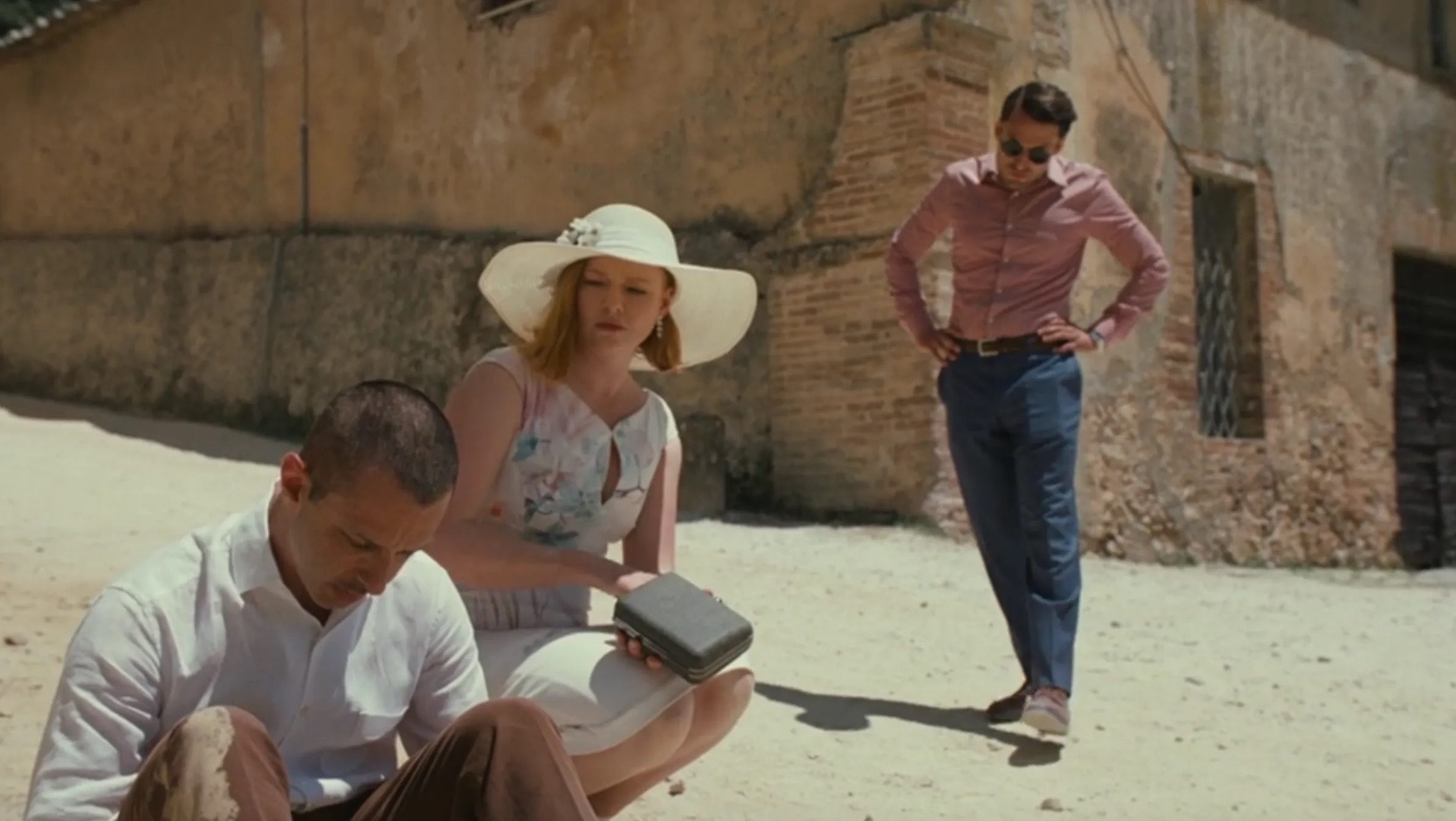
Finally, while both Mad Men and Better Call Saul have tremendous casts, Succession turns in so many flat-out jaw-dropping performances that it feels almost unreal. Jeremy Strong received a tremendous amount of attention during the series' run, and for good reason, but Brian Cox and Sarah Snook and Kieran Culkin and Matthew Macfadyen all handily match him. It's the only major drama, I think, where you could make a strong case for fiveseparate actors each turning in a best-of-the-century performance. And that's before you get to Nicholas Braun crafting one of the funniest characters to ever appear on-screen, or the supporting cast, none of whom are ever less than terrific.
Like I said, this was the only genuine hard call. It's a little shocking how easy the others all were.
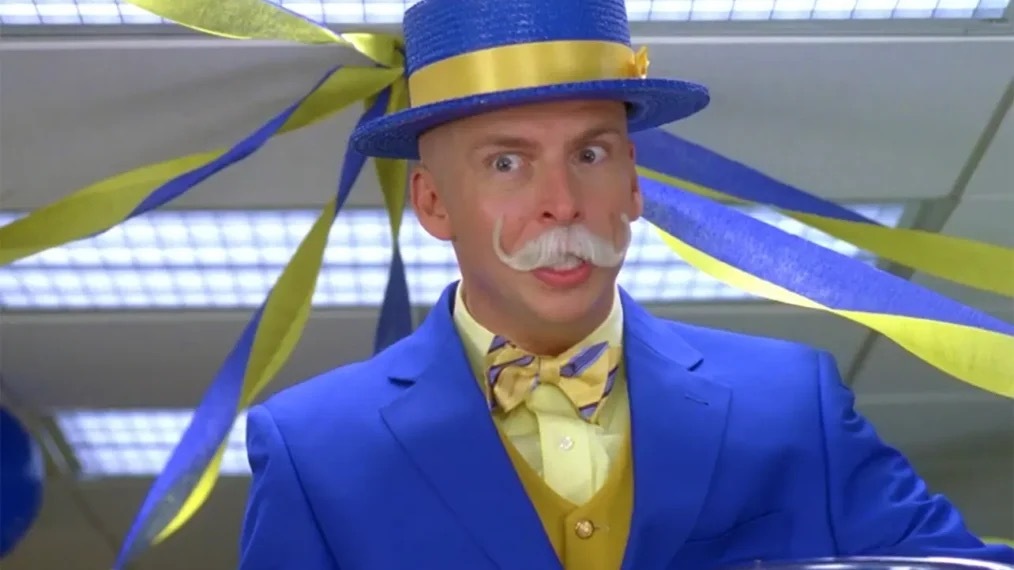
#9: Taskmaster
I mean this without hyperbole: I'm pretty sure that Taskmaster is the platonic ideal of a television series. This is what the medium was invented for. A strange little man cracked the formula and solved TV forever.
I'm sitting on a half-finished draft of a much-too-long essay about this show, but to steal a word I used earlier: Taskmaster is a fascinating chimera. On the one hand, it's a meticulously shot-and-edited show where people complete bizarre and whimsical and mildly oppressive tasks in complete isolation, unsure of whether they're doing well or even doing the right thing (let alone out-performing their competitors); on the other hand, it's a piece of live theatre, full of camaraderie and affection mixed with campy antagonism. Contestants get longer runs here than they do on most game shows—the same five players get a season-long run—but once they're out, they're out forever, and the show deals a new five-person hand, carefully picked to maximize delight.
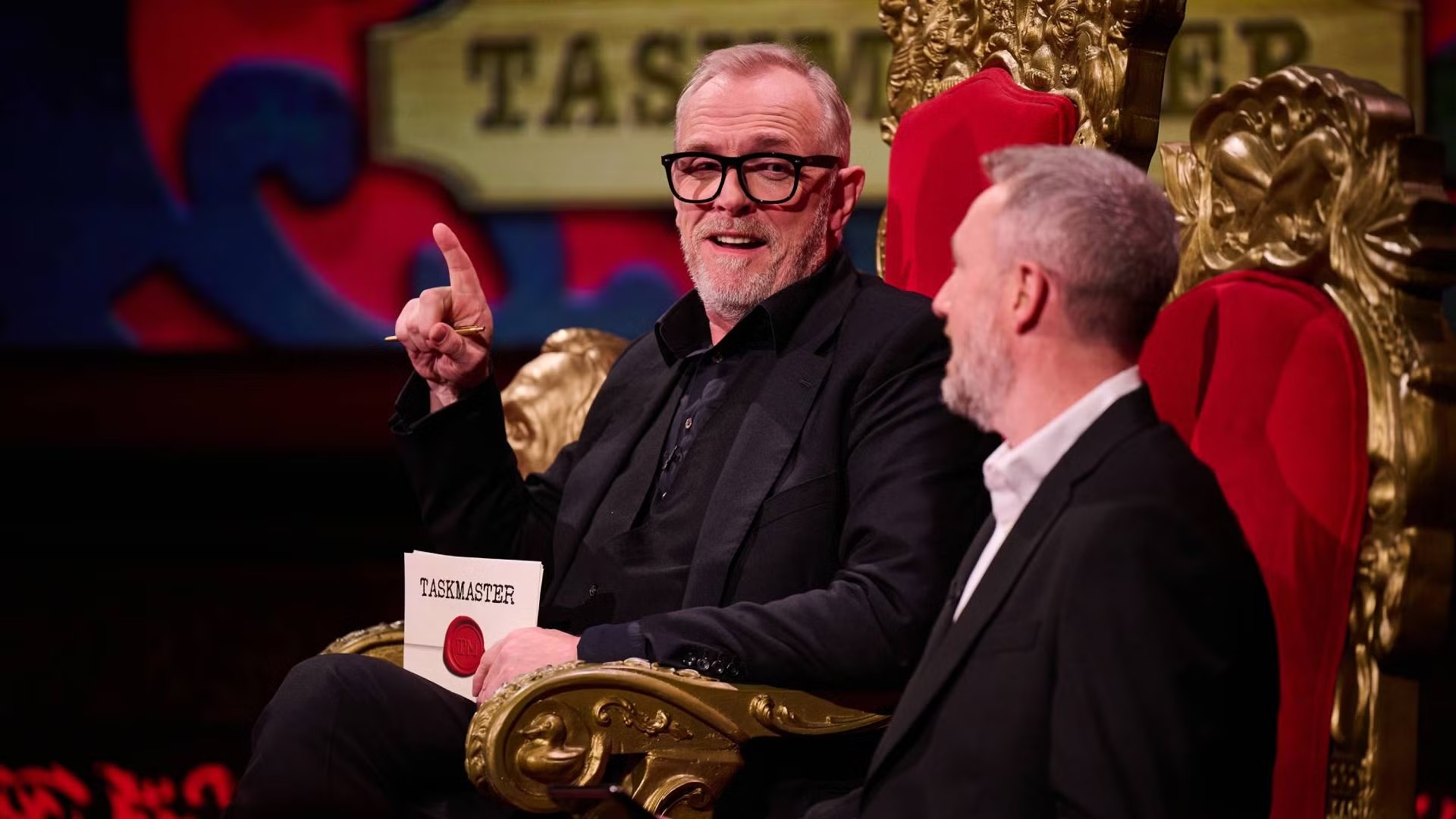
Nothing reflects the series' chimeric nature more than its creator, Little Alex Horne, who is at once the player's merciless tormentor and their favorite whipping boy. Alex is both obsequious and unfathomable: he exists to run menial errands and endure countless humiliations, and at the same time he's the one who devises the tasks and the one who enforces them, refusing to offer players any guidance, watching silently as they fuck up and fail, observing their misery with a straight face and a snide remark. His role is calculated to make players hate him, at which point he endures their revenge schemes and suffers as he deserves to. On stage, he plays the toady to Greg Davies' tyrannical, titular Taskmaster, where he is mocked and scorned and accused of endless awful deeds. (And in turn, he gets his brief moment of revenge: the opening "banter section," in which he is free to devise little gags and odd comedic bits that Greg openly despises. Among other things, the show is a fascinating exercise in power dynamics.)
The secret to the show's success is the deep trust it places in the comedians it casts: more than anything, it wants to show them being human, in all their glories and foibles, their brilliant acts of creativity and their flabbergasting moments of idiocy. It's impossible to appear on Taskmaster without coming across as a complete fool; it's equally impossible to appear on it and not have moments of genuine triumph. The time and space between the tasks' recordings and their on-stage revelations—and the phenomenal work the editors do sequencing their efforts and stitching them together—turns the stage show into a mix of self-reflection and revelation, with players laughing at their former efforts while also learning, along with everybody else, just how well (or how poorly) they did. And the show delights in tripping players up at the last minute, offering them a moment to revel in their seeming victories before showing them the slight technicality that disqualifies their efforts altogether.
The tasks themselves are marvels, madcap and colorful and surprisingly endless in their variation. The formula of the show demands only that its tasks be nothing like its players can anticipate, and that makes for an awfully wide berth. And while the show's international variants prove how flexible and how robust its basic structure is—Taskmaster New Zealand in particular is extraordinary—watching the original series really does show what an individual and personal creation this was on Alex Horne's part: his series' tasks have a peculiar and unplaceable flavor to them that could only have sprung from his mind to begin with. You can tell, because they resemble the inimitable flavor of Taskmaster itself.
#8: 30 Rock
Like The Simpsons before it, when you learn what it cost 30 Rock's writers to make it—how maddeningly hard they had to work to crank out work this good at this fast a pace—it makes sense that we haven't seen its like again, and in all probability never will. Unlike The Simpsons, 30 Rock was permitted to end on a high note. That it manages to rival The Simpsons in terms of speed and quality and biting cultural relevance is all the more incredible given that it was a live sitcom, with none of the malleable luxuries of being a cartoon.
At a time when every other sitcom was skewing more minimalist and naturalistic, following in the wake of shows like Curb Your Enthusiasm and the British Office, 30 Rock was all Show Business, down to the big-band soundtrack. It was also remarkably shrewd, tackling big subjects like gender and race and class and sexuality while also pointing out the contradictions and hypocrisies in how those topics get discussed. ("Women are allowed to get angrier than men about double standards!") Liz Lemon is at once beleaguered by the ways in which the world punishes her for being a woman and more than willing to try using that unfairness to justify all the ways that she abuses her own power and privilege, a victim and an oppressor all at once.
Surrounding her is an army of brilliant caricatures. There's Jenna Maroney and Tracy Jordan, both narcissistic and insane, forever competing to be at the top of their very small dogpile. (Jenna: "Men think they can get away with anything. It's like when Adrien Brody kissed Halle Berry at the Oscars." Tracy: "We're here because white folks think they can do whatever they wanna do to black folks. It's like when Adrien Brody kissed Halle Berry at the Oscars.") There's Kenneth Parcell, the cheery redneck slash immortal angel. And then, of course, there's Jack Donaghy, Alec Baldwin's comic masterpiece of an alpha male, impossibly virile and completely thin-skinned all at once. A lesser sitcom would have revolved around how different Liz and Jack are; what sets 30 Rock apart is that it understands just how deeply Liz and Jack are really the same.
But more than anything, 30 Rock is unparalleled as a sitcom for its sheer comic inventiveness, its inability to sit still, its willingness to turn into a live-action cartoon without losing sight of the world that it was satirizing. It had the clout to pull in celebrities and Oscar-winning actors, the budget to build elaborate sets for six-second-long jokes, and it gleefully abused both. And after six seasons of deeply cynical gags and over-the-top absurdist invention, when it came time to wind down, 30 Rock pulled no punches, and turned in a string of seventh-season episodes that pay off character arcs and tug at heartstrings so beautifully that it almost feels unfair. No show that ends on a St. Elsewhere gag (or the reveal that one of its characters is literally centuries old) should also get to feel this moving when it ends. But that's 30 Rock: a satire of, and tribute to, an era of showbiz entertainment that knew every trick of the trade, even as it deconstructed and mocked the tricks it was using.
And without getting too bleak or too political: no other comedy predicted Donald Trump's America like 30 Rock did. If anything, it has aged disturbingly well.
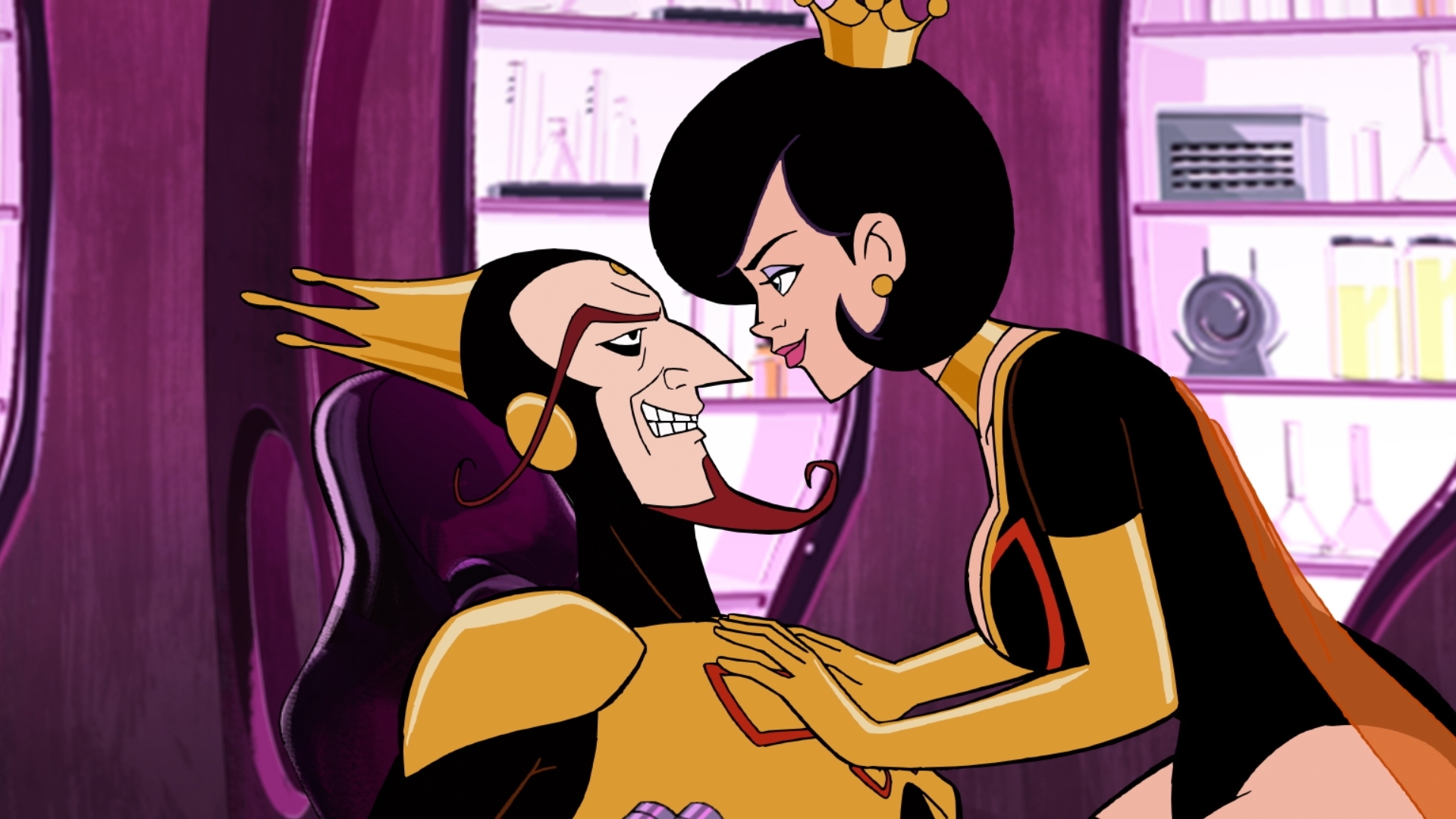
#7: The Venture Bros.
Animation rarely gets to be as intimately crafted as The Venture Bros., which was written and drawn and mostly all voiced by its two creators, whose evolution as artists is visible on-screen season by season by season by season. And it's a hell of an evolution.
Nobody who watches the first season of this series could possibly imagine putting it on this list; nobody who gets past the fourth would struggle to leave it off. The show's leap in quality, season-over-season, is breathtaking to behold: what starts as a lo-fi animated series that you might have found on Newgrounds turns into an absolutely killer comic epic, with gripping action sequences and stunning plot twists that feel less and less like a piss-take on the DC/Marvel universes and more and more like the real deal. At the same time, The Venture Bros. remains funnier than it has any right to be, with weirder and more esoteric jokes than most shows dare to make, and with a more innovative and imaginative take on superhero franchises than more straight-and-narrow approaches to the genre allow themselves to have.
(One standalone episode, for example, reimagines Andy Warhol's entire Factory lineup as a rogue's gallery of comic-book villains, making deep-cut jokes about Warhol's lesser-known friends and artworks while simultaneously spitting out a dozen fantastically clever new supervillain concepts. It works on all three levels: the supervillains work as parodies of Warhol's Factory, and they work as parodies of existing comic-book villains, and the wordplay by which each member of the Doom Factory is associated with both a Warhol superstar and a known villain is absolutely scintillating—and it's as slick and as tightly-paced as any action series gets. In less than a minute, The Venture Bros. throws out more ideas than some shows come up with in a season, and it does it with a level of craftsmanship that's unmatched anywhere. This is also true of any other minute of the series.)
Even in the first season of the show, you can see telltale signs of its grandiose ambitions. In its pilot—which was literally made with Macromedia Flash—The Venture Bros. immediately makes its targets known: fragile masculinity, the relationship between consumer culture and the military-industrial complex, the casual cruelty of corporations, American fetishization of other cultures, and our psychotic association of violence with patriotism, among other things. The Venture Bros. revolves, not around cartoons' and comics' highest moments, but around the mediocrity of Hanna-Barbera's Jonny Quest era: that moment in pop culture where all the tropes had become rote, mindlessly regurgitated, simultaneously banal and apathetic and, when you think about it for a minute, weirdly sinister. The central joke of the whole series is how, taken at face value, pretty much any action-cartoon universe is psychopathic and terrifying, and completely blasé about mass casualties racking up on a daily basis.
What happened to boy wonder Jonny Quest after years of his father putting him at mortal risk every week? How does an 11-year-old boy cope with being nearly killed again and again, with seeing people die in front of him, with having to kill himself? Who does he become once when he's middle-aged and popping pills—both prescription and not—and dealing with the legacy of his brilliant father, and with his own subsequent lack of education? And what sort of father thought it was okay to do this to his son in the first place?
It's a funny concept that gradually turns into a heartfelt, even vulnerable examination of masculinity, as skewed through the prism of post-Reagan America. Again and again the show finds variations on the theme of fathers, sons, and of course brothers, resenting and fearing and struggling to connect with each other for reasons that seem trivial but run too deep to easily unravel. And while the show mostly revolves around men who are flawed to the point of being flat-out horrible, it also offers the tender, hopeful throughline of the relationship between The Monarch, a failed butterfly-themed wannabe villain, and his much-more-formidable girlfriend, which starts off as a gag about terrible entitled boyfriends and slowly becomes a story about a man genuinely trying to love someone the way she deserves to be loved.
Holding all this together is the strange, marvelous relationship between creators Jackson Publick and Doc Hammer, whose chemistry and friendship defines the structure of the entire show. Virtually every set of characters is introduced in pairs, one voiced by Publick and the other by Hammer. It's an endless succession of two close friends inventing funny voices and devising silly bits and cracking each other up... and then, slowly, diving deeper into those bits and turning dumb throwaway joke characters into rich, three-dimensional portraits. (It's wild to rewatch the series and watch Action Man, who eventually becomes a pivotal part of the show's mythology, be born as a sight gag in the middle of an unrelated joke about David Bowie lyrics.) At first, it's a joke that characters this stupid would even have emotional interiority. Then, the joke is that you forget these characters started as throwaway bits to begin with.
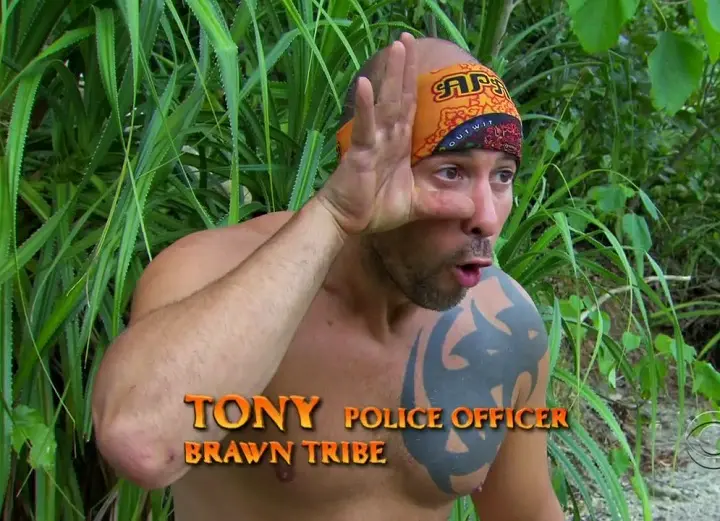
#6: Survivor
Nobody expected Survivor to be a social game. Creator Mark Burnett unironically anticipated it turning into a game of alpha-male providers competing to demonstrate their strength. Instead, the openly gay Randy Hatch—the "snake," as fellow competitor Sue Hawk dubbed him—took home the show's first million-dollar prize, by means of social engineering and manipulation. And with that, the most famous reality series in history was born.
Fifty seasons in, this remains Survivor's fundamental bait-and-switch. It was never a show about survival. It's a show about people: tribes of people, half-starved and impulsive and irrational. More specifically, it's a show about what people think about other people. And it's a show about what it means for one person to convince a bunch of other people to choose them other somebody else, all while plotting to stab most of those other people in the back.
What makes Survivor engrossing—and what made it a template for every reality show to follow—is how it captures the strange shifting-sands nature of community: people reacting to people reacting to people, always volatile, never stable. It documents (and lampoons) people's impressions of themselves: their delusions, their arrogance, their petty gripes and obsessive fixations. It catches moments of startling vulnerability, showing people at their rawest moments, witnessing the genuine love and care and affection that near-total strangers can show one another.
Above everything else, it revolves around the fundamental paradox of people who are forced to be simultaneously individualist and communal. How do you win a game that insists on only one winner, but lets all the other players choose who that winner is? How do you forge alliances that you know you'll eventually break, with people who know just as well as you do that, at some point, one of you is going to have to go? The answer is mercurial, and changes with every season—in part because the answer is so predicated on every other person who happens to be playing. But one thing generally remains true: you can't play Survivor well unless you are very, very good at understanding other people, and at understanding how those people see you.
It's fascinating just how different the people who come out on top tend to be. It defies age, gender, occupation, even personality type. Turns out, social intelligence can be found in most any kind of person. And watching social intelligence in action is endlessly intriguing: Winners at War, the much-ballyhooed season 40 extravaganza that pit twenty former winners against each other, was engrossing in part because it exclusively featured people who'd been vetted for their ability to deftly read other people. It was The Avengers for people who fetishize communication, and it produced as surprising a winner as could have possibly been hoped for.
The real heroes of the series are of course its editors, who pore through hundreds of hours of footage to craft something approximating narrative storytelling. At times, the editors can be savage, callous, uncaring; at times they can be melodramatic and mawkish; but they have defined a visual language and a tempo for an entire medium, one that alternates between the outrageous and bizarre (who are these people??) and the utterly relatable. And over time, as Survivor has gotten more meta, more focused on (and obsessed with) itself, it has become in part a story about its earlier years: about the cruel ways that it treated its players, especially women; about how little it understood (or cared) about the serious toll it took on many of its contestants' mental well-being; about host Jeff Probst's own blind spots, his inability to value players who weren't the sort of man he personally admired, his realization that "neutrality" is itself a loaded concept.
In many ways, the genius of its format saved Survivor from its grossest failings. It couldn't help but highlight the brilliant social understandings of women like Pavarti Shallow and Cirie Fields, who lined foolhardy men up one by one and walked them to their own demise. It couldn't help but notice just how many of the "alpha males" Burnett and Probst preferred wound up hoisted, again and again, by their own petards. And over twenty-five years on air, it watched fan favorites age in real time, as dipshit twentysometimes turned into middle-aged parents, watching a new cadre of eager dummies go running around the jungle and realizing that they were watching themselves.
The pantheon of Survivor legends feels genuinely epic, in a way that other reality shows can't touch. Fifty seasons has given the show room to develop hefty arcs and lengthy sagas, twisting and turning in directions that nobody could have anticipated, seeing as nobody was writing them. (Former player and The White Lotus creator Mike White has said that Survivor inspired his writing style far more than any three-act structure ever has, by showing him just how quickly and unendingly people's dramas tend to play out in real life.) Whether those sagas wind up feeling powerful and triumphant or heartbreakingly sad—or whether they turn out to be a study in longform folly that ends on a wet fart of a punchline—is down to chance and human nature. And as Survivor has demonstrated time and again, it's awfully hard to separate the one from the other.
#5: The Curse
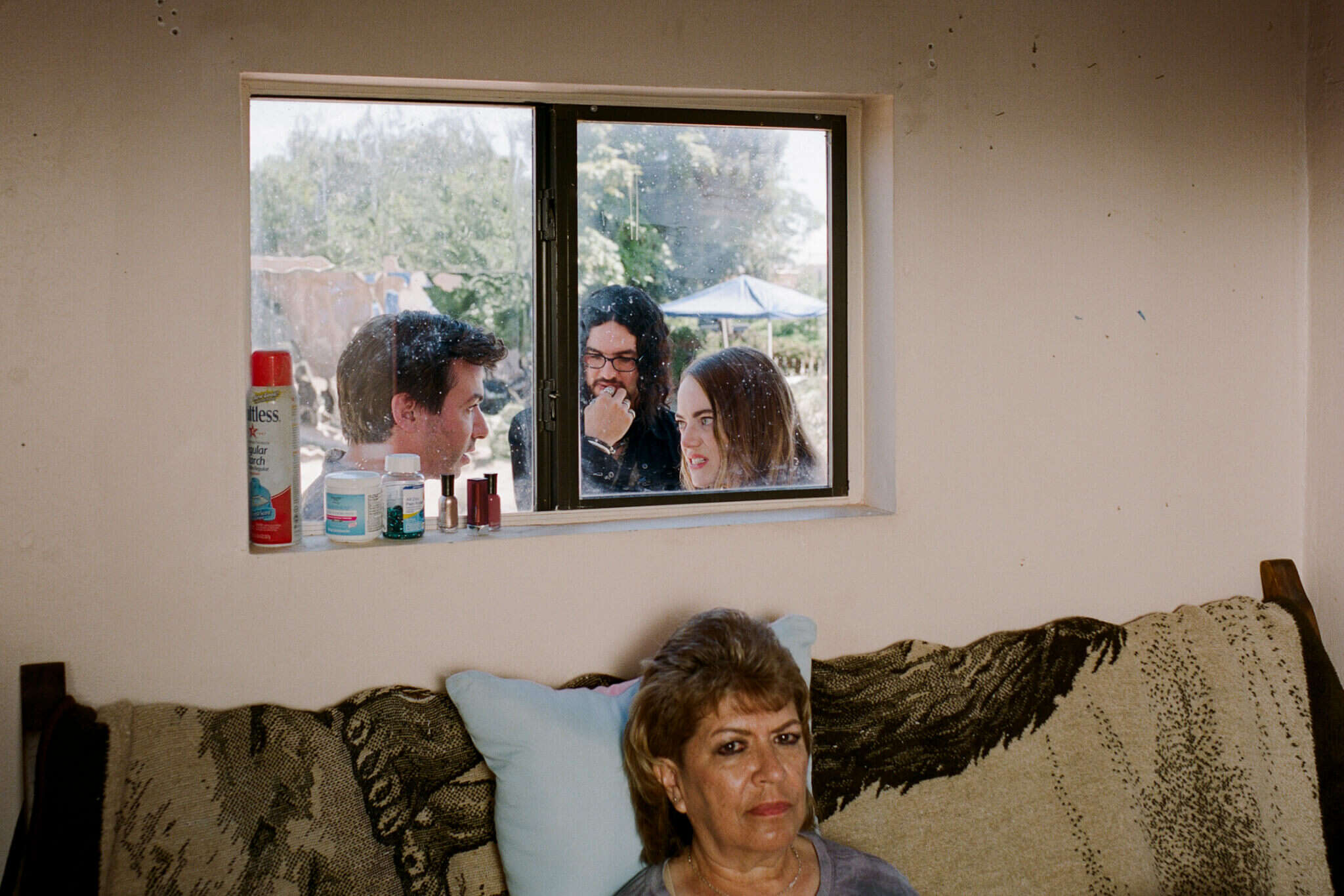
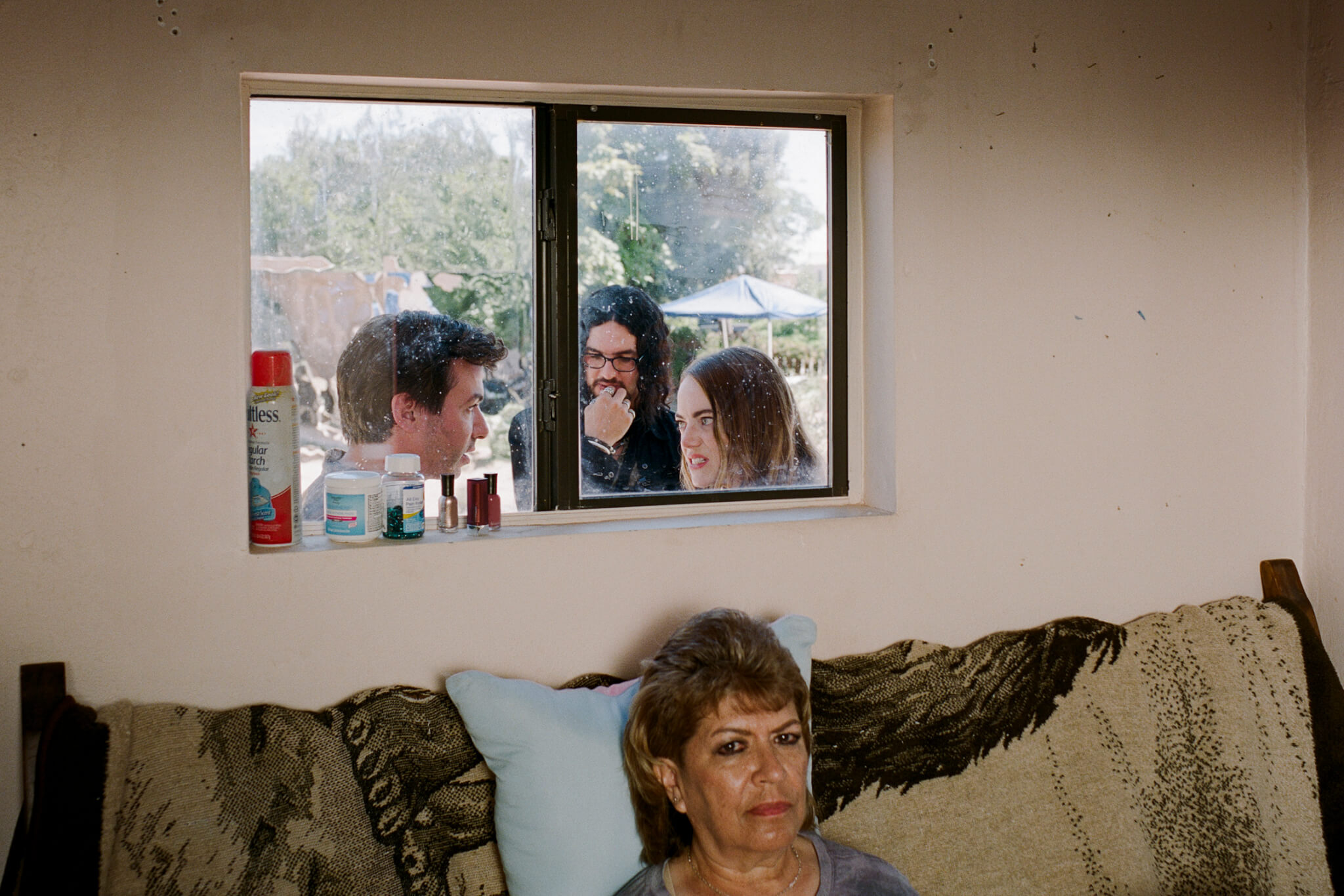
Nathan Fielder and Benny Safdie are each, in their own rights, known for blurring the line between fiction and reality. The Curse, which follows a couple who wants to make an HGTV series about an impoverished town in the hopes of gentrifying it and drastically spiking its real estate prices, dramatizes that disconnect: the way that capital and social media are at once completely detached from reality and have a devastating, unavoidable impact on it.
The Curse is, among other things, a character study of three people who've gone through the looking glass: they live so completely in the artifice that they've lost their grip on the real world altogether. Developer Whitney is obsessed with creating "passive homes," grotesque mirrored monstrosities that are so energy-neutral that they might as well not exist. Her husband, Asher, is so bad at pretending to be human that he has to take classes in order to learn how to seem less off-putting. And reality producer Dougie is more-than-willing to sacrifice his lifelong friendship with Asher if it means possibly walking away with a hit series and the hope of a career.
But The Curse's real main character—to use an old TV cliché—is the town of Española, New Mexico, particularly its Black and Pueblo residents. These citizens are both vastly more self-aware than these three interlopers (and well aware of what they're trying to do to their town) and exist mostly on the periphery: the fullness and nuance of their lives is just a distraction to Whitney, Asher, and Dougie, who want to pretend to capture all of it, but are not above squirting menthol in a cancer victim's eyes to get the tears they really want out of her.
Of particular note is Cara Durand, a Pueblo artist whose works Whitney wants to "champion"—at the unspoken price of Cara's having to pretend like she and Whitney are closer than they are. Cara's art revolves, in part, around "re-appropriation:" racist depictions of Pueblo culture by white artists which Cara has stolen and repurposed. Cara's audience, in turn, is largely white: there's a sharp divide between the people who show up at her exhibition and the people who actually spends her time with. Is her work a grift? Is Cara just acting out the latest "fad" portrayal that white audiences want to see, making as much a caricature out of herself as the artworks that she appropriates? Or is her work authentic artistic expression—at least, as much authentic expression as she can put into a work that'll still draw in middle-class patrons?
It's a hall of mirrors in a show that's full of them—and what's brilliant about The Curse is the nuance with which it articulates layer after layer of mirrors, simulacra, mimicry, and artifice, each removing everyone involved that much more from whatever semblance of reality still remains, eroding day-by-day, buried beneath the weight of so much distortion and reflection. At one point, Asher returns to the casino he formerly worked at to check in on a system he developed, one that simulates sunrise and sunset to give gamblers a sense of time passing. He's told that the casino instead uses the system to keep gamblers in a state of perpetual night—after all, that's what keeps them glued to the machines, pulling lever after lever after lever. (Asher's new proposal: an in-casino nursery center, so gamblers can forget about their children as they go about their business.)
It's the rare show whose every scene seems to present something we've never seen on television before: The Curse takes the natures of these people, and the reality of the town they're trying to usurp, incredibly seriously, following the beats of their lives and of Española's. Some beats are constructed around Española's Sikh ashram, and around the alleged sexual predator who founded it, and around the billion-dollar security firm that that community founded in turn. Others center Whitney's desperate attempts to become a social media influencer, repurposing authentic moments from her life into desperate, forced ones for her followers. The show's cinematography is like nothing else on TV: every shot feels like something new. And its score—by Daniel "Oneohtrix Point Never" Lopatin—is exhilarating and overwhelming and claustrophobic all at once. It's sheer auteur filmmaking, completely original, funny in never-before-seen ways, and profoundly unsettling and disturbing at the same time.
It is also, hands down, Emma Stone's greatest performance. Whitney is an astonishing creation, nervy and jittery, uncomfortable and artificial. She's utterly convinced that she wants to be a good person and do good things for the world, and she's utterly incapable of acknowledging how muddied and problematic her intentions actually are, and the irreconcilable tensions between the two yield something you can never quite put a finger on: she's earnest and completely fake, both well-meaning and predatory, deeply insecure and afraid and sinisterly Machiavellian all at the same time. It's an astounding portrayal of a very real kind of person, and not a kind I've ever seen portrayed before, let alone this powerfully.
There's an argument to be made that The Rehearsal, which is itself a landmark achievement, ought to take this spot instead. In many ways, The Rehearsal feels more groundbreaking; it also feels more purely like a Nathan Fielder creation, one that explains Who He Is and What He Does. The Curse is more particular, more specific, more a genuine collaboration between three extraordinarily colorful people, more a project born of a specific location and a specific moment in time. But that's ultimately why it's here: it's the only TV series I've ever seen that's this committed to the place that it's about and to the world that it takes place in. It's a major artistic achievement; I've never seen anything remotely like it before. It points to what television could be. We'll just have to see whether TV gets there.
And of course there's that ending. Hooooo boy, that ending. But let's not talk about that here.
#4: The Leftovers
I sometimes say that The Leftovers feels like the only authentically religious TV show that I've ever seen. It's not about faith or God exactly. (And its one preacher is more a narcissist than he is a holy man.) But it's a show about the way in which the unknown can fill you with both a sense of wonder and a sense of a dread; a show about the mysteries of the world being at once miraculous and horrific; a show about not knowing how to face the future, not knowing whether you're strong enough to bear what comes next, not knowing whether you can even bear the possibility of happiness or hope. And it's a show about what it means to live on to see the next moment, even when there's no way of knowing what it'll contain. It's all about the never-knowing, and about how we bear it. And in that never-knowing, in that acceptance that what's next is out of our hands, I think you come as close to understanding faith as any spiritual tradition ever will.
The Leftovers underlines that never-knowing loud and clear, right from its very first scene. One day, 2% of the Earth's population vanishes, without rhyme or reason or the slightest explanation. Driverless cars abruptly crash into one another; mothers scream for their missing children; children scream for their missing mothers... and just like that, it's three years later, past the initial shockwave, past the point where most people think they'll ever understand why the thing that happened happened. Because this isn't a show about solving the mystery. It's a show about living with the mystery, when the mystery is horrible and sudden and inexplicable... and when there's no way of knowing whether it could ever happen again.
The harrowing first season of the series, which covers the entirety of the Tom Perrotta novel that it adapts, revolves around one small town in which nearly everybody lost someone, and everybody knows someone who lost everyone; it more precisely revolves around a single family who lost nobody, and which is torn apart by this event nonetheless. The second and third seasons leave both the town and the novel far behind, charting a strange and wondrous course. Dread is replaced with something lighter, more elusive, more joyous. (The main criticism of the show's first season is that it doesn't quite capture how satirical, how tongue-in-cheek, much of Perrotta's novel was; it's beautiful, but a bit too grim, and it masks how silly many of its developments really are.)
This was Damon Lindelof's first series after LOST, which debuted to magnificent aplomb and concluded to universal outrage. LOST demonstrated what a gripping storyteller Lindelof is: how great he can be at building and sustaining suspense, how addictively well-paced his stories can be, and how deftly he creates powerful emotional beats for his characters. But it also taught him that, when you offer viewers mysteries and promise that they'll be solved, you'll get in a lot of trouble if you yourself can't solve them. Hence The Leftovers, a deeply mysterious show that, in its second season, throws in a little jingle over its opening credits reminding you to "just let the mystery be."
(Incidentally, if you want to understand how drastically the show shifts in tone from its first to its second season, just watch the title credits to season 1 back-to-back with the title credits to season 2. It's easily one of the funniest tonal pivots in TV history. And the show's third and final season finds ways to have even more fun with its opening sequences, which I wouldn't dare spoil.)
Its second season also cemented an approach to narrative storytelling that works wonders: rather than interlacing multiple plots together, jumping between different characters' stories, The Leftovers follows a single character and a single story with every episode, using its hourlong runtime to dive as deep into each rabbit hole as it possibly can. The approach gives the show ample room for inventiveness and whimsy—is any showrunner more whimsical with their worldbuilding than Lindelof?—while also offering plenty of room for deep-seated emotion. And as whimsical and delightful as The Leftovers can be, it is primarily a show about those deep emotions: each episode's rabbit hole is as much about exploring just how powerfully deep this person's feelings run as it is about anything else. This storytelling method gives Lindelof a new way to establish and maintain suspense, as each standalone narrative weaves another thread into its season's overarching mystery, but it also lets him build and build and build each season's emotional stakes, slowly and painstakingly, until it reaches a devastating apex.
I have never cried more watching a show. I have also never laughed more through my tears. Few shows have ever let themselves get as whimsical, as unbelievable, as absurd as The Leftovers at its most audacious. And no show has ever delved, as deeply and as masterfully, into such difficult and moving emotional territory. Its final sequence—a long, quiet conversation between two people—is as miraculously human as art ever gets. (It's hard to believe that Perrotta's book didn't end this way: you can't imagine this story ever concluding with anything else.) And its final few lines, to me, are more powerful an explanation of what faith really is—you know, really really—than I've encountered in any religious text.
Anyway, it will never not be scandalous that Carrie Coon didn't win a single fucking Emmy for this. What the shit.
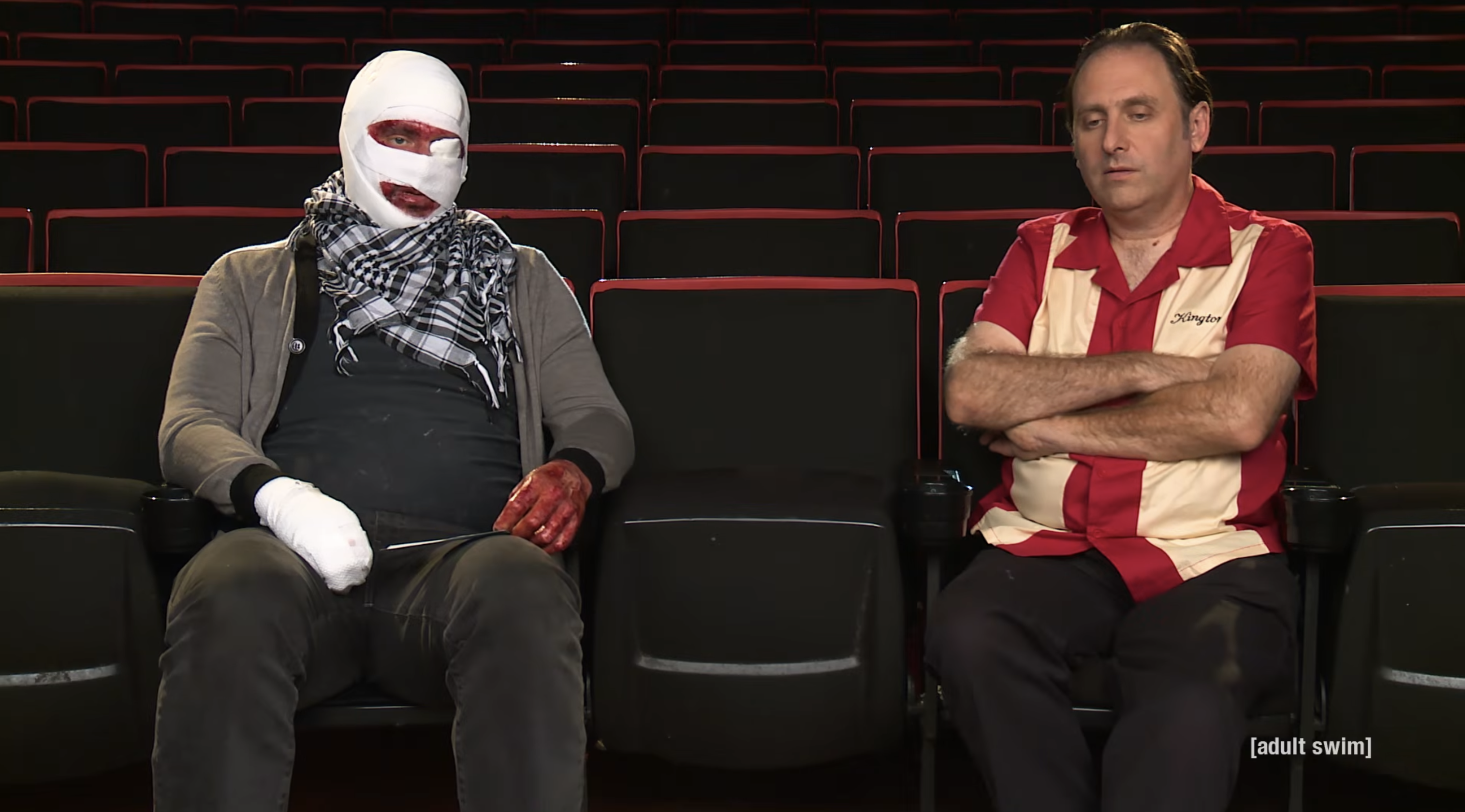
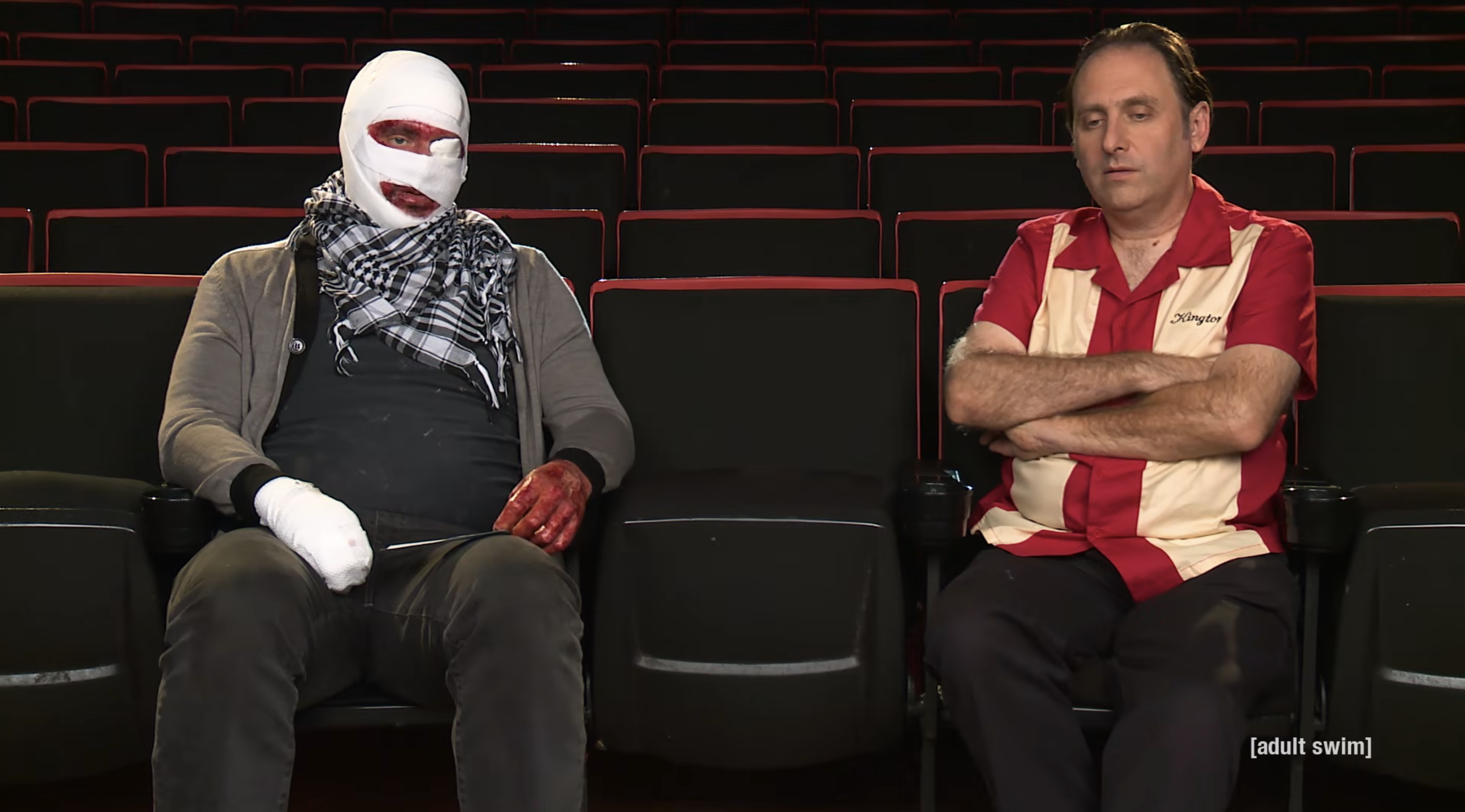
#3: On Cinema at the Cinema
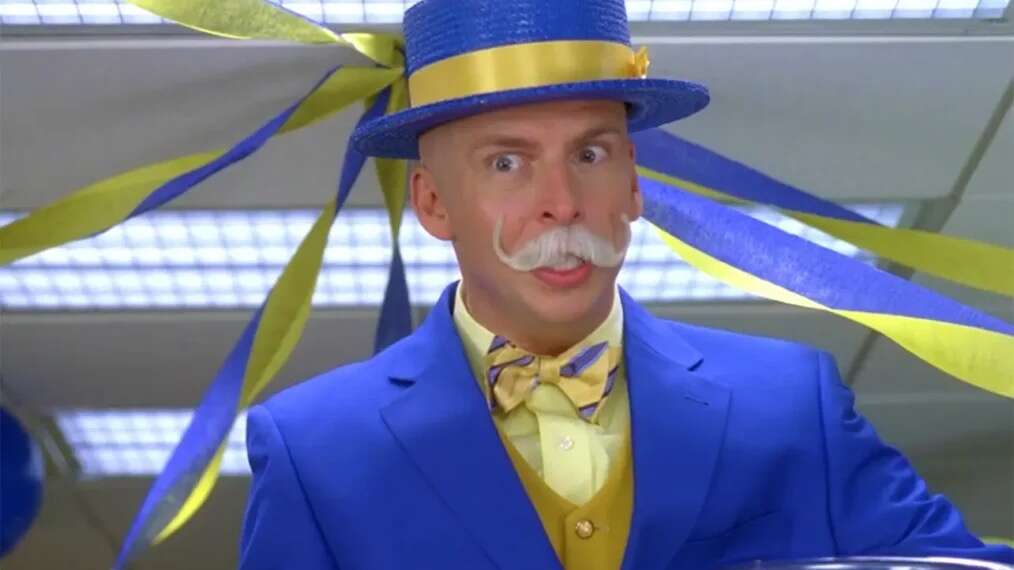
See previously. All I can add, five years later, is that the "HEI Network" era of On Cinema is as good as anything it's ever done before. It has, if anything, gotten stranger and funnier and better. (It is also more daunting to get into than ever before. Somebody should do something about that, maybe.)
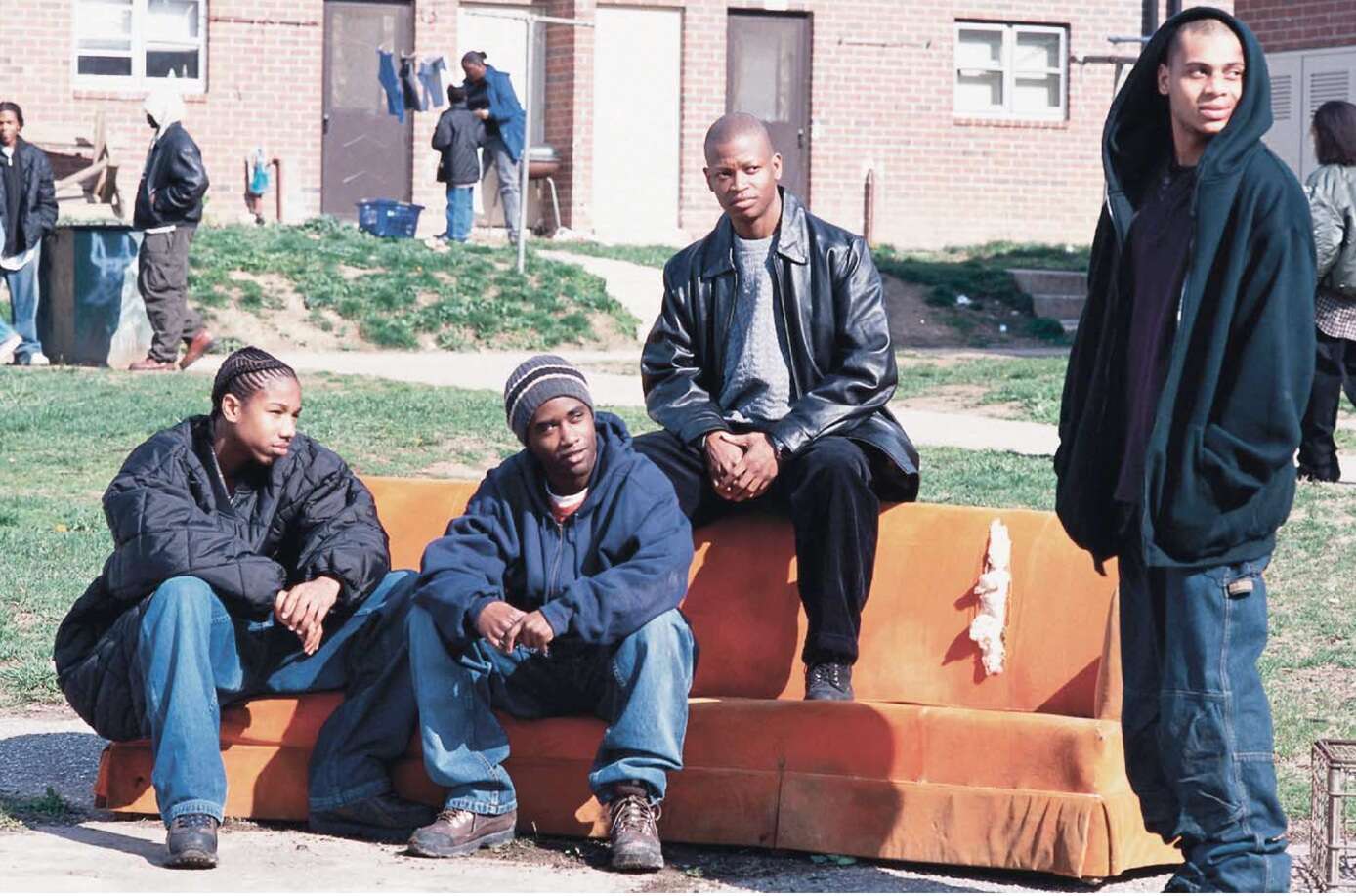
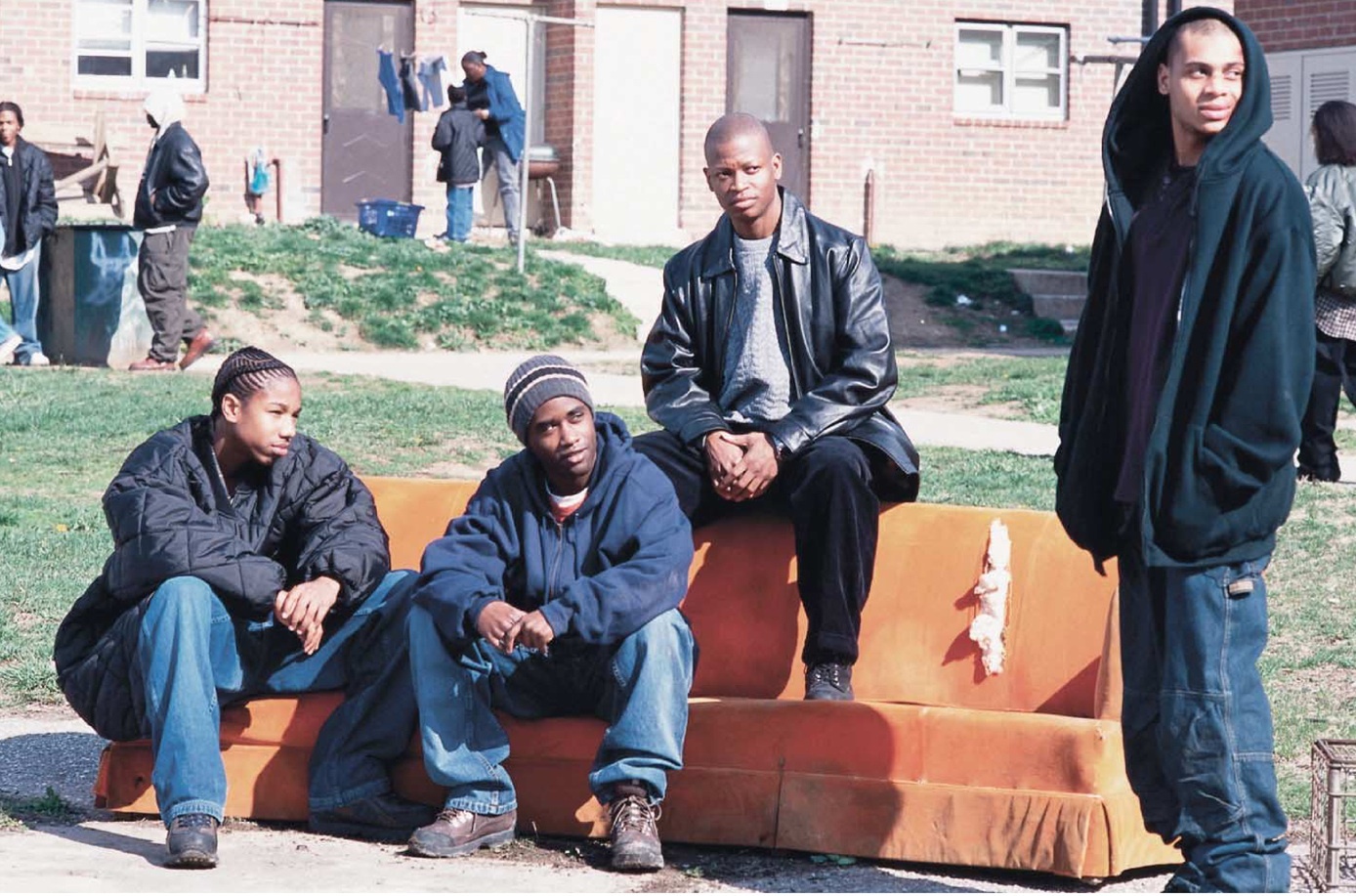
#2: The Wire
Ah, fond memories of watching The Wire in 2008, wondering whether its central thesis—that America's institutions are fundamentally broken in a way that will lead to perpetual decline accompanied by the rise of ever-more-vicious warlords—was perhaps a bit too dismal. One thing you can say about The Wire in 2026: everything it says sure seems persuasive nowadays!
(See also how viciously the media ripped into its portrayal of the Baltimore Sun in its fifth and final season, where it suggested that newspapers were in a state of collapse and were getting increasingly bad at covering stories that actually mattered, while promoting journalistic hacks who cared only about winning awards and impressing their wealthier peers. David Simon got the last laugh there too, I think.)
Anyway.
Simon always described The Wire as a Greek tragedy, in contrast to the Shakespearian narrative models that most dramas subscribe to, and it shows. There are few genuine villains in The Wire, and even fewer genuine heroes. Instead, you have people caught up in forces beyond their control, shaped and trapped by institutions they have no power over and have no way of escaping. People who try to escape the system inevitably fail; people who try to reform the system are inevitably destroyed; people who allow the system to shape them meet exactly the fate they were always going to meet.
What's brilliant and crushing about The Wire, especially on rewatch, is how non-inevitable it all seems: how many moments of hope there are, how many things seem to come down to random chance, how often it feels like, this time, something's finally changing; something's finally different. Icarus will reach the sun at least!
But the show itself tells you: the game is rigged. It's not that other outcomes are impossible, strictly speaking: the coin just has to land on heads fifty times in a row. People in power, meanwhile, get away with their crimes because they're given fifty chances to get off scot-free; as a consequence, they are careless about the suffering they inflict on everybody else around them, because they've been taught they don't need to care, and that there are no consequences to begin with.
The Wire is rarely cynical and never nihilist. That's what hurts so much about it: everyone is given a chance to show off their humanity, everyone cares about somebody, everyone has moments of decency, everyone has moments where they're compassionate and gentle. (There's exactly one exception, in Marlo, but even then, it's less that he lacks these things than that he forcibly represses them in the name of the game.) It's harder to see someone you love and care about do a horrible thing, especially if it's a horrible thing that hurts somebody else that you care about and love, than it would have been if you didn't know either person to begin with.
With every season, The Wire expands its purview, covering more denizens of Baltimore, more interlocking institutions, capturing more of the tapestry that binds everybody to everybody else. It never loses that empathy, that care for each and every person that it depicts. It never shows them mercy, either.
It remains a genuinely unique use of the medium: it devotes its dozens of hours, not to expanding its story's length or depth, but to capturing its breadth. Season 1's exploration of cops and drug dealers wouldn't be what it is without Season 3's exploration of the people who run the police departments, and the politicians who they have to answer to; Season 4's story of schoolchildren shows how kids wind up on the streets to begin with, and how they become the dealers we've already seen; meanwhile, Season 2 captures the declining infrastructure and blue-collar labor that makes room for the drug trade to begin with, and Season 5 (as mentioned) observes why society's purported watchdogs never noticed any of this. The final portrait of America is incisive, devastating, and as complete of one as was ever painted.
Yet amidst the crumbling asphalt and decaying concrete of the ever-collapsing city, new shoots spring forth. A piece of shit cop finds grace, leaves in disgrace, and becomes a teacher; he can't save every child in every classroom, but he can be there, and it matters. A former dealer, imprisoned for murder, gets out, starts a boxing gym, and gives the kids in his neighborhood somewhere else to go. An addict tries his best to sober up. An alcoholic realizes that his job is slowly killing him. These are not feel-good stories the way we're used to. They are spots of light flickering in a dark night. But they are something. To paraphrase Robert Frost, the one thing you can be sure of about life is that it goes on.
Ten years on, it's still astonishing that this exists. Who let somebody make this? Who gave them the money they needed, the creative freedom they required, the access to a seemingly endless spigot of famous and brilliant actors (and equally brilliant near-unknowns), to make something this inexplicable and dazzling and delightful and just plain fucking good?
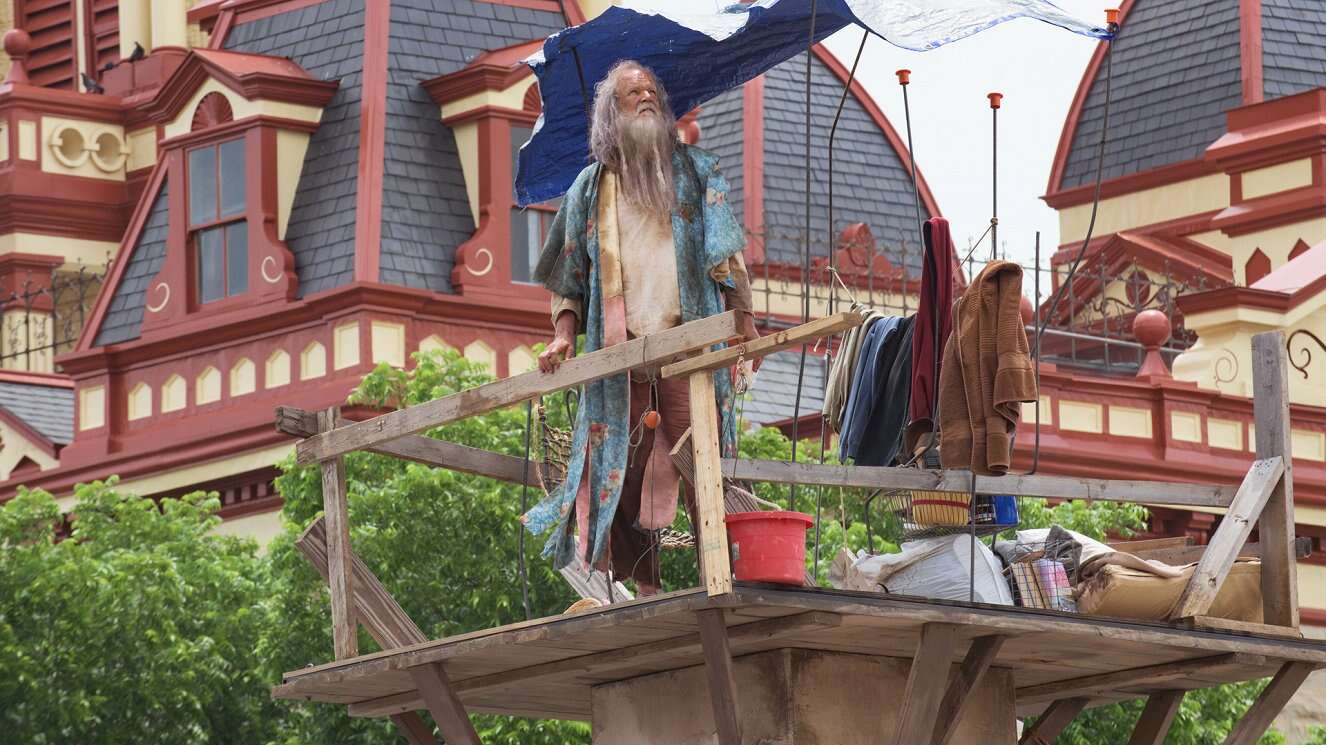
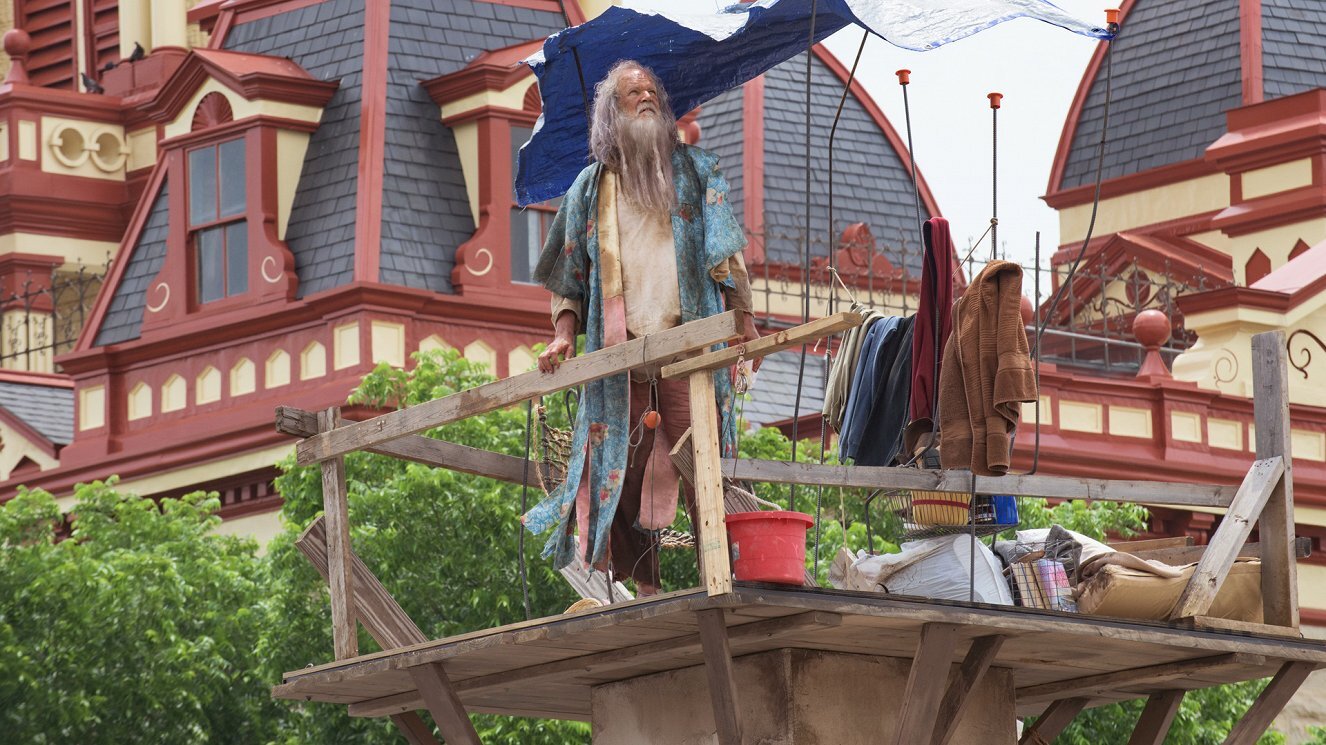
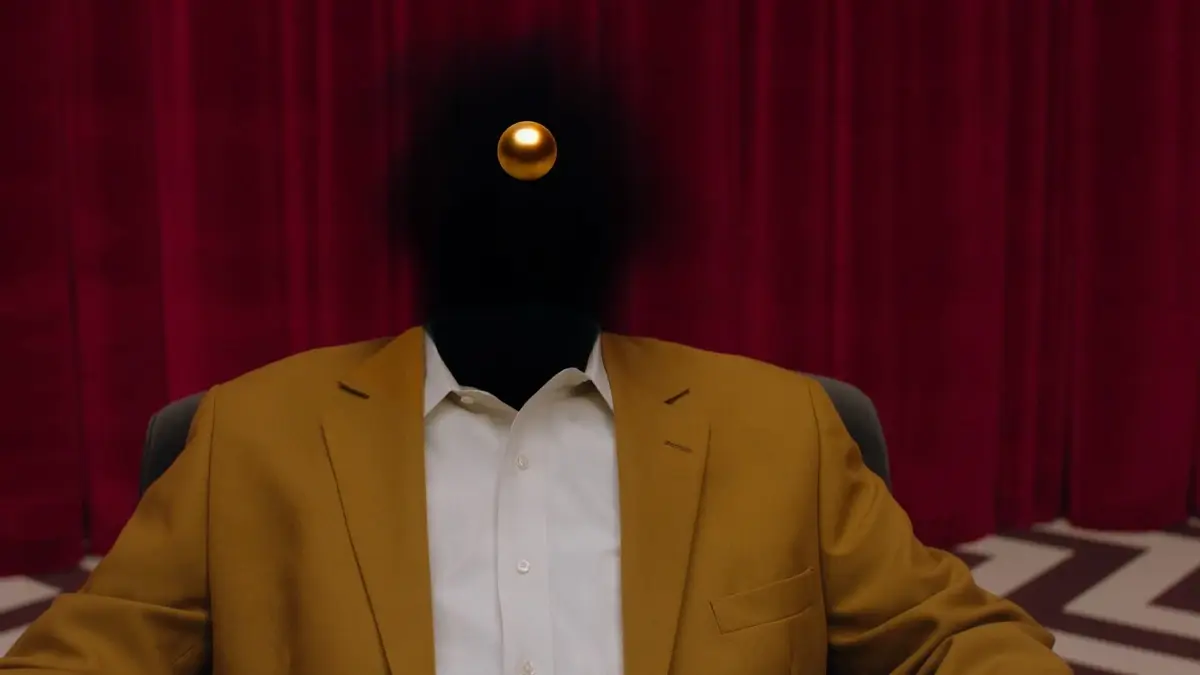
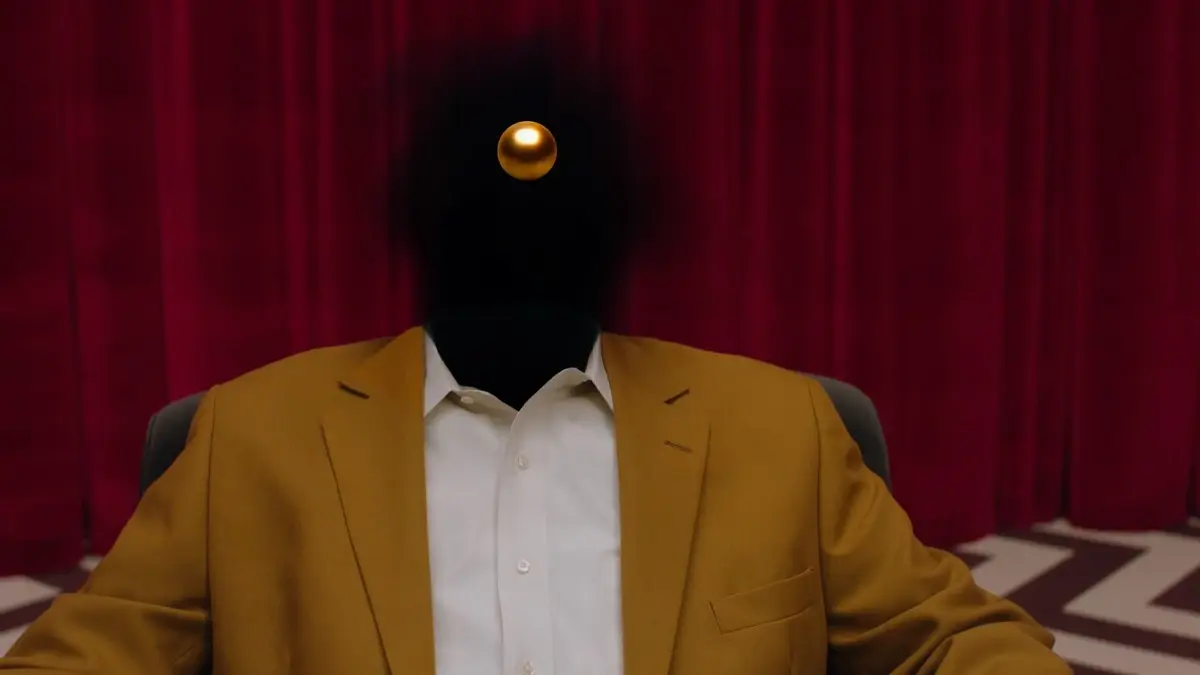
It grew from muddied roots—it's television, after all. The original series needed to be an unexpected hit, and then it needed a studio to wrest away its creators' control over their own project, and then it needed to be canceled, so it could go out in spectacular and disorienting fashion. David Lynch probably needed to try making a sequel series, only to have ABC turn it down once they saw his pilot, leading him to turn that pilot into the best film of the 21st century, catapulting him from being acclaimed director to being a legendary one. Twin Peaks needed to gather mystique for twenty-five years; it needed to birth an indie synthpop movement; it needed to become a reference point for hipster sadgirls everywhere. David Chase needed to cite it as an inspiration for The Sopranos, of course. It needed every card in the deck stacked for its return, in other words, for it to come out the way it ultimately did.
Even then, it nearly didn't happen. The original plan was for it to be nine episodes long, not eighteen. Lynch openly quit the project over budget squabbles. Every cast member publicly protested. When Lynch was brought back on, the show had been expanded to twice its length, and Lynch and Mark Frost had been given complete creative control, with Showtime's president publicly declaring that he was behind Frost and Lynch at every step of the way. It's a level of network support that you rarely see. There was a blank canvas, and a (mostly-)blank check, and most of the show's cast was kind enough to wait to die until after they'd finished filming their parts. You love to see it.
I've written a lot about this show already, and I plan to write a lot more, so right here and right now the thing I'm thinking of more than anything is The Return's color palette. No show's colors have ever been as beautiful as Twin Peaks'. It always gets me how each city and town seems to have a different set of rules governing its colors: Buckhorn is a study in pale reds and greens and browns, while Las Vegas is lurid and sunny and tacky. The Black Lodge draws on pop art and comic books; the dark roads that Mr. C drives down, and the prison he finds himself in, are each defined by greys and shadows. And the town of Twin Peaks itself, of course, is all warm wood and sunlight-mottled trees, and every color seems to be a bit more than it usually is.
For all we know, a thing like this will never happen again. It's unbelievable that it happened even this once. But what a vision of the medium! Imagine other TV working like this. Imagine understanding how this worked well enough to make it happen again.