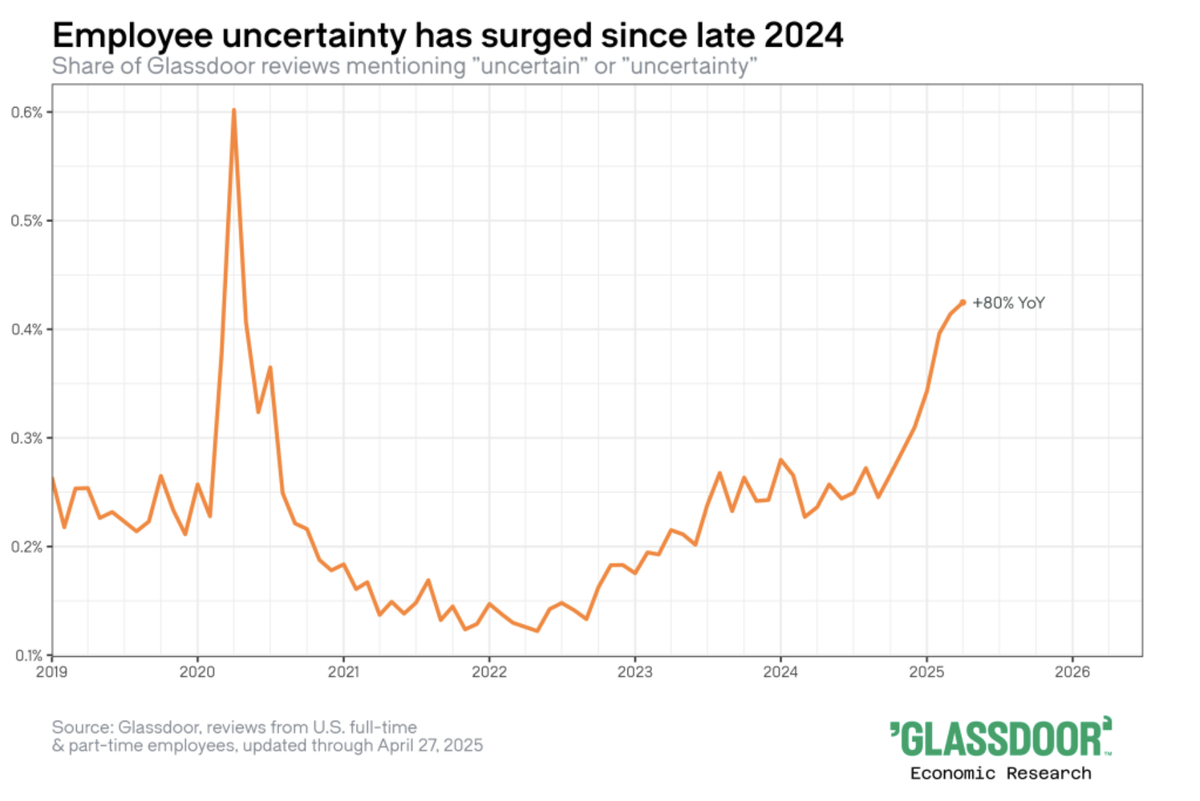
Psychologists who study stress have identified three primary factors that make us feel awful: a lack of control, unpredictability, and the perception that things are getting worse. In other words: uncertainty.
Research even shows we’d rather be absolutely sure that something bad is going to happen than deal with ambiguity. Scientists found that people who had a 50% chance of receiving an electric shock were three times as stressed as people who had a 90% chance (aka were much more certain) of getting the shock.
But how much uncertainty we can handle does vary from person to person. To find out more about your uncertainty tolerance, take our free assessment.
We've had thousands of people take the assessment, and 11% are uncertainty seekers, 28% are uncertainty avoiders, and 61% are uncertainty balancers.
If you are an uncertainty avoider or balancer, it's important to acknowledge that some choices do tend to be more certain than others. If your current situation involves a great deal of uncertainty and is causing you chronic stress, you may want to look for ways to create more stability in your life. For example, it may not be the time to move to a new city.
You can also try translating your ambient anxiety into specific fears, which can help pinpoint exactly what you’re afraid of losing, and how you might be able to avoid some of those circumstances. Often, you’ll find that you’re scared of losing a part of your identity, or of experiencing uncomfortable emotions in the future.
To gently surface the stories driving your sky-high heart rate, ask yourself:
- What am I afraid of?
- What do I imagine could happen?
- How exactly would each of those scenarios look and feel?
If you’re changing careers, you might write something like, “The responsibilities I’m taking on are outside my past experience. I might not know what I’m doing or I might look foolish. I’m most afraid that I’ll fail and be fired.”
To make sure you’re not creating even more anxiety for yourself, we encourage you to also ask:
- Is there evidence for my fear, or am I making assumptions?
- What is the probability that my worst case materializes?
- What's the best case scenario?
- What's most likely to happen?
For more on working through uncertainty, check out our book Big Feelings: How to be Okay When Things are Not Okay.