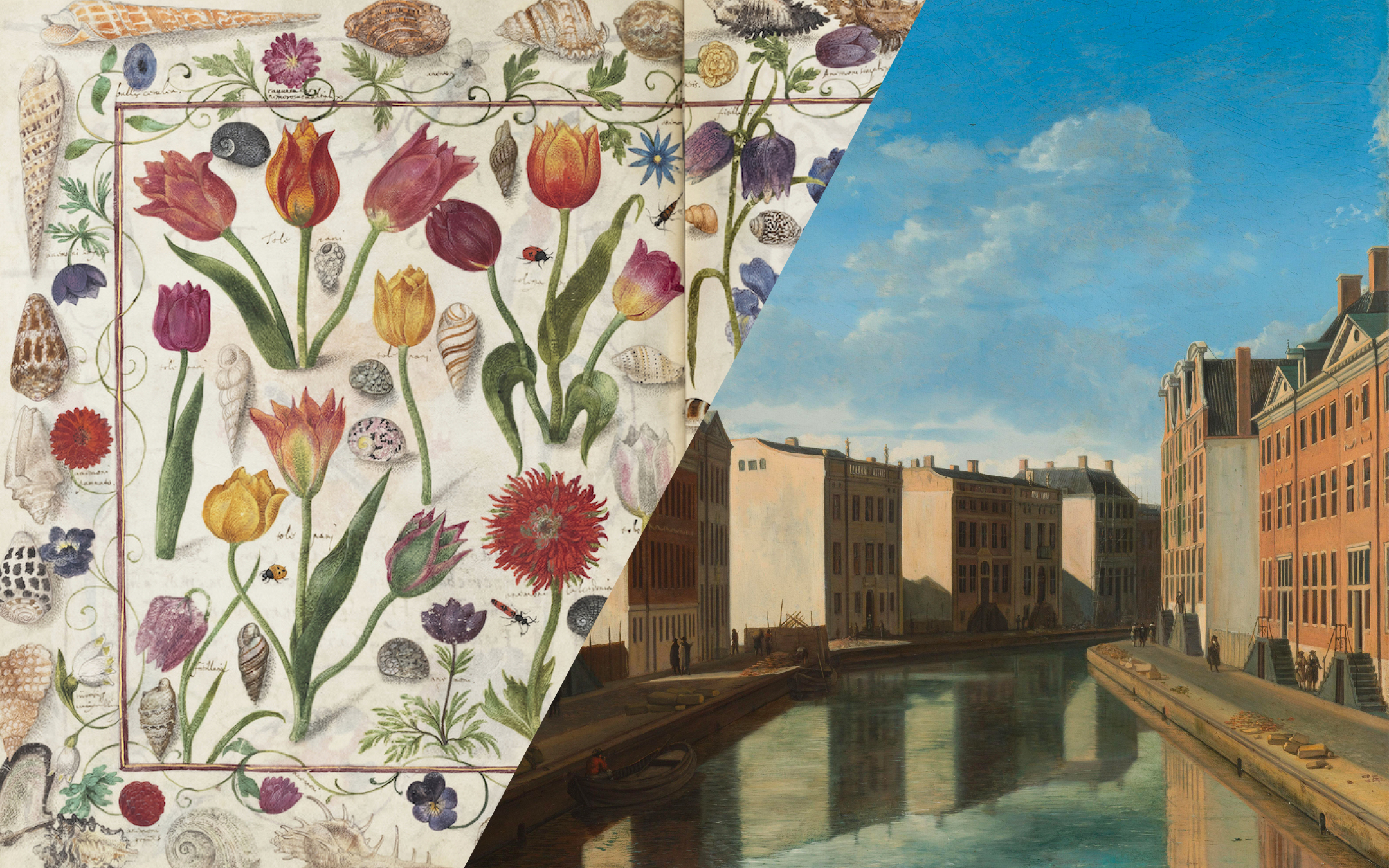
You have options other than Generative AI to illustrate your work.
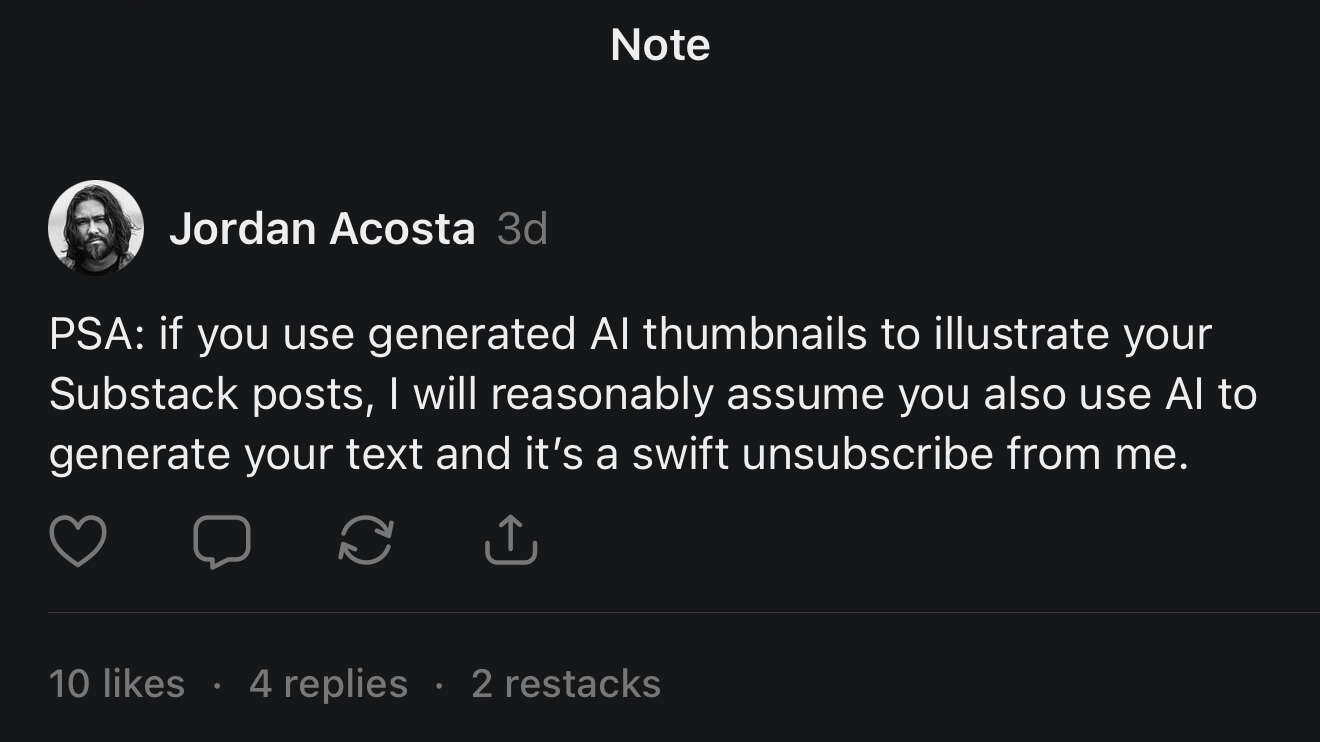
When I still used Substack I posted the following Note:
My opinion was challenged with two now-familiar rebuttals:
The vast majority of writers on Substack don’t have the artistic/design skills or resources to find or create a striking cover thumbnail that will attract attention;
There’s ‘no difference’ between using stock imagery and images created from prompts in Generative AI
For the purposes of this post, I’d like to offer my own rebuttal to this first point [1]: bullshit.
My entire professional career as a creative director has been spent working with archive and visual material within the legal framework of copyright law. I can confidently suggest you don’t have to be an artistic prodigy to illustrate a written post without resorting to GenAI prompting.
In no particular order, here are ten (mainly) English-language online resources which cumulatively gives you access to millions of free-to-use images that you can illustrate your Substack Publication, blogs, social media posts, newsletters, TTRPGs, poems, short stories, or whatever else you can think of.
Disclaimer
Read the fine print before you download an image, as these institutions may also have paid-for, or also host, copyrighted material. You’re looking for the words ‘Public Domain’, ‘No Known Restrictions’, ‘Open Access’ or ‘CC0’ to be make sure you’re covered.
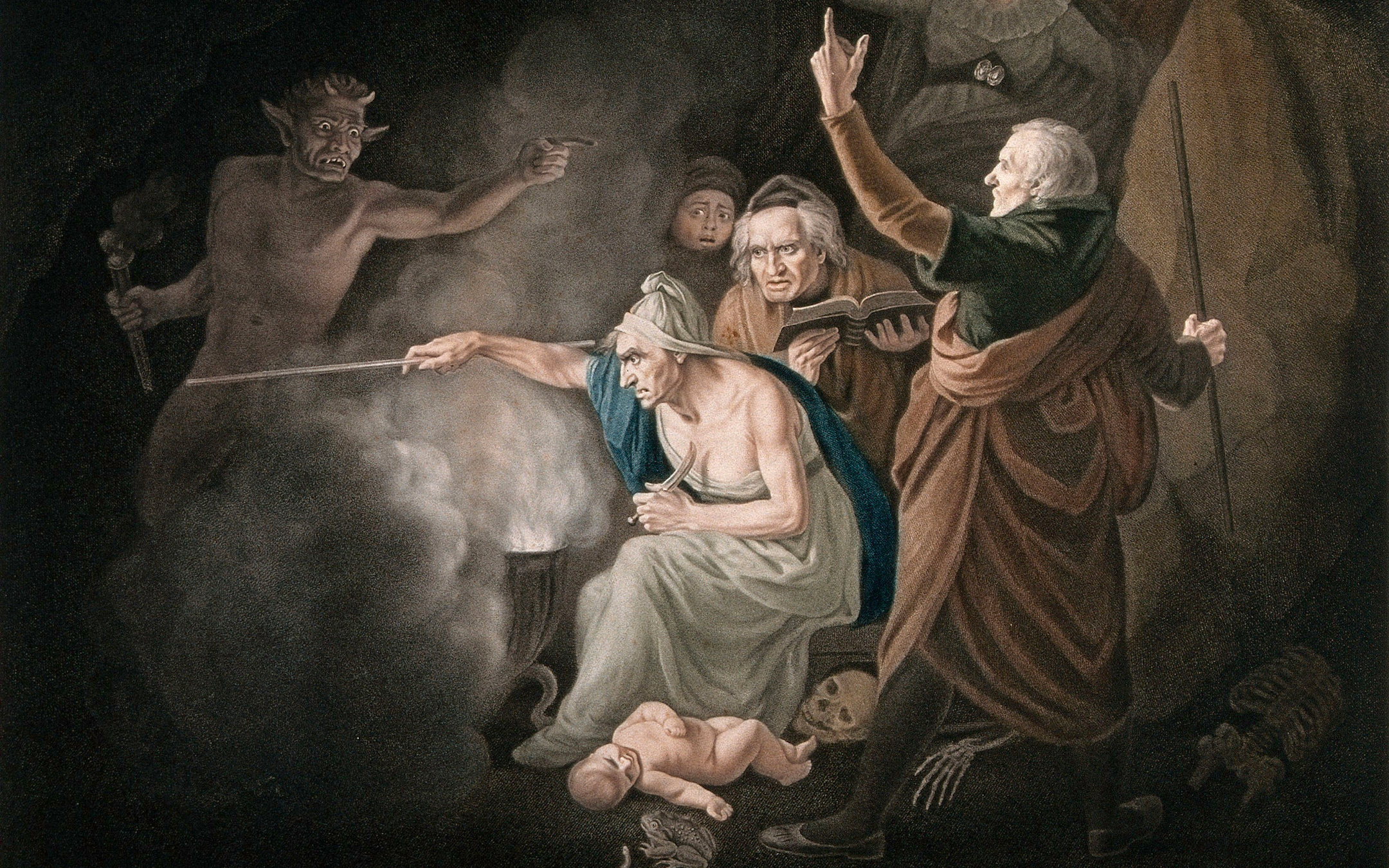
Wellcome Collection is a free museum and library. Our collections are an incredible resource for all kinds of research, whether you are an artist or writer looking for inspiration, an academic researcher, or just curious about something in our exhibitions. They contain an array of topics relating to health and the human experience in many forms, from recently published books to historical manuscripts and objects.
Jordan Acosta: Not only is the museum in Euston worth a visit if you’re ever in London for its wonderful exhibitions, their online collection of historical works is unparalleled and available in high resolution.
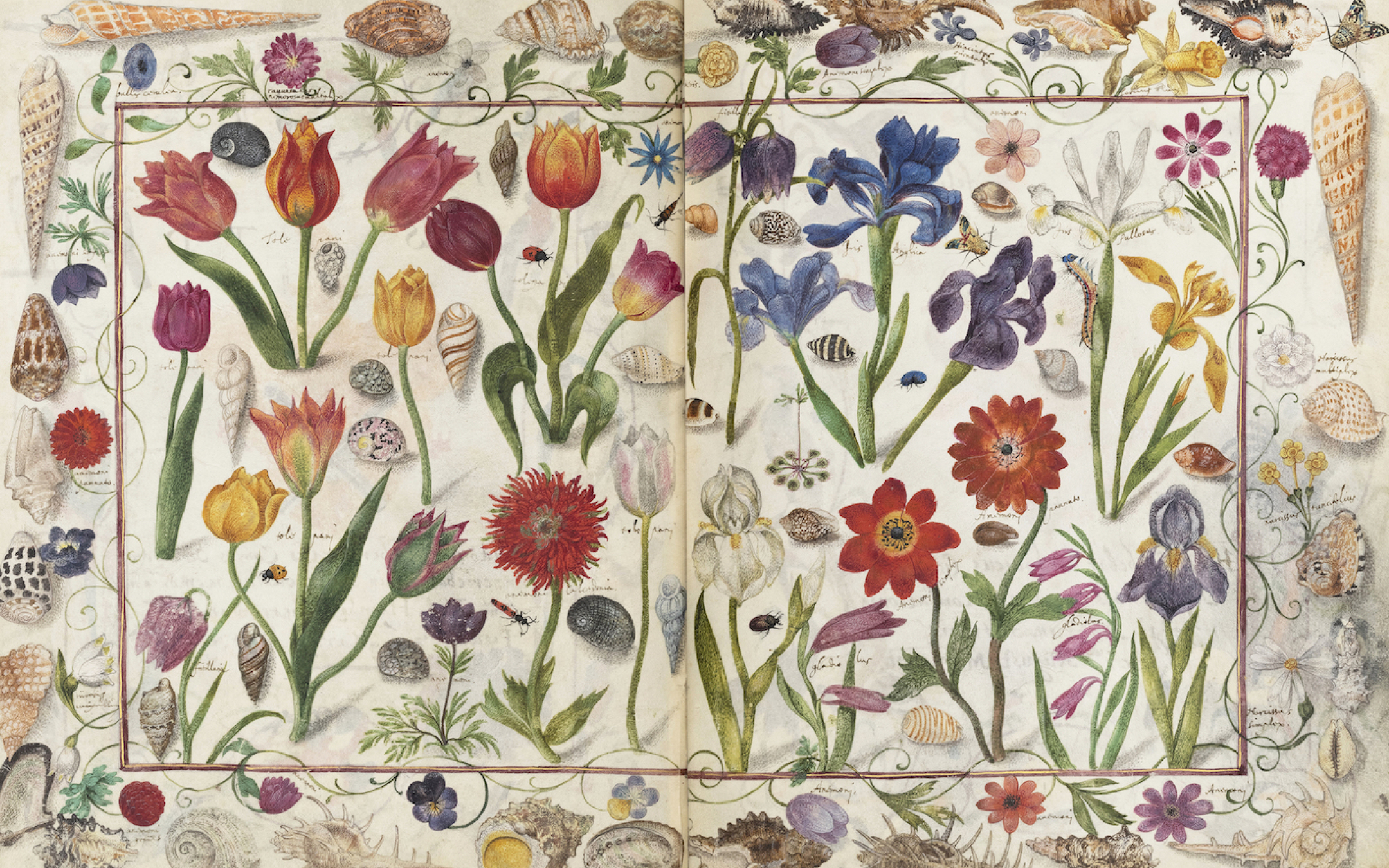
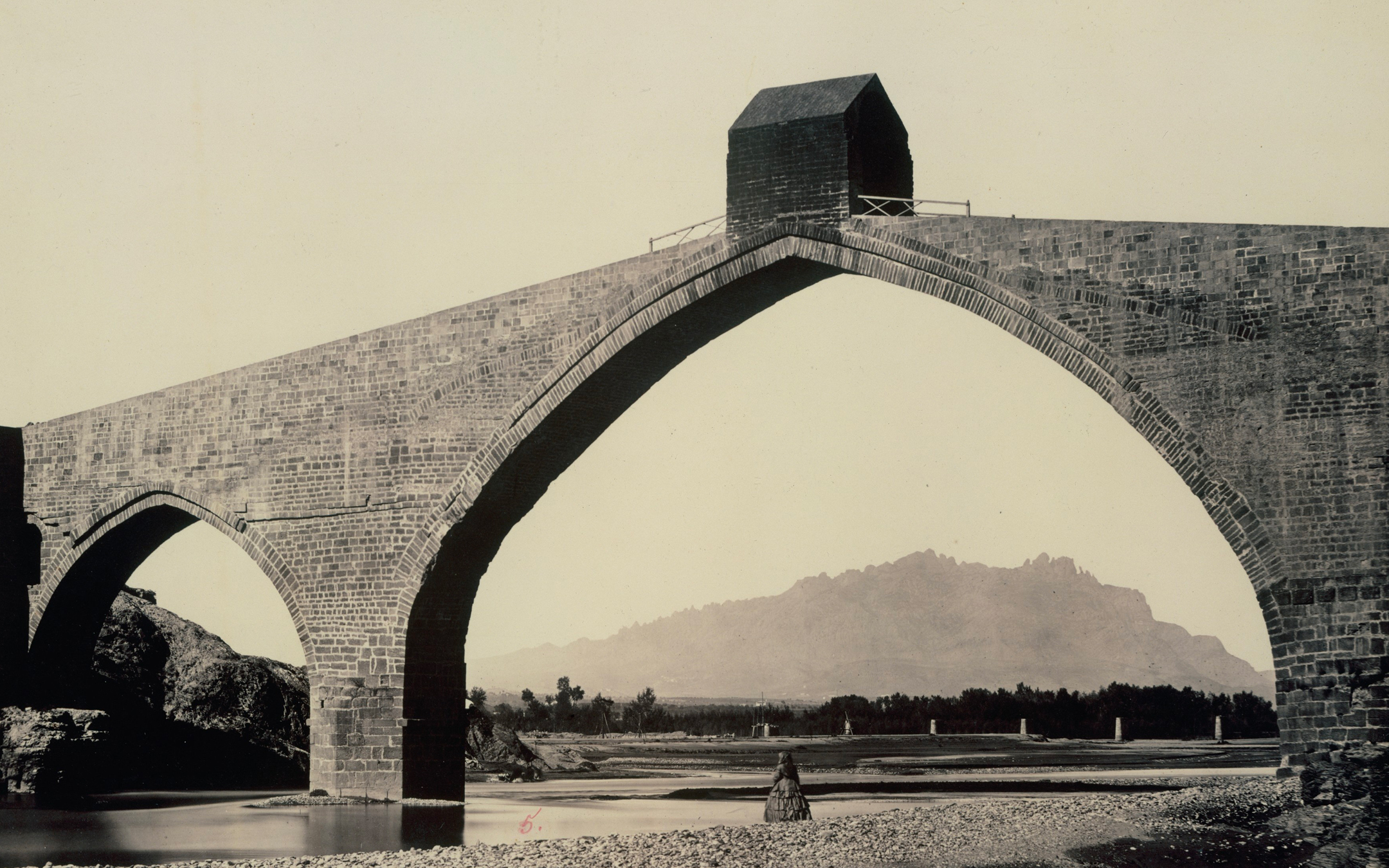
2. Public Domain Image Archive from The Public Domain Review 🇬🇧
Explore our hand-picked collection of 10,046 out-of-copyright works, free for all to browse, download, and reuse. This is a living database with new images added every week.
JA: I’m a big fan of the Public Domain Review, so much so, my editorial work at Unseen Histories has similar themes of stories behind publicly available visual material. With their new image archive, their excellently curated pictures are easy to access.
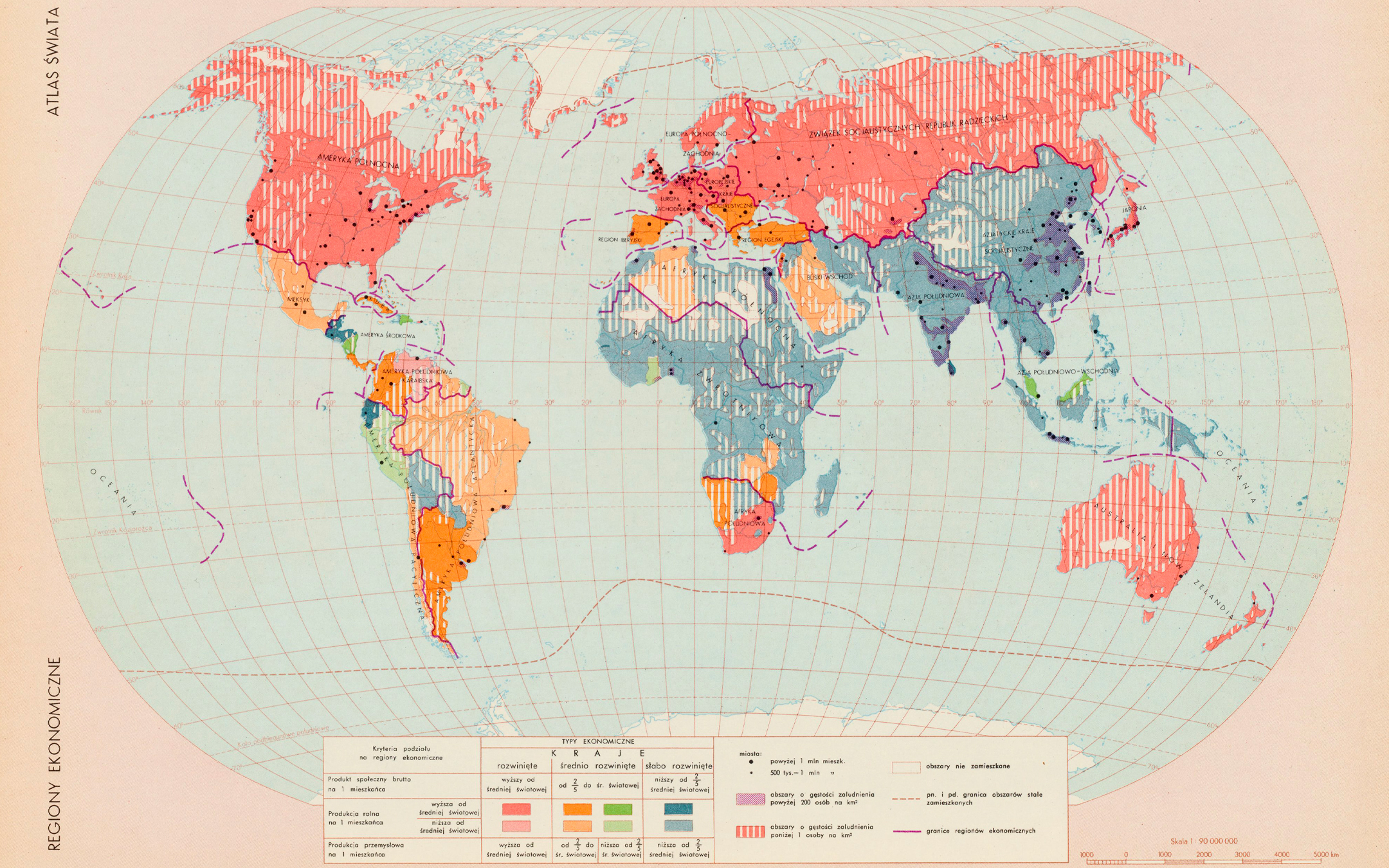
David Rumsey has donated his entire physical map collection to Stanford University. Digitization of the collection began in 1996 and there are now over 140,000 items online, with new additions added regularly. The site is free and open to the public. Here viewers have access not only to high resolution images of maps that are extensively cataloged, but also to a variety of tools that allow users to compare, analyze, and view items in new and experimental ways.
JA: The map collection is vast and unbelievably detailed. I could (and have) spent hours browsing through our cartographic history.
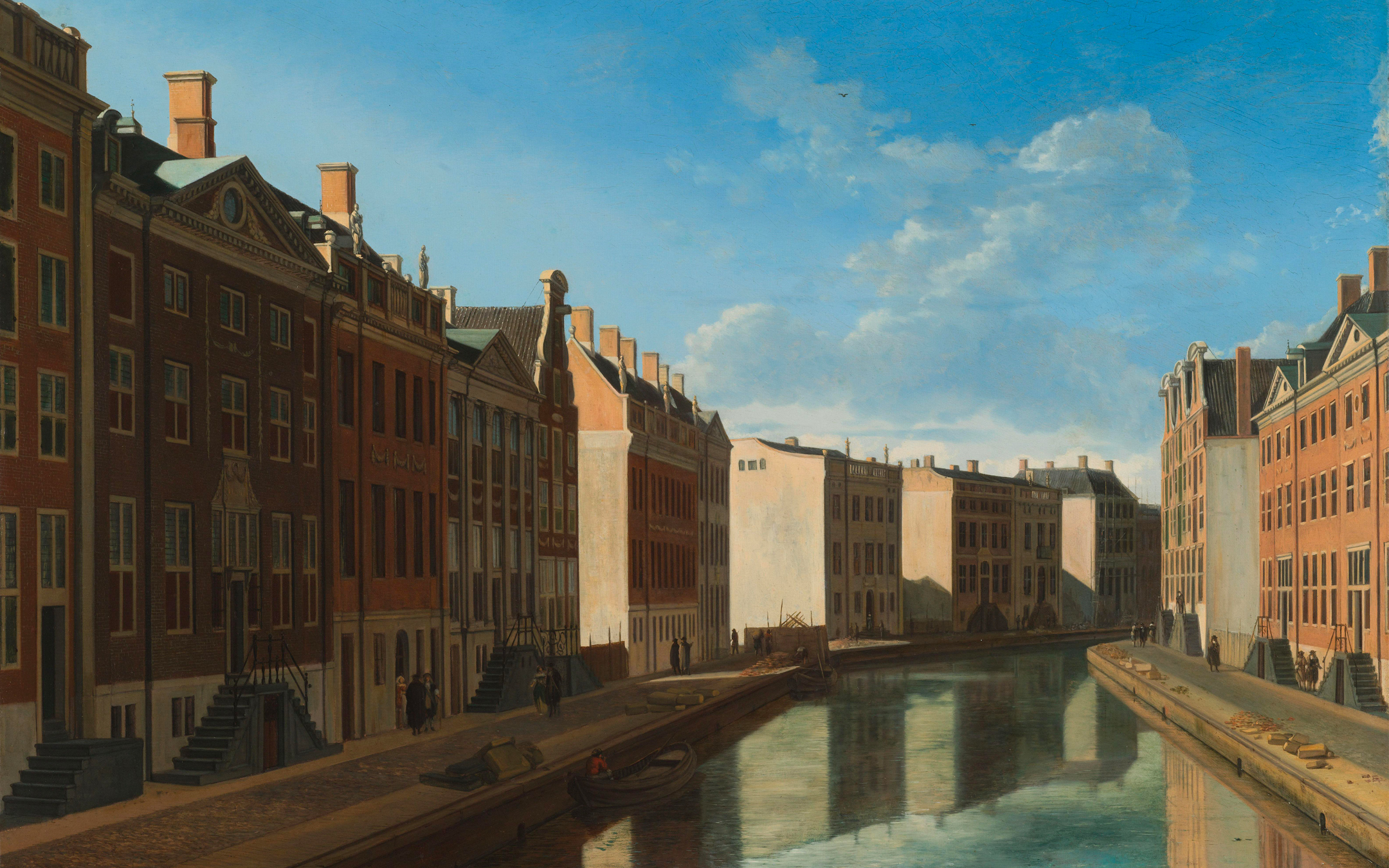
With the launch of the new Online Collection, the Rijksmuseum brings art and history closer than ever. This innovative platform opens a world of beauty and knowledge, where images, archival sources, stories, and research come together.
JA: There are over three quarters of a million digitised artworks and publications in the Netherlands’ national art museum’s online collection; you simply need to sign up for a free account to access the entire collection.
Over 6 million free high-resolution photos and illustrations brought to you by the world’s most generous community of contributors.
JA: As Unsplash is now owned by Getty, there are now paid-for offerings in the search. Make sure you search for ‘Free’ images only under Unsplash’s license. If you want to curate your own image collections for future posts, you can sign up for a free account. Speaking of, you can check out Unseen Histories’ account on Unsplash with restored and colorized photographs by me which you can use, for free.
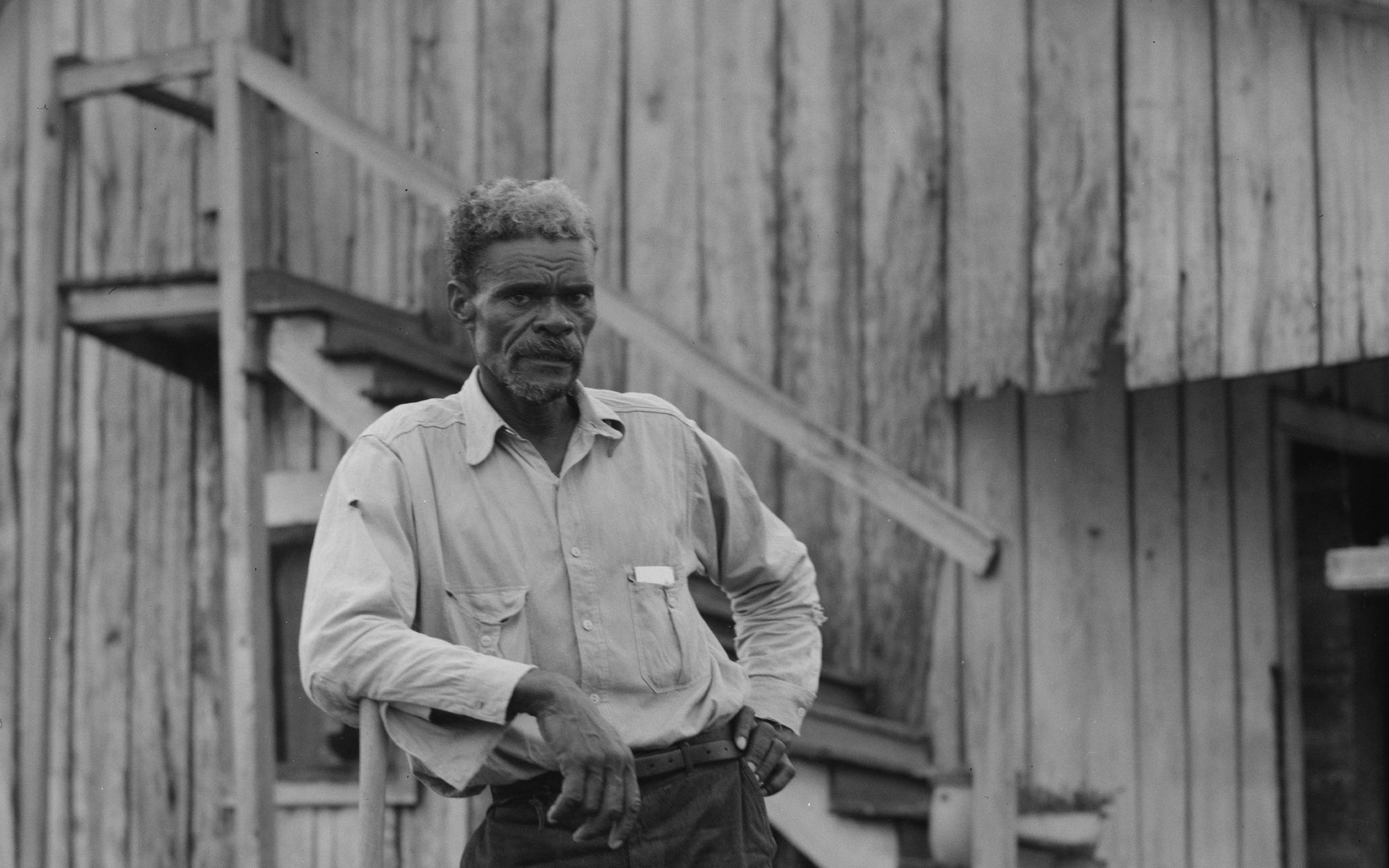
The Library of Congress is the largest library in the world, with millions of books, films and video, audio recordings, photographs, newspapers, maps and manuscripts in its collections. The Library is the main research arm of the U.S. Congress and the home of the U.S. Copyright Office.
JA: The LOC is an amazing resource if you know your way around. I recommend you narrow your search by clicking on ‘Photo, Print, Drawing’ and ‘Image’ when you look around. You can also view as a gallery instead of a list. When you reach the page you want, select your download option: beware, the small JPEG images are miniscule, so you’ll want to for the largest JPEG or TIFF file you can. TIFFs are uncompressed bitmaps, so they are large. I recommend using a bitmap editor like Photoshop, Affinity or GIMP (linked below) to crop and export to a manageable size.
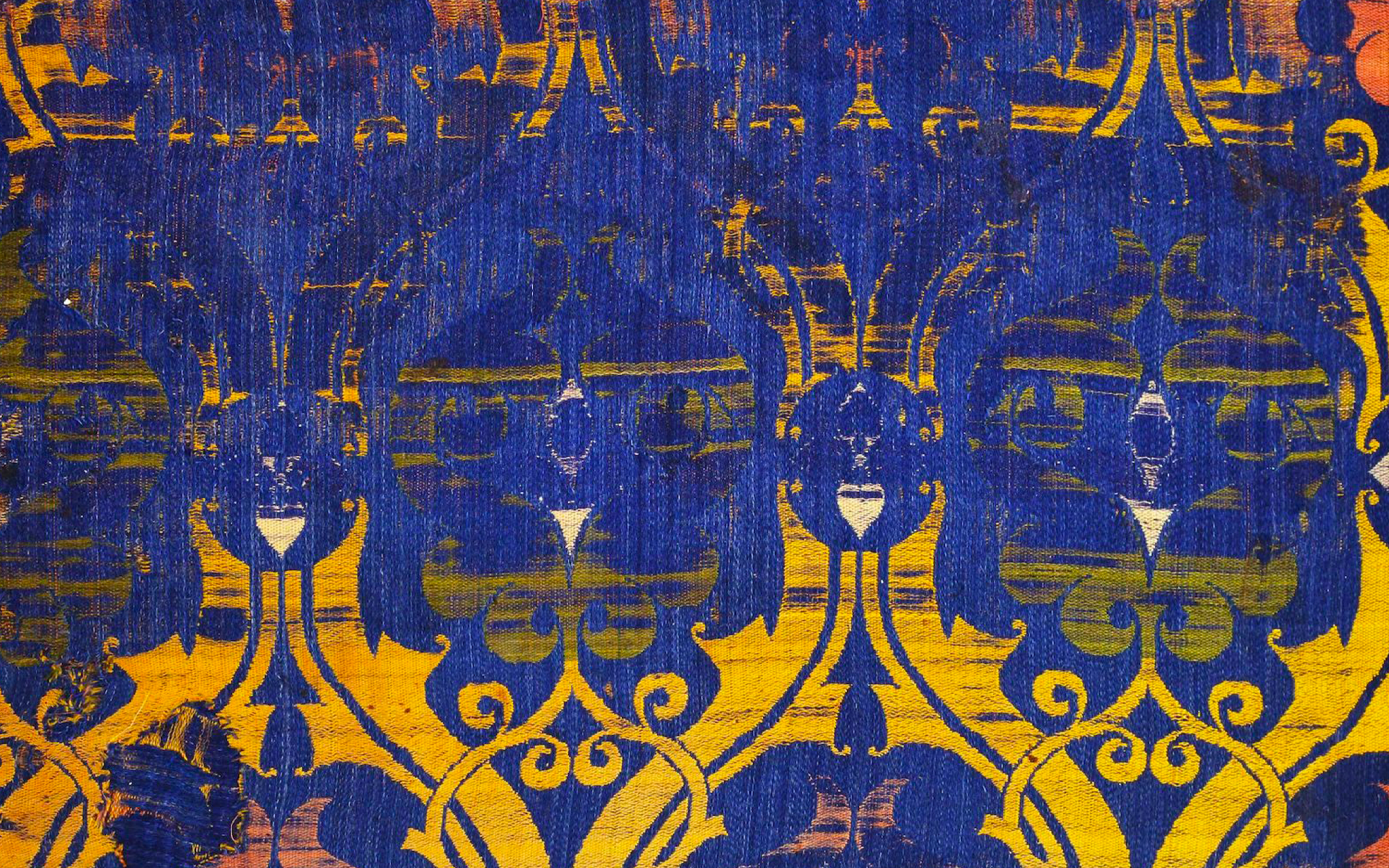
Travel around the world and across 5,000 years of history through 490,000+ works of art.
JA: The Met (like the Wellcome Collection and the Rijksmuseum) have an excellently presented and curated Public Domain collection. Just make sure you have ‘Open Access’ ticked to avoid unwittingly downloading and using copyrighted material.
The Europeana website provides cultural heritage enthusiasts, professionals, teachers, and researchers with access to Europe's digital cultural heritage. We give you access to millions of items from providing institutions across Europe. Discover artworks, books, music, and videos on art, newspapers, archaeology, fashion, science, sport, and much more.
JA: Europeana works a little differently than the other resources, inasmuch as they’re a shop window for dozens of cultural and academic institutions, so finding a high resolution image can be tricky. You’ll have to also navigate their slightly awkward interface to make sure you have permission to download and use the visual material properly.
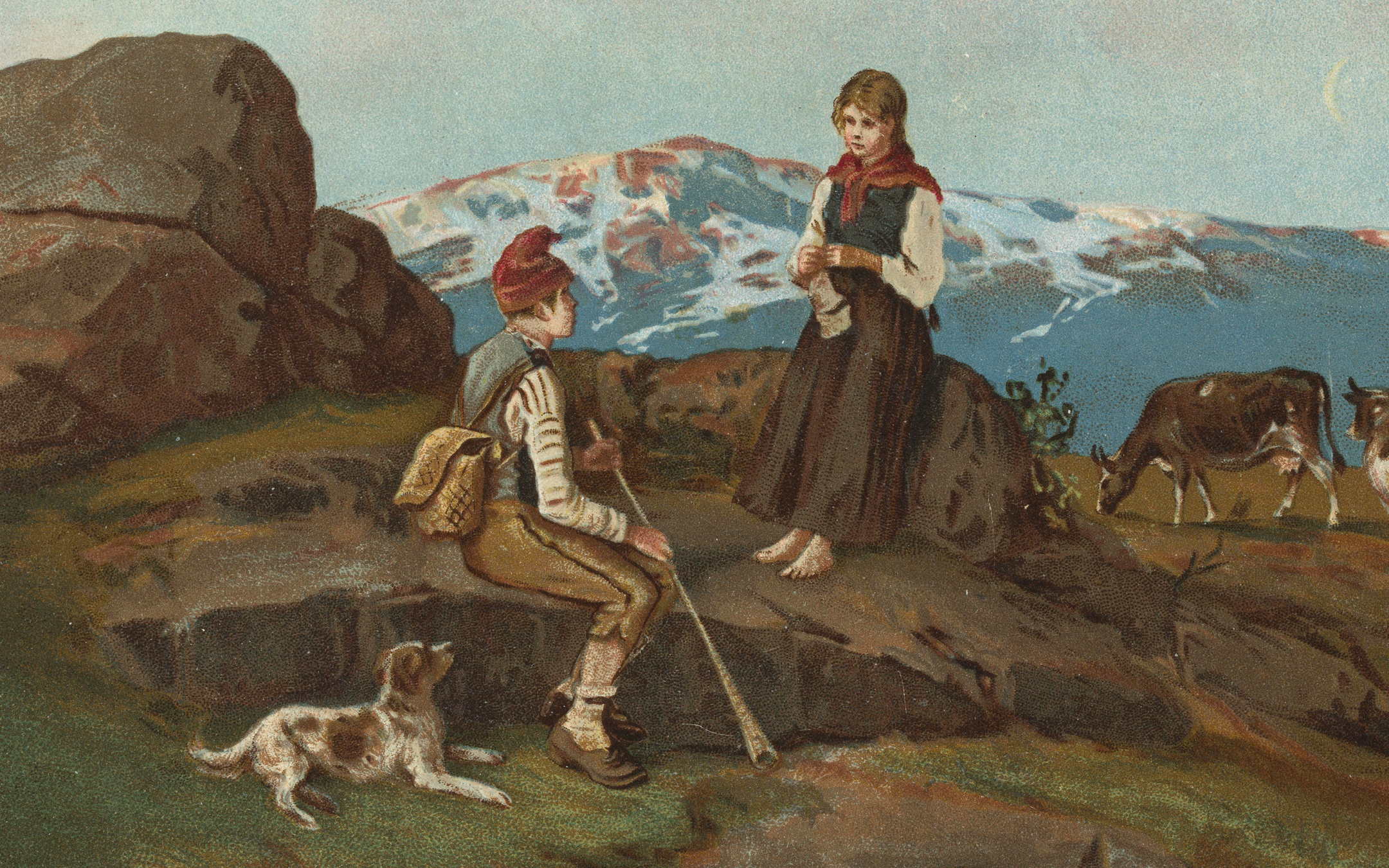
The National Library of Norway’s collection contains everything from books, magazines, music, film, radio and TV programmes, pictures, photographs, theatre material, maps, posters and newspapers to unique handicraft collections and special book collections.
JA: Whilst the interface can be switched to English, search terms aren’t. Get your online translator ready to input the Norwegian words for things if you’re looking for something specific.
GIMP is a cross-platform image editor available for GNU/Linux, macOS, Windows and more operating systems. It is free software, you can change its source code and distribute your changes.
Whether you are a graphic designer, photographer, illustrator, or scientist, GIMP provides you with sophisticated tools to get your job done.
JA: The terribly-named GIMP (GNU Image Manipulation Program) is not a picture resource, but a free, open source picture editor which allows you to do things like crop pictures, or superimpose text on them. There’s a bunch of mobile apps that can do something similar, but if you want more creative control on a computer, then learning an image editor like GIMP is worth the investment of time to learn. I also recommend Affinity Photo (award winning Photoshop competitor, pay once) if you don’t like Adobe’s eye-watering subscriptions to access their Creative Cloud.
With the visual abundance linked above, I’ll reiterate my original position: if you choose to use AI generated imagery to illustrate a post, then I will reasonably assume that the writing bit may have also been partly or wholly generated by AI. Therefore, I will choose to not support, read or share your content.
After all, if I think you haven’t bothered to write your own thoughts, opinions and prose without resorting to a machine to write it for you, then why should I bother to read it? There’s plenty of other writers with small subscriber lists like mine who can articulate their thoughts and have interesting things to say.
Many will regard this as a hardline stance, and that I should accept what’s coming. To that I say bullshit. I have no issue with the technology; but I take great issue with the abuse of the technology and I empathise with working creatives who have had their livelihoods made materially more difficult by those who do not value their work enough to compensate them.
If you disagree, you’re welcome to prompt a response and publish it on your own corner of the internet.
For the rest of us: I look forward to seeing what you do with the amazing visuals made available by these institutions •
As to the second point, there’s a world of difference between stock and GenAi. In short, stock sites provide consumers with creative and editorial visual assets. This decades-long practice has (like everything else) been changed by the internet, but all stock contributors have been financially compensated for their contributions and licensing options of varying complexity have been agreed on between the supplier (for example, a professional photographer) and vendor (Getty, Alamy, Adobe Stock etc.). Generative AI circumvents this entirely, and now AI companies have been taken to court to defend allegations they trained their models on copyrighted material. Buying GenAI ‘images’ on a stock site is at best, legally dubious, and more likely, someone trying to make a quick buck off people who can’t tell the difference.
Many thanks for reading. The Acosta Dispatch is an occasional roundup by me, Jordan Acosta; a British speculative fiction writer. News, short reviews and more, published erratically.

You can subscribe at jordanacosta.co, and read previous editions, here. You can unsubscribe at any time, and I won't share your email address with anyone.

This essay was originally published on Substack on April 28, 2025.
About Jordan Acosta
British-Filipino speculative fiction writer, represented by John Baker.