How rheumatoid arthritis quietly rearranges your life 🩺🤍
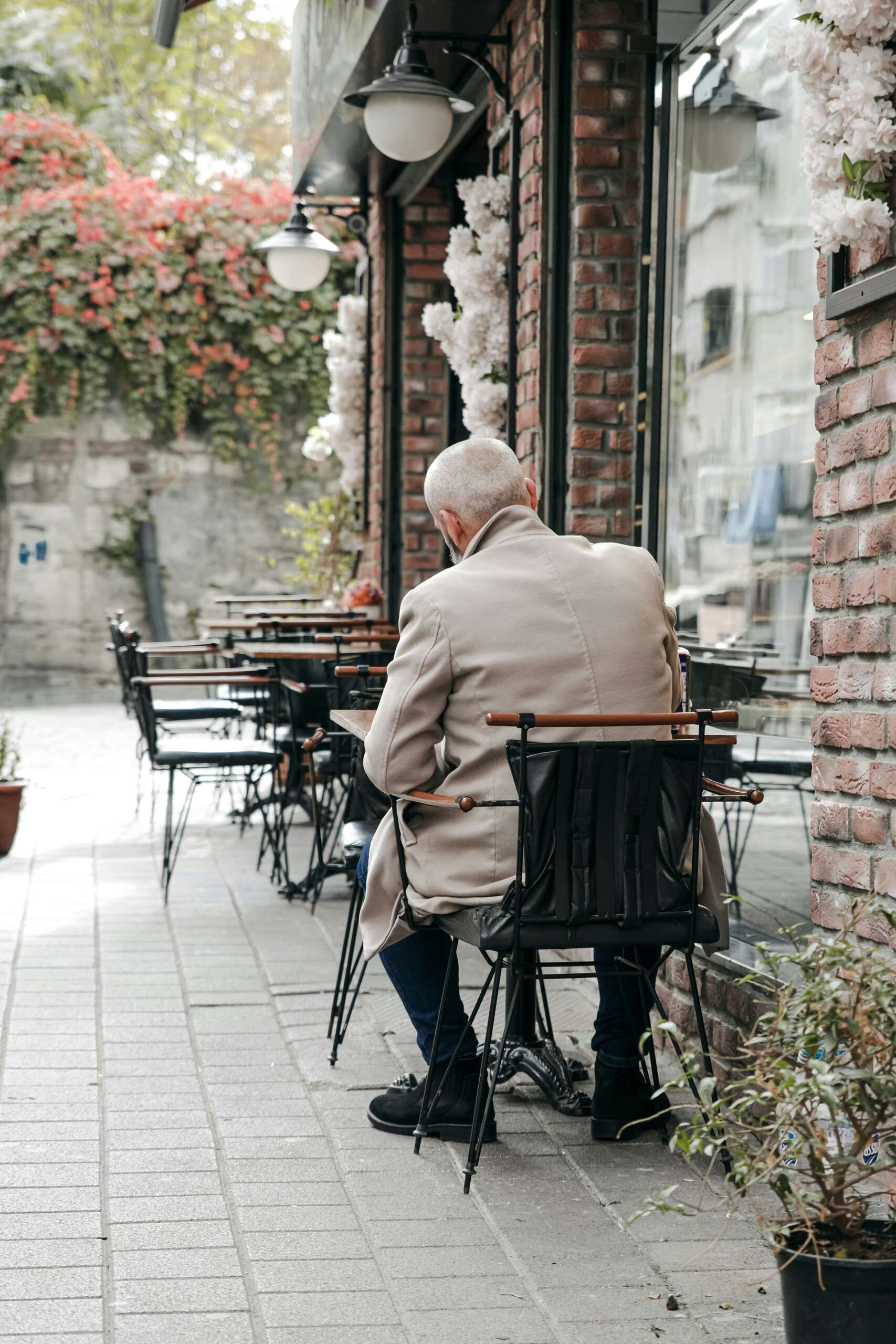
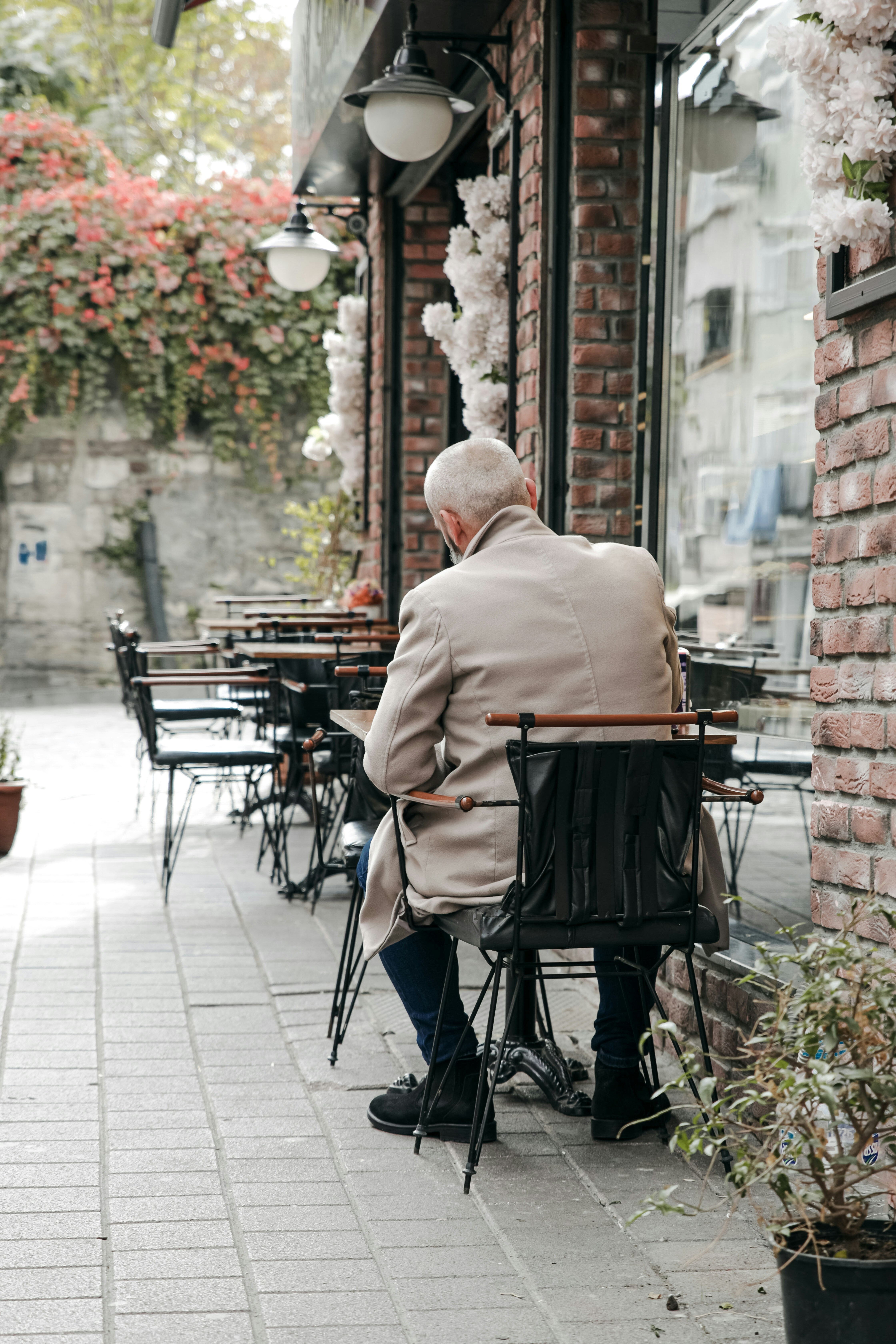
One of the strangest parts of living with rheumatoid arthritis is how often you can look fine while quietly paying a price no one can see. 💭
That may be one of the most disorienting parts of chronic illness — the way your life can start changing long before it looks different from the outside.
You still look like yourself.
You still sound like yourself.
You may even still be trying to move through the world the same way.
But behind the scenes, something has shifted.
Your body has started asking you to live differently.
A lot of people with RA — or any chronic condition — live inside this contradiction:
You look okay.
But your life is quietly being rearranged. 💔
And I think that quiet rearranging is where so much of the real experience lives.
Because chronic illness does not just affect the body.
It changes your pace.
Your relationships.
Your routines.
Your expectations.
Your energy.
Your confidence in what your body will allow from one day to the next.
It changes the emotional climate of your life.
And somewhere inside all of that, it teaches you how to listen.
Not in some abstract or poetic way.
In a practical, daily, often painful way.
It teaches you to listen to your energy.
To your pain.
To your limits.
To the signals you used to ignore because you never had to pay attention this closely before.
That kind of listening changes everything. 🌿
⸻
Before, I moved first. Now, I pay attention. 🚶🏽♂️➡️🧠
Before rheumatoid arthritis, I moved through life without having to listen this closely.
Like a lot of people, I could push through being tired.
I could make plans without wondering what my body might ask of me later.
I could move through a day without having to interpret every signal.
There was a kind of freedom in that — a freedom I probably never fully appreciated until it changed.
Because once chronic illness enters your life, your body stops being something you can take for granted.
It becomes part of every decision.
Not always loudly.
Sometimes quietly.
Sometimes subtly.
But consistently.
And over time, you realize that “normal” is no longer just about what you want to do.
It’s also about what your body is willing to cooperate with.
That changes the way you move through everything.
Even things that used to feel simple.
Making plans.
Leaving the house.
Committing to something ahead of time.
Trying to explain why one day feels manageable and the next one doesn’t.
That kind of unpredictability can be hard to explain to people who care about you — especially when from the outside, it doesn’t always look like anything is wrong.
And that can be one of the loneliest parts. 🌧️
Because sometimes the hardest thing is not just what your body is doing.
It is trying to live in a world that still expects consistency from you when your body has become unpredictable.
And that tension can be exhausting.
⸻
The shower that takes everything 🚿
There are certain parts of chronic illness that sound too small to explain — until you are the one living them.
For most people, a shower is just a shower.
Five minutes.
Maybe ten.
Then you move on with your day.
But when you live with chronic illness, something that ordinary can become a measure of what your body will and won’t allow.
The water hits your skin and your body starts to give.
Your legs feel heavy.
Your energy drains faster than the water going down the drain.
You brace yourself against the wall not because you are relaxing, but because you are trying to get through it.
And when you finally step out, you are not refreshed.
You are spent.
The shower took everything — and the day has not even started.
That is the kind of invisible cost people rarely see.
It is not always some dramatic moment.
Sometimes it is just the private collapse that follows something the world considers simple.
And over time, those moments teach you to listen in a way you never expected. 💧
They teach you that what looks small from the outside can carry an entirely different weight inside a body that is already negotiating so much.
And that is part of what makes chronic illness so difficult to explain.
It asks your body to work overtime for moments the world barely notices.
⸻
The Quiet Labor of Being Chronically Ill 🧾⏳
There is a kind of labor that comes with chronic illness that rarely gets named.
It is not always dramatic.
It is not always visible.
And most of the time, it does not get acknowledged.
But it is there.
The quiet labor of being chronically ill is the work of adjusting in real time.
It is the work of recalibrating your day.
Monitoring your energy.
Managing pain without making it the center of every conversation.
Reworking expectations.
Recovering from things that look small to other people but are not small to your body.
It is the medications lined up on the counter. 💊
The doctor visits.
The treatment schedules.
The mental check-ins.
The constant internal math.
How much energy do I have today?
What do I need to protect?
What can wait?
What is worth pushing for?
What will I have to pay for later if I do too much now?
That labor is rarely seen by anyone else.
But it shapes everything.
And I think part of what makes chronic illness so lonely at times is not just the pain itself — it is how much unseen effort goes into trying to remain functional, steady, and recognizable while your body is requiring a different relationship with life.
Because in many ways, you are not just managing symptoms.
You are managing expectations.
Your own.
Other people’s.
And the emotional distance that can grow when your reality is harder to explain than it is to live. 🫥
And that kind of labor is exhausting in a way that sleep does not always fix.
Because some exhaustion is physical.
But some exhaustion comes from carrying an invisible reality through visible spaces every single day.
⸻
When illness changes your relationships 🤝💔
Chronic illness does not just change your body.
It can change your circle too.
Sometimes quietly.
Sometimes painfully.
People you thought would be there begin to fade.
Not always all at once.
Sometimes slowly enough that you keep hoping you are imagining it.
The calls get shorter.
The invitations stop.
The effort changes.
And then there are the people who surprise you in the opposite direction — the ones who stay, not because they have to, but because they choose to.
That contrast teaches you a lot.
It teaches you who is comfortable with your presence only when your life looks easy.
And it teaches you who has the capacity to sit beside a reality they cannot fix.
There is a particular kind of grief in realizing that some people only knew how to love the version of you that did not require adjustment.
That grief is real.
And so is the gratitude for the people who remain.
The ones who still check in.
The ones who understand slower days.
The ones who do not disappear just because your life became harder to explain. ❤️
There is something sacred about people who stay gentle with you while your life is changing shape.
Those people are rare.
And they matter.
⸻
Listening is not weakness 🕊️
I think one of the hardest things to unlearn is the idea that slowing down means falling behind.
So much of life teaches us to override ourselves.
Push through.
Stay productive.
Be consistent.
Keep going.
And to be fair, that mindset is often rewarded — until your body no longer lets you live that way without consequences.
That is where I have had to start learning a different kind of strength.
Because listening to your body does not always feel noble.
Sometimes it feels inconvenient.
Sometimes it feels disappointing.
Sometimes it feels like grief.
Sometimes it feels like having the desire to do something — and not always having the same access to it that you once did.
And that can be emotionally difficult in ways that are hard to put into words.
Because the loss is not always dramatic enough for people to recognize.
Sometimes it is just the slow accumulation of moments where your body changes the terms of how you get to participate in your own life.
But I am learning that listening is not weakness.
Paying attention is not laziness.
Adjusting is not failure.
Resting is not quitting.
In many ways, it takes more strength to respond honestly to your reality than it does to pretend you are unaffected by it.
And chronic illness has a way of forcing that honesty. 🌱
And if I’m honest, I am still learning that strength does not always look like pushing through.
Sometimes strength looks like honoring what is true.
Even when it disappoints you.
Even when it changes your plans.
Even when it asks you to live differently than you expected.
⸻
Grace over guilt 🙏🏽✨
Guilt follows chronic illness around like a shadow.
You feel guilty for not doing more.
Guilty for needing help.
Guilty for not moving the way you used to.
Guilty for the things your body will not let you carry the way you want to.
Sometimes it is something as small as needing someone else to grab a delivery from the door because the walk feels like too much.
Sometimes it is sitting out while other people wash dishes, carry bags, or do things that once felt ordinary to you.
You want to contribute.
You want to pull your weight.
You want your effort to be visible in ways the world recognizes.
And when your body interrupts that, guilt rushes in to fill the space.
But I have had to learn something that does not always come naturally:
Grace has to be louder than guilt.
Contribution does not only look like movement.
It does not only look like productivity.
It does not only look like doing what everyone else can do without thinking.
Sometimes contribution looks like presence.
Showing up to dinner.
Walking slowly through the farmers market.
Playing with your dogs. 🐾
Being emotionally available to the people you love.
Continuing to participate in life in whatever way your body allows.
That matters too.
And some days, it matters more than I give it credit for. 💛
There is dignity in continuing.
Even if continuing looks different now.
⸻
To those who stay ❤️🩹
For all the ways chronic illness can isolate you, it can also reveal something deeply important:
Who stays.
Not because they are obligated.
Not because they understand everything.
But because they choose not to disappear when life becomes inconvenient, slower, or harder to explain.
And those people matter more than they may ever fully understand.
The family members who keep showing up.
The friends who still check in.
The people who make room for your reality without making you feel like a burden.
And yes, even the dogs. 🐶
The ones who greet you the same way every day no matter how your body feels.
The ones who still bring warmth, comfort, and a reason to smile on days that feel heavier than usual.
These people and these small companions do not fix the illness.
They do not erase the pain.
But they do something just as powerful:
They remind you that you are still here.
Still loved.
Still part of life.
And that matters. 🤍
Sometimes survival is not just medical.
Sometimes survival is relational.
Sometimes it is the people — and the small daily love — that keep the emotional part of you alive.
⸻
A letter to my body ✉️🤍
Some days, I have to speak to my body differently.
Not with frustration.
Not with disappointment.
But with a kind of honesty I am still learning.
Because for all the ways it has challenged me, it has also carried me.
It has let me play with my dogs.
Rub their fur.
Feel their warmth.
It has let me hug my family.
Kiss the people I love.
Get up and pour a bowl of cereal.
Put on my VR headset and disappear into music for a little while. 🎶
To someone else, those things may seem small.
To me, they are not small at all.
They are reminders.
That even in limitation, there is still life.
Still joy.
Still access to moments that matter.
And maybe part of listening is also learning how to notice what remains.
Not just what has changed.
Not just what has been lost.
But what is still here. 🌈
And some days, that is enough to keep me grounded.
Not because everything is okay.
But because not everything is gone.
⸻
I’m still learning 🌿
I’m still learning how to listen without fear.
I’m still learning how to rest without guilt.
I’m still learning how to trust that paying attention is not the same thing as giving up.
And maybe that is one of the quietest truths of living with rheumatoid arthritis:
Sometimes healing is not just about treatment, medication, or symptom management.
Sometimes healing is also about learning how to stop fighting every signal your body sends you — and beginning, little by little, to hear it differently.
Not as betrayal.
But as information.
Not as weakness.
But as guidance.
And maybe that is what chronic illness has been teaching me all along:
Not just how to survive inside a changing body.
But how to listen to it. 🤍
⸻
About the Author
Joseph is a chronic illness advocate, writer, and founder of a nonprofit dedicated to helping people with autoimmune and chronic conditions access the medical care they deserve.
He writes from lived experience — where health, identity, emotional resilience, and invisible struggle often meet.
Hi, I’m Joseph Young, the writer behind The RA Road, a publication about the realities of living with rheumatoid arthritis. I share insights, mindset shifts, and practical adaptations that come with chronic illness — and how people can navigate that road with awareness, strength, and hope.
Why This Channel?
This space is dedicated to making rheumatoid arthritis easier to understand and navigate. Whether you’re newly diagnosed, living with RA long-term, supporting someone who is, or working in healthcare — you’ll find clear, thoughtful insights about the RA journey.
What You'll Find Here: • RA education (symptoms, diagnosis, and treatments)
• Research and emerging therapies
• Lifestyle and adaptation strategies
• Patient advocacy and support resources
• Real-world insights from living with RA
My Mission: To bridge the gap between complex medical information and patient understanding—one insight at a time.