Watching the Landman had me explore the state of energy production. We are already in a slow squeeze. The life I knew in the 20th Century just own't be there. Based on the latest projections, we know the old oil fields are drying up. Shale oil levels off in the 2030s. Middle eastern oil will become more expensive to extract.
We keep being told that "country X has vast oil reserves." But all oil is not oil. It's a play on a stereotype. Venezulan oil is thick sludge, not the sweet oil we need for daily needs. Over the past 100 years, the cost to extract a barrel of oil went from 1:100 (oil barrels spent to oil barrels extracted) to 1:15. When that gets to 1:1, then it's no longer economically sound to extract the oil. By then, we need to be somewhere.
Over the next century, air travel will become more expensive and less common for everyday people. Jet fuel will cost more as oil gets harder to produce, so airplane tickets will rise. Airlines will use more biofuels and new fuels, but these will still be costly. Many people will fly less for vacations and switch to video calls for business trips. Trains will handle more shorter trips. Flying will still exist for important long journeys, but it will feel more like a special treat than an everyday option.
There's a lot of talk about high-speed rail.
We don't need high-speed
At the peak of US passenger rail travel in the 1920s, standard long-distance trains offered a comfortable and elegant experience for millions of Americans. About what you have on Amtrak today. Trains were fast (50–70 mph) and reliable. The connecting cities across the country. A cross-country trip from New York to California took about four days. Rail was the main way most people traveled long distances before cars and planes took over.
Today, US passenger rail travel is limited and slow compared to its peak. Amtrak serves mostly Northeast Corridor routes efficiently while long-distance trains are infrequent, often delayed, and primarily used for scenic leisure trips rather than everyday transportation. We need to fix that. Now.
What do we need? Build a nationwide network of reliable electric passenger trains, with frequent daily service connecting major cities and towns. They only need to travel about 70 mph. Focus on comfort, on-time performance, and affordability to restore easy inter-city travel.
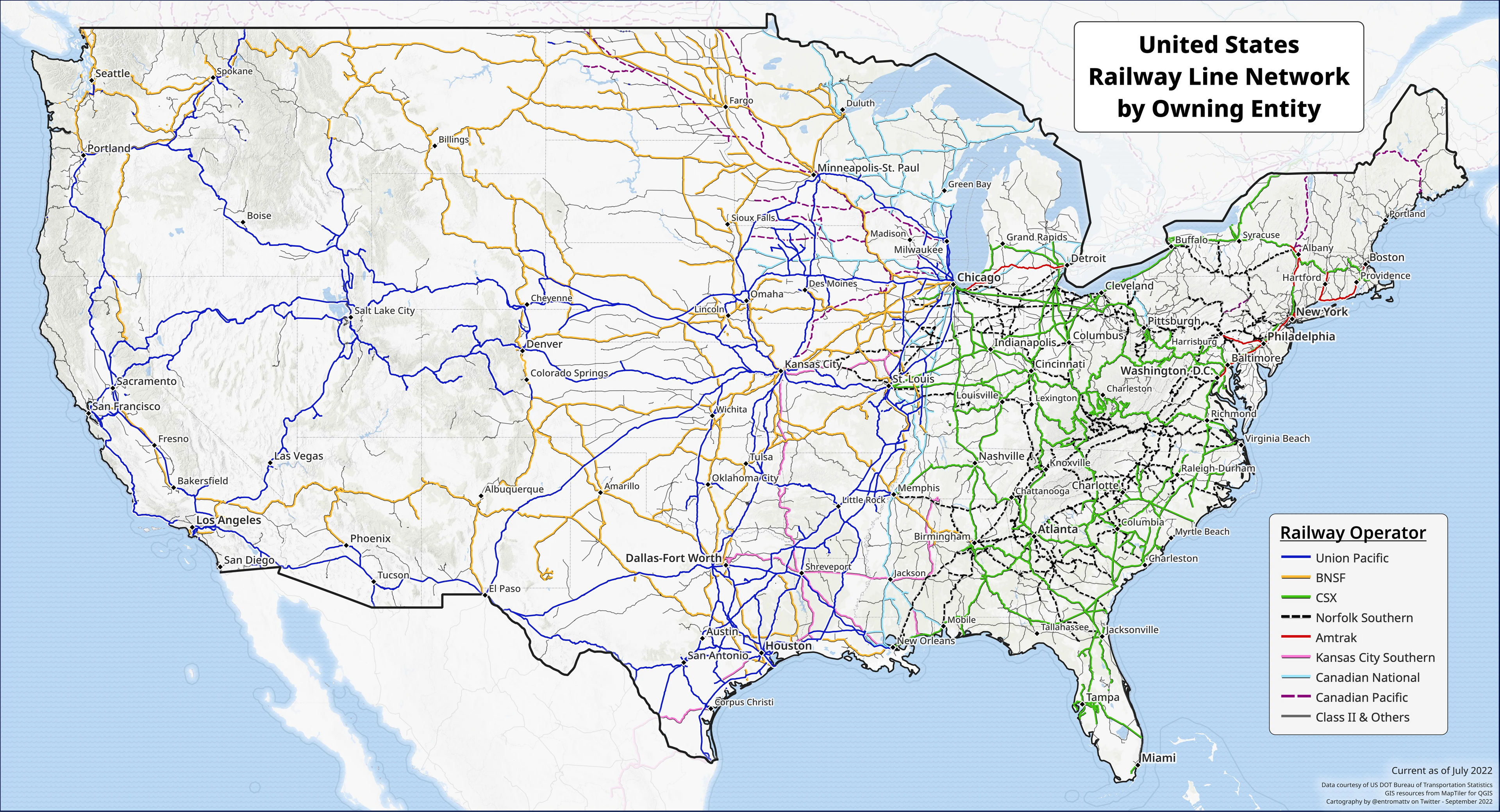
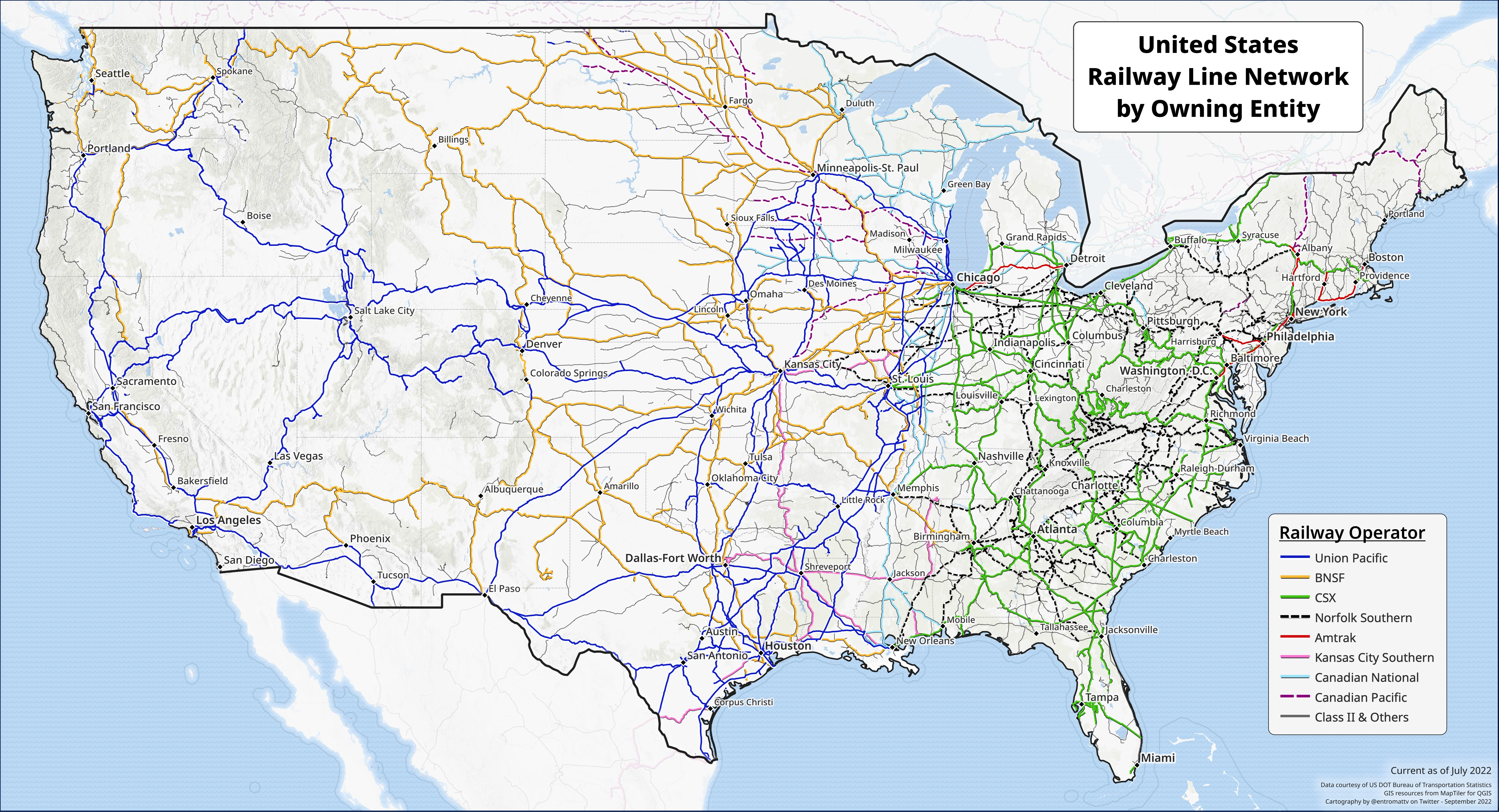
The punchline? We already have an extensive freight rail network (about 140,000 miles of track). Many routes could be upgraded for passenger service by adding electrification, passing sidings, modern signaling, and new or restored stations. This would allow reliable 60 to 79 mph service on existing rights-of-way without building entirely new high-speed lines everywhere. It's cheaper and faster to implement than starting from scratch, though it still requires major investment in track upgrades and shared-use agreements with freight railroads. Northeast Corridor-style improvements could spread gradually.
About Ben Wilson
Ben Wilson is the novelist behind Merovex Press, publishing alternate history, military sci-fi, and non-epic fantasy (including the Postal Marines saga and Strand Series). A history buff tuned into human nature and religion, he builds the software he needs to write and publish: Verkilo (offline series writing) and Kindred Quill (reader-facing funnel & author-to-author community hub)—soon available to other authors.