Nestled at the northern end of central Dunedin, the Dunedin Botanic Garden holds a special place in New Zealand’s horticultural history. As the country’s oldest botanic garden, established in 1863, it has been delighting visitors for over 160 years with its remarkable collection of plants, stunning landscapes, and peaceful atmosphere.
A Garden Born from Adversity
The garden’s story began in 1863 on a site now occupied by the University of Otago. However, devastating floods in February 1868 prompted a move to the current location at the northern end of the Town Belt the following year. This proved to be a fortunate relocation, allowing the garden to flourish and expand over the decades.
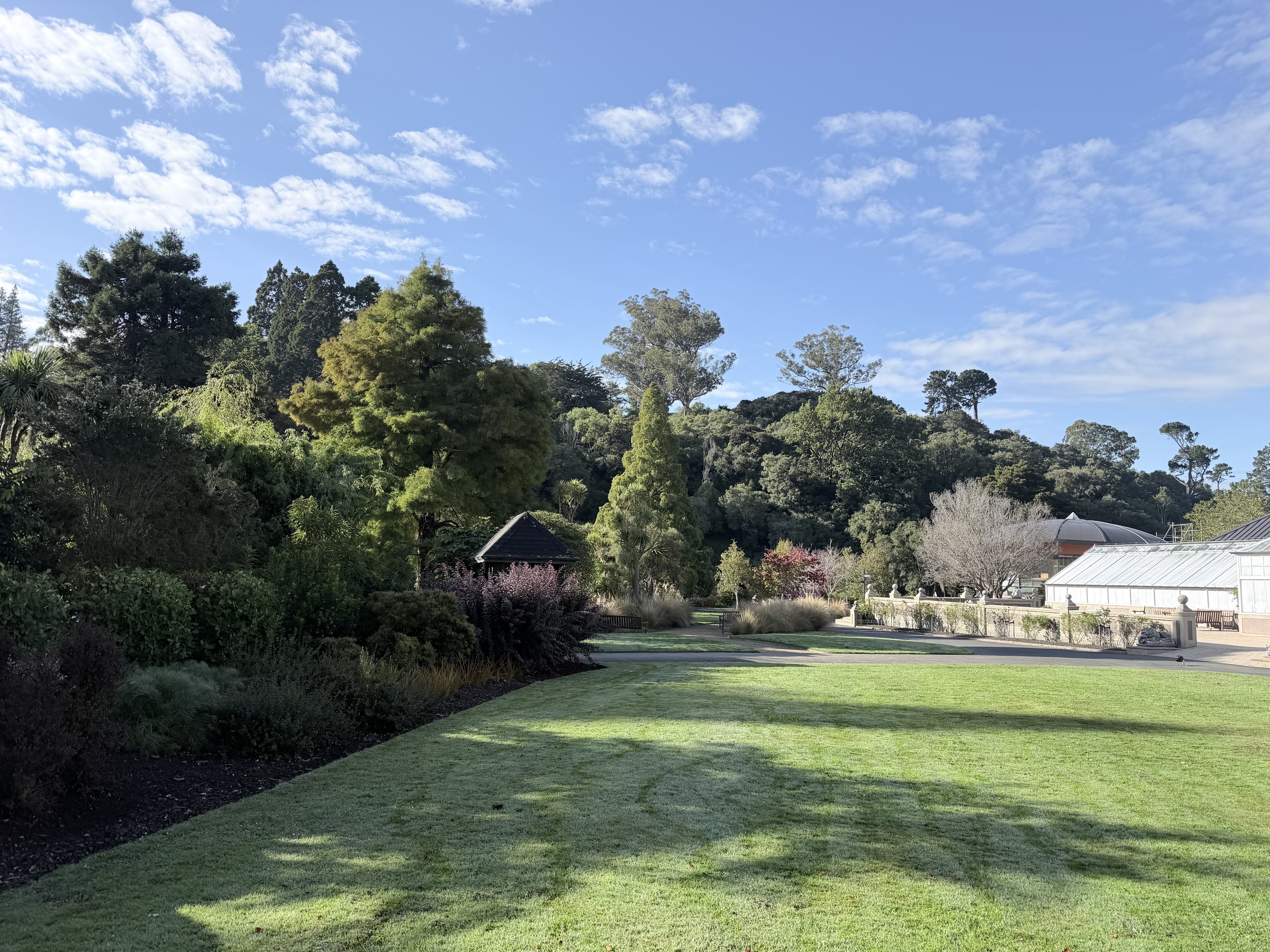
Today, the garden spans 33 hectares across two distinct sections: the lower gardens at approximately 25 metres above sea level, and the upper gardens rising to 85 metres. This elevation change creates diverse microclimates that support an incredible variety of plant life.
A Prestigious Recognition
In 2010, the Dunedin Botanic Garden achieved the status of “Garden of International Significance” from the New Zealand Gardens Trust—an honour held by only a handful of gardens nationwide. The garden has also been recognised by ArbNet, the global network for tree-focused professionals, and its Camellia Collection is acknowledged as a Garden of Excellence by the International Camellia Society.
Exploring the Lower Gardens
The lower gardens offer a more formal experience with beautifully manicured displays and several heritage-listed structures.
The Winter Garden Glasshouse, constructed in 1907, was the first of its kind in Australasia. This elegant Edwardian glasshouse houses tropical, desert, and subtropical plants, providing a warm escape even on Dunedin’s chilliest days. The glasshouse underwent significant restoration in 1991 and again in 2018, ensuring this historic structure remains a centrepiece of the garden.
Nearby, the Bandstand–Soundshell (constructed in 1914) is a recognised historic place. Designed by City Council Building Surveyor G.W. Gough, its unique oriental‑inspired design ensures excellent acoustics. The architect described it as having “the performers … all arranged facing the audience as in a theatre,” with “side walls and ceilings being well shaped to allow the volume of sound free egress.” The Sunday Bandstand concert series, introduced in 2000, continues this musical tradition today.
Other lower garden highlights include:
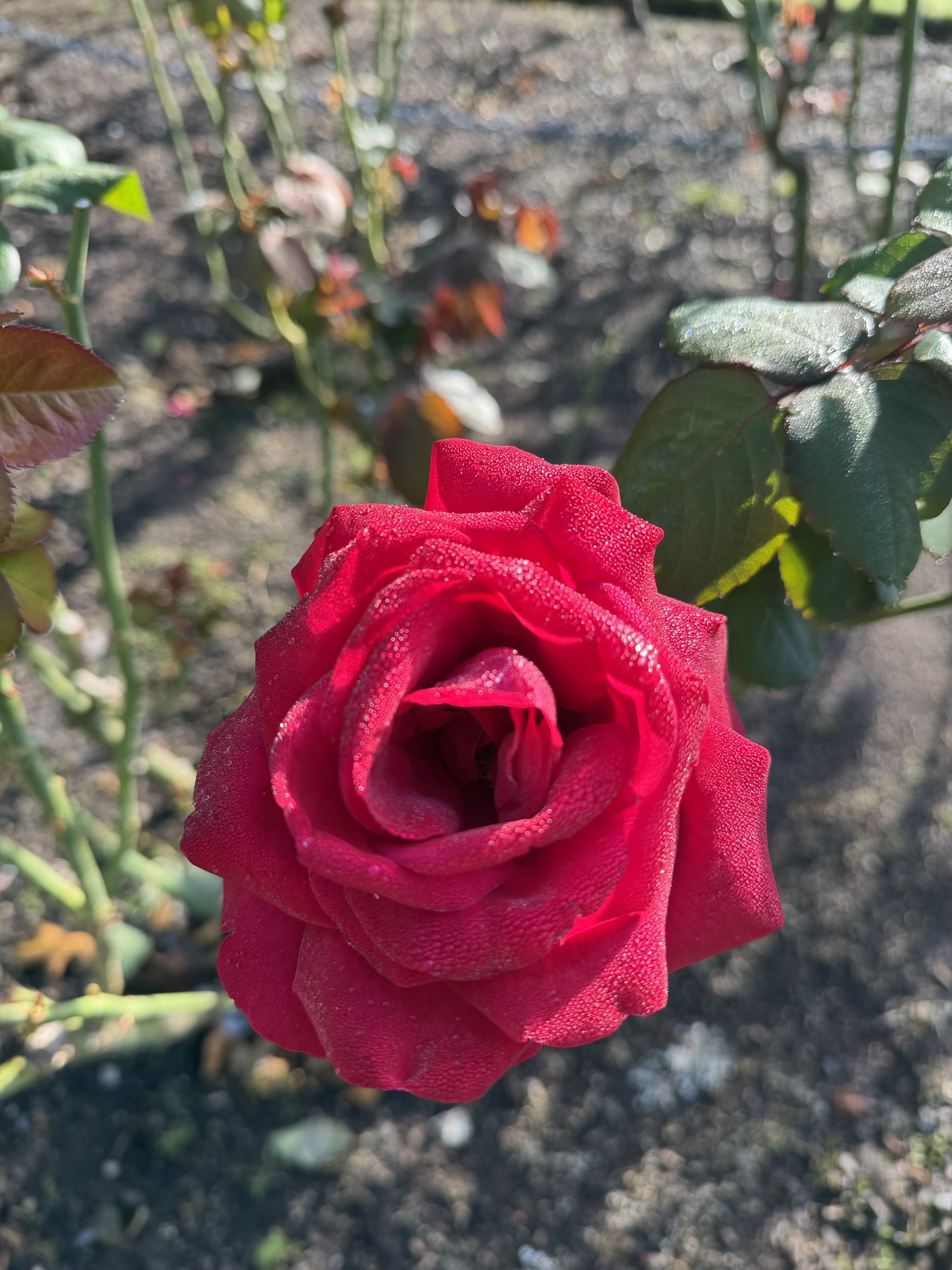
- The Rose Garden: Divided into species roses, old garden roses, and modern roses, peaking from November to late February.
- The Herb Garden: A sunken garden where visitors can savour aromatic scents.
- Duck Pond: A peaceful spot popular with families and bird enthusiasts.
- Japanese Garden: Commemorating Dunedin’s sister‑city relationship with Otaru, Japan.
- The Wolf Harris Fountain: A heritage fountain erected in 1890.
Venturing to the Upper Gardens
The character changes dramatically in the upper gardens, where a more informal landscape unfolds with pockets of regenerating native bush and extensive plant collections.
The Rhododendron Dell occupies four hectares and contains over 3,000 rhododendron specimens, creating a spectacular display during spring. This area was largely developed under the visionary leadership of David Tannock, who served as Superintendent of Reserves from 1903 to 1931. Tannock, trained at London’s Royal Botanic Gardens at Kew, transformed the gardens into a living collection of great educational value.
The Geographic Plant Collections reflect Victorian‑era enthusiasm for collecting and growing plants from around the world, featuring specimens from every continent except Antarctica. The Native Plant Collection is particularly important for cultivating rare and endangered New Zealand species—over 10 per cent of the country’s flora is threatened, making conservation efforts here vital.
The Aviary houses more than 100 individual birds, including South American, Australian, Asiatic, and New Zealand native species, with Australian birds predominating to complement the surrounding Australian plants border.
Sculptures and Art
Art lovers will appreciate the garden’s collection of sculptures. Among the most beloved is Cecil Thomas’s statue of Peter Pan with the Darling children, added to the garden in 1965. A near‑replica can be found in Whanganui. More contemporary additions include koru‑inspired pillars at the northern entrance, representing stylised Māori fern shoots.
Māori Heritage
The garden’s location holds significance for Kāi Tahu, Kāti Māmoe, and Waitaha peoples. The Water of Leith flowing through the garden is known as Ōwheo, named for Kāti Mamoe chief Wheo, whose settlement was located nearby. The wooded ridge to the east was known as Te Mana Kapakapa a Tiki.
Visitor Information
The Dunedin Botanic Garden welcomes visitors year‑round with free admission. Opening hours are from dawn to dusk daily, with specific building hours:
- Information Centre and Shop: 10am to 4pm daily.
- Winter Garden Glasshouse: 10am to 4pm.
- Alpine House: 9am to 4pm.
The garden has earned a silver accessibility rating and offers tracks rated easy, medium, and hard, allowing visitors to choose routes that suit their abilities. Parking is available on Lovelock Avenue and near the northern entrance.
Please note that the Croque‑O‑Dile Cafe is currently undergoing upgrades, with food trucks providing refreshments near the former cafe location.
Getting There
Located just a ten‑minute bus ride from the city centre, the garden is easily accessible by public transport. From the Octagon, travel north along George Street, turn right onto Dundas Street, then left onto Lovelock Avenue—the garden entrance will be on your left.
Whether you are a passionate gardener, a history enthusiast, or simply seeking a peaceful escape, the Dunedin Botanic Garden offers a rich tapestry of natural beauty and heritage. Allow two to three hours to explore at a leisurely pace, and do not forget to bring a picnic to enjoy in one of the many scenic spots throughout this remarkable garden.
The Dunedin Botanic Garden celebrated its 160th anniversary in 2023, marking its enduring legacy as New Zealand’s first and most treasured botanic garden.