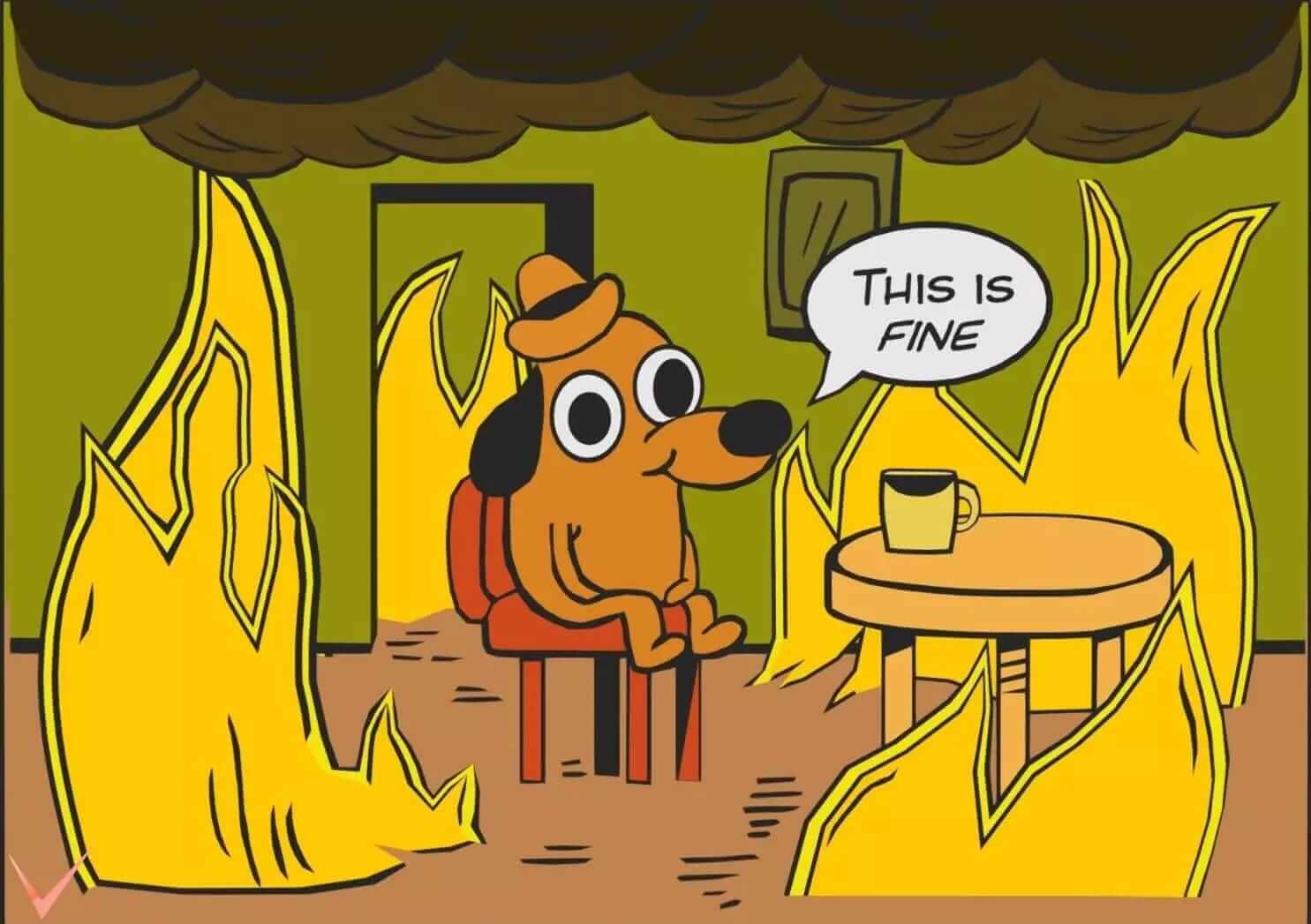
The most dangerous moment in a software project is not before launch, it's right after. That's when the product works, customers exist, and innovation quietly starts to die.
I've seen this pattern repeatedly: across teams, companies, and industries. A project ships, everyone exhales, and suddenly the days fill up with support tickets, small fixes, meetings, operational noise. Nothing is "on fire", yet the roadmap slowly stops moving.
Tyranny of the Urgent
After launch, work changes shape. Building turns into maintaining. Deep, focused thinking gets replaced by constant responsiveness. Operations ("keeping the lights on") begin to consume not just time, but attention. And attention is the real scarce resource.
There's also a psychological trap hiding here.
After a full day of operational work, your energy is gone. Context is fragmented. The ideas that have been sitting in your head for months suddenly feel less important. You tell yourself the project can survive without them.
There's also a psychological trap hiding here.
After a full day of operational work, your energy is gone. Context is fragmented. The ideas that have been sitting in your head for months suddenly feel less important. You tell yourself the project can survive without them.
That's Decision Fatigue Talking
I once worked with a team that had a clearly identified improvement that would significantly reduce support load. Everyone agreed it was the right thing to do. It stayed on the roadmap and kept getting pushed "to next time." Some time later support load was much higher, the team was more exhausted, and the once-obvious improvement had become harder and riskier to implement. Nothing dramatic happened. It just quietly slipped out of reach.
This is how innovation debt accumulates. Not through bad decisions, but through postponed ones. Every "not now" quietly adds interest. Over time, velocity drops, assumptions harden and competitors who protected innovation pull ahead.
This is how innovation debt accumulates. Not through bad decisions, but through postponed ones. Every "not now" quietly adds interest. Over time, velocity drops, assumptions harden and competitors who protected innovation pull ahead.
Where Experience Matters
Junior engineers optimize tasks.
Mid-level engineers optimize delivery.
Senior engineers and CTOs must optimize attention.
Having a hawk's eye means seeing which ideas are strategically oversized but stuck... not because they're hard, but because they're drowned out by noise. It means pushing the uncomfortable, non-urgent work on purpose. Not as a side project. Not "when things calm down". But as a leadership responsibility.
Mid-level engineers optimize delivery.
Senior engineers and CTOs must optimize attention.
Having a hawk's eye means seeing which ideas are strategically oversized but stuck... not because they're hard, but because they're drowned out by noise. It means pushing the uncomfortable, non-urgent work on purpose. Not as a side project. Not "when things calm down". But as a leadership responsibility.
AI as a Pain Relief
With modern AI tools like code assistants, agents and automated workflows, the cost of trying things has dropped dramatically. Tasks that previously required weeks of focused engineering time can now be prototyped, validated, or even shipped with a fraction of the effort. This creates a genuine opportunity: innovation no longer has to compete head-to-head with operations for scarce human energy.
Used correctly, AI doesn't replace teams. It amplifies them. It allows experienced leaders to unblock long-stalled ideas, push experiments through with limited resources, and make meaningful progress without waiting for "the perfect moment". This is one of the most practical, high-leverage uses of AI in real projects today.
Innovation rarely dies from lack of ideas, it dies from neglect... and neglect usually looks like being very busy.
Used correctly, AI doesn't replace teams. It amplifies them. It allows experienced leaders to unblock long-stalled ideas, push experiments through with limited resources, and make meaningful progress without waiting for "the perfect moment". This is one of the most practical, high-leverage uses of AI in real projects today.
Innovation rarely dies from lack of ideas, it dies from neglect... and neglect usually looks like being very busy.
If no one is explicitly protecting what matters but "isn't urgent", then "not now" eventually becomes never.
Otar