ISP (China Telecom) offered an all-in-one (modem, routing/NAT, 4-lan-port switch and Wi-Fi) router. The installation and setup was very quick, in 30mins, the cable was installed and system was up and running.
It started well but the more I use it, the more limitation emerges. It's one device can do all things but each thing is suboptimal. Wi-Fi signal strength is not high enough to cover entire apartment, 4-lan ports are not enough for growing reliability-sensitive devices, download speeds is only 60% of bandwidth and not much customization can be done due to proprietary system with limited access granted .
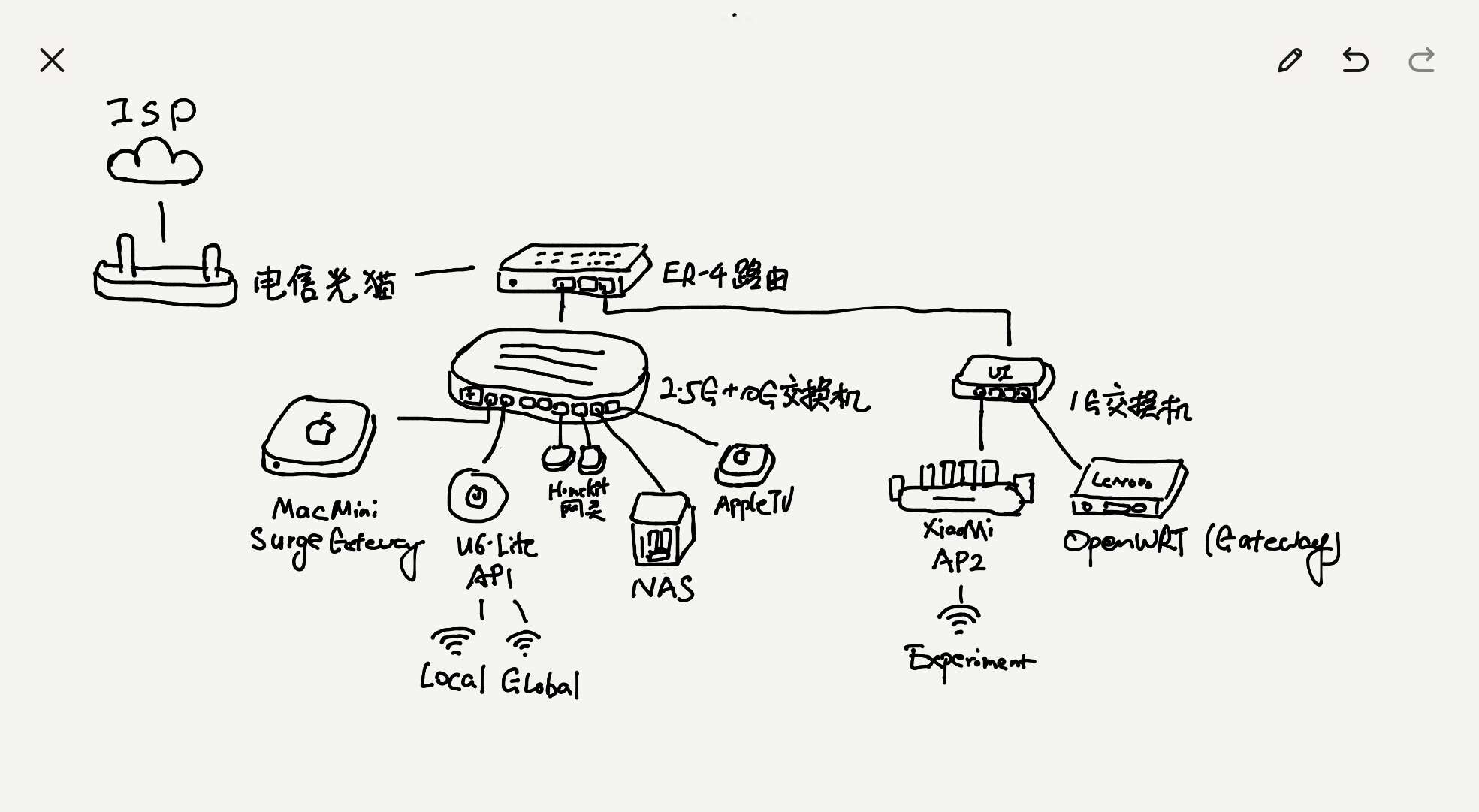
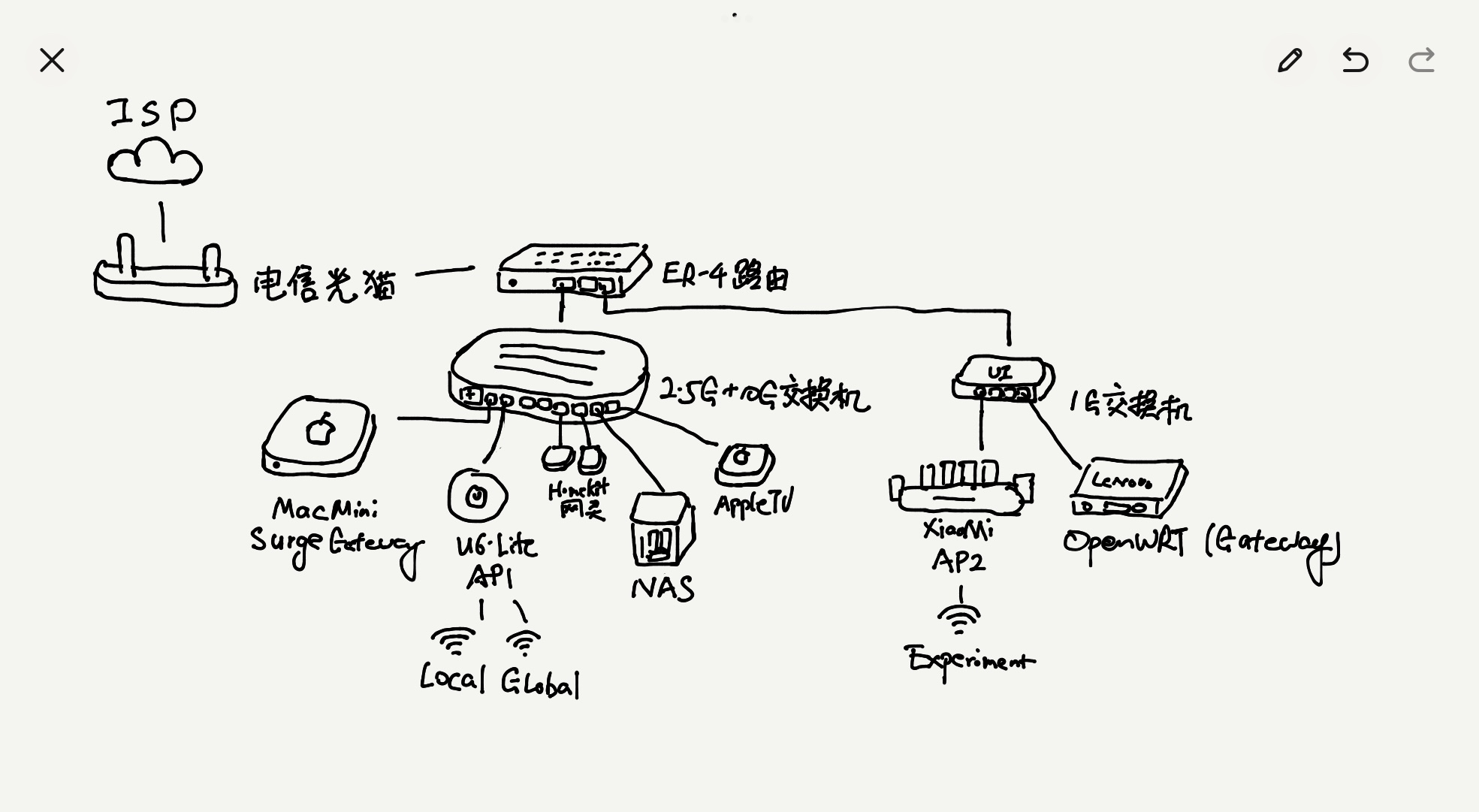
I ended up buying one professional device for each function to make the network more capable, robust and scalable. (see pic below). The all-in-one device only serves as modem (would've been replaced if it hadn't had a proprietary system with access control embedded in). New router is much faster and reliable (never hung and never need restarting). The switch has 10x higher throughput and 2x more ports. WiFi (APs) can cover entire place, has GUI for advance features configuration and is powered-over-ethernet (save one power-adapter and cable). More importantly, it gives me access to "internet" and allow me to experiment all the network change without impact to daily usage.
The cost of all these devices are much more than an all-in-one device and the network structure is much more complicated as well (meaning potential maintenance cost). Worth it? Of course otherwise I won't invest in it.
However it didn't start on day one. It evolves over time. Imagine someone carries these much devices to your home for network installation and charge you 10x-20x more. You would probably think he/she was crazy. Even you accepted it, it'll take much longer for installation, testing, troubleshooting and verification. And training such specialist is also challenging. It just doesn't work.
We need something quick, simple and cheap to get started. It's like building a team to solve new problems. We probably start with generalists e.g. full-stack engineer, someone can do things from end-to-end. It is more agile, less management required and more cost-effective. Overtime, when we need it to be more scalable, robust and flexible, we can start hiring specialist and grow the team into a cross-functional professional team who can delivery world-class result.