They believe the state is largely a net benefit to society.
They believe the state is anet cost to society.
Few switch camps when new evidence presents itself.
My switch can roughly be described as follows:
Before finding Bitcoin, I trusted state coordination. After finding Bitcoin, I trust market competition.
BeforeBitcoin:Coordination
When I say coordination, I mean economy-wide planning, not the kind that happens within a single company.
For example, if there seems to be too many people opening sandwich shops in a town centre, the coordinators might deny proposals for more sandwich shops. This would (in their mind) achieve two main objectives:
Ensure existing sandwich shops earn enough to buy good quality ingredients, pay their staff fairly, and to incentivise them to continue providing the service.
Encourage more diverse trade into the town so people could buy everything they need, not just sandwiches. This would retain shoppers who would otherwise travel to more diverse shopping malls.
The result would be a centrally coordinated town centre, based on what they thought people would want.
After Bitcoin: Competition
Allow as many applications for any type of business, regardless of their business activity (notwithstanding illicit goods/services) because:
If there is high enough demand for this many sandwich businesses, sellers will continue to be attracted long into the future. If there isn't, they will either go out of business, or slowly die as their ratings decrease due to the swapping out of serrano ham for sliced rat butcheek.
More entrepreneurs will bet on what they think people want and, through trial and error, will eventually (but never perfectly, because things change) figure out what people actually do want by observing what they spend their money on.
Money simply being a substitute for the value people have provided to the world, or the value someone else provided, given to them to spend. Value simply being something someone wants.
I realised that humans areterrible at guessing what other people want.
And BY FAR the worst guessers are people who never had to risk their paycheque to make a guess. i.e. people who work for the state, aka government.
The ONLY people who are qualified to guess what other people want are those willing to bet their livelihoods on it. If you don't have skin-in-the-game, when you get it wrong, you'll never learn. Or at least you won't learn as well as people who do.
Why Else?
Bad guesses create a lot of WASTED CAPITAL.
Capital is really hard to understand unless you understand how money works. And it's really hard to understand how money works unless you've taken the time to learn why gold became so valuable, and why Bitcoin has become so valuable.
Capital comes from efficiency. It's the product of making something in the world more efficient, or reducing production costs to the point that it creates leftovers, which can then be reinvested to make the whole process even more efficient.
Efficiency is driven by market forces. The result of myriad business decisions (good and bad) culminating in more advanced capital goods (better equipment), and more competitively priced consumer goods (better sandwiches).
The "give a man a fish" example is probably the easiest to understand.
Give him the fish, he eats for a day. Give him the means to fish, and he will eat forever more.
How does that relate to "Capital"?
If the fisherman catches more than he can eat, he can sell the rest for money. After accumulating enough money, he could buy a small trawler. This would be his first "capital" purchase, using the proceeds of past good work. Good work meaning efficient work.
If his fishing becomes increasingly efficient, he may upgrade to a large trawler. But if his skills aren't suited for a large trawler, he may rightly choose to forgo the upgrade. And may even choose to join the crew of a large trawler as a specialist if they begin to outcompete him efficiency-wise.
Otherwise, he may waste his own and his investor's capital.
Without capital, there are no investments available to improve efficiencies for anyone. In the case of the fisherman, no investments for small boats or even fishing nets. All fishermen would have to learn to make their own net. If fish were the main foodstuff, most people would only have time to fish. Forget iPhones. There’d be no porcelain sink to wash the fishy stink off your hands.
So how does all this relate to the state?
Because people who don't feel personal pain from making bad investments don't learn. They will always have their jobs. Unlike real investors, bureaucrats are not paid on performance.
So the state WASTES CAPITAL, and makes it less likely new capital ever gets built.
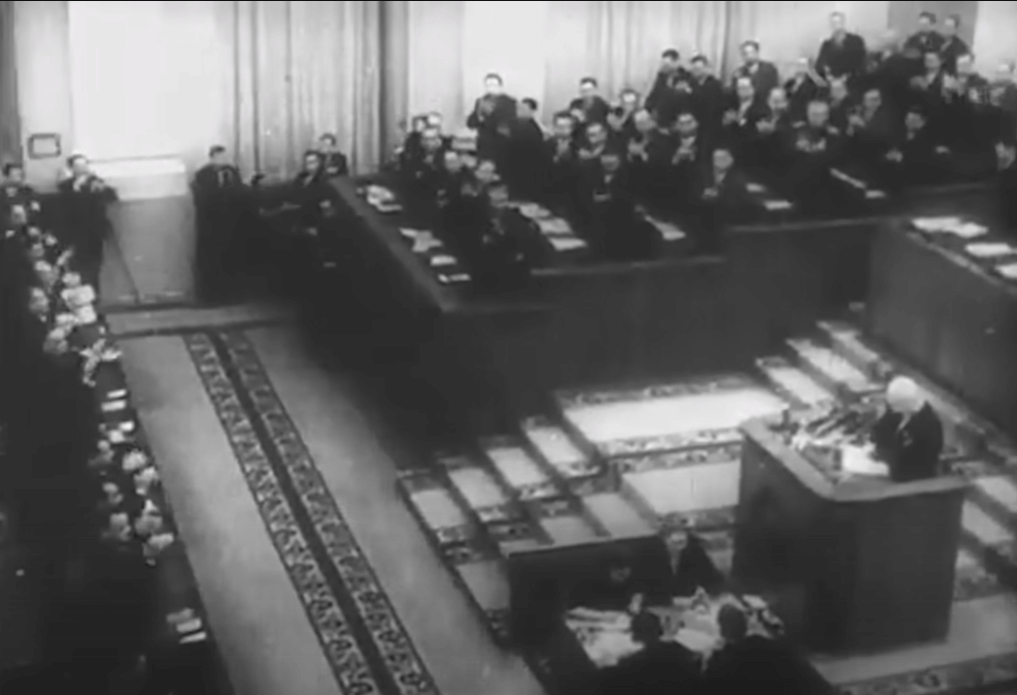
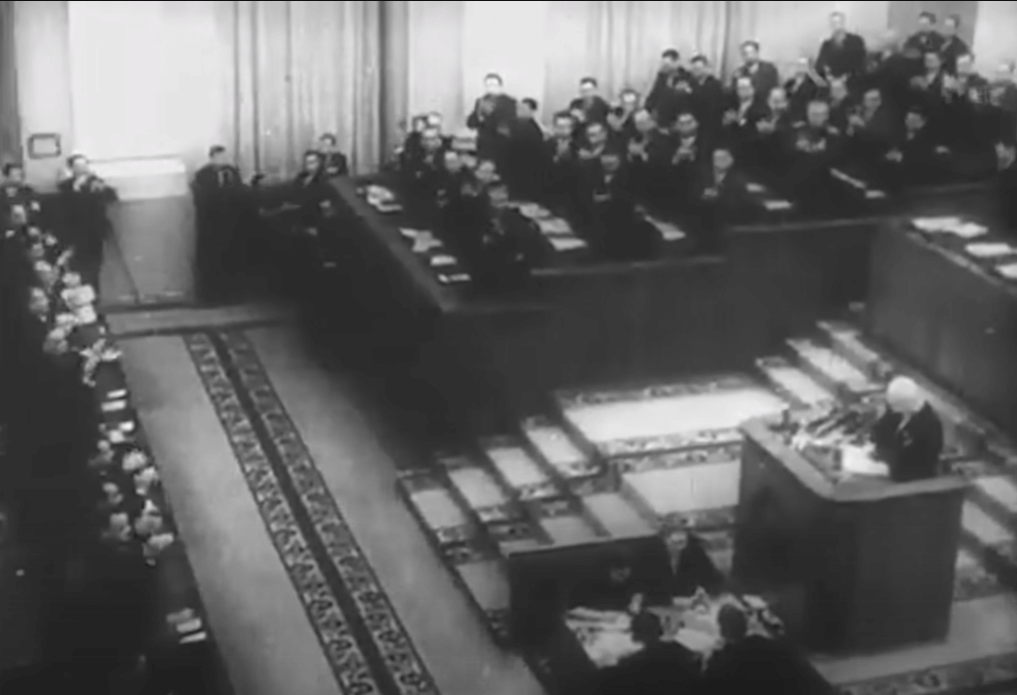
One of the clearest examples from history is the Soviet Union. Factory bosses were incentivised to hit centrally planned quotas, not to save time or materials to make their operations more efficient.
Since efficiency didn't matter, they routinely over-ordered steel, hid spare parts, and left brand new equipment to rust in crates rather than miss next year’s target.
The instinctive reader may notice this same pattern at his/her own private (not public) workplace. This is the indirect result of government interference, and the misallocation of resources to and within inefficient companies. It may also signal the final death throws of the company you work for, so take heed!
Where does Bitcoin come in?
The state currently pretends they have endless money to invest. But the truth is, they are simply wasting capital on inefficient projects.
This shows up as higher prices (via inflation) for all, as well as inefficient and/or monopolised markets, where only the largest and lawyer-heavy companies can succeed.