Japan’s Moment of Truth: Markets Are Betting, Innovation Will Decide
This afternoon I was watching a great Bloomberg Originals video on the Japanese economy and why, according to the authors, it is now at a real tipping point.
The core idea is simple but powerful.
If Japanese companies return to innovating with the same intensity that made them global leaders in the 1980s, the country can grow in a healthy way: higher productivity, rising wages, and a recovery in consumption without major distortions.
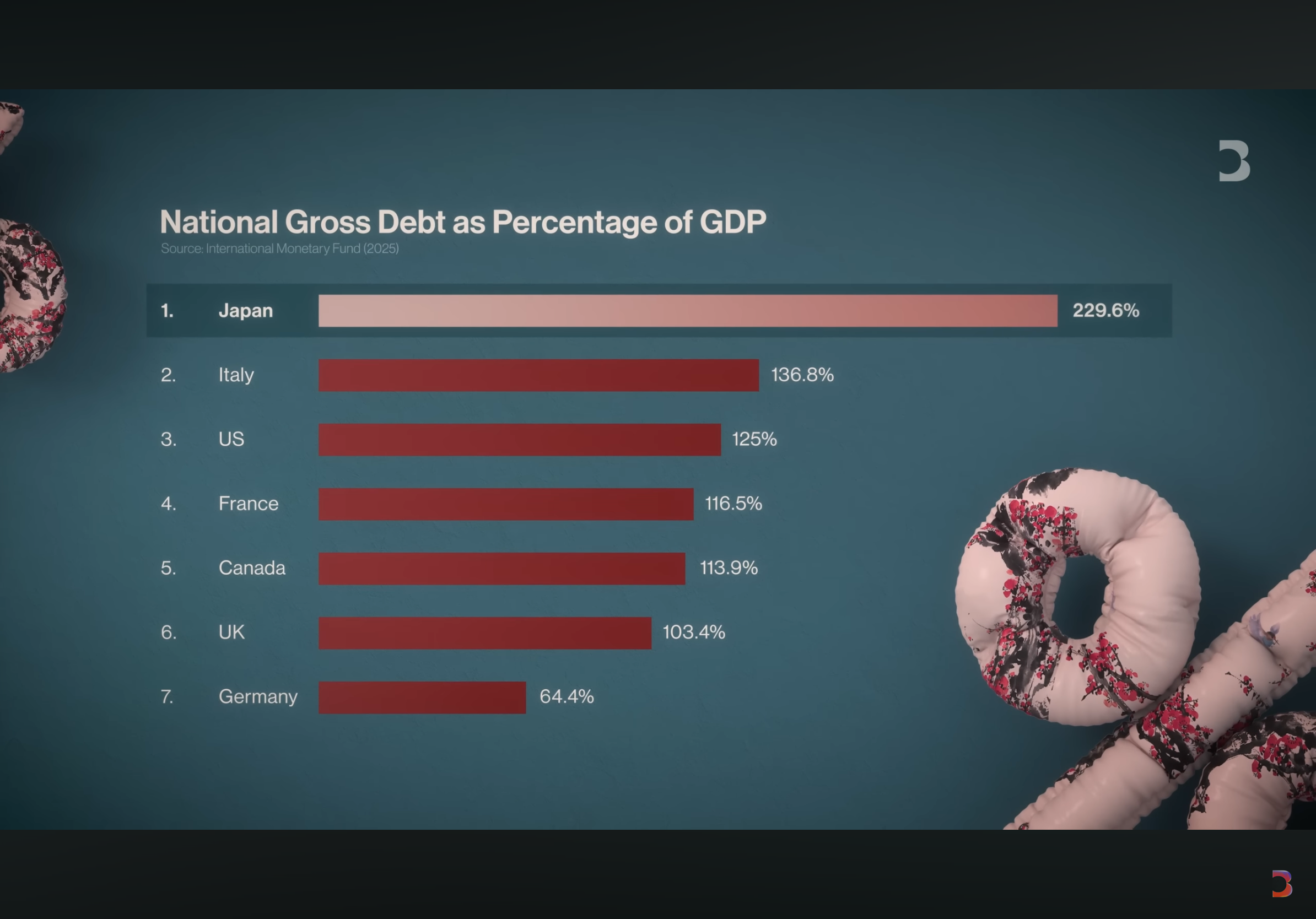
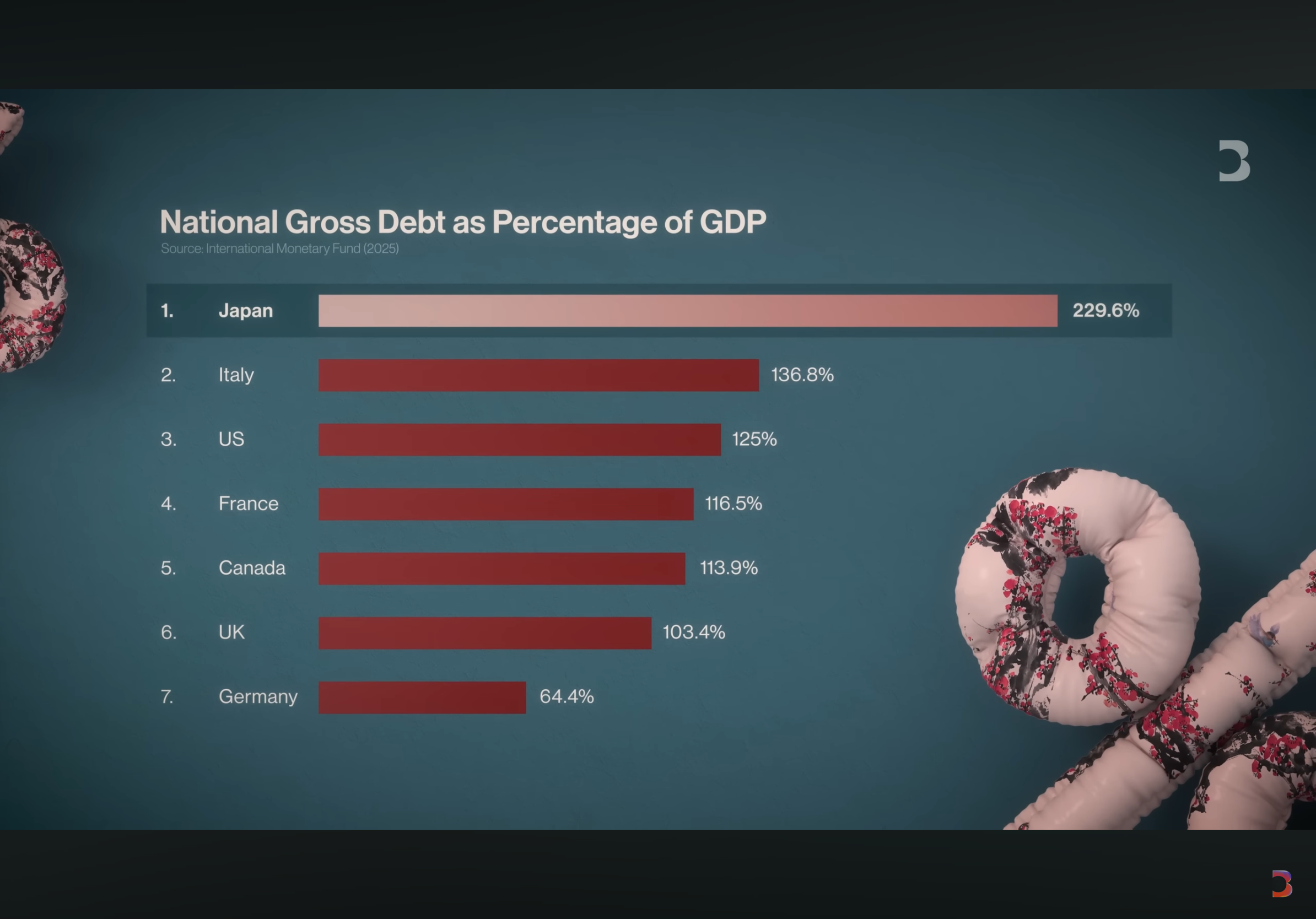
If that transformation fails to materialize, the risk is the opposite: persistent inflation, an enormous public debt relative to GDP (above 200%, a unique case among developed economies), and a rapidly ageing population. A mix that could trigger a vicious circle and, sooner or later, bring the current market euphoria around Japan to an end.
And that euphoria is real.
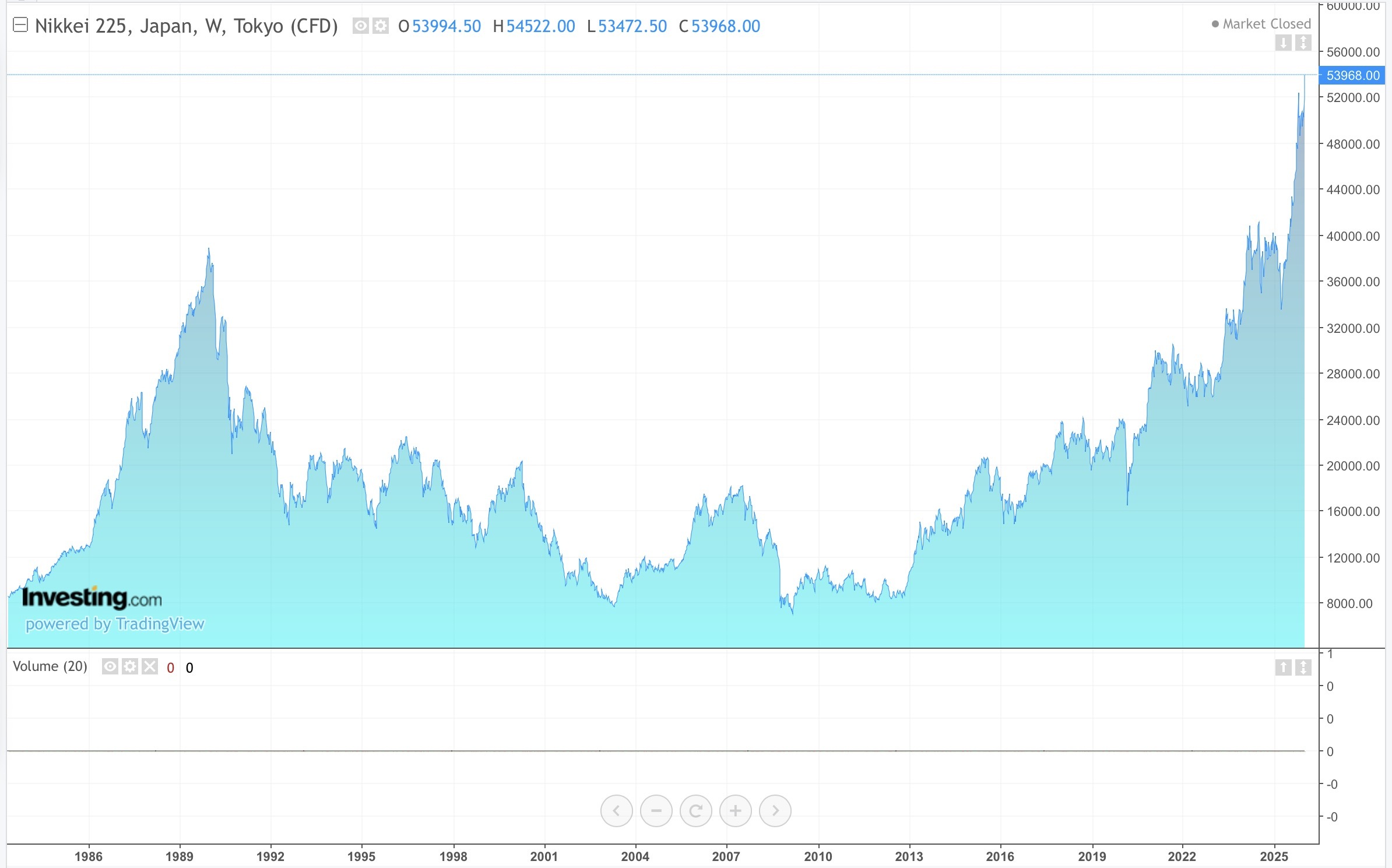
The Nikkei has returned to all-time highs, levels not seen since the second half of the 1980s, and over the past year has delivered an extraordinary performance, in the range of 50–60%.
Why?
Because Japan has finally become a “normal” economy again.
For more than a generation, the country had no inflation: zero or even negative interest rates, a Bank of Japan trying everything possible to lift inflation and stimulate consumption, prices frozen in place, wages stuck. In that environment, investing in Japan made little sense, and capital outflows became the norm.
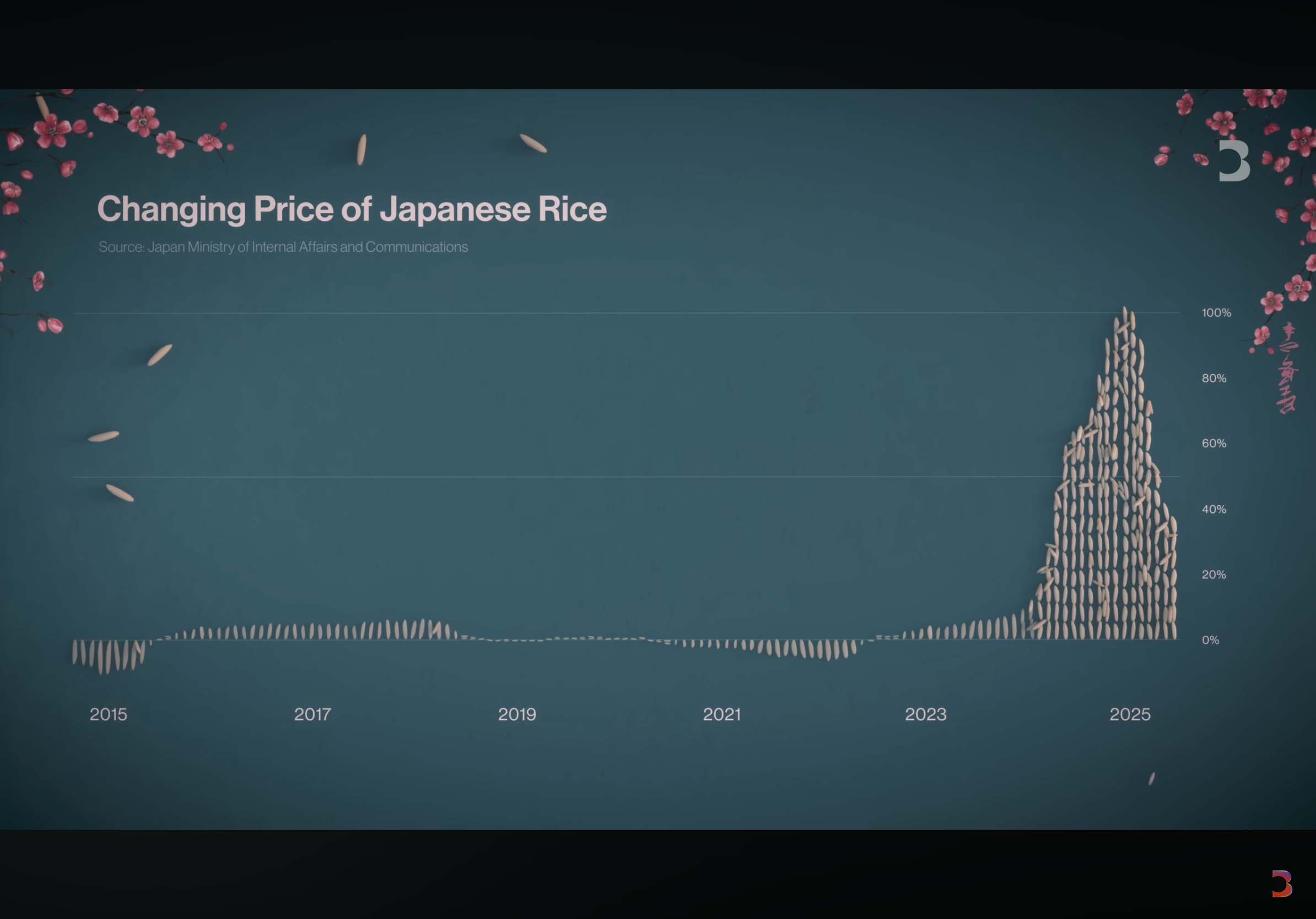
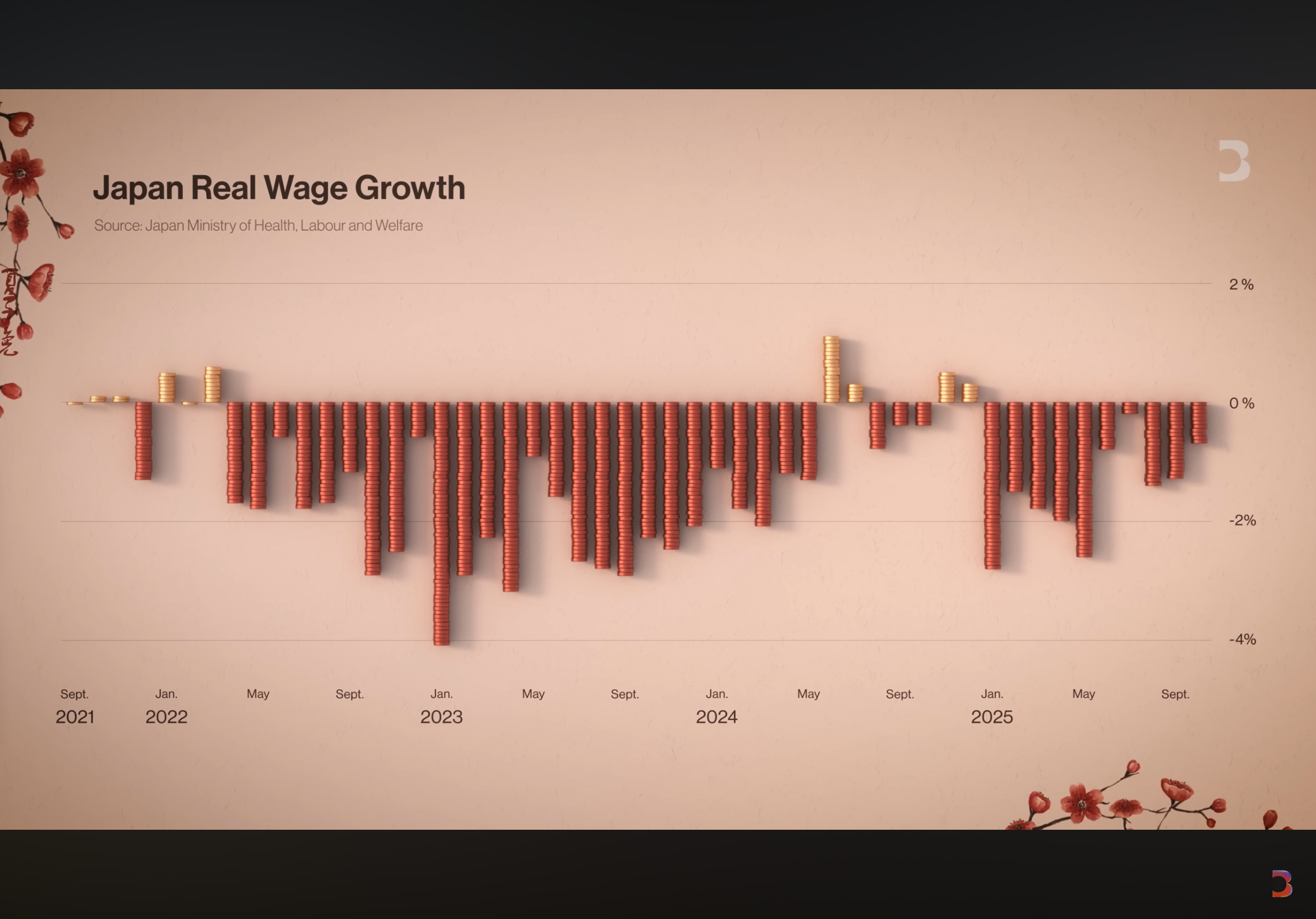
Then the pond was stirred. First Covid, with the subsequent wave of revenge shopping. Then the war in Ukraine and the surge in commodity prices. Inflation finally arrived. For the first time, Japanese consumers started seeing prices rise—perhaps too quickly—while wages failed to follow the same trajectory.
But from a market perspective, something crucial happened: investors came back. And many Japanese companies realized that simply surviving was no longer enough. It was time to truly transform and innovate again, as they once did.
Personally, I believe Japan will choose the right path. In part thanks to an external factor: the reallocation of U.S. capital away from China, which is once again making Japan strategically relevant as a stable industrial, technological, and financial platform.
There is, however, one key condition.
Japanese companies need to open up much more to international management and to governance models that are less exclusively centered on Tokyo. This is something I have seen done successfully by ASICS, one of my favorite brands—and personal investments—embracing cultural openness, global leadership, and distributed decision-making centers.
If Japan truly is at a tipping point, the strength to choose the right path is there.
It lies in the ability to open up—to people, capital, and ideas—and to innovate again, not out of nostalgia for the 1980s, but to remain relevant over the next twenty years.