This morning I was reading the Business Times of Singapore about EV sales figures, and I have to say I was genuinely impressed.
In 2025, 43% of new car registrations in Singapore are electric vehicles, up from 33.8% in 2024. That’s a remarkable jump in just one year.
Singapore is, after all, the perfect environment for EV adoption:
short driving distances, limited daily range needs, and massive investments in charging infrastructure, which are expected to almost double over the next three years across both public and private sectors.
What’s even more interesting is that this momentum is not limited to Singapore. Across Southeast Asia, EV adoption is accelerating fast.
In Vietnam, EVs are expected to account for 30–40% of new vehicle sales, while Thailand is already in the 25–30% range.
Government incentives certainly help, but there’s another powerful driver at play: the rapid expansion of Chinese EV brands, offering strong performance at highly competitive prices.
Not long ago, when traveling around Jakarta or Malaysia, the hotel or airport pickup was almost always a Toyota Alphard.
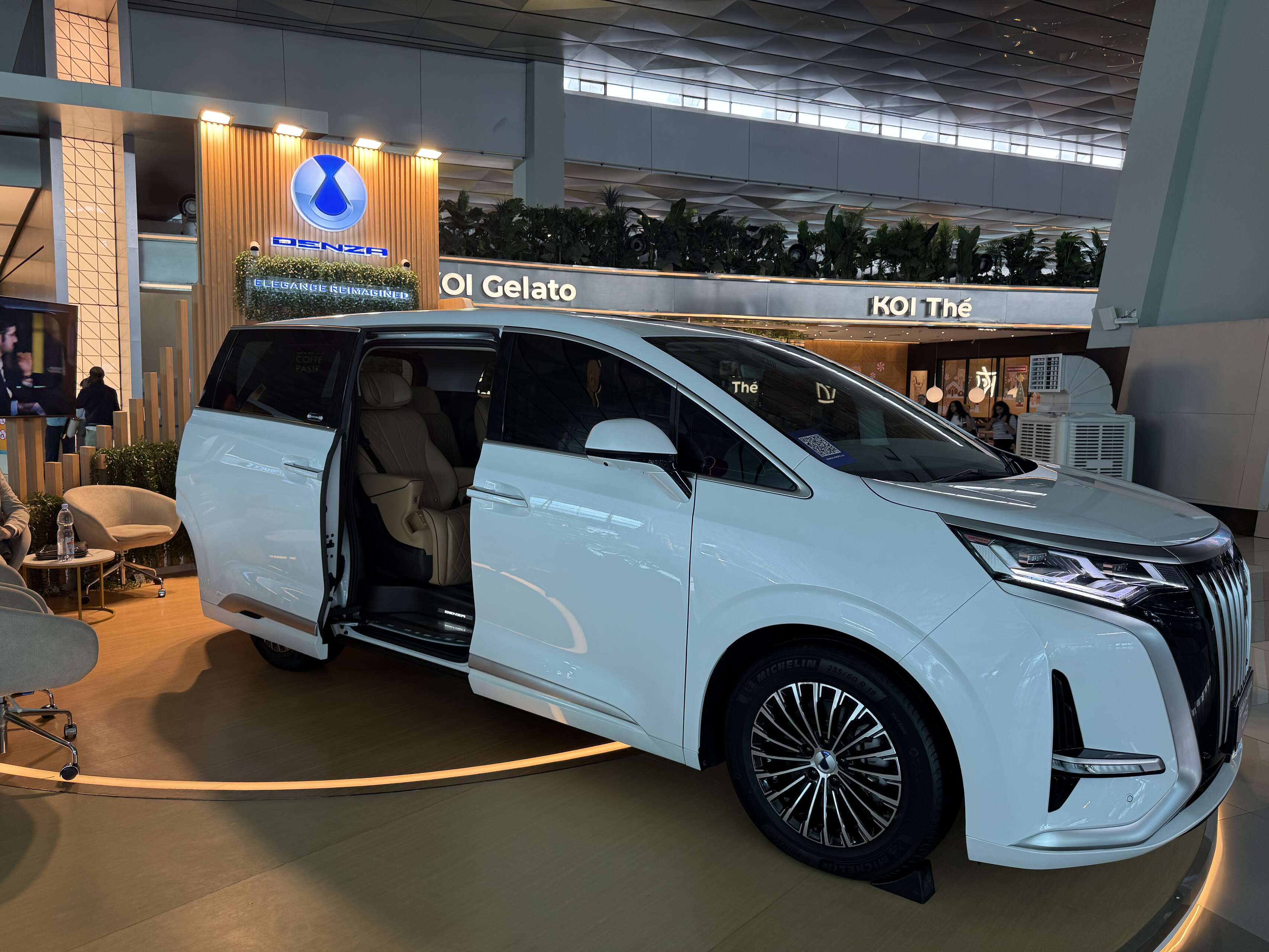
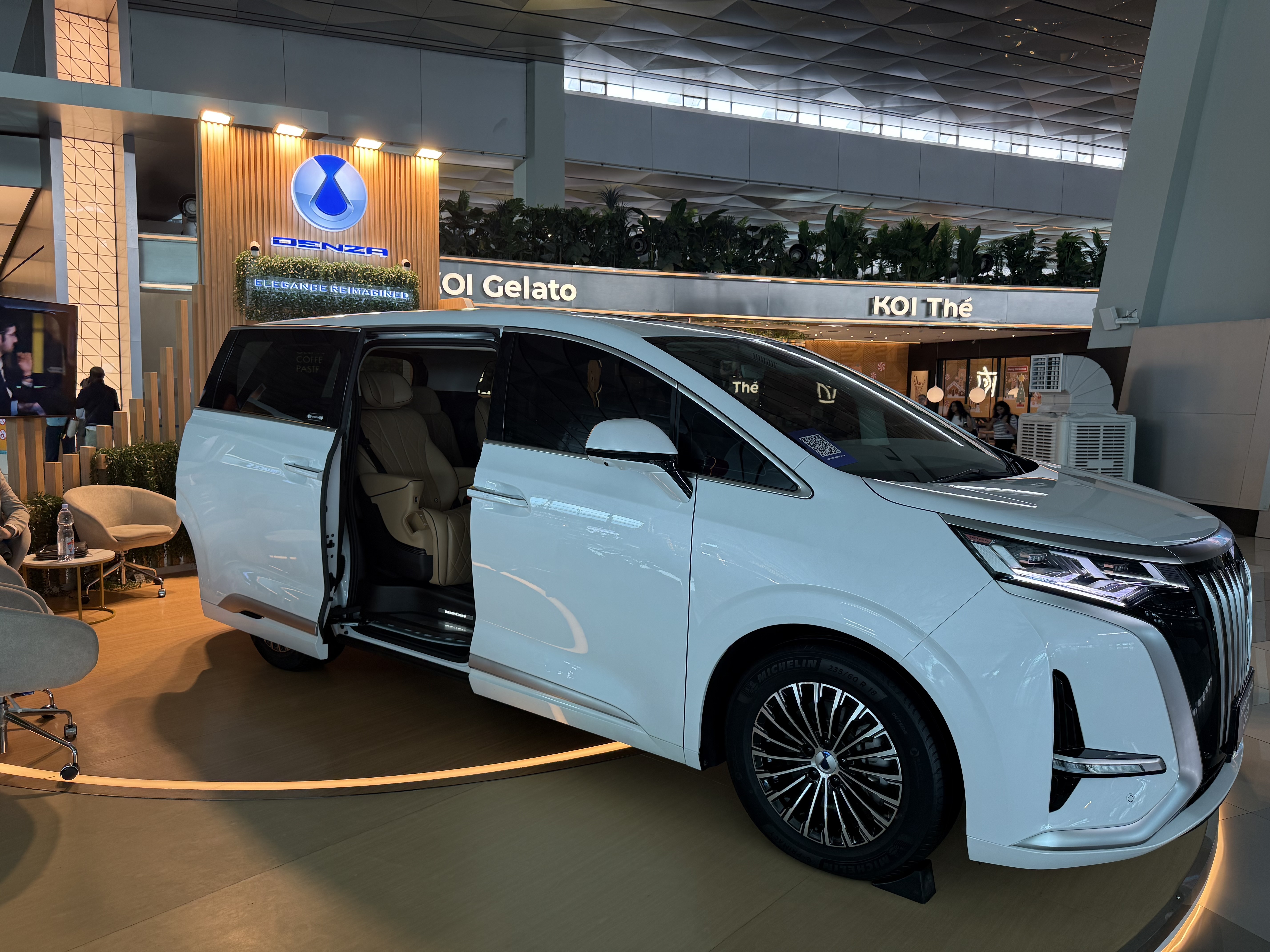
Today, more often than not, you’re picked up in a Chinese electric van of DENZA (premium brand of BYD) —beautifully designed, very similar in shape to the Alphard, yet noticeably more luxurious, likely cheaper, and fully electric. A clear shift in the market.
We’re starting to see a trend that may even run counter to what’s currently happening in Europe and the United States. But this is only the first phase.
The second phase will arrive when these vehicles become fully autonomous—moving from driver-based models to remote control and service centers managing both private and public fleets.
It’s a fascinating moment in time.
And it’s exciting to see what will happen next. ⚡🚗