In the year of my birth (1960) flying from London to New York took roughly 7 to 8 hours with the new jet airliners like the Boeing 707 and Comet, a significant improvement over the much longer prop-plane journeys of the past, though still similar to today's times because cruising speeds haven't changed much, only passenger comfort and efficiency.
Key Details:
- Early 1960s Jets: By 1960, jets like the Boeing 707, introduced by BOAC in late 1958, were cutting transatlantic flights to around 7 hours.
- Propeller Planes: Older, piston-engine planes like the Constellation or DC-7 took much longer, often 12-14 hours, sometimes with stops.
- Modern Comparison: The ~7-hour flight time for jets in 1960 is remarkably close to today's average times, despite advancements in technology. {we shall come back to this}
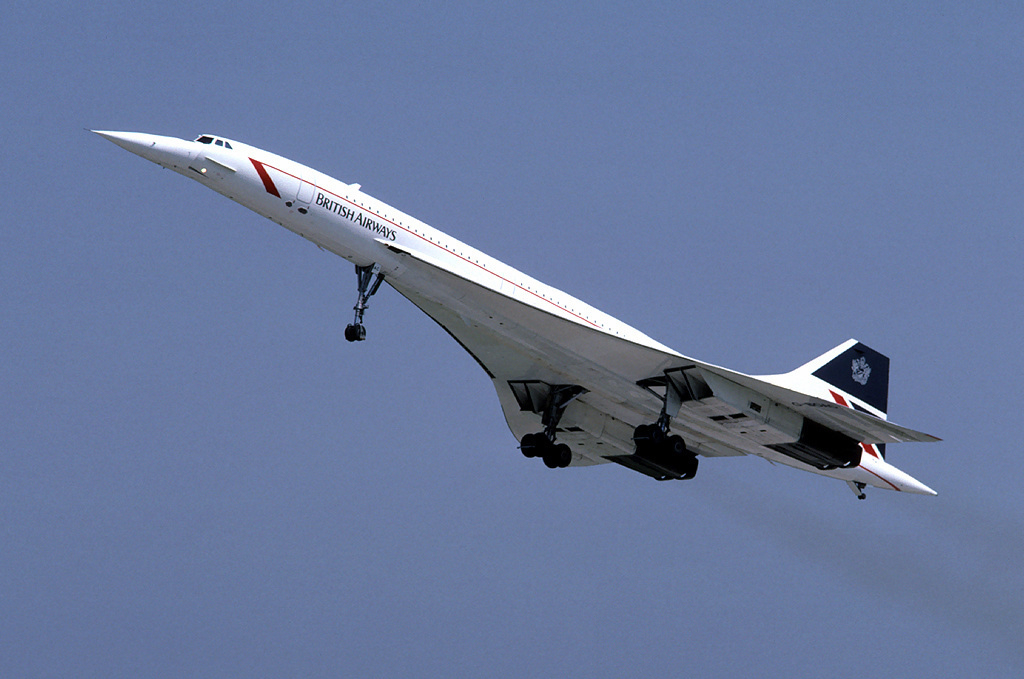
Concorde made the world smaller, with a flight from London Heathrow to New York taking around 3 hours, compared to the usual 8 hours.
A Concorde ticket was very expensive, typically costing around $12,000 for a round-trip transatlantic flight in the 1990s, equivalent to roughly $20,000 or more today, though prices varied with early fares starting lower and increasing with demand, sometimes double a standard first-class ticket. Passengers often paid in a luxury tier that dwarfed regular first class, sometimes through corporate deals or upgrades, with secretaries often booking without knowing the exact cost.
Price Examples & Trends
Early 1970s: A one-way London to New York ticket might be around $1,113 (£608), roughly $5,000 today, with returns doubling it.
Mid-1990s: A round-trip NYC-London was often priced at about $12,000 (around $20,000 adjusted for inflation).
Price Structure: Fares were structured like a luxury ladder, with Concorde tickets roughly double the cost of first-class on a regular jet.
As I write this in the last days of 2025: a good round-trip price for NYC to London can range from under $400 for incredible deals to $600-$800 for average, decent fares, with prices fluctuating heavily by season (cheapest often in January/February/March), airline, and how far in advance you book, though budget carriers can offer sub-$300 fares occasionally.
Mid-1990s: A round-trip NYC-London was often priced at about $12,000 (around $20,000 adjusted for inflation).
Price Structure: Fares were structured like a luxury ladder, with Concorde tickets roughly double the cost of first-class on a regular jet.
As I write this in the last days of 2025: a good round-trip price for NYC to London can range from under $400 for incredible deals to $600-$800 for average, decent fares, with prices fluctuating heavily by season (cheapest often in January/February/March), airline, and how far in advance you book, though budget carriers can offer sub-$300 fares occasionally.
Why Was Concorde So Expensive?
High Fuel Consumption: Concorde burned a ton of fuel per seat.
Limited Capacity: These planes held only about 100 passengers, making seats scarce and valuable.
Luxury Experience: It offered supersonic speed (halving transatlantic travel time) with premium service, making it a status symbol.
Ultimately, Concorde was a premium experience for the wealthy, with many passengers not even knowing the price due to corporate bookings.
Limited Capacity: These planes held only about 100 passengers, making seats scarce and valuable.
Luxury Experience: It offered supersonic speed (halving transatlantic travel time) with premium service, making it a status symbol.
Ultimately, Concorde was a premium experience for the wealthy, with many passengers not even knowing the price due to corporate bookings.
OK, Tom........ land the plane....... { pun intended }
If SPEED was the hook, we would still have Super Sonic airlines. I don't think that SPEED will be the key metric of AI adoption or utilization. It's now 2026, if we really wanted to fly from NYC to London in 3 hours, we would (still) be doing so. Sometimes the best way to predict the future is to look to the past. Self-driving cars and autonomous drones will crash - but they will not go away. Everything in the world of AI will learn and advance from every past experience. AI learns.
In 2026 and beyond (for all things AI) Speed, Quality and Price might be replaced by Convenient, Dependable and Affordable.
And with all things 'AI' SAFETY FOR ALL will be assumed.
TomCapone.com goes to my LinkedIn
TommyCapone.com goes to my Bluesky
ThomasCapone.com goes to my Sunday Blog
Cell: 201-466-8442 { texting preferred}
The Concorde's final commercial passenger flight (BA2) landed at London Heathrow on October 24, 2003, from New York, marking the end of supersonic travel for the public, with its very last flight (ferrying G-BOAF to Bristol) occurring on November 26, 2003, officially retiring the iconic supersonic jet.