In the Public Realm: Urbanism first, then Architecture
I was recently asked for examples of buildings I like and don't like. Saying something was beautiful wasn't enough anymore: articulating what you're drawn to is a central part of the design—and communication—process. I came up with these:
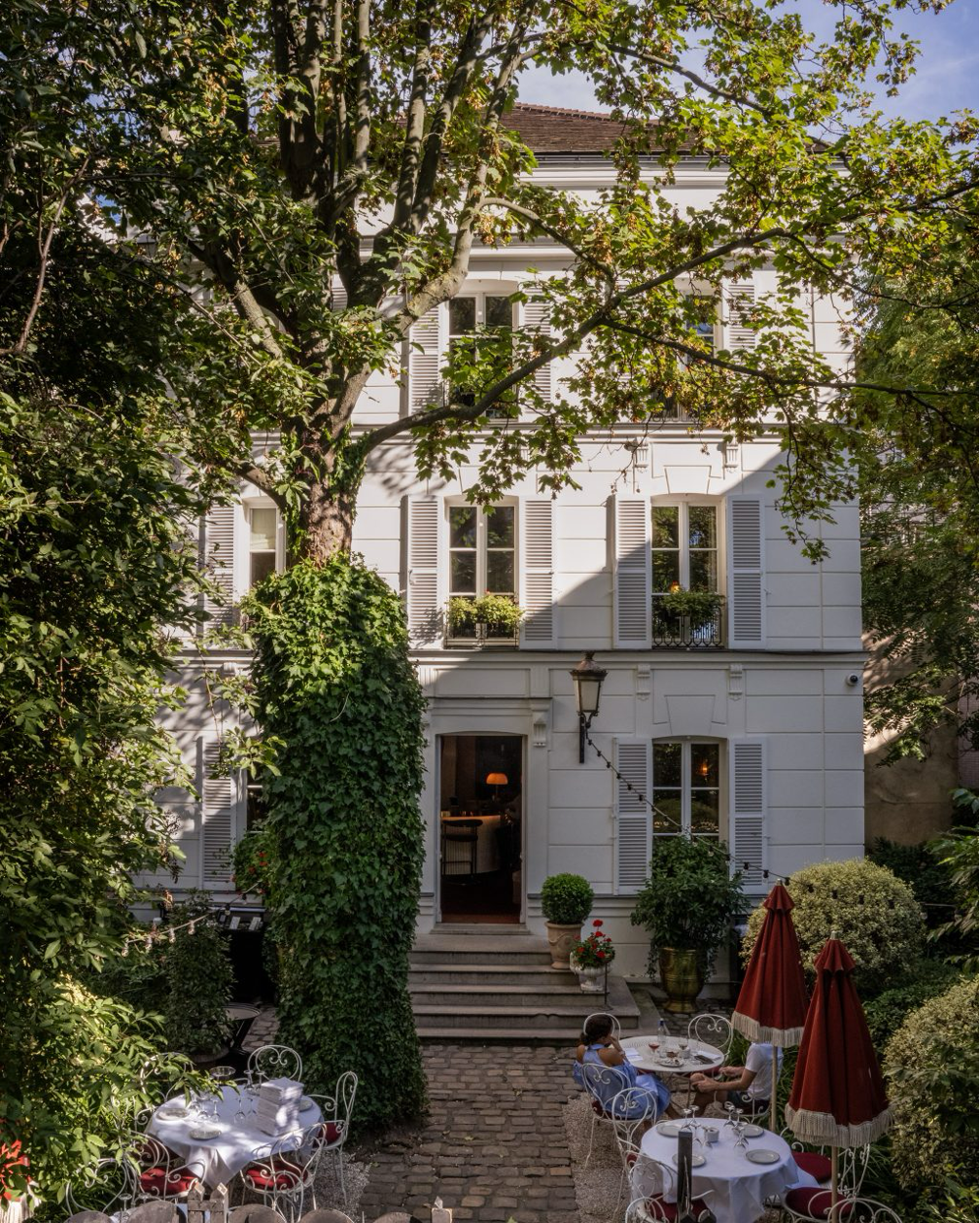
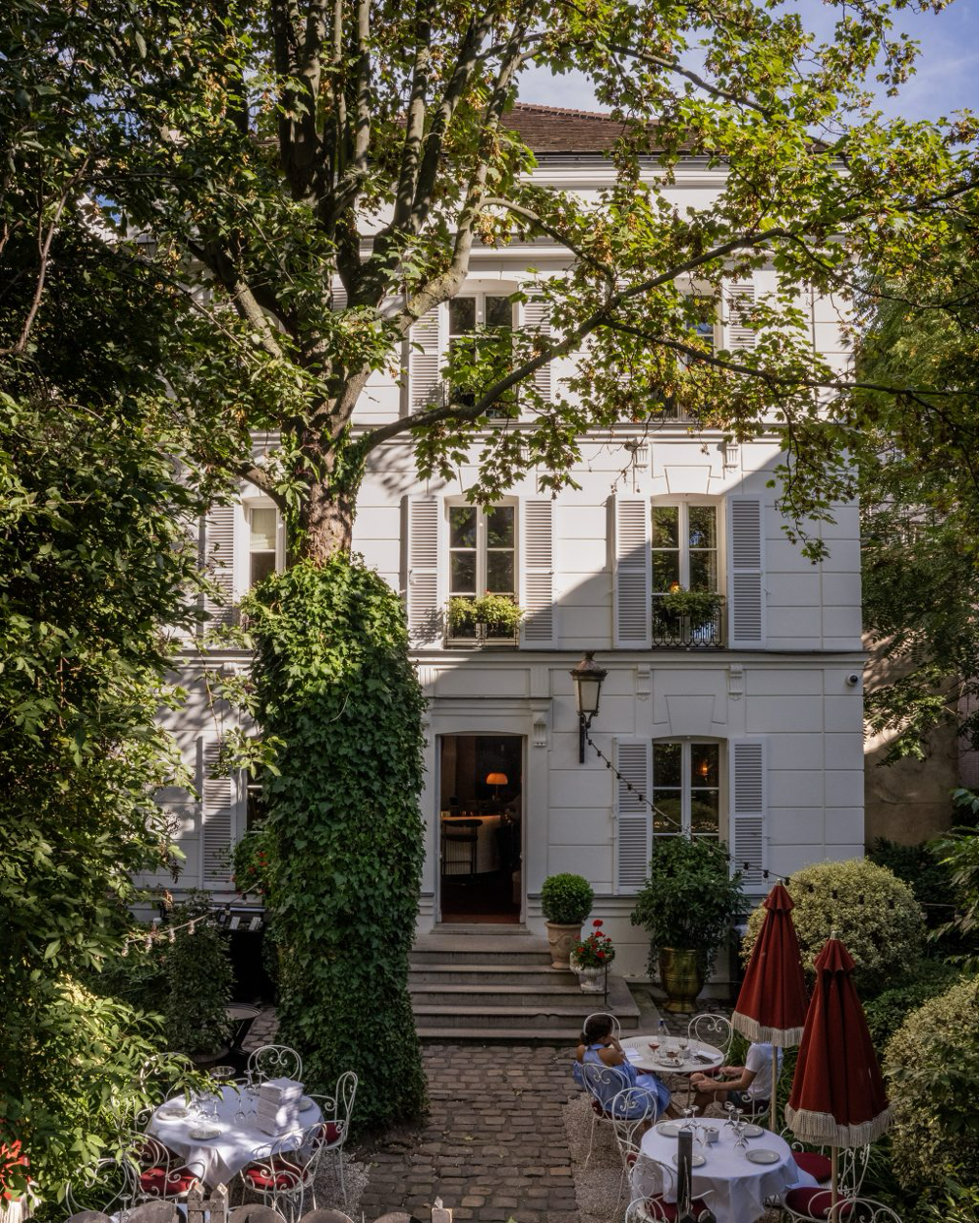
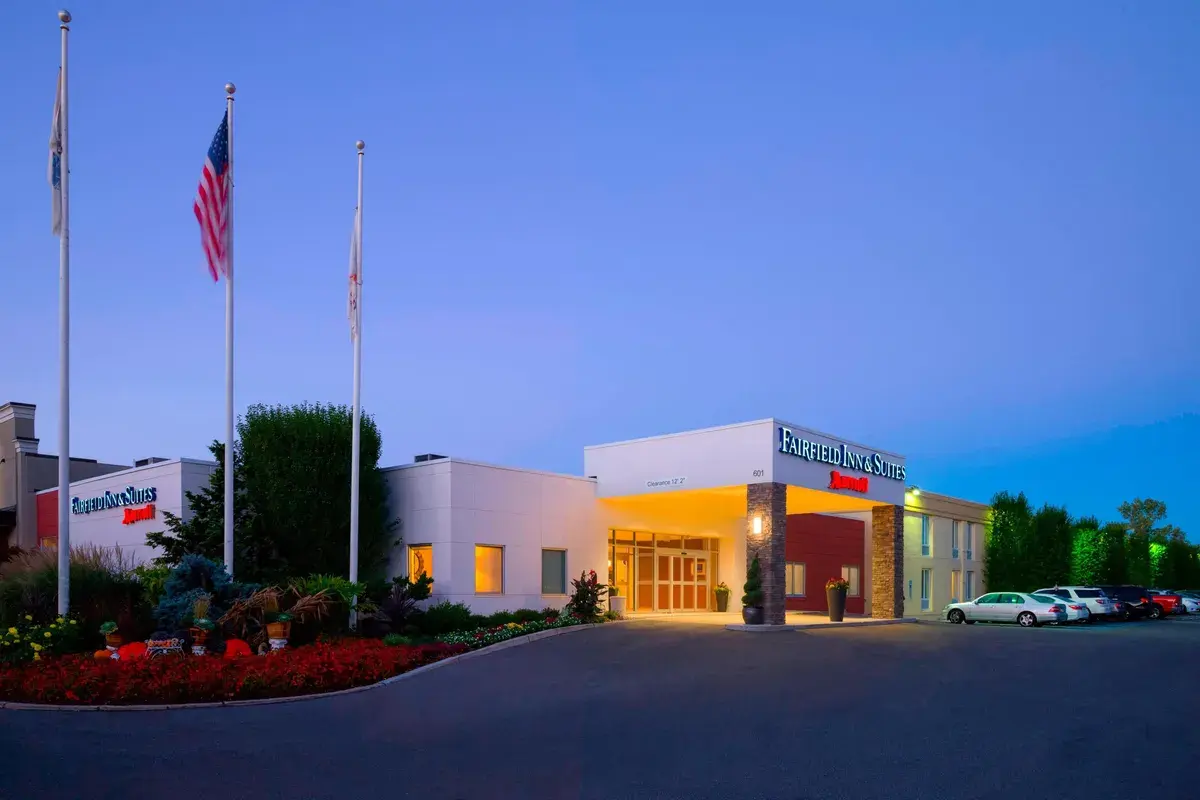
The first is the Hotel Particulier in Montmarte, Paris. The second is a hotel in New Jersey. Which building invites you to linger, to take as much time as you need? Which one feels more hospitable and human? Knowing nothing about their service and the places they cater, which one will be able to charge more?
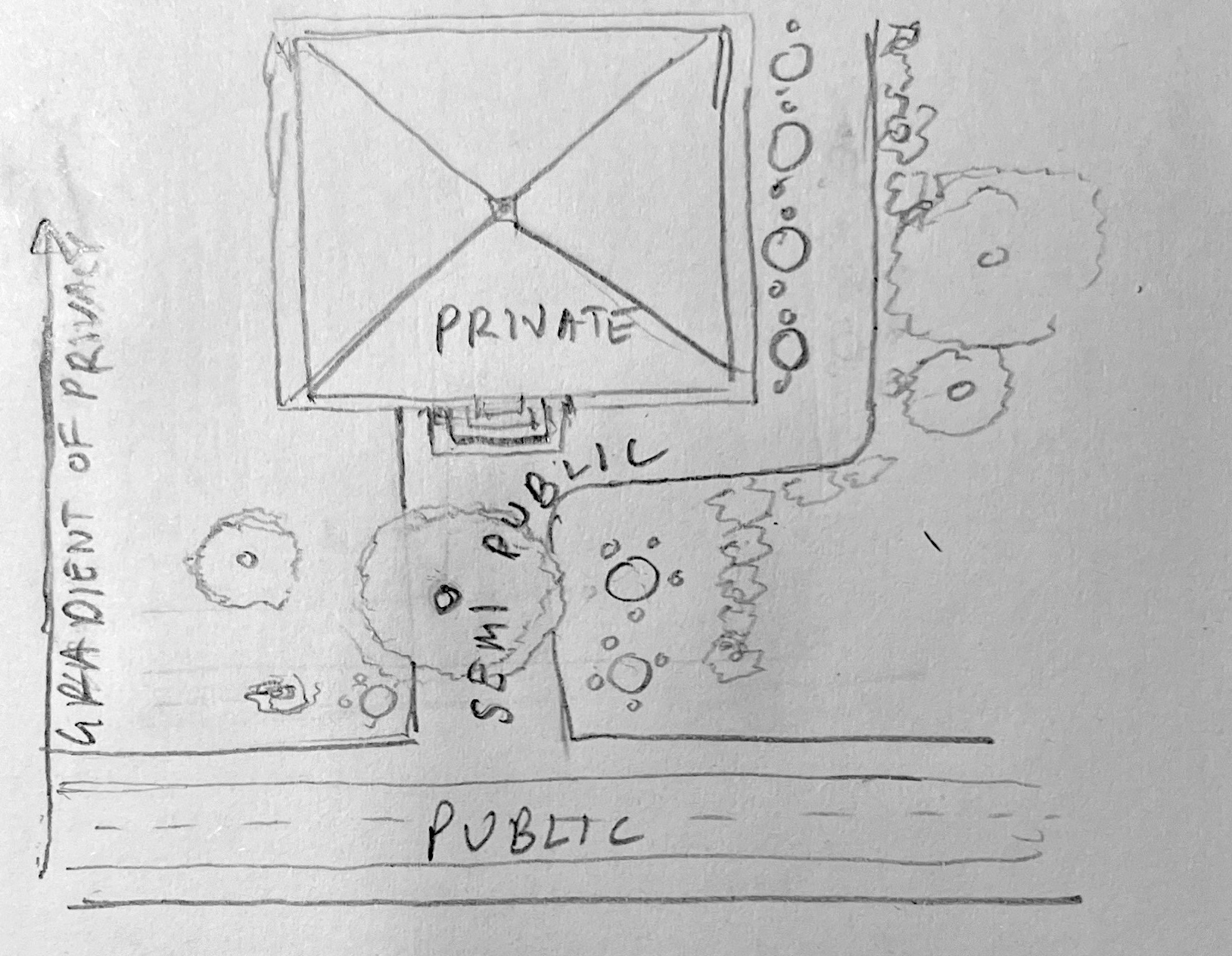
The Paris hotel seems to extend an arm outwards, inviting you to sit a while and have a drink, even if you aren't a patron. While privately owned, the architecture acknowledges that there is a world out there, a public realm where people who aren't customers exist. You experience its lush courtyard, rich details, and human-scale proportions as you pass by: there seems to be a gradient from public to private, gently graded for the walking person.
The New Jersey hotel says: I am a human (and car) storage facility for 1-3 nights. Which is fine, if you ask a computer to write the definition of a hotel. The building and its landscape lack dimensionality, a reason to look and linger. If this were an Amazon warehouse or a processing plant, this wouldn't be a problem. But a hotel is supposed to cater to a sort of public: the visitor who is in a place for the first time.
The urban fabric made more of a difference than the architecture. The Paris hotel is surrounded by the gentle density of the former village of Montmarte. You can walk everywhere, if you want. You can have coffee at the hotel or at one of the nearby coffee shops. There are enough people, buildings, and businesses to feel like you're in a thriving place, somewhere you can stop and experience, or pass through within a 15-20 minute walk.
The New Jersey hotel is surrounded by large parking lots and a four-lane "car sewer." You can't walk anywhere. If you don't have a car, you're essentially placed in house arrest. Yes, it isn't fair to compare one of the largest cities in the world with a largely suburban state, but the comparison shows just how stark the differences in urban fabric can be. It wouldn't make sense if I was comparing a hotel in Yellowstone National Park with one in Paris, but New Jersey is famously the densest state in America.
Replacing the New Jersey hotel with the most beautiful traditional building would only slightly improve the situation. It takes a lot more work to fix the sprawling parking lots, roads, and useless hedges of grass. Similarly, replacing the Paris hotel with a glass box would take away from the charm of the place, but it would still have its wonderful courtyard, walkable neighborhood, and gentle density.
For a new place, urbanism should come before architecture. Buildings can be knocked down, renovated, and tweaked. Once the urban fabric is wrong, however, it takes a whole lot more resources to fix it. Doing so in America will probably take decades.
About Varun Kumar
I am a graduate student at the Notre Dame School of Architecture, committed to making beautiful and human-scale buildings, streets, neighborhoods, and cities.See more at varunkumar.com.