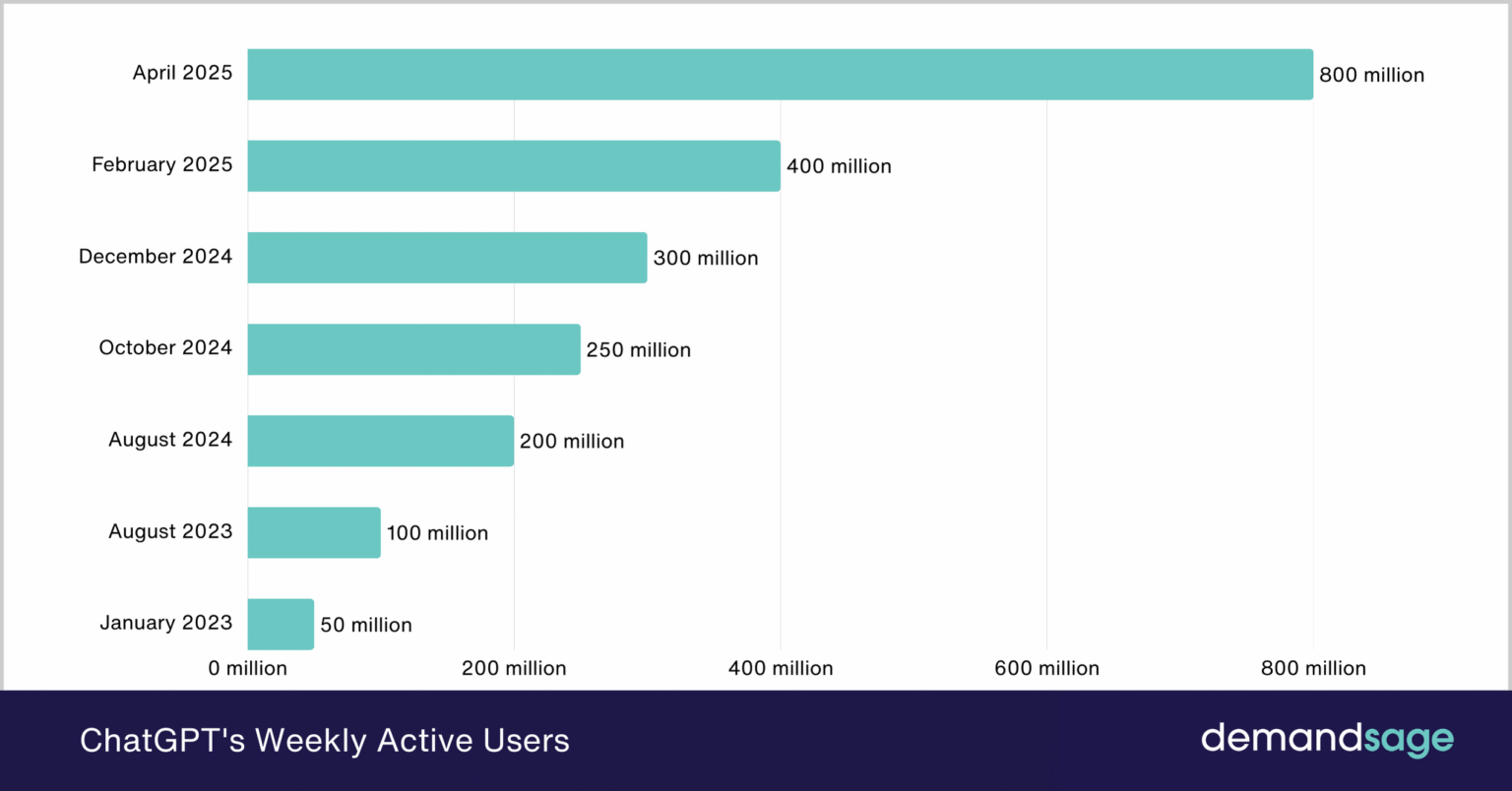
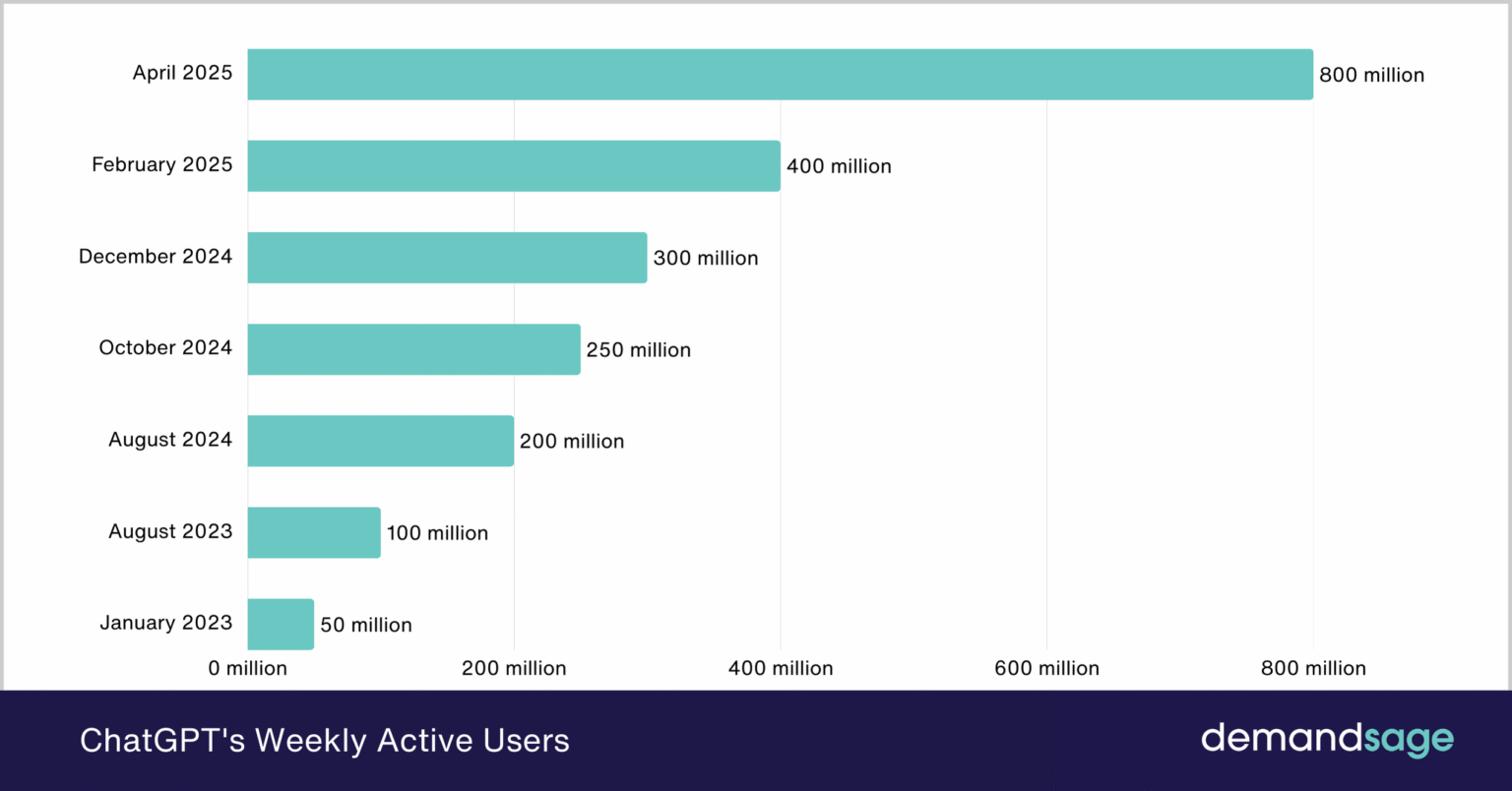
Generative artificial intelligence has amazed the World. Since OpenAI launched ChatGPT 3, its user adoption has been staggering. In 2022, ChatGPT surpassed one million users in just five days. For comparison, Instagram needed 2.5 months back in 2010.
And it’s not just OpenAI. Anthropic has Claude, one of the best models for programming tasks. Google is pushing forward with Gemini and VEO, leaders in video. In China, Alibaba Cloud is moving fast with its open-source model Qwen. And rumor has it that Meta is offering millions — with stock packages worth billions — to attract top AI researchers. It’s wild.
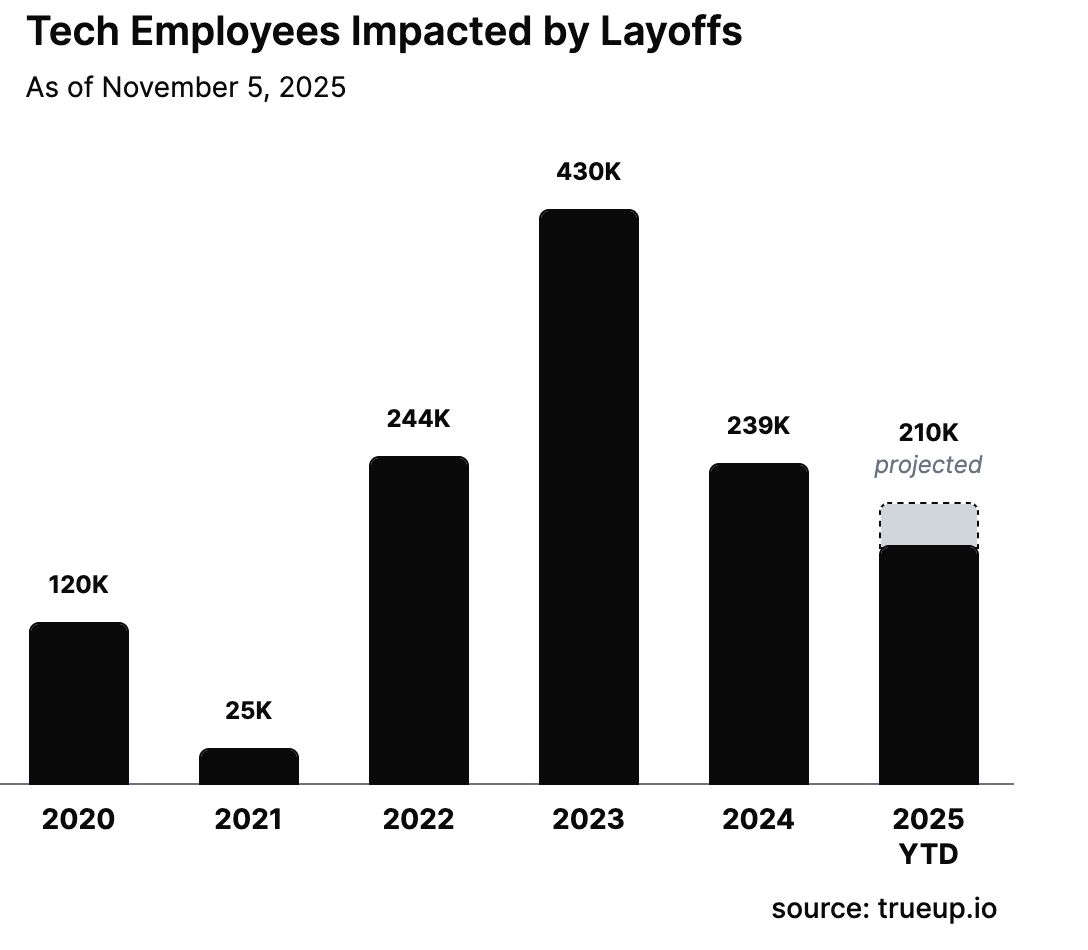
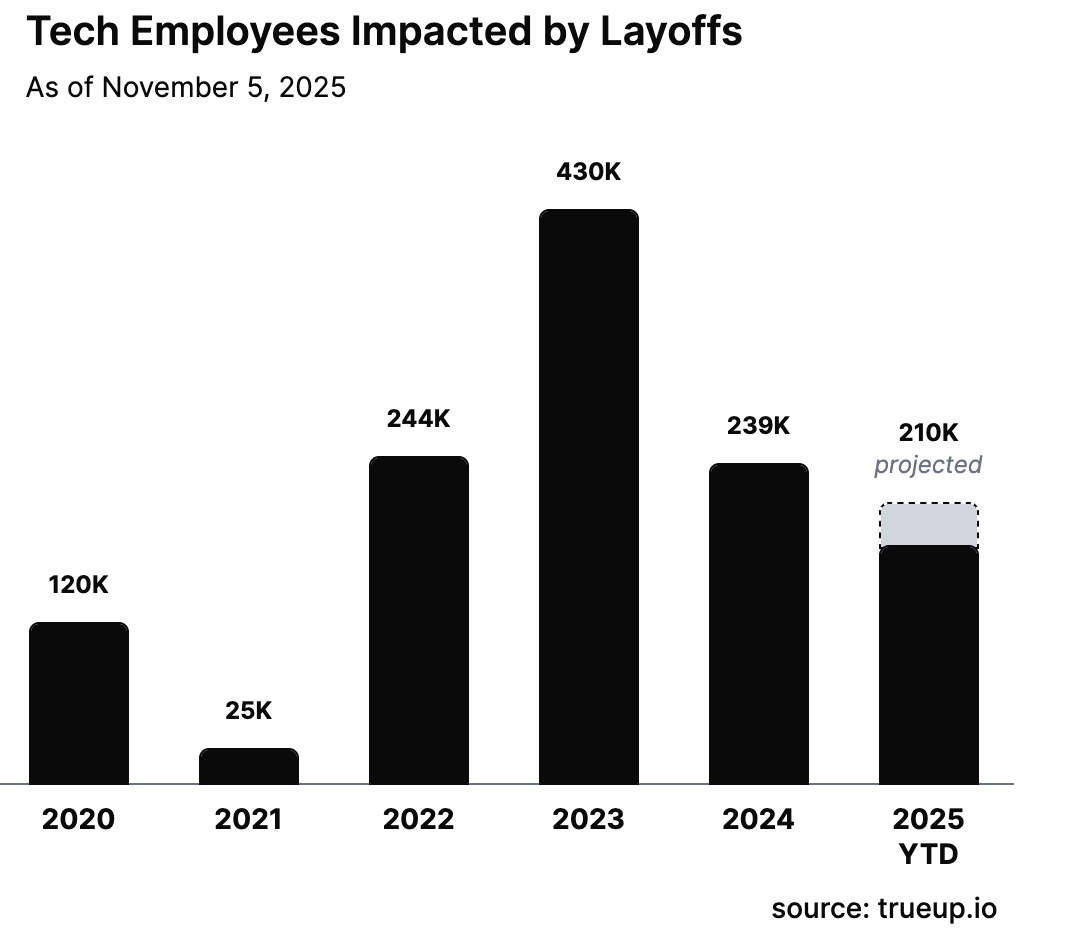
Programmers lived through a golden age. The zero-interest-rate period (ZIRP), the post-pandemic SaaS boom, and a flood of venture capital pushed salaries up, brought quick promotions, and created a culture where “don’t upset the developers” became an operating principle. But the world has changed. Inflation forced central banks to raise interest rates. Companies realized they had over-hired. Profitability became the focus. Layoffs followed.
As an industry, we also realized something important: writing software is far more statistical than we wanted to believe. With the correct training data and good examples, AI can generate high-quality code. And we learned something deeper: the first jobs being disrupted are white-collar jobs. That fundamentally shifts the landscape.
AI and restaurants
Now that code is cheap to produce, the bottlenecks have moved elsewhere:
Can we deploy at the speed we generate?
Can we maintain quality?
Can we design systems well when implementation stops being the hard part?
Who reviews everything we now generate at absurd speed?
More software means more people “programming” with less expertise. Here’s my thesis: The average developer’s value decreases. The value of true experts goes up.
AI flattens the entry barrier: anyone can produce decent code. But when everyone produces more, complexity and errors grow exponentially. Suddenly, judgment matters more than ever. It’s like restaurants. There’s fast food: cheap, immediate, and “good enough”. And there’s haute cuisine: slow, refined, and hard to replicate. Both feed you, but they’re not the same, and they don’t cost the same.
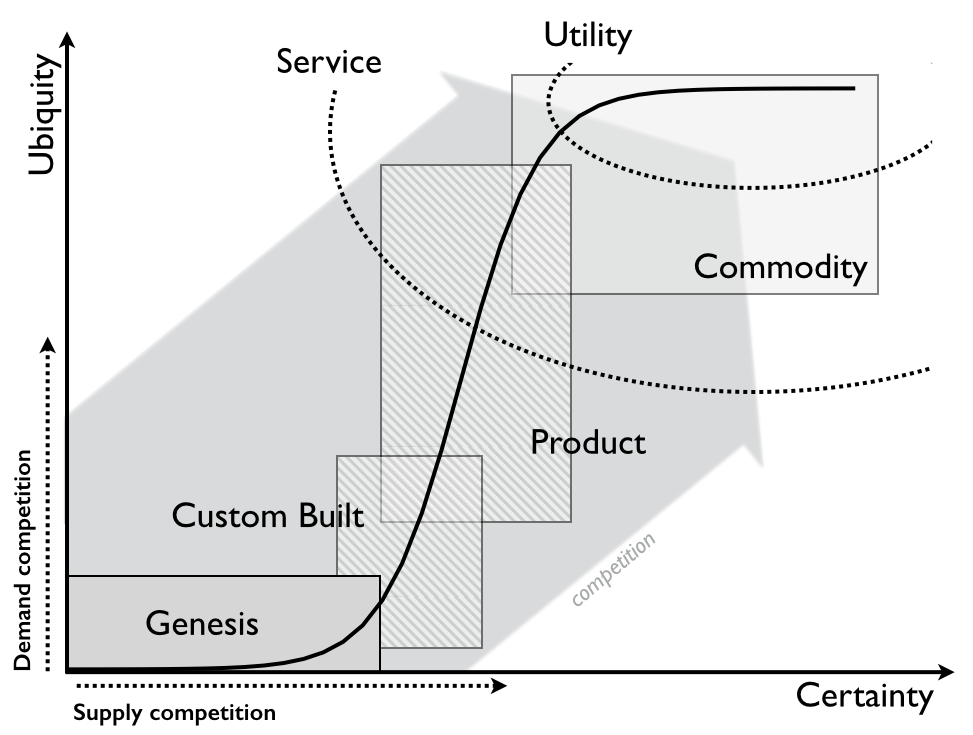
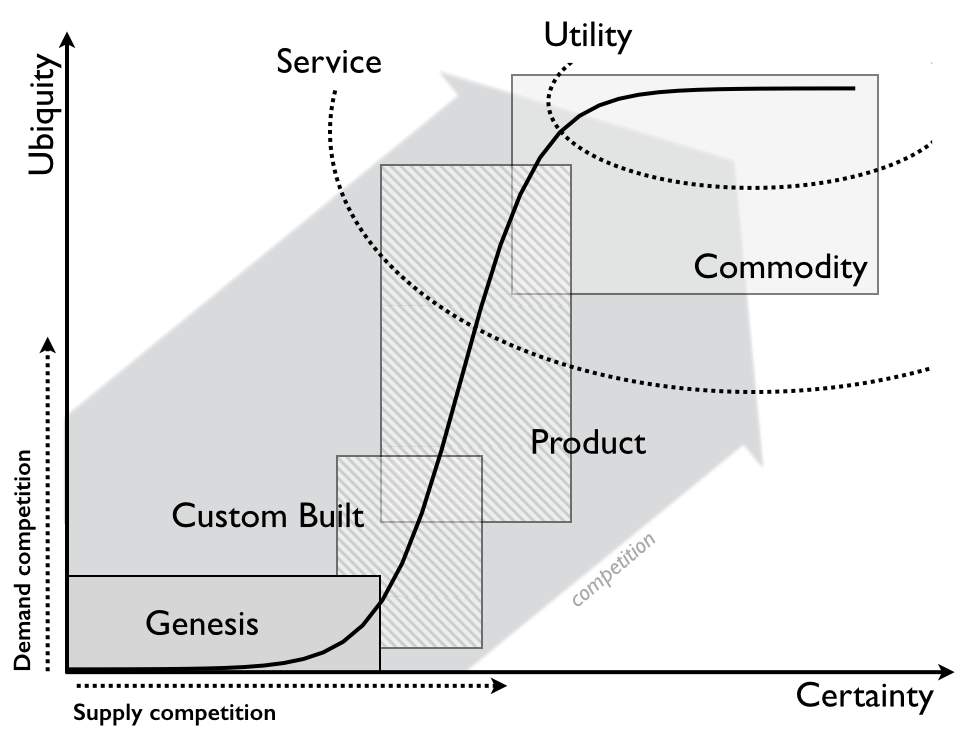
Following Simon Wardley’s terminology, coding is moving from the custom-built/product phase into the commodity/utility phase. Once something crosses that boundary, the competitive advantage is no longer in producing it — because it’s cheap — but in the components and decisions around it: architecture, experience, integration, product vision, operations, governance.
What can be industrialized will be automated. What requires taste and expertise becomes more valuable.
The power-law analogy: restaurants, software, and the shape of value
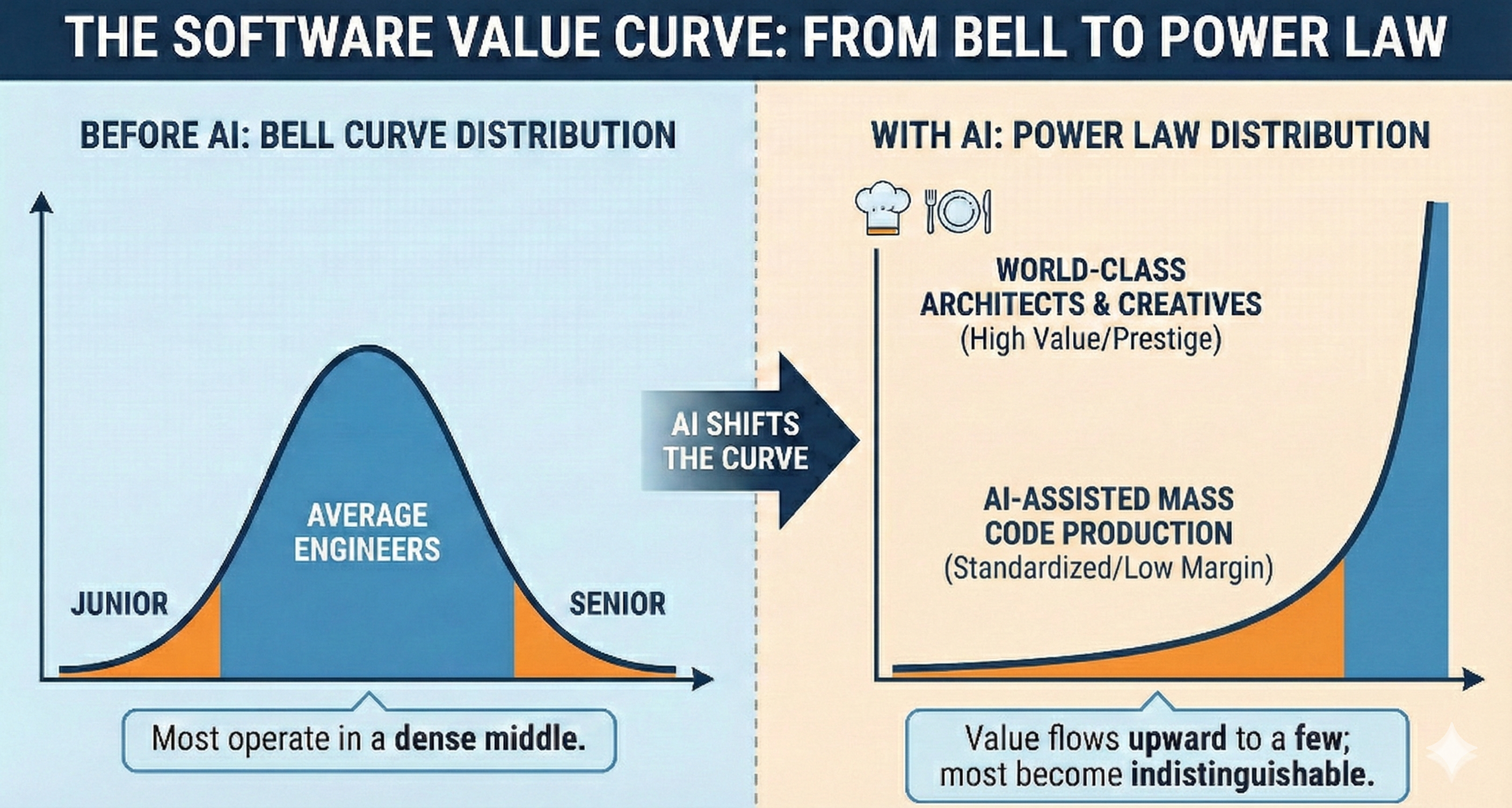
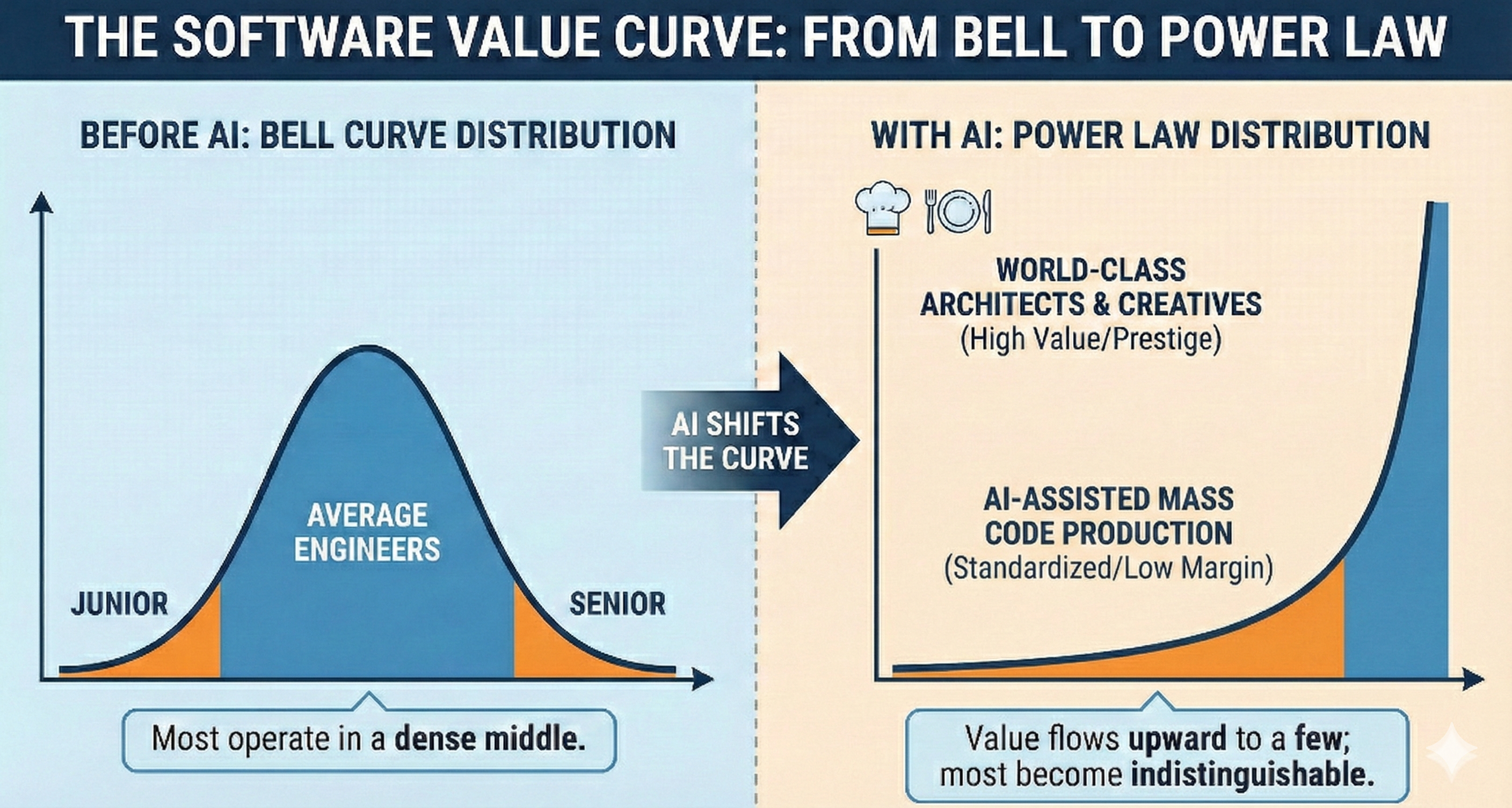
Beyond metaphors of speed and quality, the restaurant world also offers a structural mirror for where software is heading. Like in tech, value in restaurants follows a power-law curve. A tiny number of world-class kitchens and chefs — Noma, Jiro, Eleven Madison Park — capture a disproportionate share of prestige, profit, and attention. Meanwhile, a long tail of standardized eateries produces for the masses, with little margin or differentiation. Software is entering the same curve.
AI has made code production cheap and plentiful. It’s the equivalent of mass-produced meals. But in this abundance, value flows upward, concentrating in those who bring coherence, creativity, and judgment. The ones who design the menu, not just cook from it. In tech: senior engineers, staff engineers, architects.
A few become dramatically more valuable. Most operate in a dense long tail, increasingly indistinguishable. The shape is no longer a bell curve. It’s a power law. Psst! If you're enjoying this article, consider subscribing to the newsletter and buying me a coffee.
You can now serve thousands with AI-generated code. But only a handful will know how to combine it, shape it, and turn it into something meaningful, scalable, and enduring. Quantity is no longer scarce. Taste is.
As a developer, what do you do?
I see three paths:
AI operator. Be fast at generating, iterating, and validating. You don’t need deep expertise, but you do need adaptability and systems thinking.
True expert. Go deep. Architecture, performance, security, system design, databases, UX, product. When things break, expertise is what matters.
Decider. Move toward product, business, and strategy. If coding is cheap, deciding what to build becomes the real source of value.
What won’t work:
Pretending nothing changed.
Competing with AI on speed.
Staying in the shallow layer, AI can already replicate.
What will work:
Using AI as a multiplier.
Increasing your technical judgment.
Understanding systems and tradeoffs.
Becoming great at ambiguity, product, and business context.
If you're enjoying this article, consider subscribing to the newsletter and buying me a coffee.
As a manager, what do you do?
Managers face a similar shift. If AI makes output cheap and teams smaller, the role is no longer task coordination. The role becomes managing complexity. Three directions stand out:
The strategist. AI accelerates “what we can build”, but not “what we should build”. Strategy becomes central.
The sociotechnical architect. Code is cheap; integration is complex. You design the system of teams, AI, processes, and culture.
The curator of expertise. When everyone produces more code thanks to AI, the scarce skill is judgment. The manager becomes a multiplier of taste, quality, and systemic thinking.
Final thoughts
AI is industrializing software in the same way industrialization changed cooking. We will see a lot more “fast-food software”: cheap, fast, and good enough. That’s fine. But when production becomes easy, judgment becomes the real bottleneck.
Like elite football, the industry is shifting toward a power-law World: a small group of highly skilled engineers will capture disproportionate value, while the rest compete in a long tail of abundant supply.
AI is not removing people. It is shifting the value.
The question is not whether AI will replace you. The question is what role you want to play in this new league.
— João
PS: I’m building RotaHog, a lightweight tool for managing team rotation schedules (on-call, support shifts, release duties, etc.). Try it if you’re tired of hacking spreadsheets or Slack threads together. I’d love your feedback!
If you enjoyed this article, consider subscribing to the newsletter and buying me a coffee.
Dad. Husband. Head of Engineering @Adevinta, and building rotahog.com. My main interest is to build and grow SaaS Products and Infrastructure teams. Twitter | LinkedIn | Mastodon