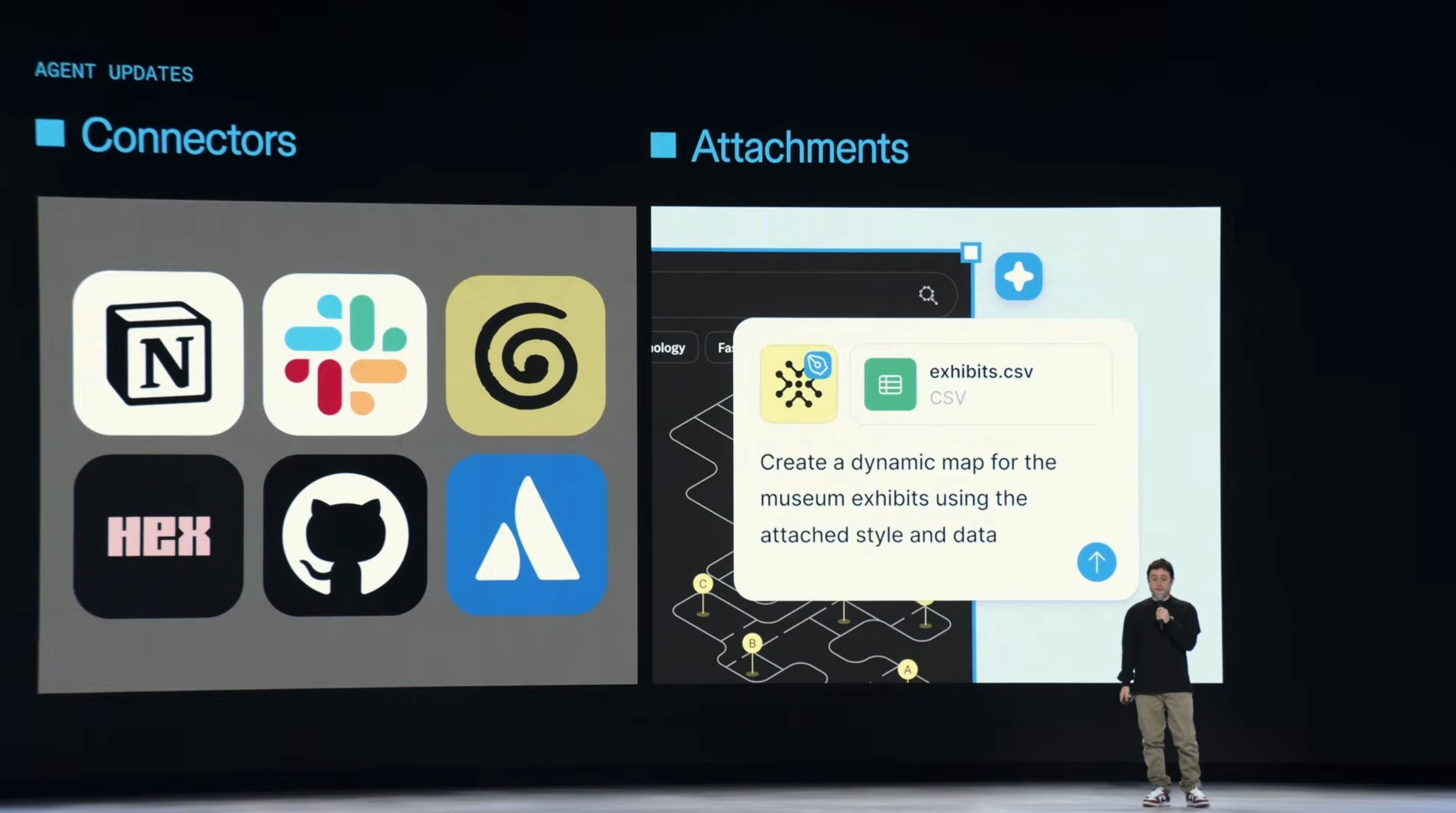
I watched the Figma Config 2026 keynote expecting product announcements. What I got instead was the clearest picture yet of where design is heading, and why two of the most important companies in software are racing toward the same place from completely different directions.
Two Companies, One Future, Opposite Doors
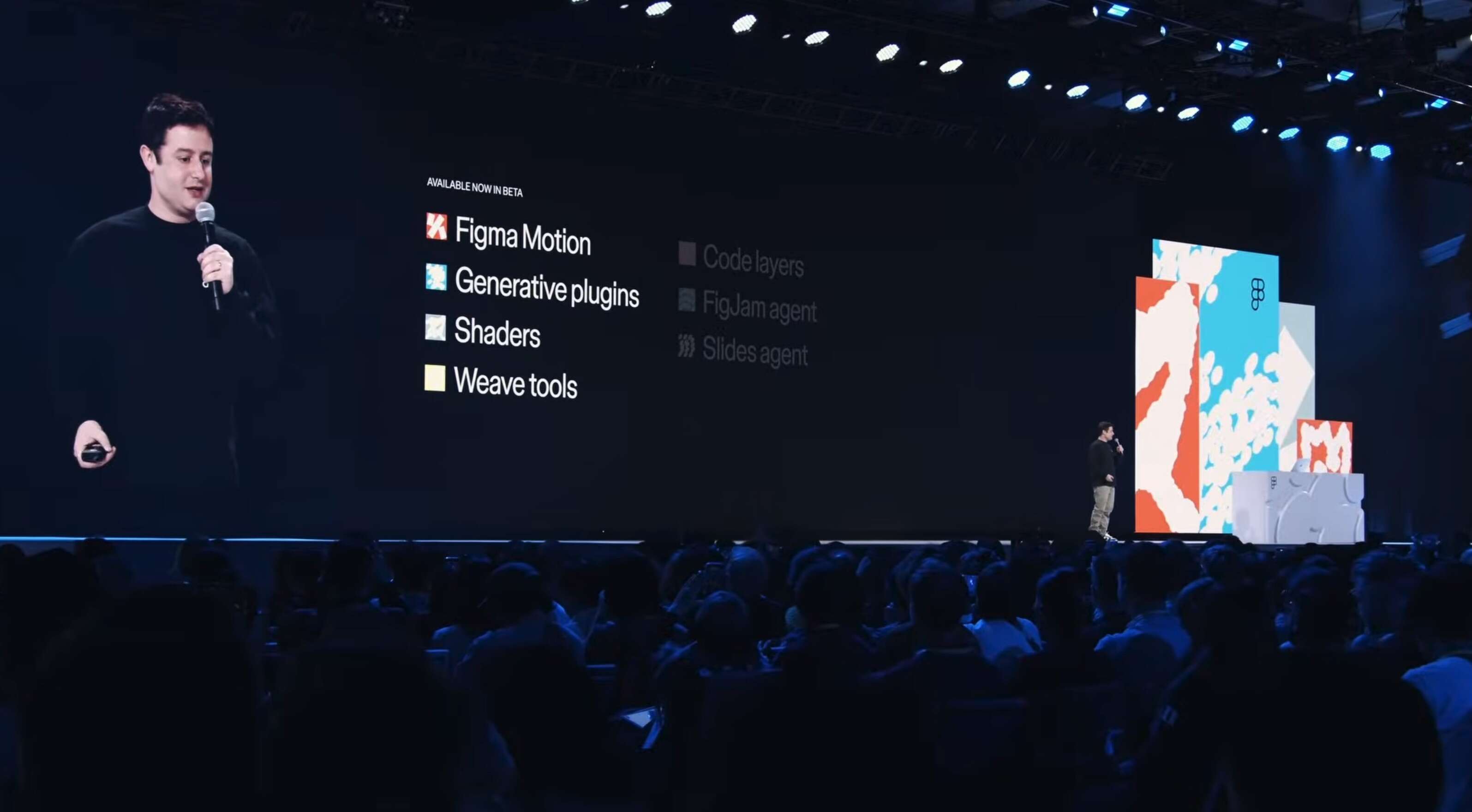
There’s a moment in the Config 2026 keynote where Dylan Field stops and says the thing out loud: “Code is not the opposite of design. Code is material for design.” He calls the whole design-versus-code argument a false debate. Watching it back, I haven’t been able to shake one thought since.
Figma and Anthropic are building toward the same future. They’re walking in through opposite doors.
Anthropic starts from the coder. Claude began as a tool for engineers, and everything design-flavored it does now reaches backward into craft, trying to give developers a sense of taste they can borrow. Figma starts from the designer. Its whole bet at Config was about pulling code, motion, and art direction into the canvas so the designer never has to leave the place they think best.
Same destination, the designer and developer collapsing into one person. But the starting point shapes everything.
The bar just moved, and it moved toward the generalist
I’ve written before about design drifting back toward generalism, so I won’t relitigate it. What Config made concrete is how much the bar has moved, and how fast.
Look at what Figma now expects a single person to touch. FigJam for the messy thinking. Figma Draw for illustration. Weave for art direction. Code layers for implementation. Motion for animation, with 3D transforms on the way. Shaders for the kind of pixel-bending that used to take someone four years of math to pull off. That’s not a toolkit for a UI specialist. It’s a toolkit for someone who does UX, UI, motion, code, art direction, and graphic design, and switches between them in an afternoon.
The all-rounder is the person every one of these tools is built for. The specialist still exists, but they’re becoming a niche, in the literal sense of the word.
Here’s the part I love. Through every demo, the center never moved. It’s still the canvas. Code layers live on the canvas. Weave workflows run as tools on the canvas. Motion is just another property on the canvas. Figma didn’t bolt new silos onto the side. It kept one surface and made everything a material you can shape there. The canvas is still the best place to make things actually work.
Agents stopped being a feature and became the air
The biggest shift isn’t any single tool. It’s that the agent is no longer a destination you visit. “Figma Make” as a separate place to go is fading into the background. The agent is just there now, baked into the surface as a co-pilot. You ask it to start something, you stop it, you review what it made, you tweak the details, you riff again.
I kept thinking about how I already work. Design, or ask the agent. Start, stop, review, tweak. That loop is the entire job now, and Config showed it running faster than I’ve ever seen it. Branch a code layer by holding option and dragging, the same muscle memory you’ve used a million times. Generate a plugin you need for one task and throw it away after. The friction between having an idea and seeing it is approaching zero.
Which is exactly why taste is the whole game
When everyone can generate a clean dashboard in thirty seconds, every clean dashboard looks the same. AI didn’t make design easy. It made design similar. The floor came up and flattened everything on it.
So the only thing left to compete on is the part the agent can’t hand you. The radius on a corner. The weight of a transition. Whether the empty state makes someone feel found or makes them feel stuck. One of the Figma presenters changed a sad empty-state face to a happy one mid-demo, almost as a throwaway, and that tiny instinct is the entire point. The details are the differentiation now. They’re the only thing that’s yours.
Rick Rubin describes the artist’s job as becoming a receiver, developing the sensitivity to feel when something is right and when it’s off before you can explain why. That’s what survives all of this. Not the ability to make the thing, but the ability to look at twenty versions the agent made and know which one sings.
So, design is dead?
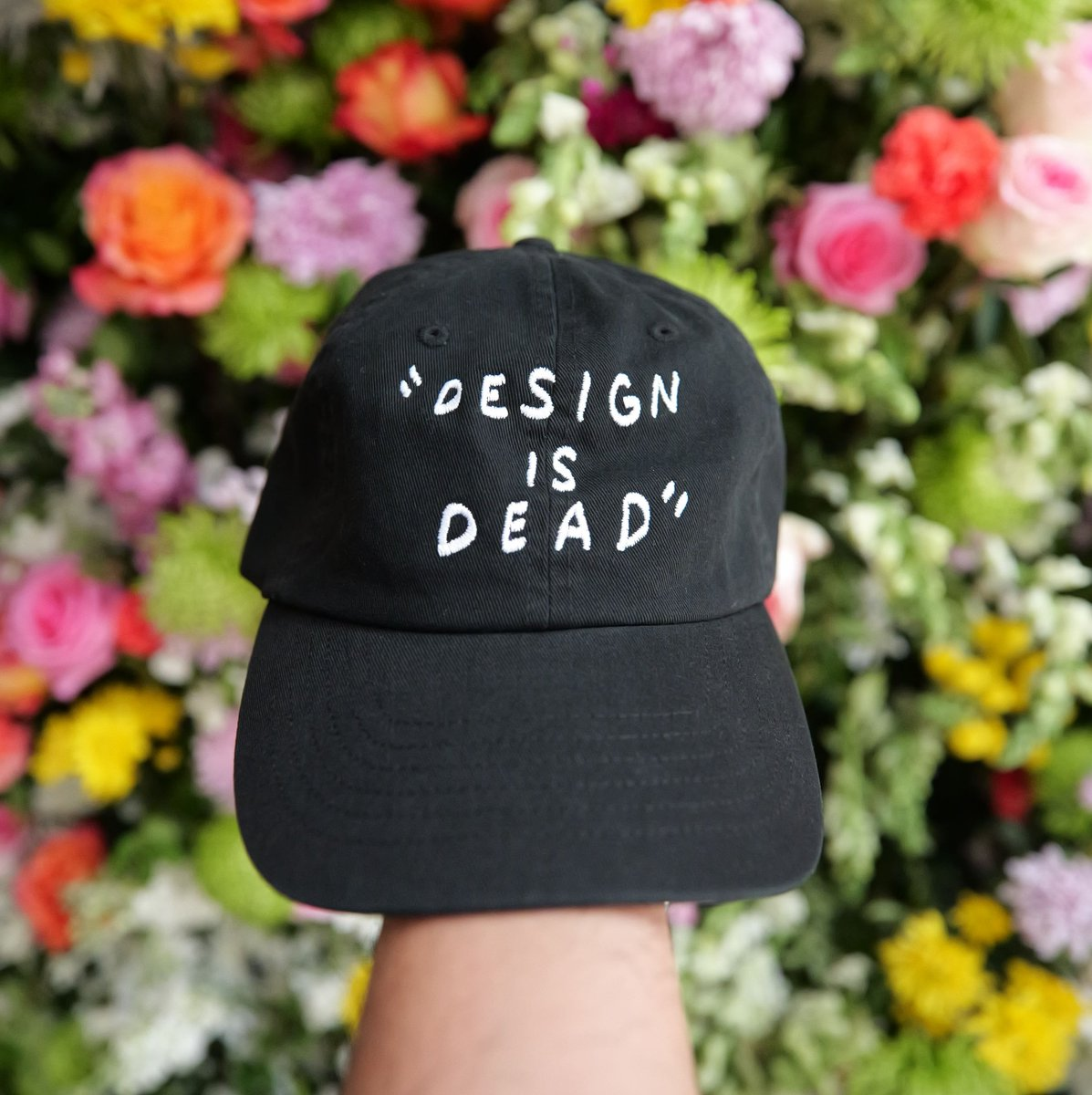
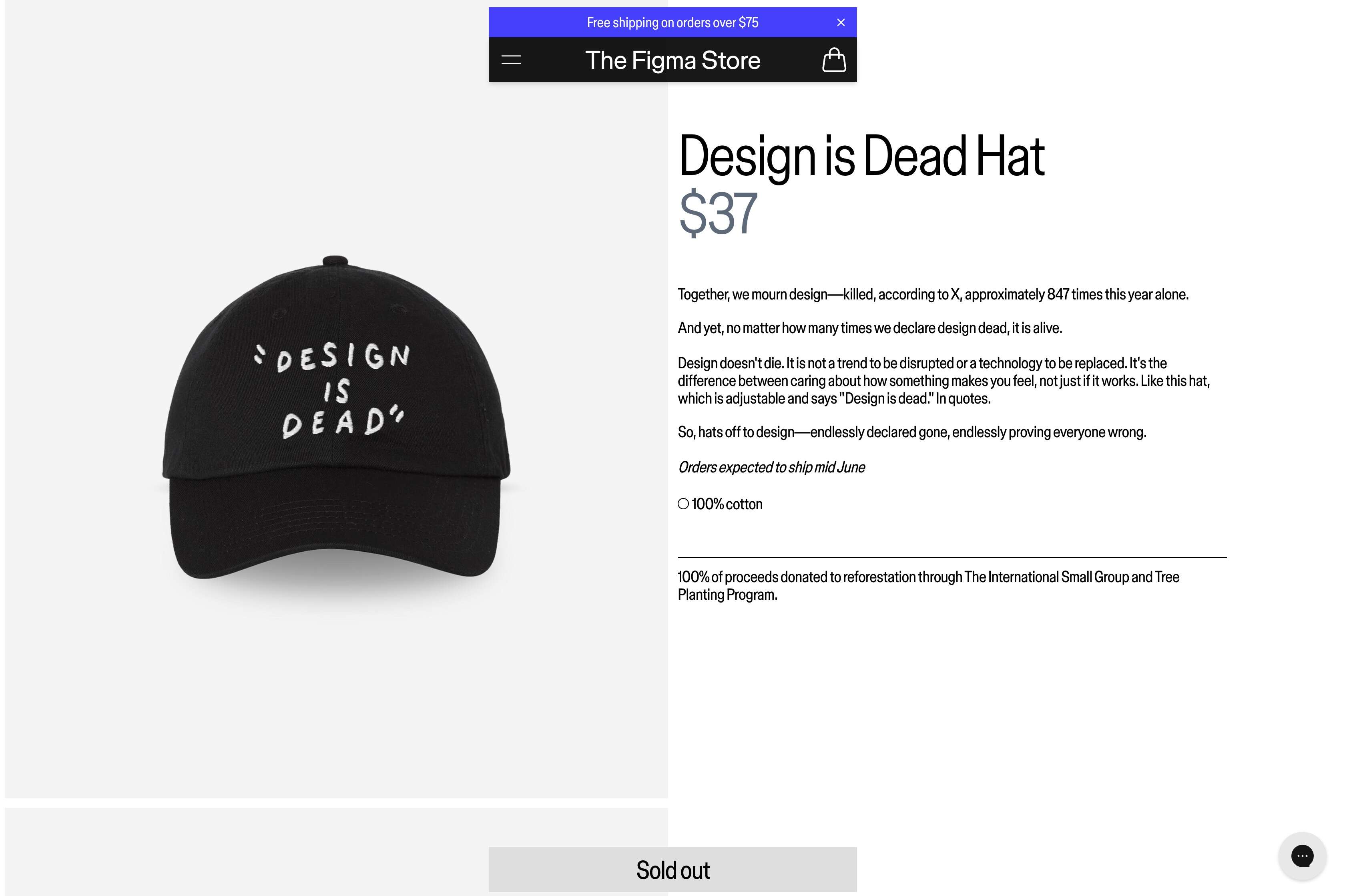
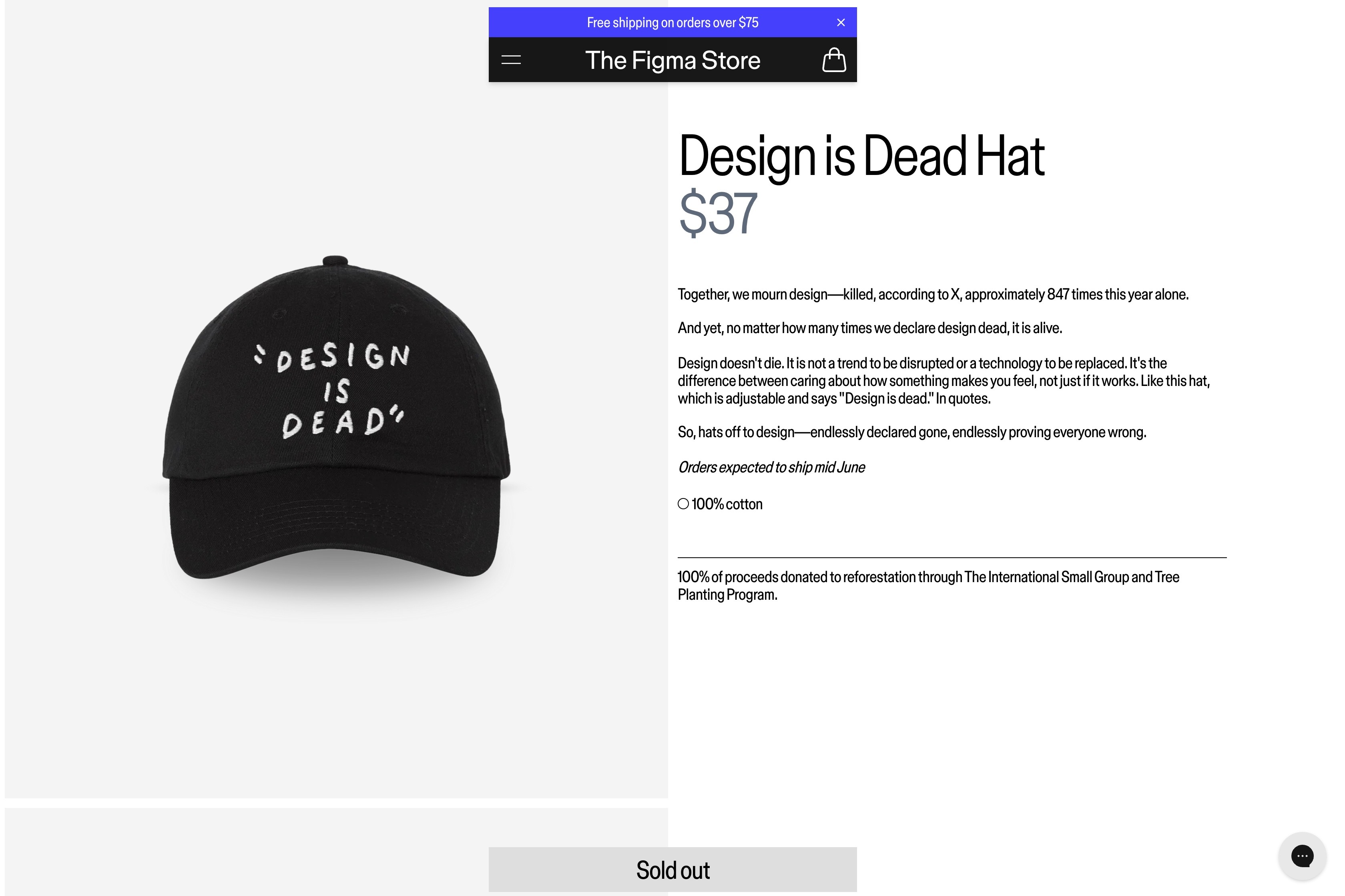
Figma sells a hat that says “Design is dead.” In quotes. You can buy it for $37, and the product page does the bit better than I can: design has been killed, it says, “approximately 847 times this year alone,” and yet “no matter how many times we declare design dead, it is alive.” Dylan pointed one out from the Config stage and said even they get it.
That hat is the whole keynote in one accessory. It’s a company confident enough about design’s future to put the joke on merch and donate the proceeds to planting trees.
Design didn’t die. It got harder to fake. When the technical floor disappears, taste is the only thing holding up the ceiling, and the people who’ve spent years training their eye just became the most valuable people in the building. Figma built an entire keynote, and a hat, around handing them the controls.
Anthropic is coming at this from the code side. Figma from the design side. I genuinely don’t know where they meet in the middle, and that’s the most interesting question in software right now. Config made Figma’s answer clear. Put the designer in the driver’s seat, make code a material instead of a wall, and bet on taste.
I think that’s the right bet. And I kind of want the hat.... but it's sold out. 😢