I’ve been watching friends ship products at a pace that would have been unthinkable two years ago. Whole apps, working apps, built in a weekend using new long-running processes on Claude Code, Cursor, or Codex. You push it live on Sunday night and wake up Monday with something real.
And yet most of it feels the same.
Same card layouts. Same gradient headers. Same onboarding flows that ask for your email before they’ve given you a reason to care. The tools got better. The output didn’t. And I think the reason is that we’re confusing technical ability with product judgment. We’re treating “can I build this?” as a synonym for “should I build this, and should it look and feel like this?”
Those are completely different questions. The first one is basically solved. The second one requires taste.
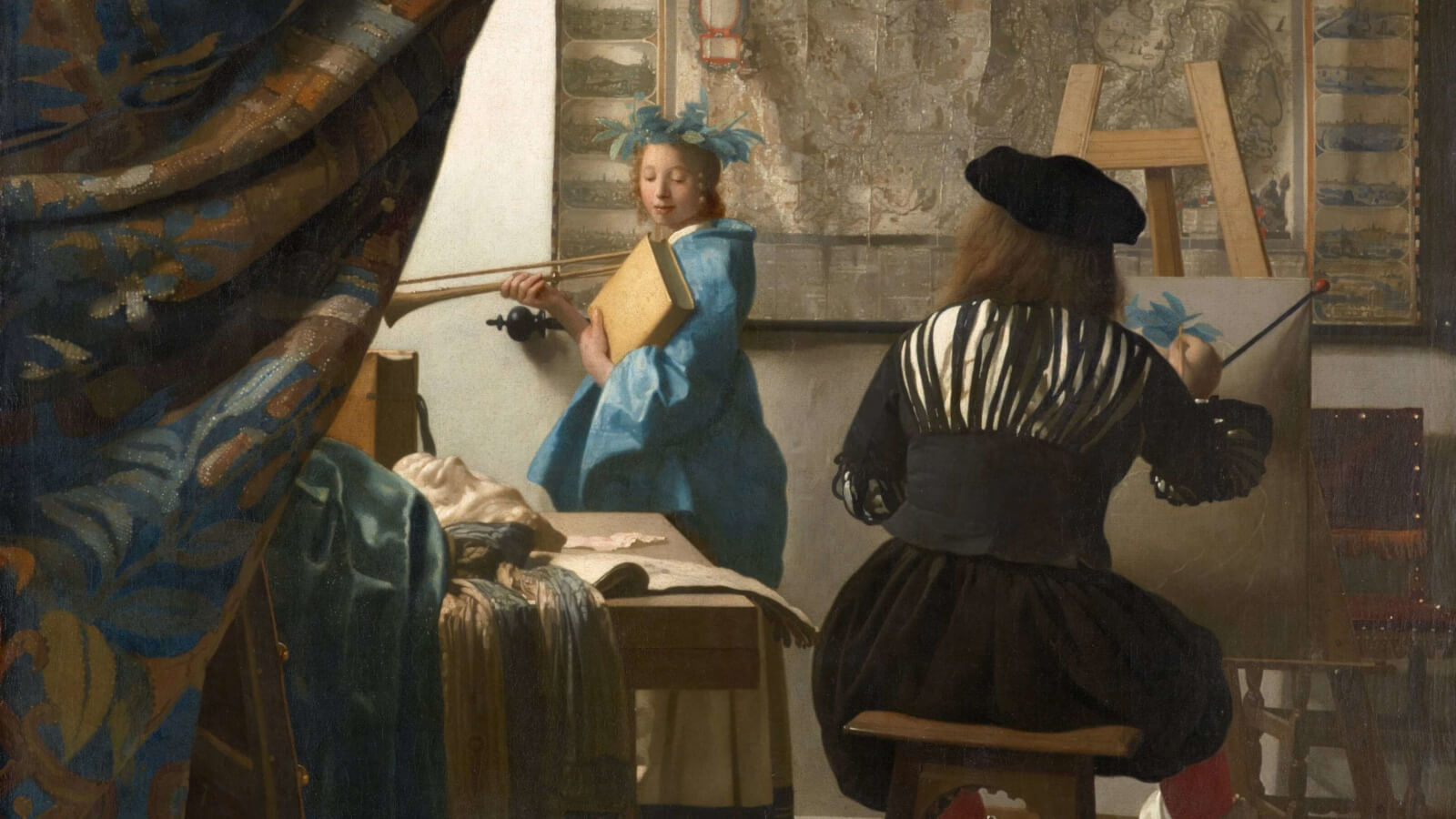
Taste is a loaded word. It sounds elitist, or vague, or like something you either have or you don’t. I don’t think that’s right. Taste, in product, is the accumulation of a thousand small decisions: what to include and what to leave out, which interaction to polish and which to keep invisible, when to follow a convention and when to break one. It’s not about aesthetics. It’s about judgment. In software, this could be something as small as how a menu panel opens, or what tooltip to show. Each decision is minor on its own. Together they’re death by a thousand cuts, or a thousand kindnesses.
Rick Rubin talks about this in The Creative Act. He describes the artist’s job as tuning yourself into a receiver, developing the sensitivity to feel when something is right and when it’s off, even before you can explain why. He calls it “the ability to look at the world with fresh eyes, to notice what others have stopped noticing.” In product, that sensitivity is what makes you pause on a screen that works but doesn’t feel right. The spacing is fine. The hierarchy is correct. But something about it doesn’t land. That signal, the one that says “this is functional but not good,” is taste. And most AI-assisted workflows are designed to skip right past it.
Jony Ive frames a similar idea as “care,” paying attention to things most people won’t consciously notice but will absolutely feel. The radius on a corner. The weight of a transition. The hierarchy of a settings page. Brian Chesky stretches it further with his “11-star experience” exercise: what would a 5-star version look like? Now 7? Now 11? The point isn’t to build the 11-star version. It’s to stretch your imagination far enough that the 5-star version you ship is better than whatever you would have built without the exercise. Taste as a practice, not a trait.
• • •
Here’s what I think happened. For a long time, the bottleneck in building software was technical execution. Getting something to work at all was hard enough that taste was a nice-to-have. Now that AI compressed the build cycle to near-zero, the bottleneck shifted. The scarce resource isn’t engineering anymore. It’s the ability to look at twenty possible directions and pick the one that actually matters.
I felt this building Sam, an AI admin tool for Australian builders. I could generate features in minutes: email drafting, variation tracking, budget reconciliation, all technically possible before lunch. The hard part was figuring out which of those features a builder in Adelaide would actually open the app to use. That required sitting with the problem longer than the code took to write. The software isn’t there yet, and that’s the point. I’ll keep polishing and polishing, because it matters to me and it matters to the builders who’ll use it. A better experience is worth the extra time.
The irony is that AI makes taste more trainable than ever. You can prototype three versions of a flow in an afternoon and compare them side by side. You can build a rough version, put it in front of someone, and iterate before you’ve committed to anything. But you have to care enough to run the loop and you have to have developed the sensitivity to know what you’re looking at when you do.
That’s the Rubin point, applied to product. You can teach yourself to see. You can develop the receiver. But it takes reps, and it takes stillness, the willingness to sit with something that’s finished and ask whether it’s actually good. Most builders right now are moving too fast to ask.
The tools have never been better. Now the question is whether you can feel the difference between something that works and something that sings.
~ Kosta