Where I work, we have a big emphasis on experimentation as a method to testing releases of our product. Part of this process is to continually improve the process for a shopper using our product to find the items they need. When an experiment "wins" we want to see how much more we can get out of this idea. This method starts high level and works towards more detail as iteration releases.
Direct & indirect iterations are two methods I use to explore possible next steps with a winning experiment. When brainstorming ideas, I find I get lost and can’t see the wood from the trees with one idea from the other. Which is better, which should I take to the team, which needs more work and thought?
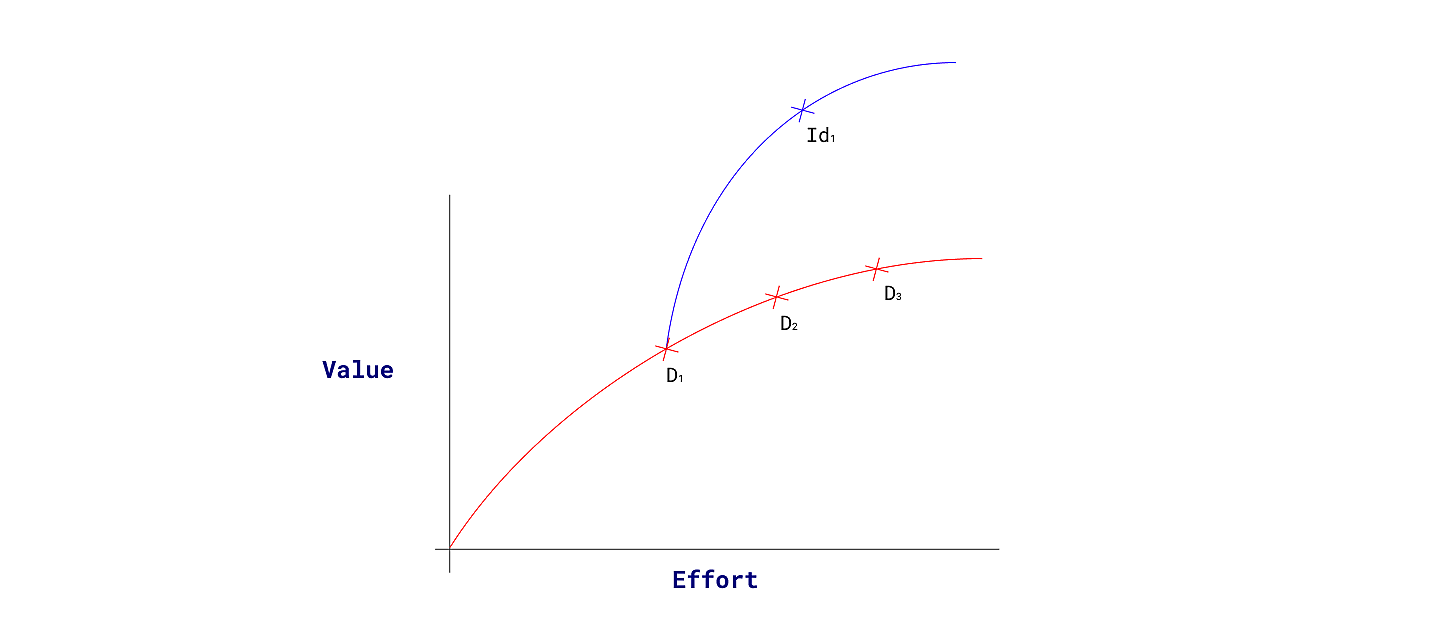
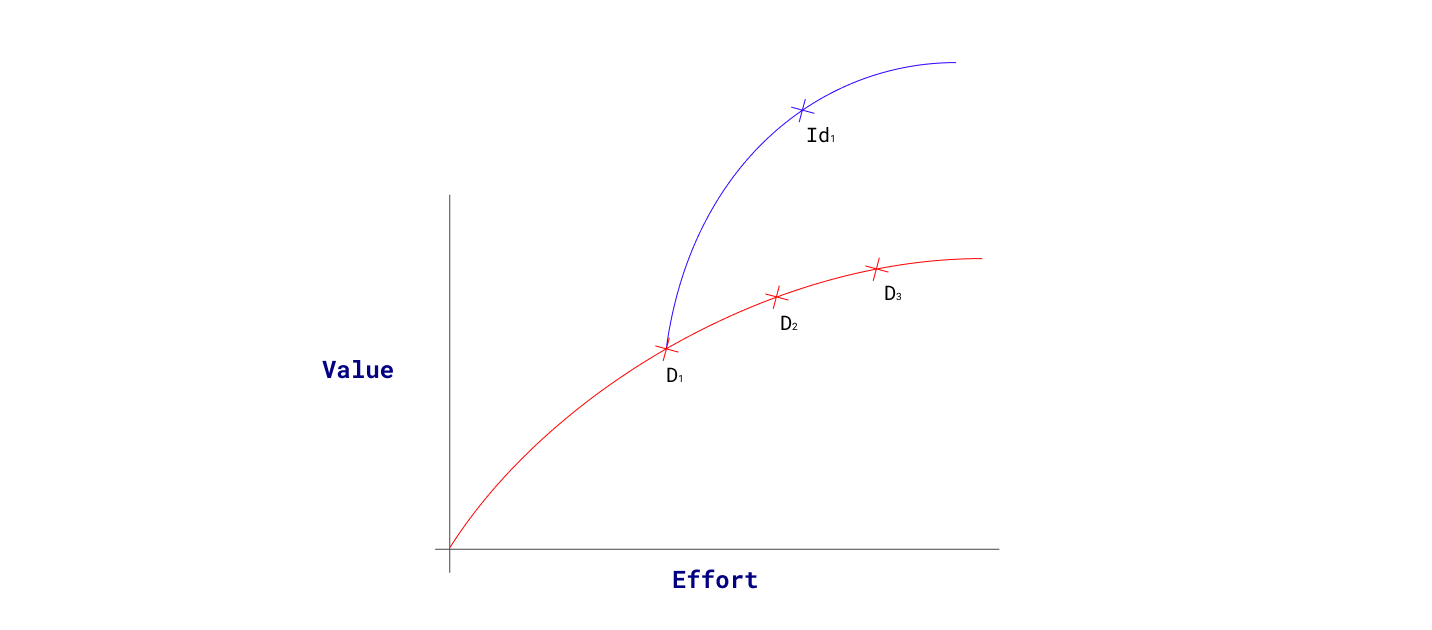
I was finding that I was getting so lost in a mess that I couldn't work out which was the best to approach. I wanted to be able to understand which ideas were related to the experiment in terms of pushing that idea further and which ideas were related to the "leaver". Ideas related to the leaver, I call these indirect iterations. This method gives me two lists that I can get prioritize with my team. Then I begin work validating these concepts. Why is it important to understand which ideas are iterations and which are indirect iterations? An idea potentially will have a fixed amount of value that a product can pull from it. We can optimize our product and refine the idea but it will have a fixed benefit.
An indirect iteration gives us a chance to use the same or similar thinking & technology to address different problems and give the product greater value than optimizing the original idea.
There is a downside to an indirect iteration. I feel that they do need a new line of validation before build. So they will require more effort than a direct iteration. That shouldn't put you off them. They are great discussions to have with a team. Definitely worth it, even if you think the team can't take on this work.
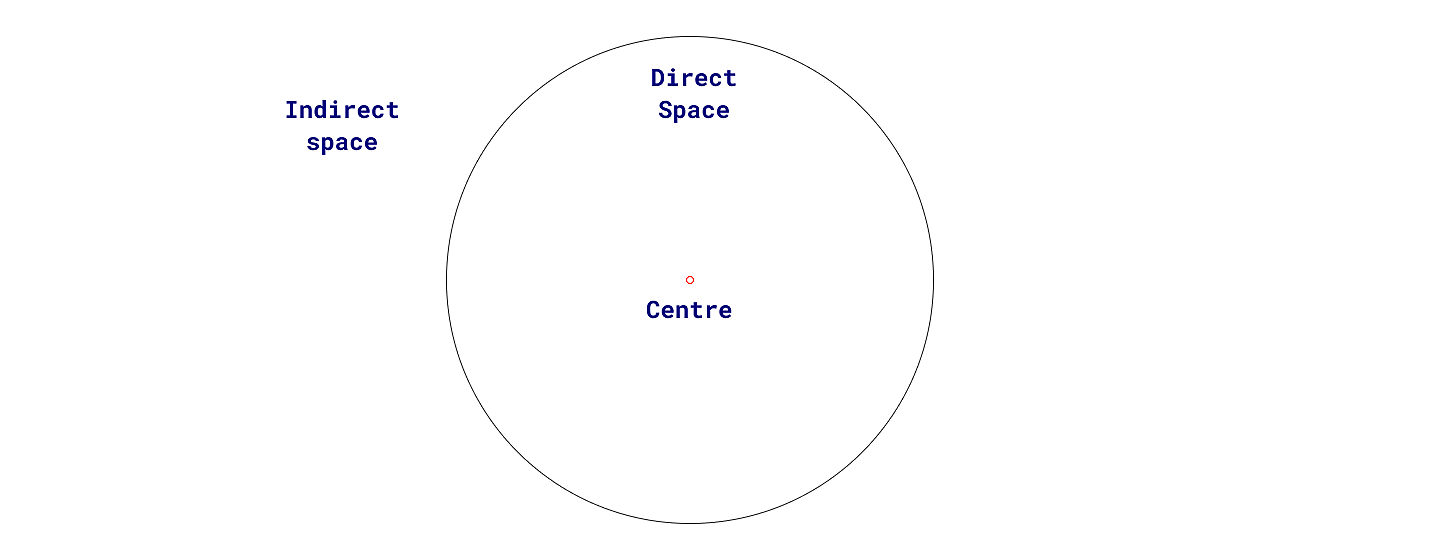
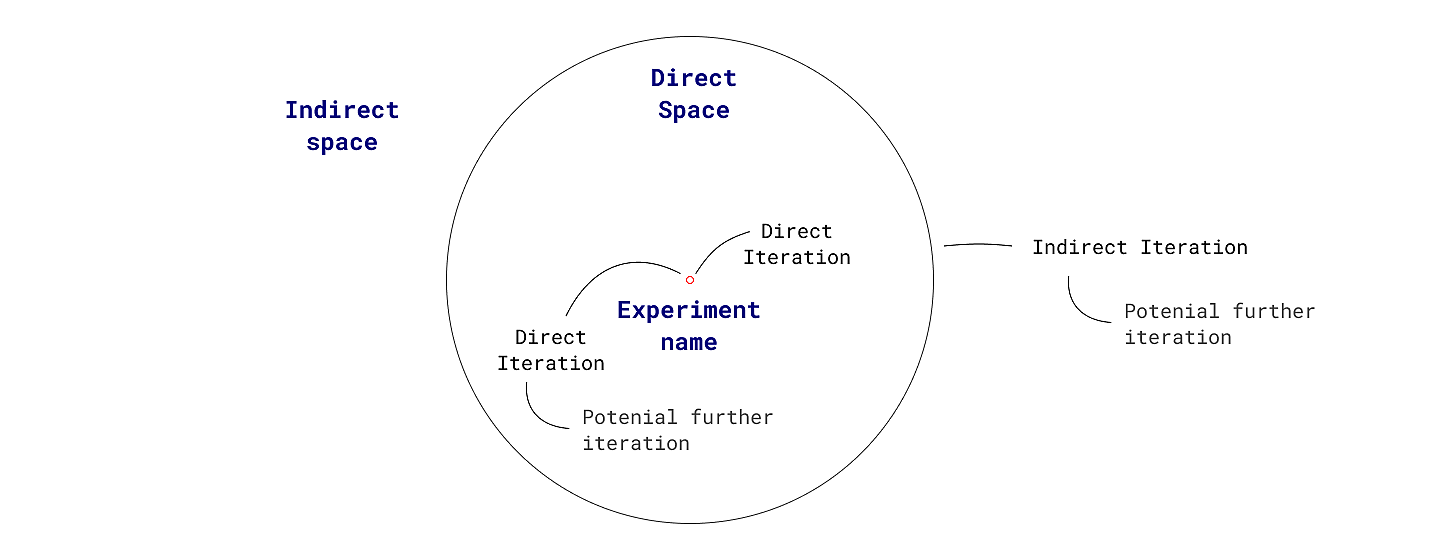
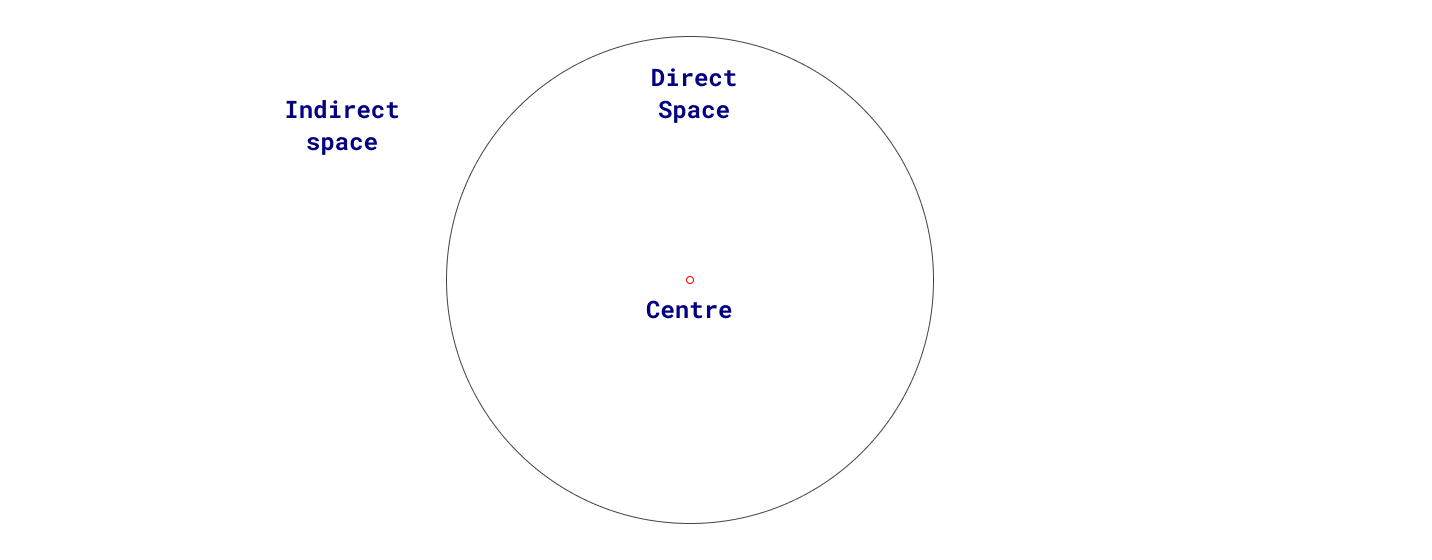
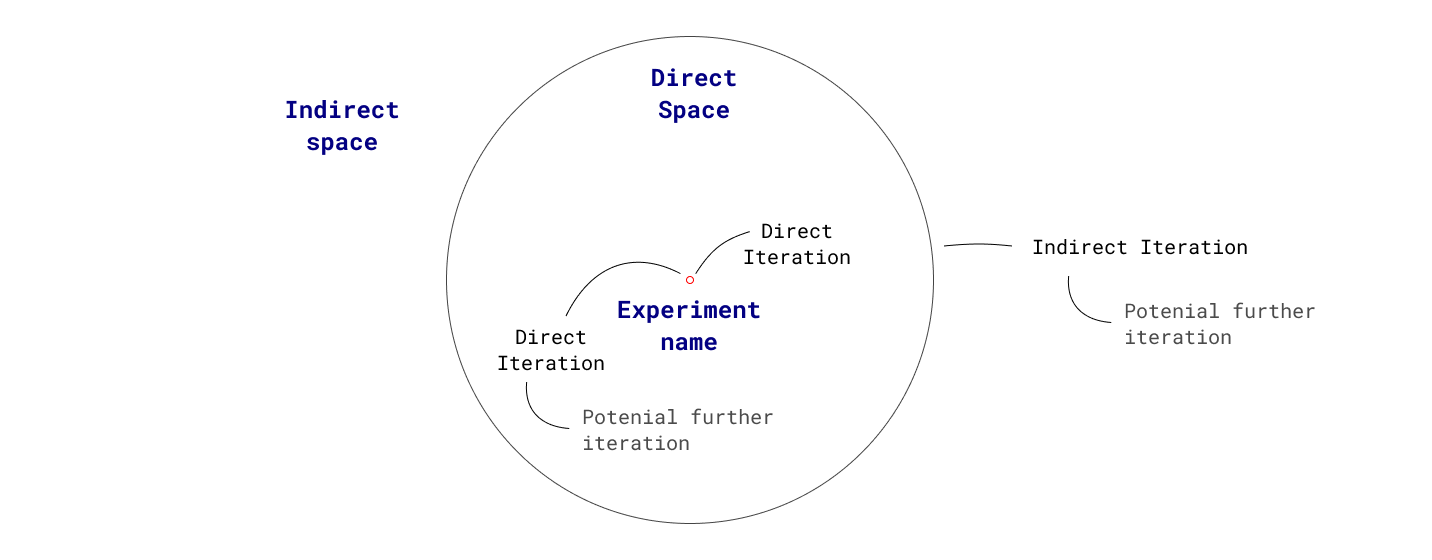
The center is the starting point. A natural place to start for me is to write the name of the experiment that we want to iterate on.
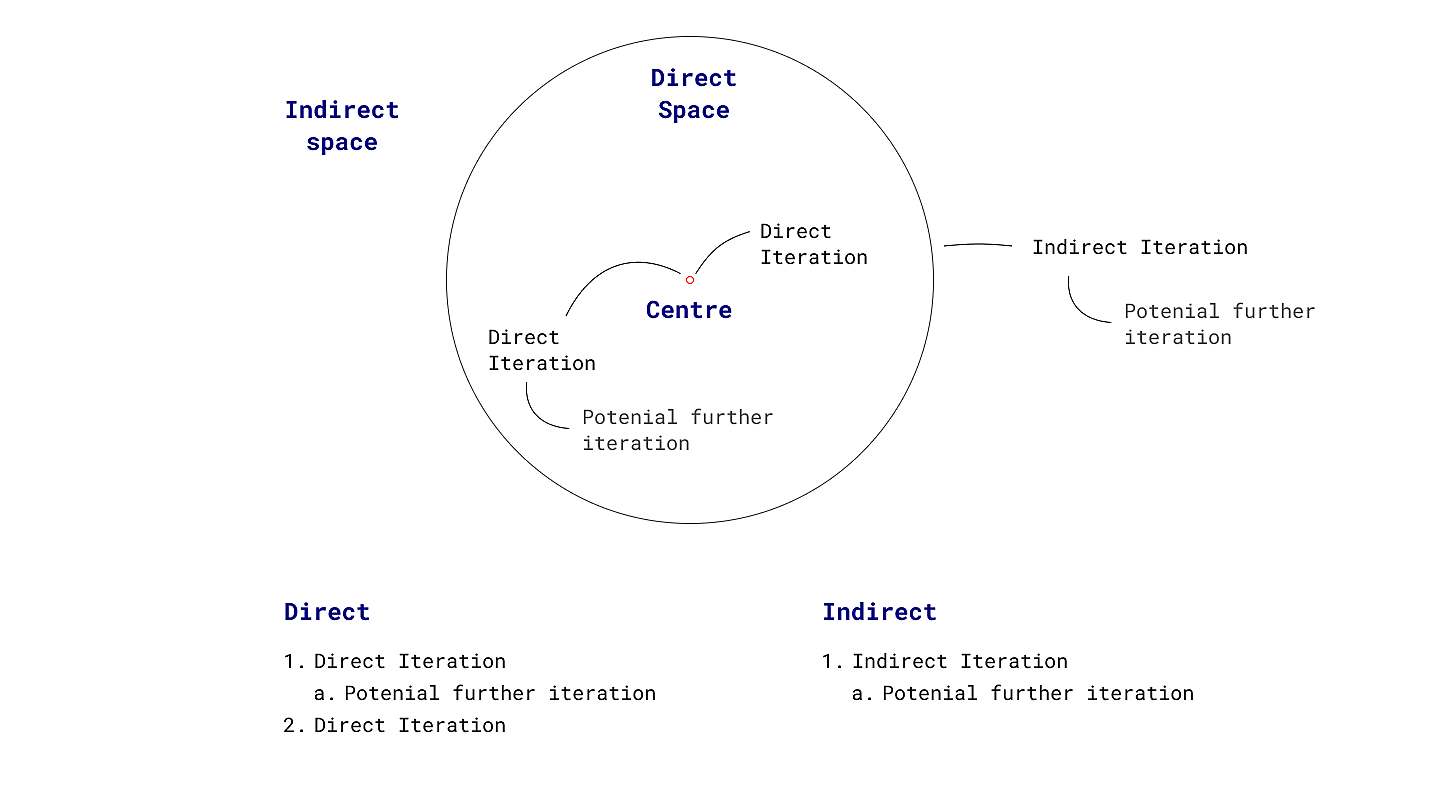
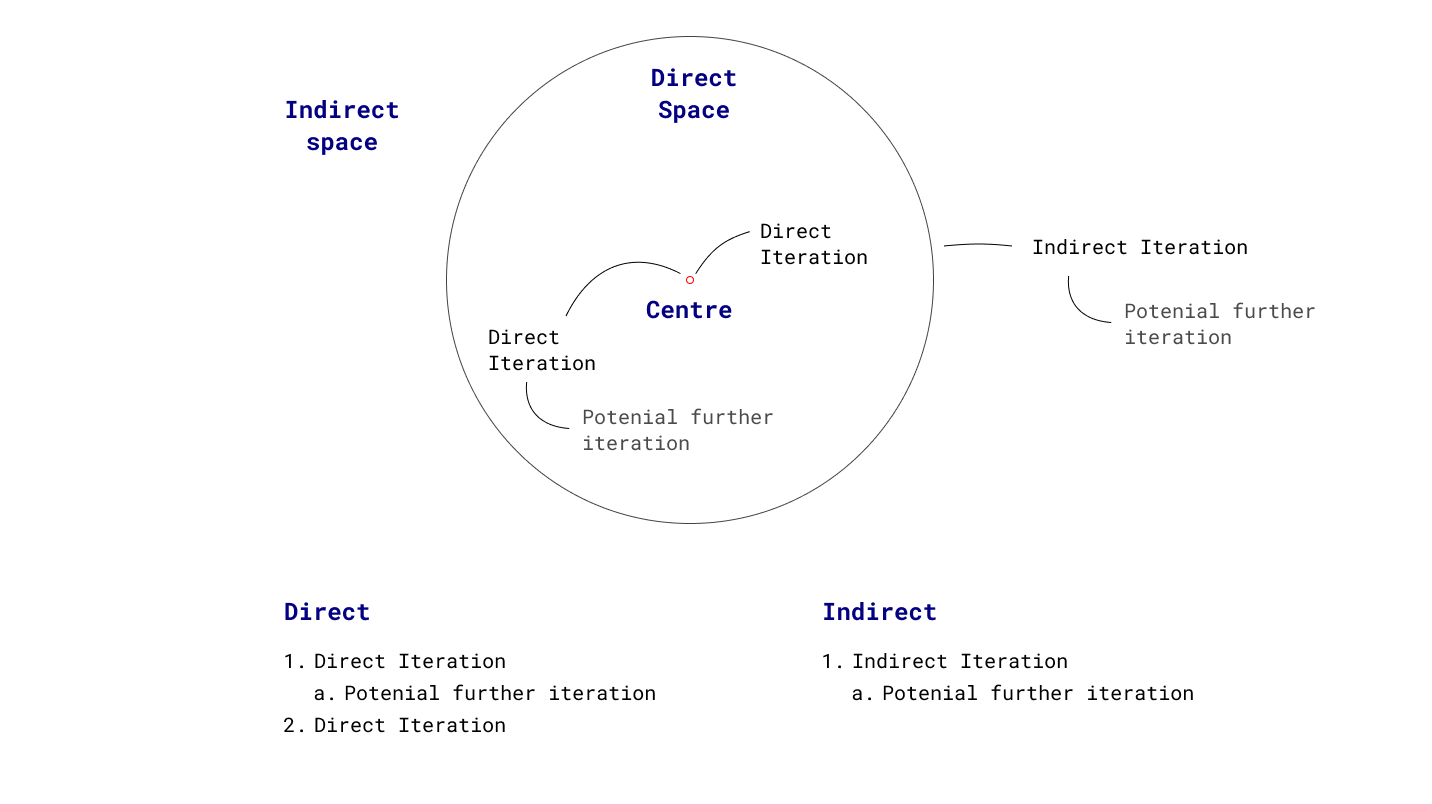
Direct Iterations are indicated by drawing a line from the center to show that they are linked. Then the iteration is noted. I explore a number of avenues here that are influenced by user insight from the previous experiment. If a direct iteration has a further iteration, plot it in the same way. Example below
To visualize that all these ideas are housed in a direct iteration section. I draw a circle around these ideas.
Indirect iterations are ideas that take the core concept of the experiment and try them in different contexts. In AO we call these leavers. It's the overarching concept that these ideas are framed under. Because we have an experiment that proves there is potential in this leaver. We have the opportunity to explore it in other ways that make sense.
I should stress that these ideas need to make sense for the leaver and the new context of the indirect iteration. Don't think you can just create a new experiment and say that it fits this leaver. If unsure, we repeat our Design thinking process to understand the problem from this point of view.
Plotting out the ideas in this way means that I can create two lists that capture the ideas and help me to organize them in a priority. I spend a few moments writing a little description around each iteration to help explain it. I also try and include any insight I have that would strengthen the idea. This is also a natural point to edit out weak ideas.
I can now bring this to the team and socialize the iteration suggestions.
After a healthy discussion with the team, we can spike the technology involved with the ideas that have the most potential. Then I can go and validate these ideas through a design thinking process.